







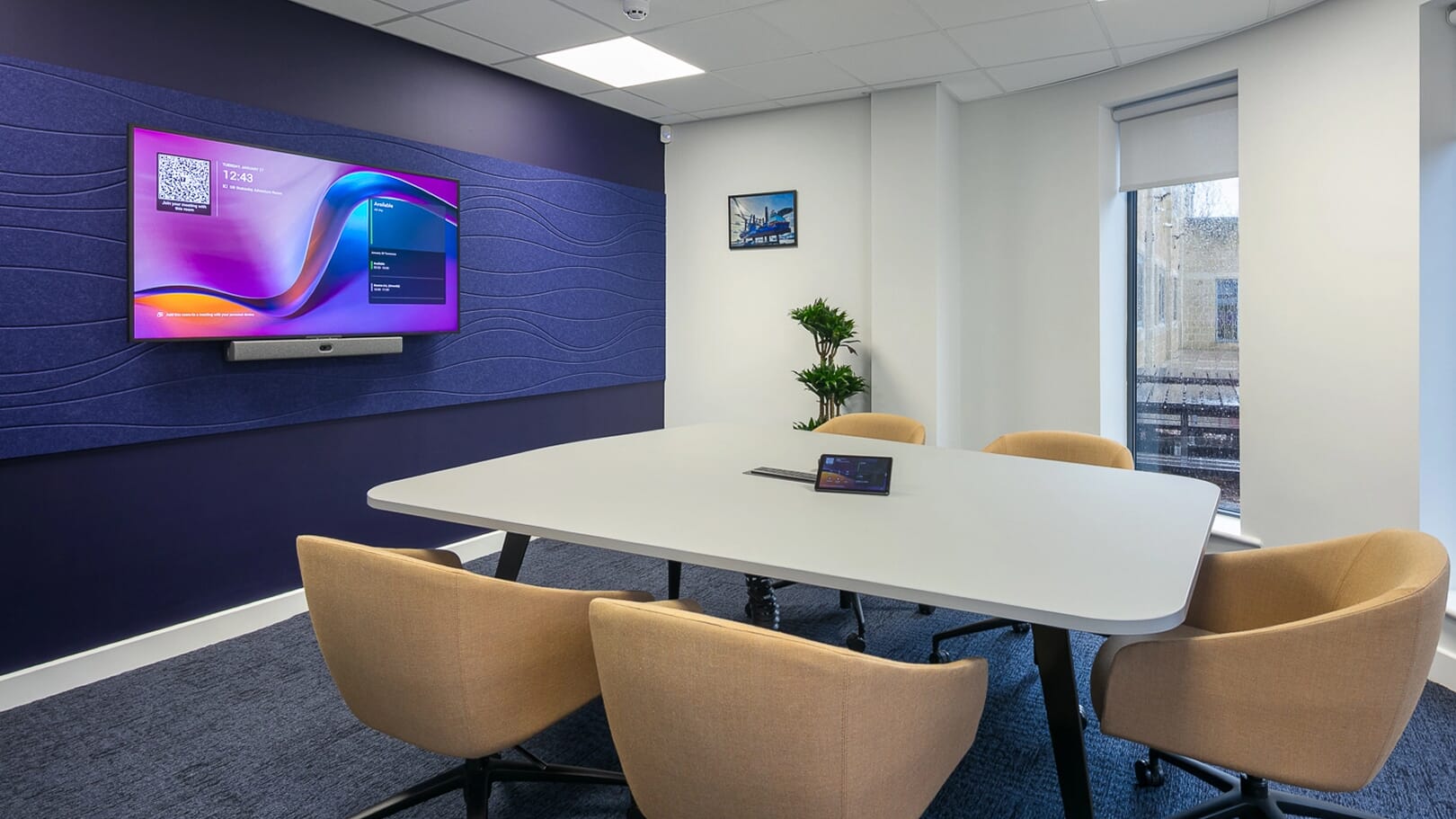
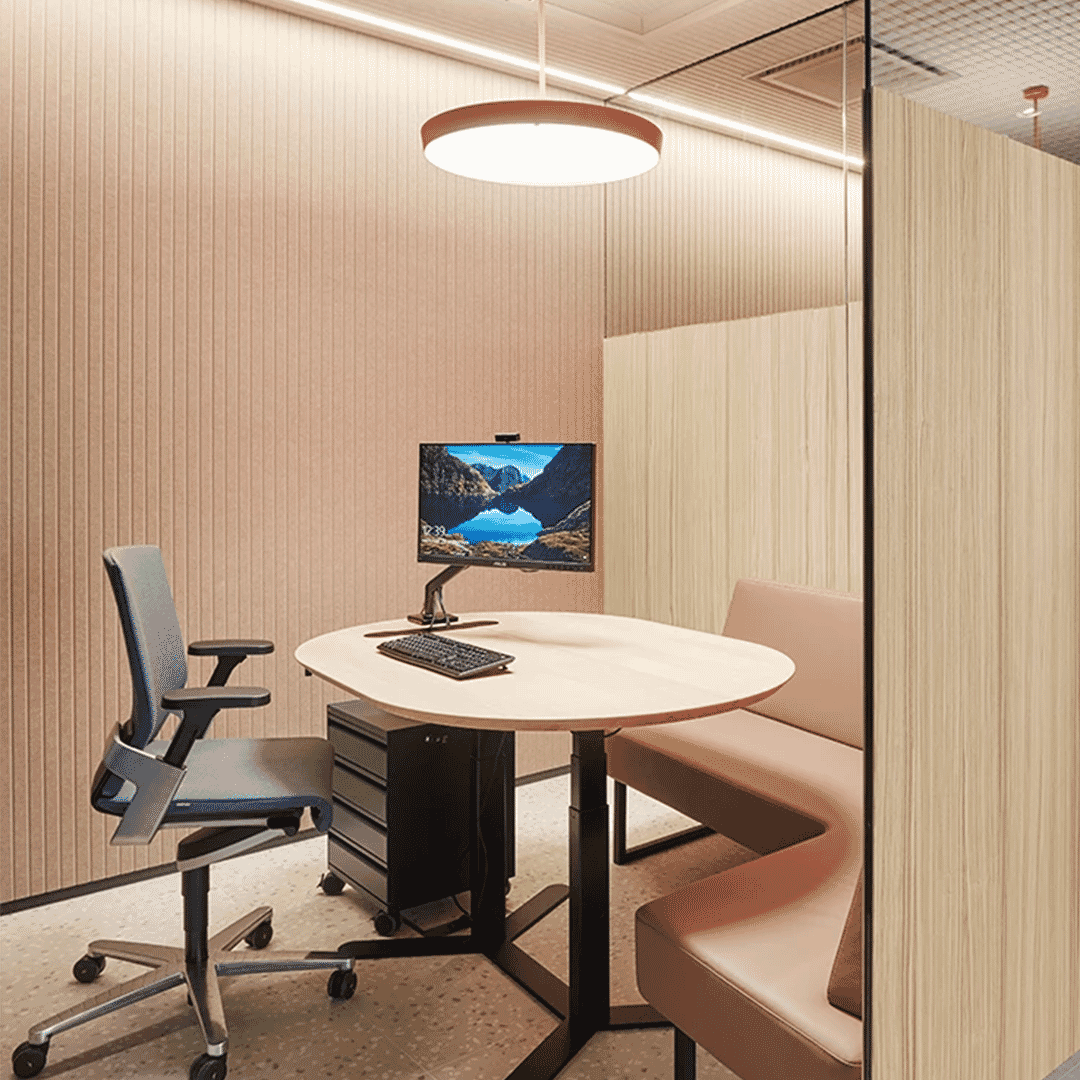
Why are meeting room acoustics important?
Most meeting rooms are built from materials that reflect sound, such as glass, partitions, plasterboard and hard floors. The result is a room that echoes, speech that sounds muddy and conversations that carry out of the room.
Nearly every meeting has someone dialling in and microphones pick up every reflection in the room. No upgrade to the AV system will fix a room that has bad acoustics.
Good meeting room acoustics come down to controlling reverberation so speech is clear and people can concentrate. Resonics has treated meeting rooms of every size for clients including Revolut, Skyscanner, PwC and Lloyds Banking Group.
Our clients













The benefits of meeting room acoustics
Presentations, workshops and important conversations all depend on people hearing each other properly. Acoustic treatment shortens reverberation time so every voice comes through clearly.
Confidentiality is key in boardrooms, client meetings and HR discussions. Combining sound absorption with sound masking makes speech unintelligible, so conversations are harder to overhear.
Reducing background noise and echo lowers listening effort, so meetings feel shorter and less tiring.
A well balanced room makes a space feel calmer, helping to reduce stress and improve wellbeing.
AV/VC equipment is extremely sensitive to noise. Microphones can’t tell the difference between a voice and its echo. Treating the room reduces reflections so hybrid meetings work properly.

Testimonials
Hear what our clients have to say
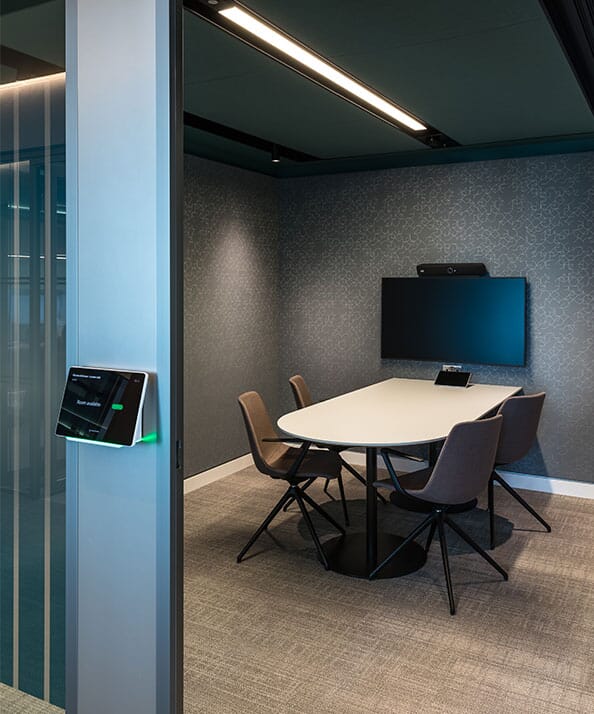
Reducing noise in meeting rooms
The acoustics in every meeting room behave differently depending on its size, shape and finishes. So before recommending anything, we survey the room to find out what’s causing the problem.
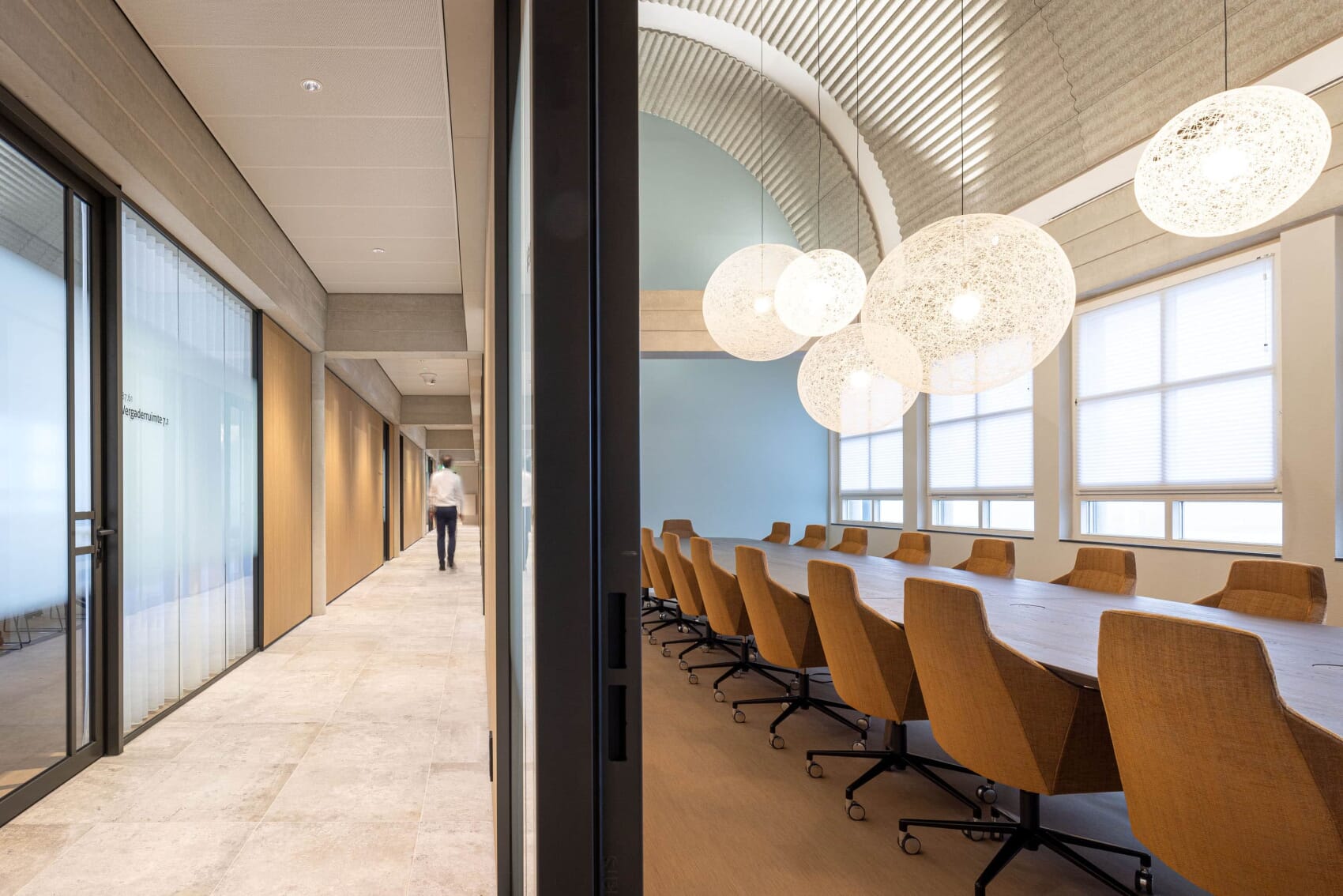
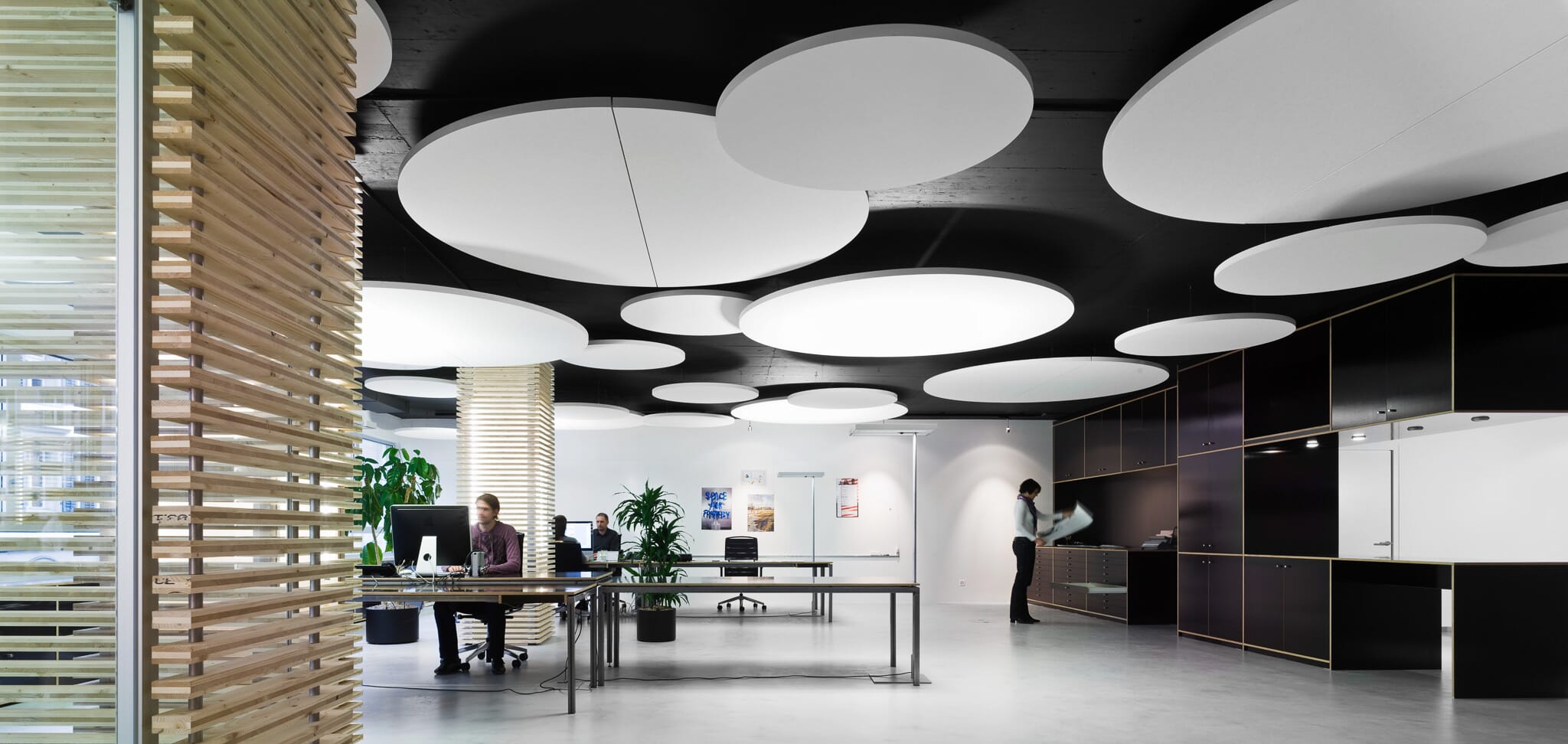
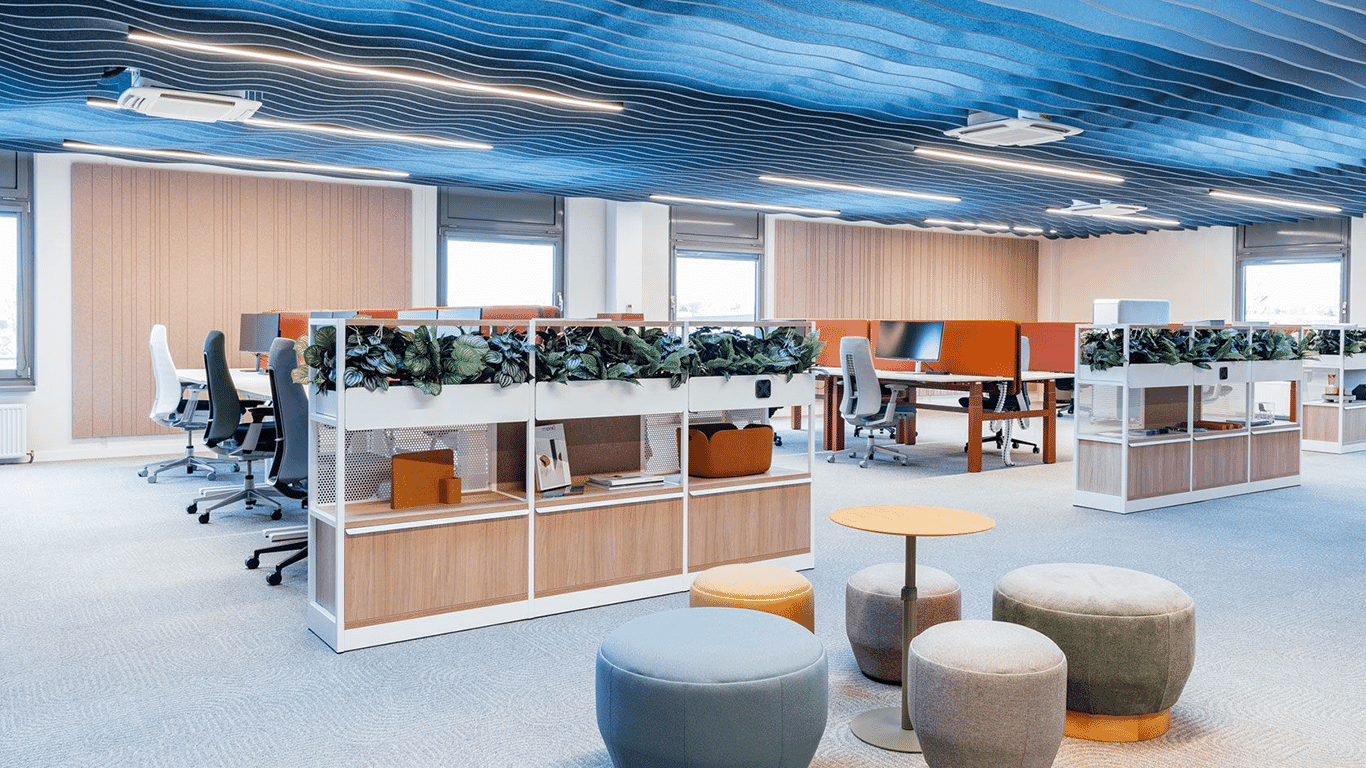
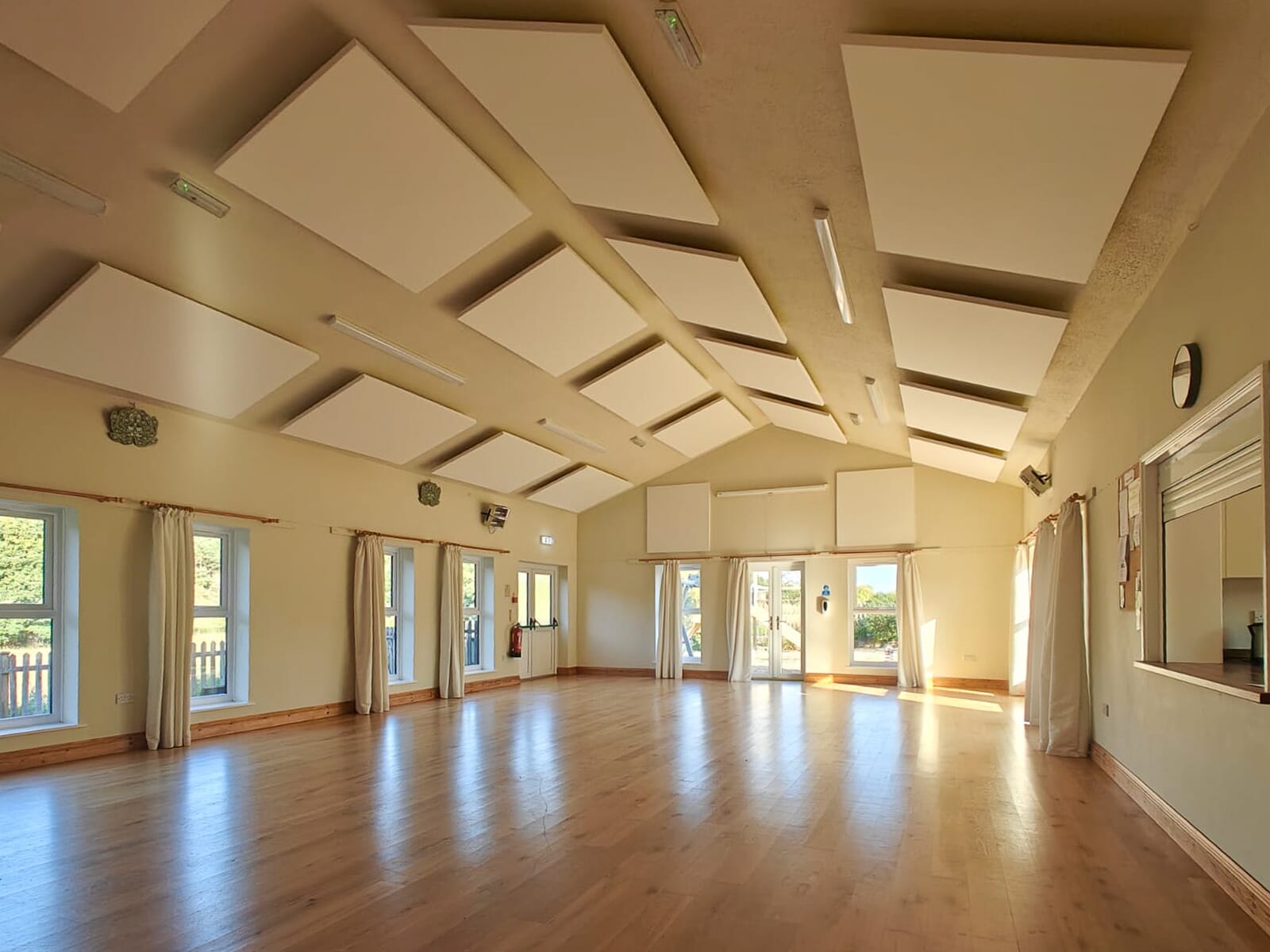
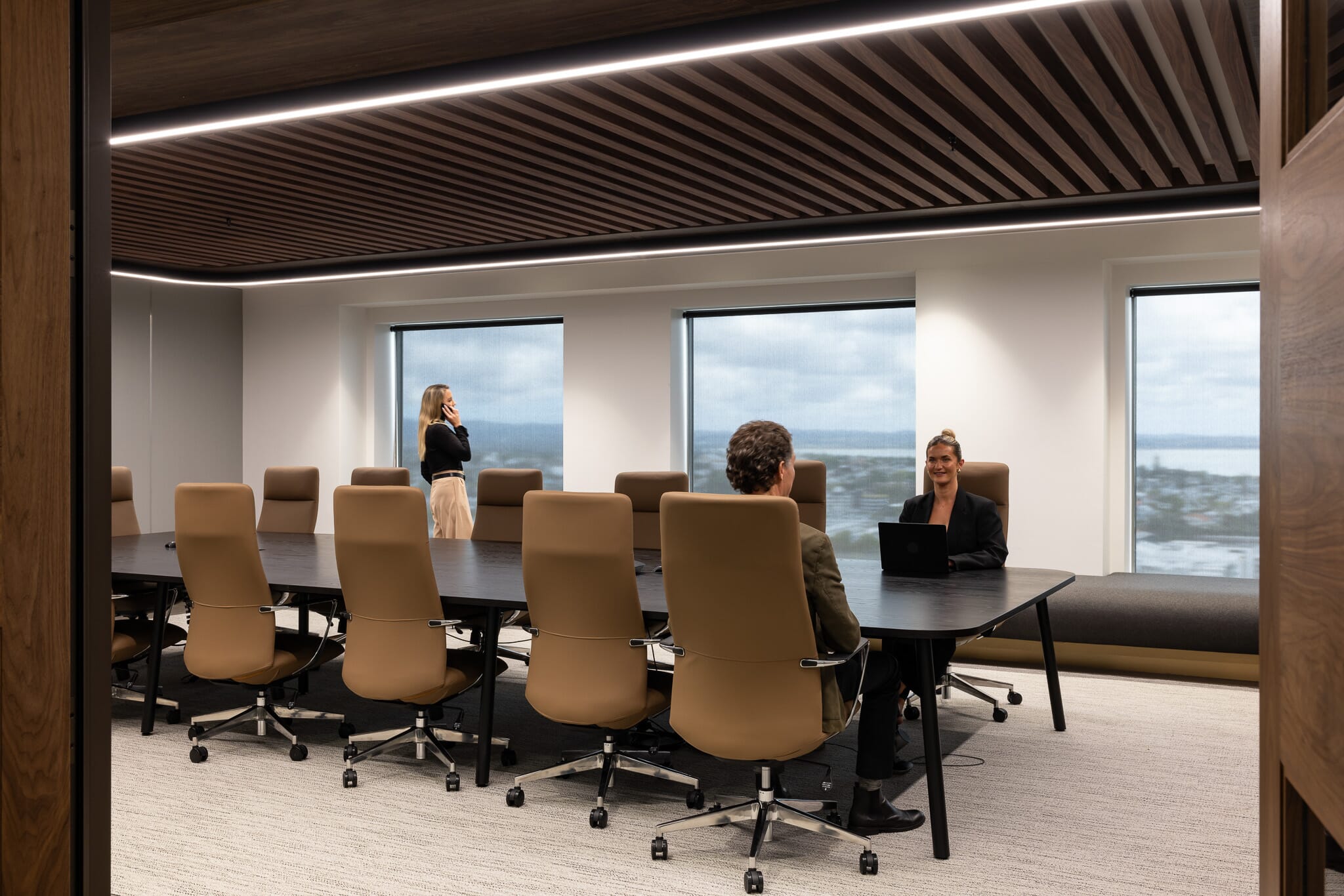
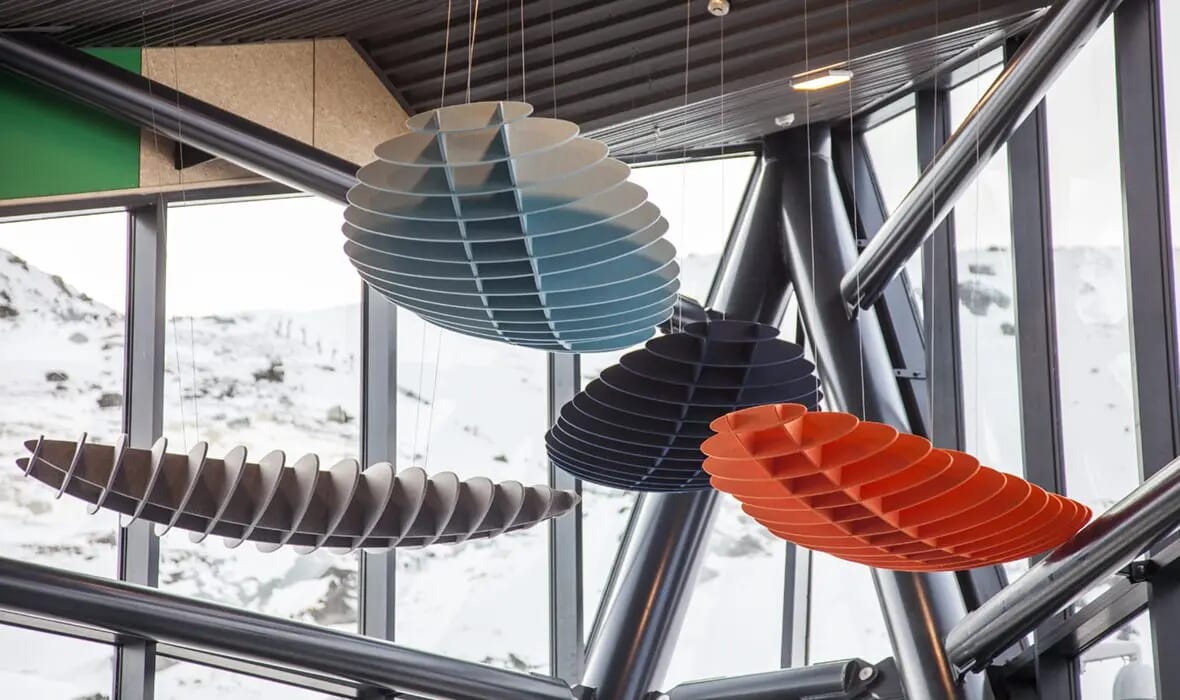
Echo and poor speech clarity are absorption problems. Wall panels, ceiling rafts and baffles absorb reflected sound and bring reverberation time down. For most meeting rooms, we aim for a reverberation time of 0.4-0.6 seconds.
Sound leaking between rooms is a different problem. Acoustic panels alone won’t stop it. Depending on the cause, the fix may be sound masking.
Need expert acoustic advice?
Call us on 020 7858 1030 or request a quote below—we’ll contact you.
Request a Quote
Our work in
meeting rooms
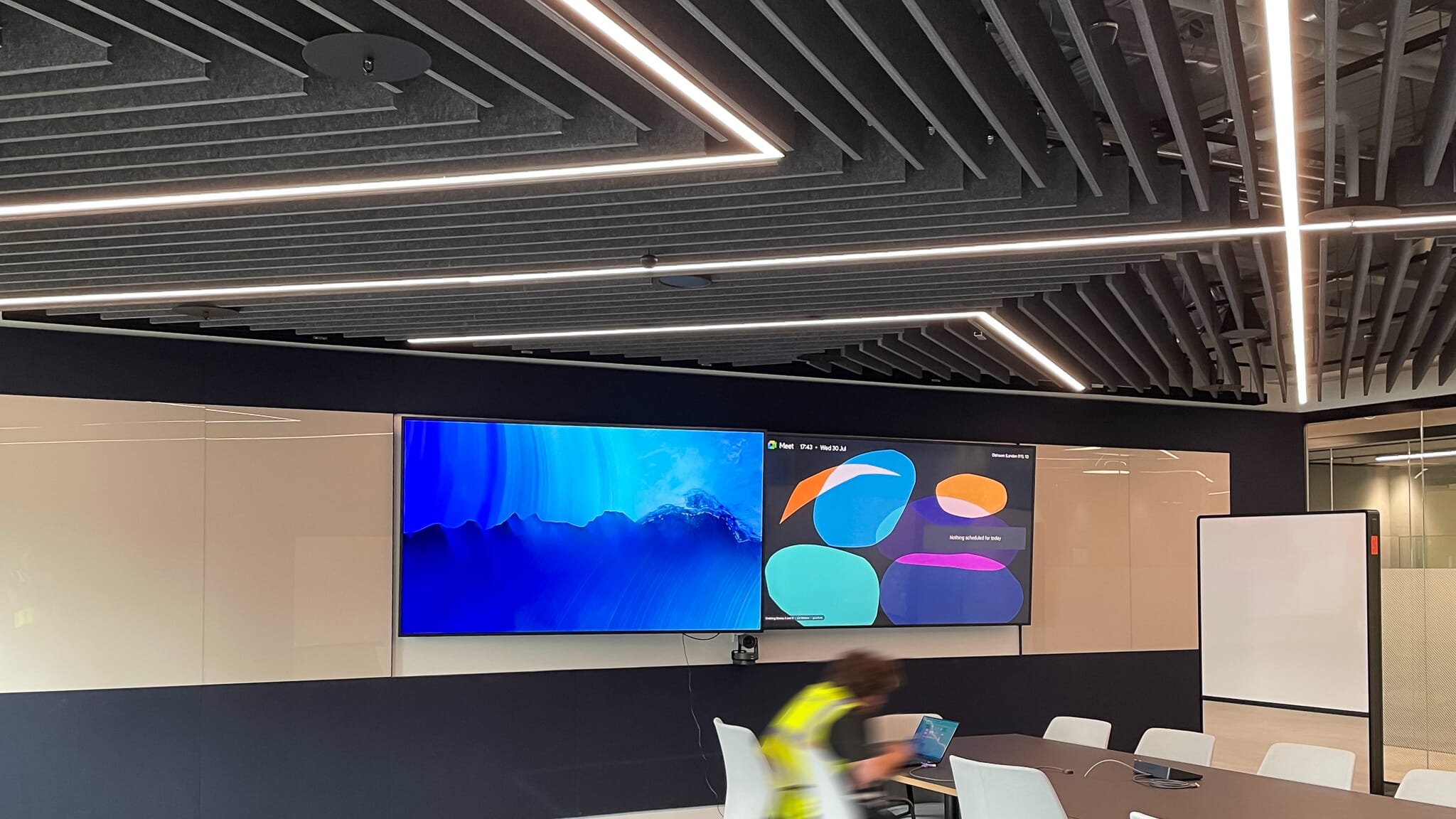
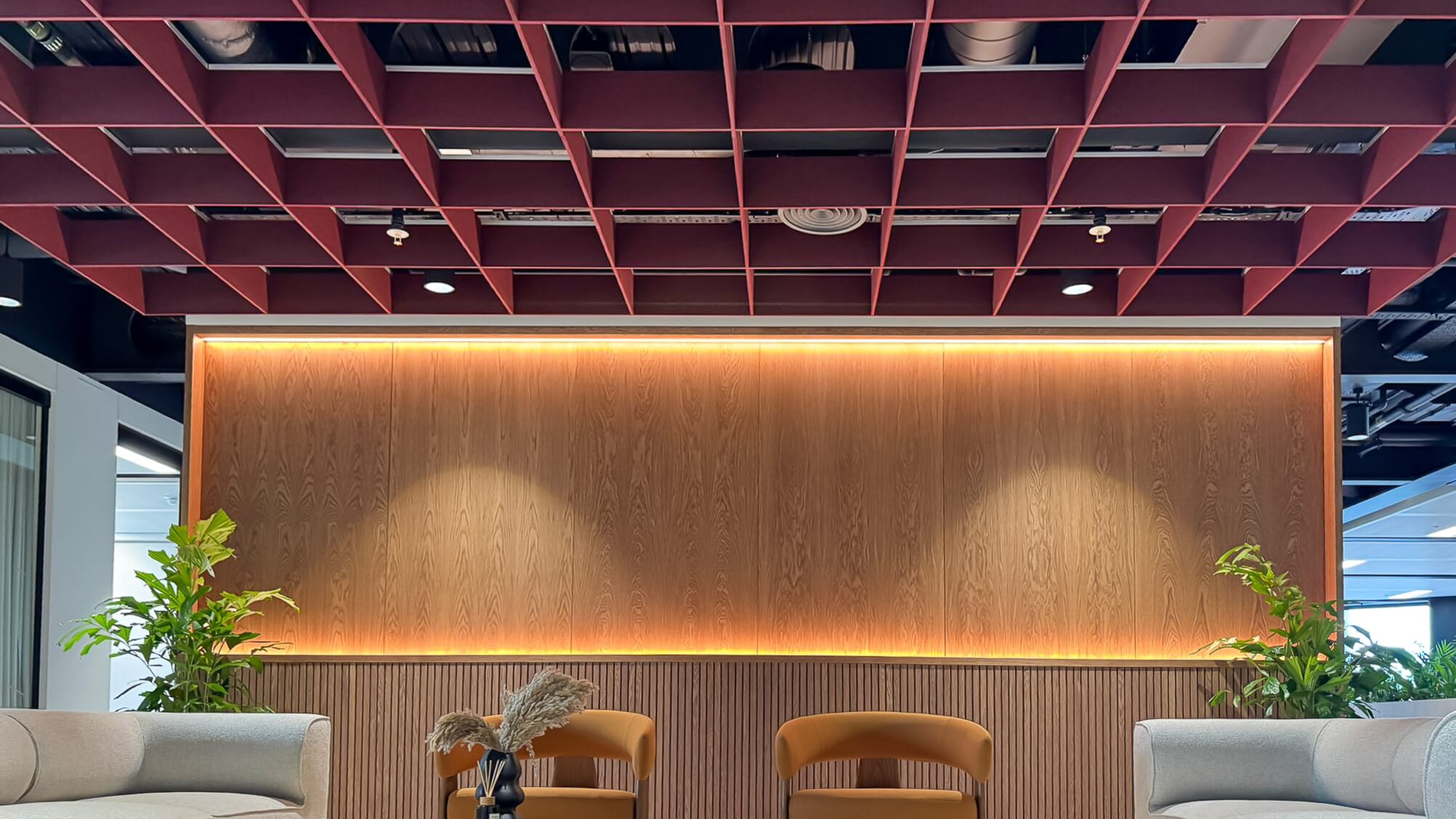
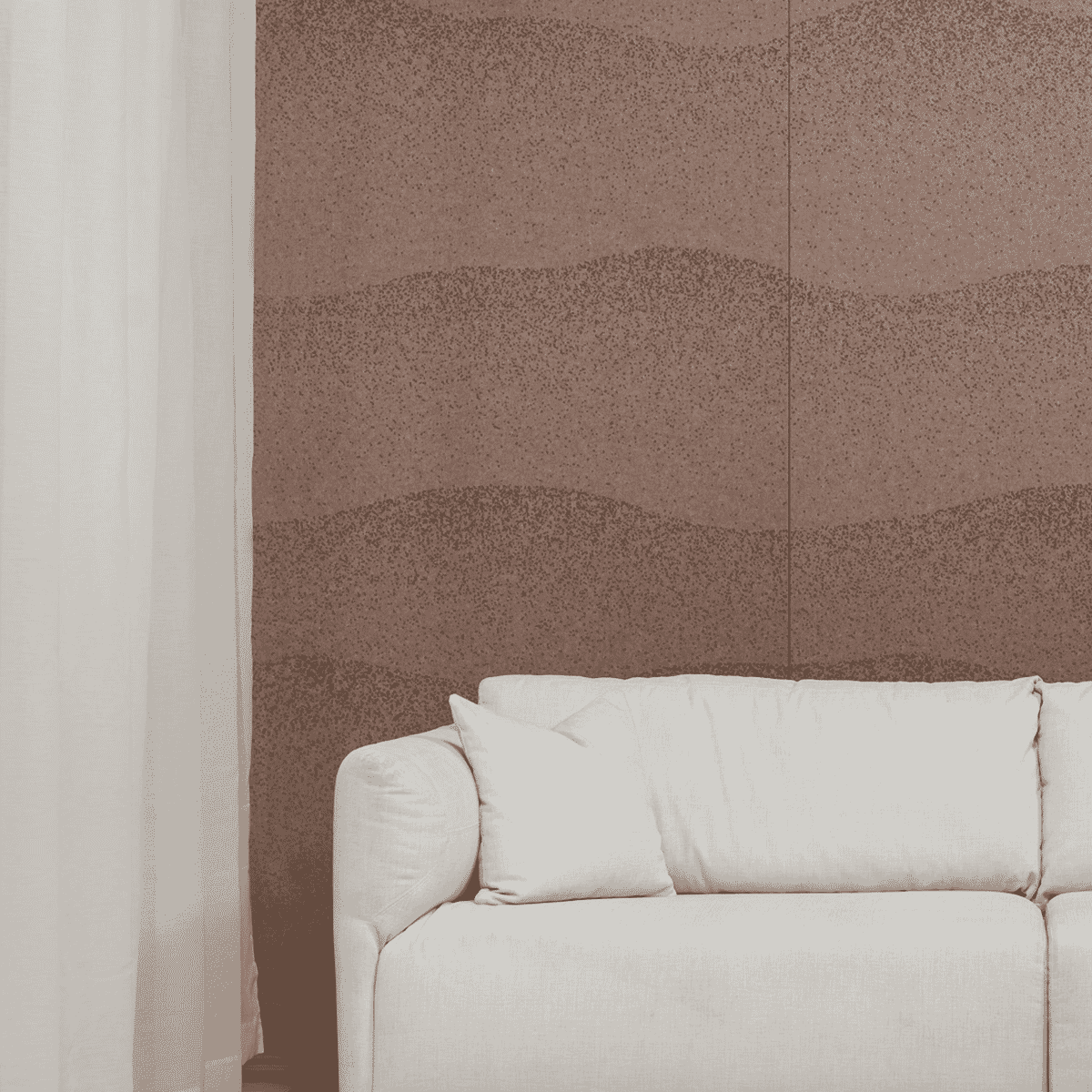








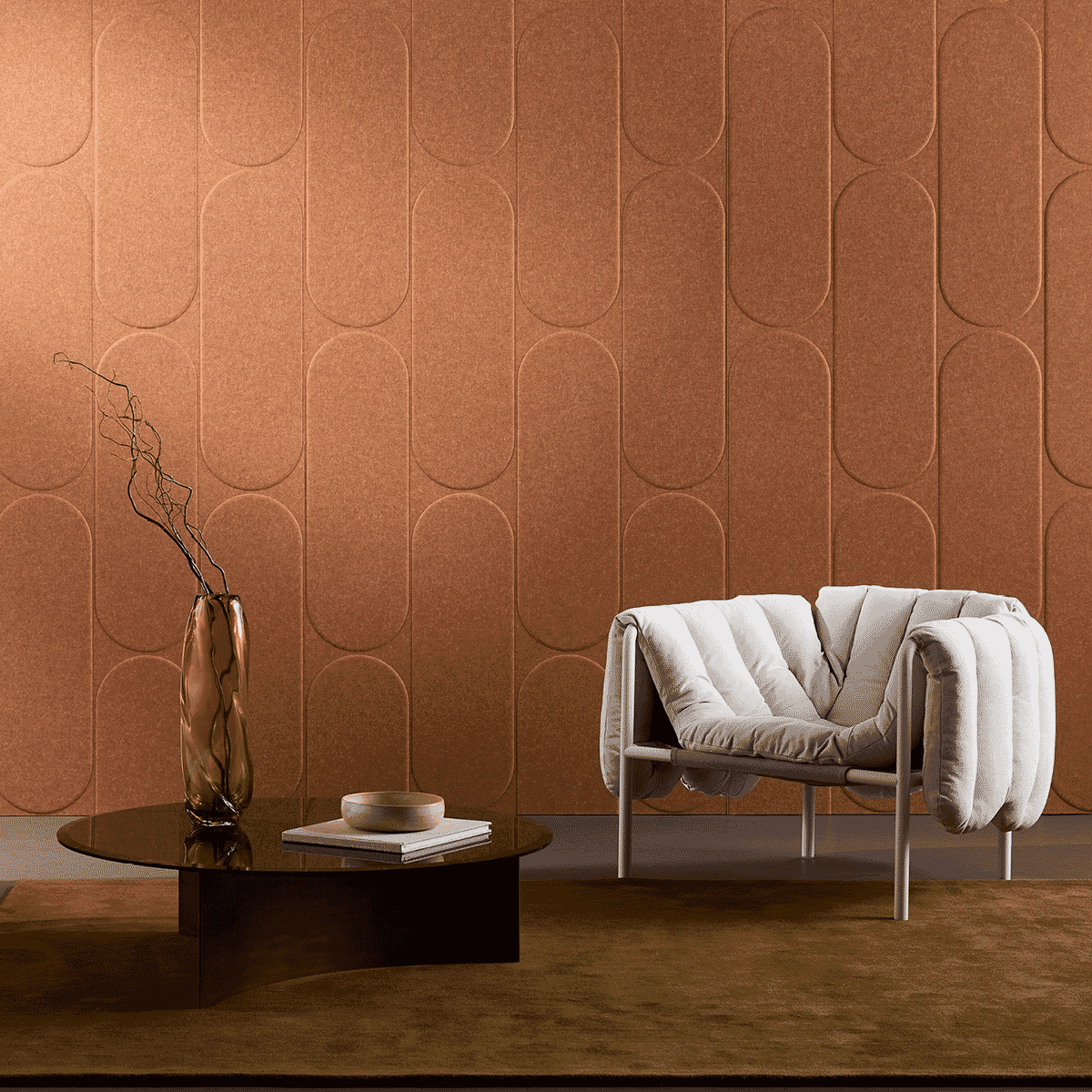
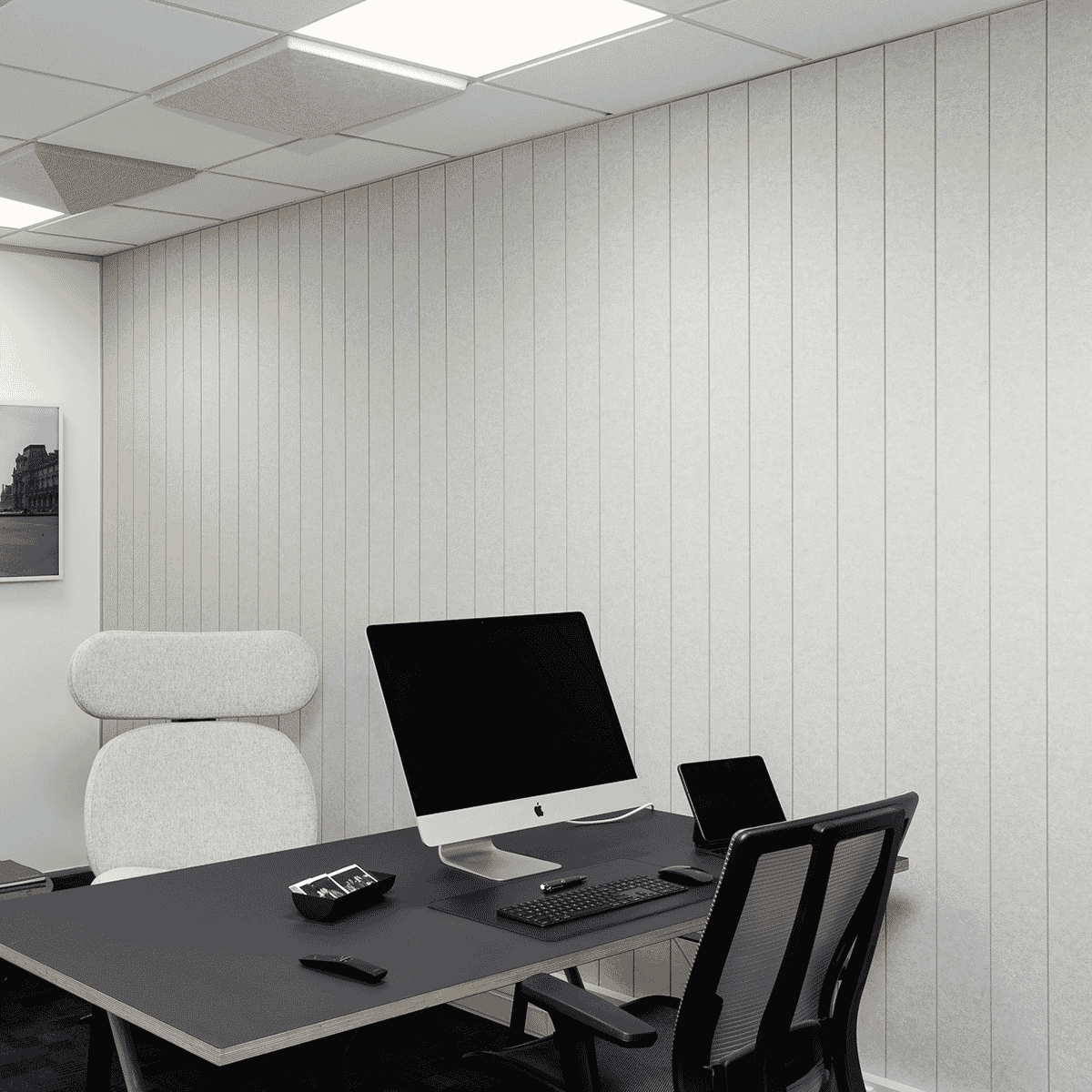
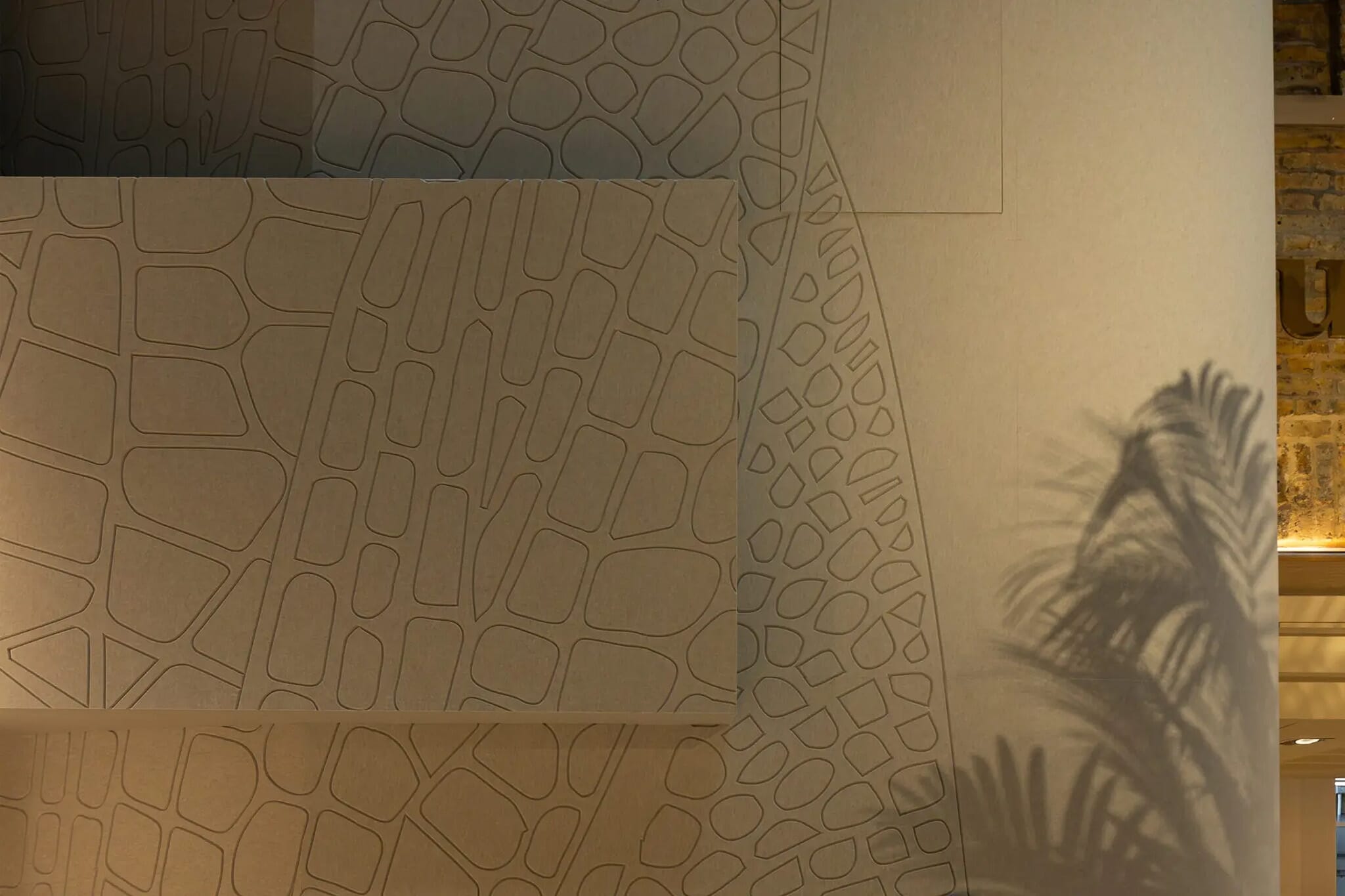
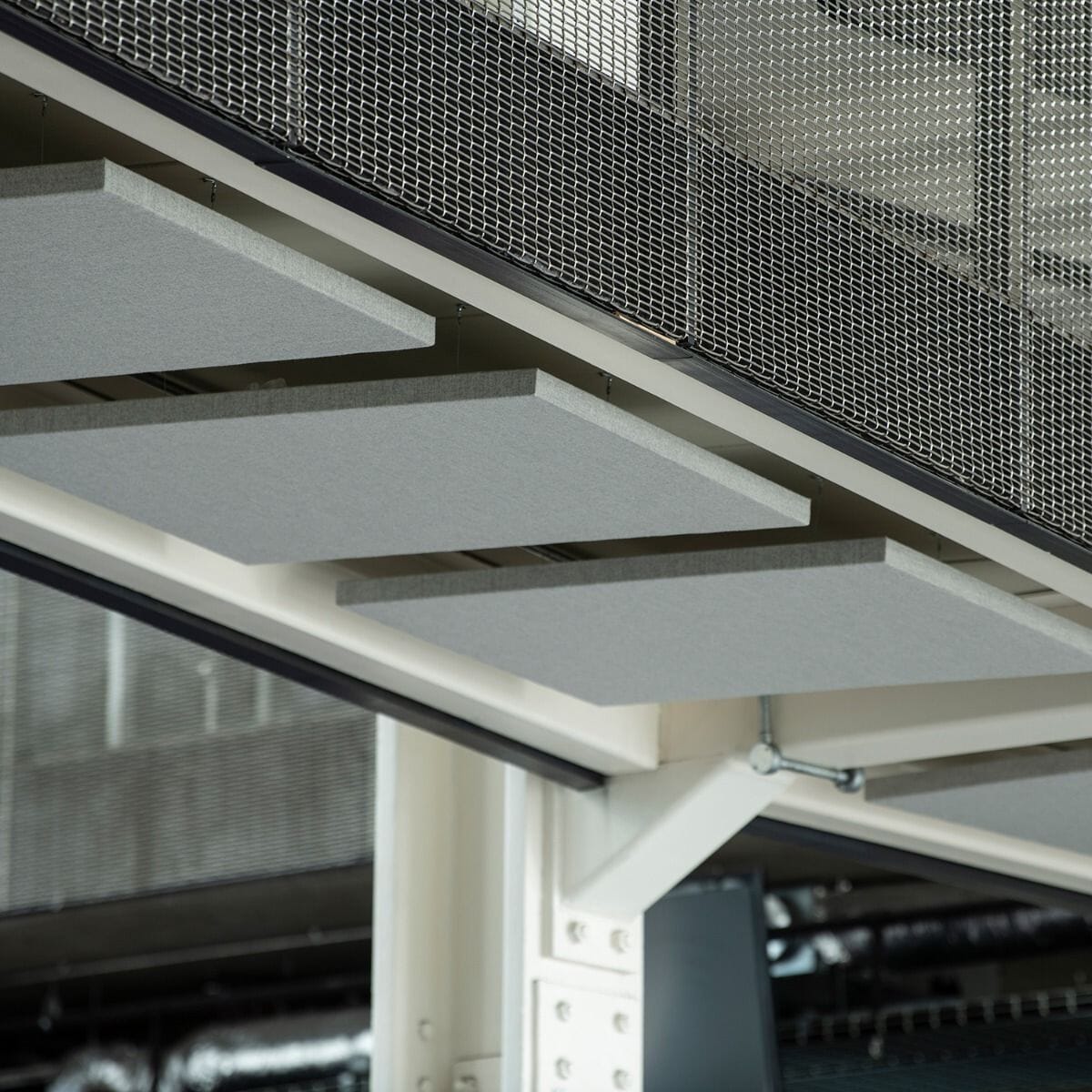








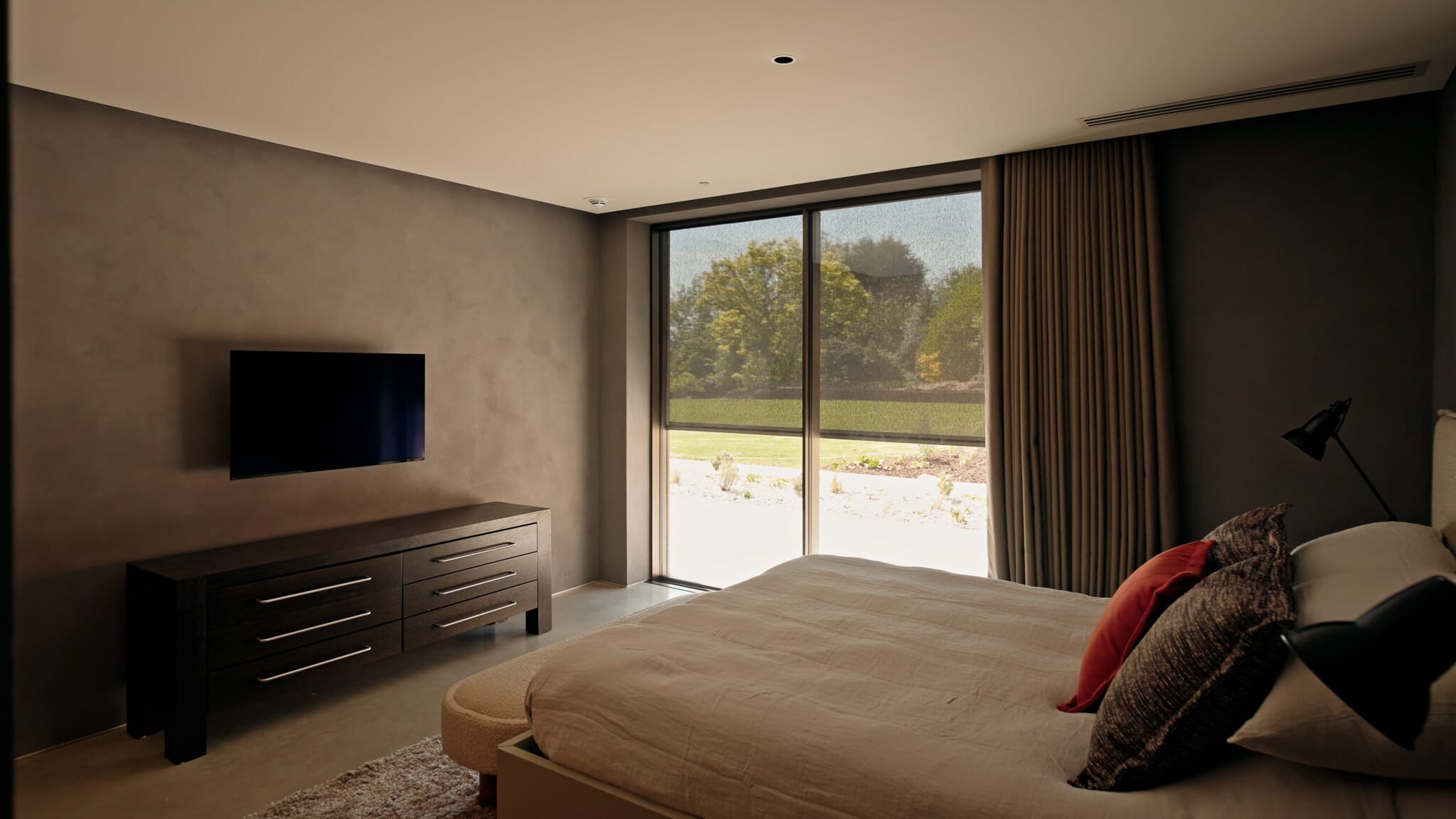
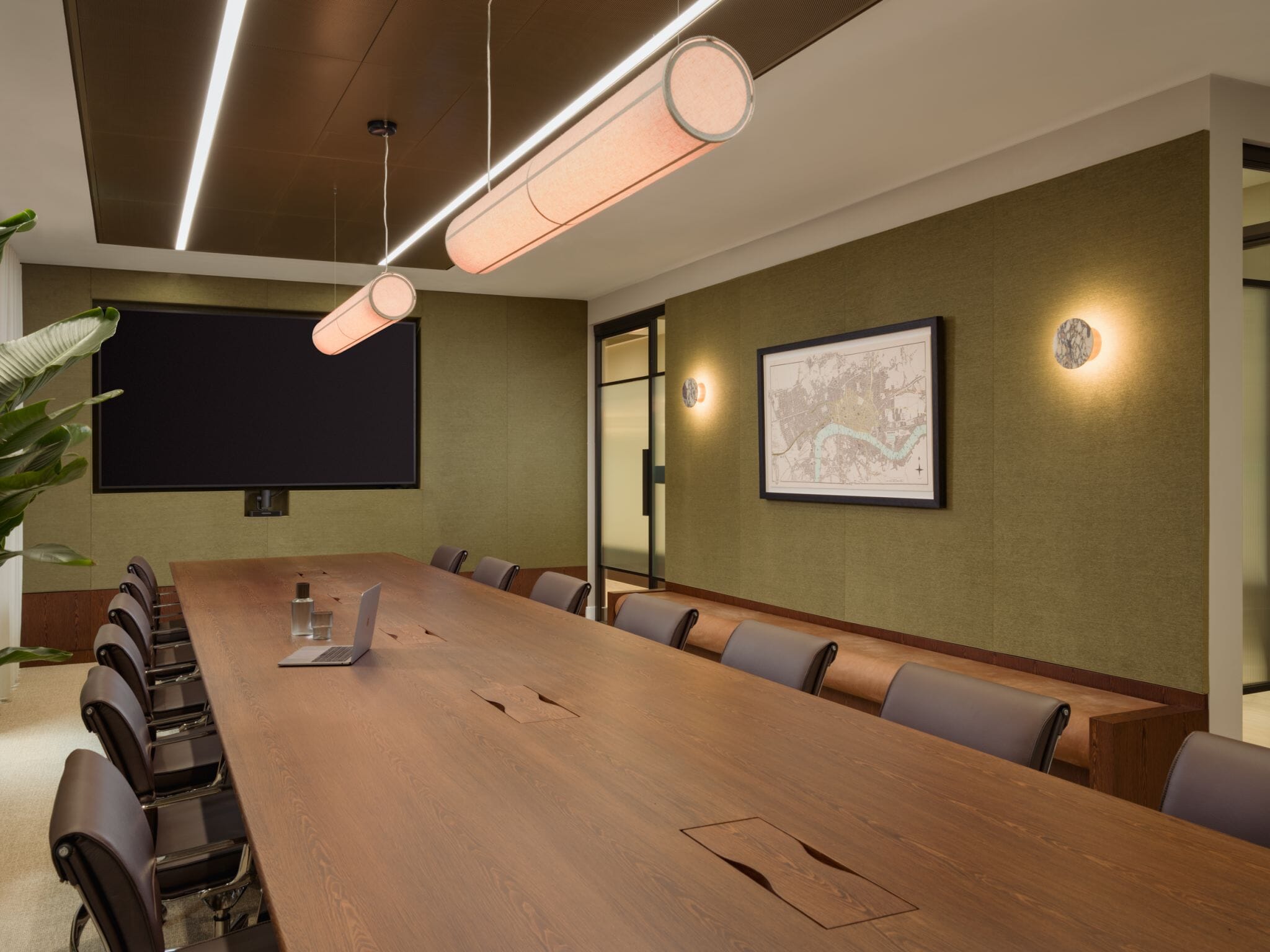
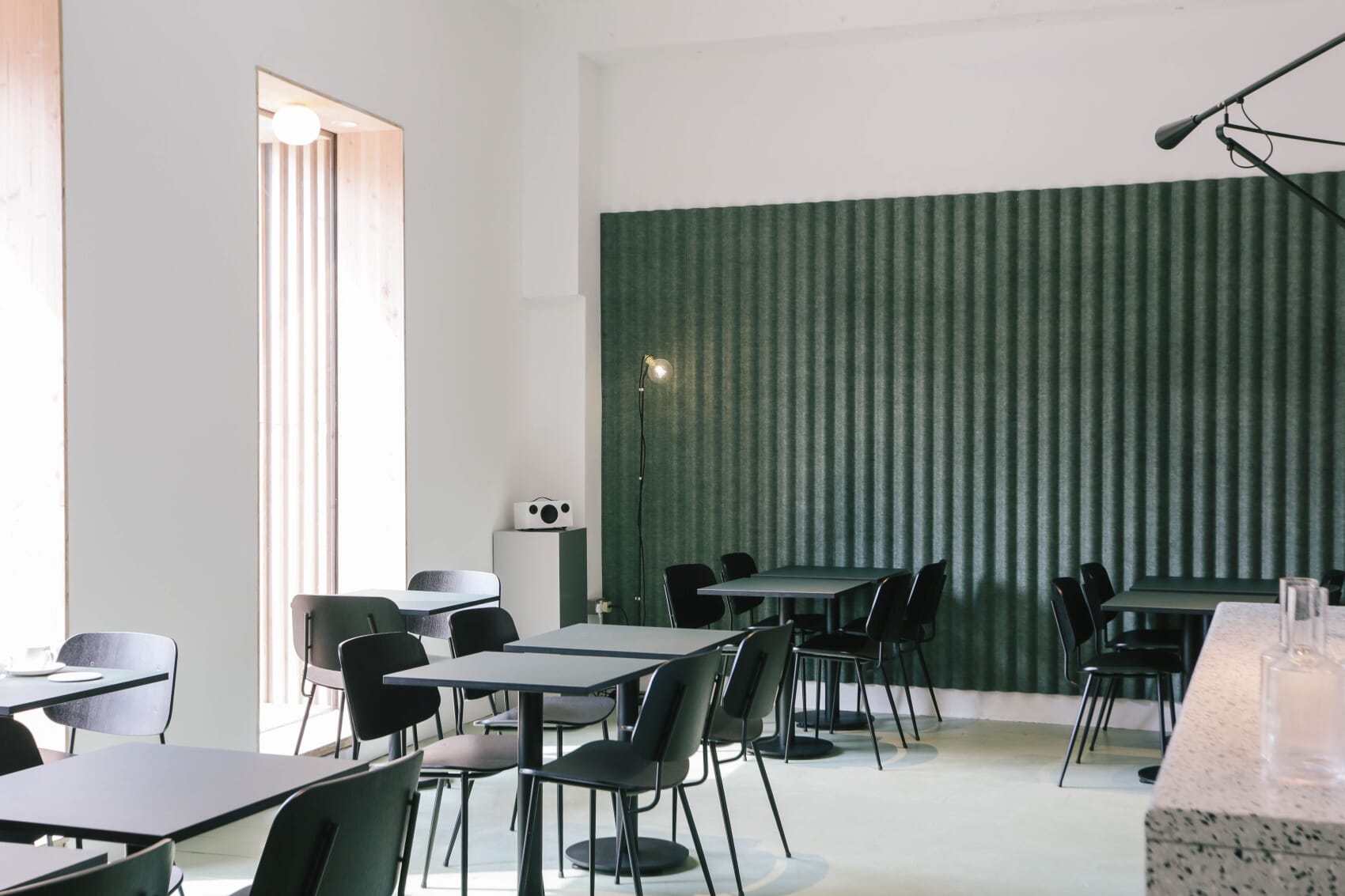
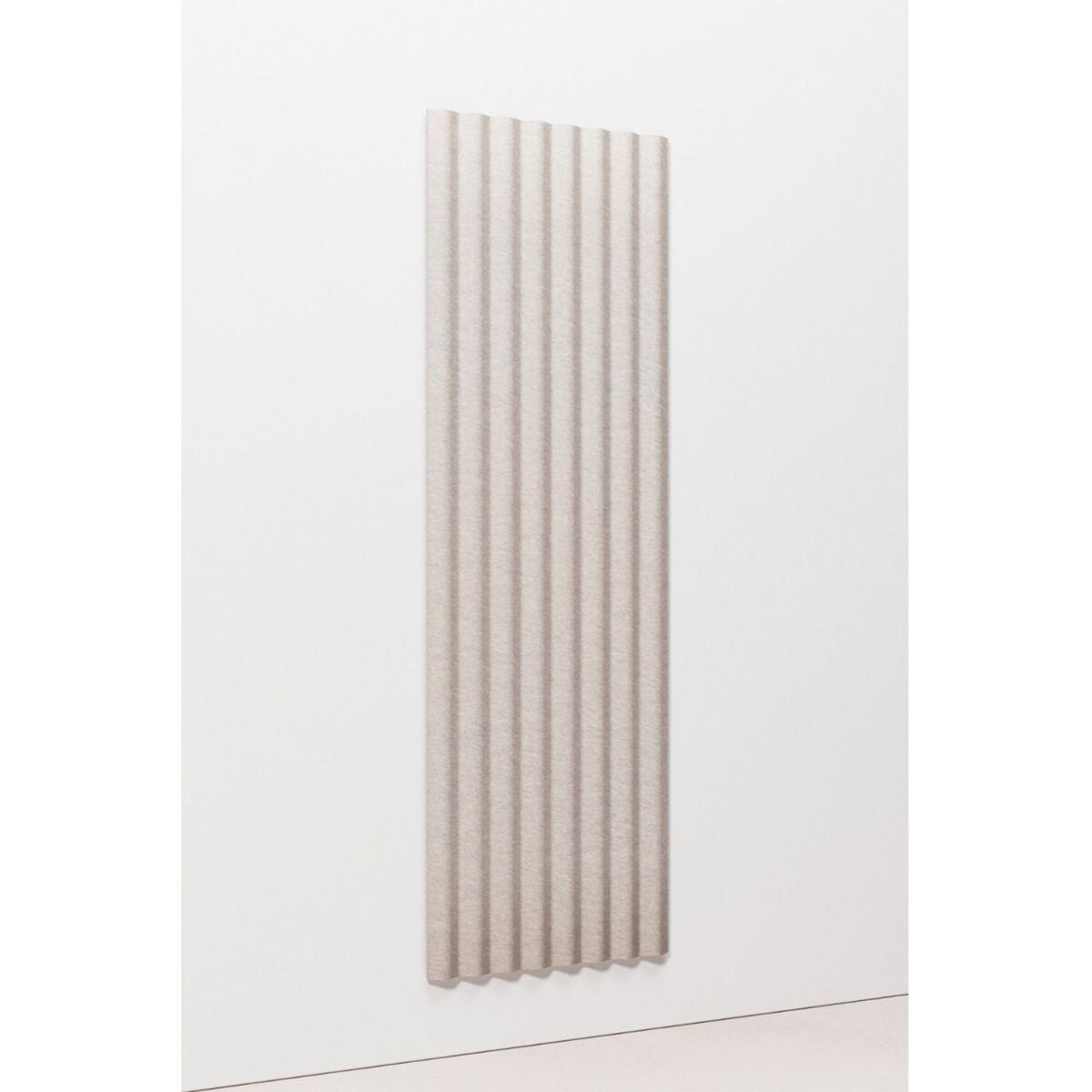
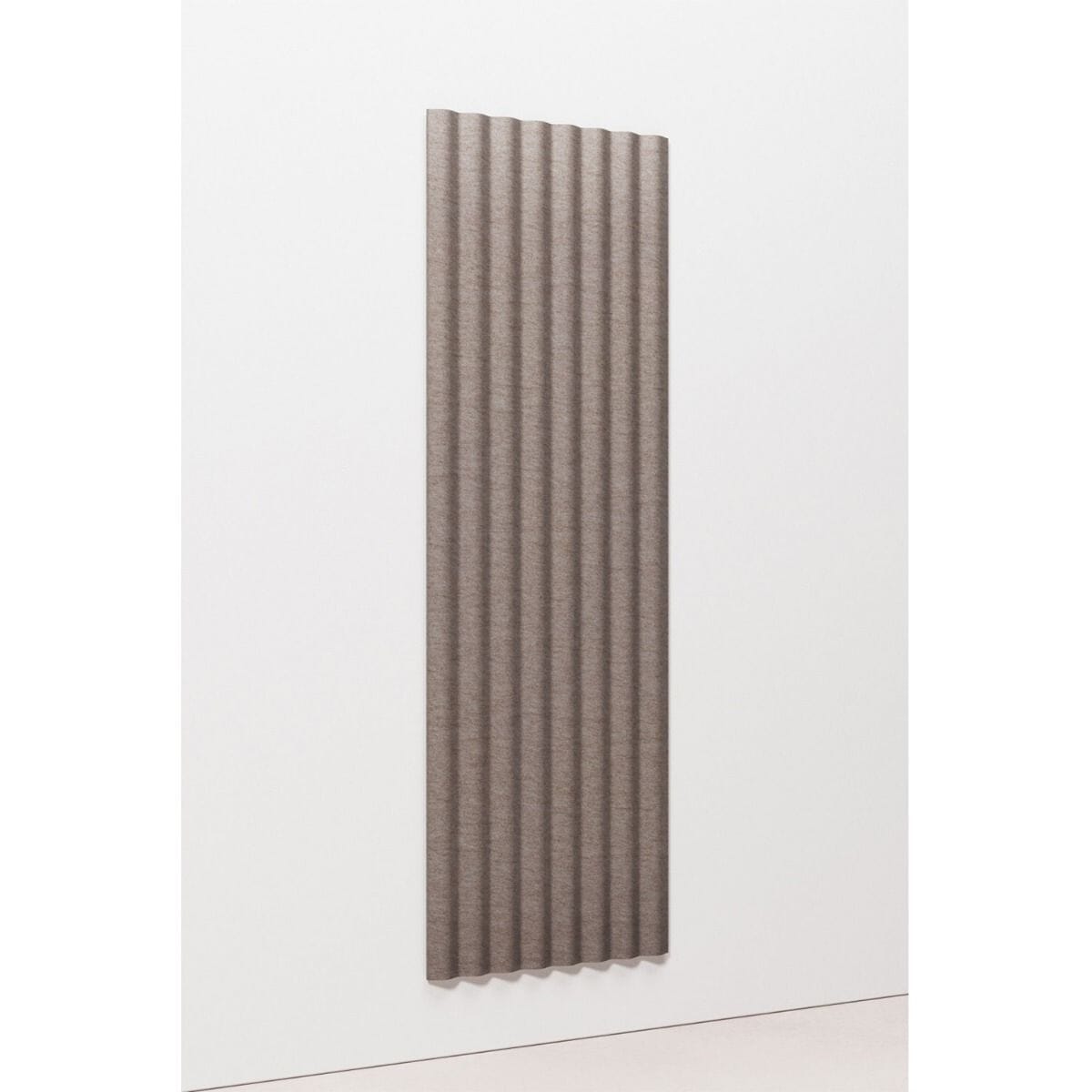
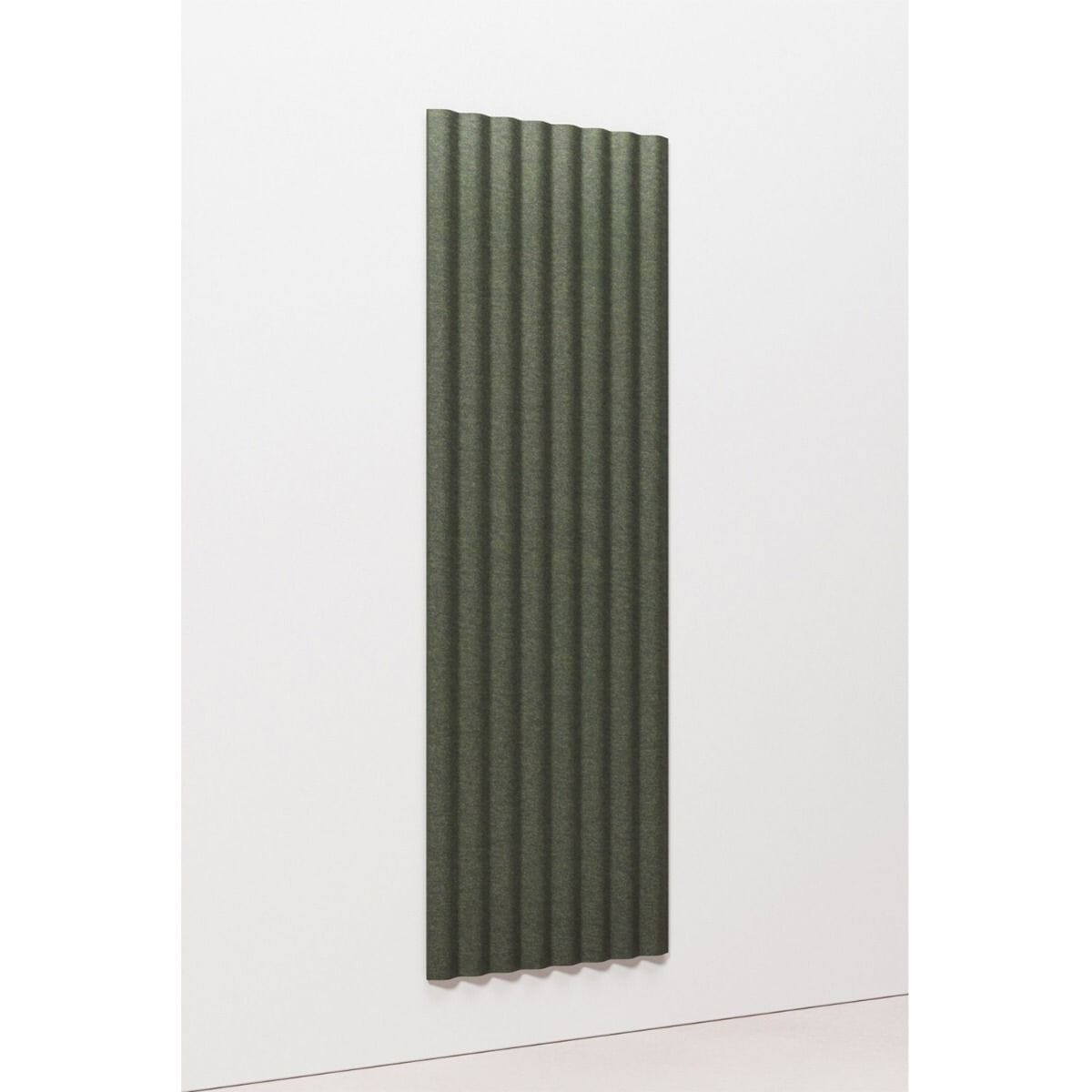
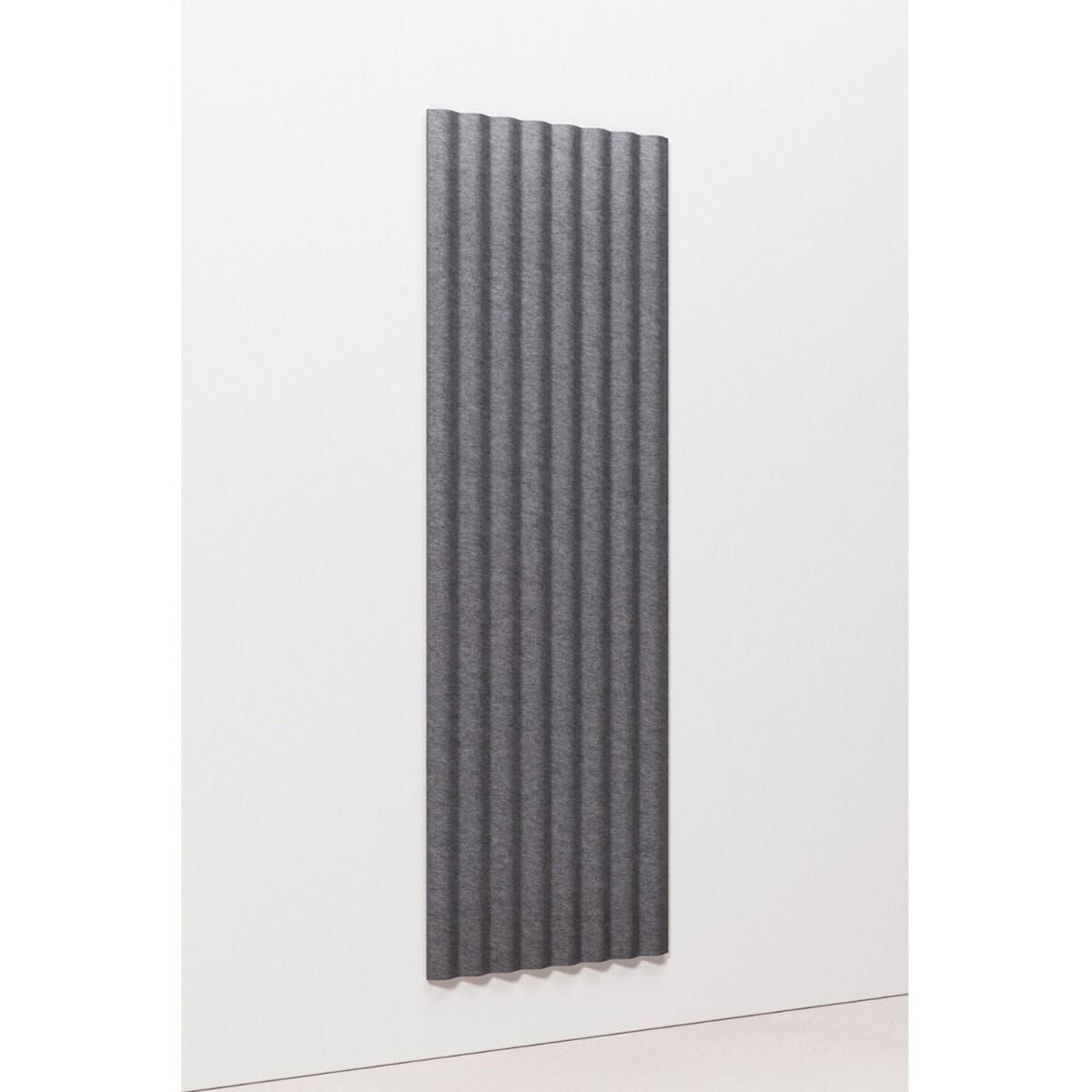
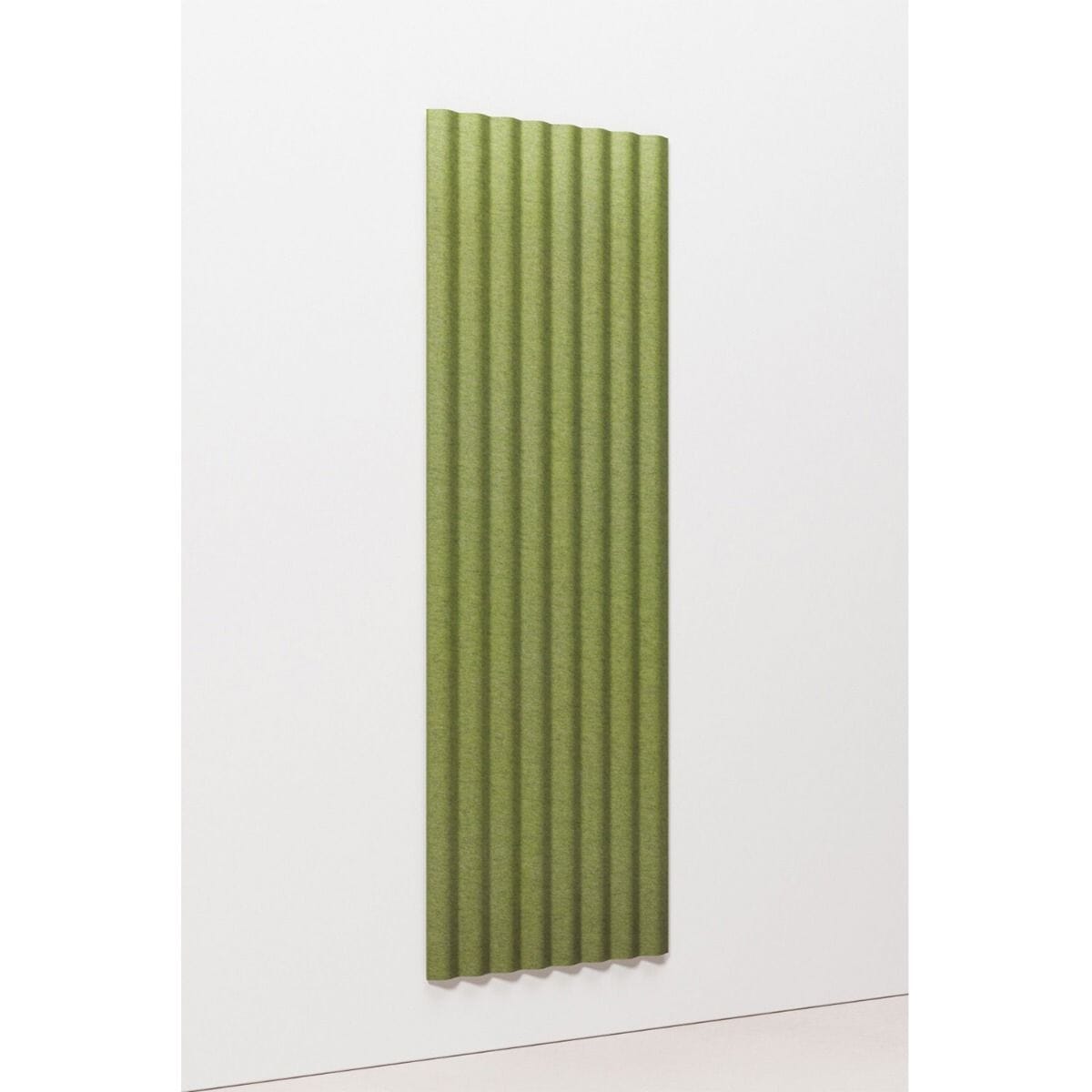
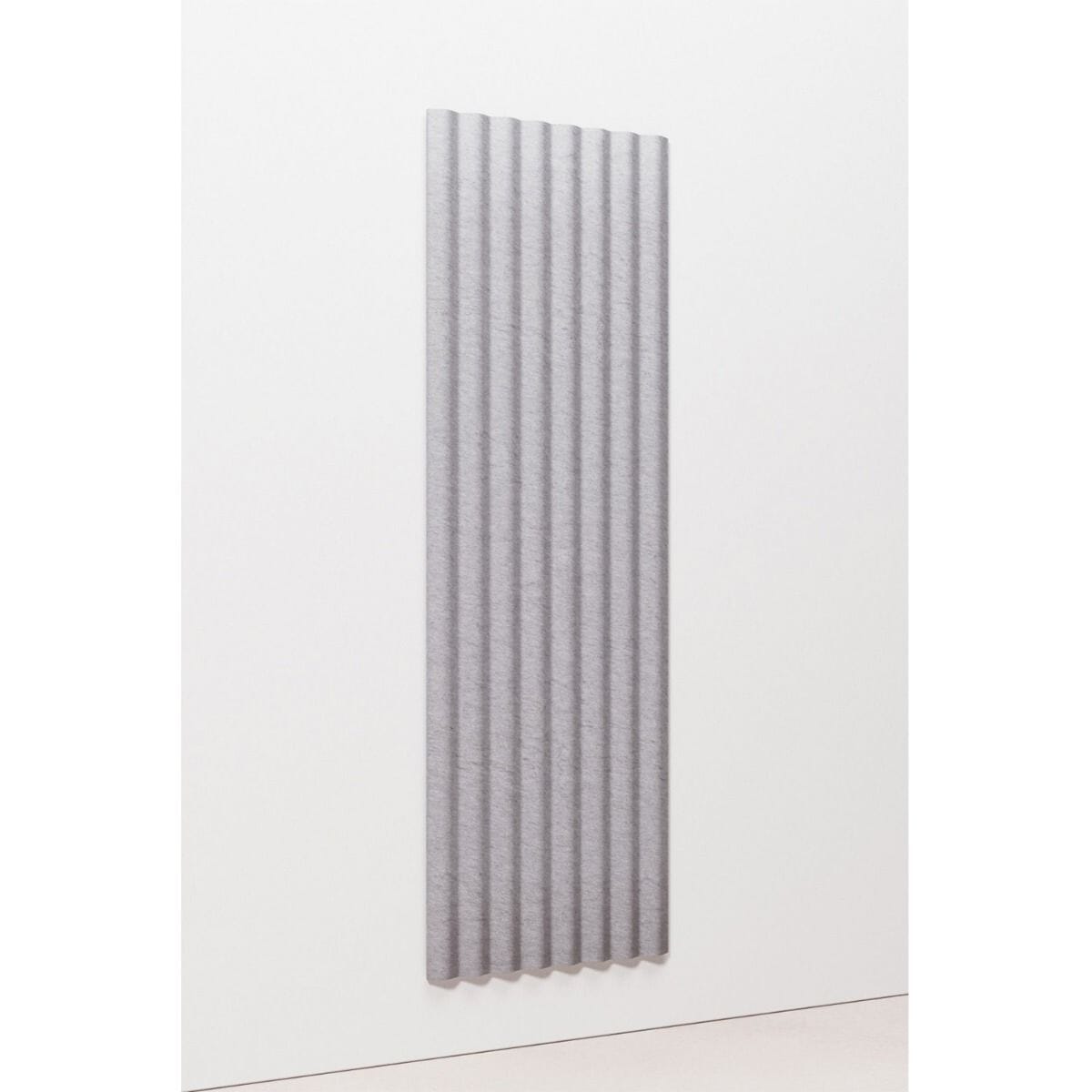
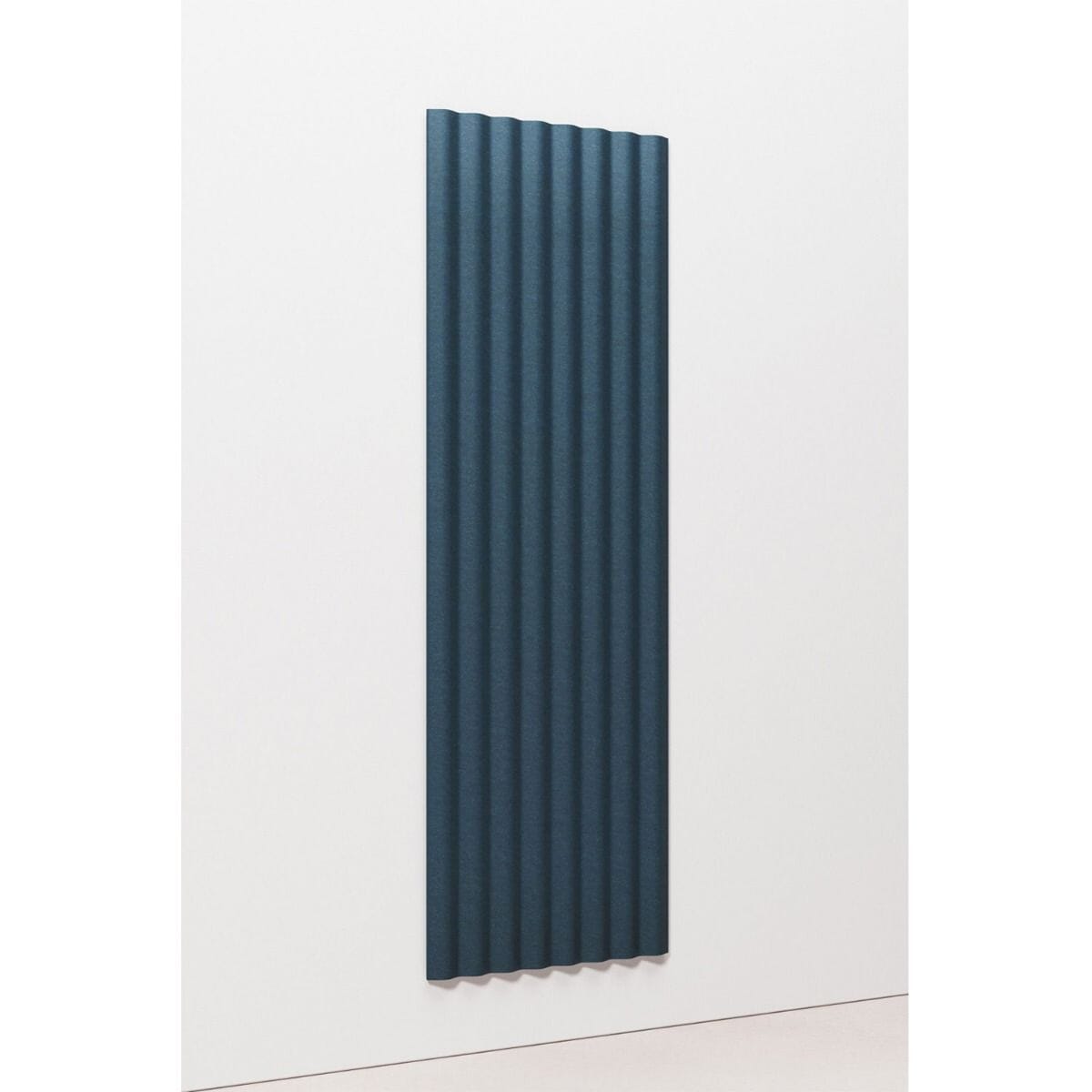
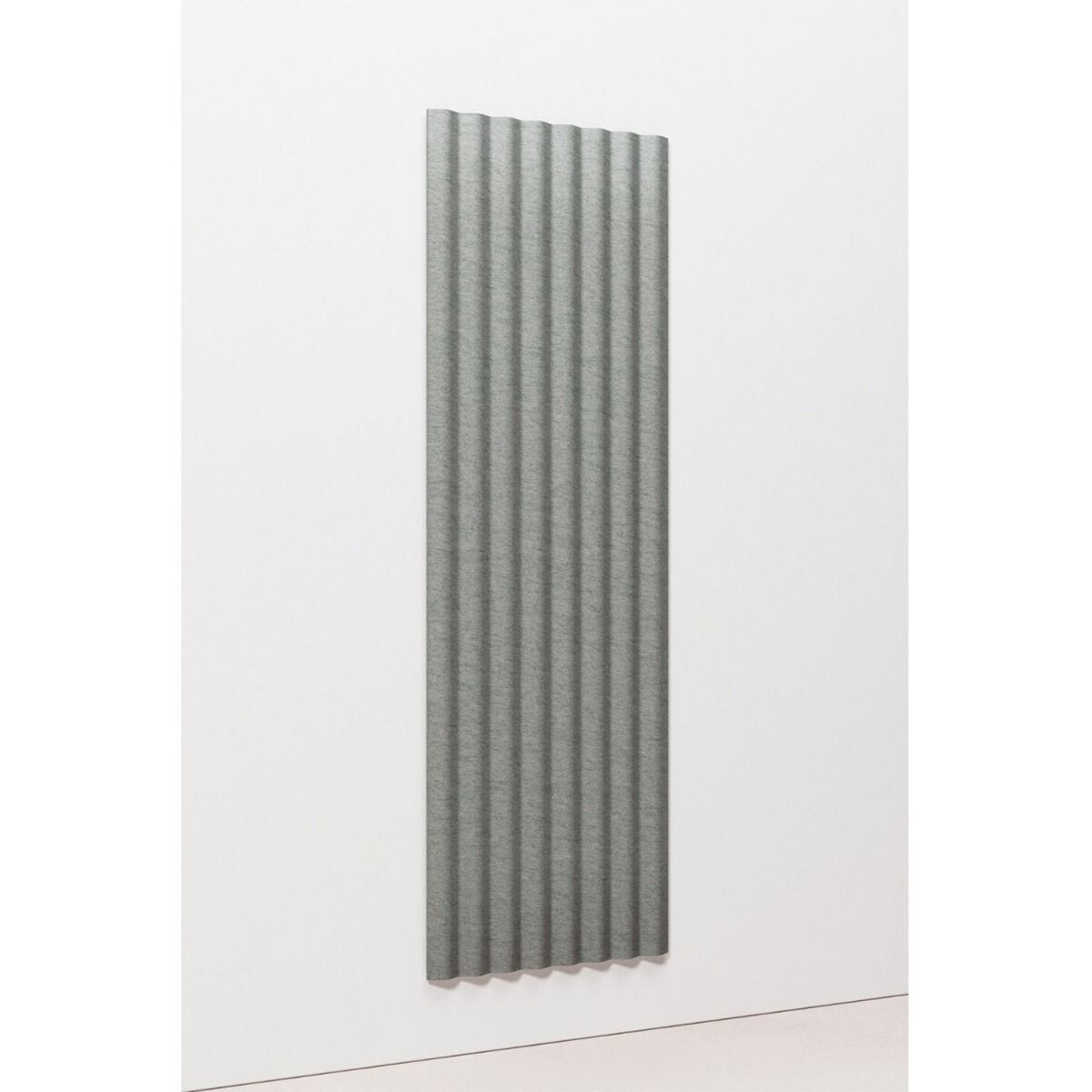
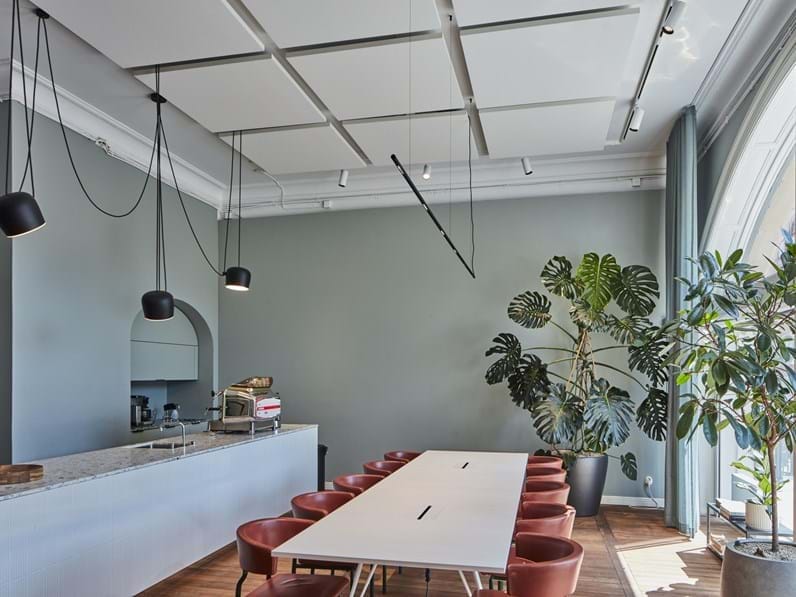

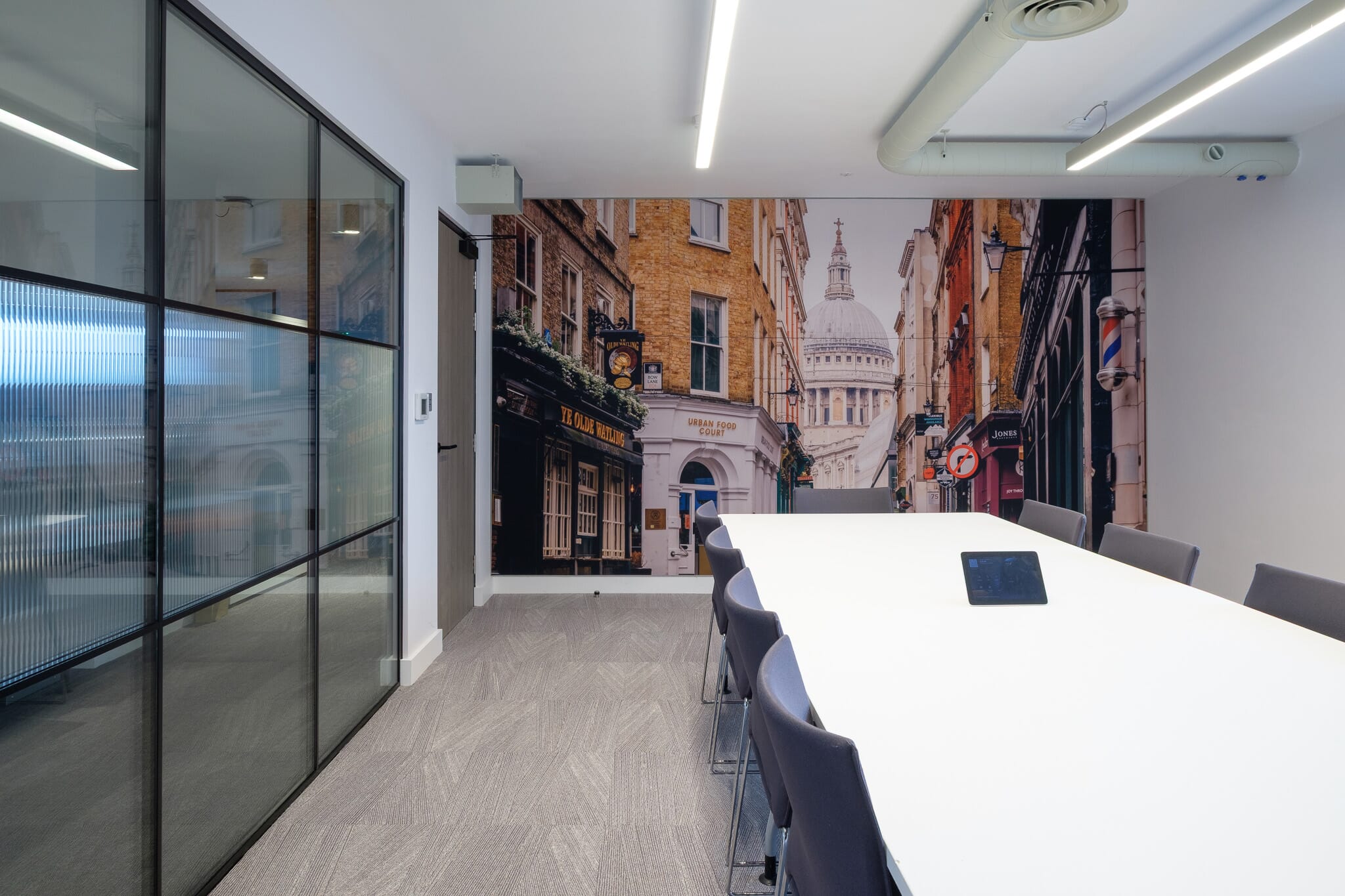
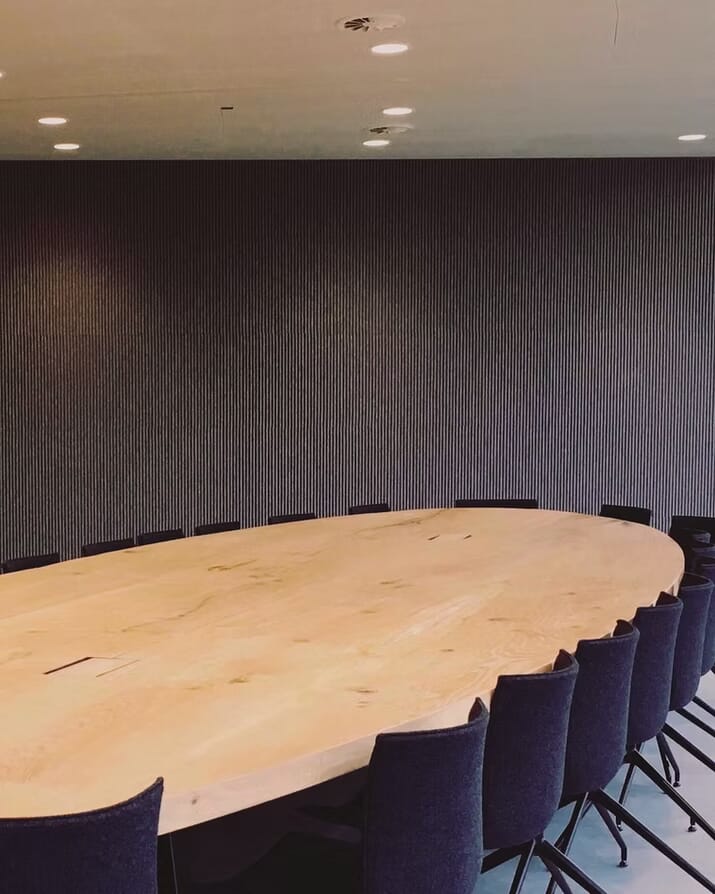









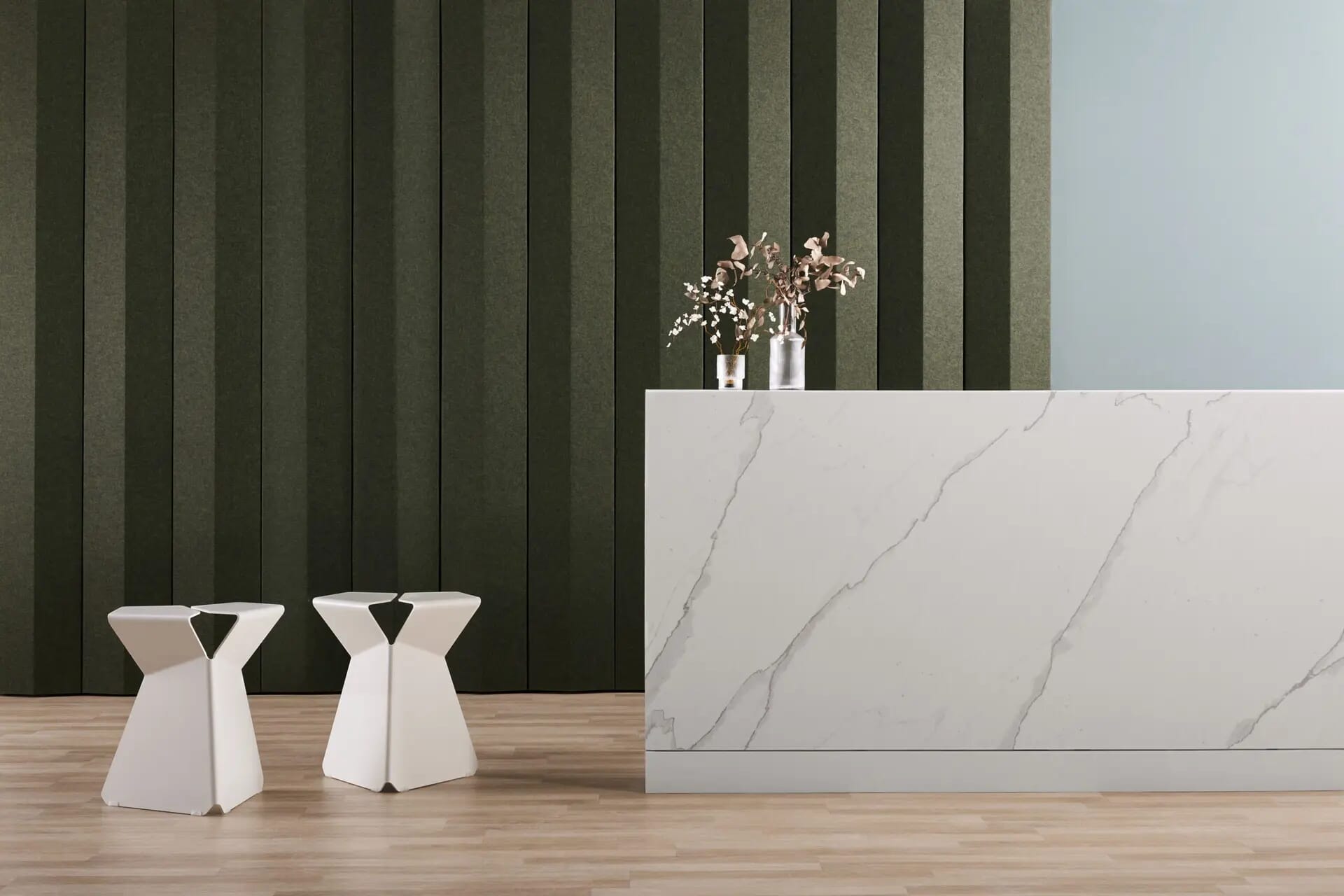
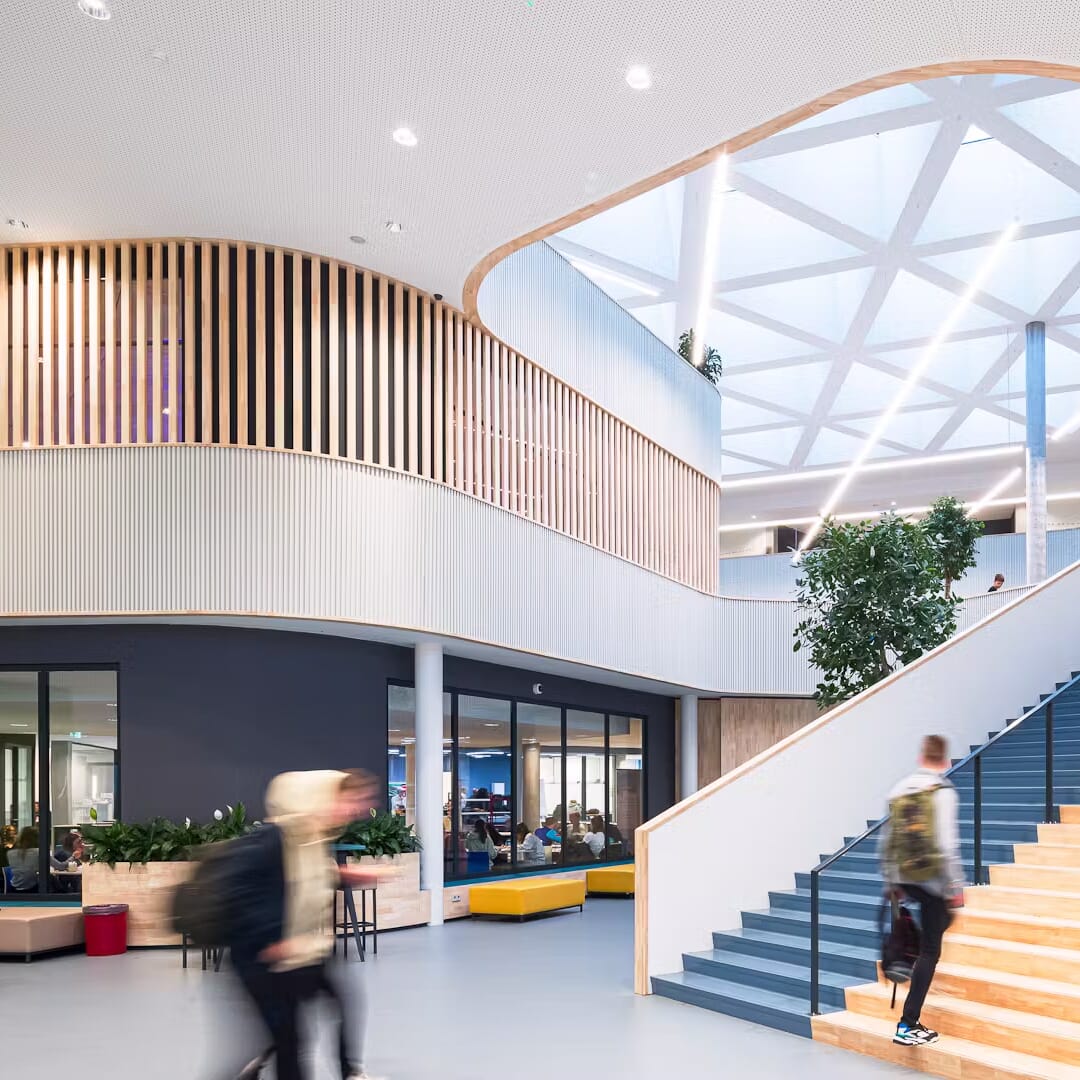

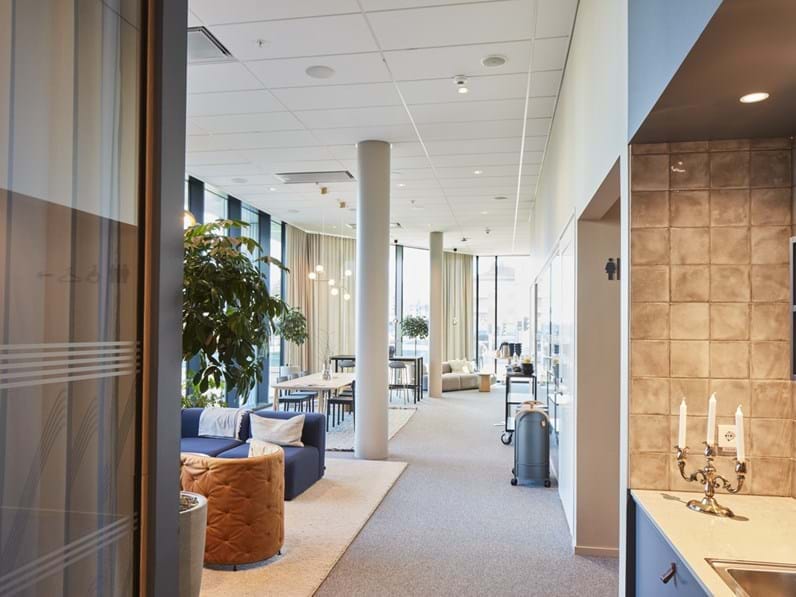
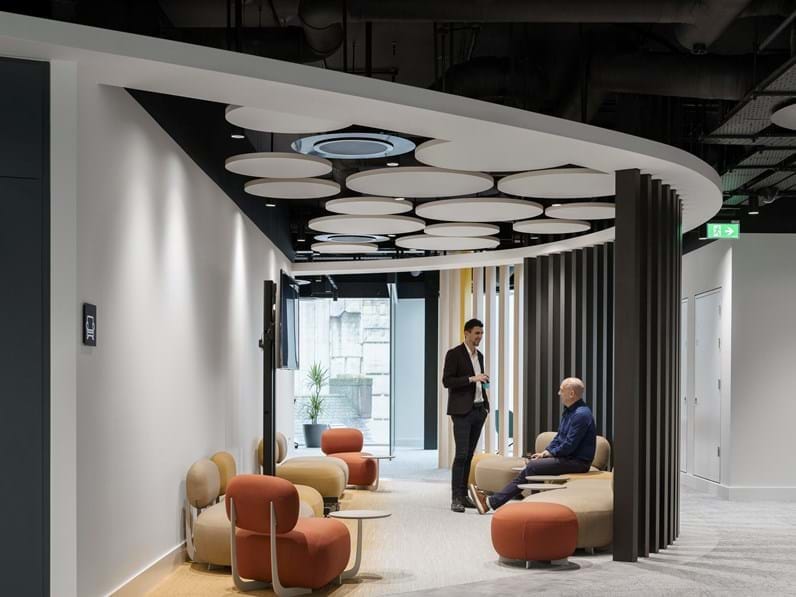









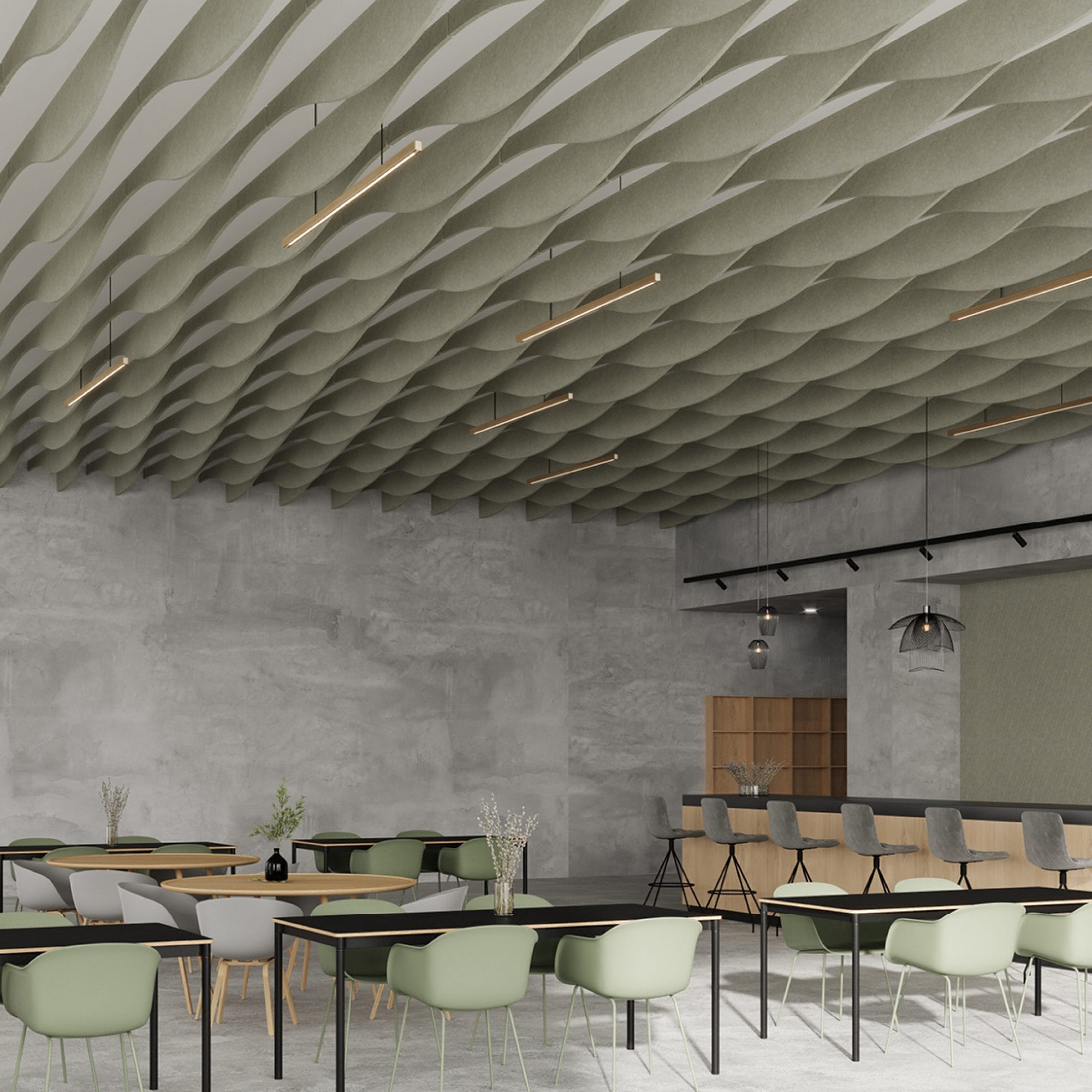








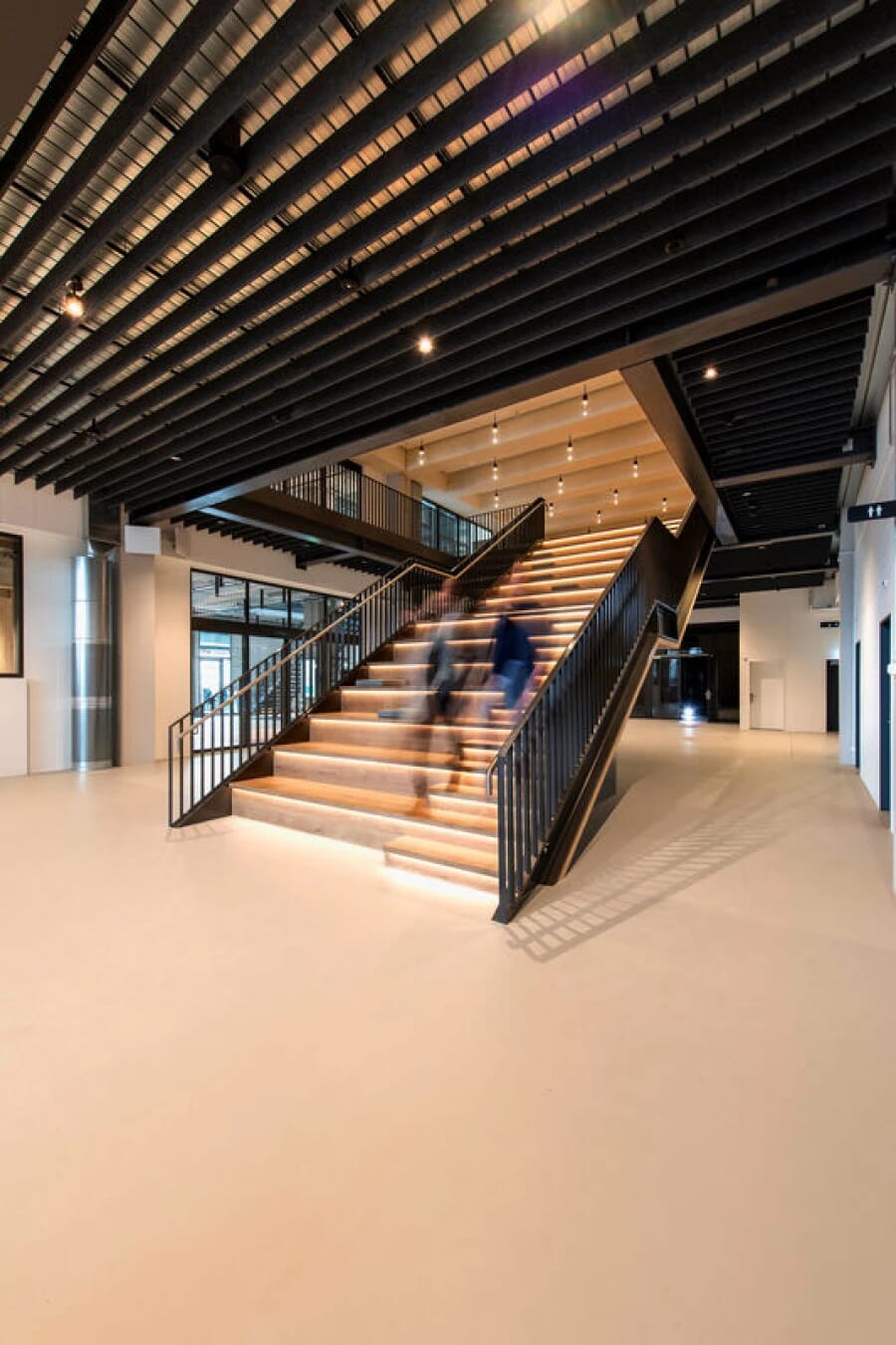








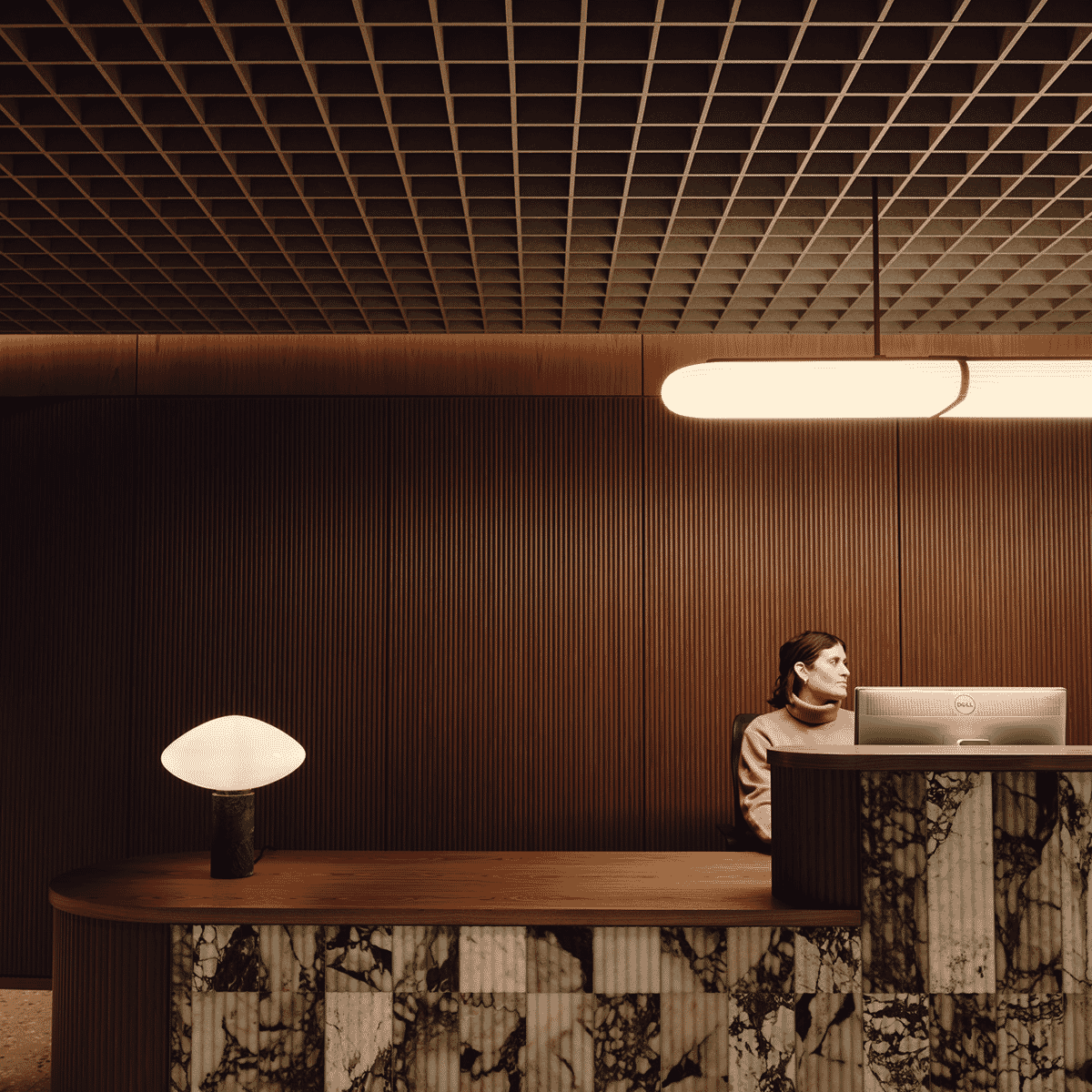
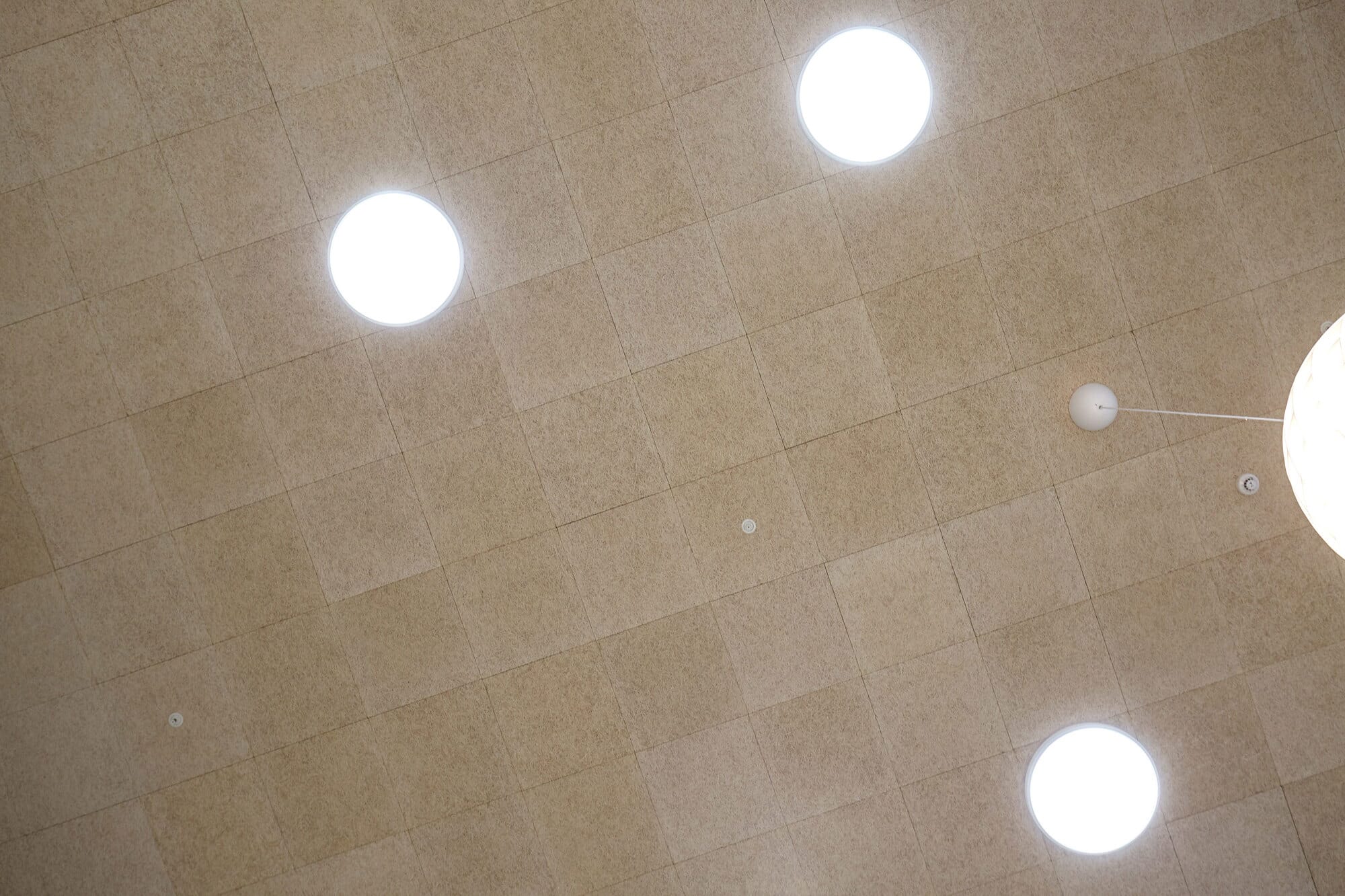



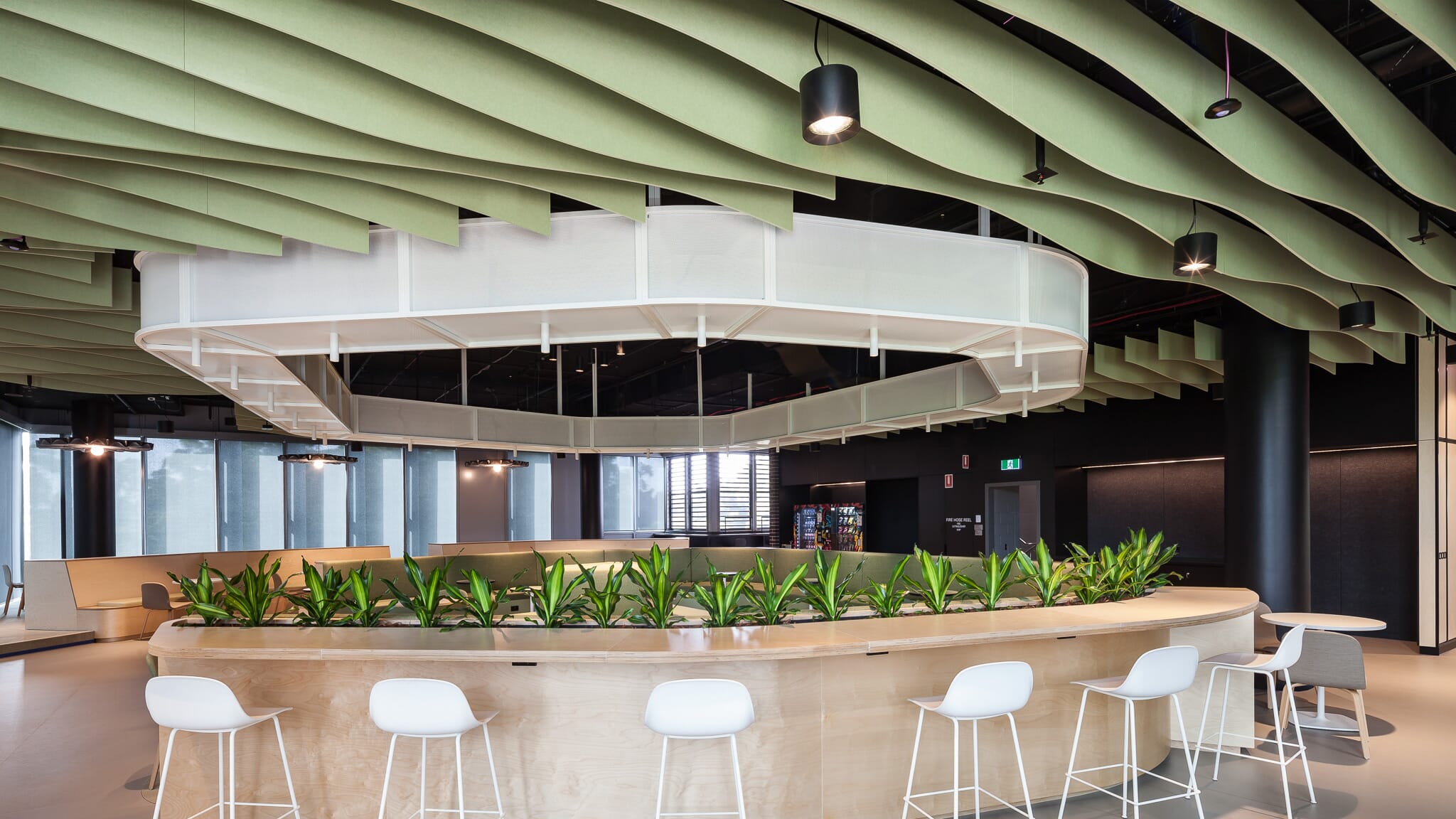
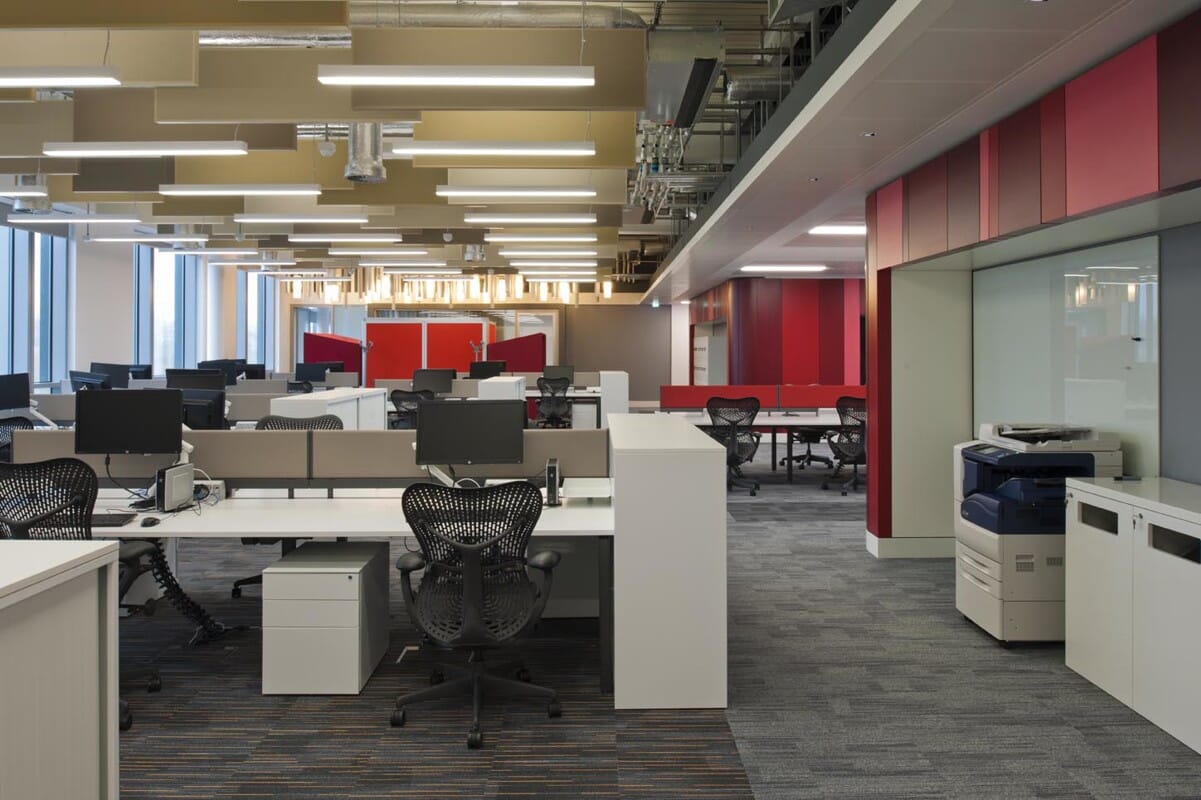


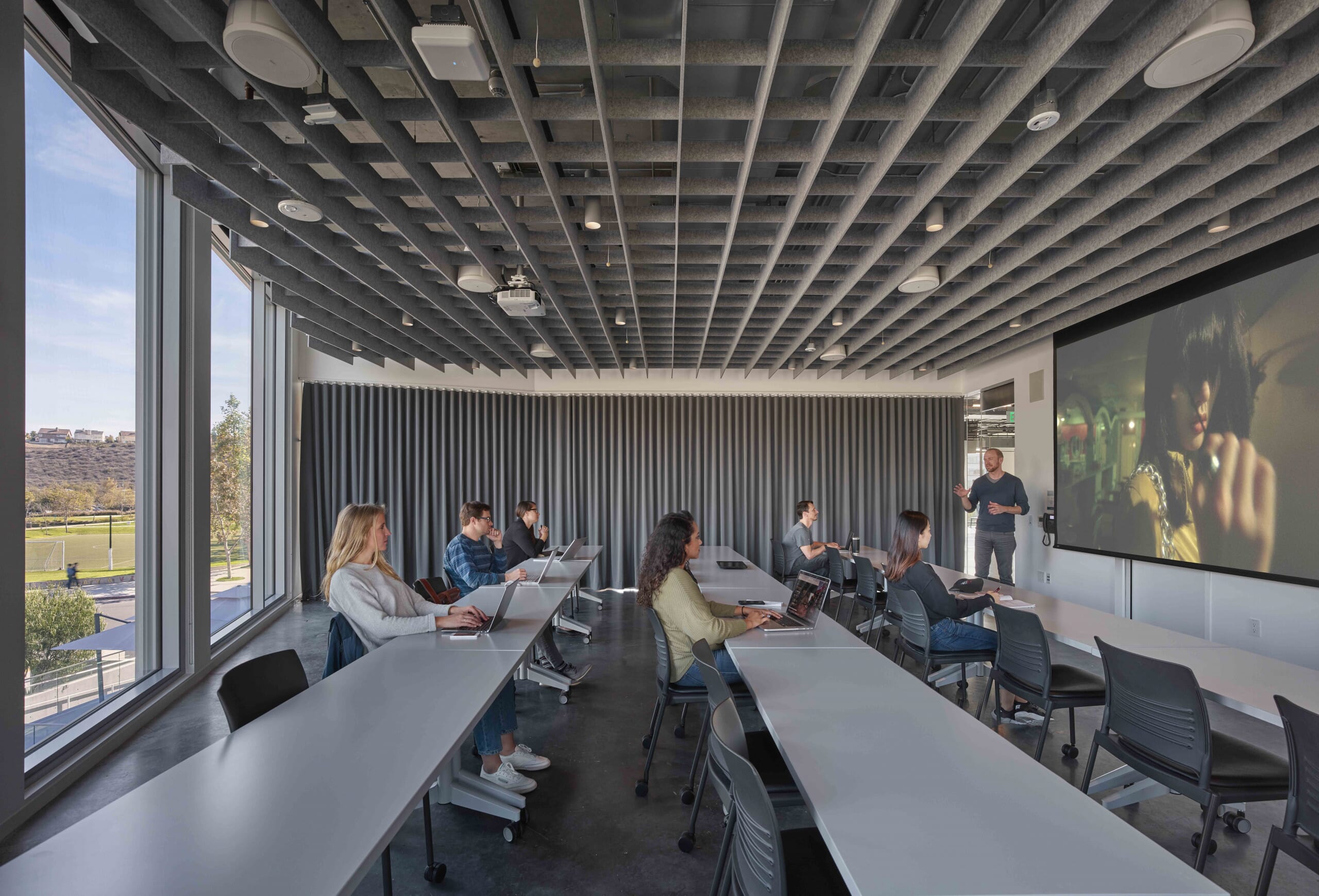
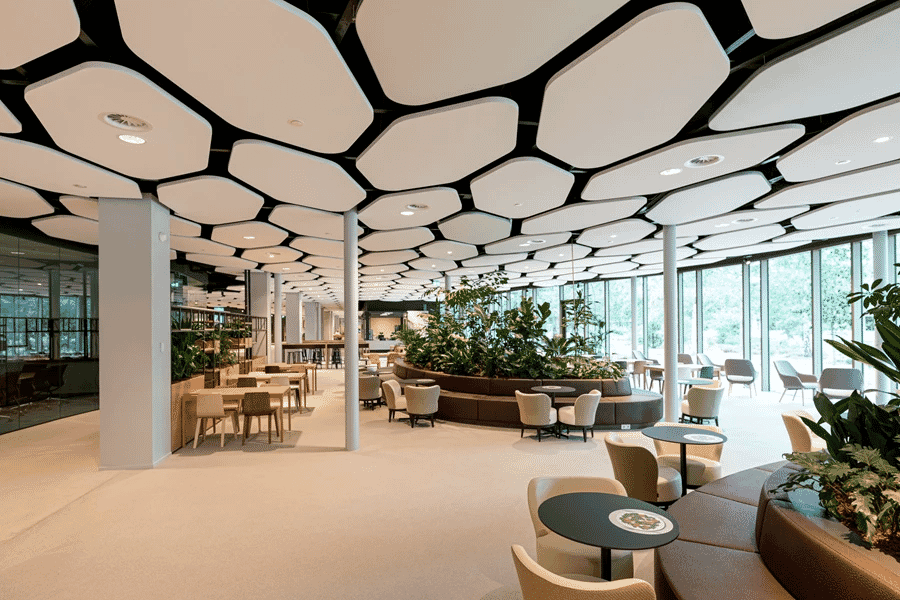
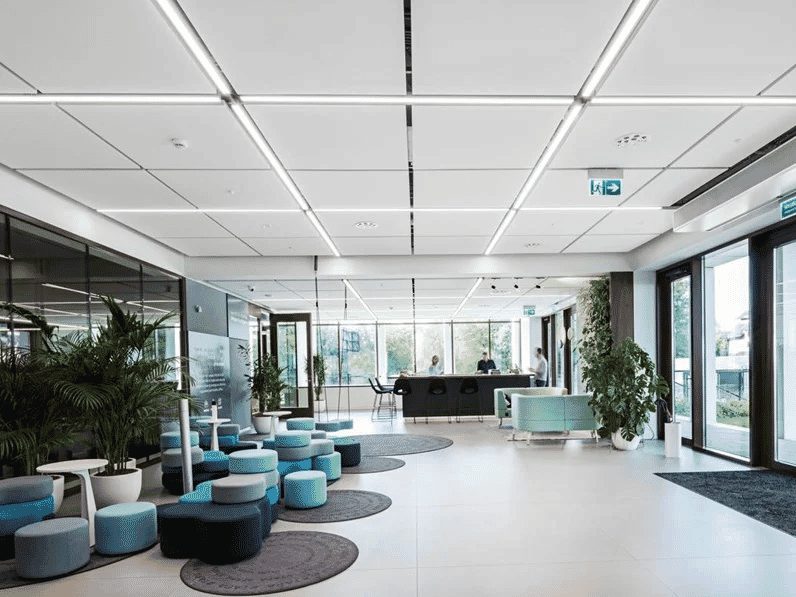
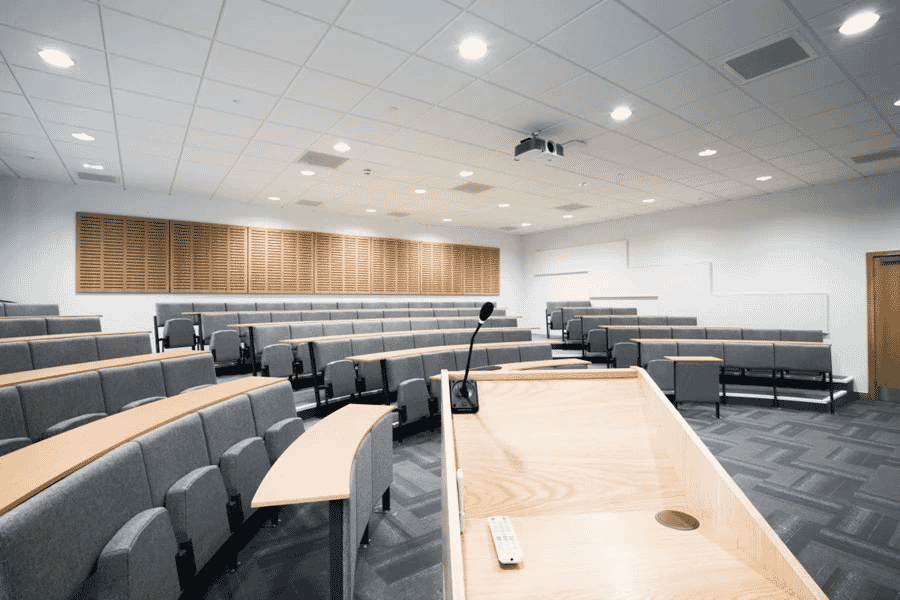
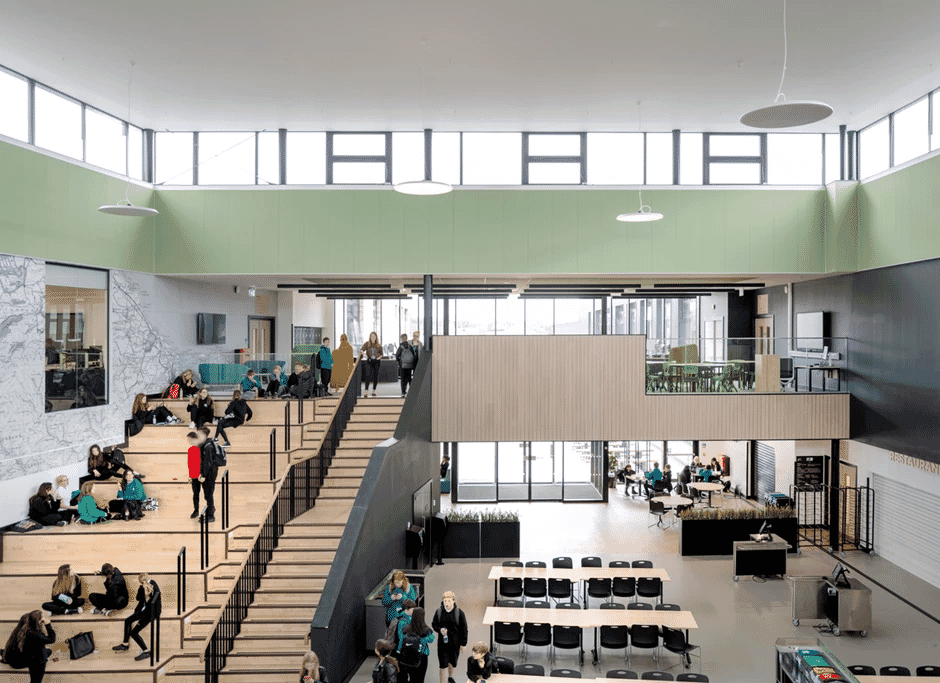
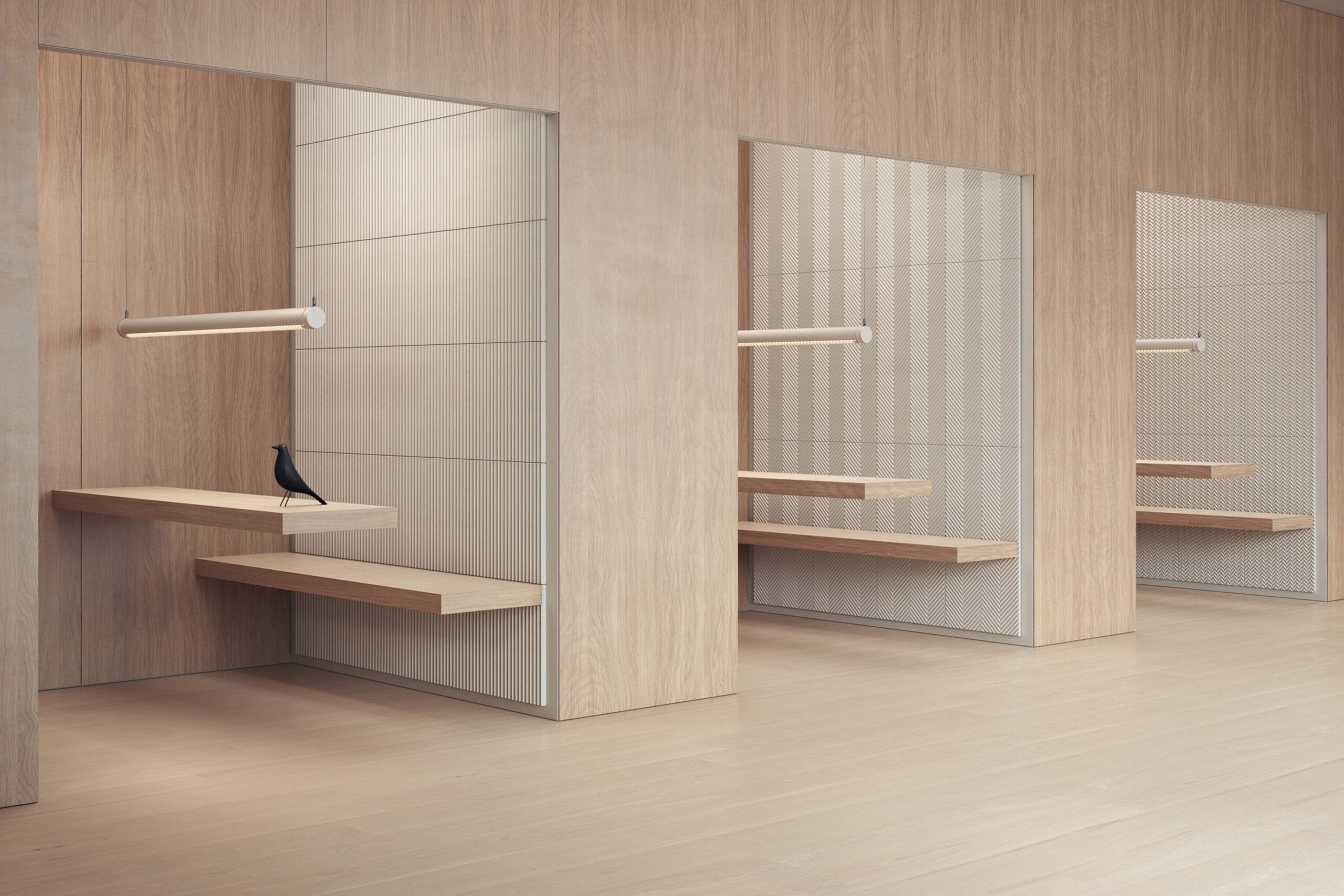














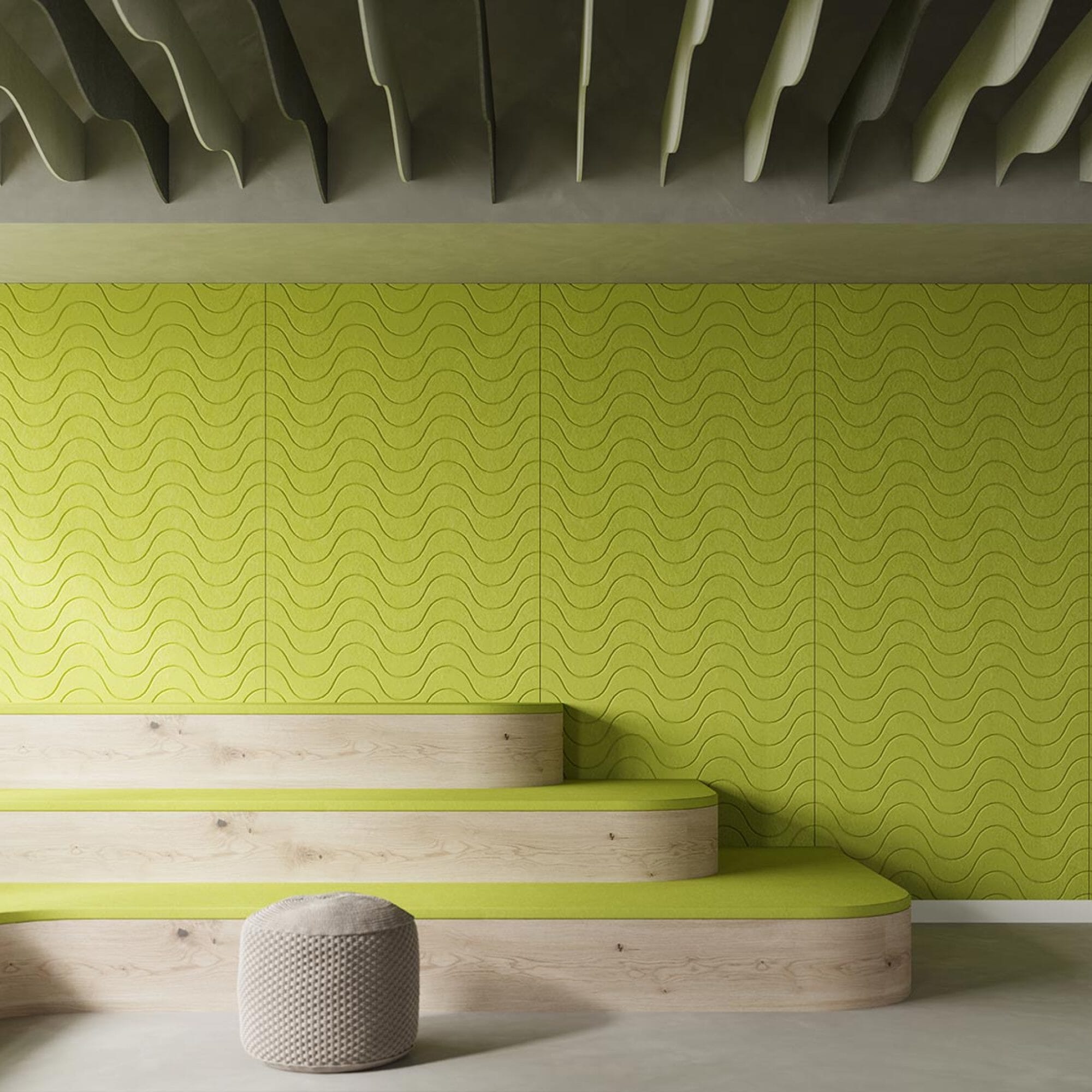
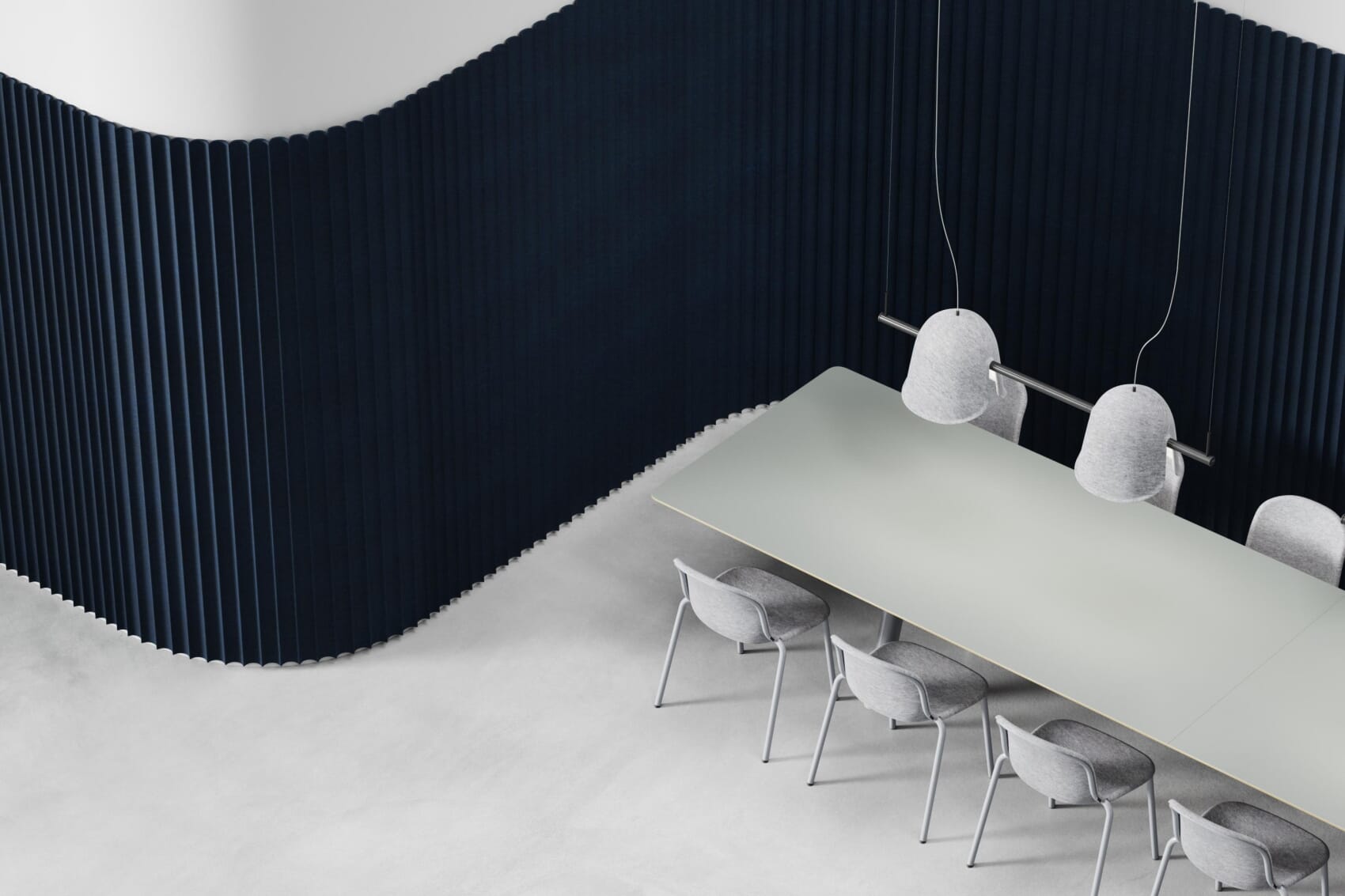
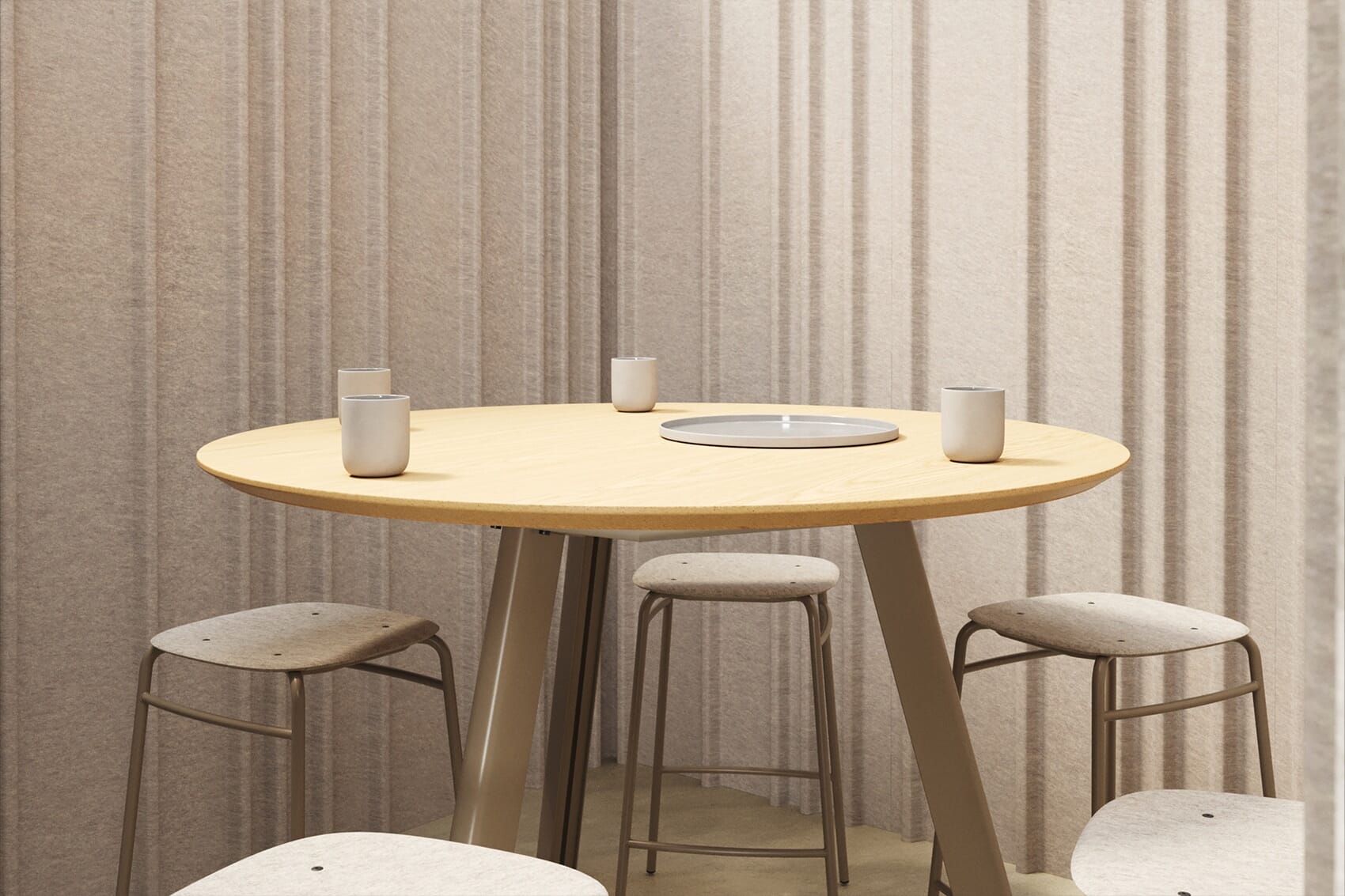
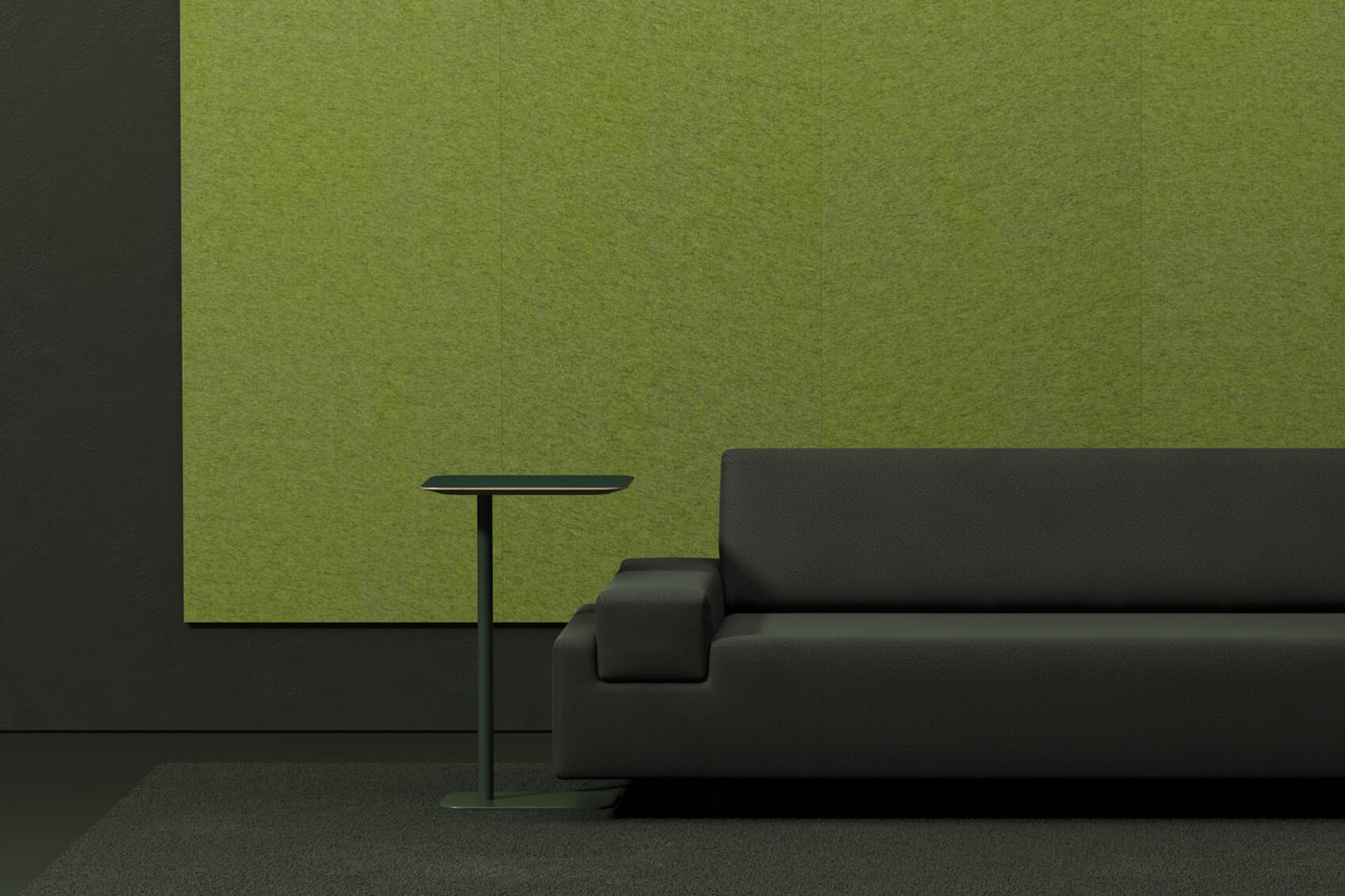

Resonics guides to
meeting room acoustics
more articles
From start to finish we handle everything

Consultation
Our acoustic consultants assess your space on-site (or remotely) and provide a detailed proposal. Every consultation includes acoustic design recommendations, product specifications, and reverberation analysis to ensure measurable improvements.

Assessment
We don’t just identify noise issues — we provide solutions that are cost-effective, design-conscious, and performance-led. Whether reducing echo, improving clarity, or addressing speech privacy, our expert guidance ensures the right acoustic fit for your space.
Design & Planning
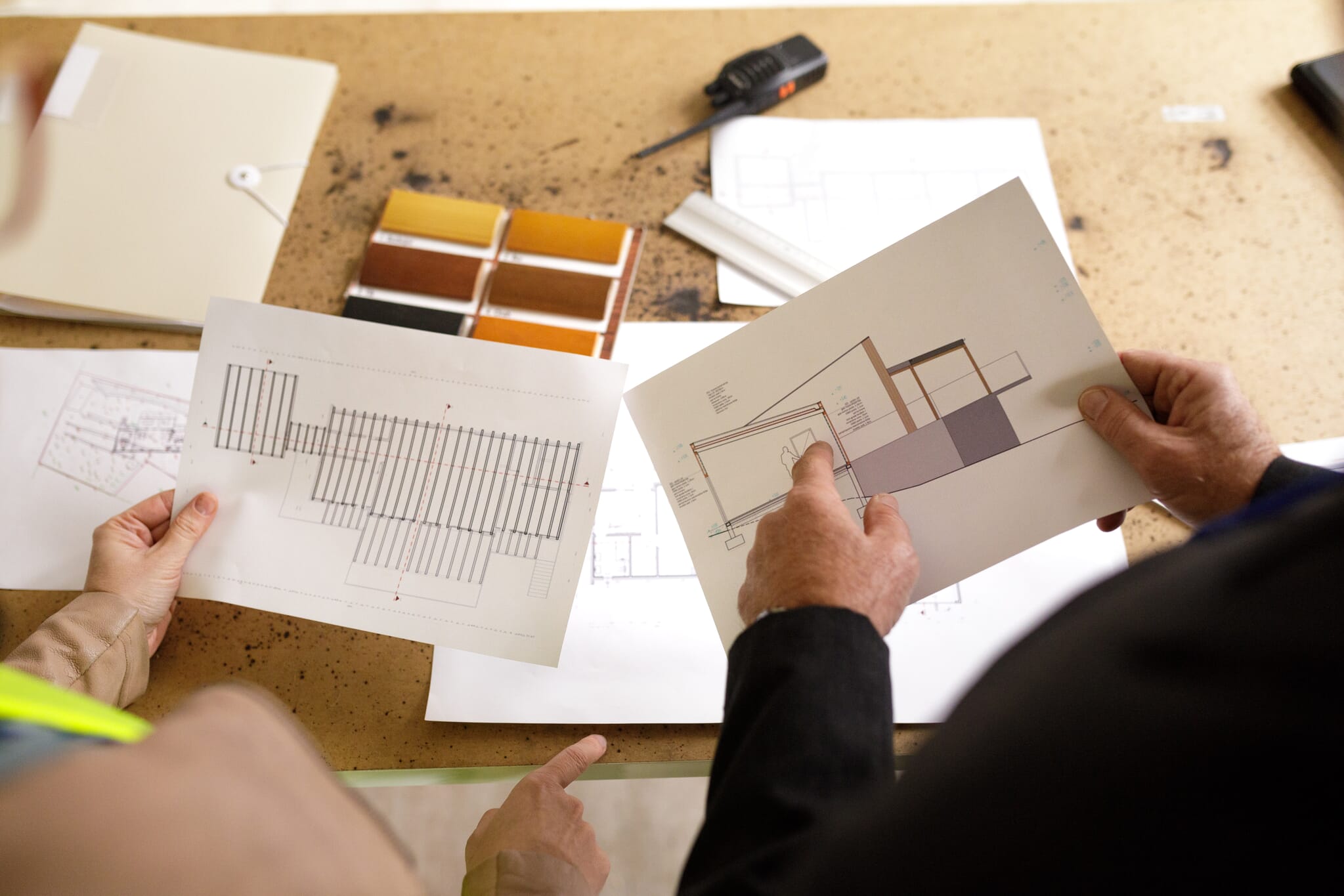
Every project includes a tailored acoustic design with a free CAD proposal, showing product placement, specifications, and performance ratings. Our designs can blend seamlessly into interiors or become bold architectural features — always balancing form with function.
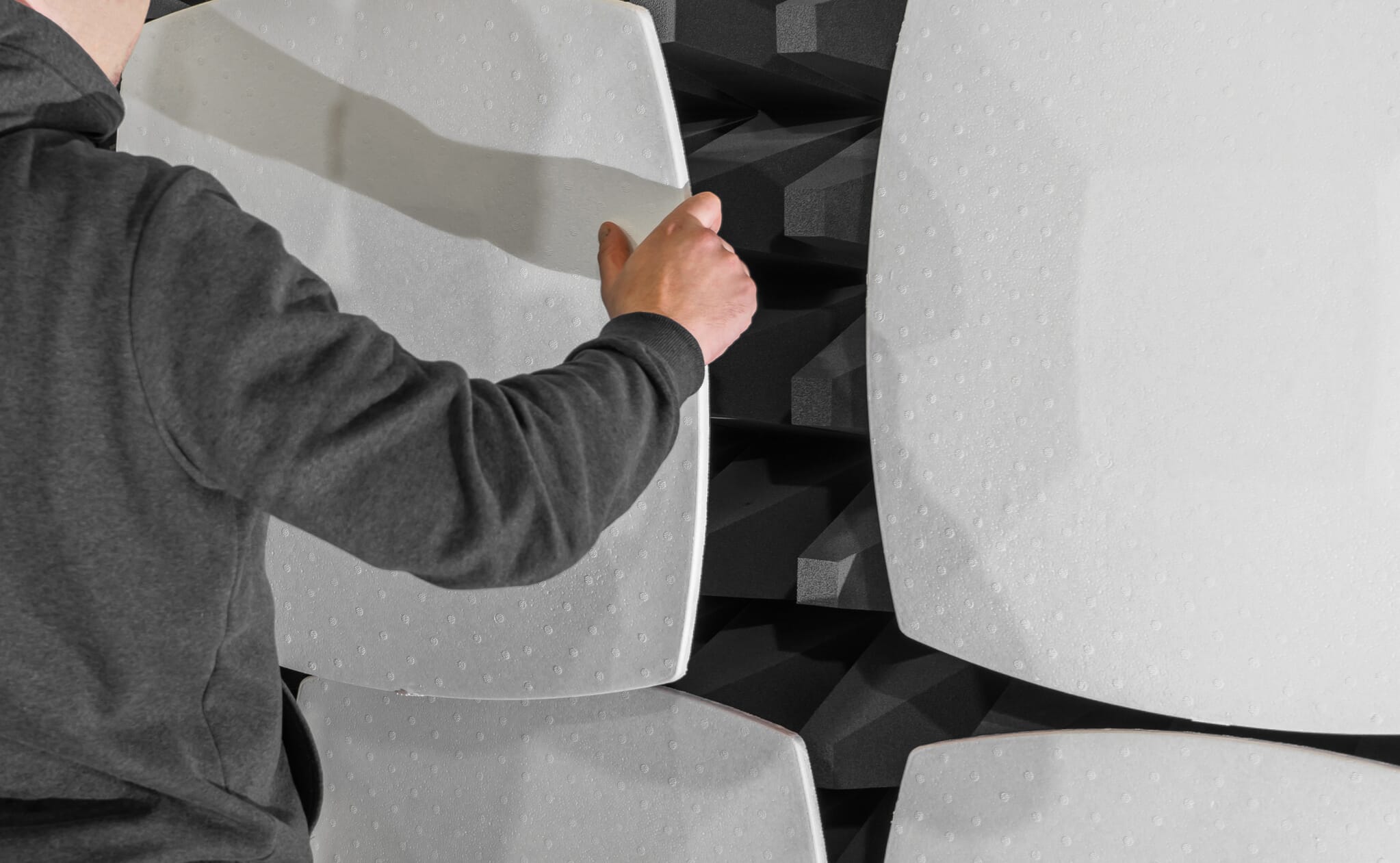
Supply & Installation
With over 5,000 projects completed nationwide, our in-house installation teams handle even the most complex acoustic projects. We work to strict health and safety standards, with IPAF-certified specialists, SSSTS/SMSTS-trained supervisors, and all installers CSCS accredited.
FAQs & tips for selecting the right acoustic products
Hard surfaces like glass and plasterboard reflect sound around the room instead of absorbing it. This creates echo, which blurs speech. Other common problems are noise leaking in from open-plan areas and conversations being overheard.
You need to add sound absorbing surfaces. Acoustic wall panels on two adjacent walls reduce flutter echo between parallel surfaces. Ceiling baffles or rafts above the table treat the largest reflective surface in the room.
Microphones pick up reflected sound as well as direct speech, so voices arrive slightly smeared and sound distant. Remote participants feel this more than people in the room and it can make virtual meetings frustrating. That’s why treating the room often improves call quality more than upgrading the AV equipment.
Yes. With the right combination of absorption and sound masking, speech becomes unintelligible outside the room, protecting sensitive discussions.
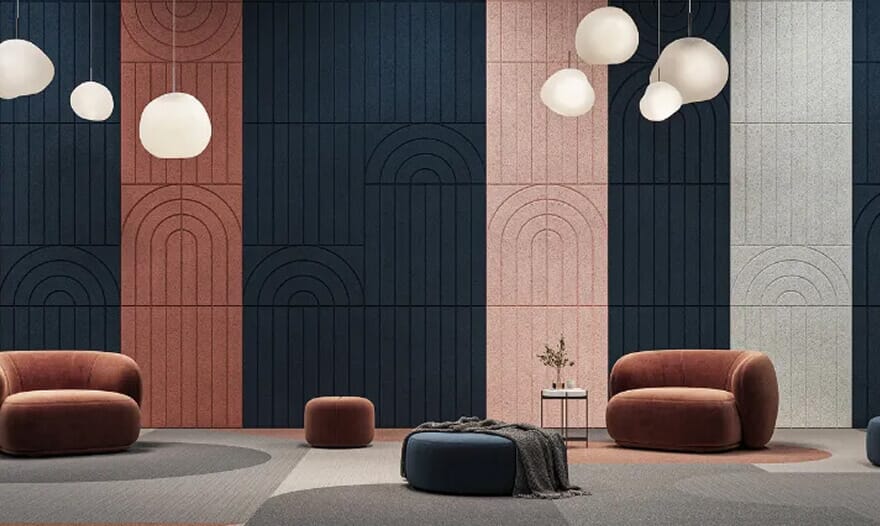
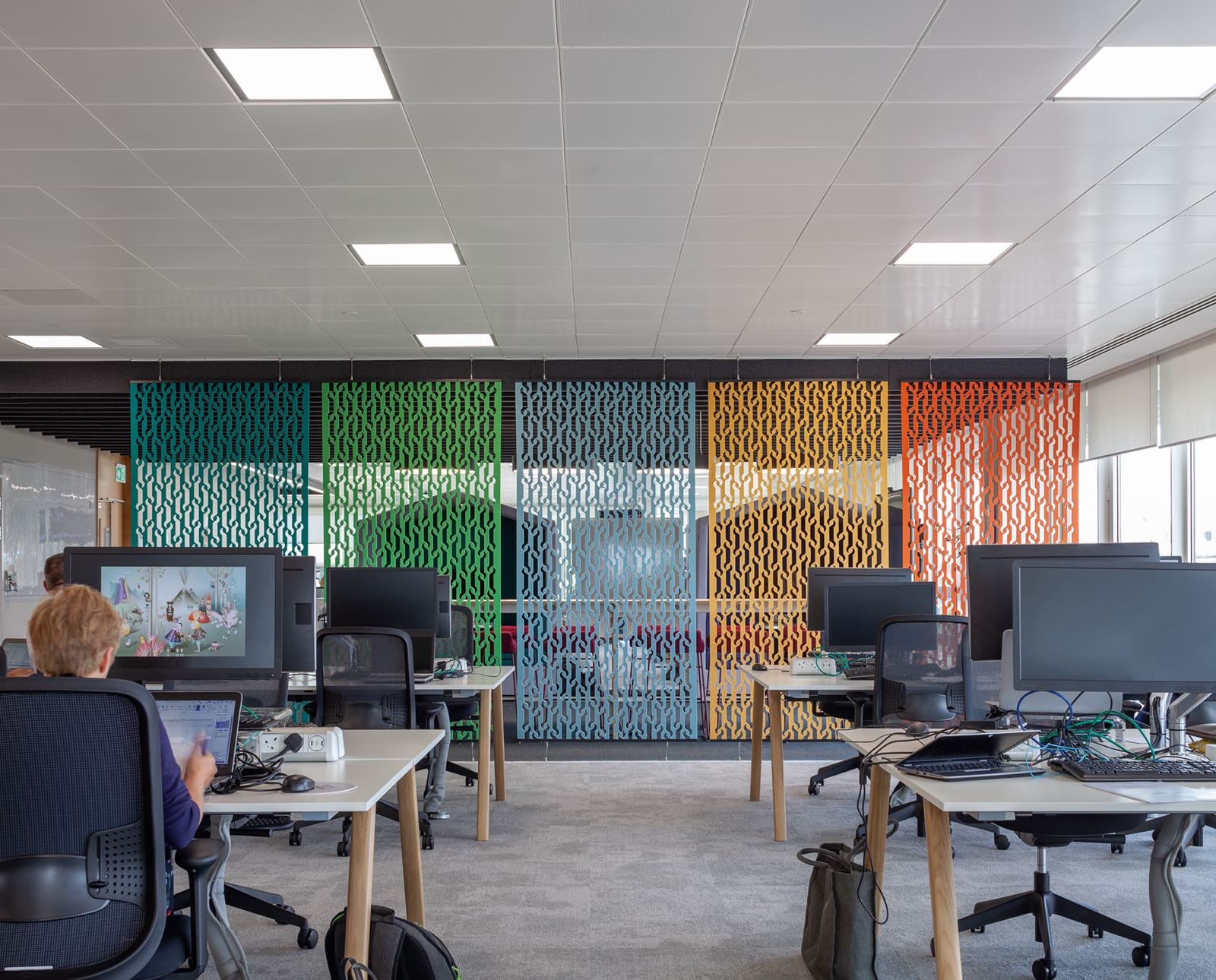
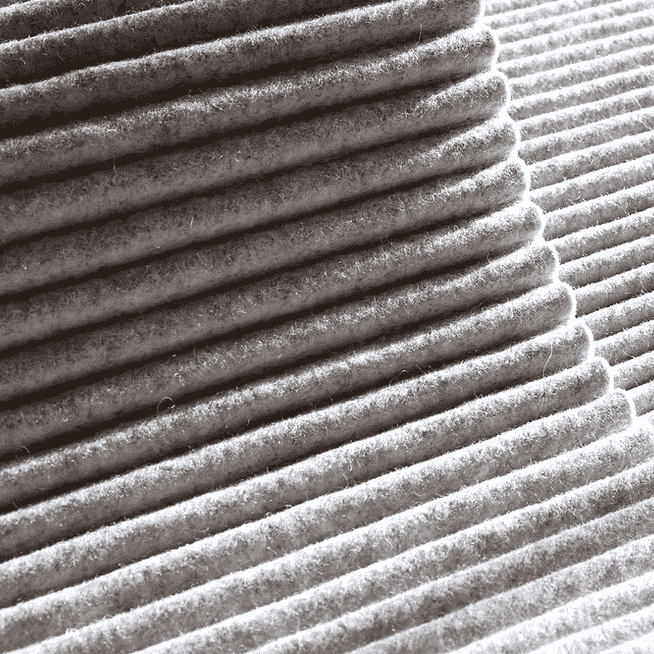
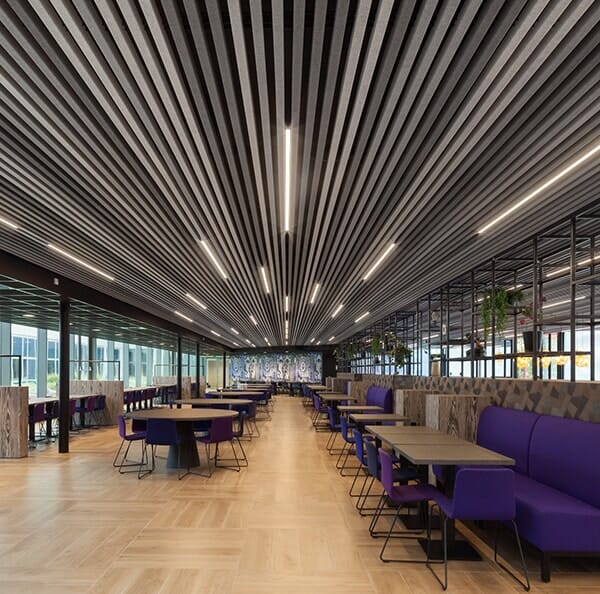
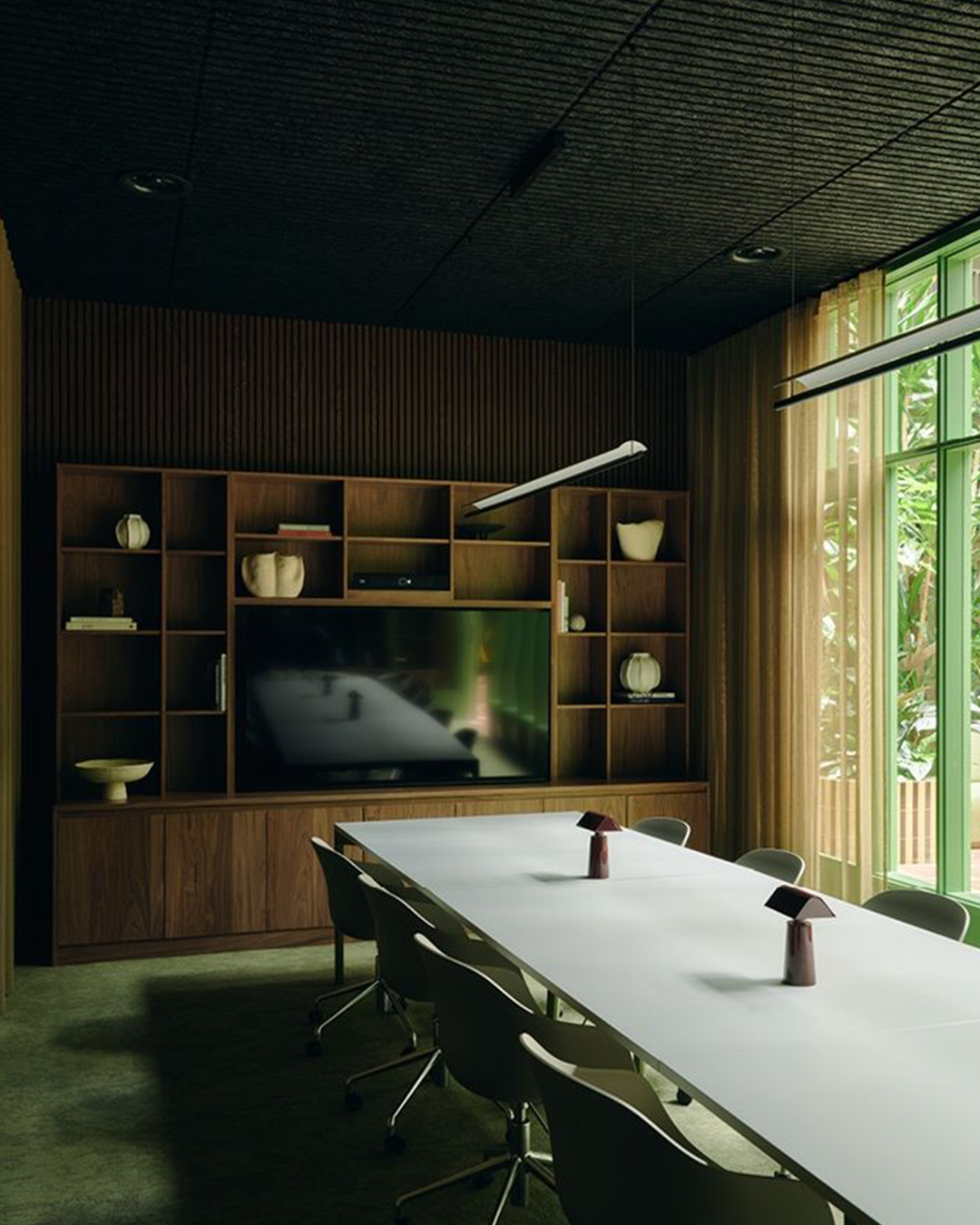
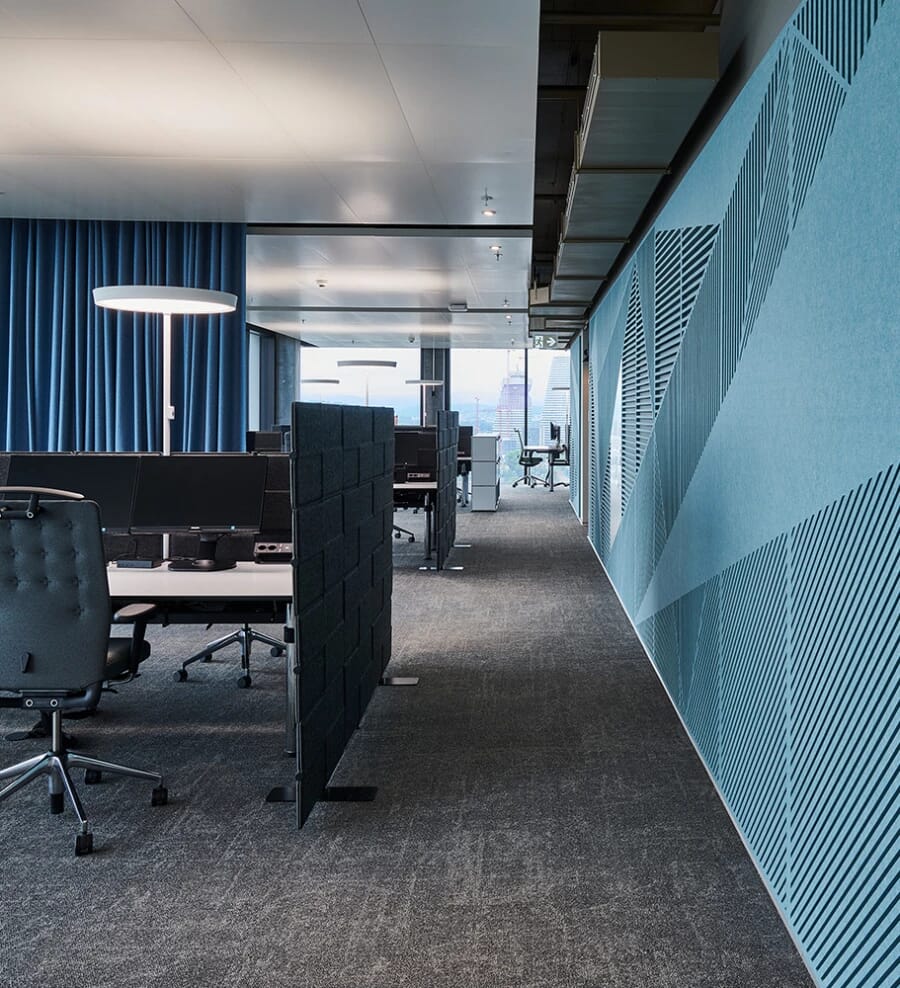
Yes. Panels come in hundreds of colours and finishes, from felt and fabric to timber slats. They can disappear into the interior or become a feature.
We survey the room, identify whether the problem is echo, noise transfer or privacy, and design a solution with a free CAD proposal. Treatments can include wall panels, ceiling rafts, baffles and sound masking.
Common issues include echo (reverberation), poor speech clarity, noise leaking in from outside, and lack of speech privacy — where conversations can be overheard in adjacent spaces.