



























Why are Classroom Acoustics Important?
Clear speech is essential for effective learning. In noisy classrooms, pupils can miss up to 70% of spoken consonants, making it harder to follow lessons, stay focused, and retain information.
UK schools are required to meet BB93 acoustic standards, ensuring classrooms support teaching rather than hinder it.
With proven experience delivering BB93-compliant classroom acoustic solutions, Resonics helps schools create quieter, more effective learning environments.
Our clients











Lower noise levels reduce auditory stress and help create inclusive classrooms where students with additional needs can engage fully with lessons.
Children are particularly sensitive to noise. Improved acoustics support focus, information retention and overall classroom engagement.
Effective acoustic solutions limit sound transmission between classrooms, helping maintain calm, focused learning environments throughout the school.
UK schools must meet BB93 standards for reverberation, sound insulation, and background noise. Resonics delivers BB93-compliant acoustic solutions, working closely with architects, contractors, and education providers to meet or exceed regulatory requirements.

Testimonials
Hear what our clients have to say
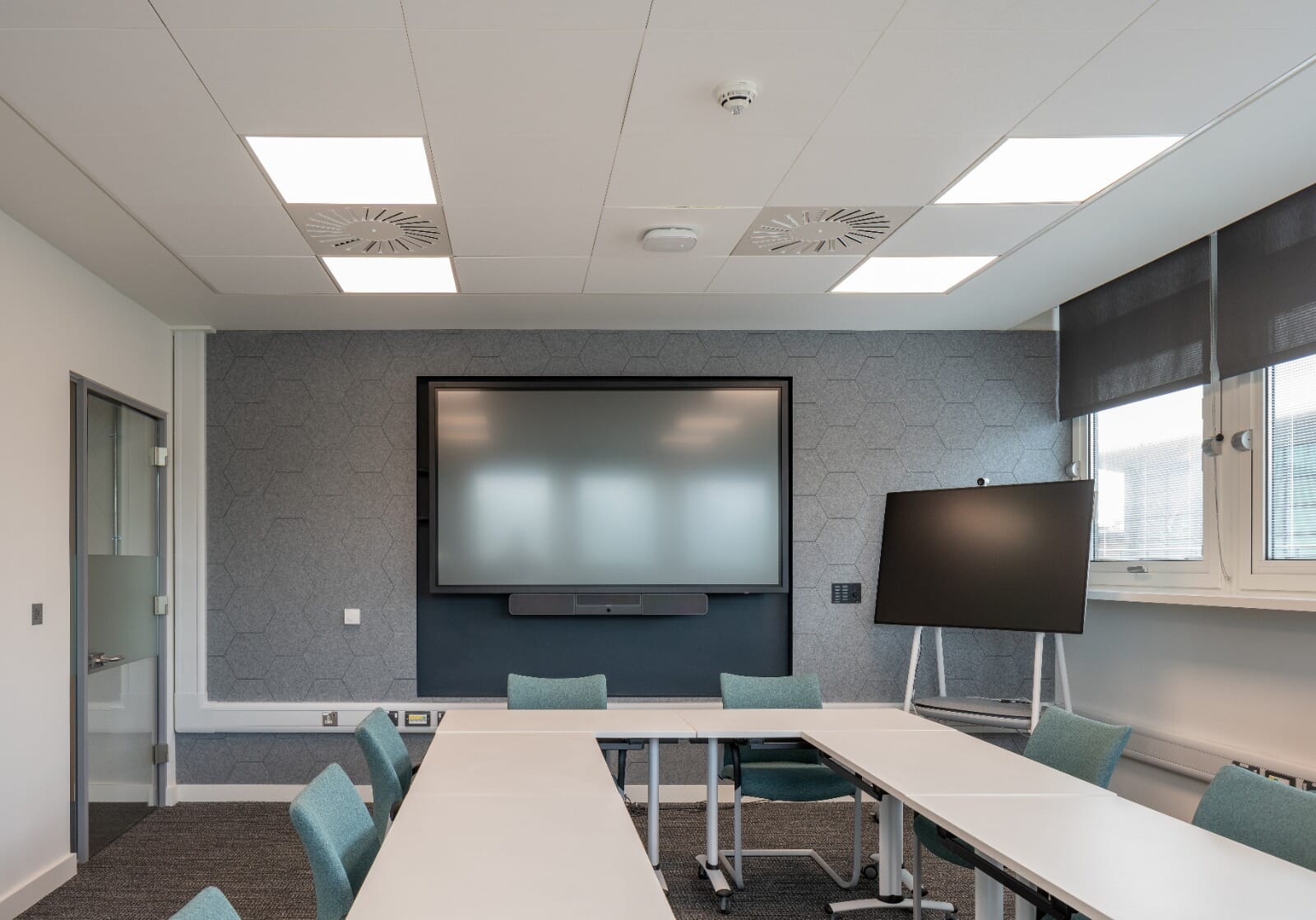
How to reduce noise in classrooms
Need expert acoustic advice?
Call us on 020 7858 1030 or request a quote below—we’ll contact you.
Request a Quote
Our work in classrooms
View more case studies










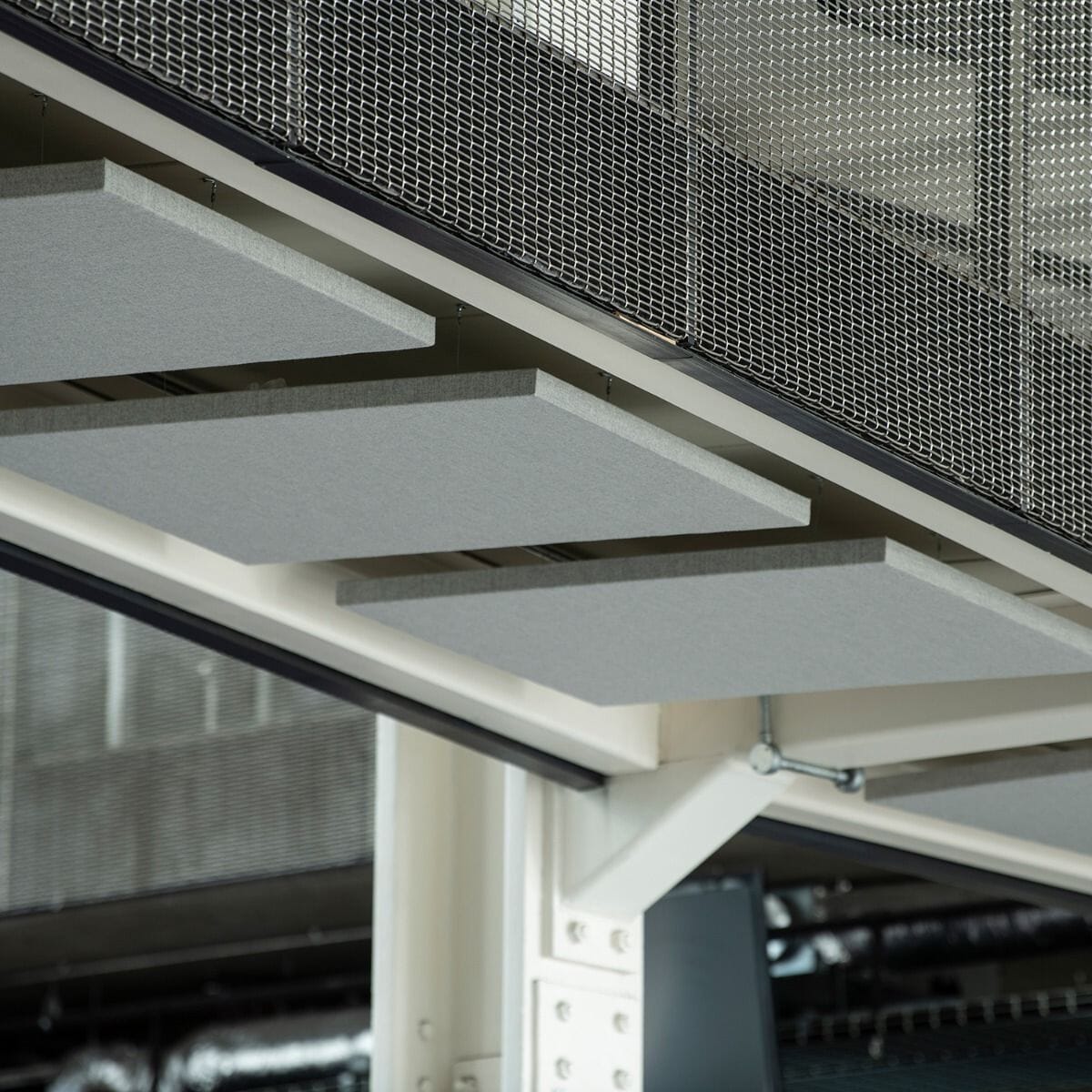














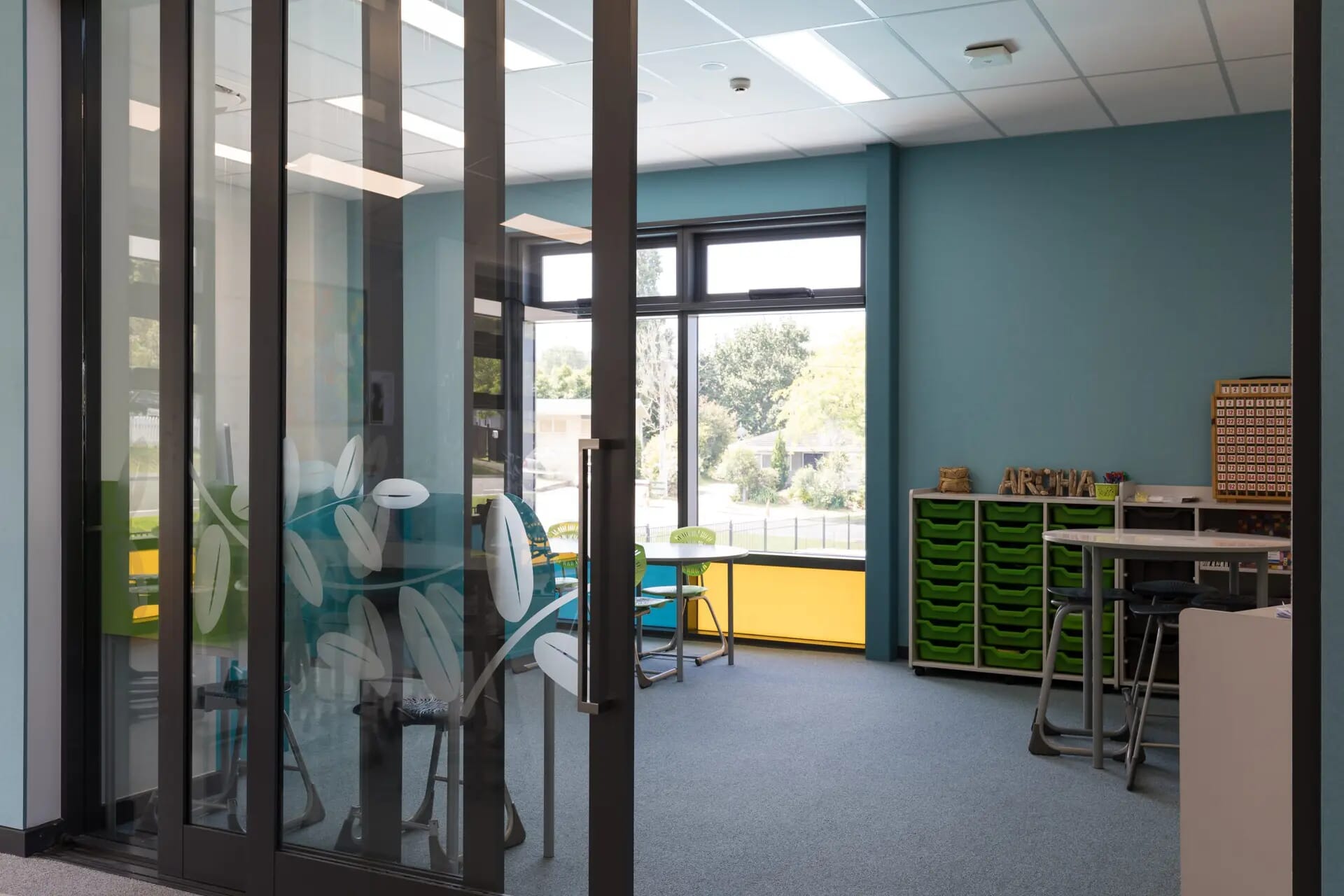















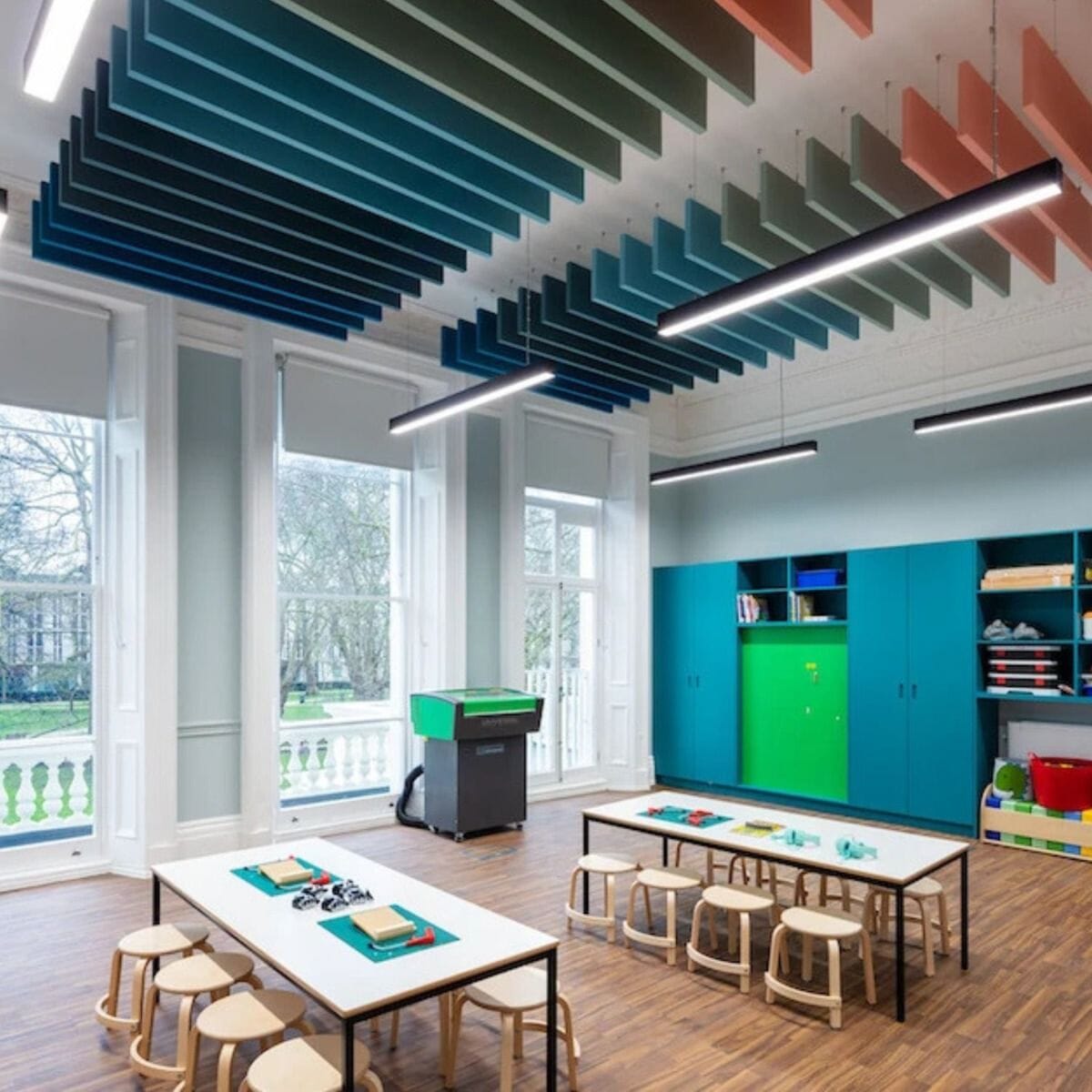




















































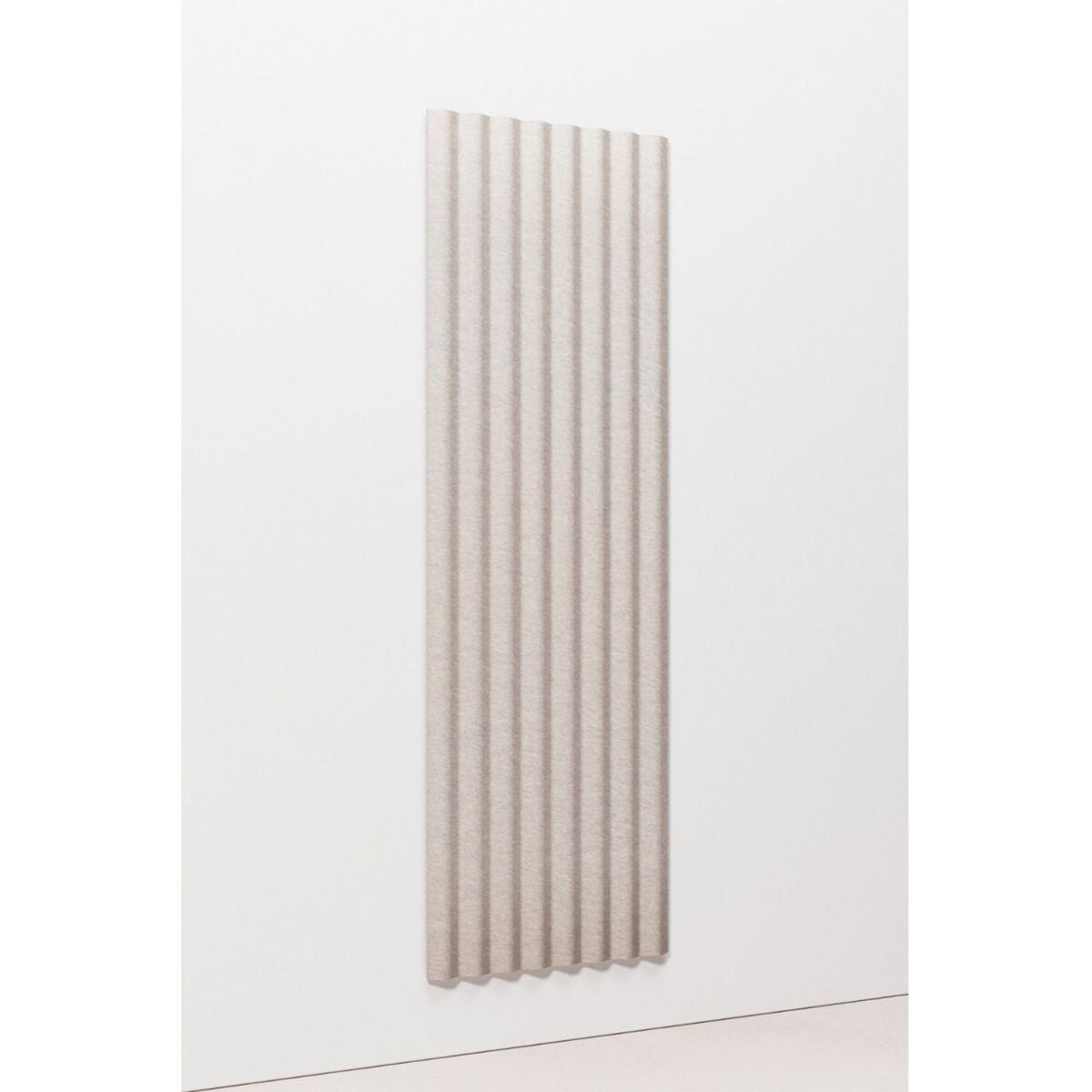
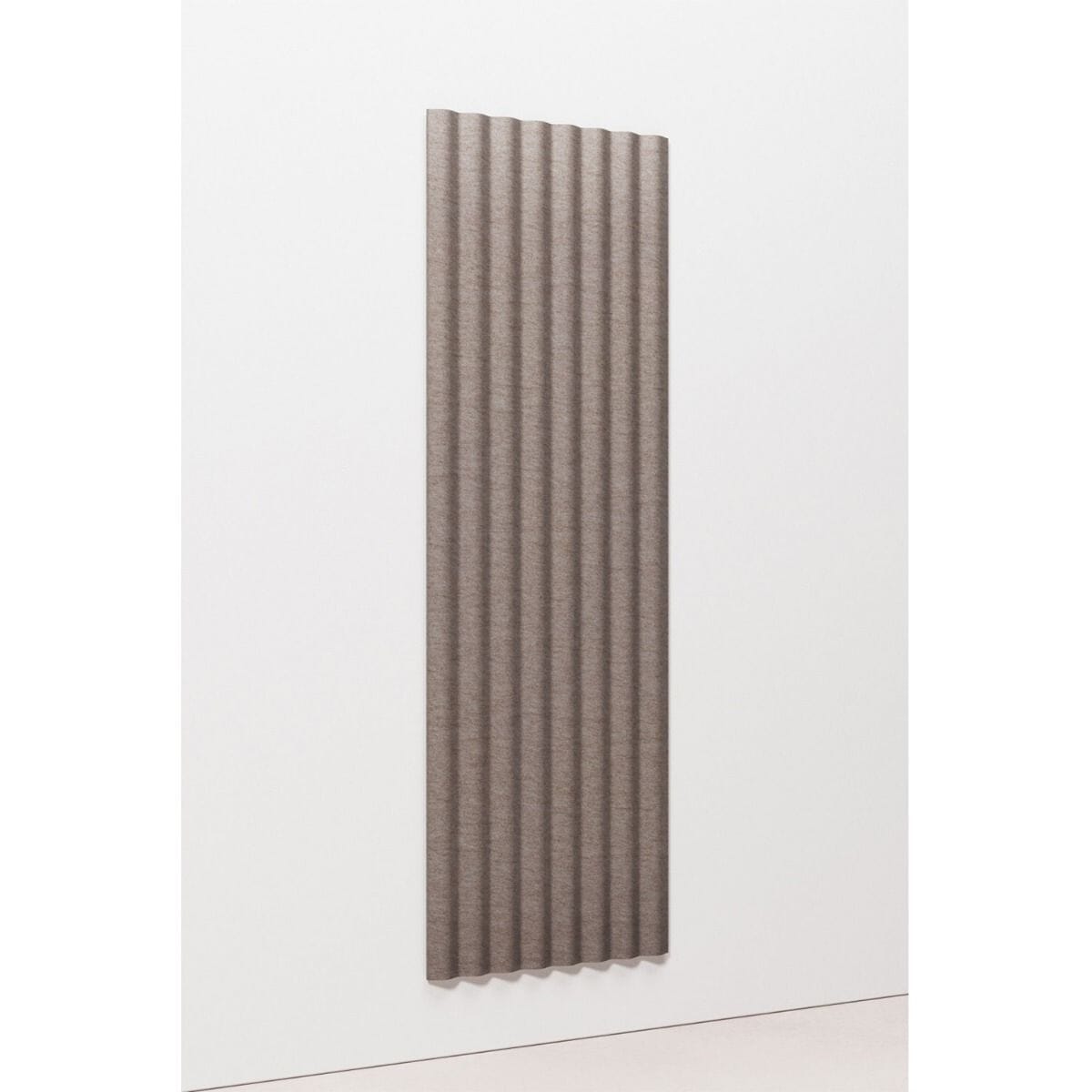
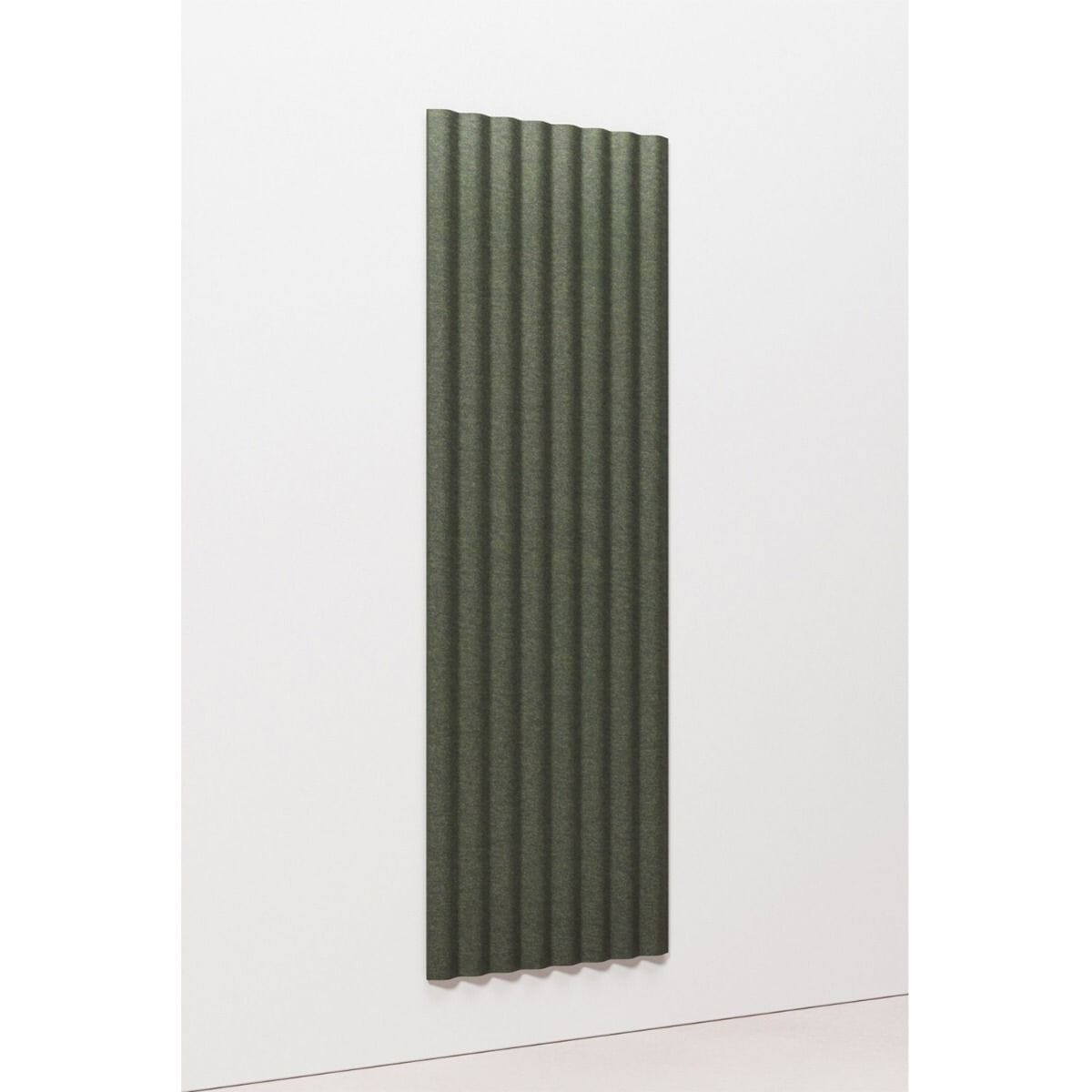
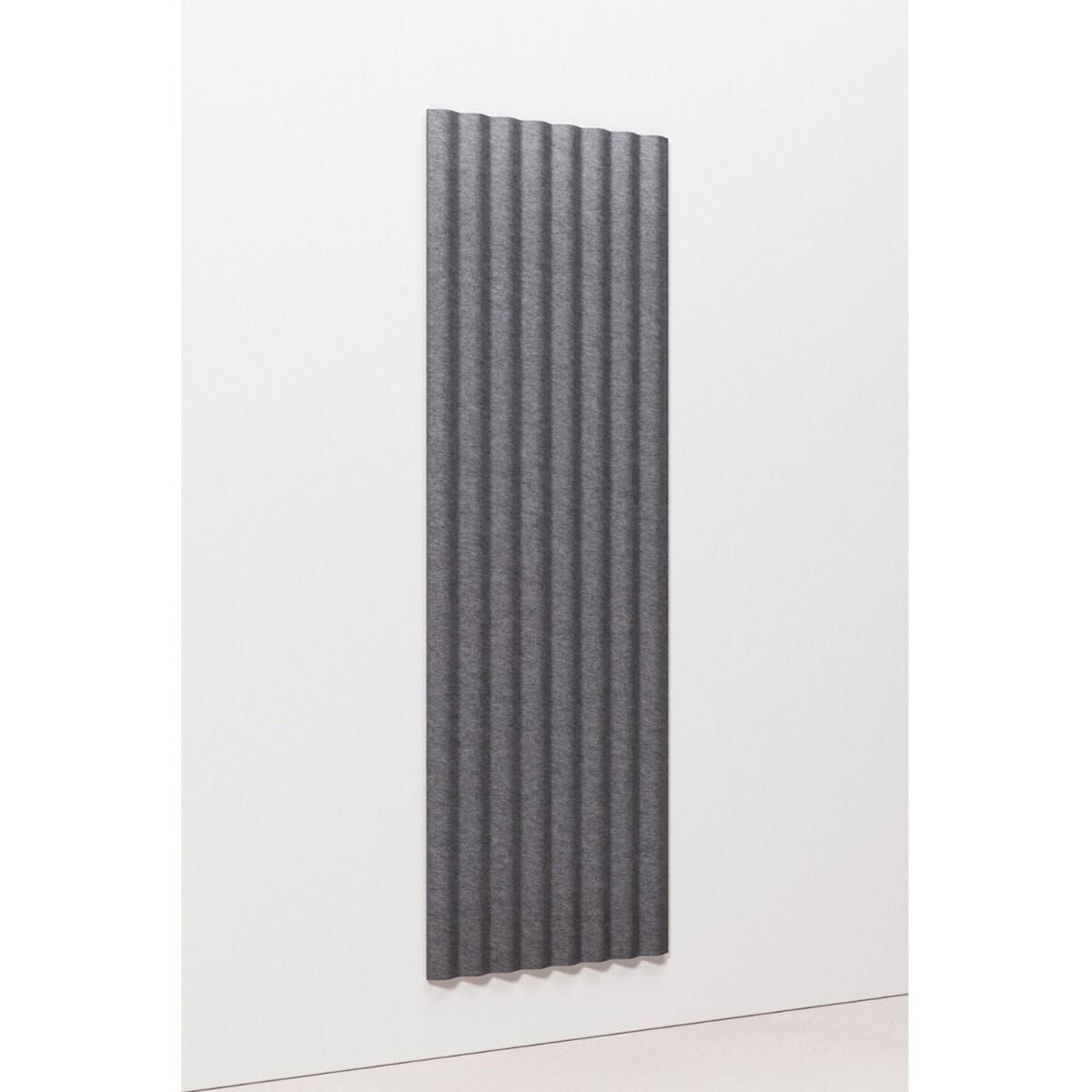
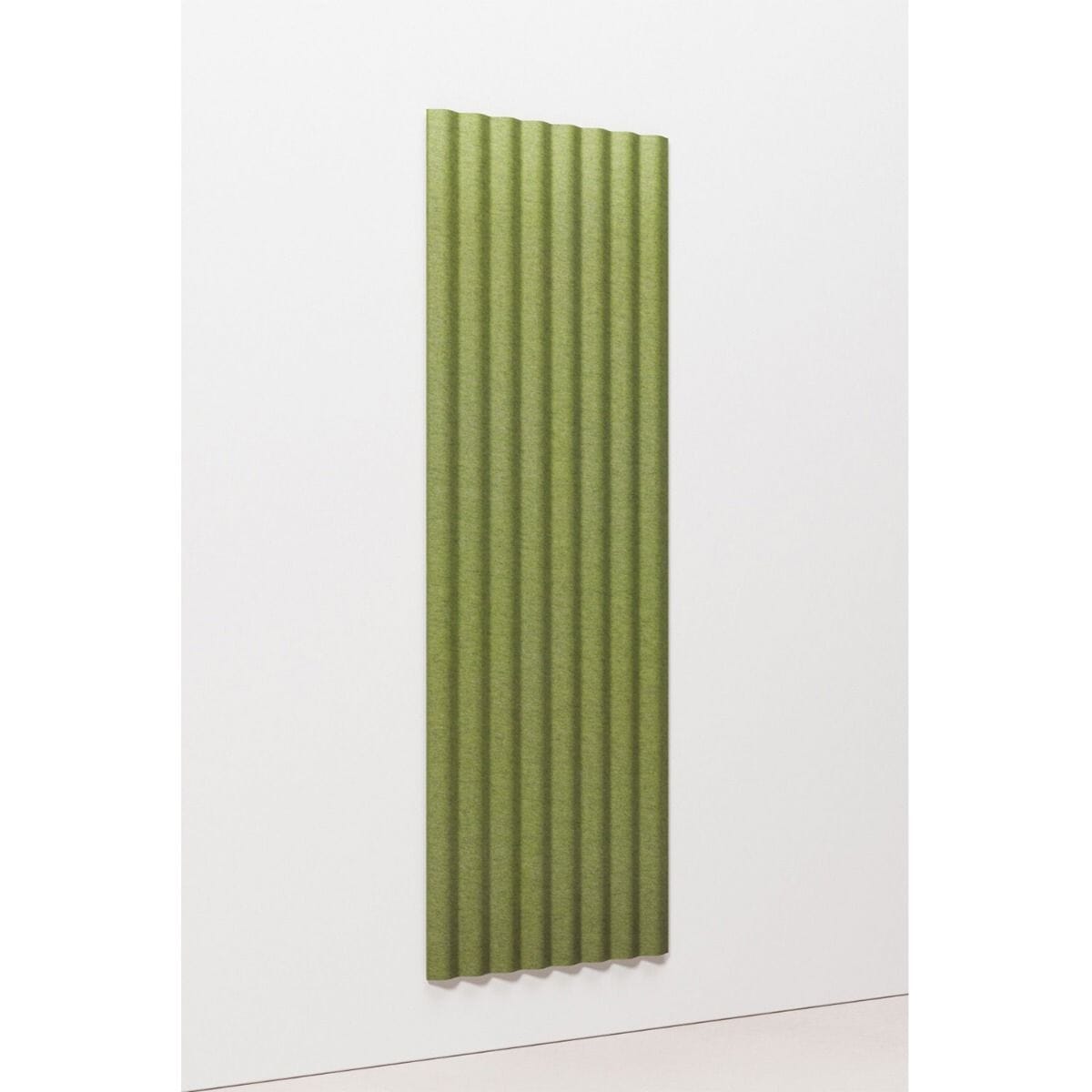
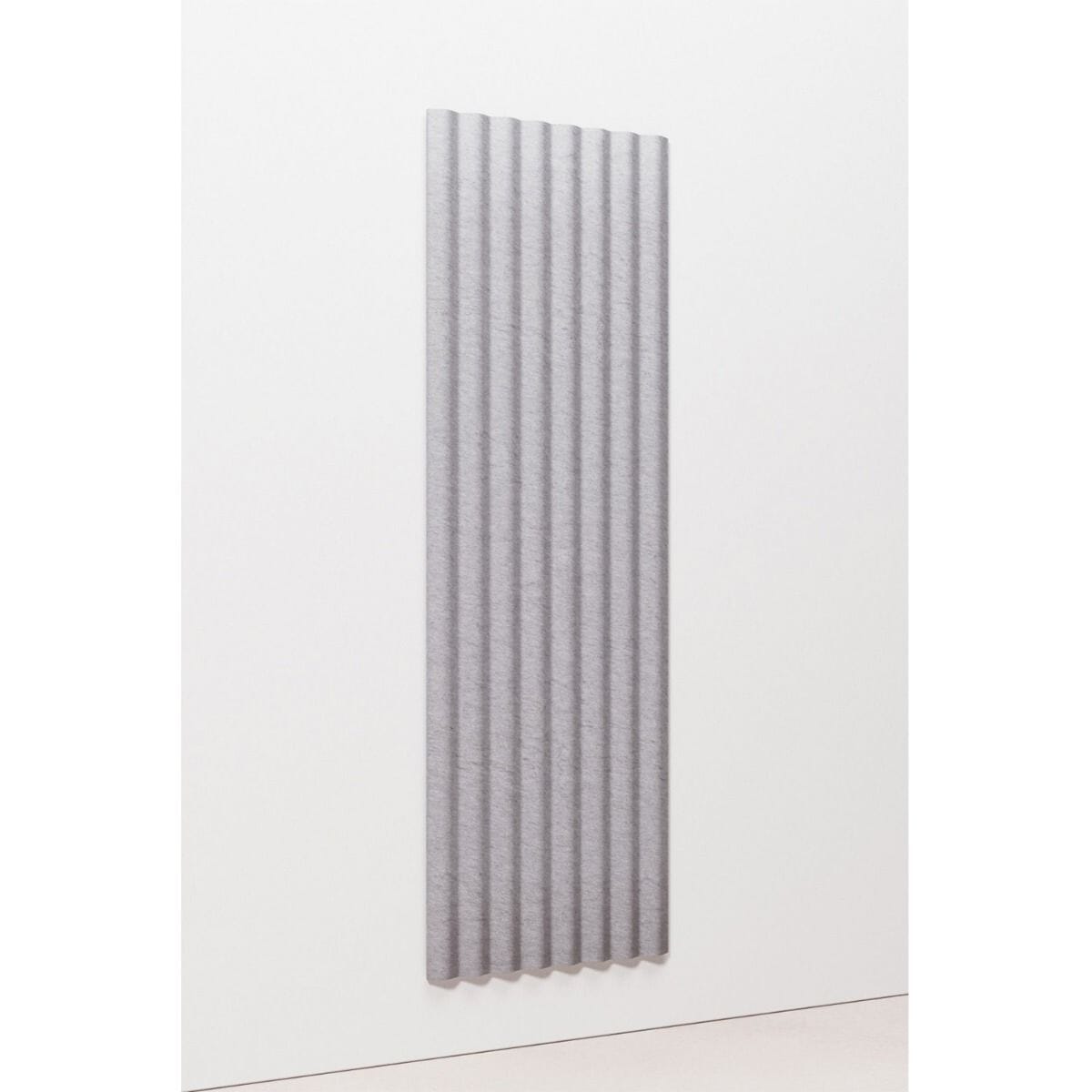
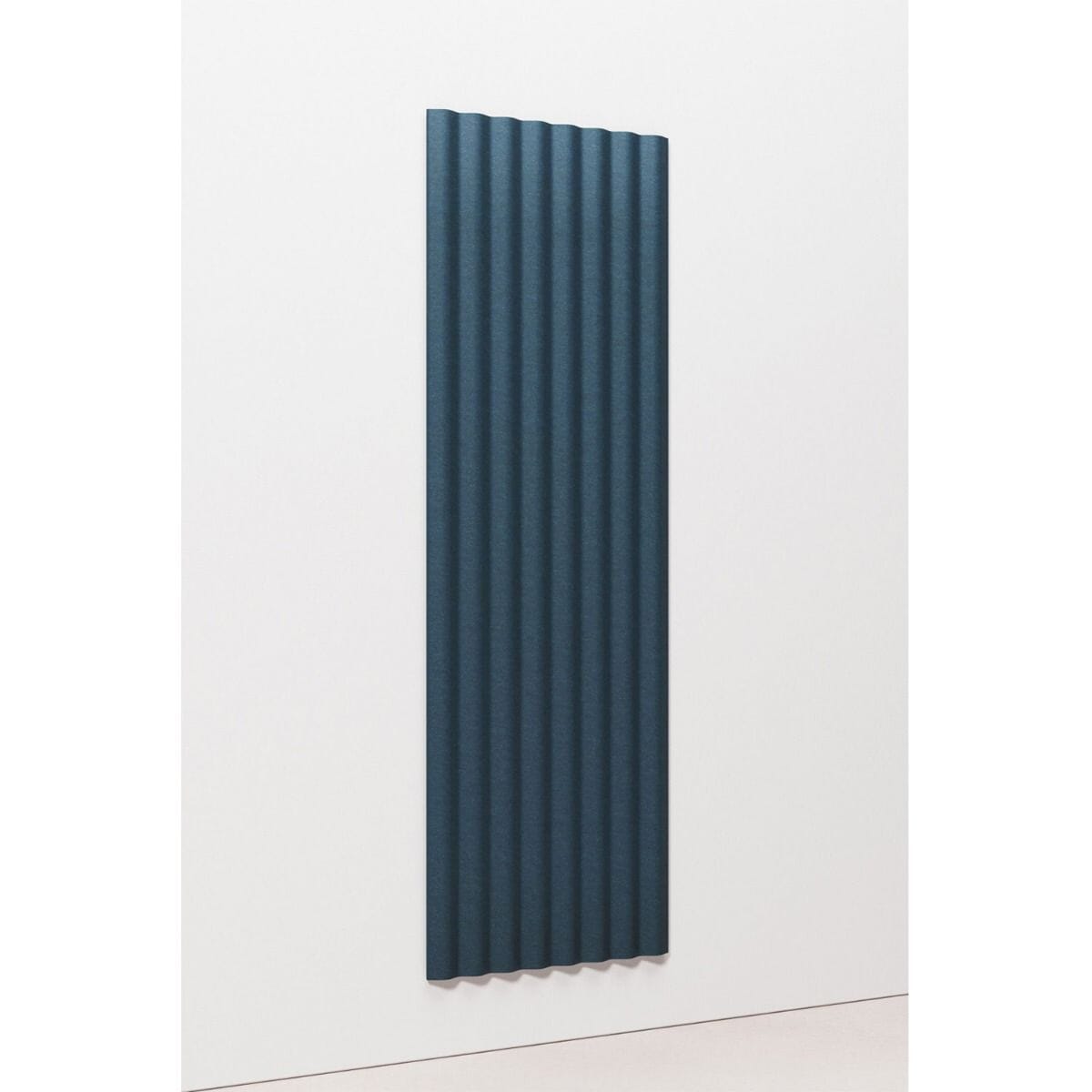
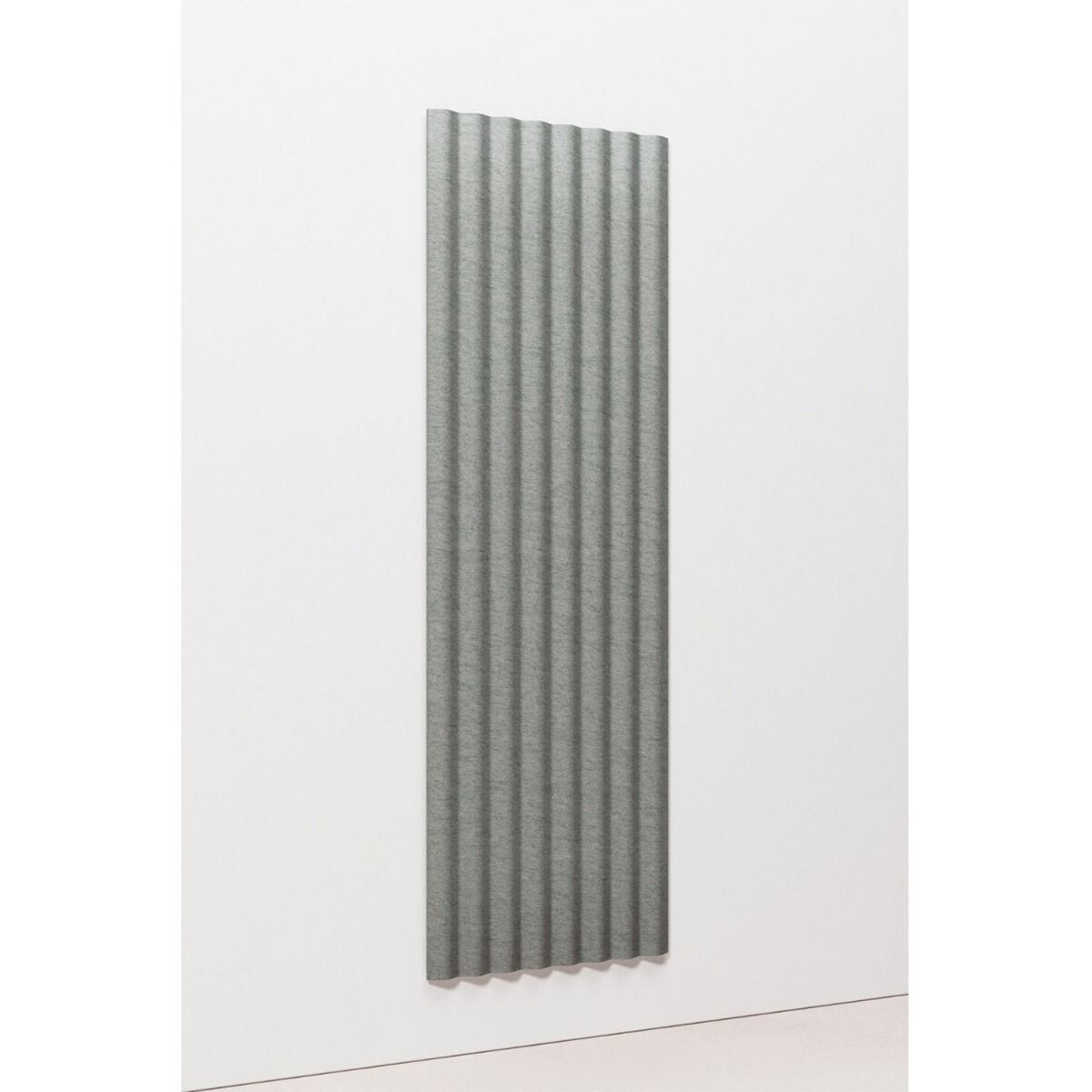


Resonics guides to classroom acoustics
more articles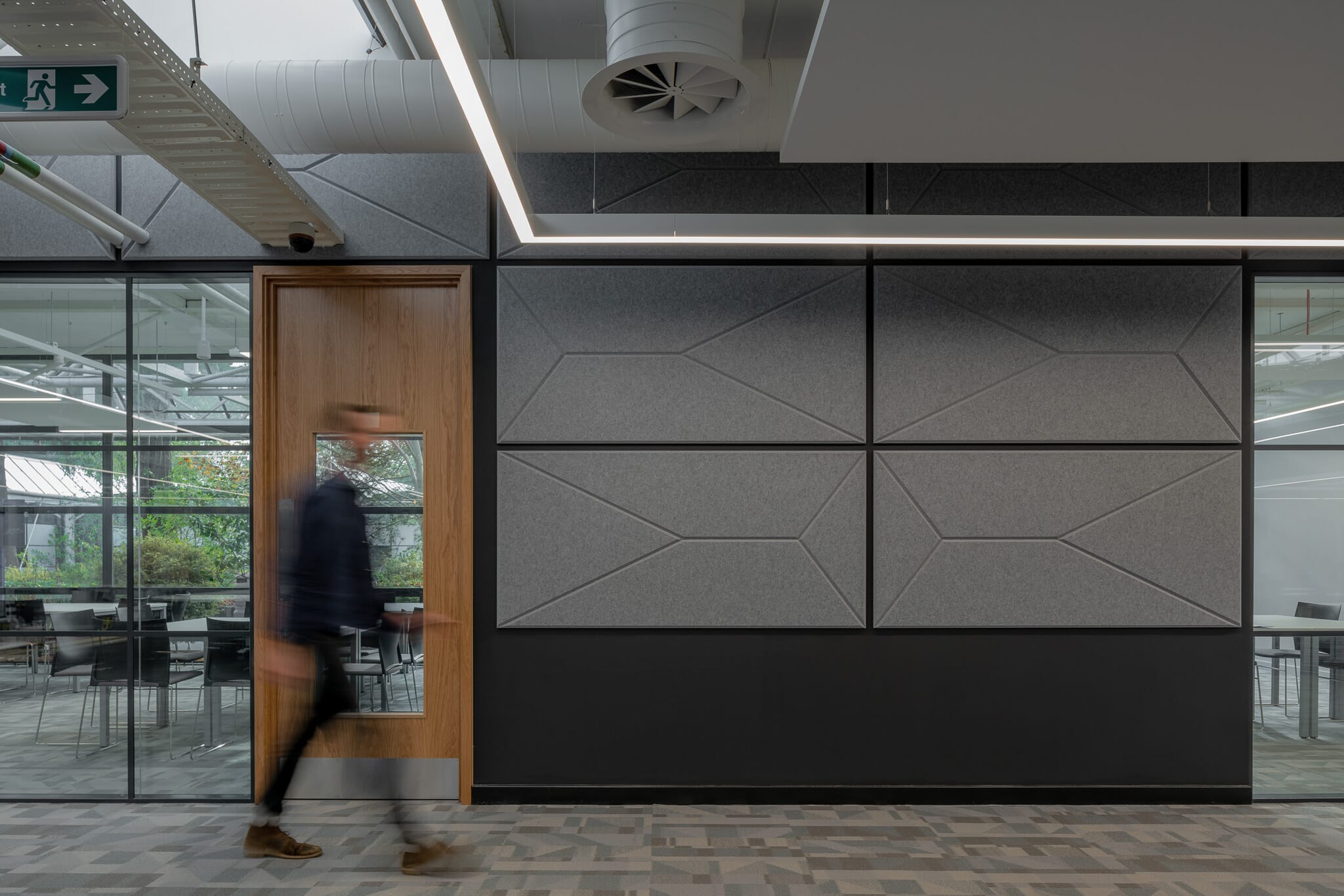
From start to finish we handle everything

Consultation
Our acoustic consultants assess your space on-site (or remotely) and provide a detailed proposal. Every consultation includes acoustic design recommendations, product specifications, and reverberation analysis to ensure measurable improvements.

Assessment
We don’t just identify noise issues — we provide solutions that are cost-effective, design-conscious, and performance-led. Whether reducing echo, improving clarity, or addressing speech privacy, our expert guidance ensures the right acoustic fit for your space.

Design & Planning
Every project includes a tailored acoustic design with a free CAD proposal, showing product placement, specifications, and performance ratings. Our designs can blend seamlessly into interiors or become bold architectural features — always balancing form with function.
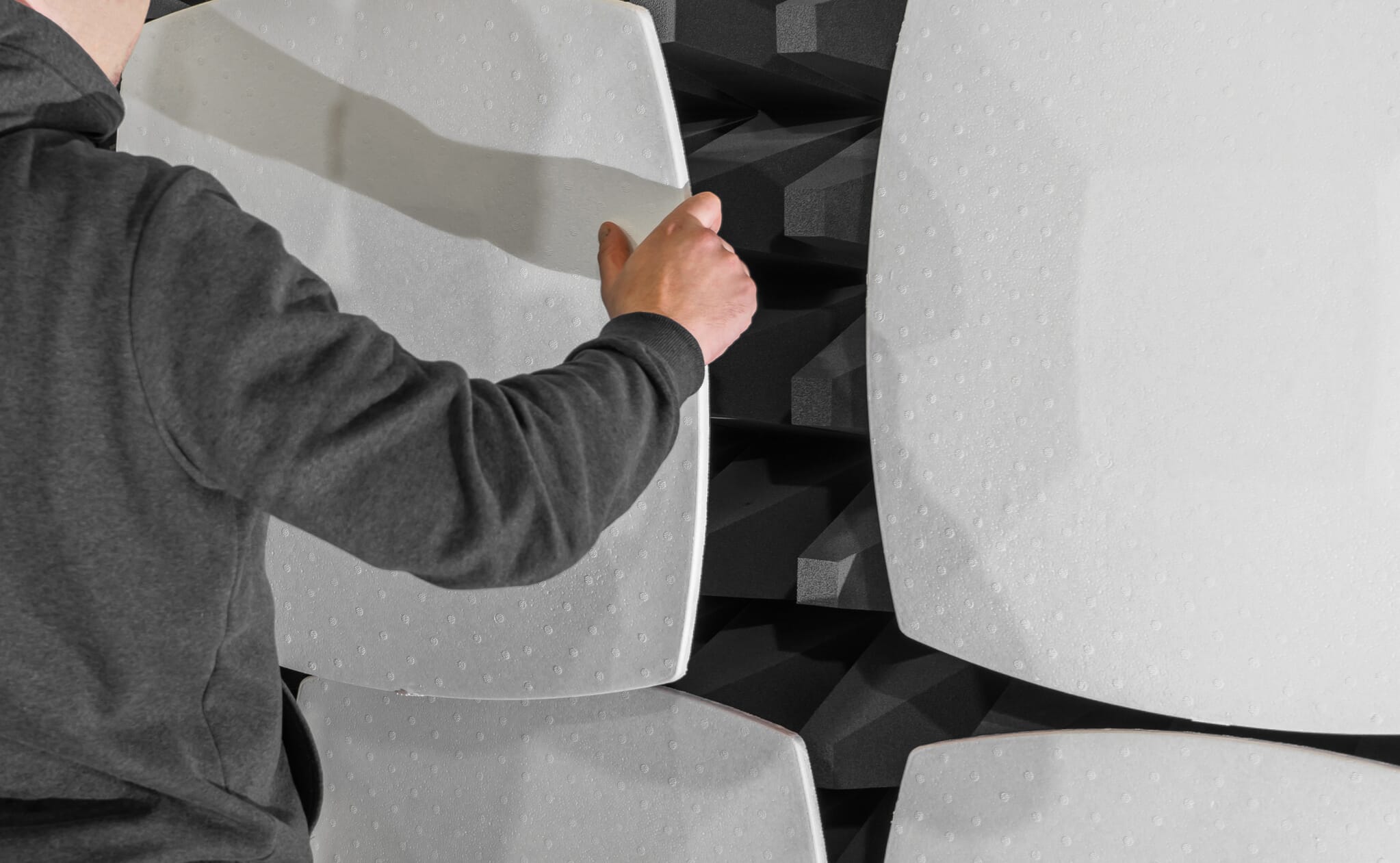
Supply & Installation
With over 5,000 projects completed nationwide, our in-house installation teams handle even the most complex acoustic projects. We work to strict health and safety standards, with IPAF-certified specialists, SSSTS/SMSTS-trained supervisors, and all installers CSCS accredited.
FAQs & tips for selecting the right Classroom Acoustics
- Think durability: In high-traffic areas, go for stain-resistant, easy-to-clean panels that can handle daily wear.
- Highly absorbent and cost-effective: Choosing highly absorbent panels will help you meet BB93 regulations without blowing the budget.
- Prioritise safety: Make sure all acoustic products meet fire safety standards.
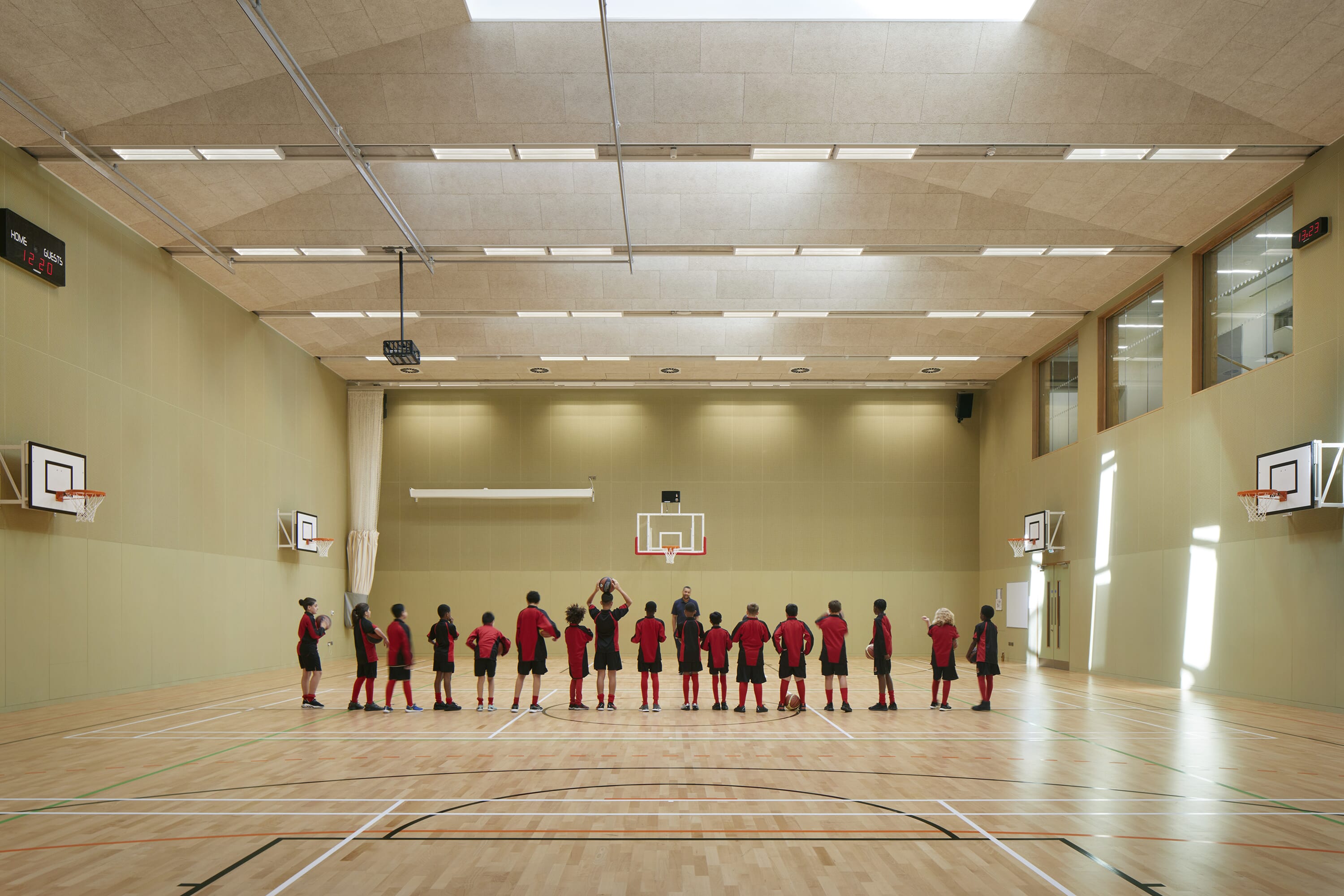
- Use impact-resistant solutions: For sports halls, opt for tough acoustic panels—Super G by Ecophon is a reliable, affordable choice.
Costs vary depending on room size and required performance. Resonics offers free acoustic surveys and tailored proposals to fit school budgets while ensuring BB93 compliance.
Absolutely. Teachers in poor acoustic environments are more likely to experience vocal strain and fatigue. Better acoustics reduce the need to raise their voice and create a calmer classroom atmosphere.
Yes — students with hearing impairments, autism, or speech and language difficulties benefit greatly from improved sound clarity and reduced background noise.
Not at all. Panels can be colourful, shaped, or even printed with graphics, artwork, or teaching materials — turning them into part of the classroom design.
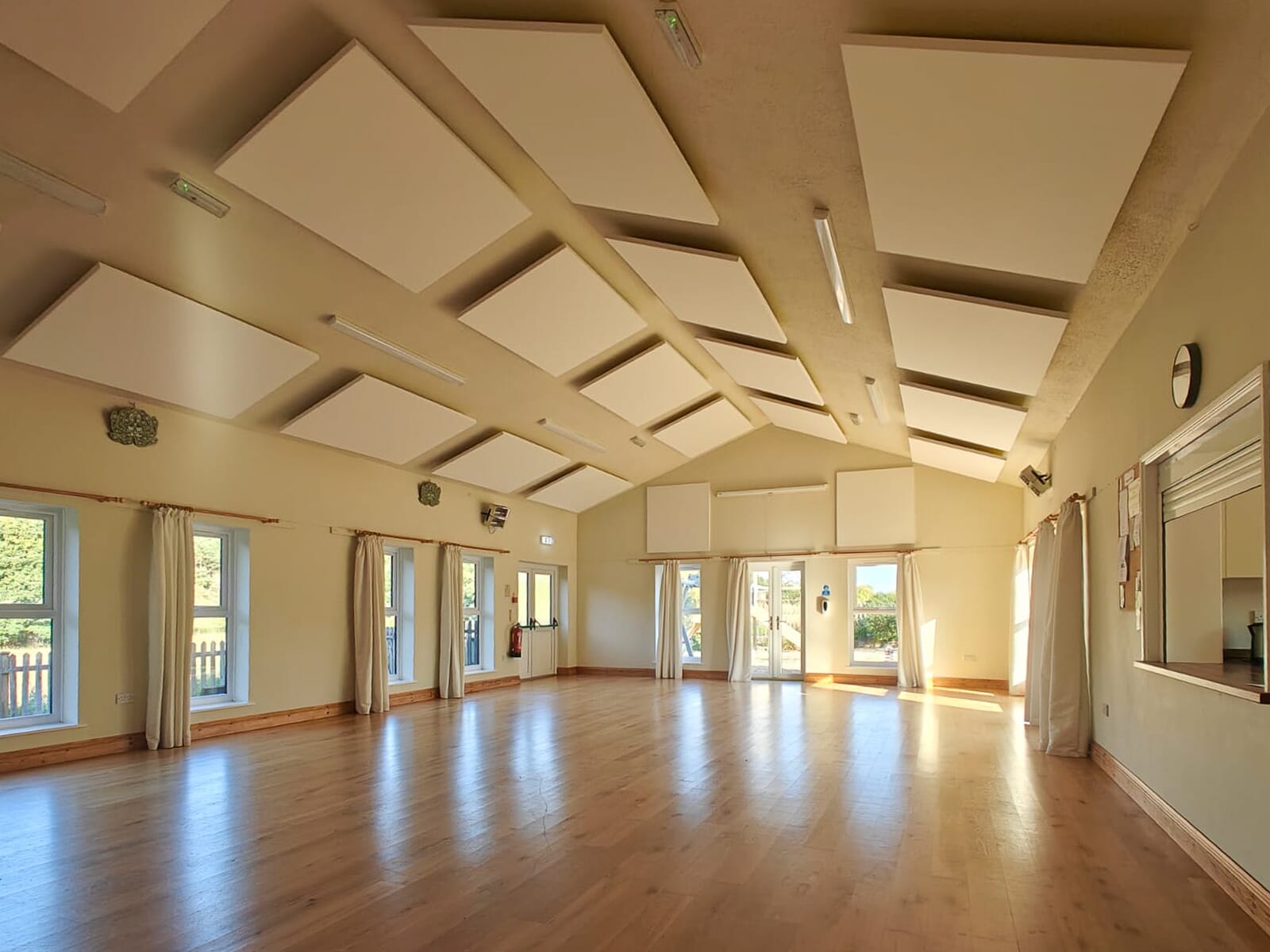
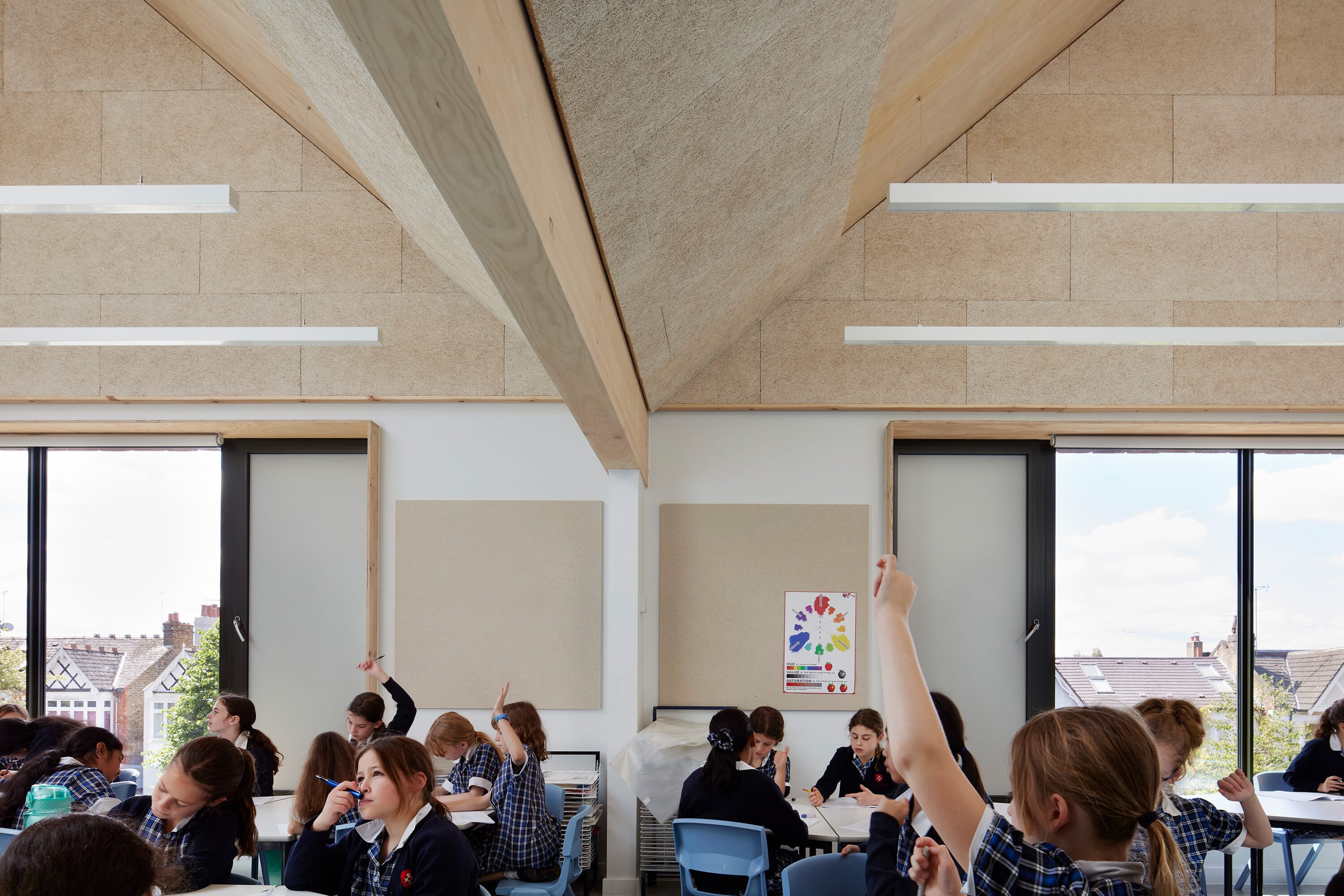
Resonics install sound-absorbing wall panels, ceiling rafts, and baffles designed to control echo and meet BB93 standards. Our solutions improve speech clarity and comfort for everyone in the room.
Yes — UK schools must meet BB93: Acoustic Design of Schools, which sets maximum reverberation times and ambient noise limits for different room types.
High noise levels increase fatigue and stress for both teachers and students. They reduce attention span, comprehension, and overall learning performance.
Hard surfaces such as concrete walls, ceilings, and floors reflect sound, creating echo and reverberation. This makes speech unclear and raises background noise levels.
Clear sound is essential for effective learning. Poor acoustics make it harder for students to understand teachers, follow discussions, and stay engaged — especially for younger children or those with hearing or language difficulties.
Most classroom installations can be completed in a day or two. Resonics works around school schedules — often during holidays or after hours — to minimise disruption.