












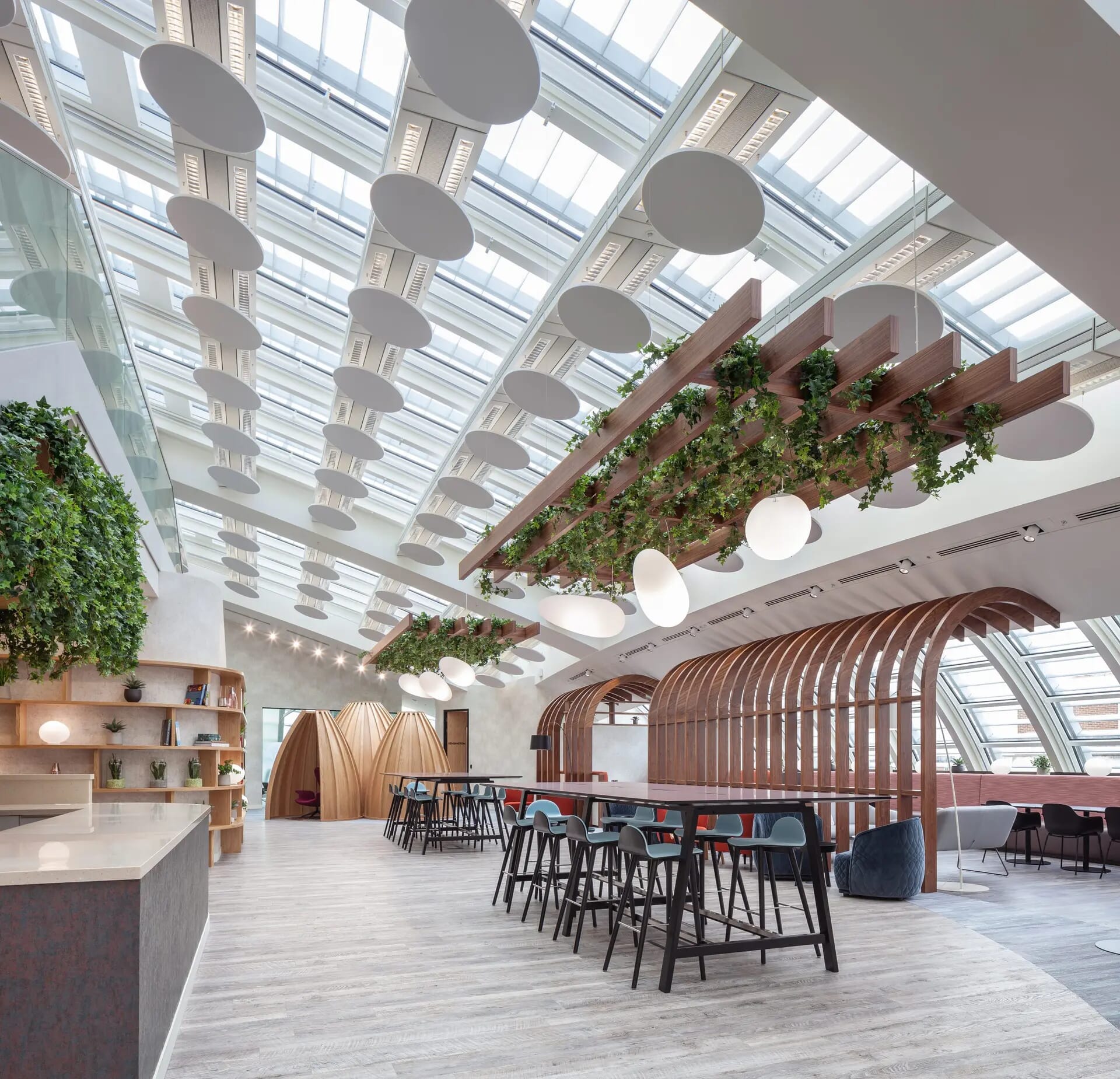
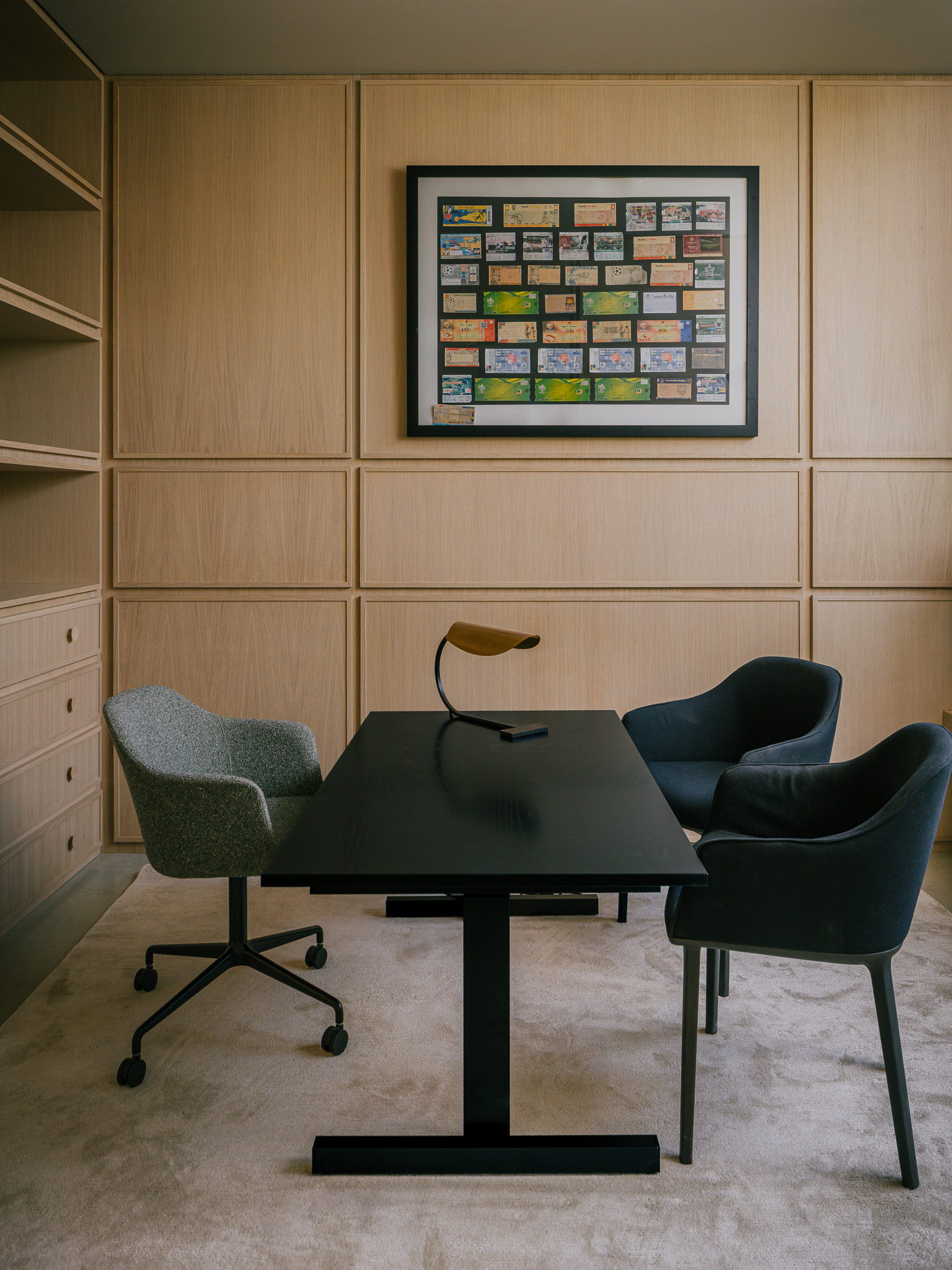
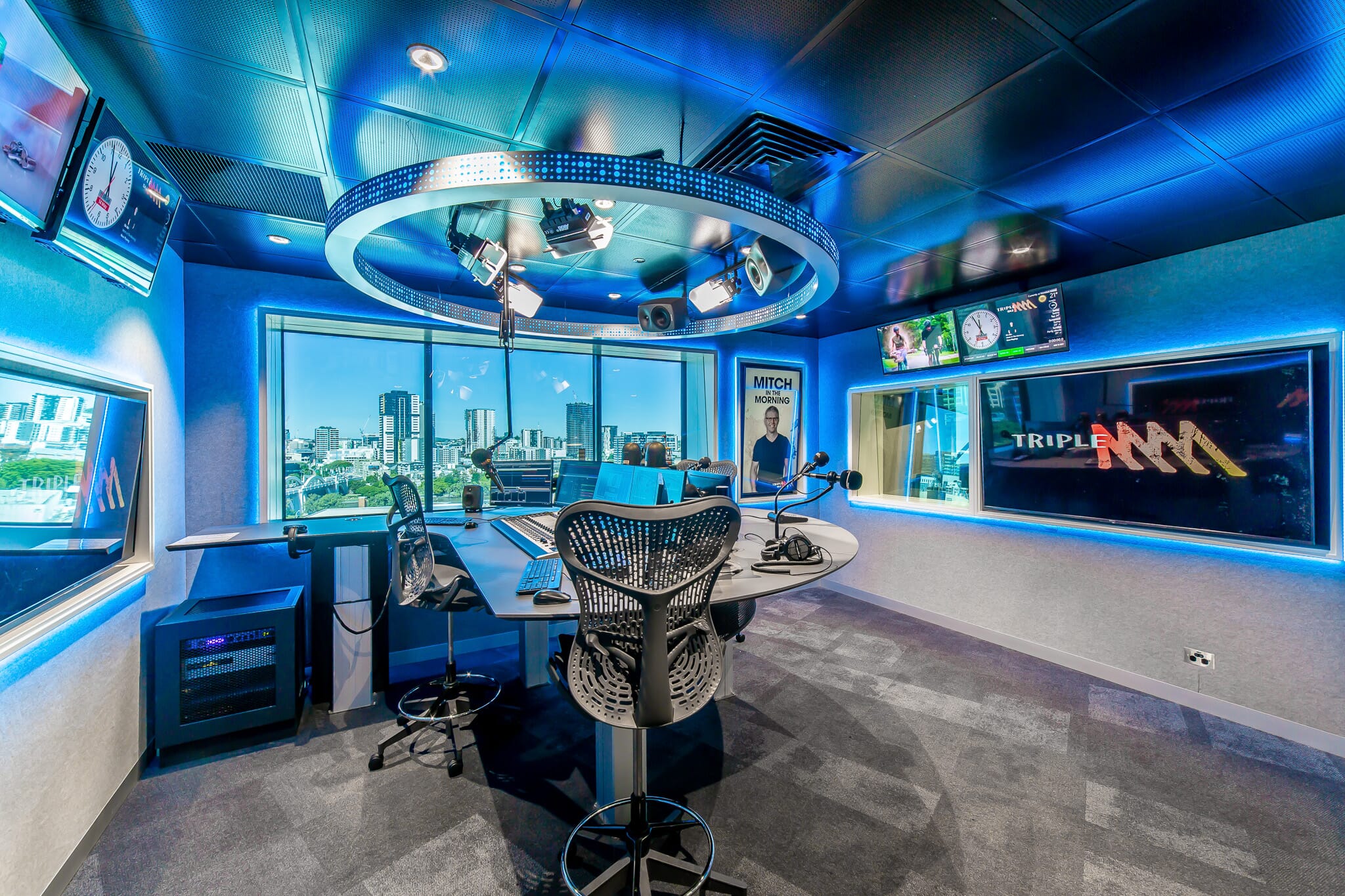
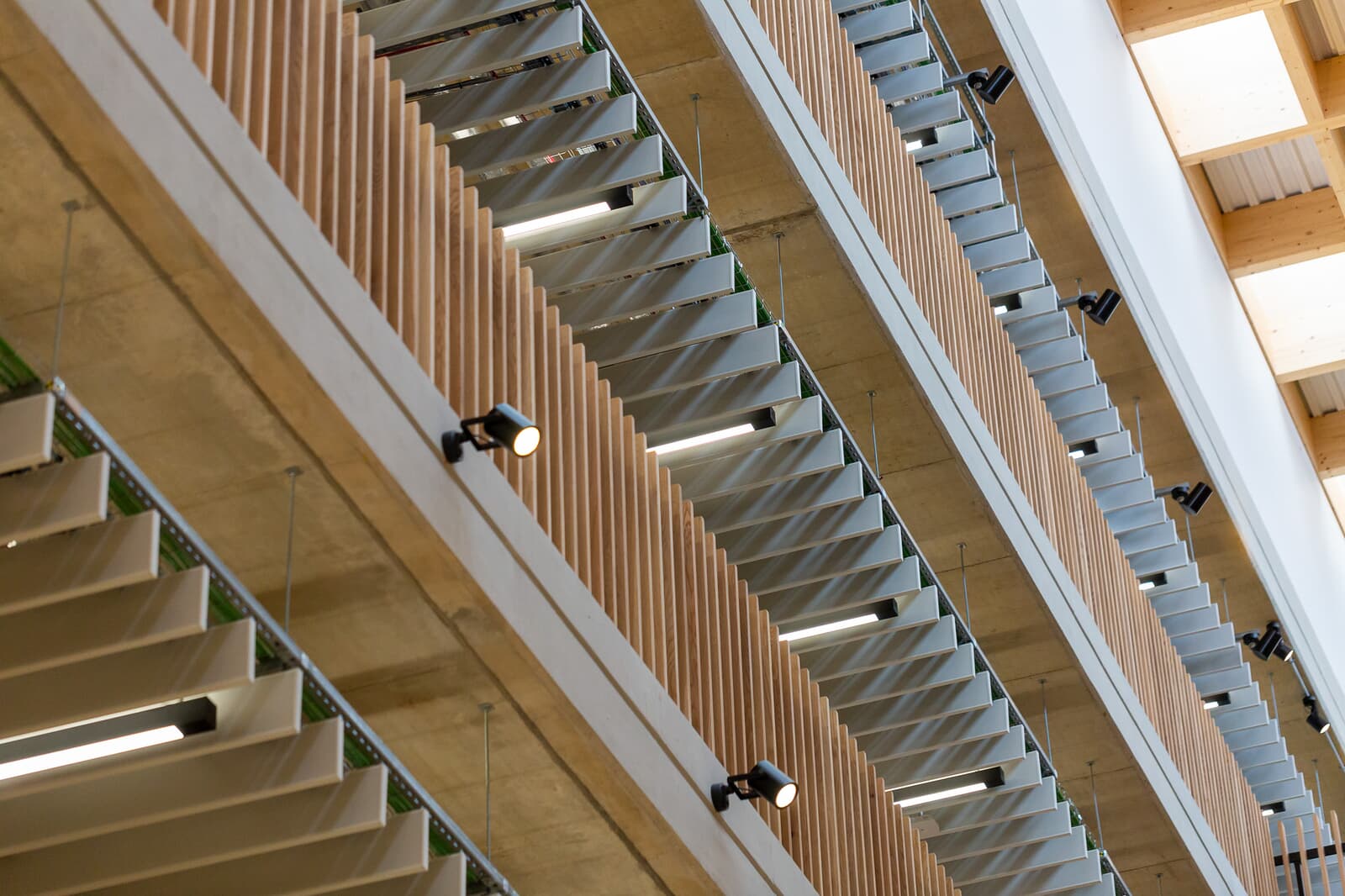
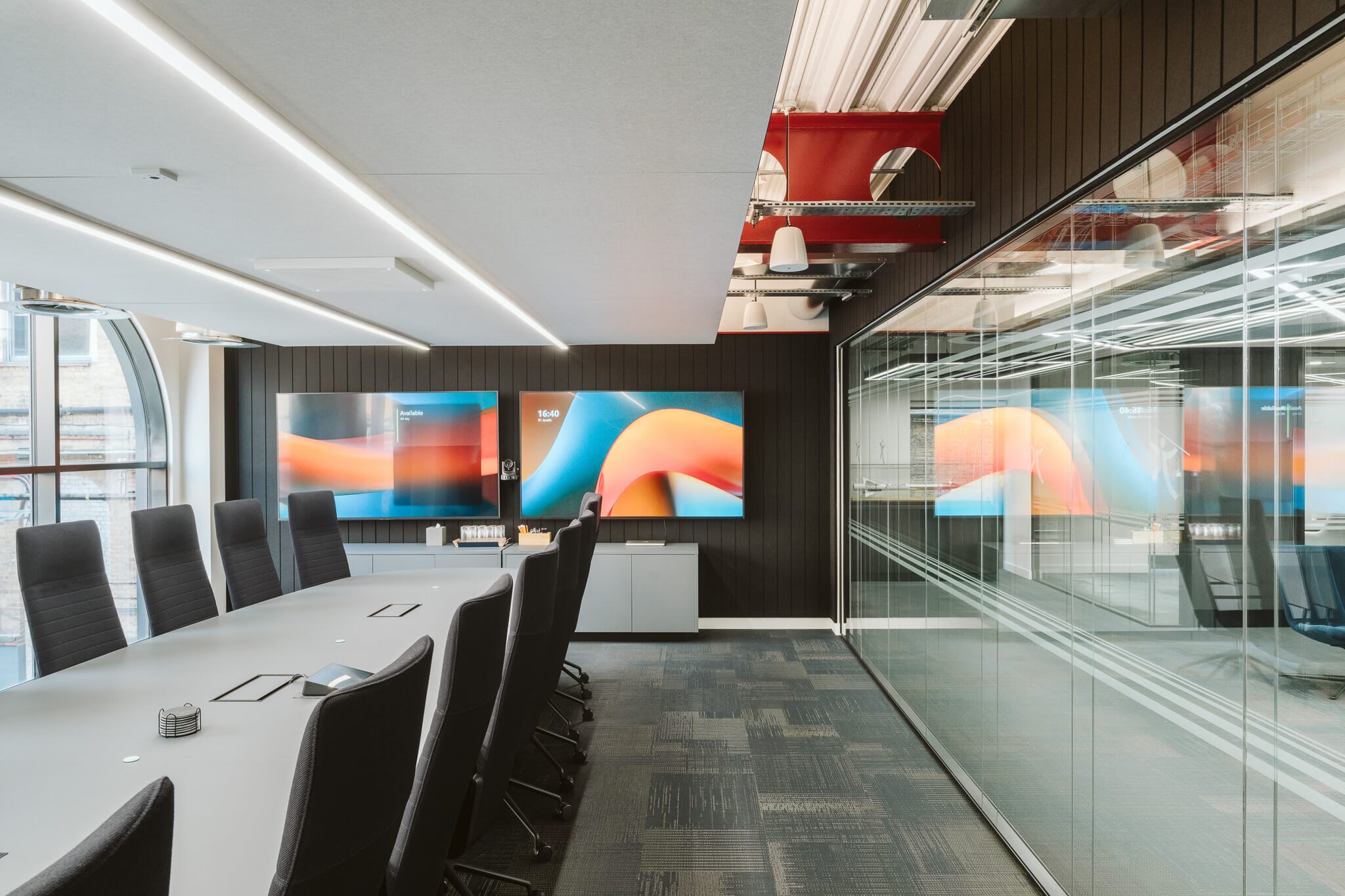
Acoustic treatment, designed around your space
Every space sounds different and so does every solution.
As the UK’s leading integrated acoustic treatment company, we don’t just supply products. We design tailored solutions, whether that’s a bold architectural feature, discreet panels that blend in, or a cost-effective fix that simply works. Our recommendations are always matched to your space, performance targets and budget.
Not sure if you need Resonics? Try our RT calculator below.
Our Integrated Services

Testimonials
Hear what our clients have to say

Why choose Resonics for your acoustic treatment?
Market-Leading Expertise
With over a decade of experience and more than 1,000 installations completed each year, no UK company has delivered more interior acoustic projects. Our knowledge and track record are unmatched.
End-to-End Service
From surveys and acoustic testing through to design, supply, and installation, our in-house team of 50+ certified installers and 25+ office staff manage every stage of the process.
Proven Results
We only recommend solutions that meet or exceed performance targets and building regulations. If a project won’t resolve your acoustic issues, we won’t take it on.
Best Value Guarantee
Our scale allows us to offer the most competitive material rates in the UK. We guarantee to beat any like-for-like written quotation.
Trusted by Clients Nationwide
With projects spanning offices, education, healthcare, and leisure, we are trusted across industries. Our clients consistently award us excellent reviews on Google and beyond.
Financial Strength & Reliability
With annual turnover exceeding £15 million, Resonics has the resources, stability, and capacity to deliver projects of any scale, from single meeting rooms to national rollouts.

Our clients


















Frequently Asked Questions
Acoustic treatment improves the sound inside a room — reducing echo and reverberation and making speech clearer. Soundproofing stops sound travelling between rooms. Most noisy offices, restaurants and halls need treatment, not soundproofing.
Yes. Acoustic panels absorb sound energy, reducing echo and controlling reverberation. Without treatment, sound bounces off hard surfaces such as glass, plaster, concrete and timber, creating a noisy, tiring environment. Panels made from sound-absorbing materials soak up that energy instead, so speech becomes clearer and background noise calmer.
At Resonics, we only use panels tested in independent acoustic labs, so their performance is certified and measurable. With 7,000+ projects completed, we’ve seen first-hand the difference they make in offices, schools, restaurants and community spaces.
Yes. We’re based in London and our installation teams deliver projects across the UK, from single rooms to multi-site rollouts.
Prices vary with size, material and finish. As a rough guide to product costs:
- Wall panels: £80–£200 each
- Ceiling rafts: £150–£400 each
- Baffles: £60–£120 each
For a typical commercial installation, allow roughly £130–£280 per m² of panel, supplied and installed. Higher-performing Class A products are often the most cost-effective, because you need fewer of them. Design-led finishes such as slatted timber tend to cost more for less absorption.
For office projects, our office acoustics guide breaks down typical costs by floor area. For an accurate price for your space, book a free acoustic survey and quotation.
Most projects are completed within a day or two. A small meeting room might be finished in just a few hours, while a large office floor or school hall could take several days. The timeline depends on the number of panels, site access, and working hours available.
We schedule works to minimise disruption — often installing out of hours or in phases if required. Our CAD designs and pre-installation planning ensure a smooth process, with clear timeframes provided in advance.
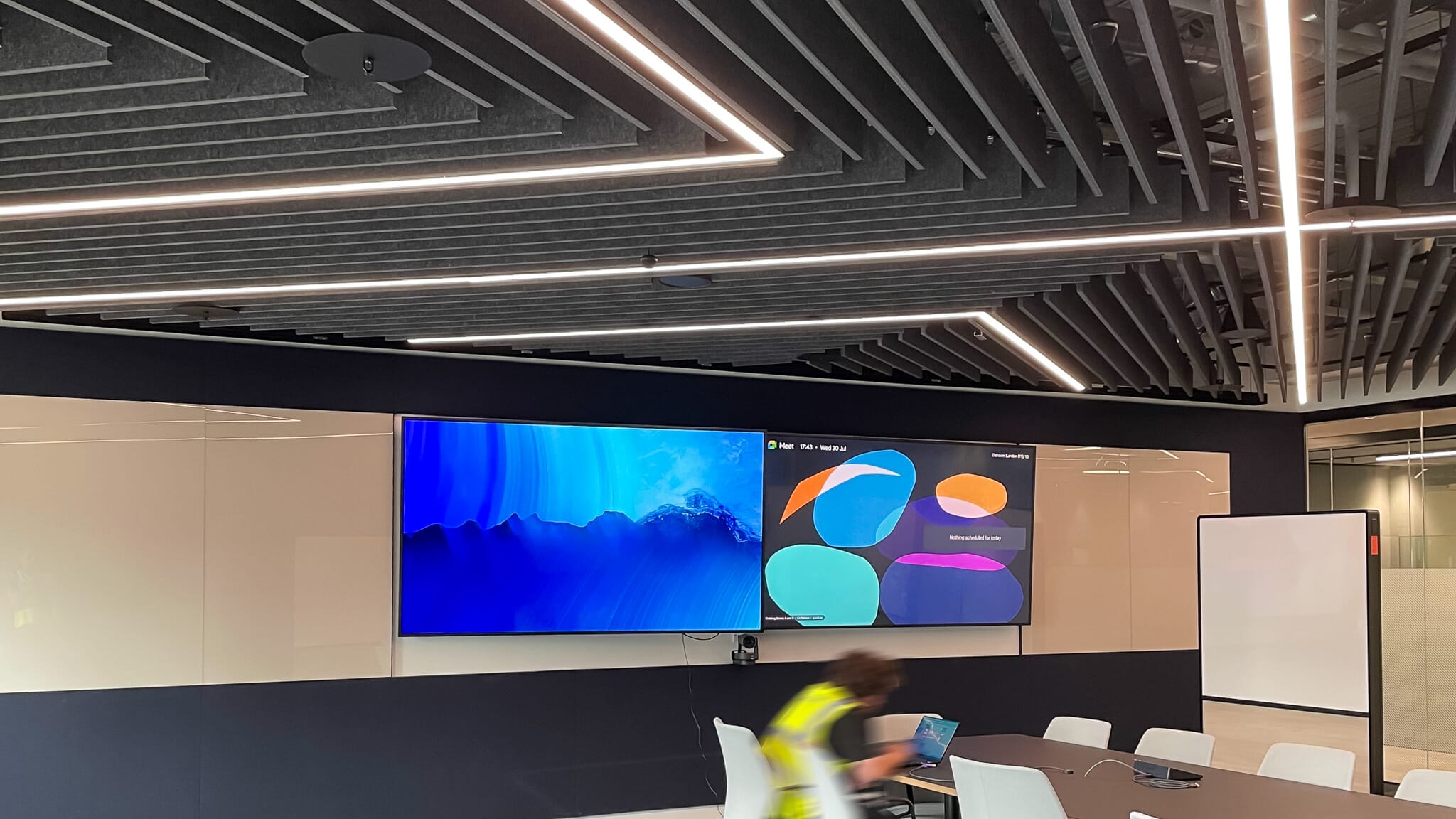
When properly designed, Ceiling rafts and baffles are suspended to allow airflow, lighting, and sprinklers to function normally. We always liaise with M&E (mechanical & electrical) consultants during design to ensure compliance with building systems.
Many of the panels we install are fire-rated, but not all of them. Where a project needs a fire rating, for example in schools, public buildings or commercial fit-outs with specific building regulations, we specify panels tested to EN 13501-1 (typically Class B-s1,d0 or better). A rating at that level means the panel makes very little contribution to fire spread and gives off little smoke.
If fire performance matters for your space, tell us at the start and we’ll recommend only suitable products.
Yes. Many of our panels are made from recycled PET (plastic bottles), recycled cork, wool and pulp paper. We also work with suppliers committed to sustainable manufacturing, low-VOC materials, and long product lifespans.
Almost anywhere. We’ve installed acoustic treatment in:
- Offices and boardrooms
- Classrooms and lecture halls
- Restaurants and cafés
- Village halls and community centres
- Recording studios and performance spaces
- Homes and residential developments
- Swimming pools
Any space with hard, reflective surfaces can benefit. We’ve delivered over 7,000 installations across the UK, proving there’s no environment where good acoustics doesn’t matter.
Yes — to a degree. Panels absorb sound within a room, reducing how far speech travels. However, for true speech privacy between rooms, soundproofing or sound masking is usually needed. Many of our projects combine both absorption and masking for the best results.
The best placement depends on how the room is used:
- Offices and meeting rooms: at first reflection points, on the side walls and the ceiling above desks or tables, ideally across two adjacent walls to reduce flutter echo.
- Restaurants and classrooms: spread evenly across walls and ceilings to avoid hot spots, ideally covering more than 50% of the ceiling with Class A products.
- Studios: at the first reflection points beside and behind speakers and microphones.
Ceilings are often the most effective surface because they’re large and unobstructed. Our free CAD proposals show exactly where each panel should go for the best performance.