




6 Minute Read
How to Fix Meeting Room Acoustics
Poor meeting room acoustics causing echo and unclear calls? Learn what causes it, how to fix it fast and where to place acoustic panels.

Mark Irwin
23rd Jul 2026
Categories
Advice
Meeting Room Acoustics: Why your meeting room sounds bad (and how to fix it)
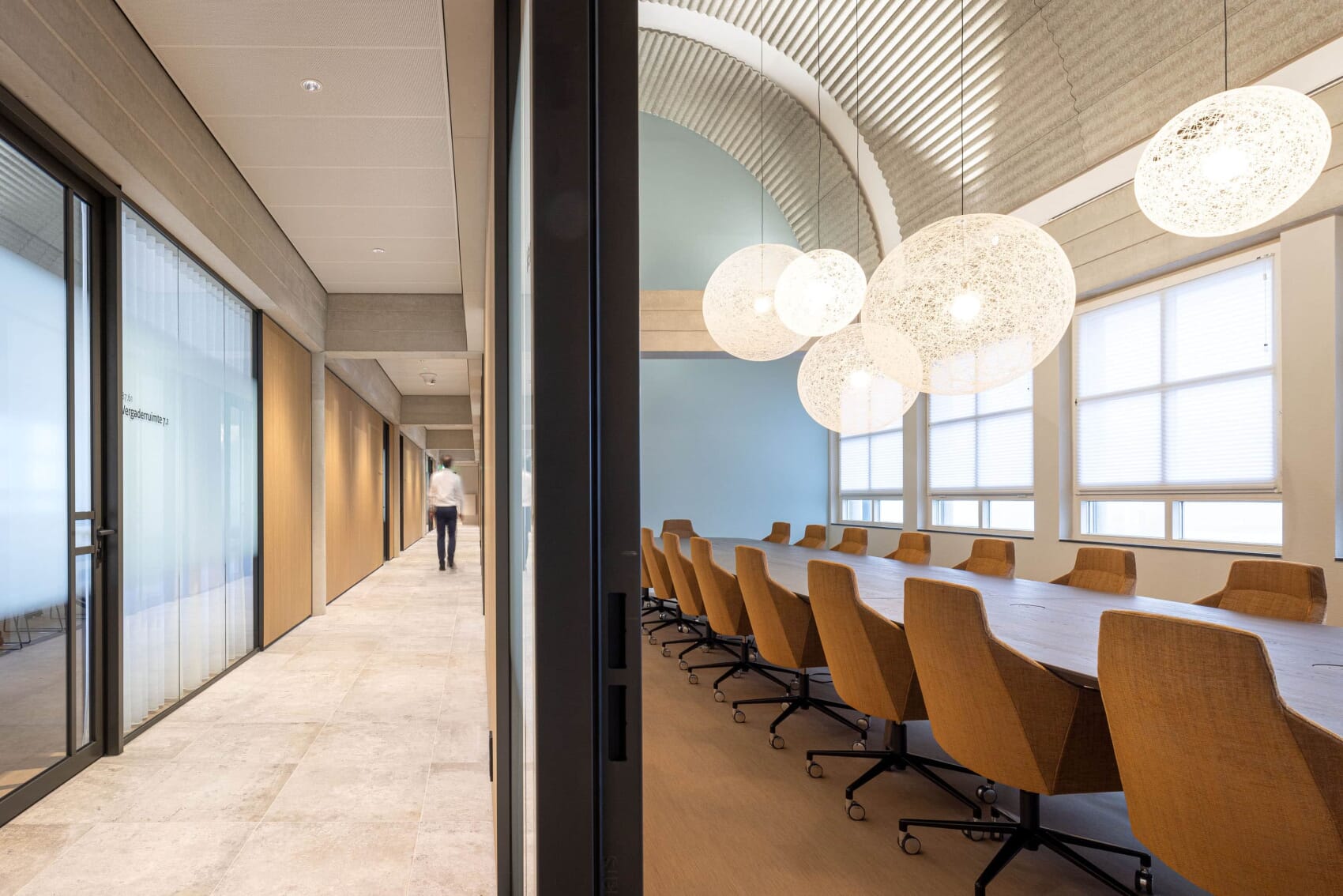
You’ve sat in that meeting room with hard walls, a glass partition and every voice bounces around the space before it reaches your ears. On a video call, it’s worse: the microphone picks up every reflection and the person on the other end asks you to repeat yourself for the third time.
Why meeting rooms sound bad
Most meeting rooms are built from hard, reflective materials: glass, plasterboard and polished flooring. None of these absorbs sound. Instead, they reflect it so speech bounces off every surface before it settles.
We use reverberation time (RT60) to measure noise levels in a meeting room; it’s how long it takes for sound to decay by 60 decibels after the source stops. For a small meeting room, you’re typically aiming for an RT60 of around 0.4–0.6 seconds.
The Impact
This isn’t just an annoyance. Meeting rooms with bad acoustics have measurable knock-on effects:
Listening fatigue — your brain works harder to separate speech from reflected noise, which is tiring over a full day of back-to-back calls.
Miscommunication — unclear audio on hybrid calls leads to repeated questions, missed details and slower decisions.
Confidentiality concerns — hard, reflective rooms can also carry sound out through doors and partitions more than people expect.
Poor first impressions — for client-facing meeting rooms, echoey acoustics read as unpolished.
What actually fixes it: absorption, not soundproofing
There’s a common mix-up when it comes to soundproofing and acoustic treatment. Soundproofing stops sound moving between rooms (mass, sealed gaps, isolation). Acoustic treatment controls how sound behaves within a room (absorption, reducing reflections).
For most meeting room complaints, such as echo, unclear speech and harsh acoustics, the fix is acoustic treatment, not soundproofing.
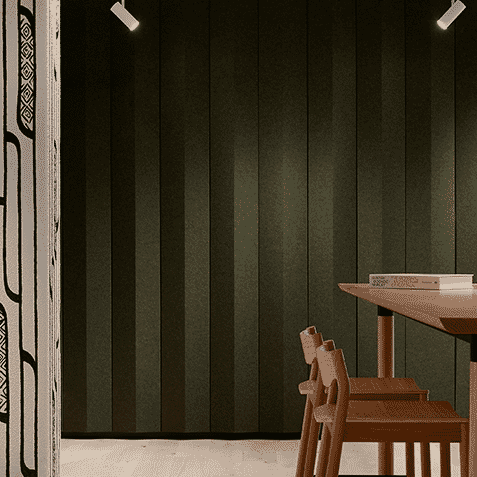
Acoustic panels absorb sound energy rather than reflecting it back into the room. The right panels, in the right places, bring reverberation time down to a comfortable range and make speech noticeably clearer on calls and in person.
If speech privacy is the issue, sound masking can help protect confidential conversations by adding a subtle background noise that makes speech harder to understand. It is often cheaper than soundproofing a room, which usually requires structural changes, such as adding extra barriers to the walls.
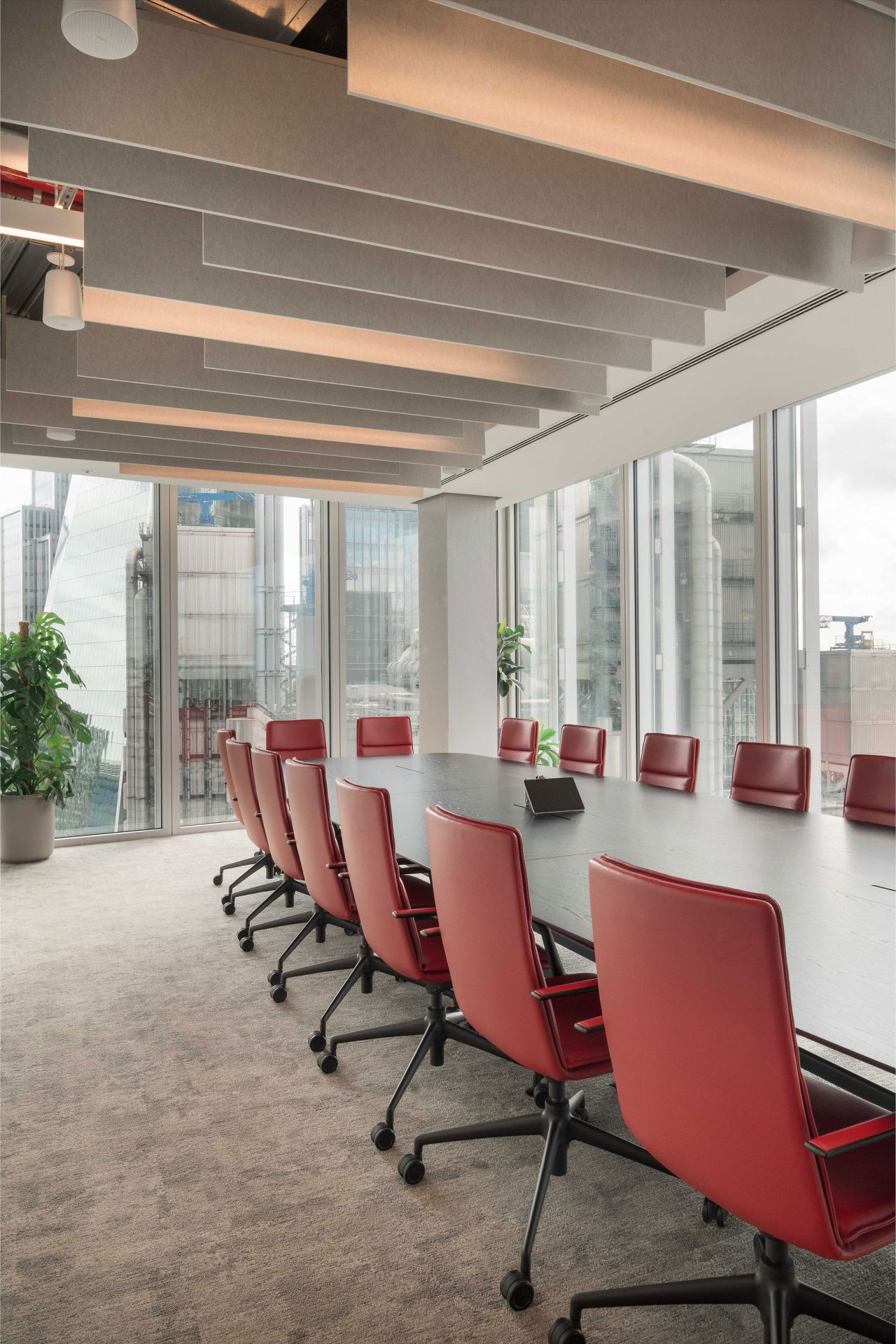
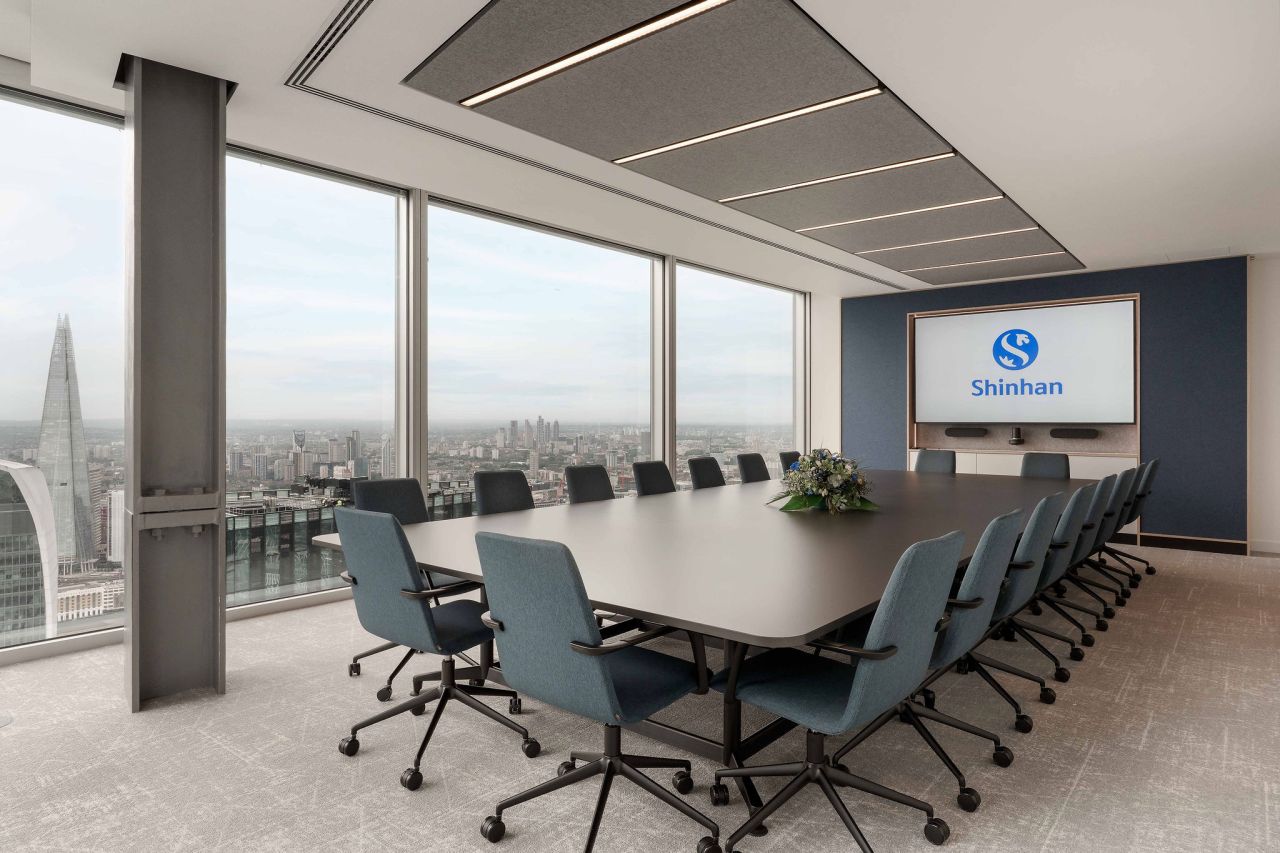
Where to place panels in meeting rooms for the biggest impact
Panel placement matters as much as panel choice. For meeting rooms, prioritise:
First reflection points — the wall surfaces directly opposite where people sit, which is where sound bounces straight back at a listener.
The wall behind screens and speakers — this is what the microphone hears.
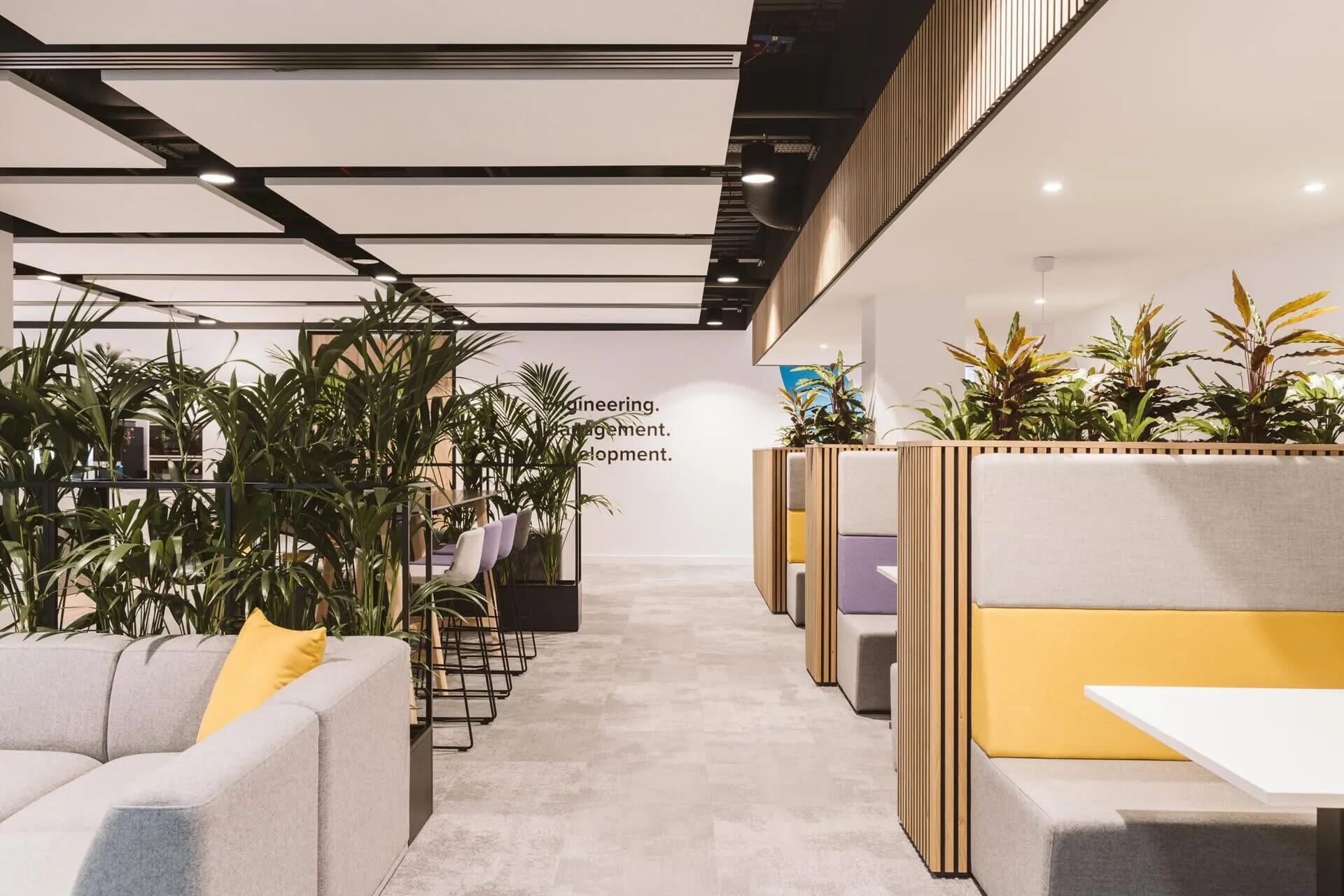
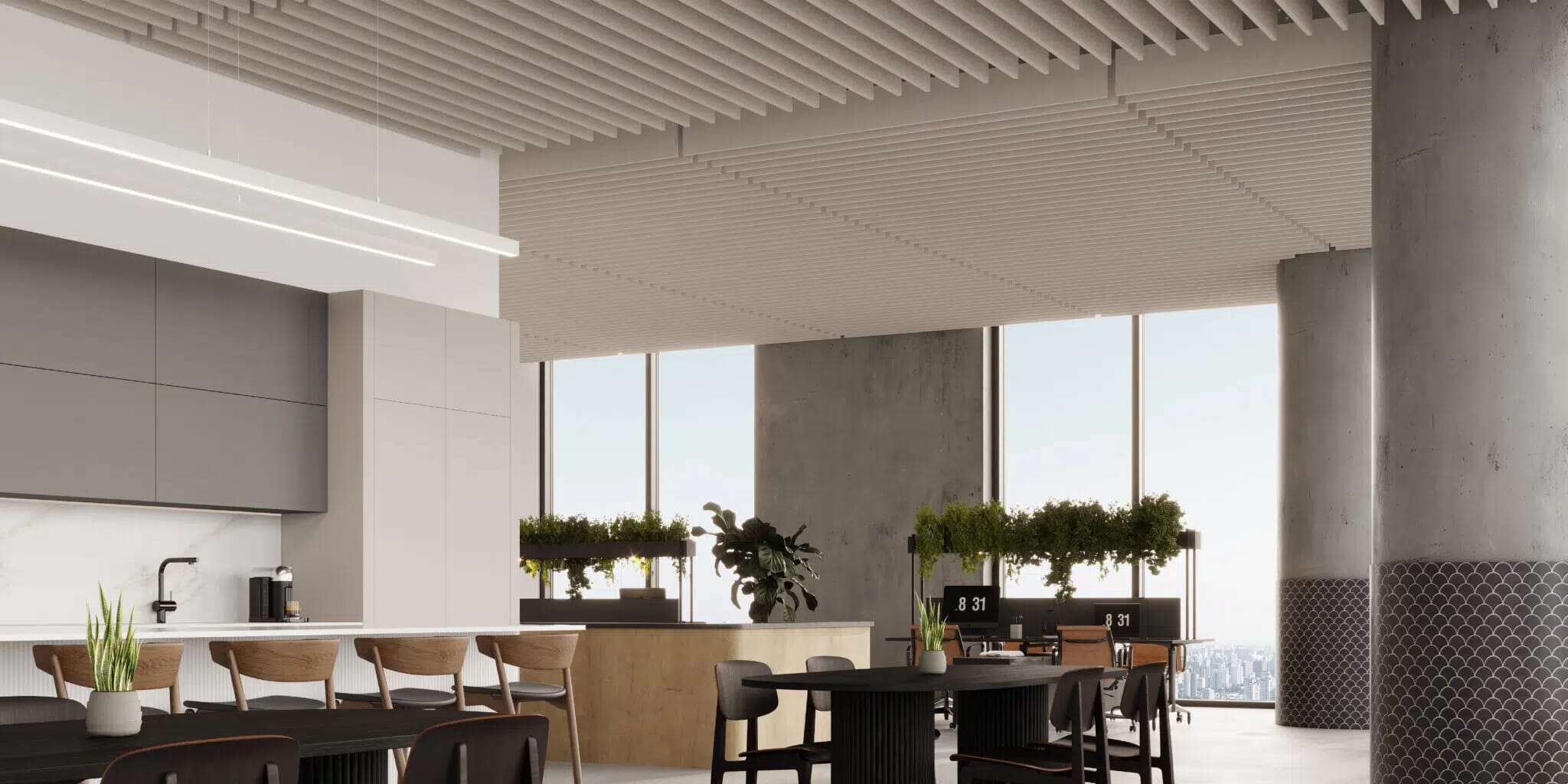
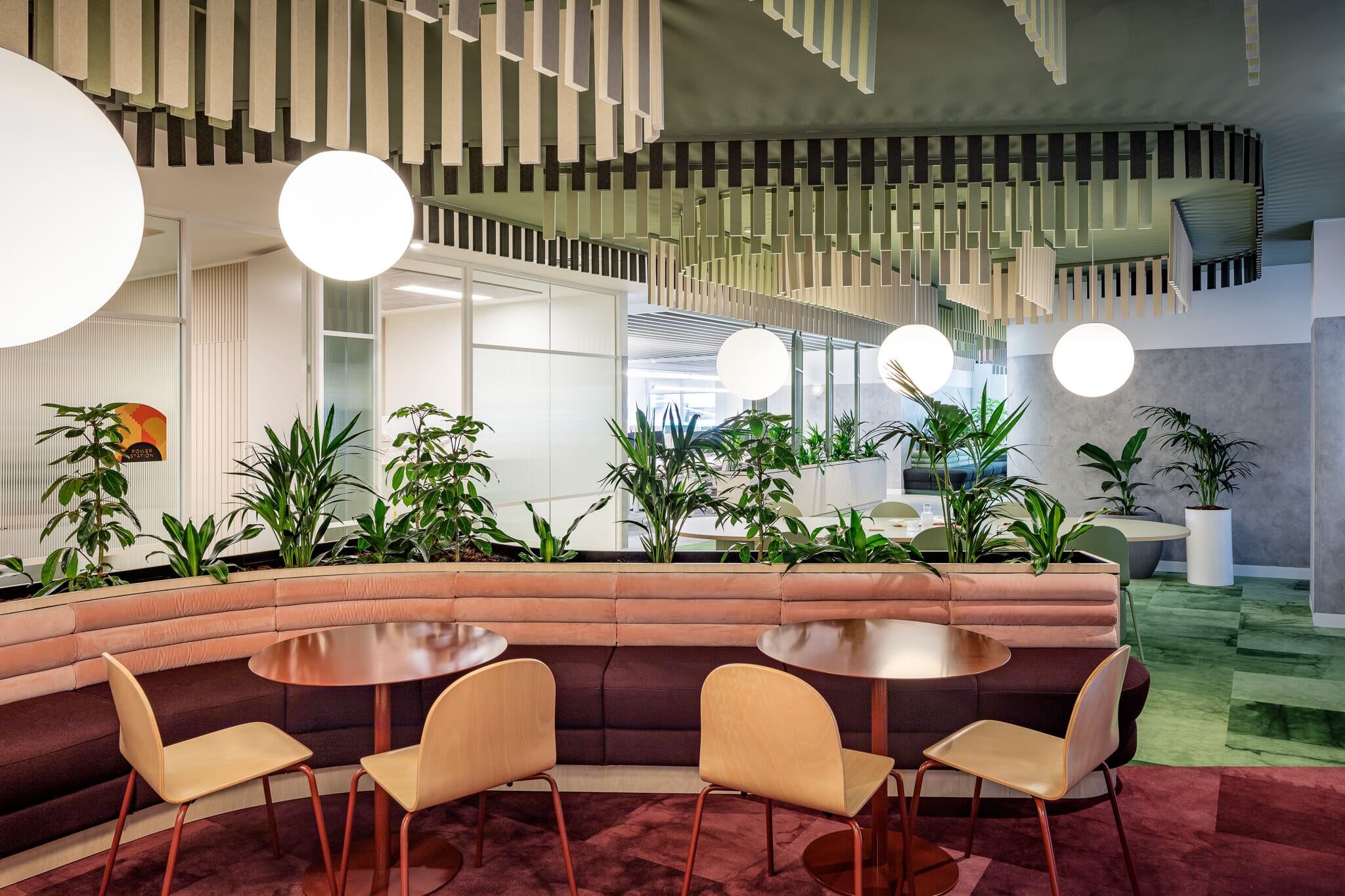
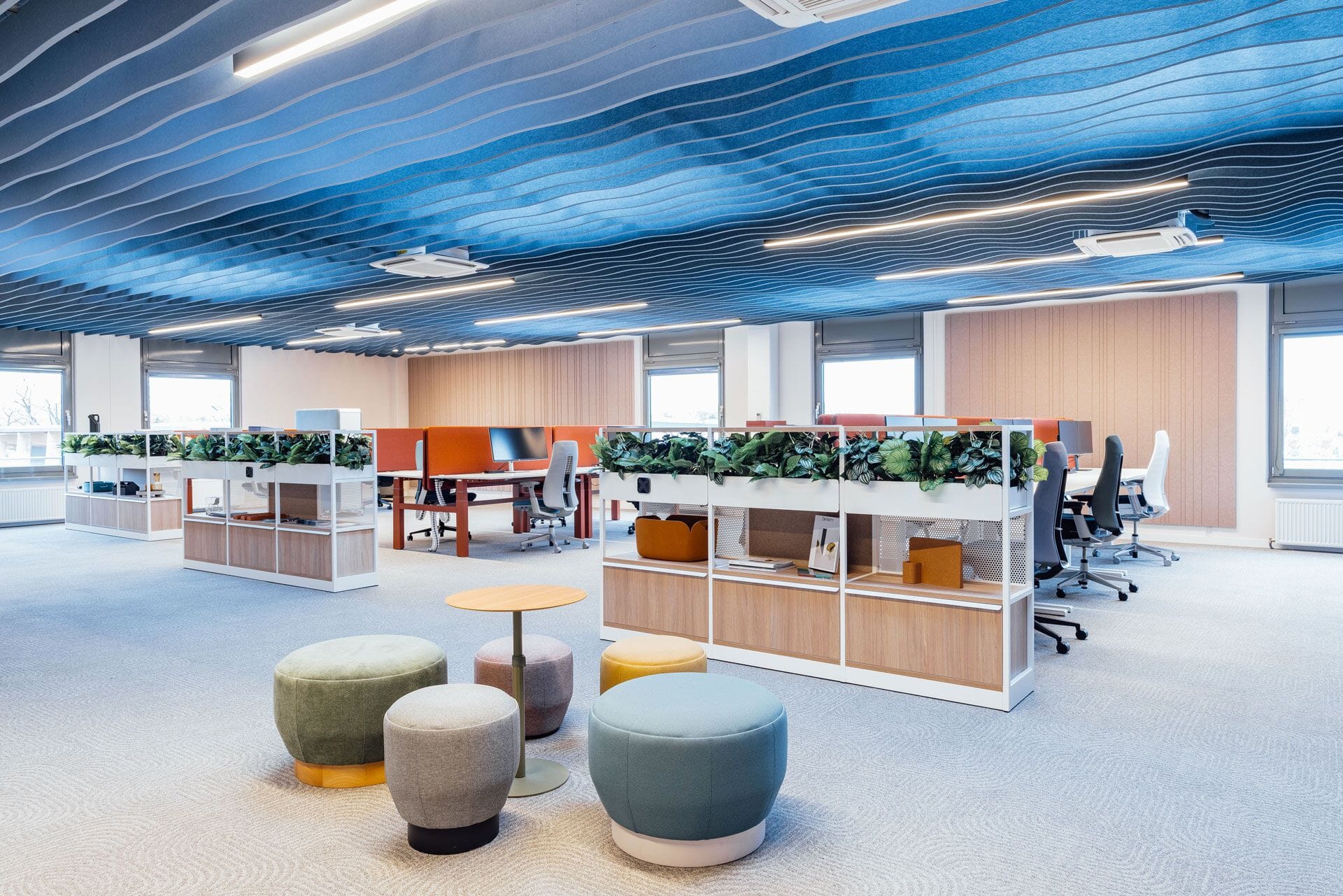
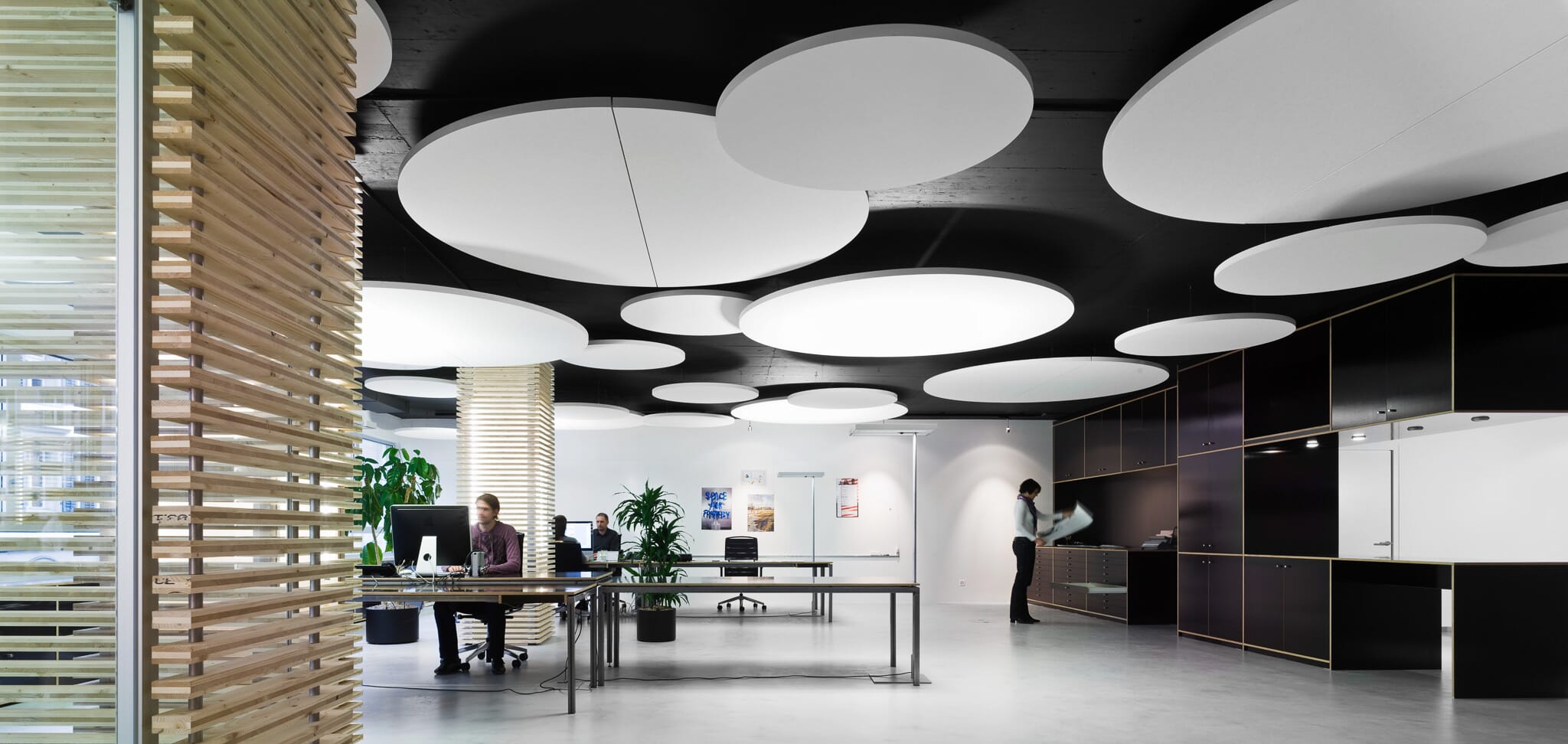
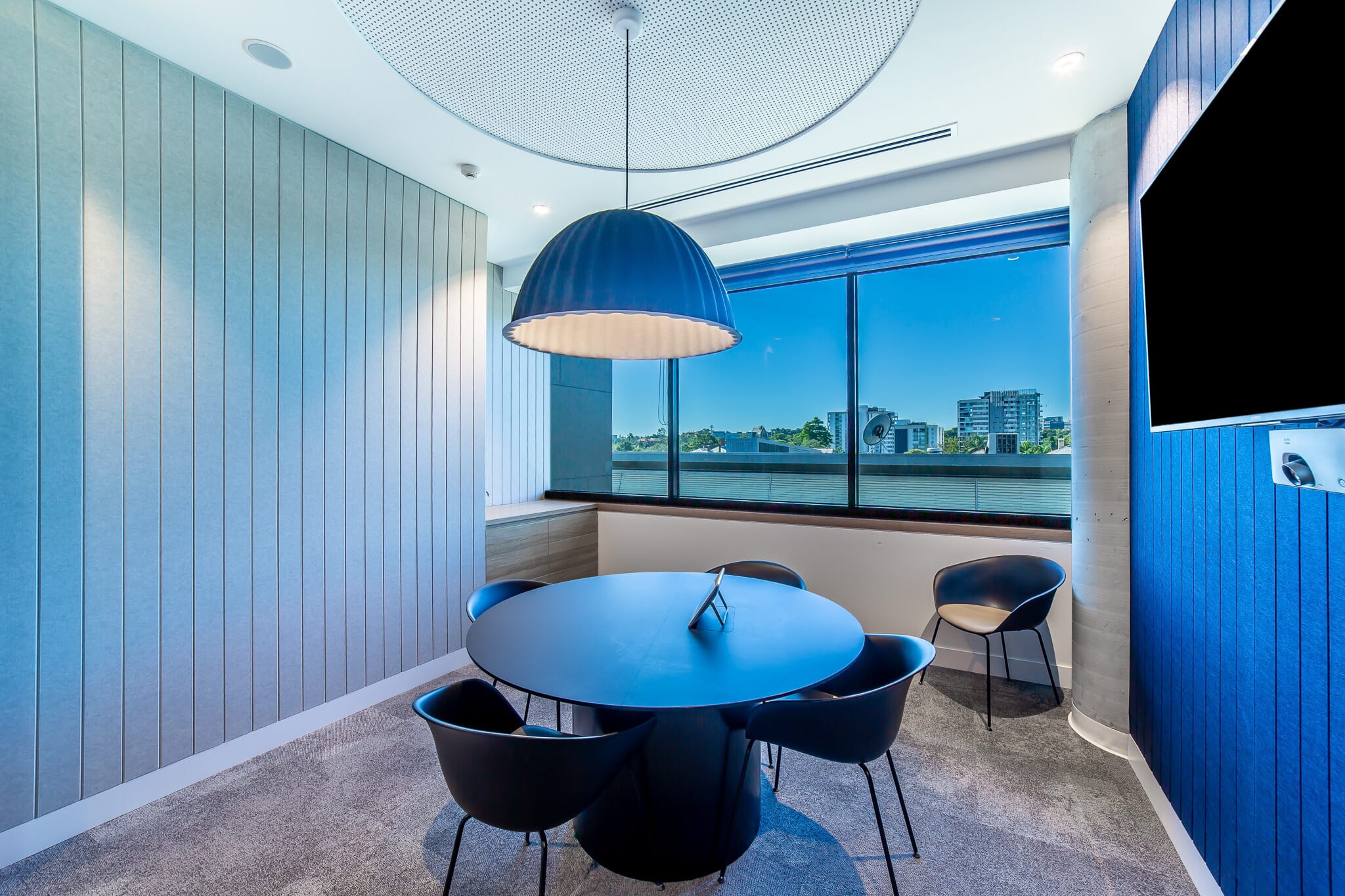
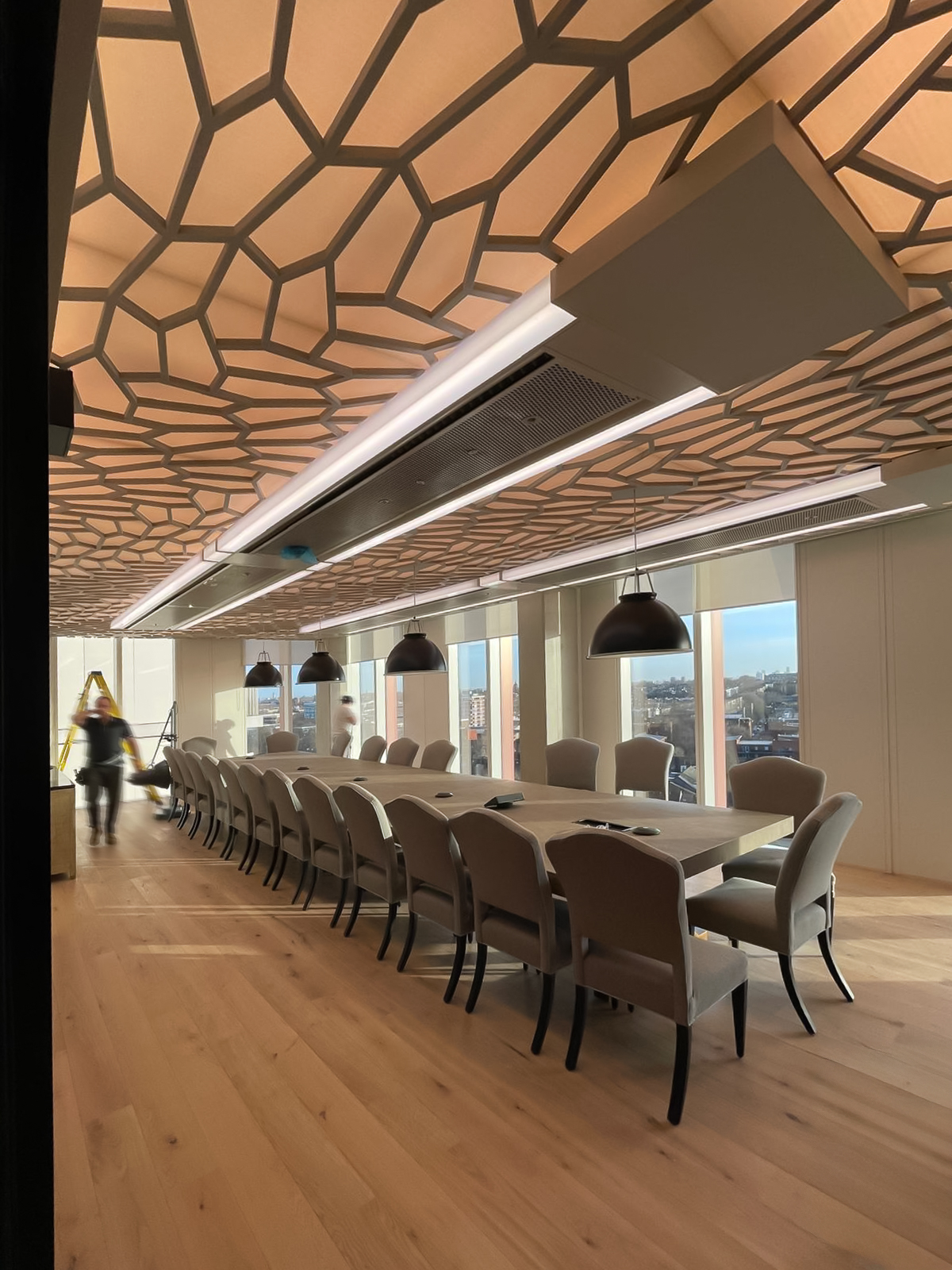
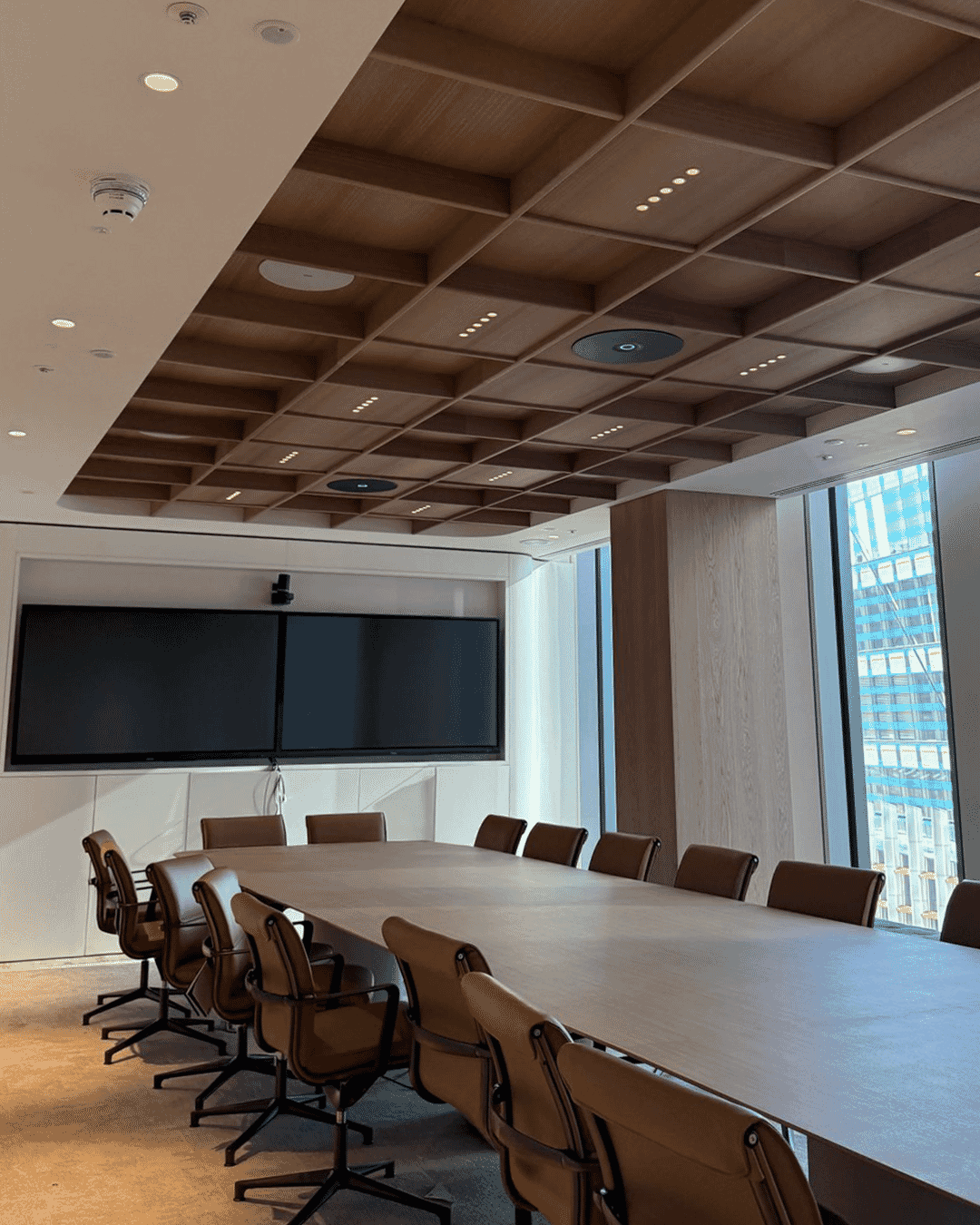
Treating the ceiling — Ceiling panels are effective where wall space is limited. Position rafts above the table to absorb sound close to the source.
You don’t need to cover every surface. In most standard meeting rooms, treating the space with well-placed panels brings RT60 into a comfortable range.
Choosing panels for meeting rooms
A few things matter more here than in other spaces:
NRC rating — look for panels with a Noise Reduction Coefficient of 0.75 or above for meaningful absorption.
Fire rating — commercial spaces need panels with an appropriate fire classification (C-S3,D2 is common in meetings rooms for commercial spaces) — always check this before installing in an office.
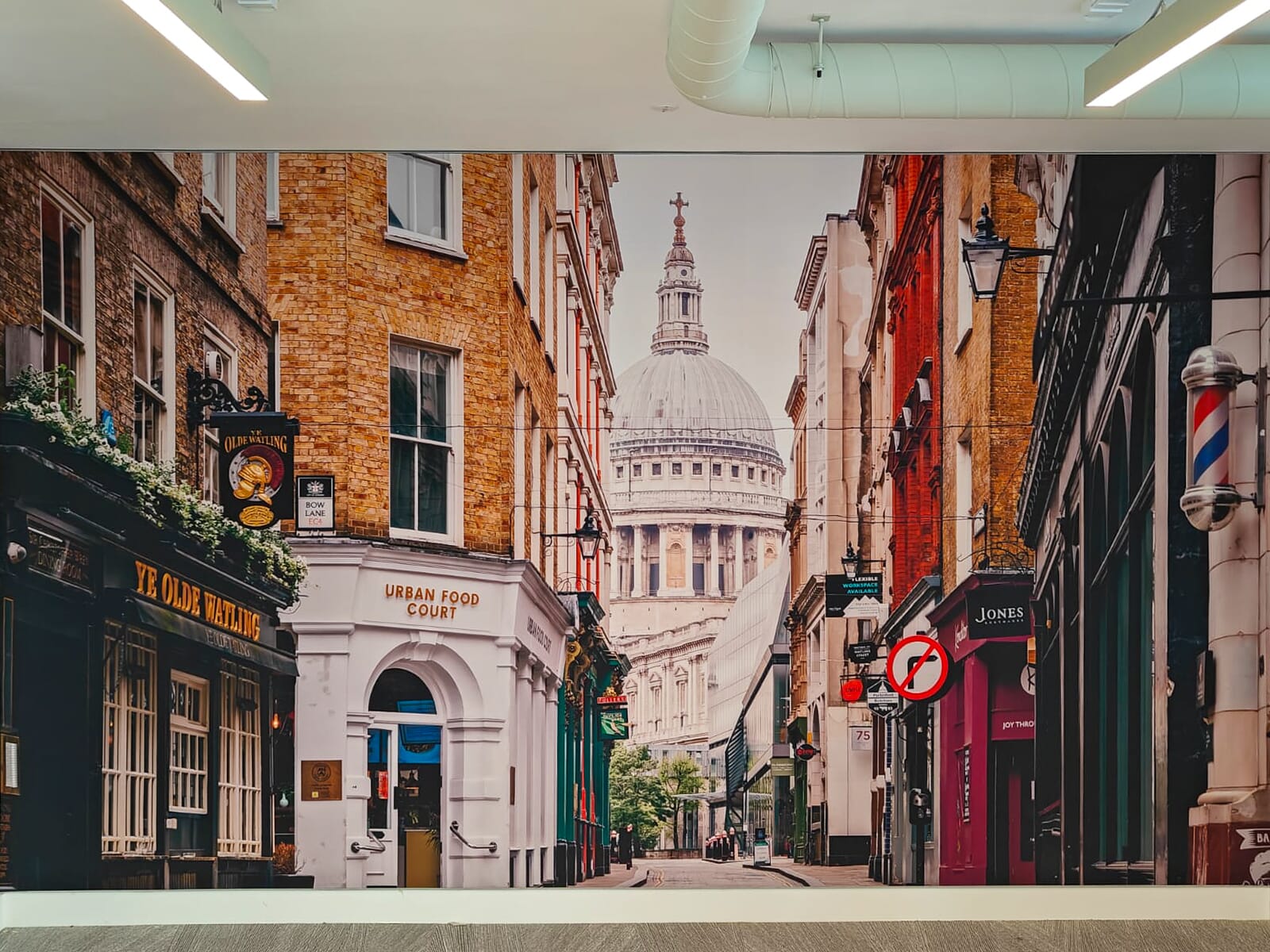
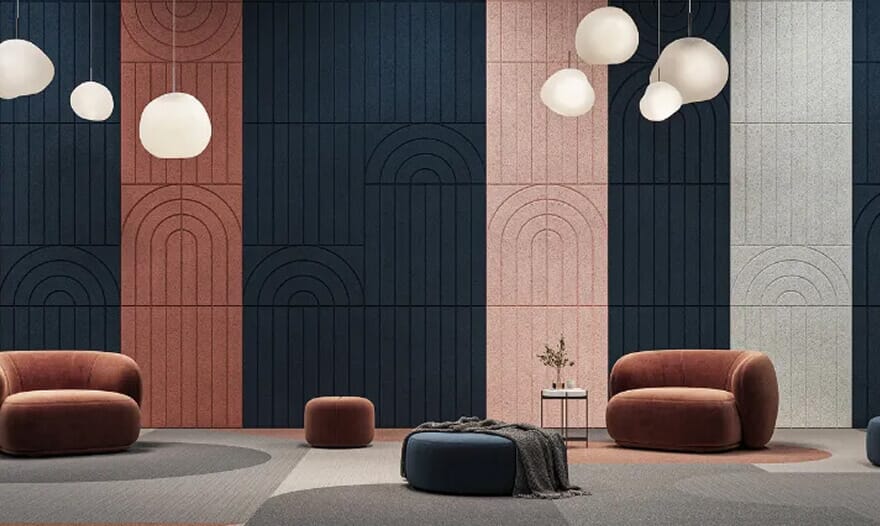
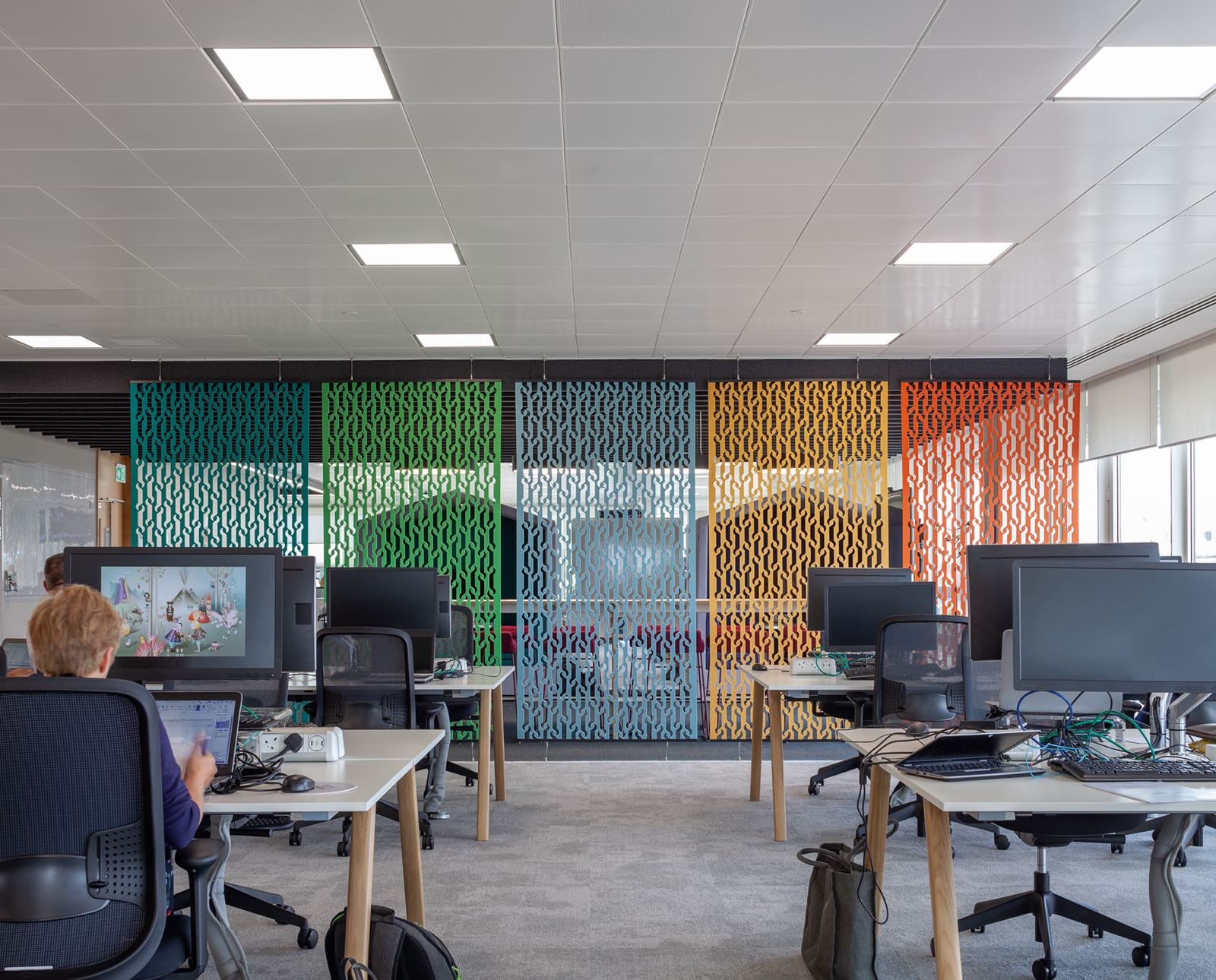
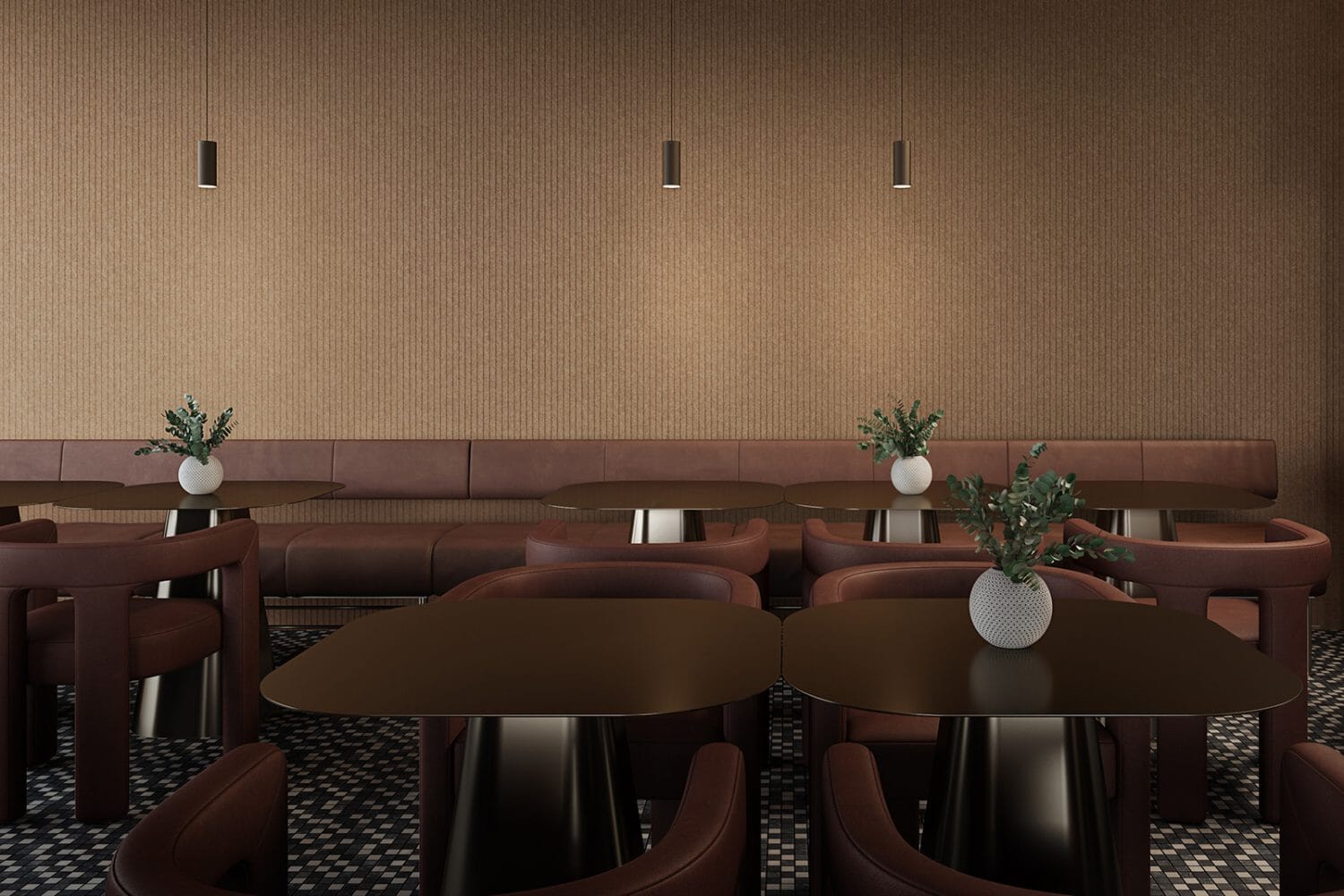
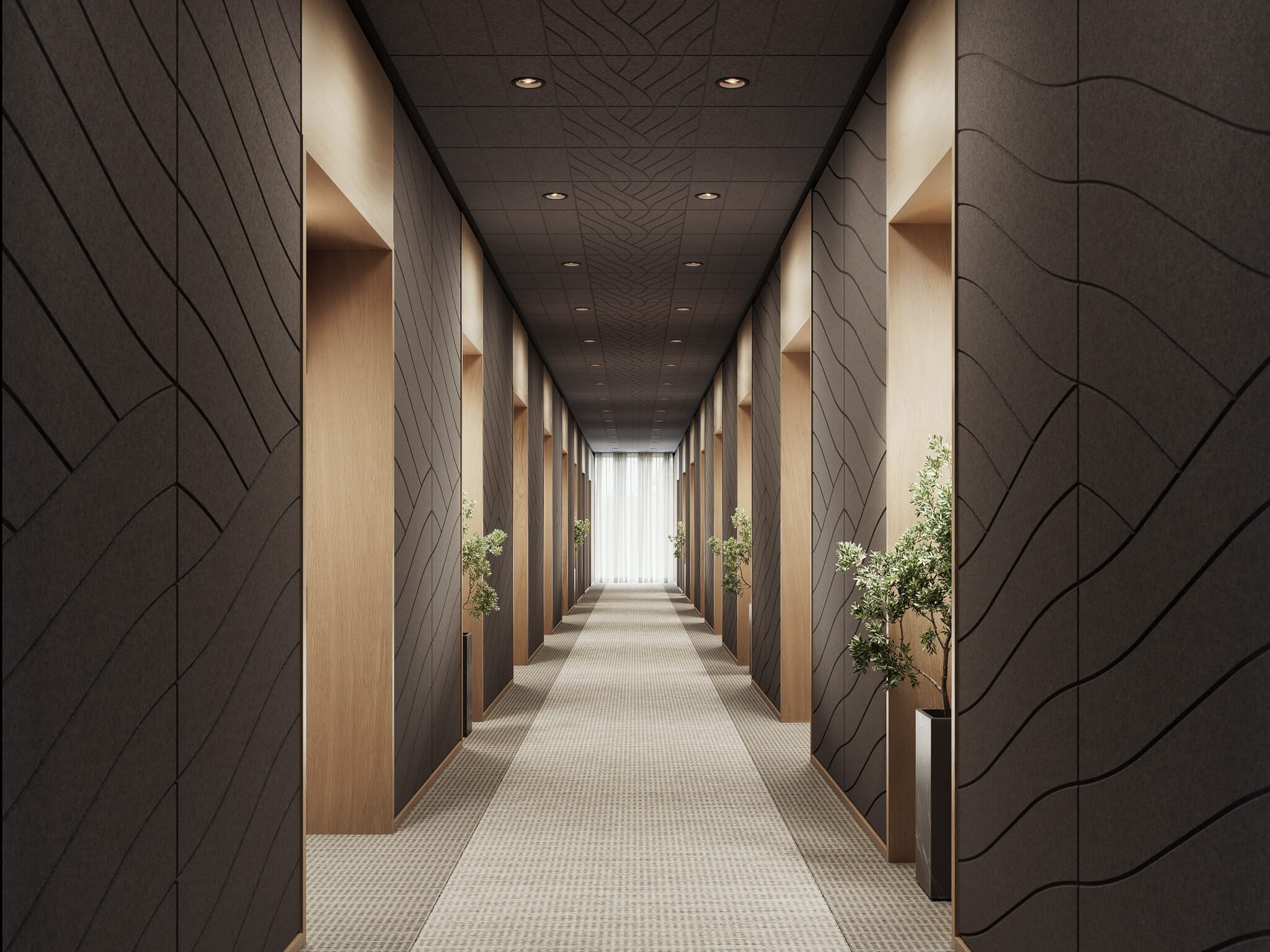
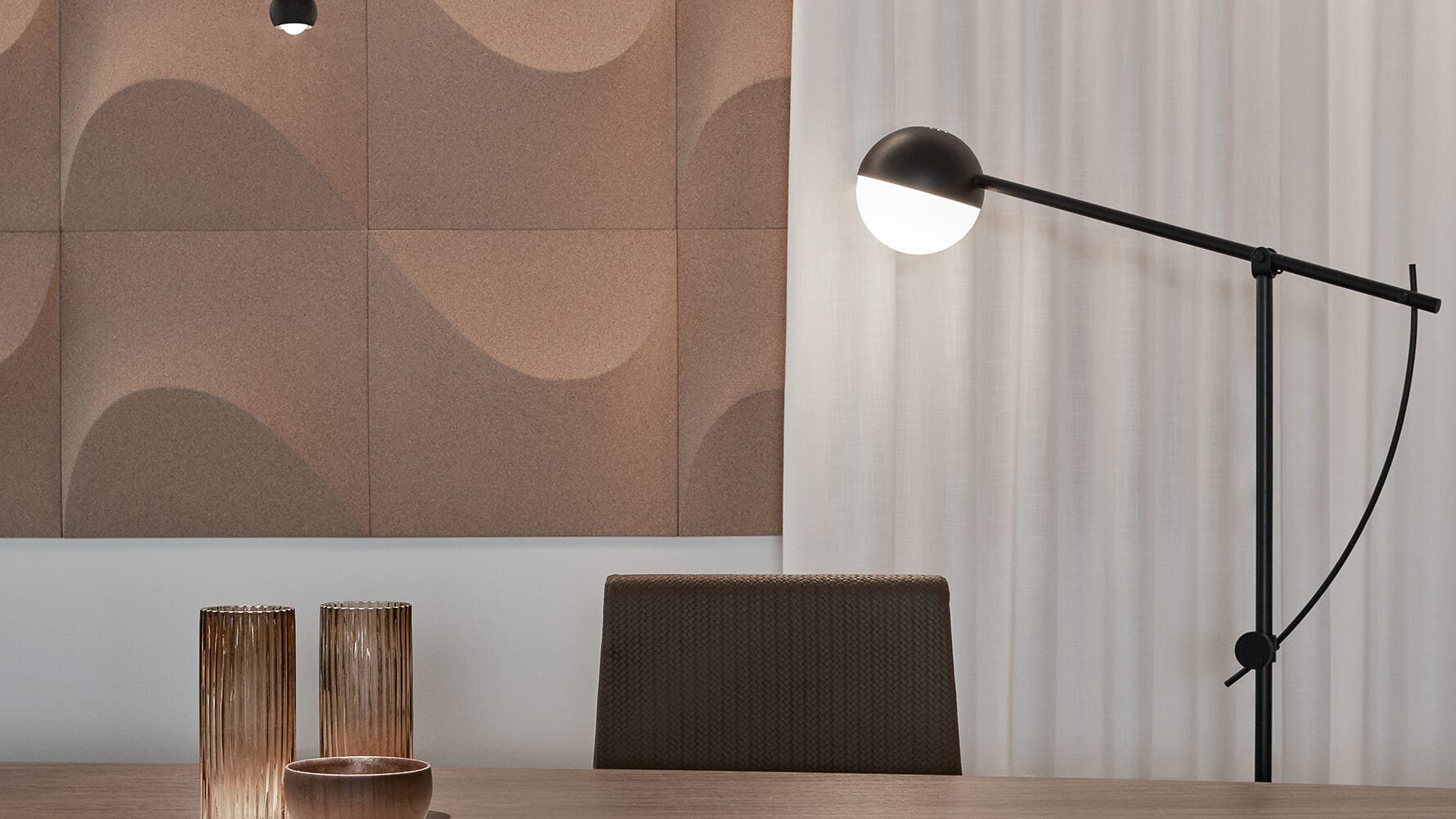
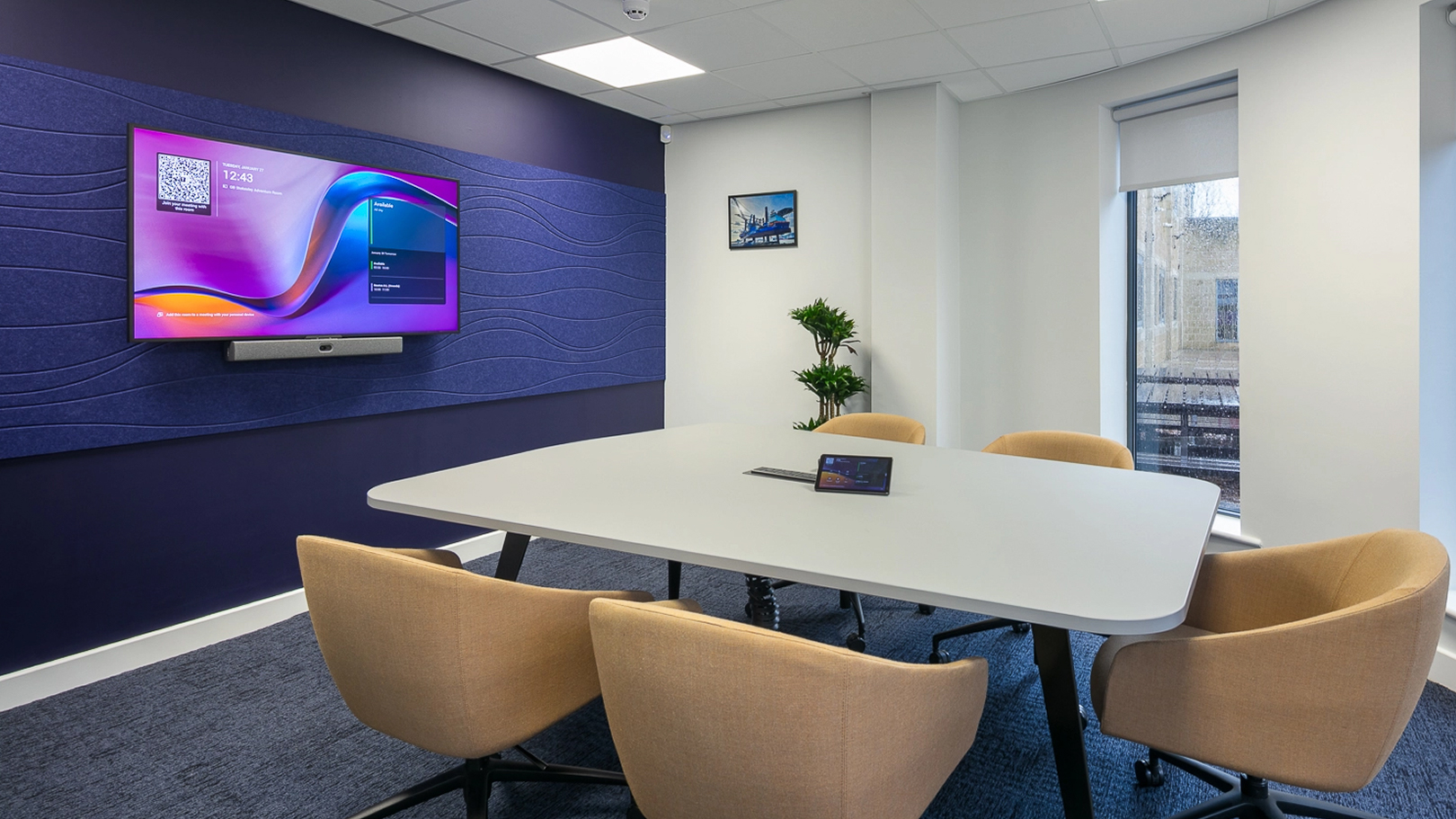
Appearance — meeting rooms are often client-facing, so fabric-wrapped panels, PET panels or printed acoustic panels (branded with company colours or imagery) let you solve the acoustic problem without it looking like a retrofit.
A quick way to check if your meeting room needs treatment
Clap sharply in the empty room. If you hear a ringing tail or a fluttering echo after the clap, the room has excess reverberation and would benefit from acoustic treatment. It’s a rough test, but it’s a useful first indicator before calling in for an acoustic assessment.
Getting it right
We’ve treated meeting rooms across offices in the UK and the pattern is consistent: the rooms people complain about most are almost always the ones with the most reflective surface area and the least absorption. It’s a fixable problem, and usually a faster one to solve than people expect.
If you’re not sure where to start, we’re happy to talk through your space and recommend what would actually make a difference.
FAQs
How many acoustic panels do I need for a meeting room?
Good practice is to apply paneling from skirting to ceiling to 2no. perpendicular walls to reduce flutter echoes. Resonics provides a free acoustic survey and CAD layout to determine exactly how many panels you need and where they should go. This ensures you invest only in what’s necessary to achieve measurable results.
Do acoustic panels stop sound leaving the meeting room?
Not on their own. Acoustic panels absorb sound within the room to reduce echo and improve speech clarity, but they won’t stop sound transferring to the space next door. If confidentiality is what you’re actually worried about, sound masking is worth adding into the mix. It works by gently raising the ambient sound level in a controlled way, so conversations blend into the background instead of carrying through the wall. You can read more about sound masking in meeting rooms here.
What’s the difference between soundproofing and acoustic treatment?
Soundproofing prevents sound travelling between spaces. Acoustic treatment controls how sound behaves inside a space, reducing noise buildup. Most meeting room complaints (echo, unclear speech) are solved with acoustic treatment.
How much does it cost to treat a meeting room with acoustic panels?
Prices vary depending on size, material and finish, but as a very rough guide:
Wall panels: from £80–£200 each
Ceiling rafts: from £150–£400 each
Baffles: from £60–£120 each
Installation costs are additional and depend on project complexity. The best way to get an accurate price is through our free survey.
Not every project needs a full installation service. If you know what you need and want to buy acoustic panels directly, our sister site Sonio offers the same carefully selected range of acoustic products we specify on professional installations.