

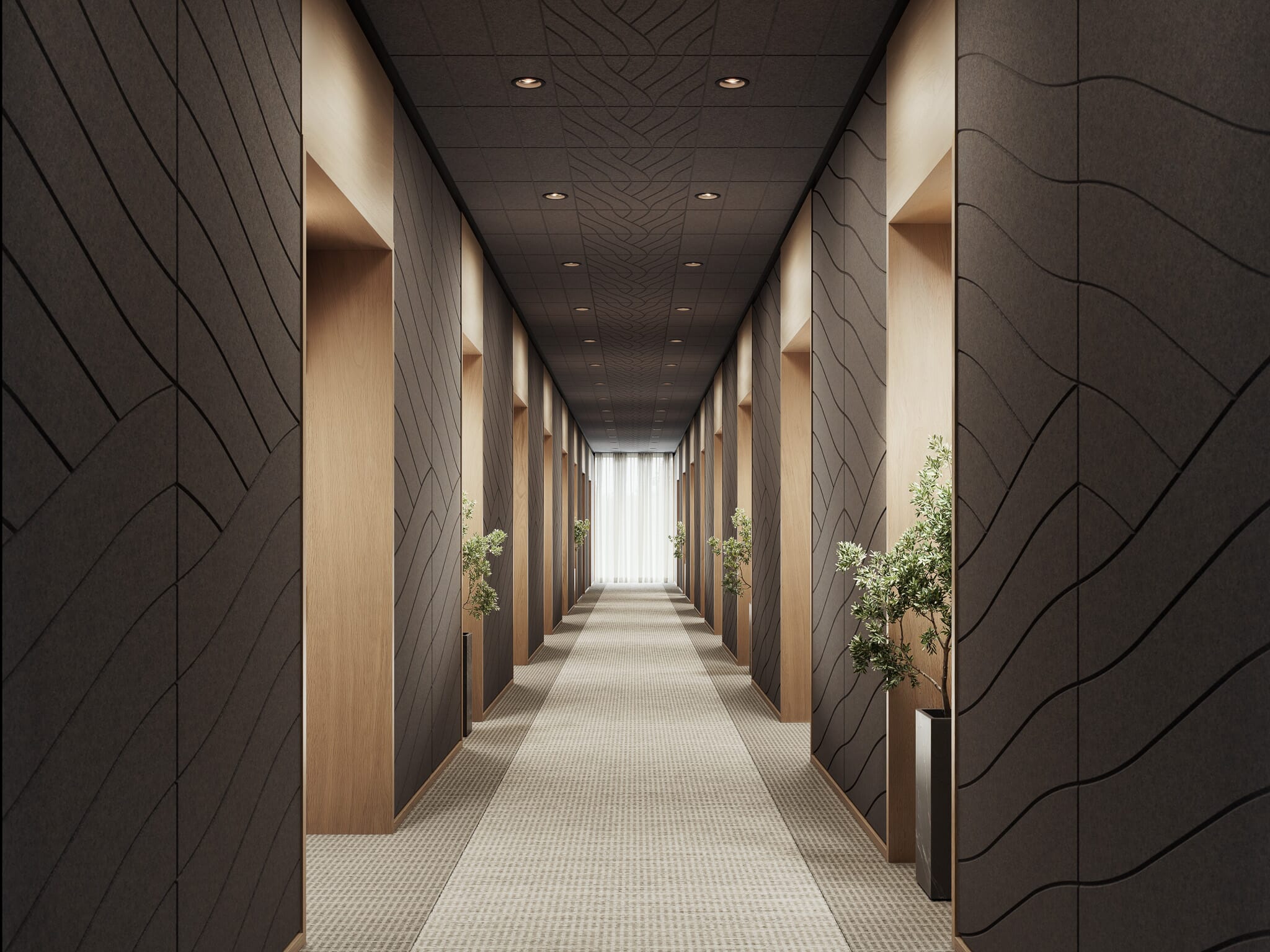
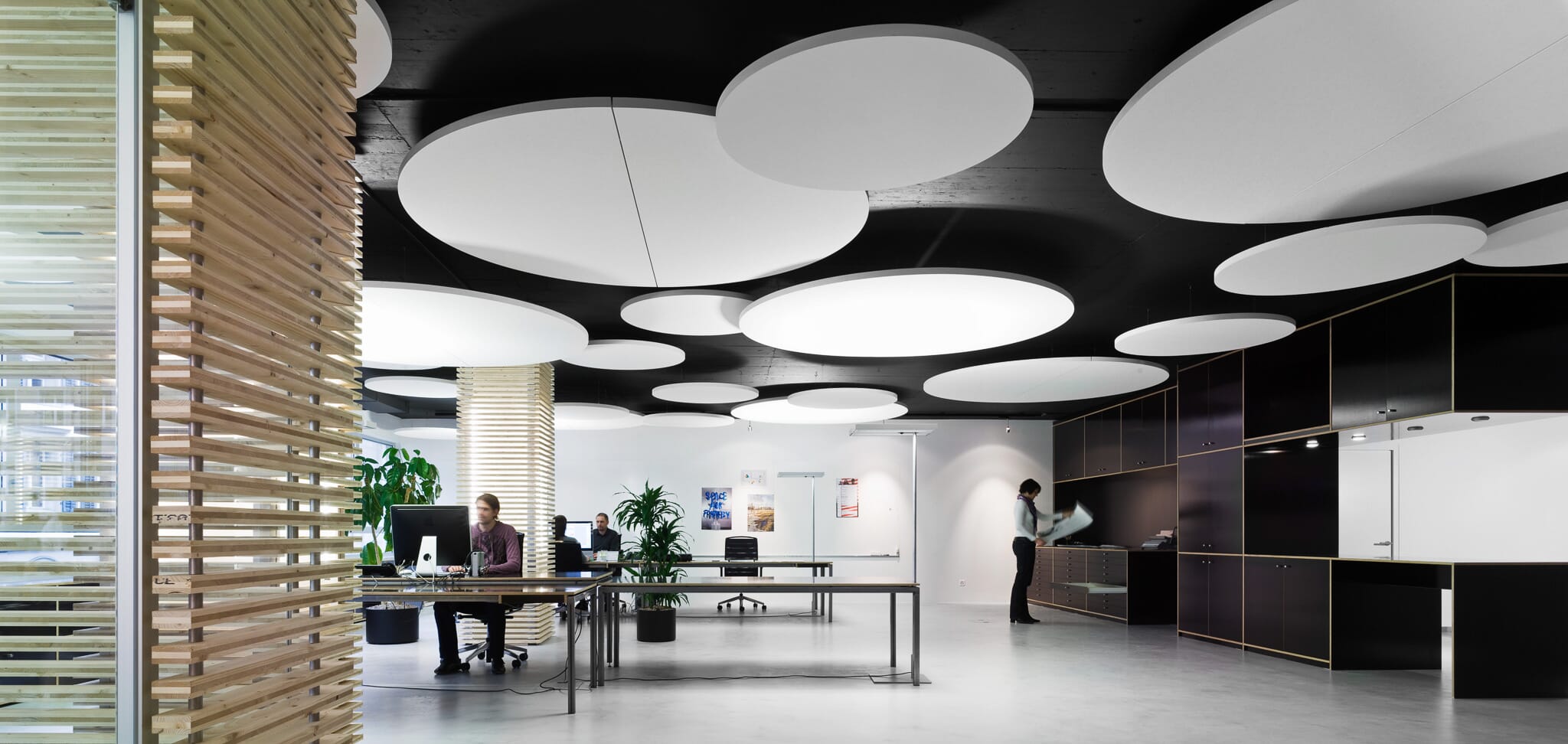
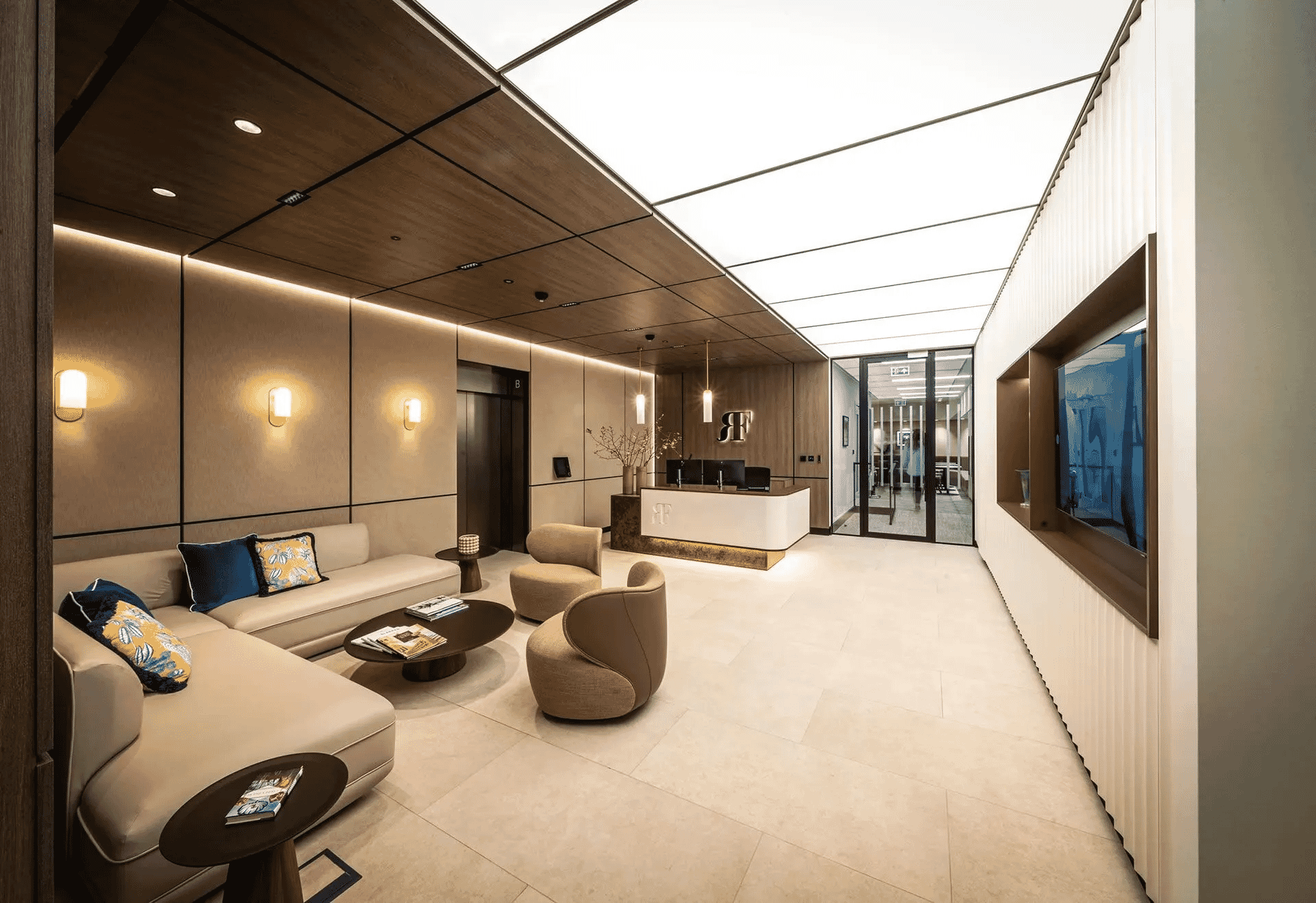
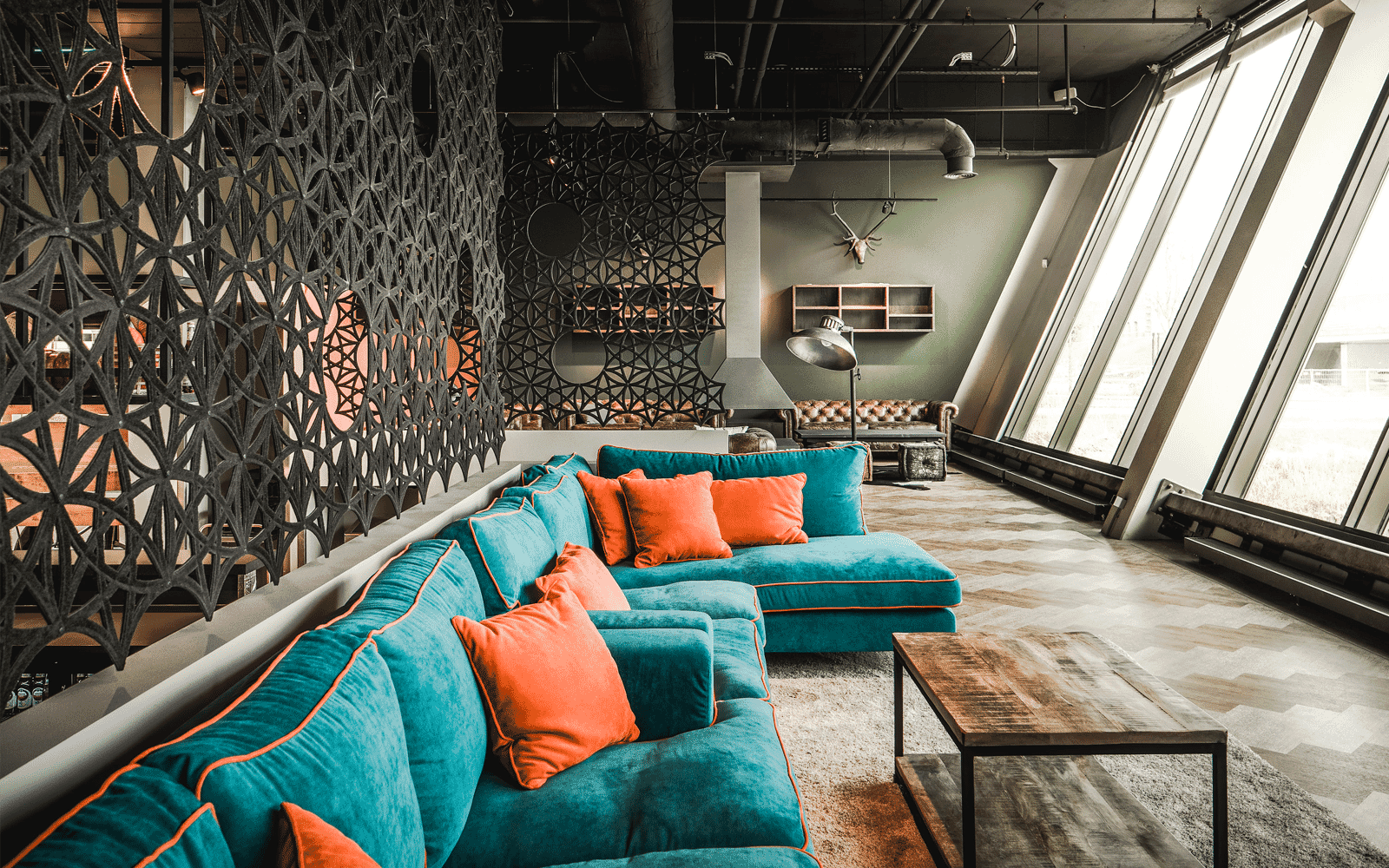

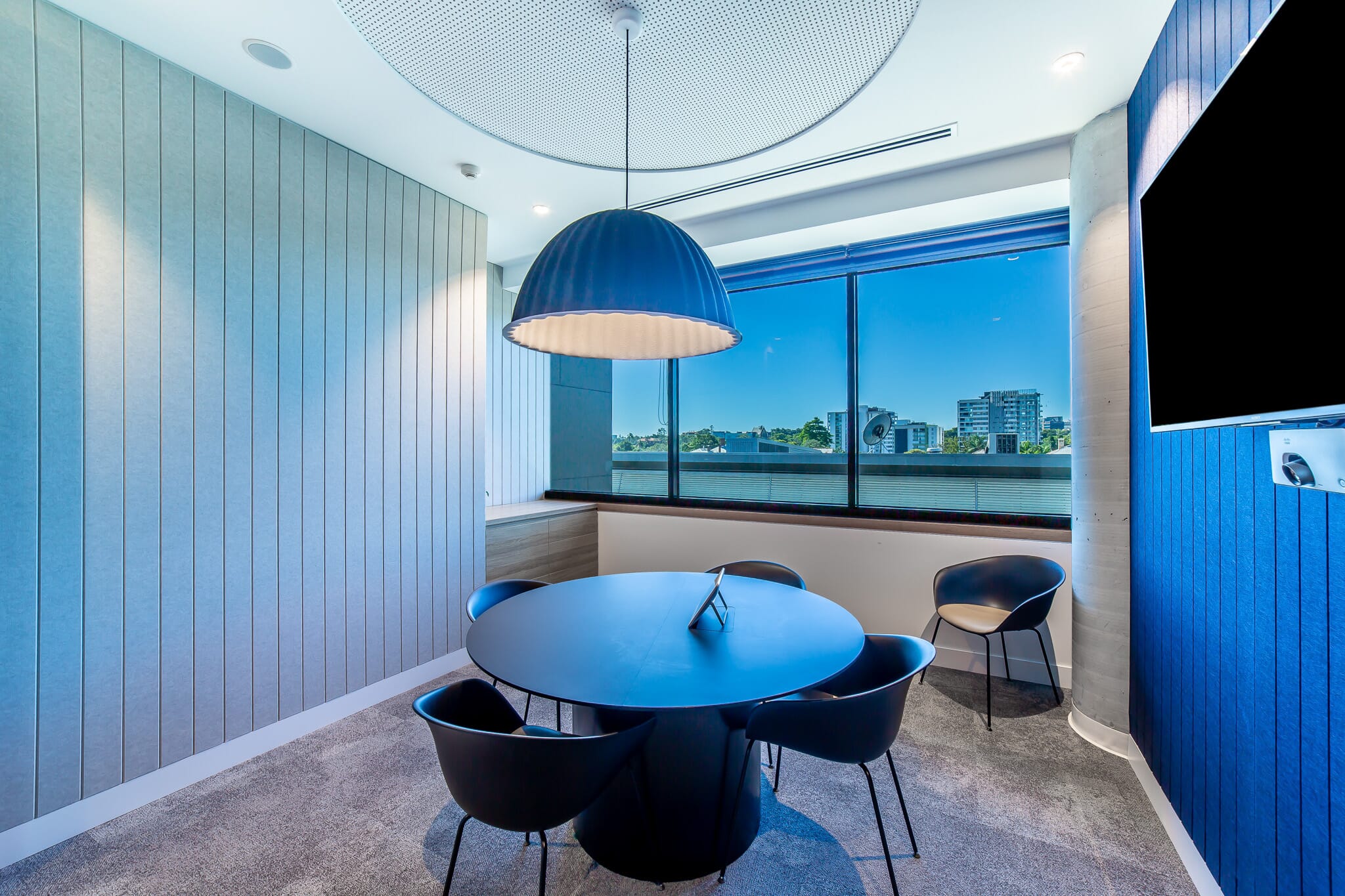
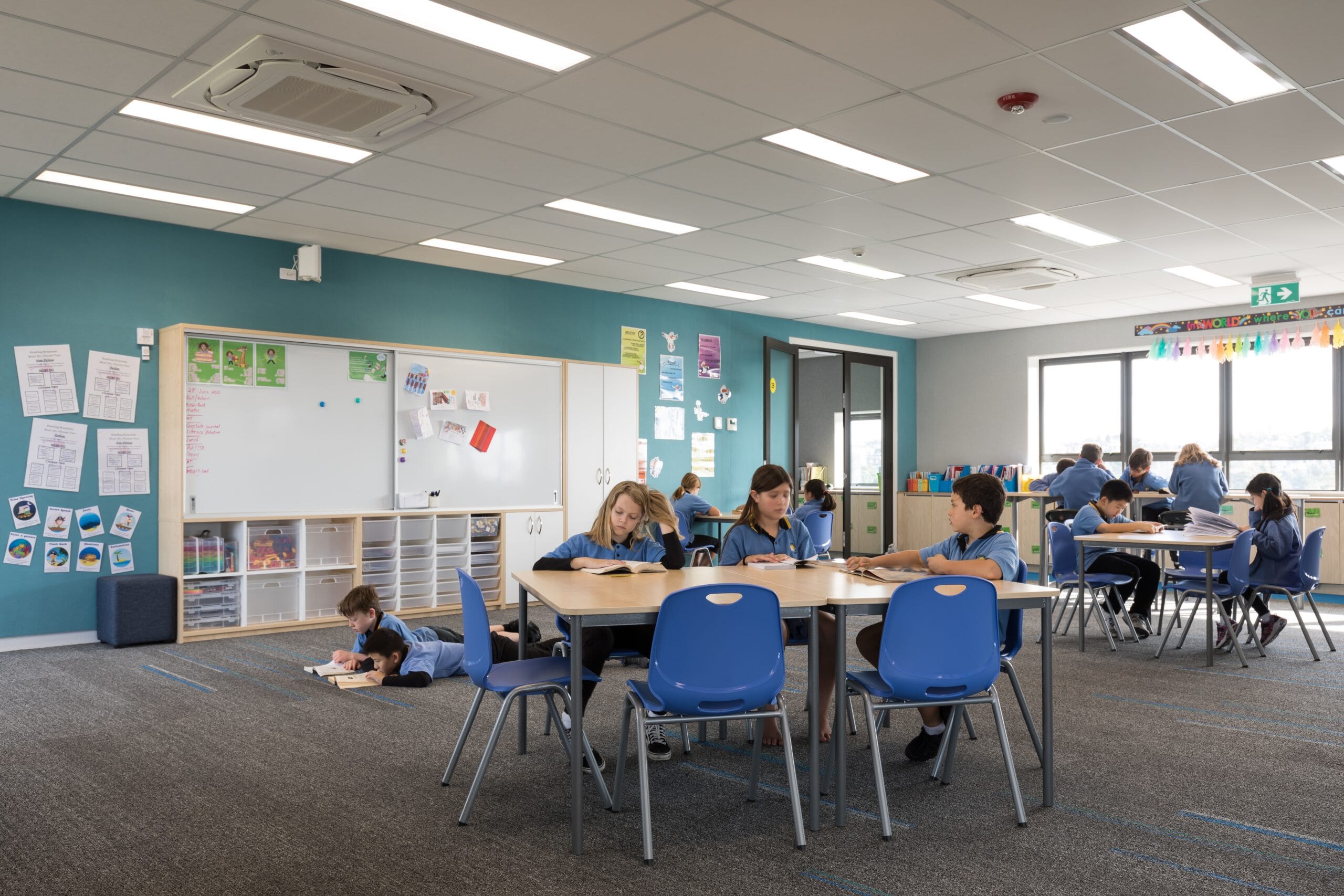
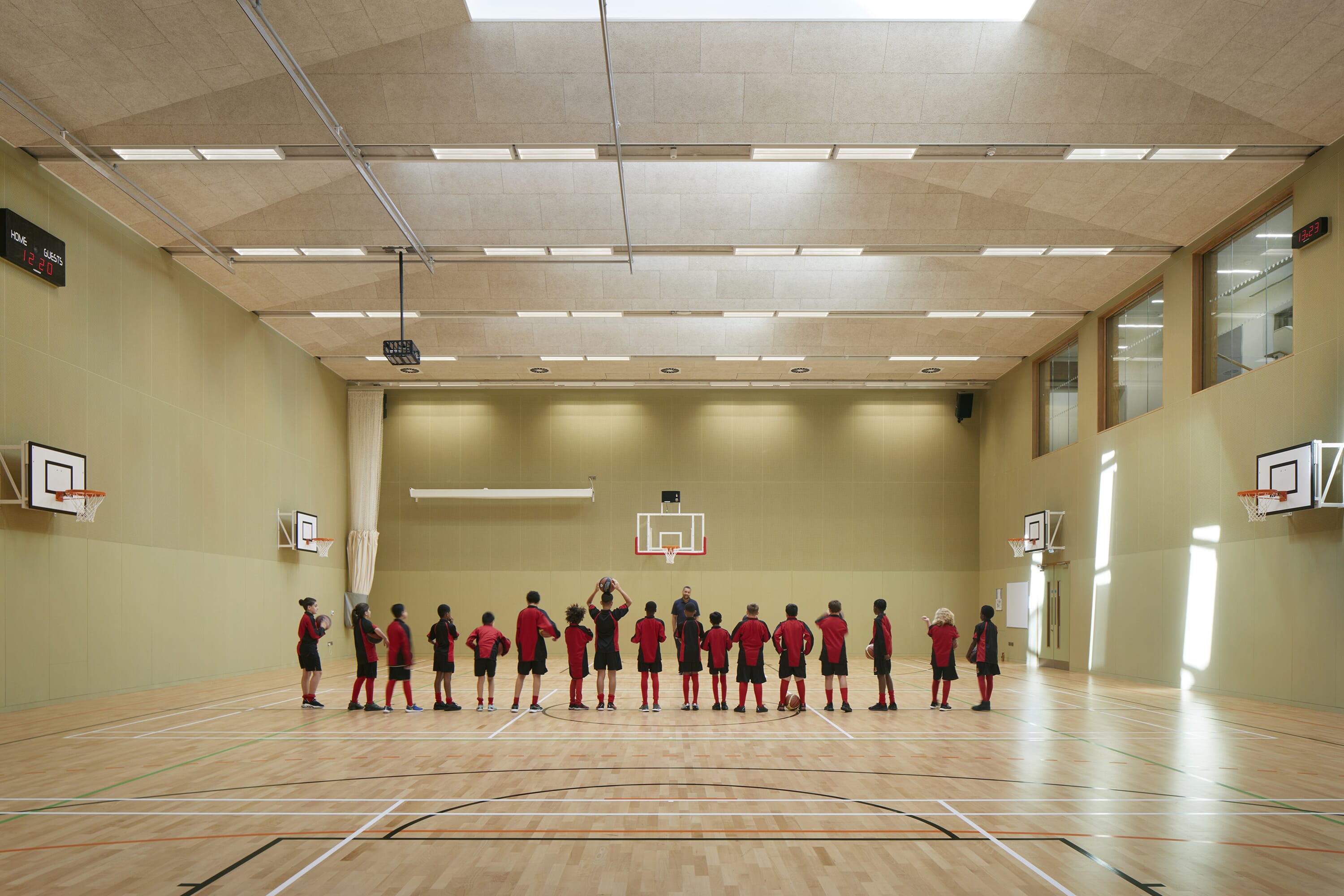
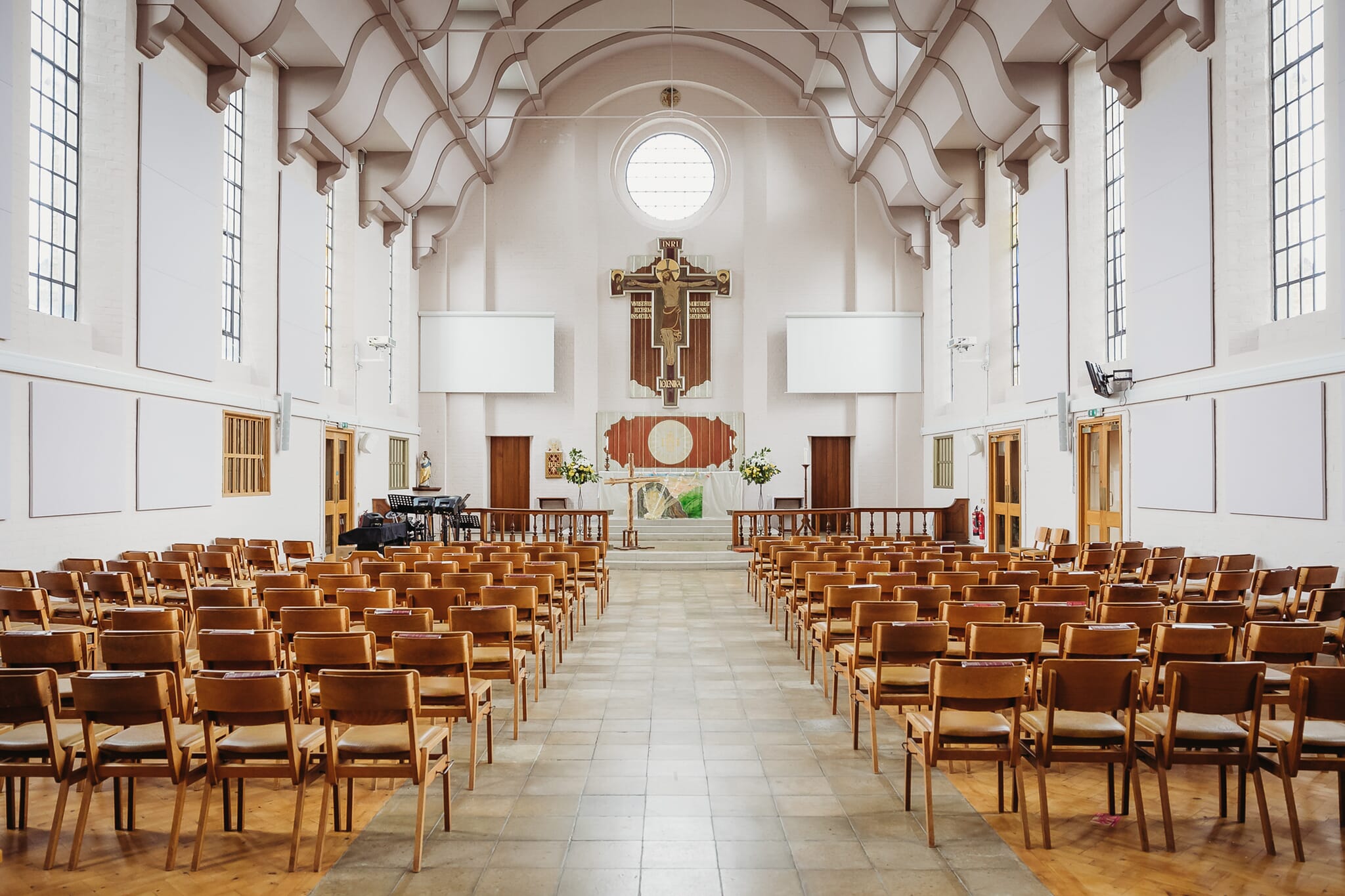


Why are AV and conference room acoustics important?
Glass, plaster, and hard floors are the most common reasons AV and conference rooms echo. Hard surfaces push reverberation time well above the 0.4-0.6 seconds that keeps speech clear. Words blur together and remote participants miss what’s said. Upgrading the AV won’t fix it because the problem is the room.
Resonics has treated AV and conference rooms across the UK, bringing reverberation under control so speech is clear and video calls work as they should.
Our clients













Why choose Resonics for your AV or Conference Room?
Specialist Expertise
With over a decade of experience and more than 1,000 installations each year, we know what conference and AV rooms need: speech clarity, echo control and microphones that pick up the voice, not the room.
End-to-End Service
Resonics handle the acoustic survey, design and installation in-house, so one team is responsible for the result.
Proven Results
Every recommendation is based on the reverberation analysis of your room. If a product won’t improve speech intelligibility or bring reverberation into the recommended range, we won’t propose it.
Prioritising Comfort
Poor conference room acoustics cause fatigue and miscommunication. Our treatments reduce echo and background noise, so long meetings and back-to-back calls are less tiring.
Trusted Nationwide
We’ve worked on everything from single boardrooms to multi-floor offices. Our track record is supported by consistent 5-star reviews.
Financial Strength & Reliability
With proven financial stability and the resources to manage projects of any scale, Resonics can deliver anything from a single video conference room to a multi-site rollout.
Testimonials
Hear what our clients have to say
Conference room acoustic treatment
Acoustic Ceiling Treatment
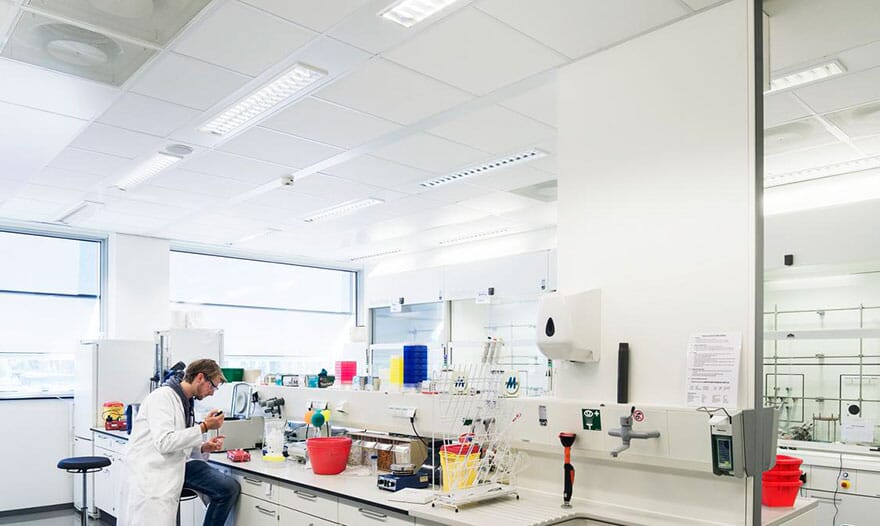
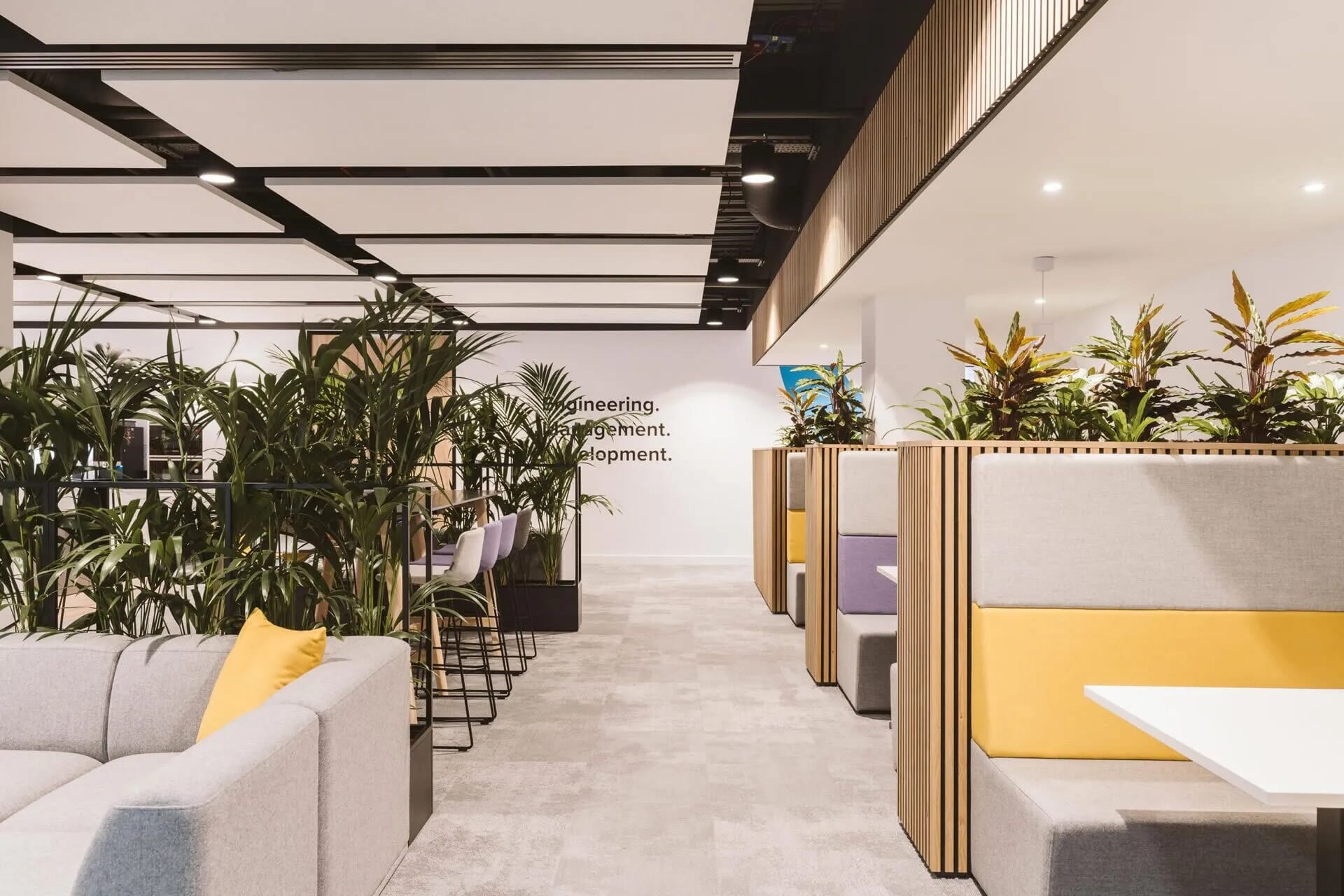
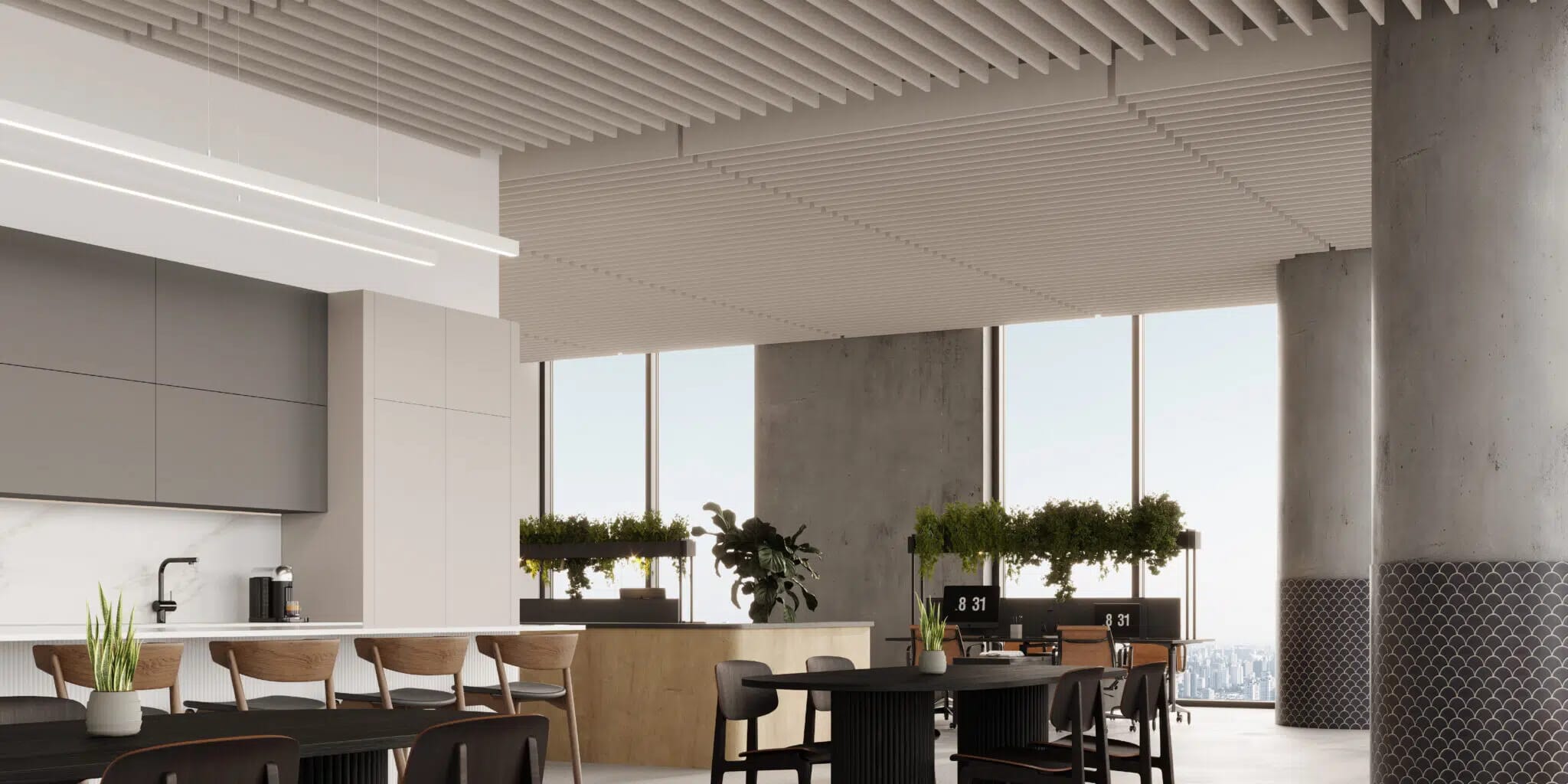
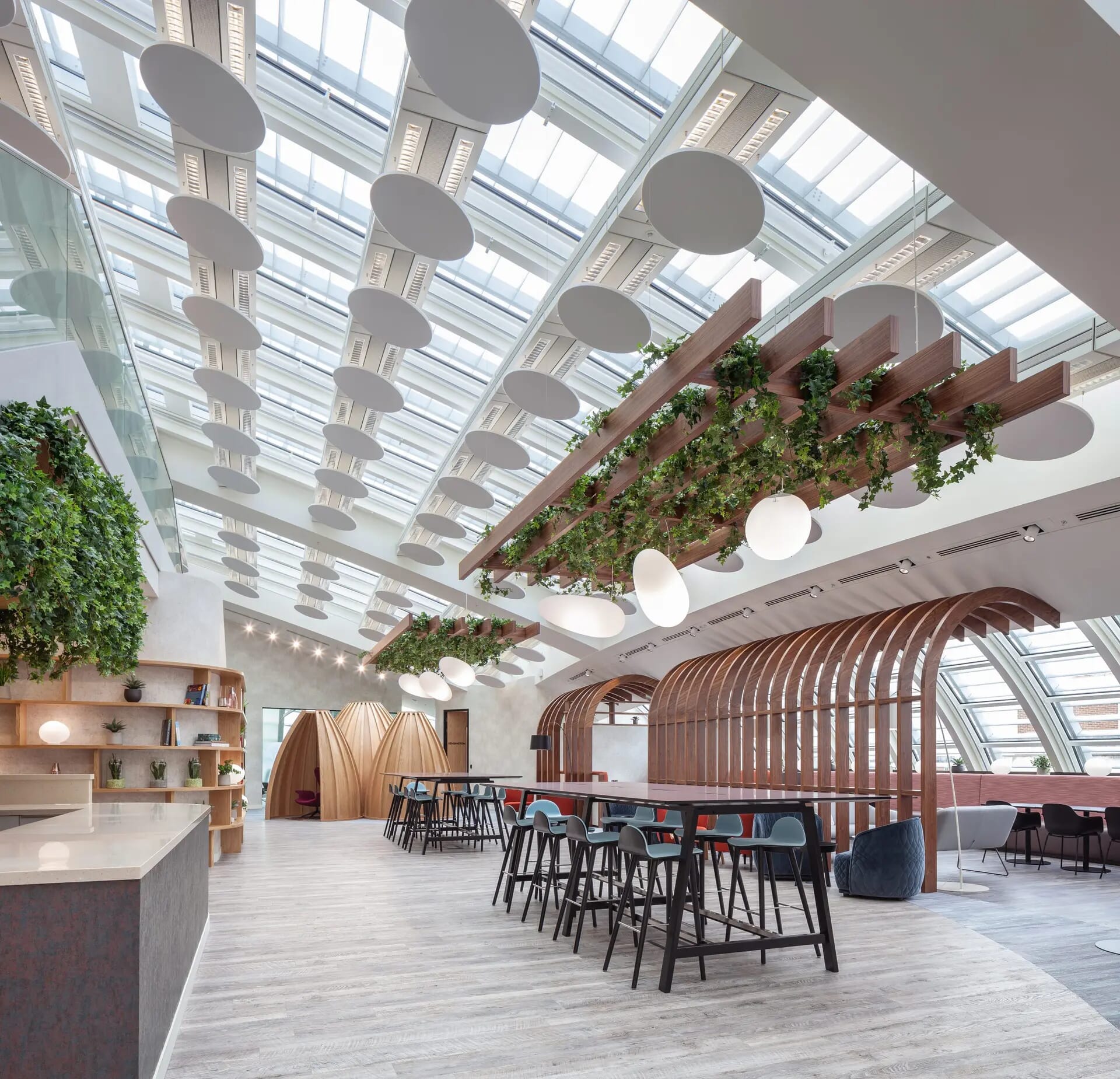
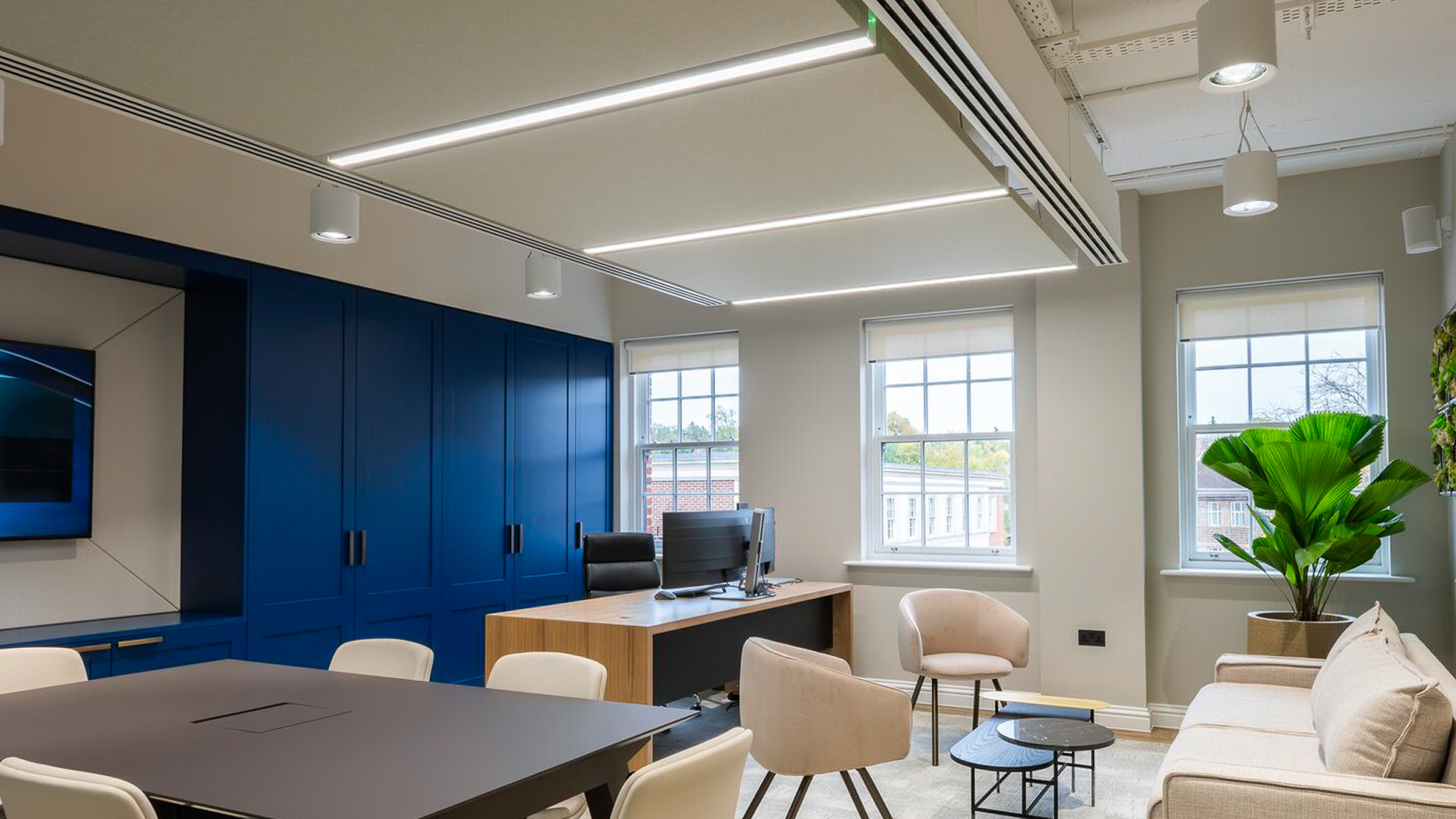
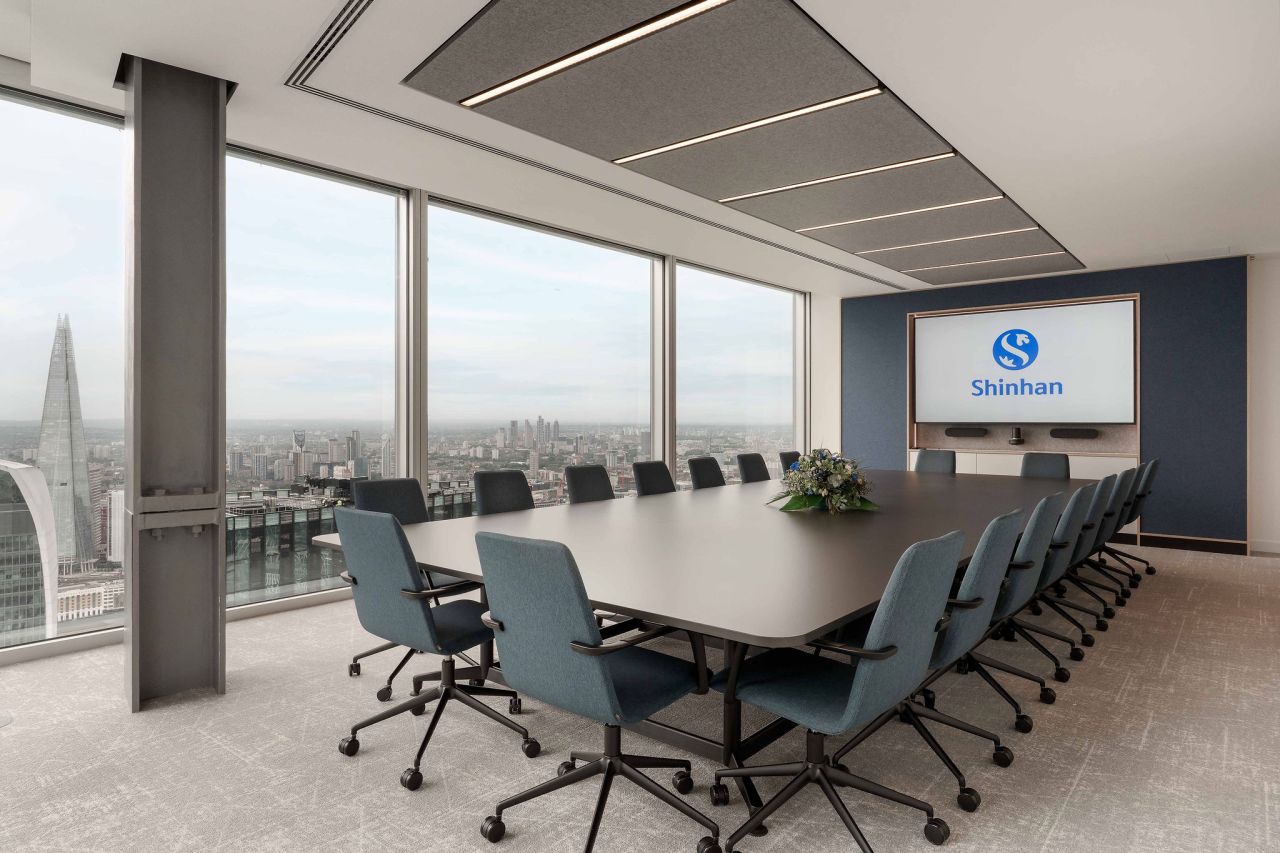
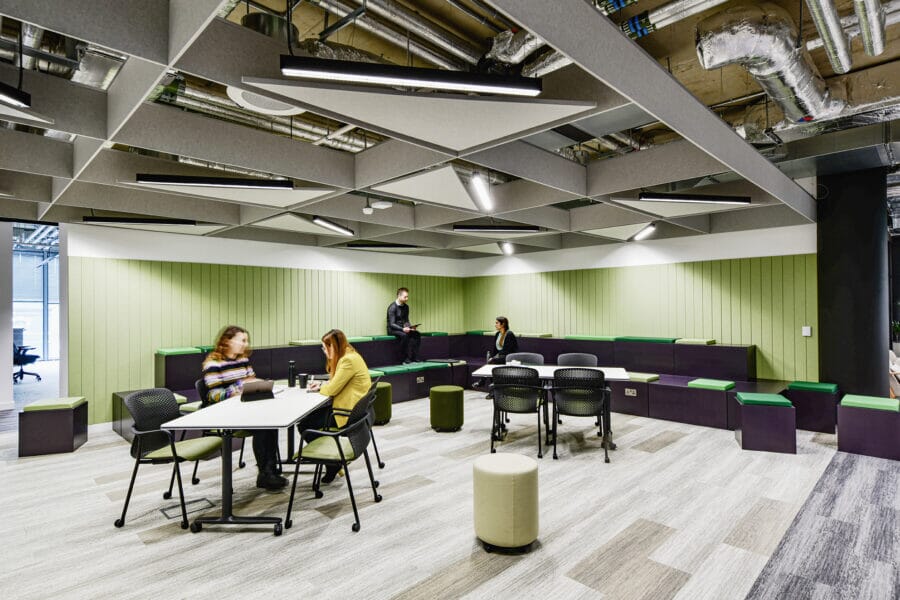
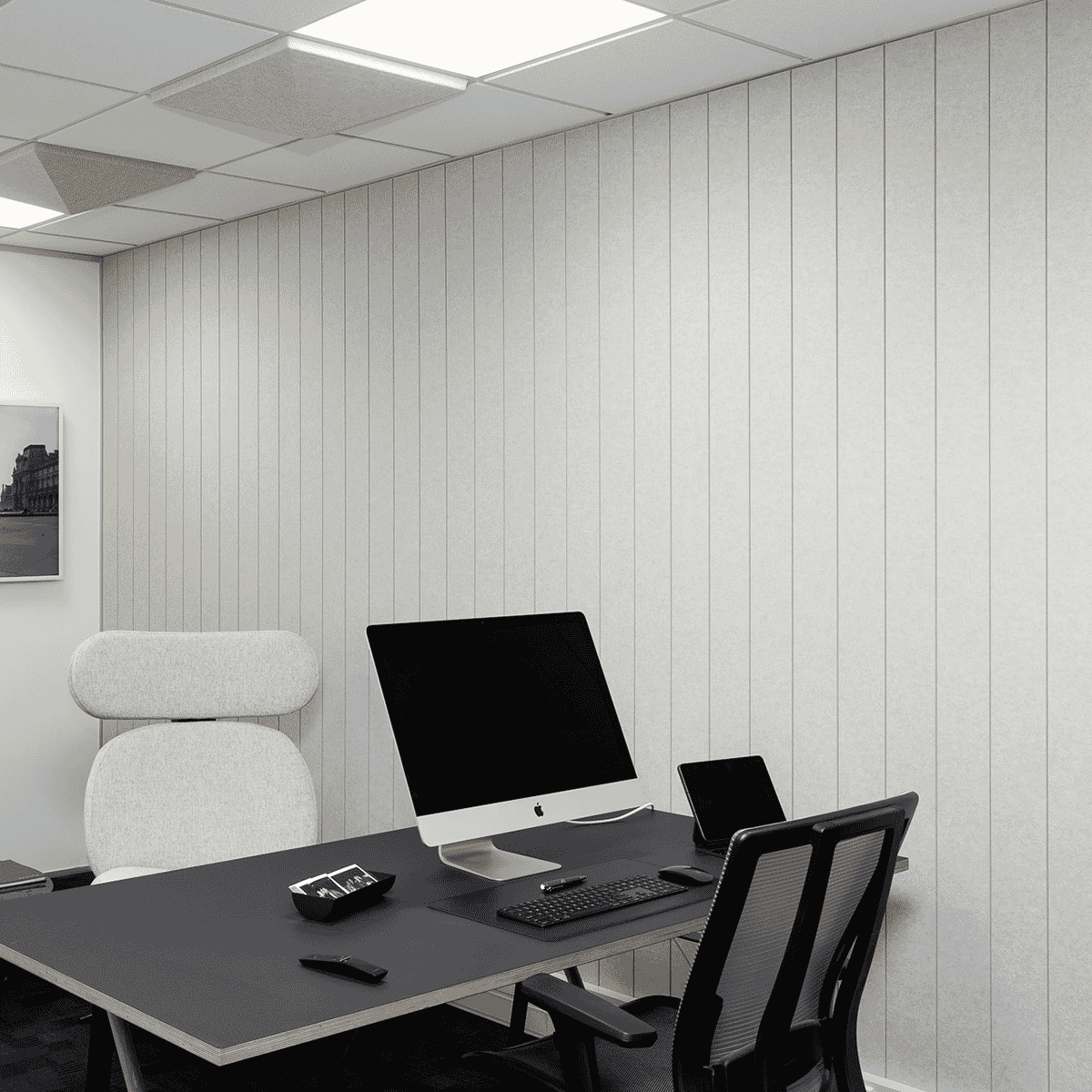
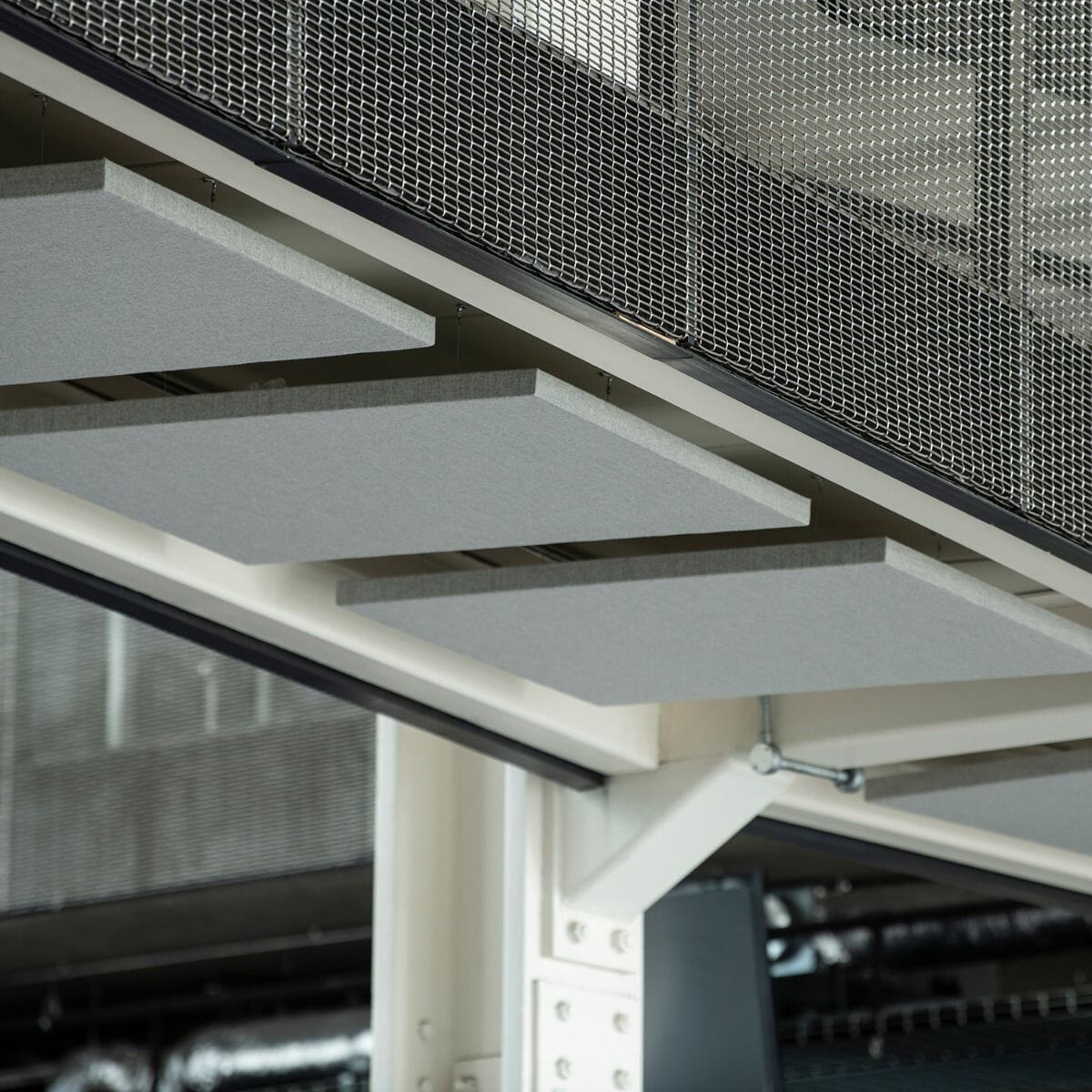
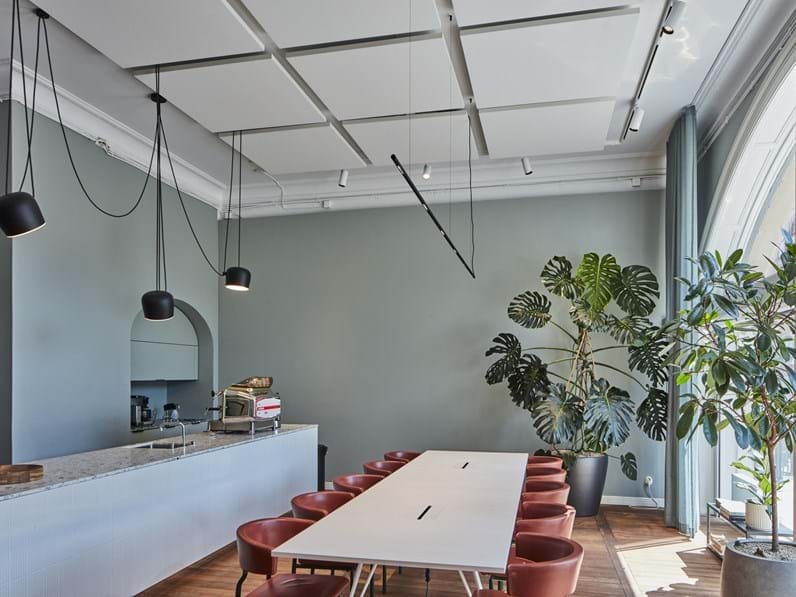
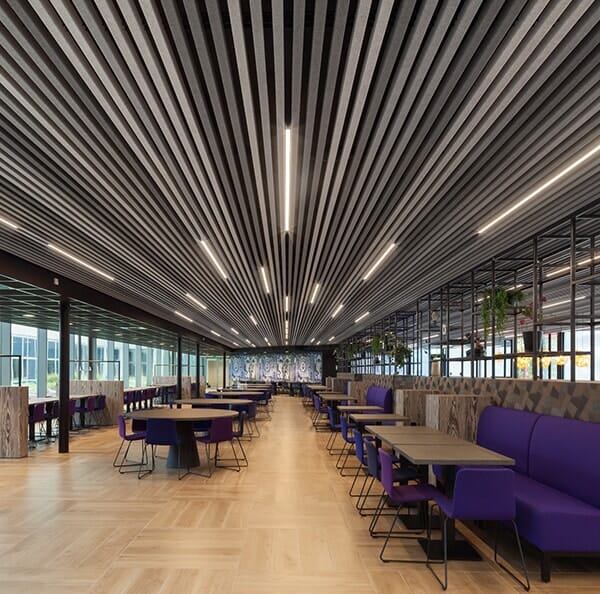
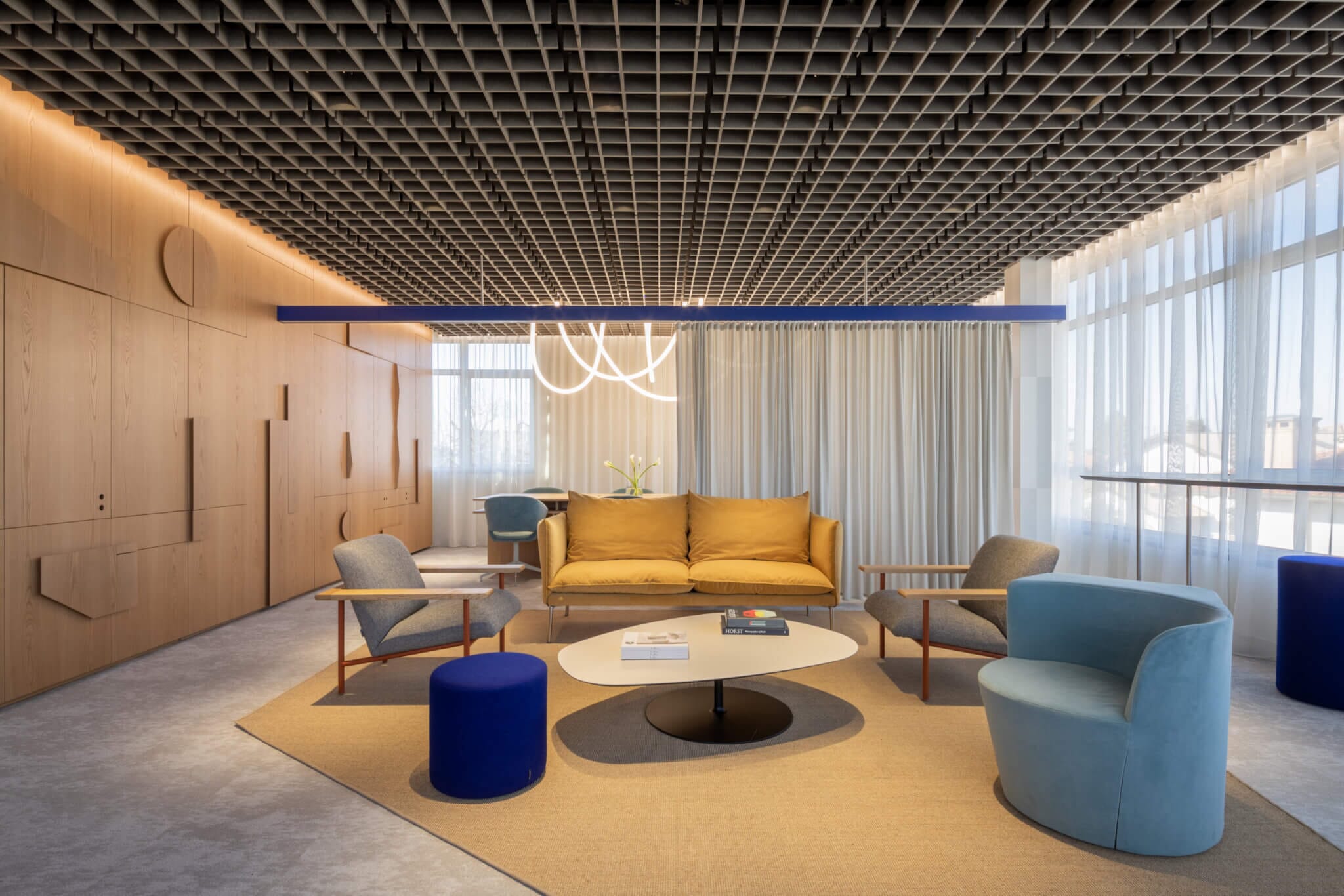
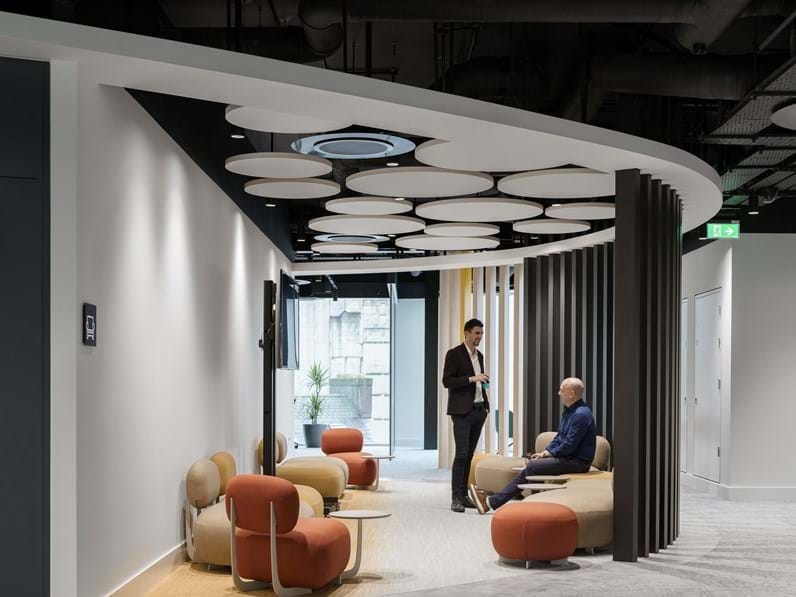
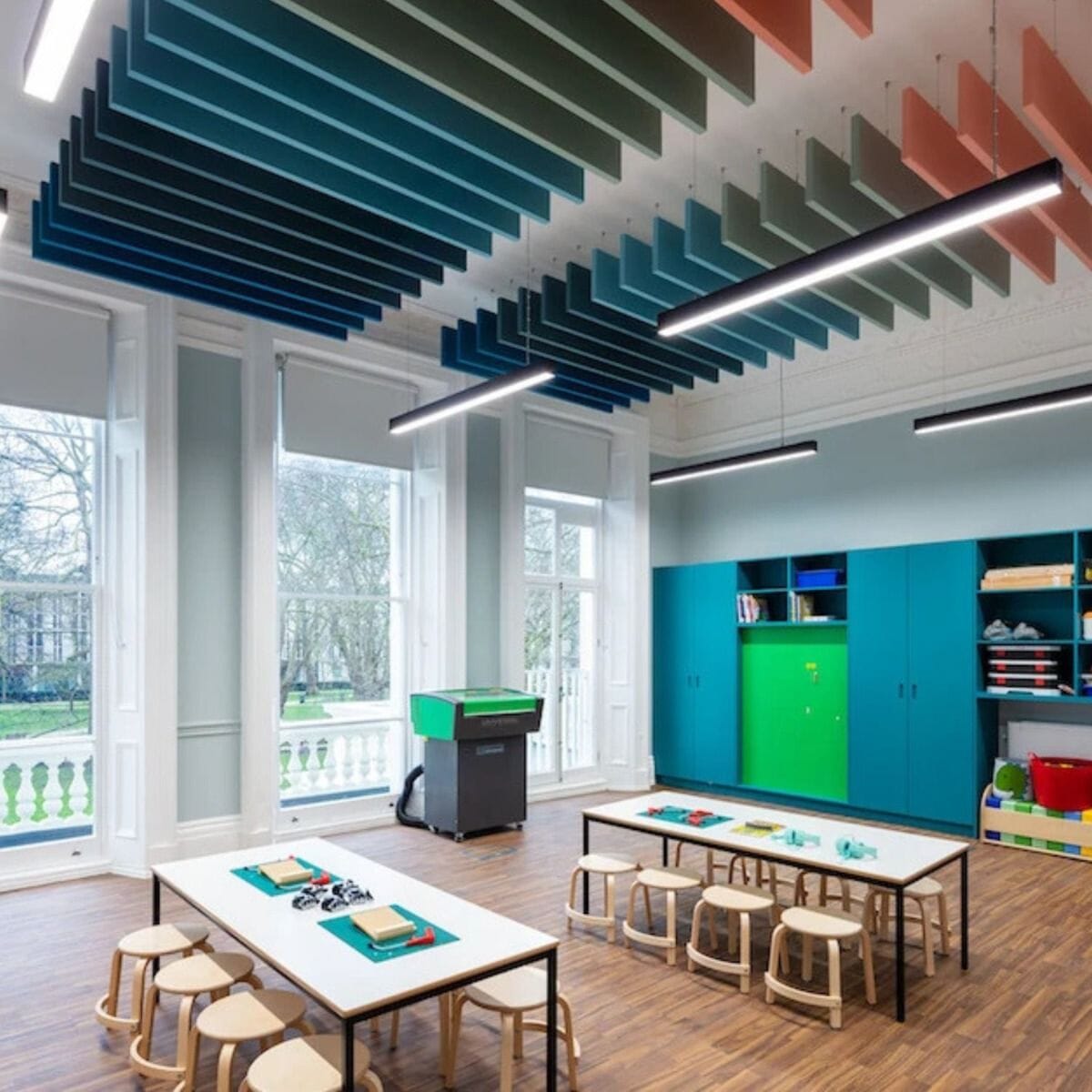
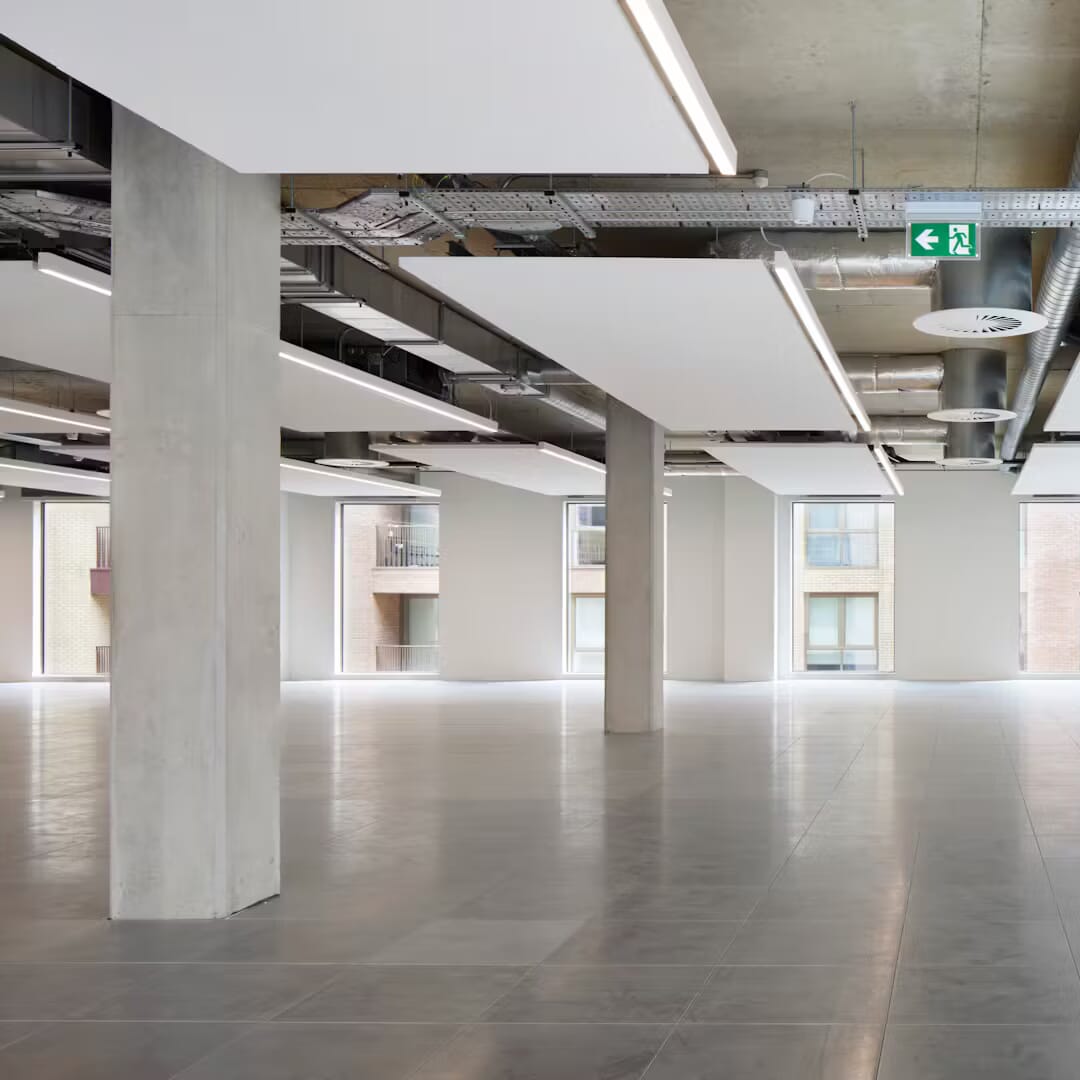
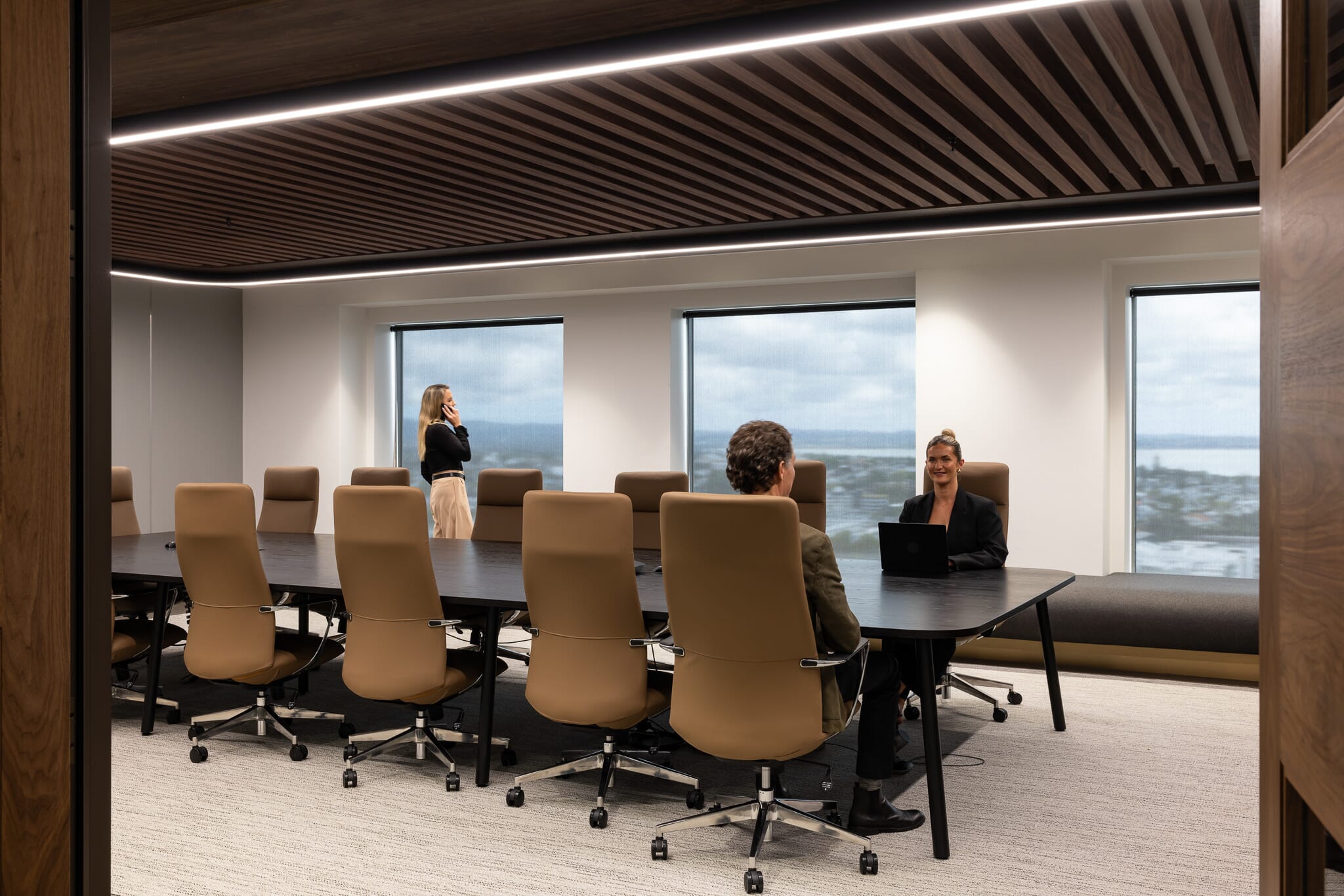
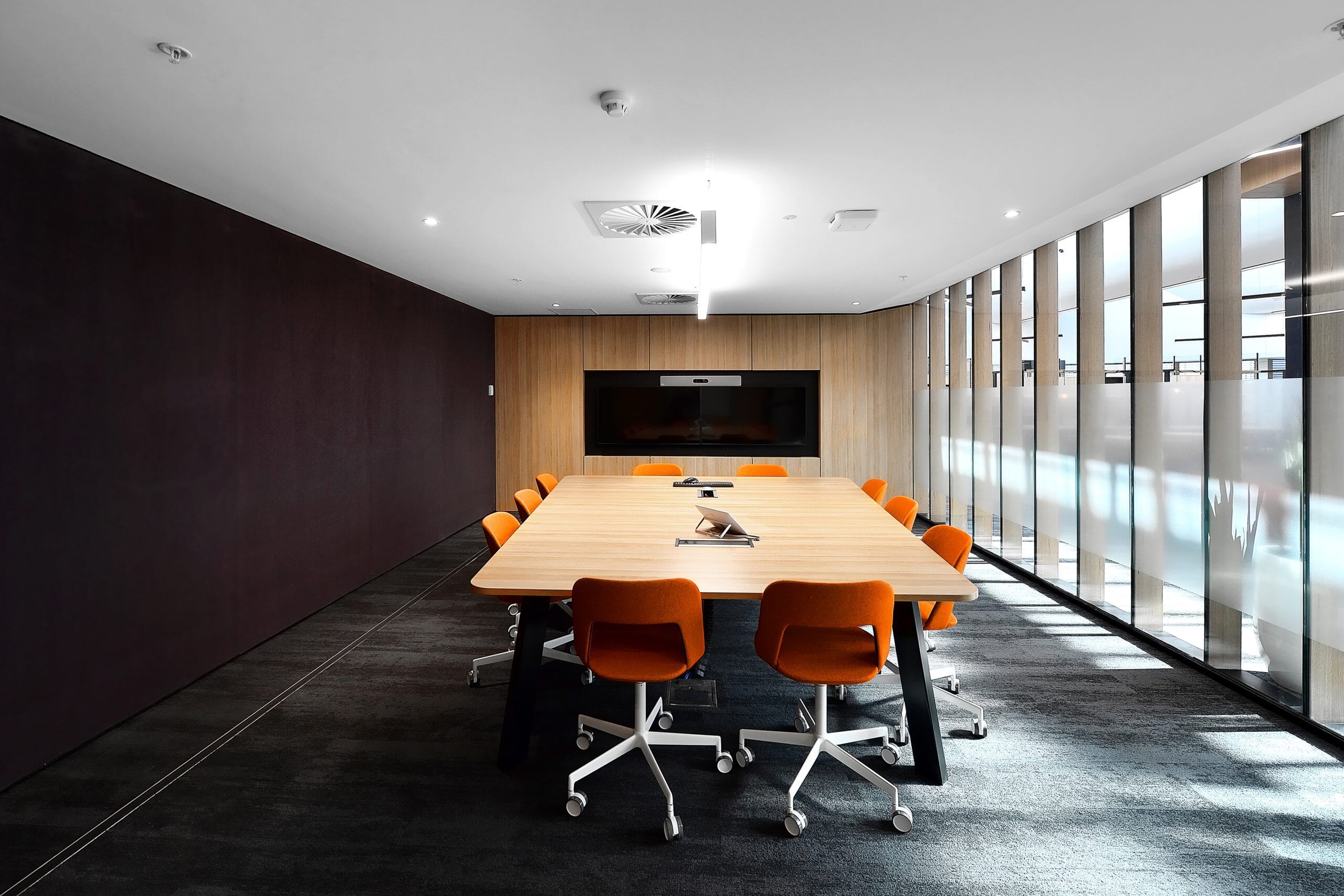
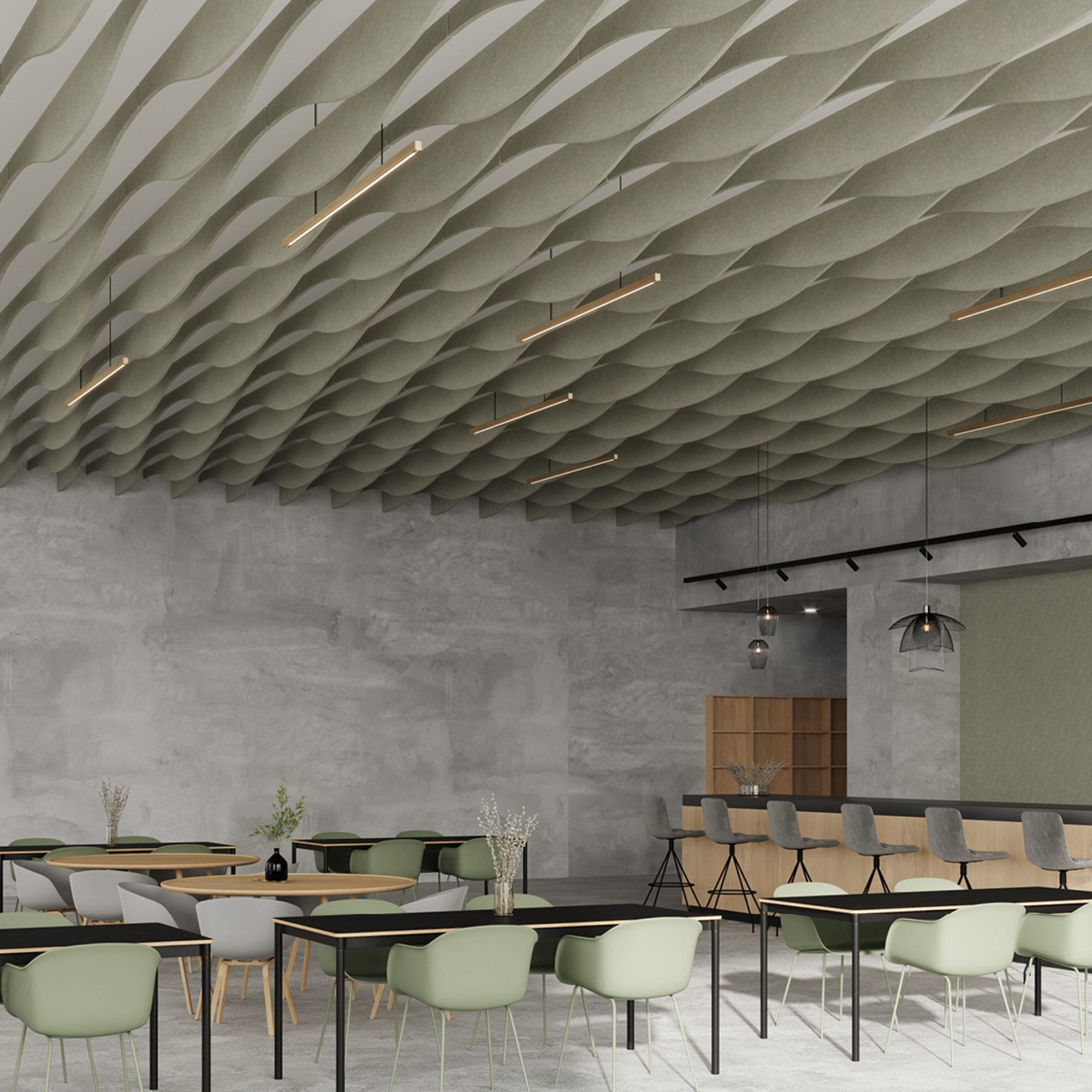
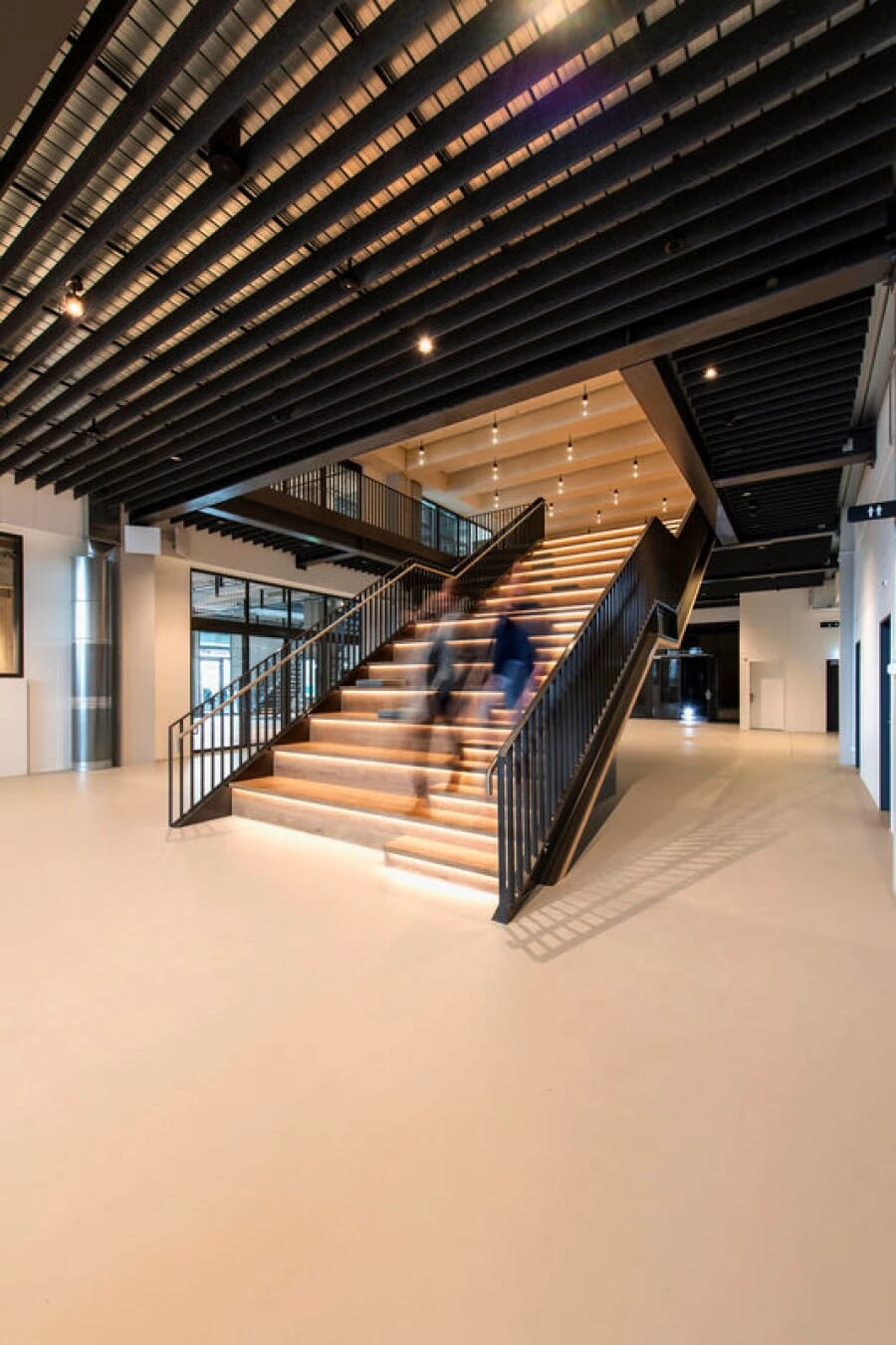
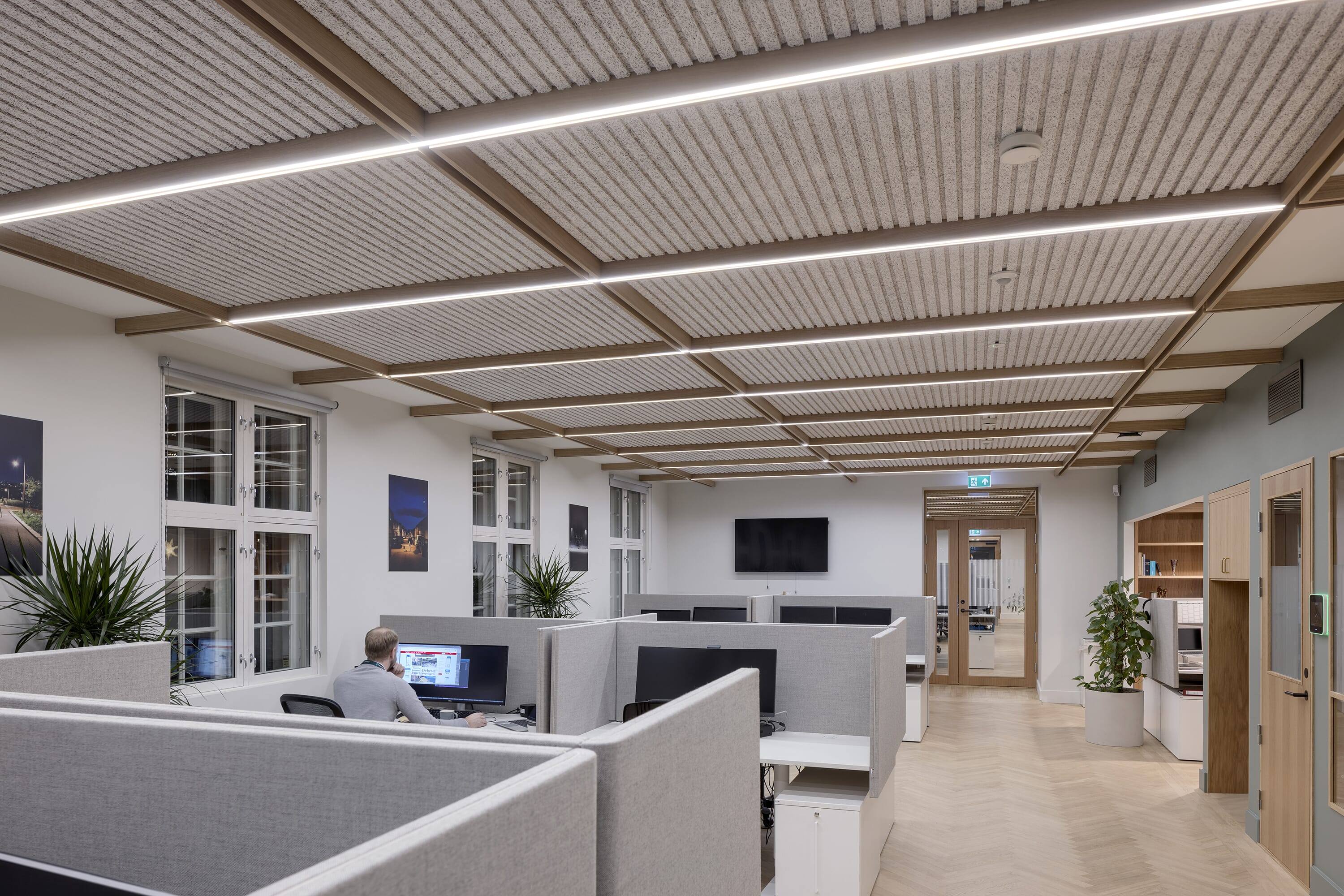
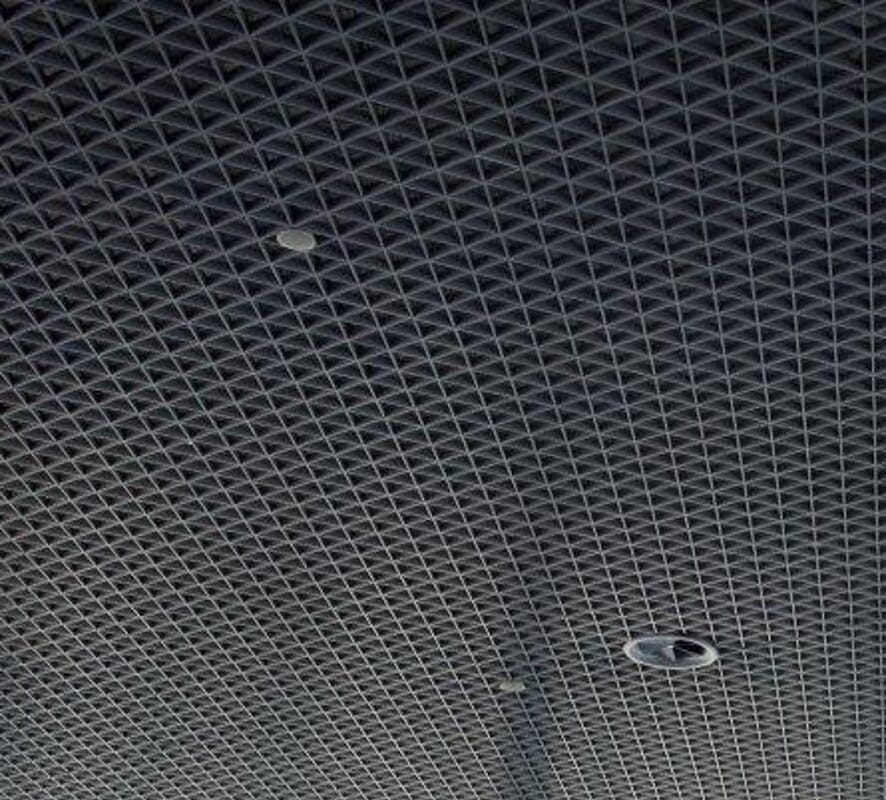
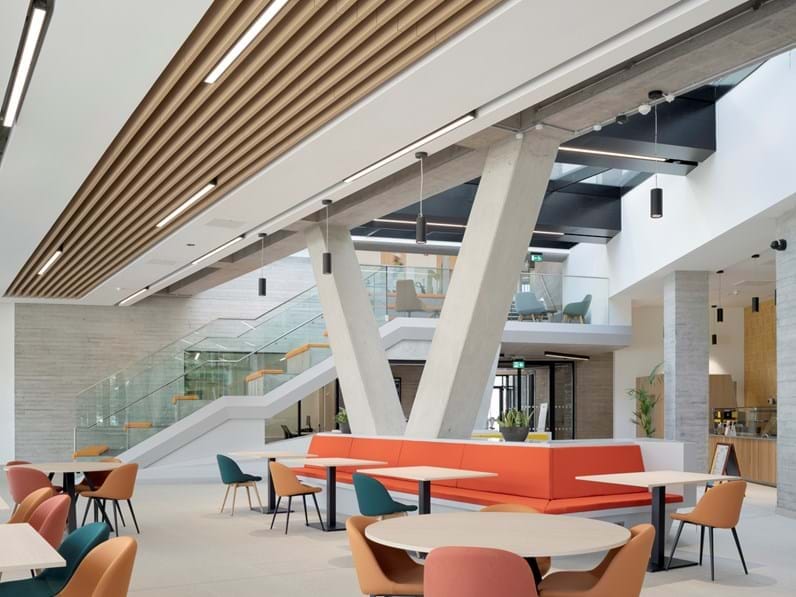
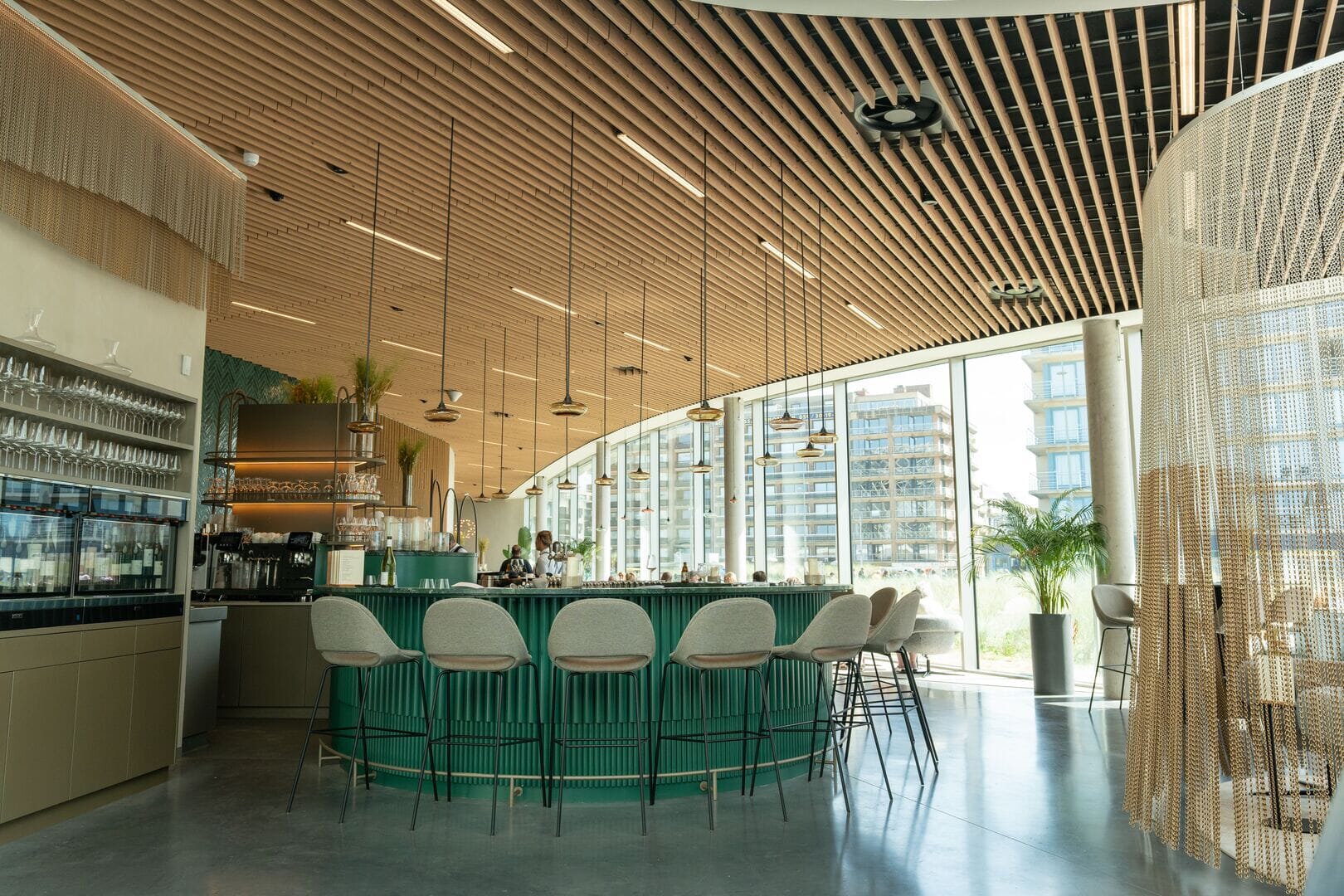
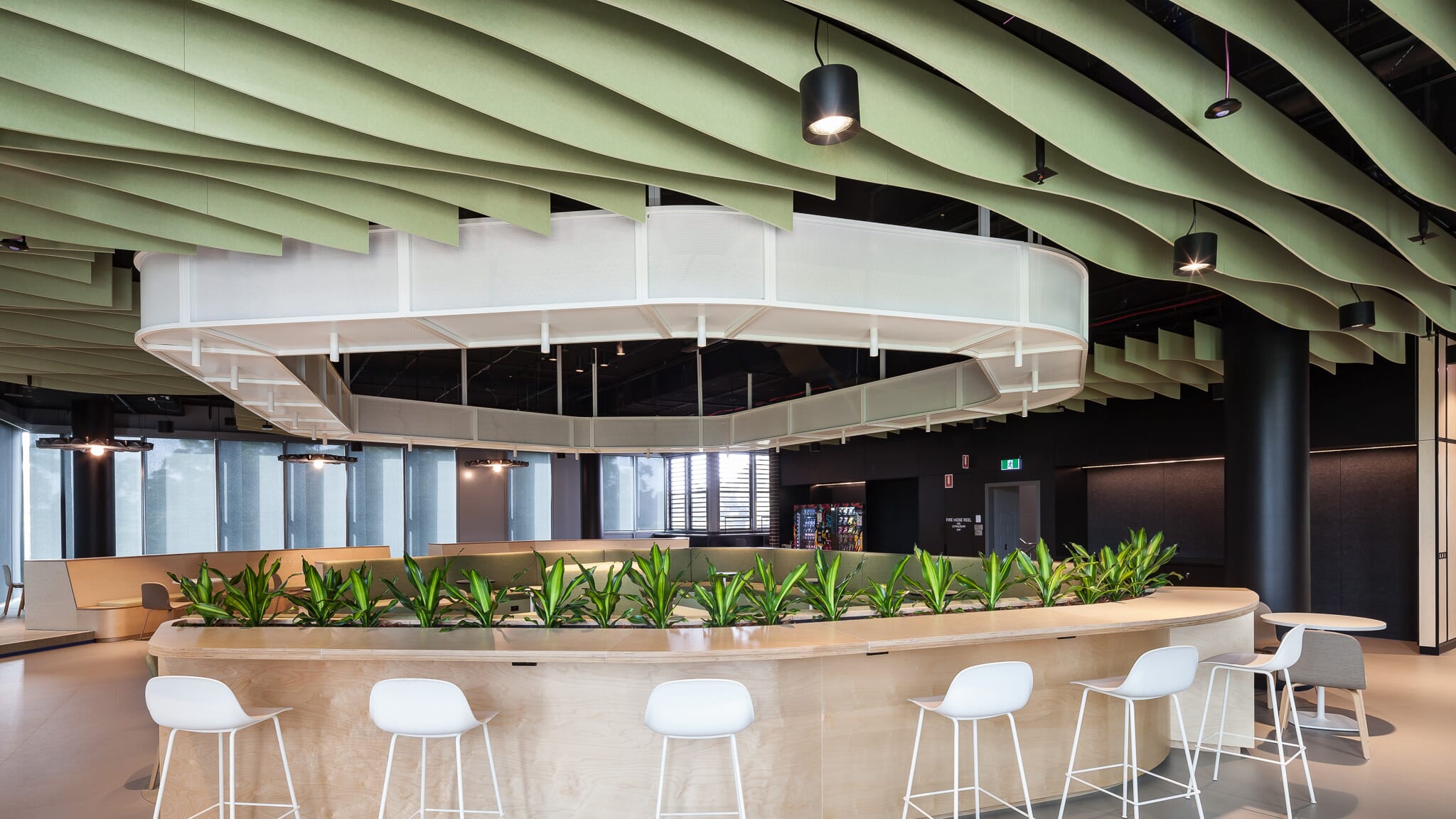
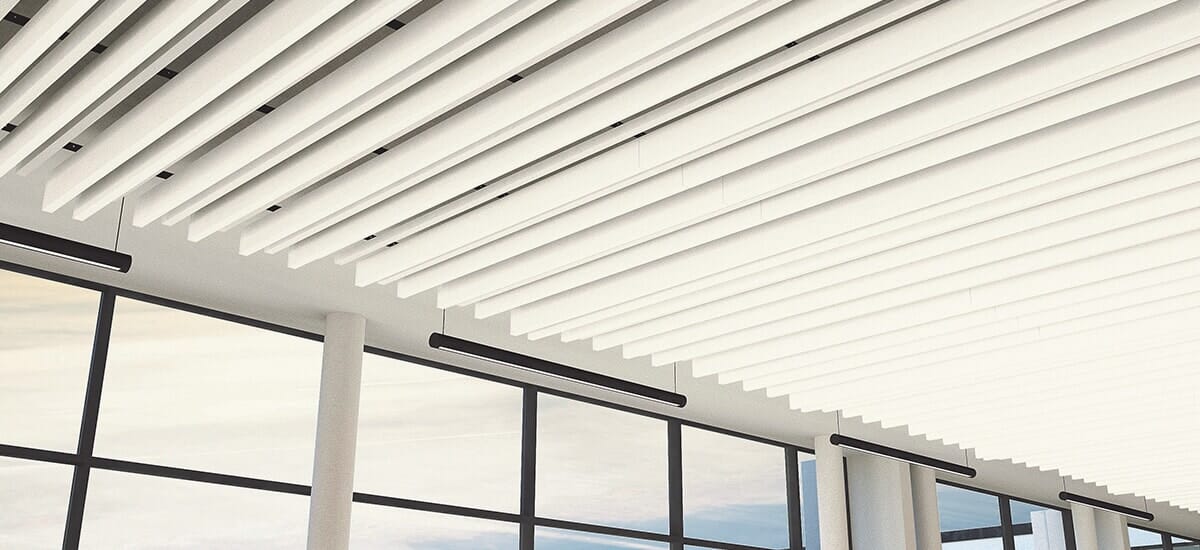
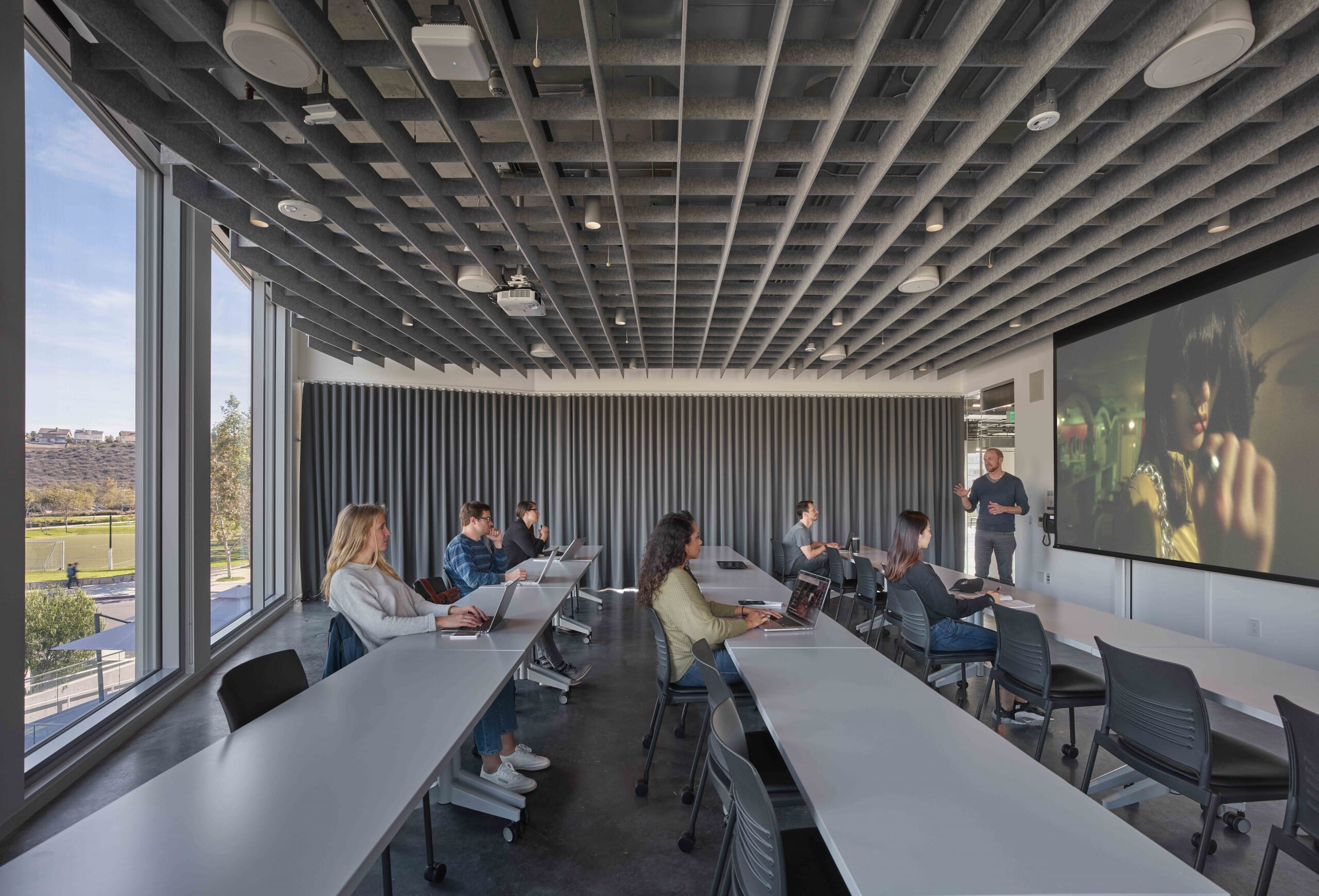
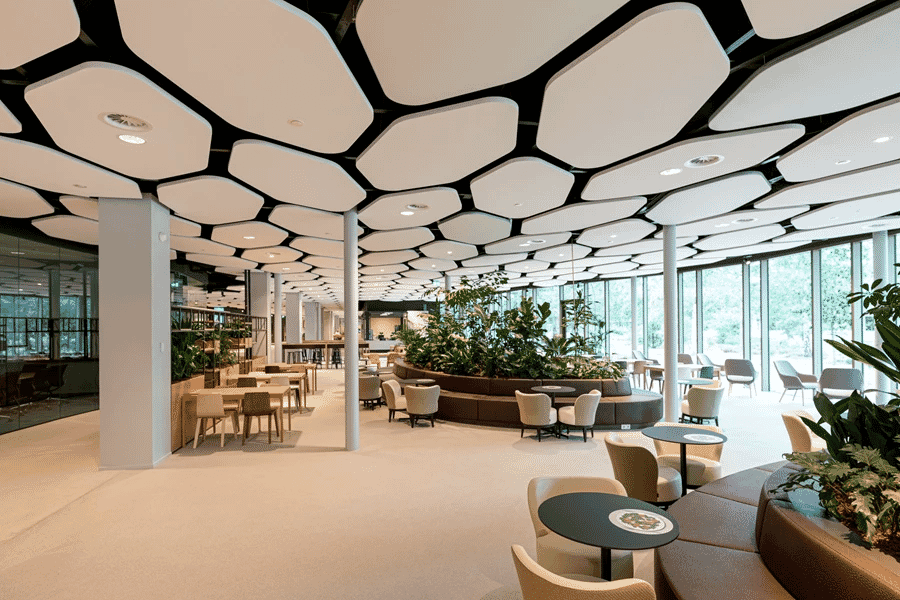
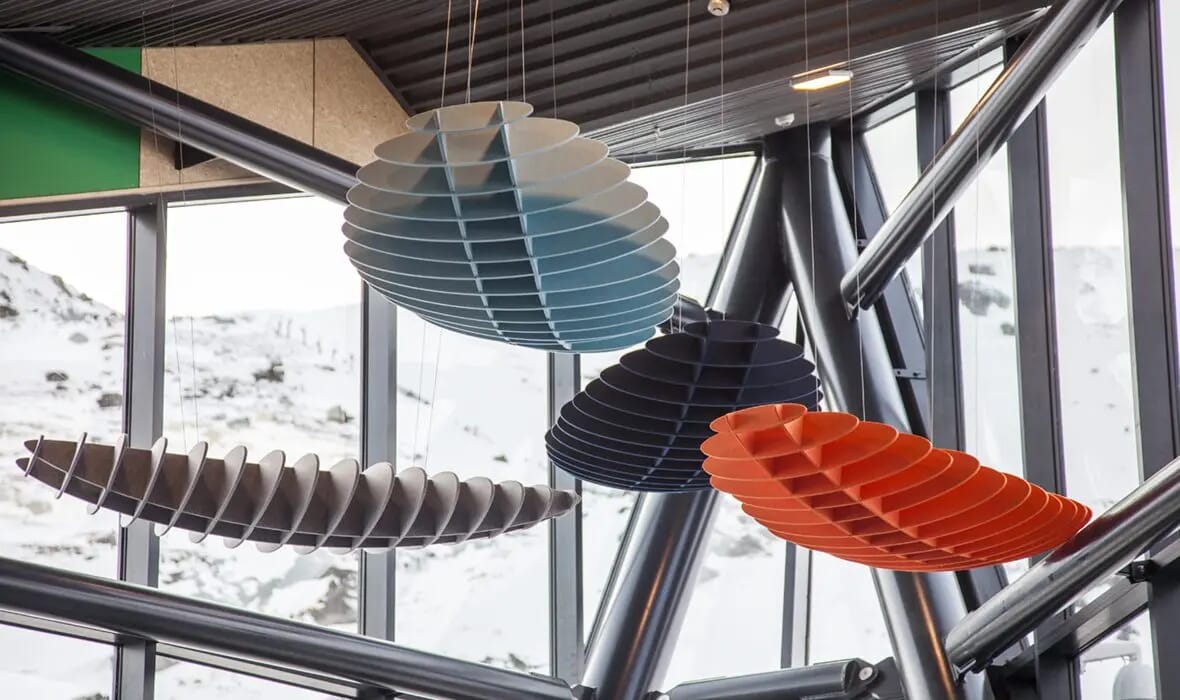
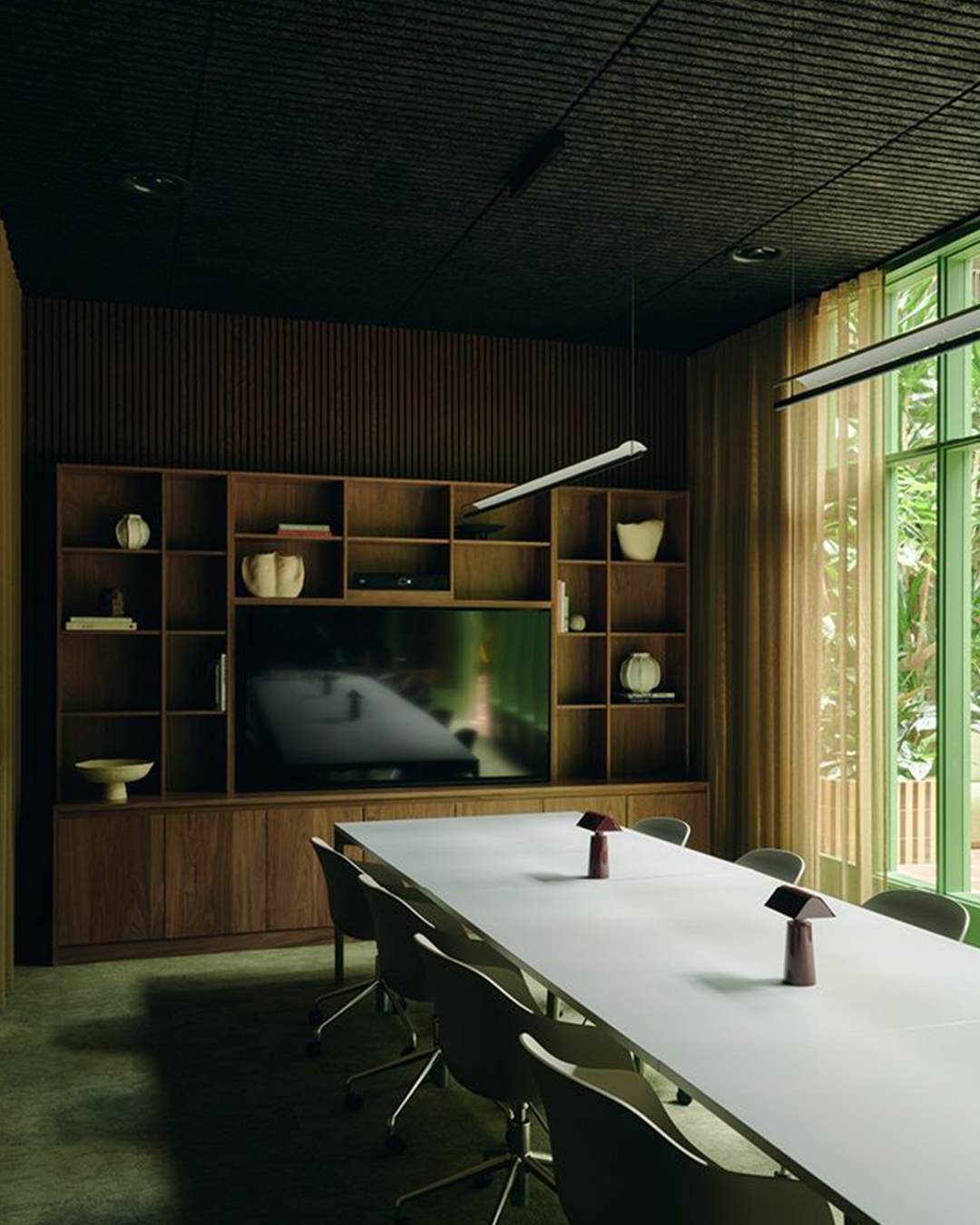
The ceiling is usually the largest reflective surface in a conference and AV room. Covering 50-60% of it with Class A treatment, such as ceiling tiles, rafts or baffles, does more to cut reverberation than any other single measure.
Acoustic Wall Panels
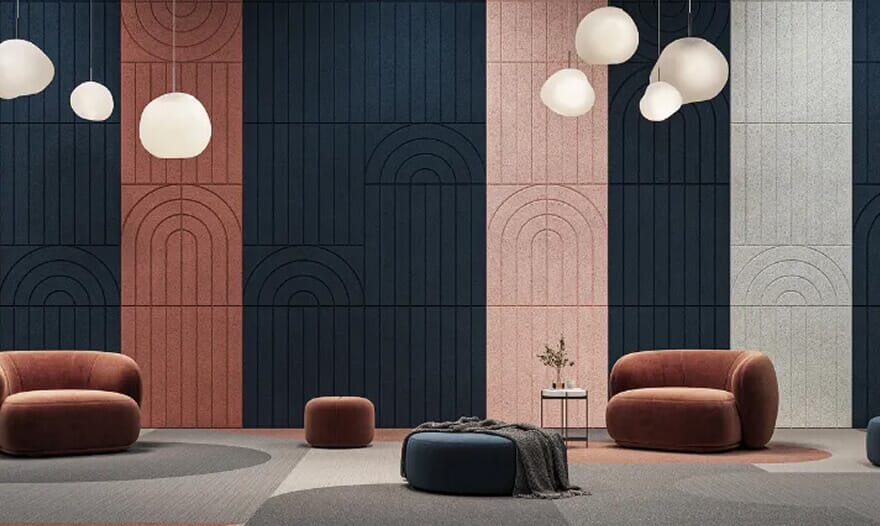
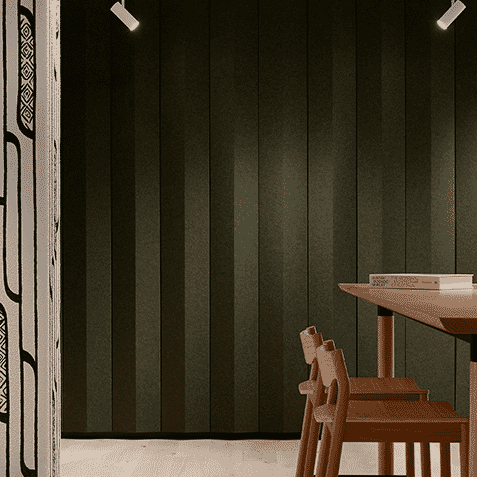
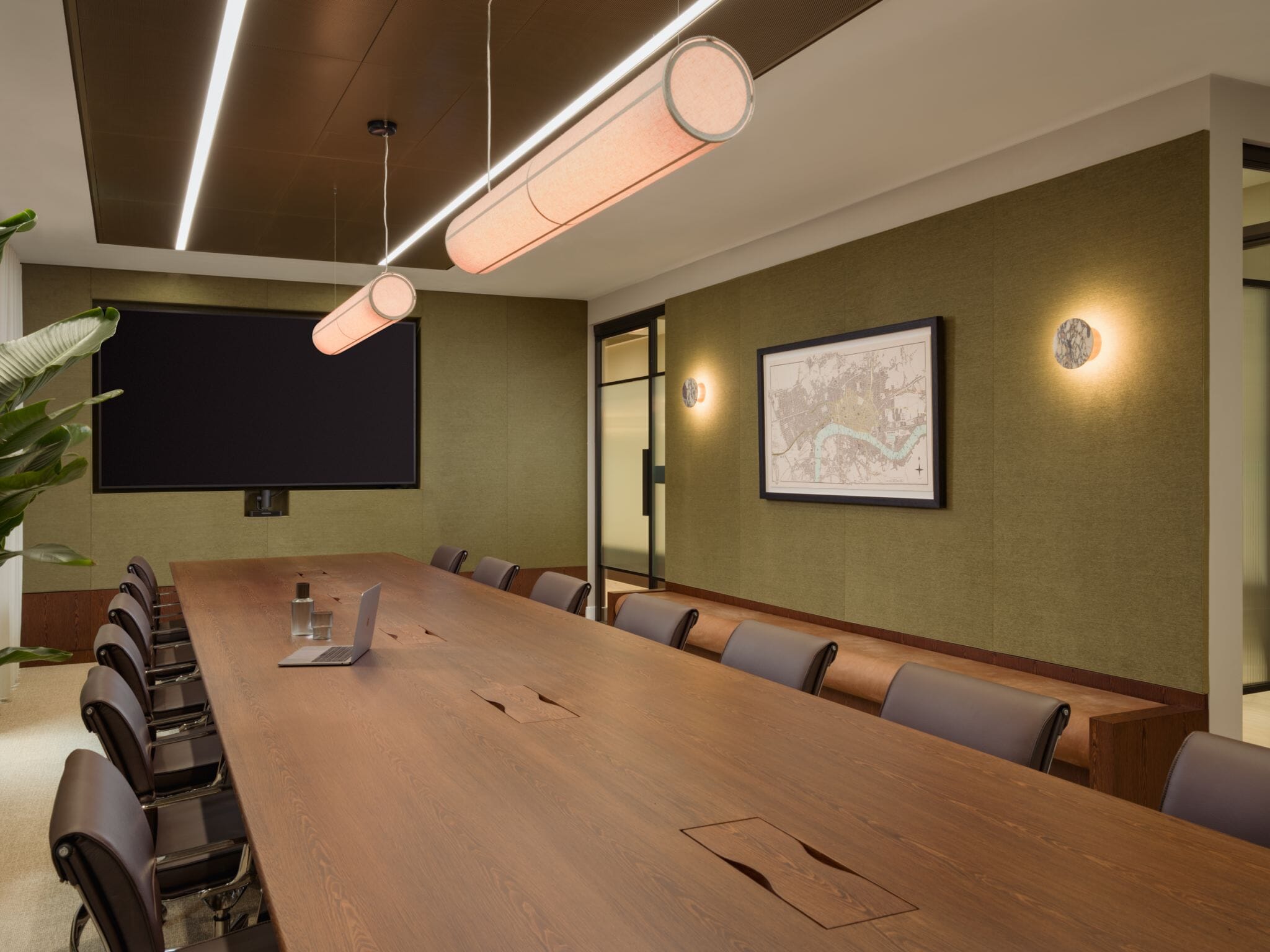
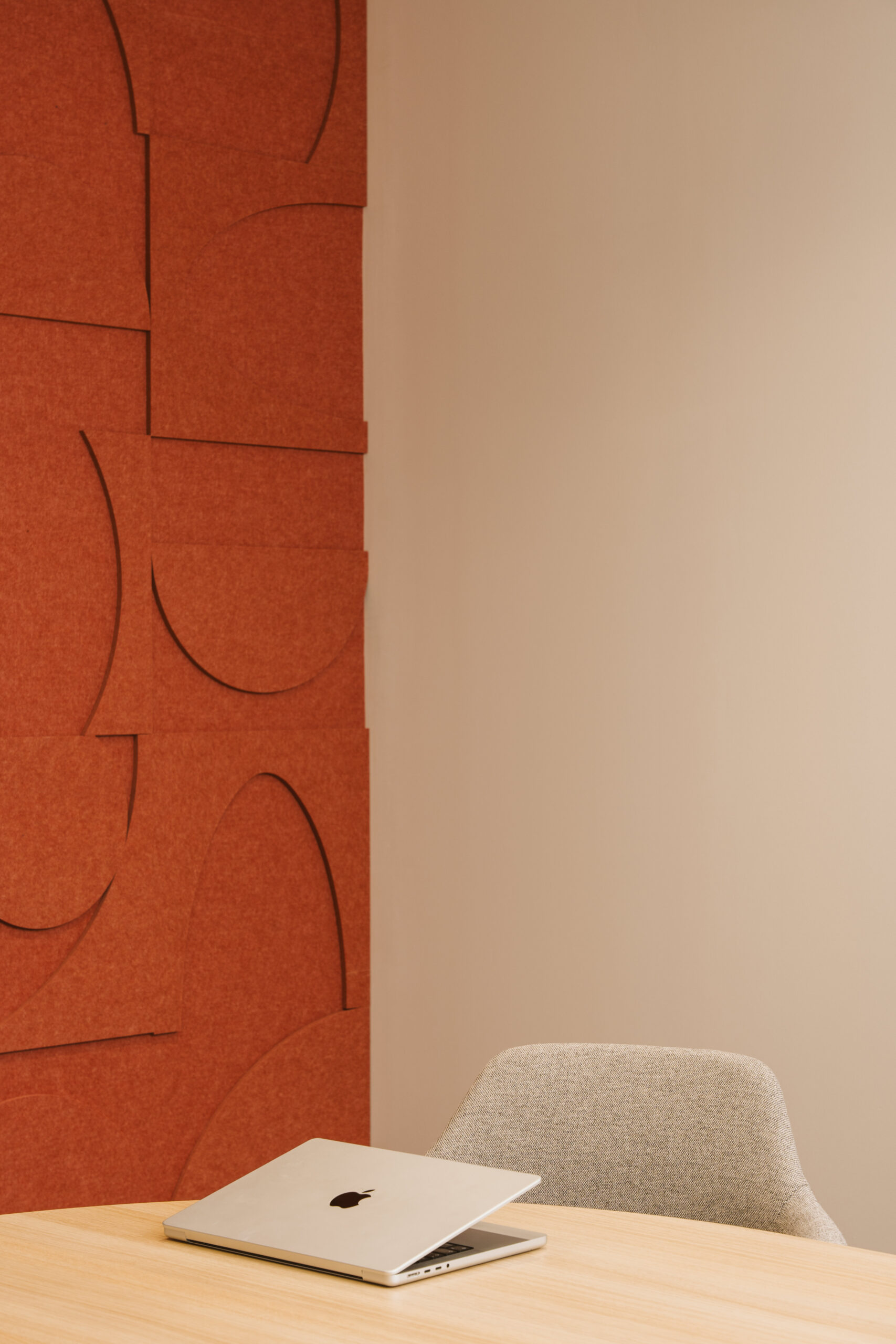
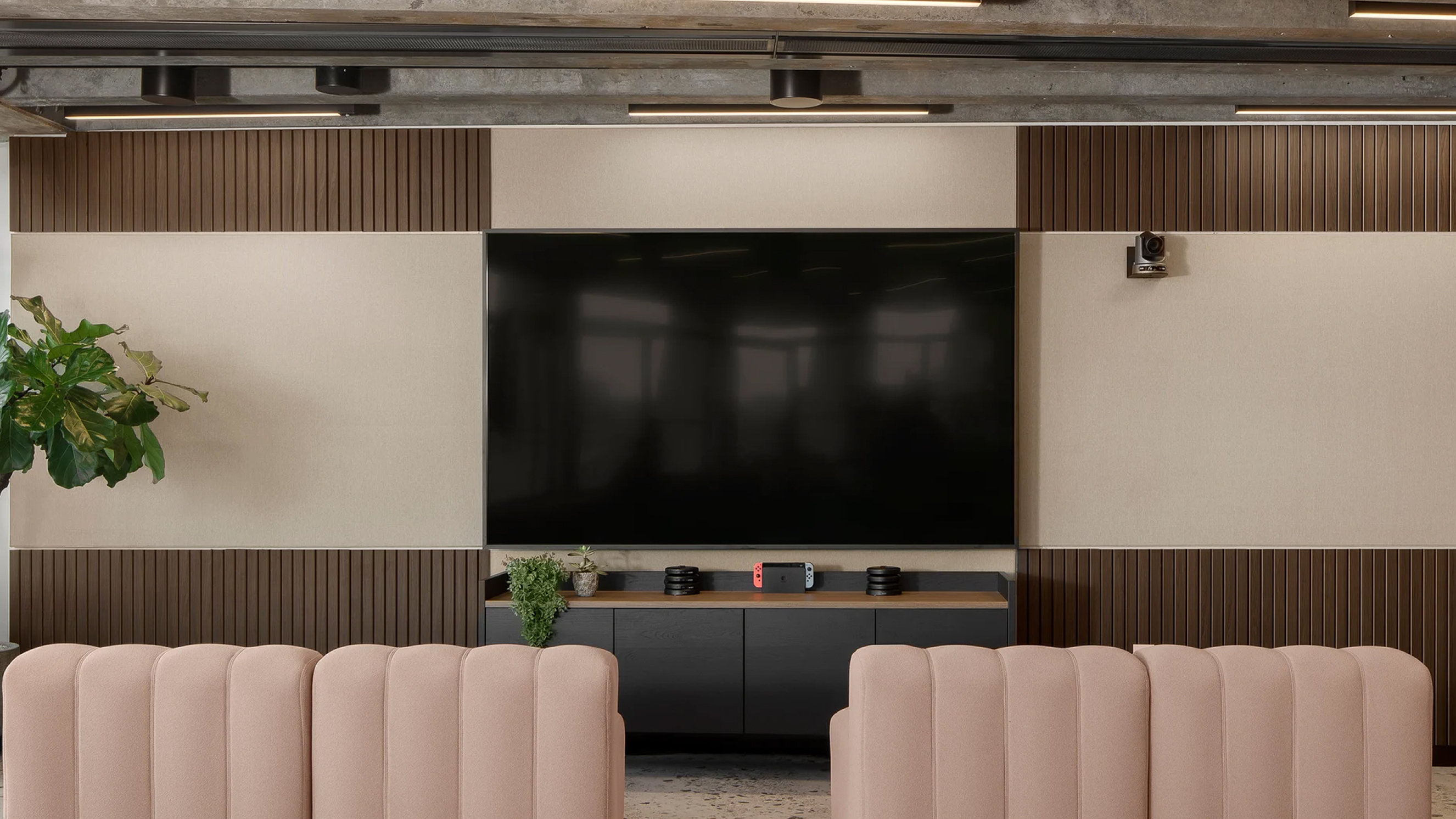
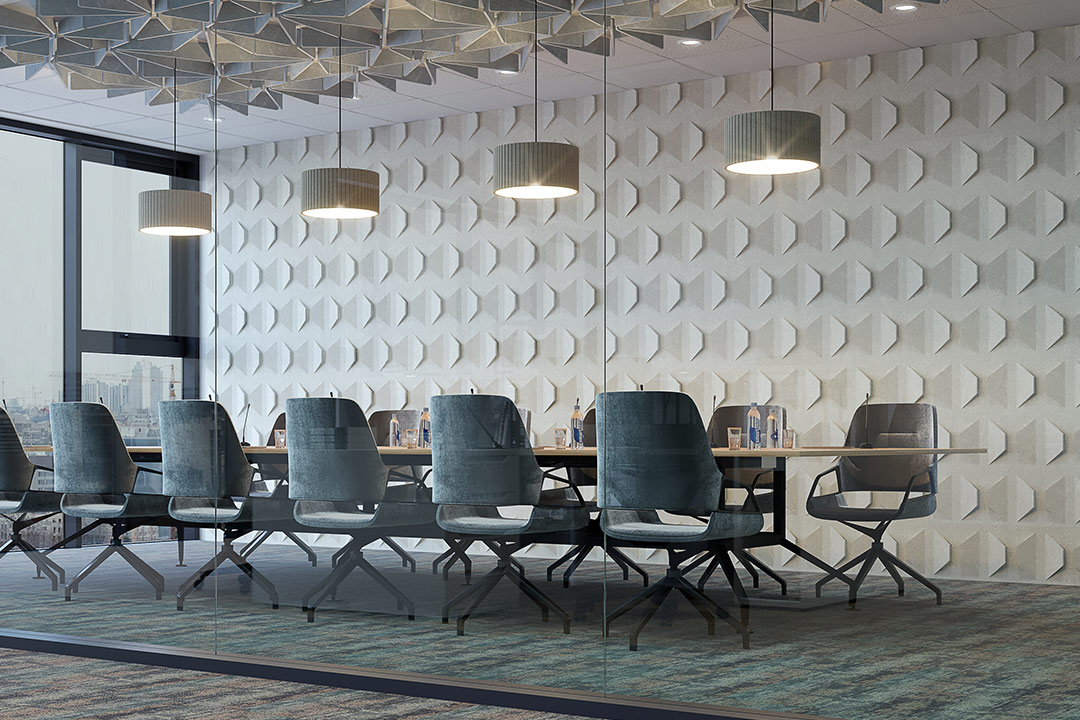
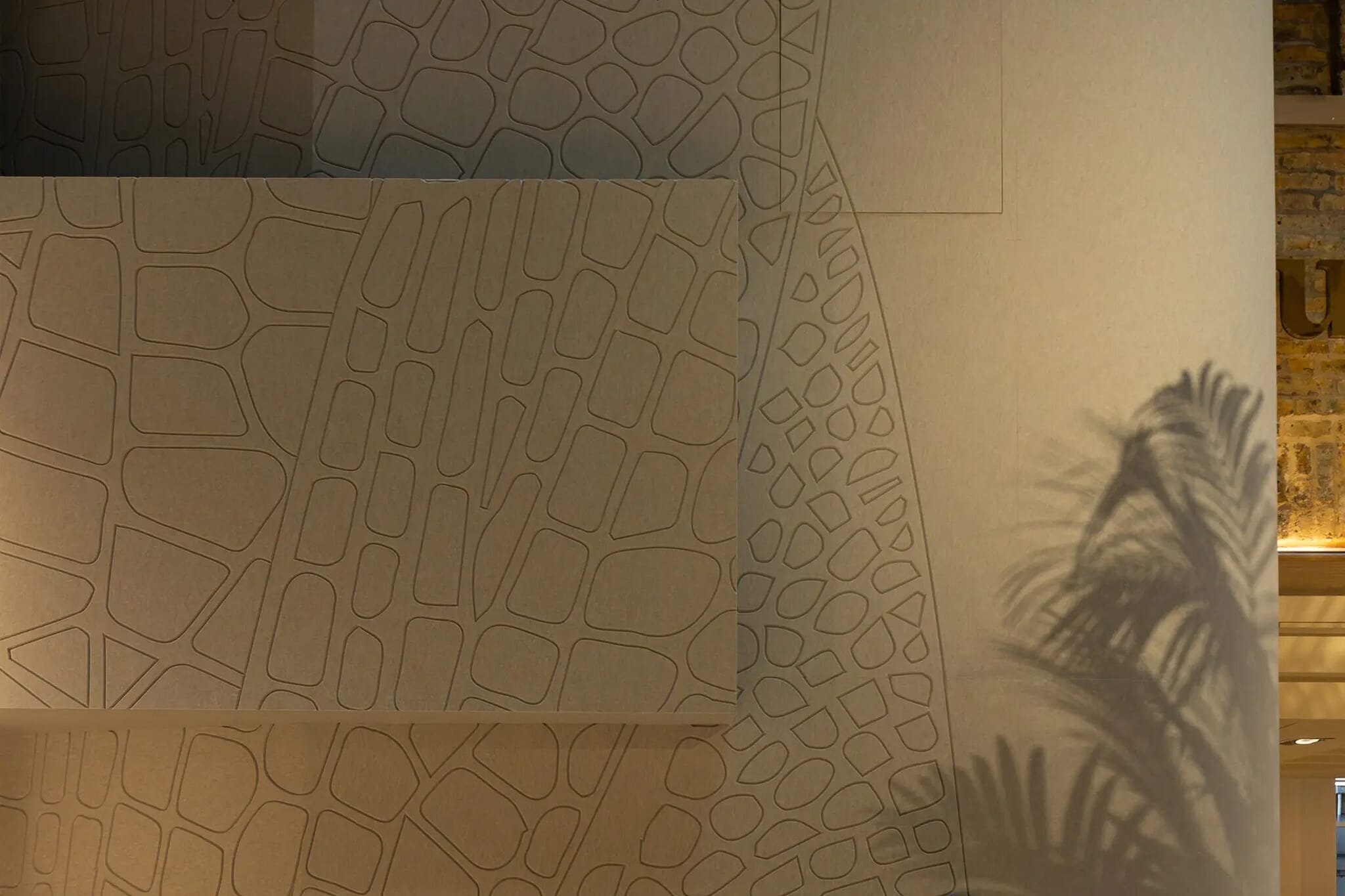
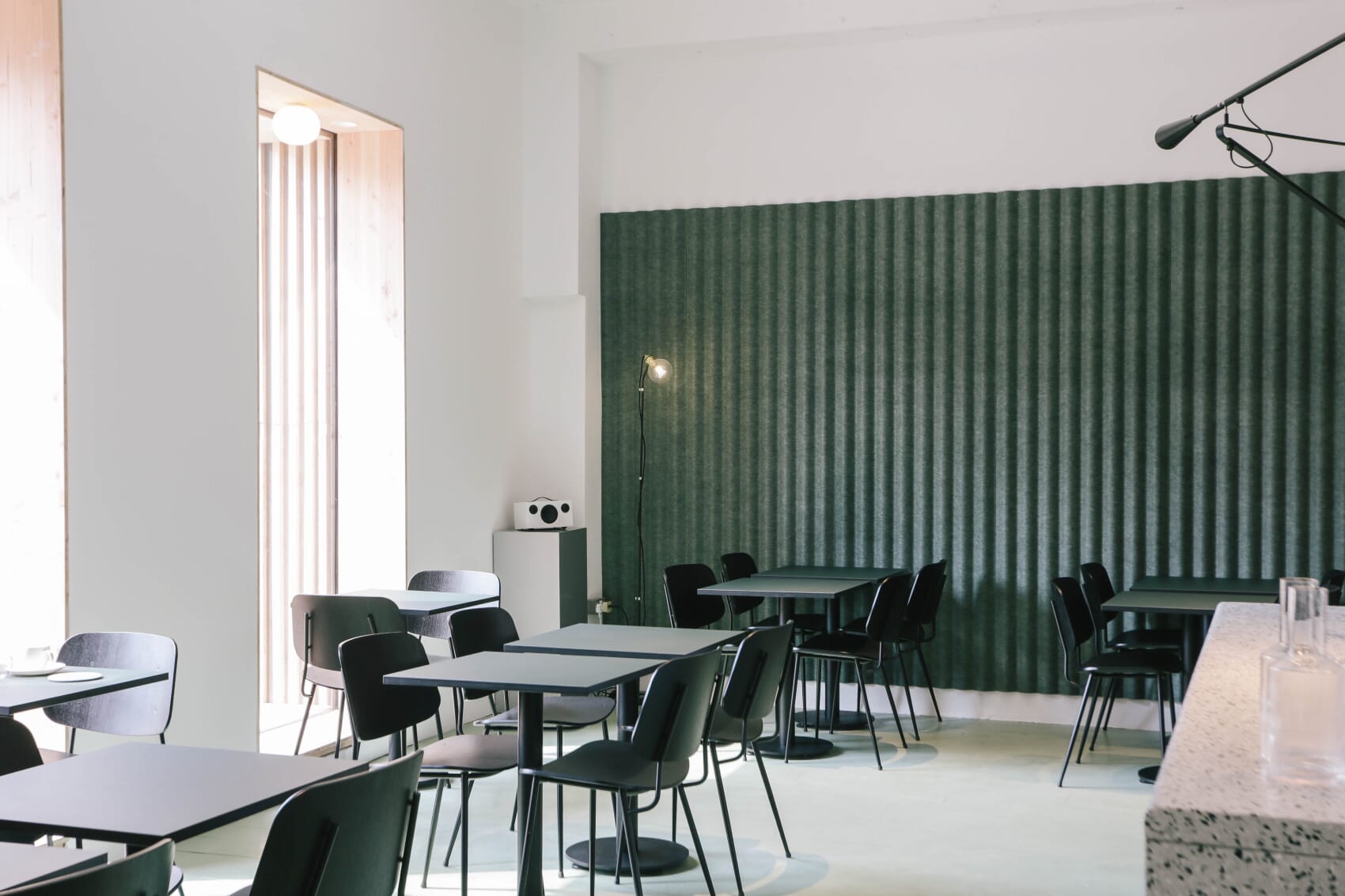
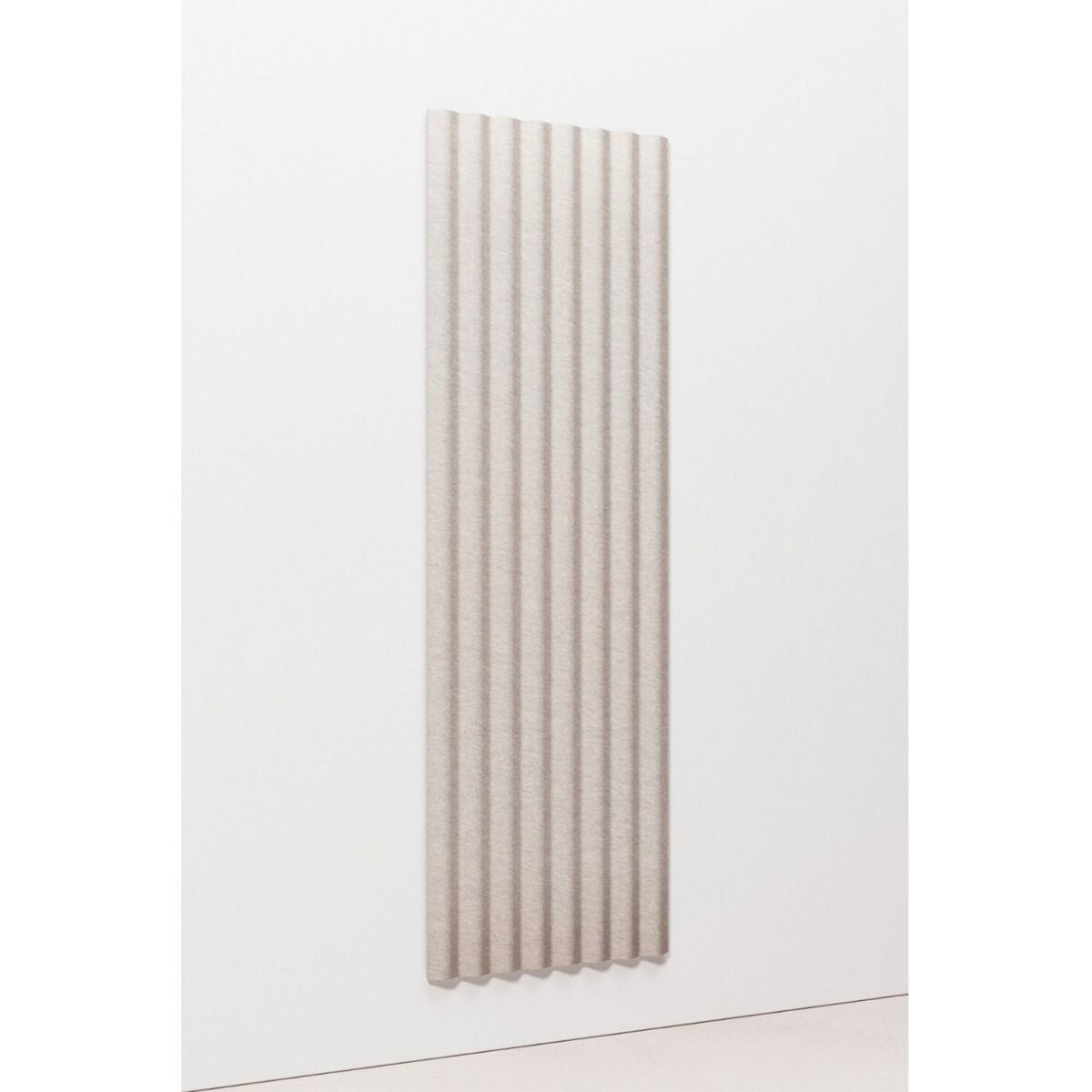
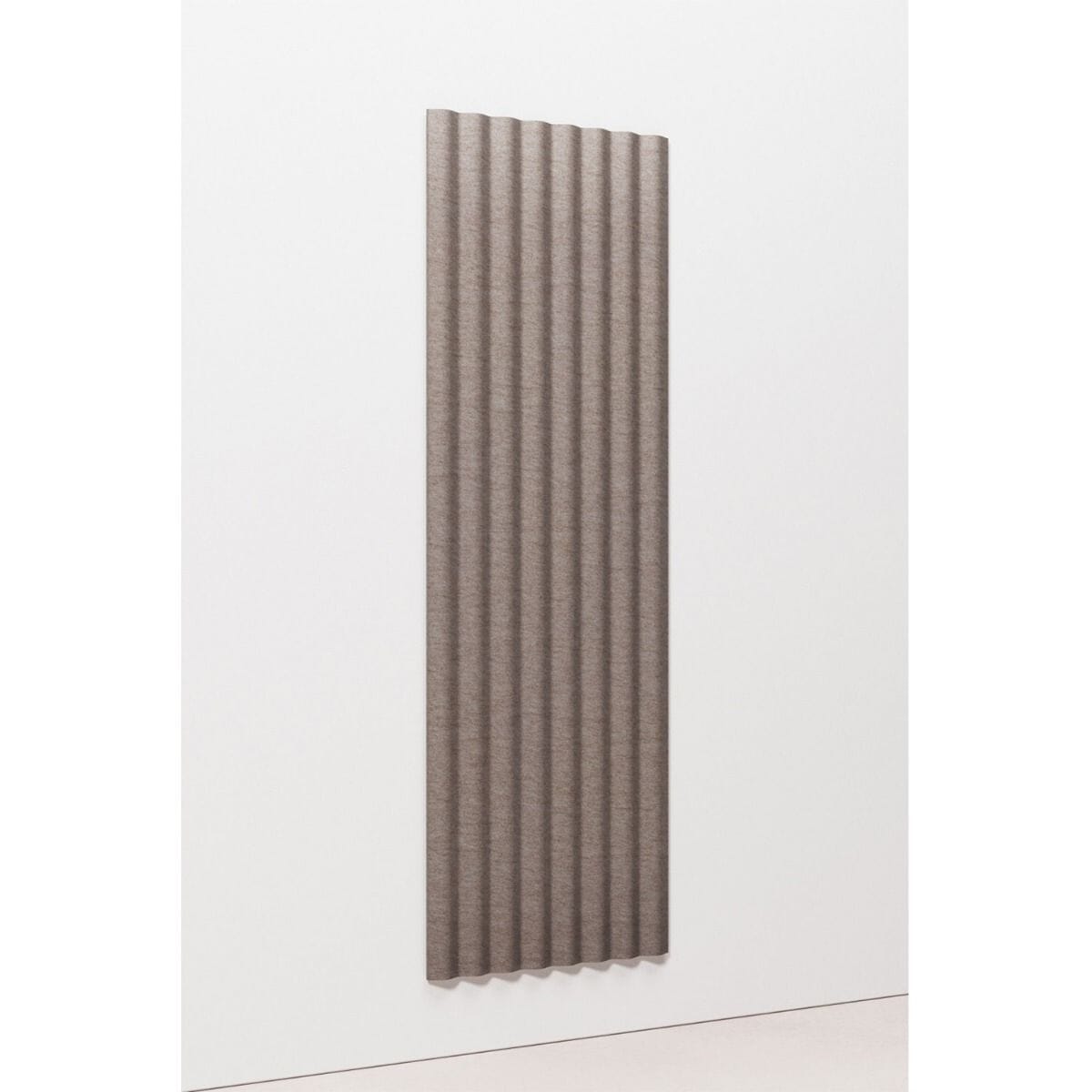
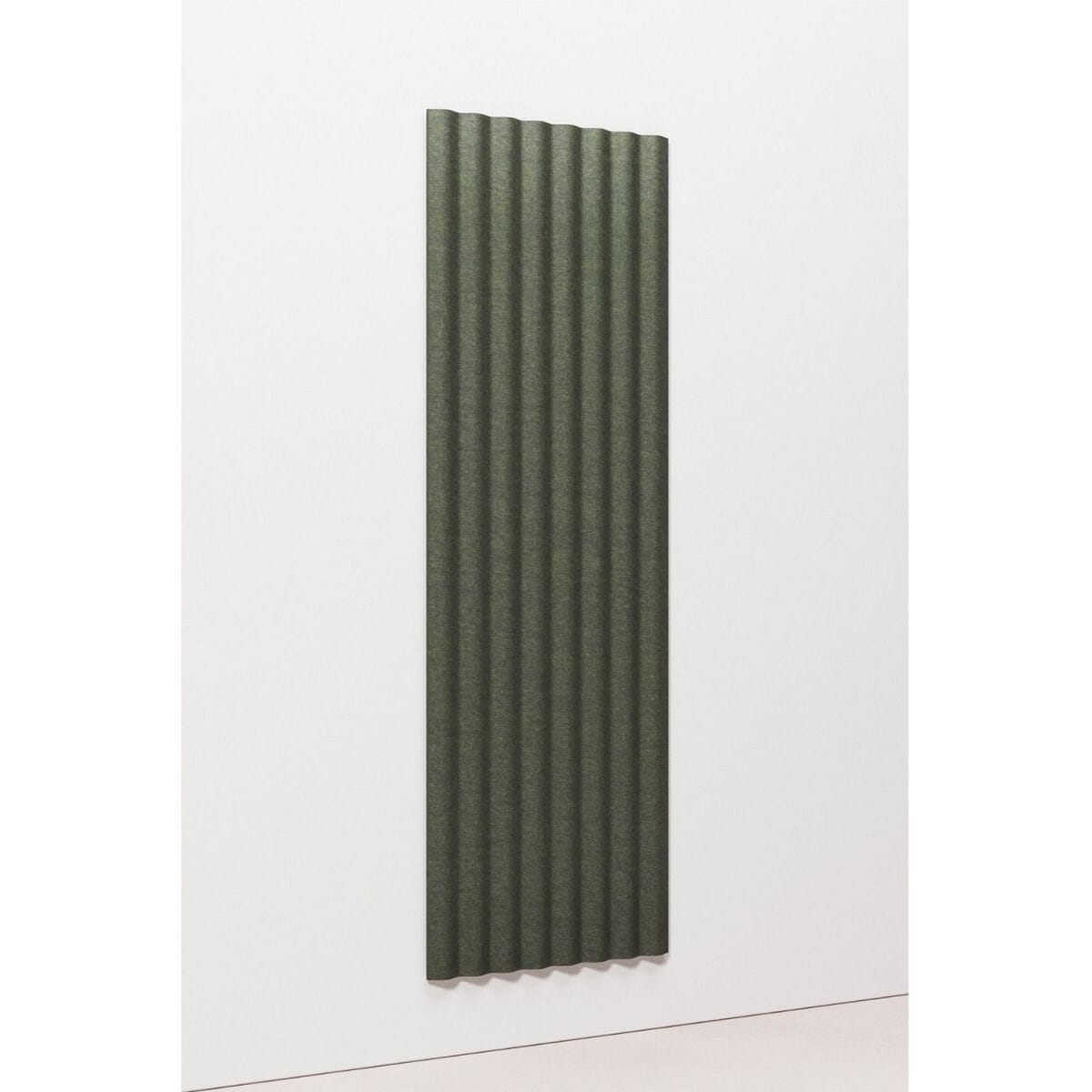
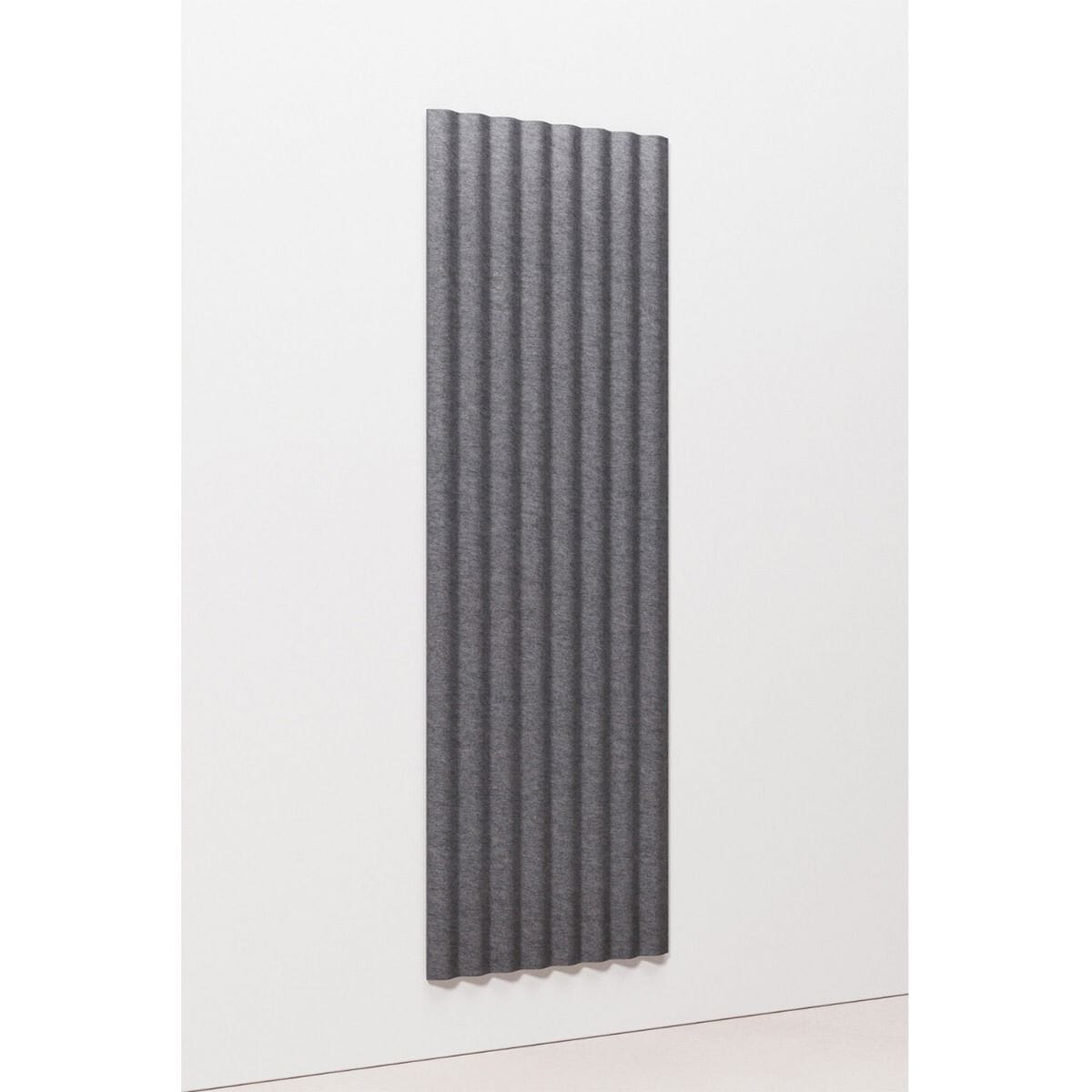
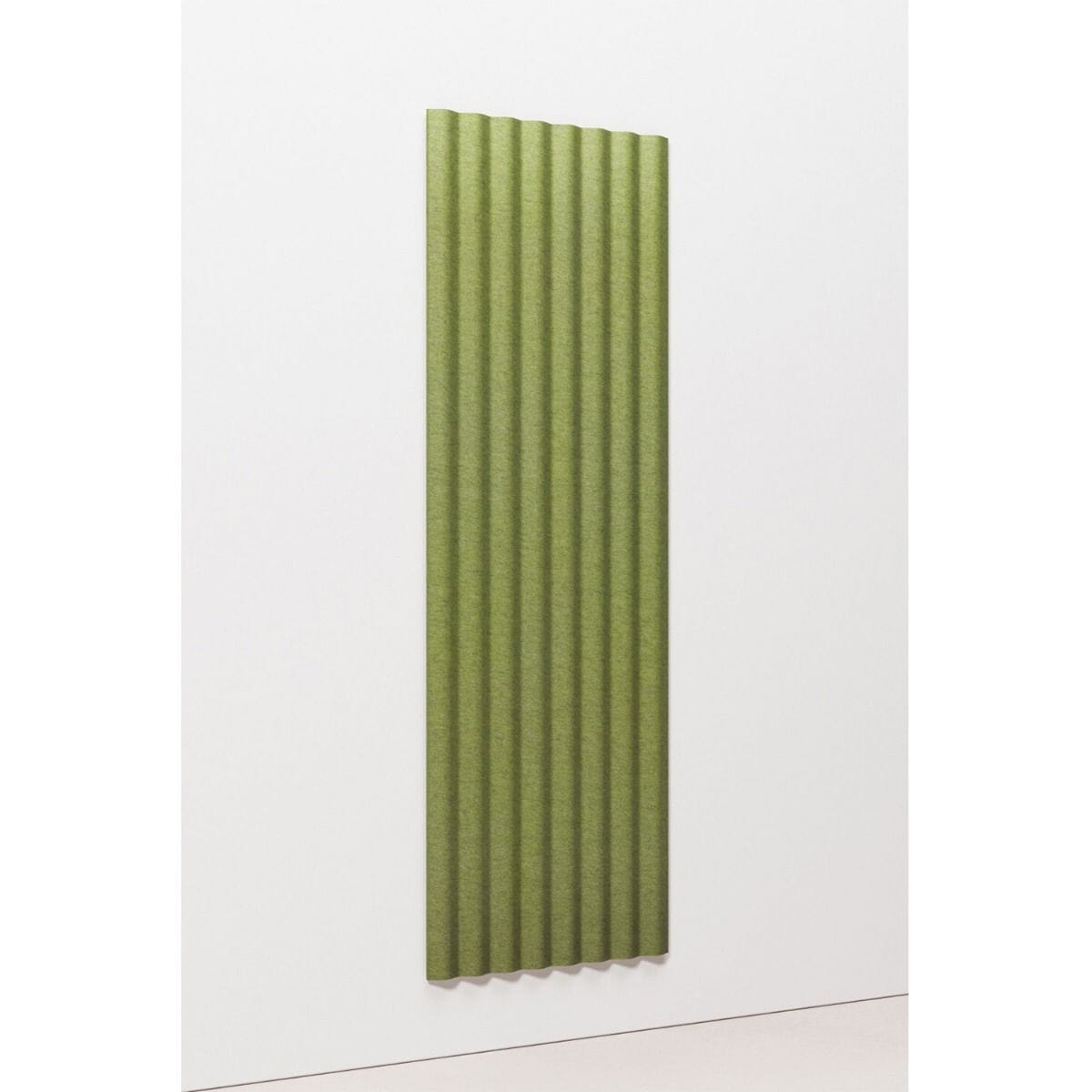
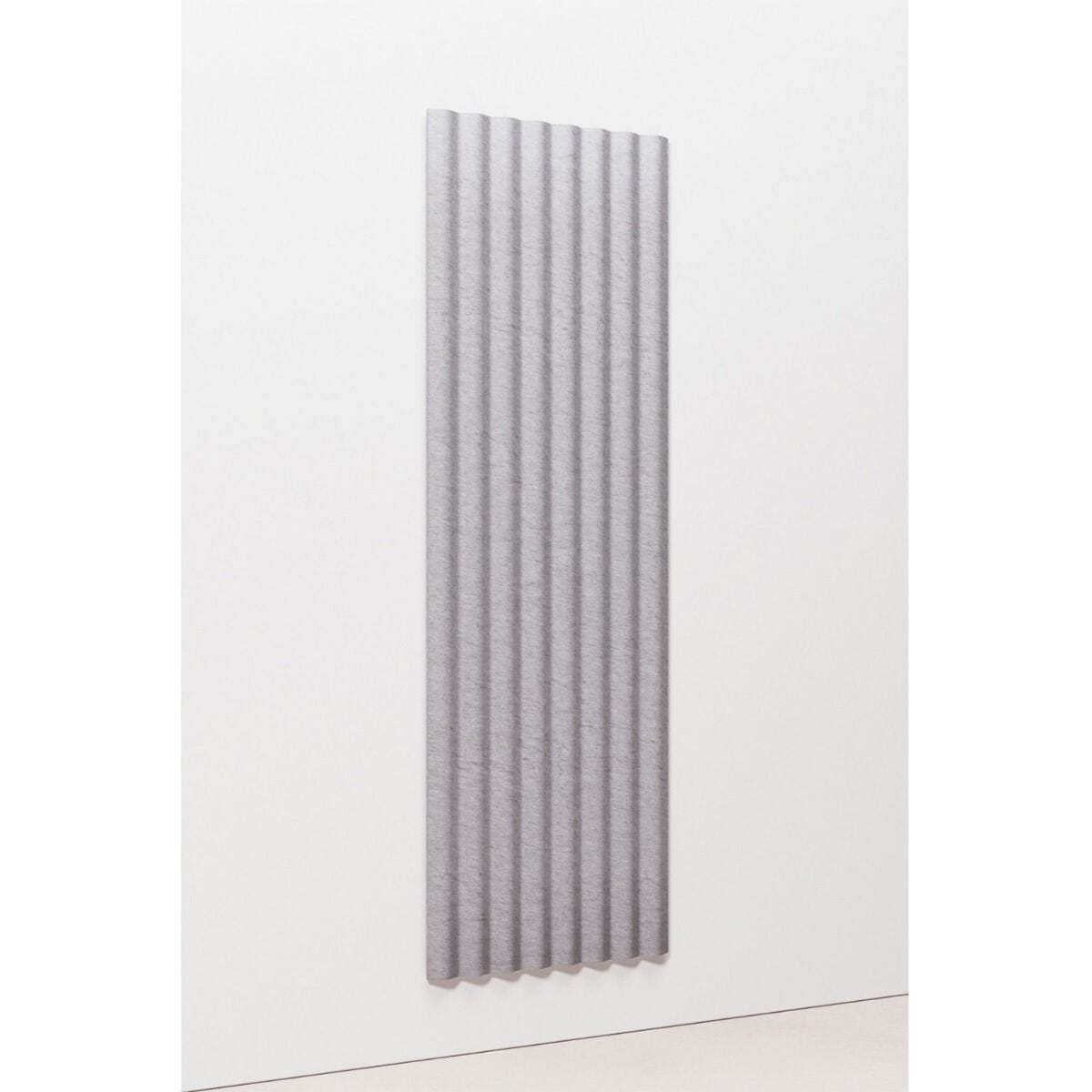
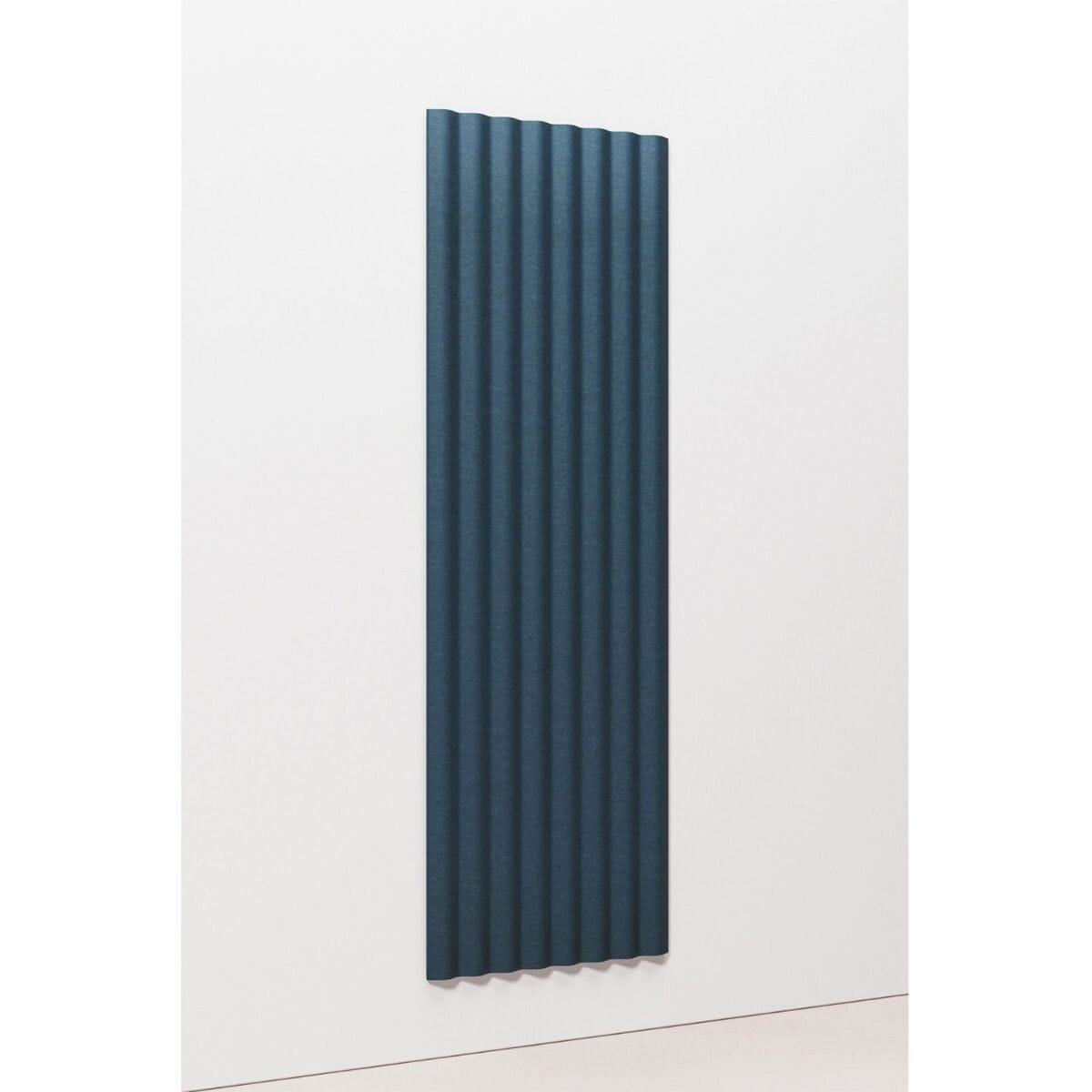
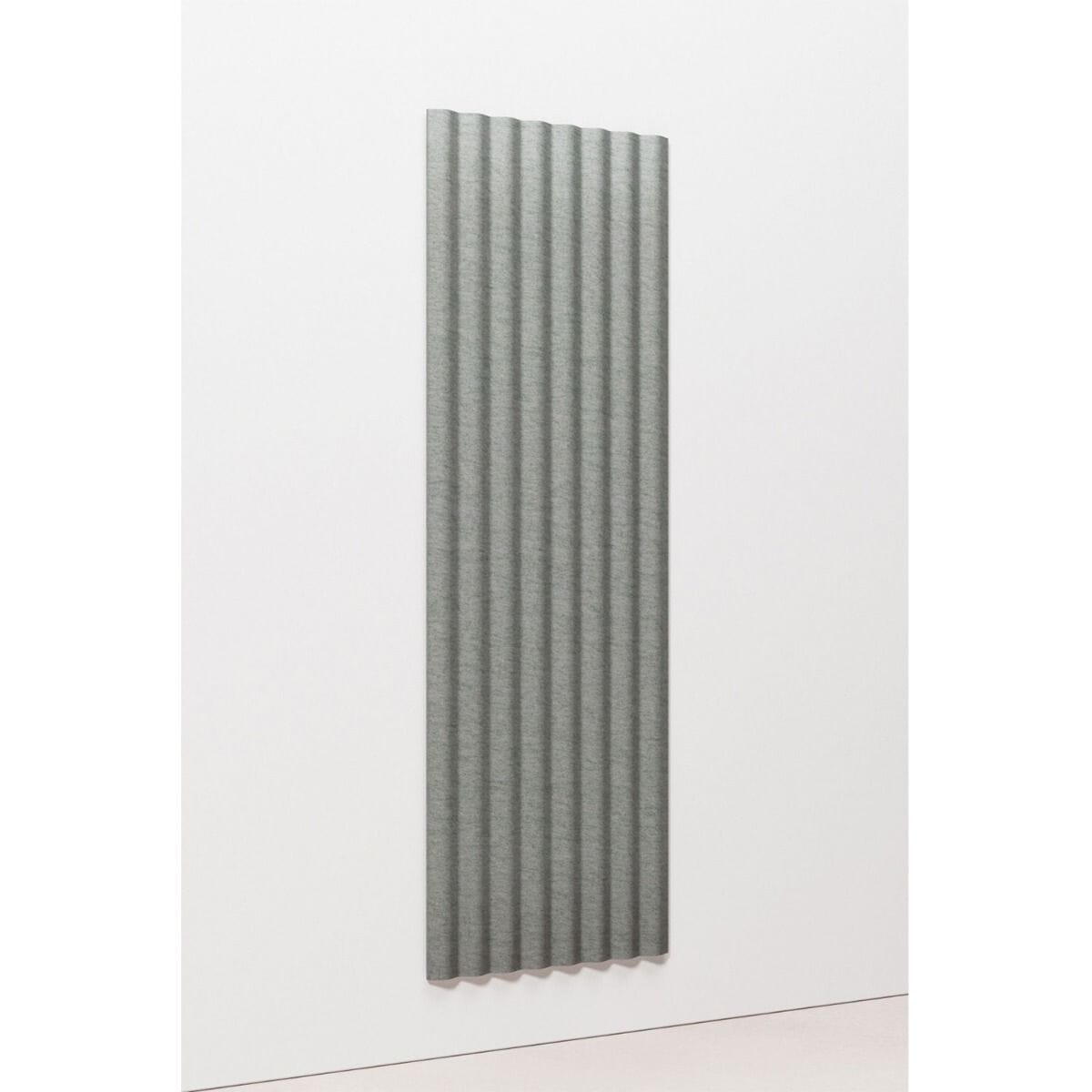
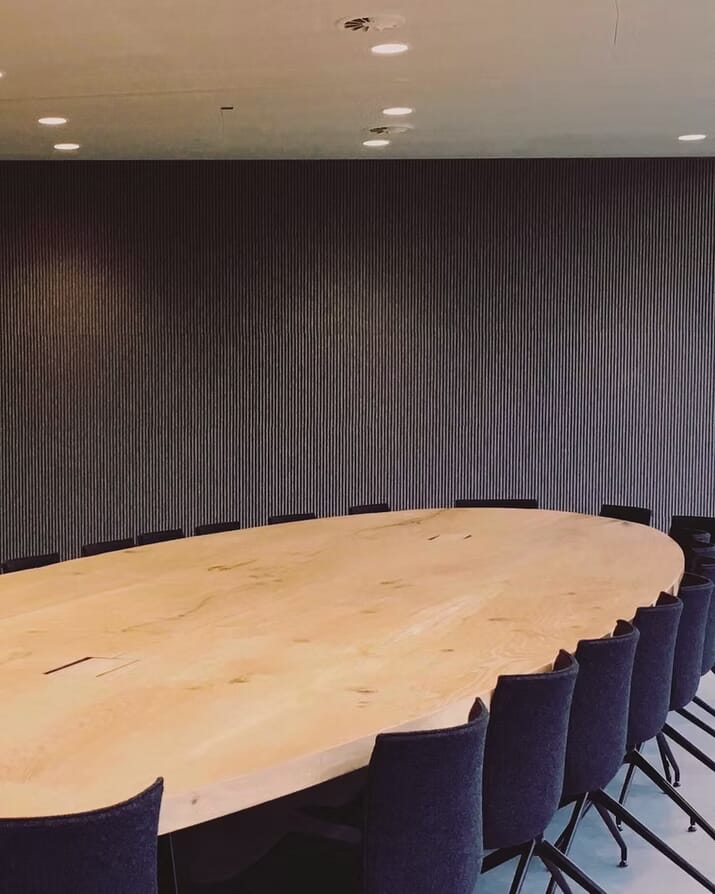
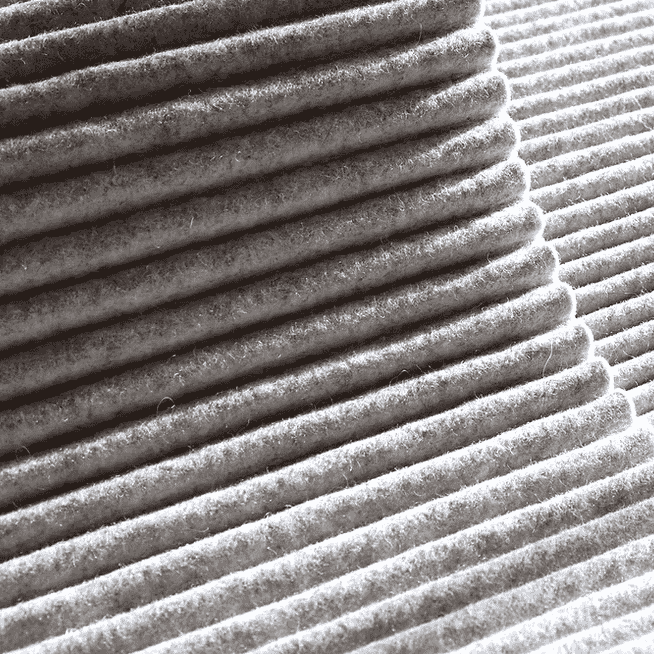
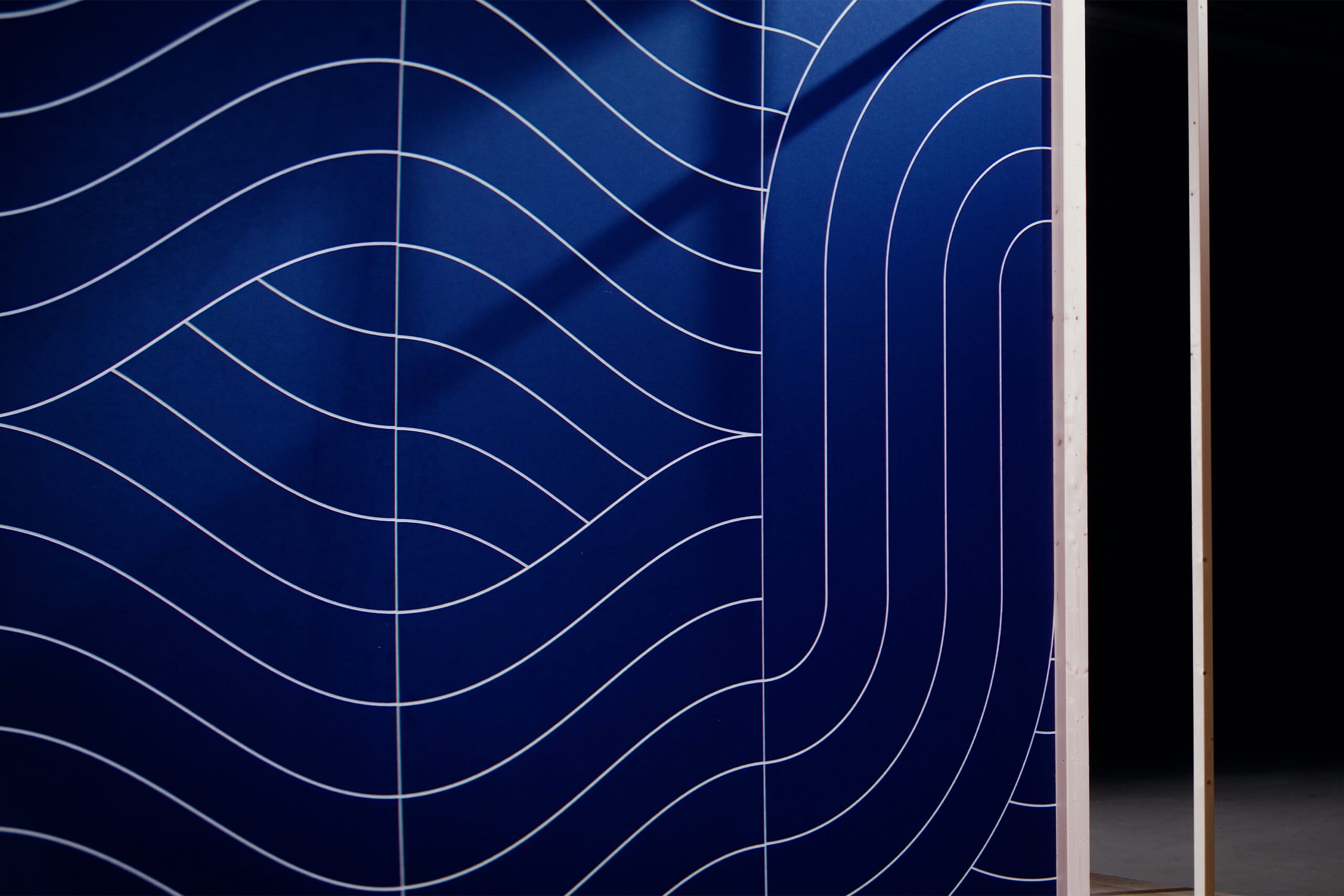
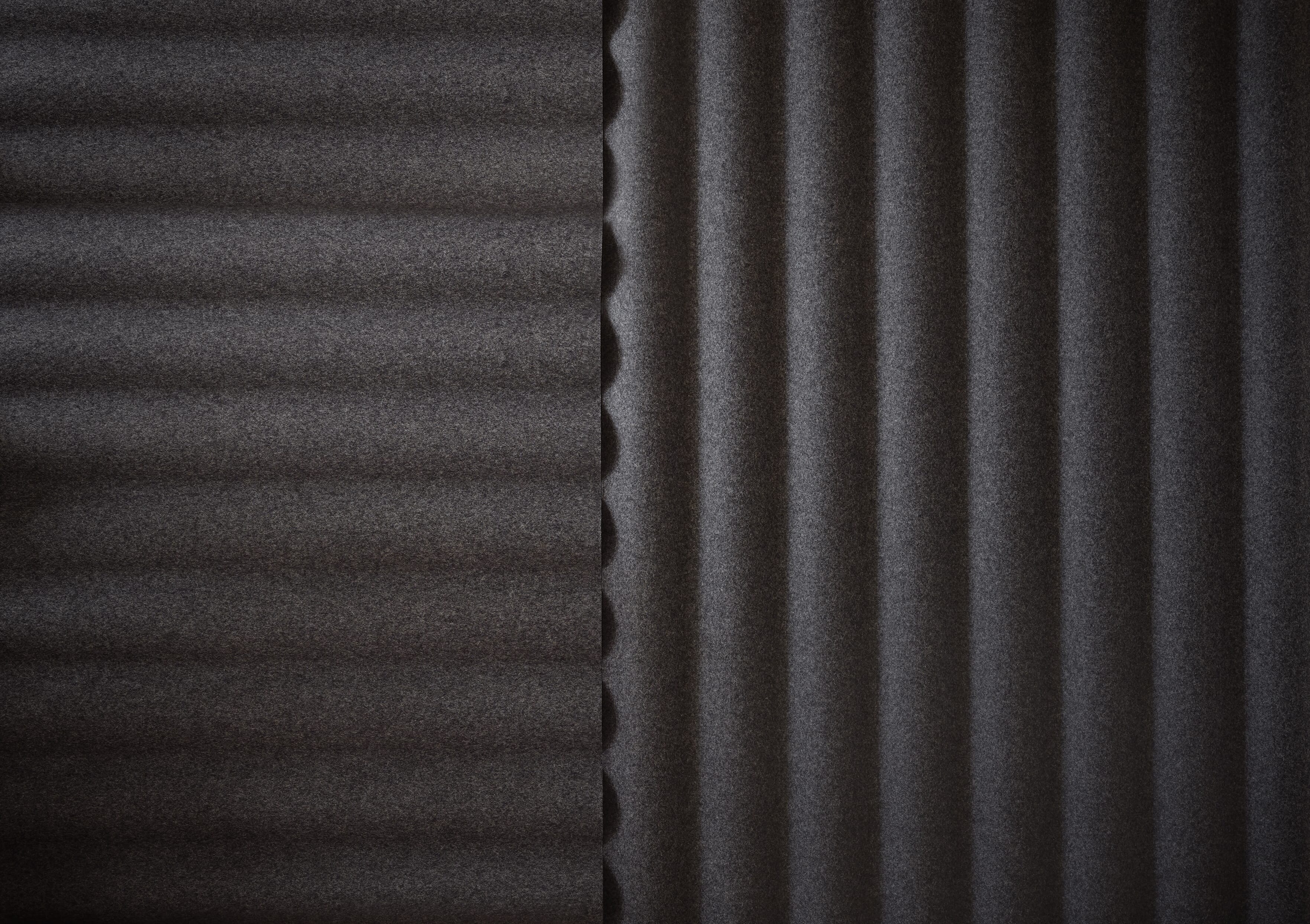
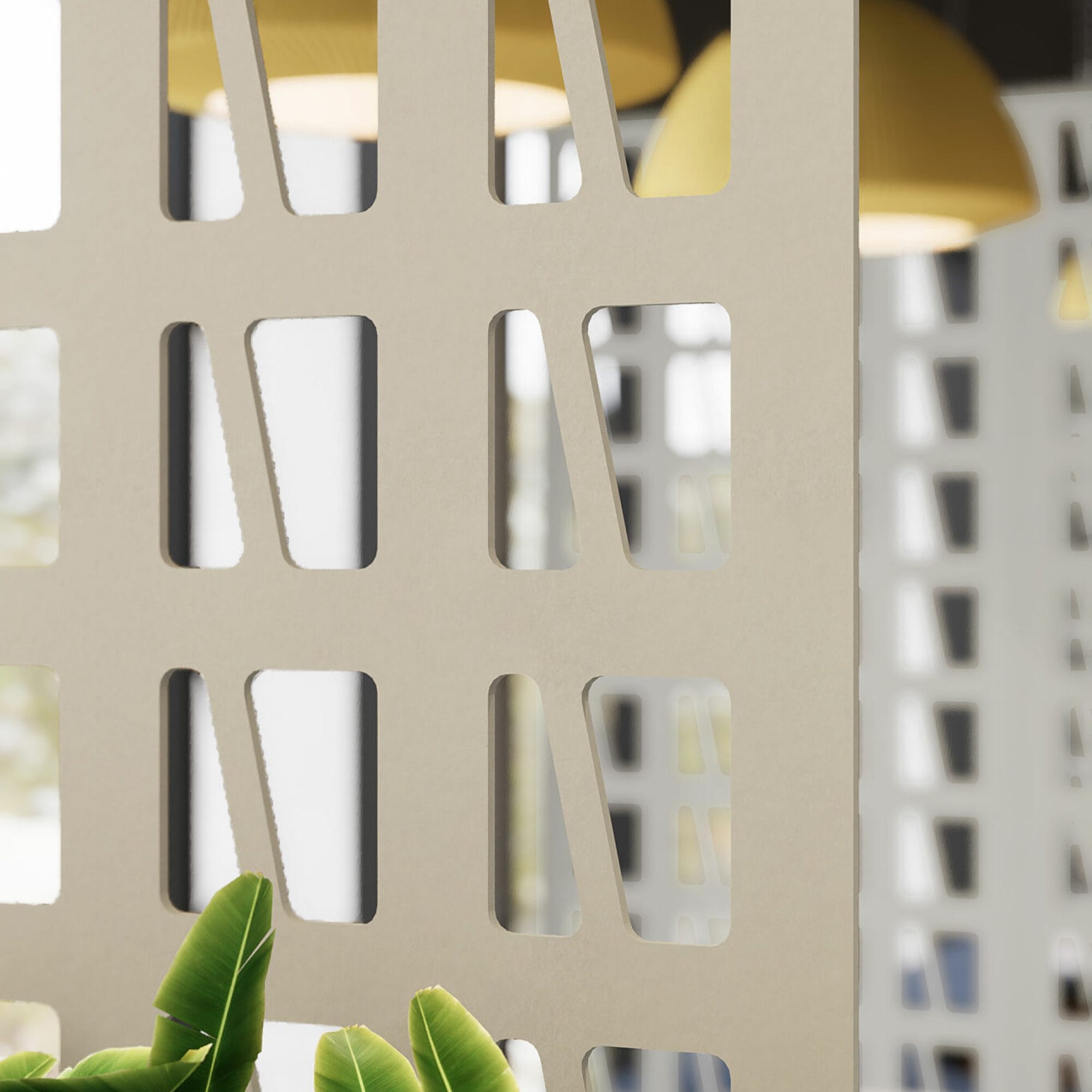
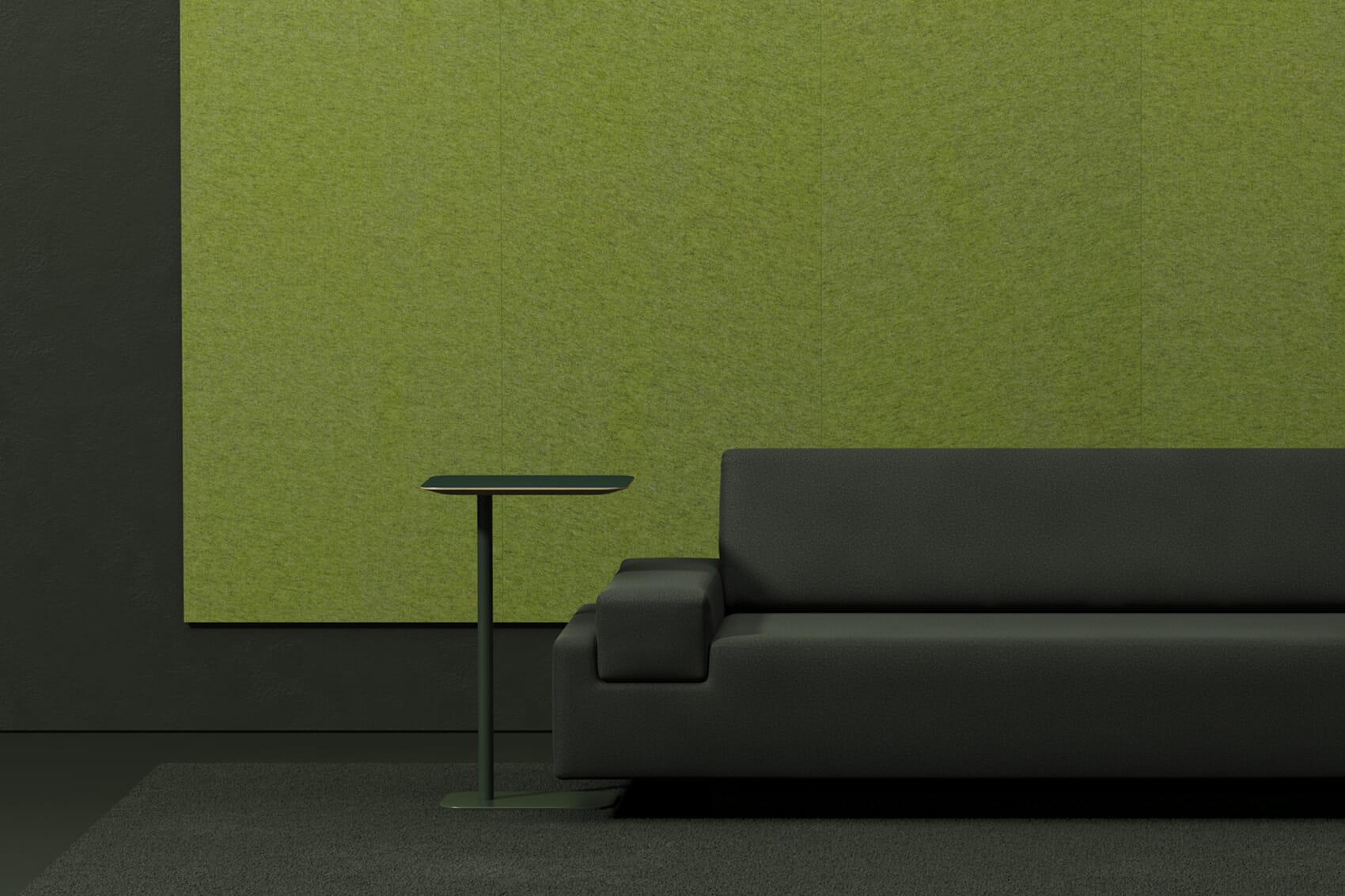
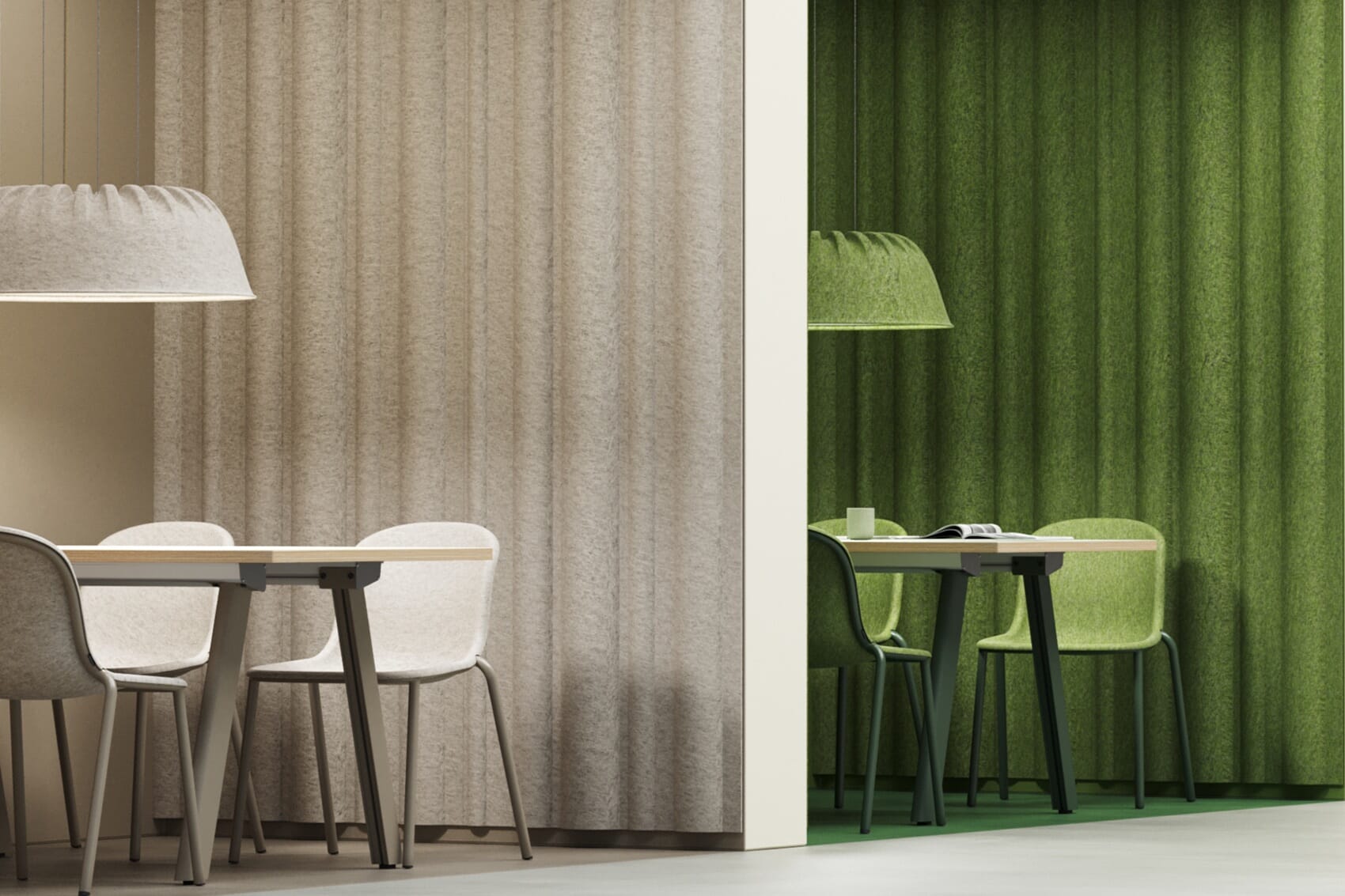
Parallel walls and glass bounce sound back and forth, causing flutter echo. Acoustic panels on facing walls and behind media walls break up those reflections and improve speech clarity.
Sound Masking
Sound masking introduces a subtle background noise that reduces speech intelligibility, so conversations stay private and are harder to overhear. It also minimises distractions for those working nearby.
| Room type | Typical Size | Target Reverberation |
|---|---|---|
| Small meeting room | 2-6 people | 0.4-0.6s |
| Conference room / boardroom | 8-20 people | 0.4-0.6s |
| Large conference room or training room | 20+ people | 0.5-0.8s |
| AV | Any | 0.3–0.4s |

How to reduce echo in a conference room
Echo comes from sound reflecting off hard, parallel surfaces. To reduce it:
- Treat the ceiling first. It has the biggest impact on reverberation time.
- Add wall panels behind media walls to reduce the reflections speakers pick up.
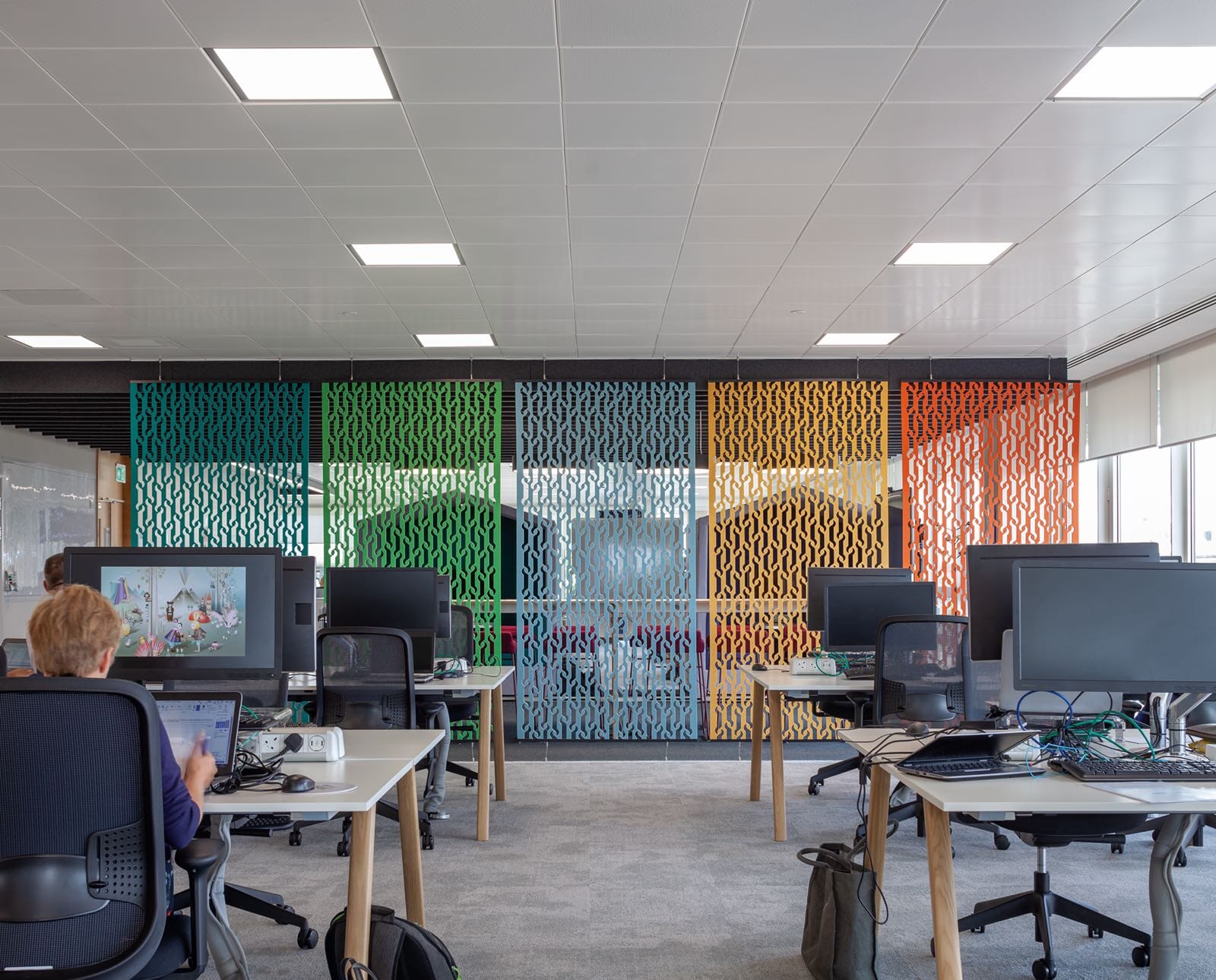
- Break up large areas of glass with acoustic screens or curtains.
An acoustic survey measures your room’s reverberation time, so treatment is sized correctly, not guessed.
Need expert acoustic advice?
Call us on 020 7858 1030 or request a quote below—we’ll contact you.
Request a Quote
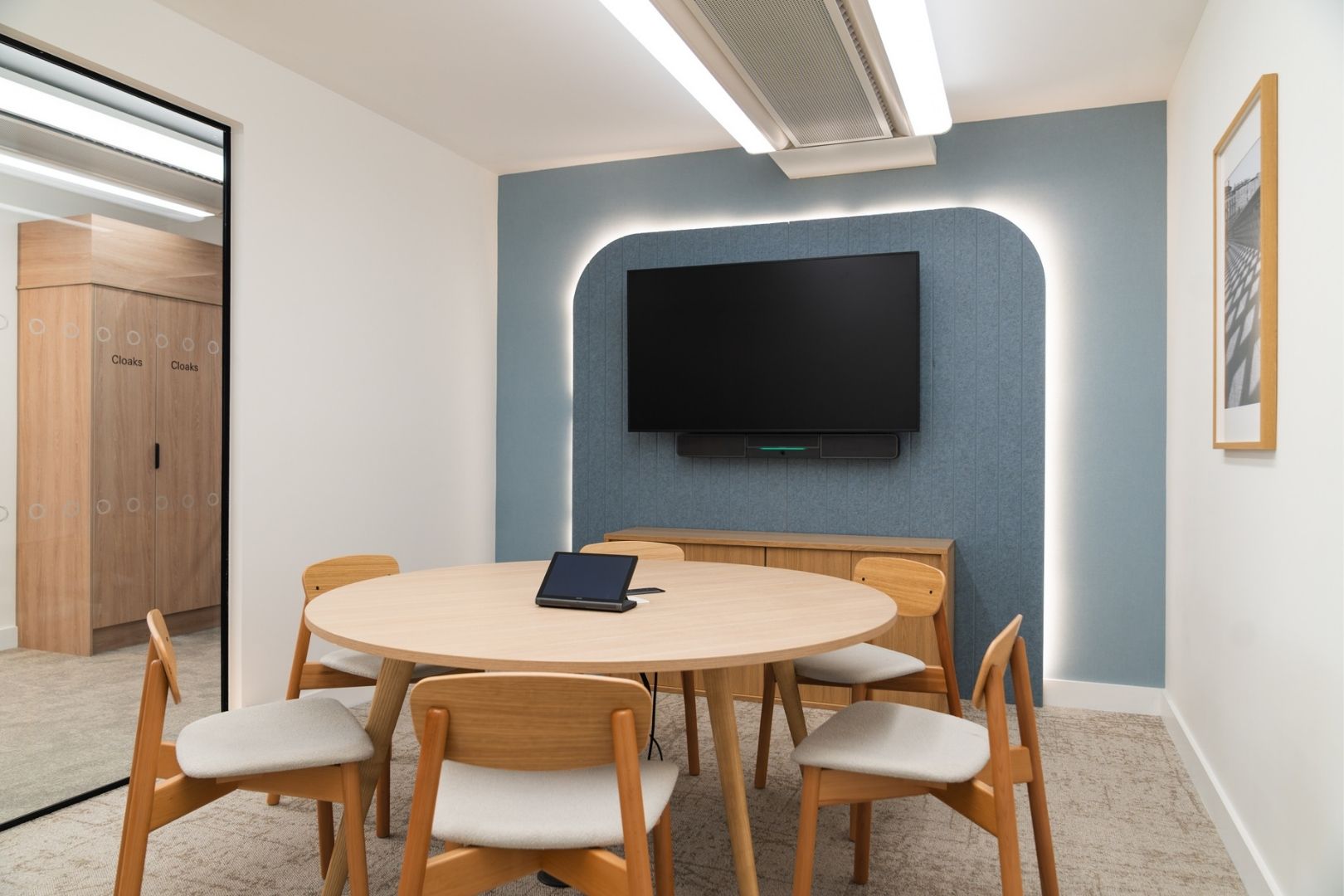
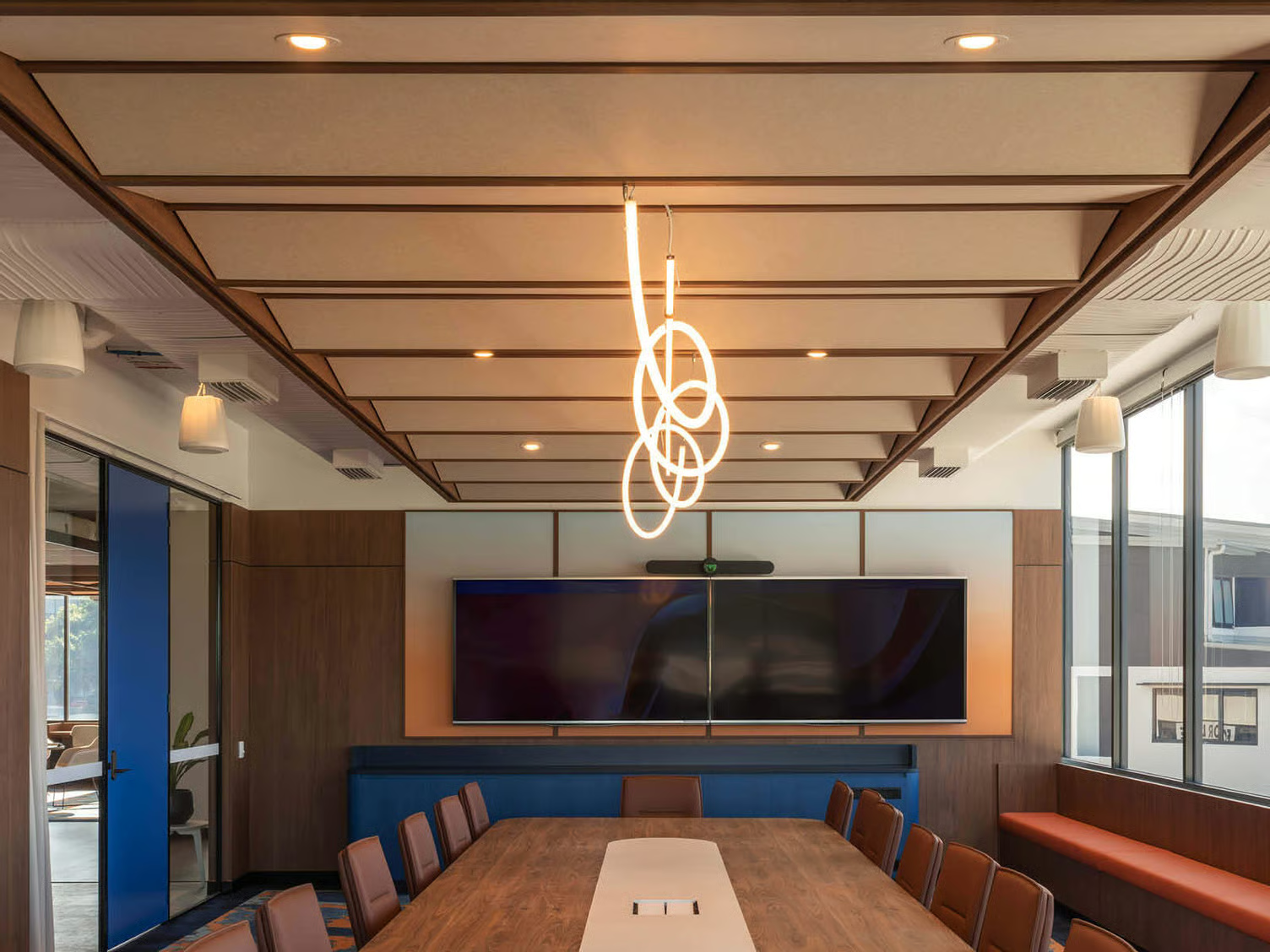
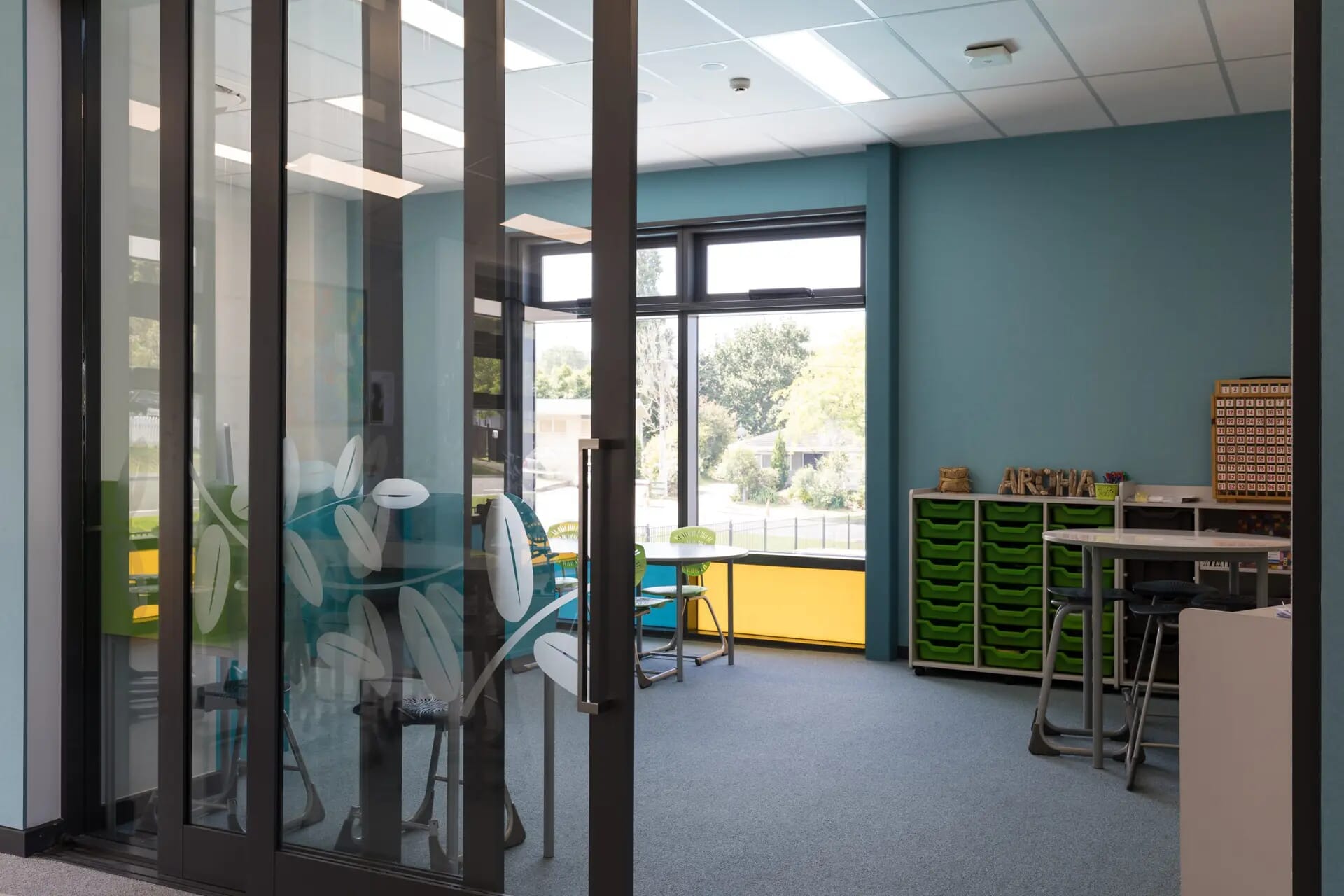
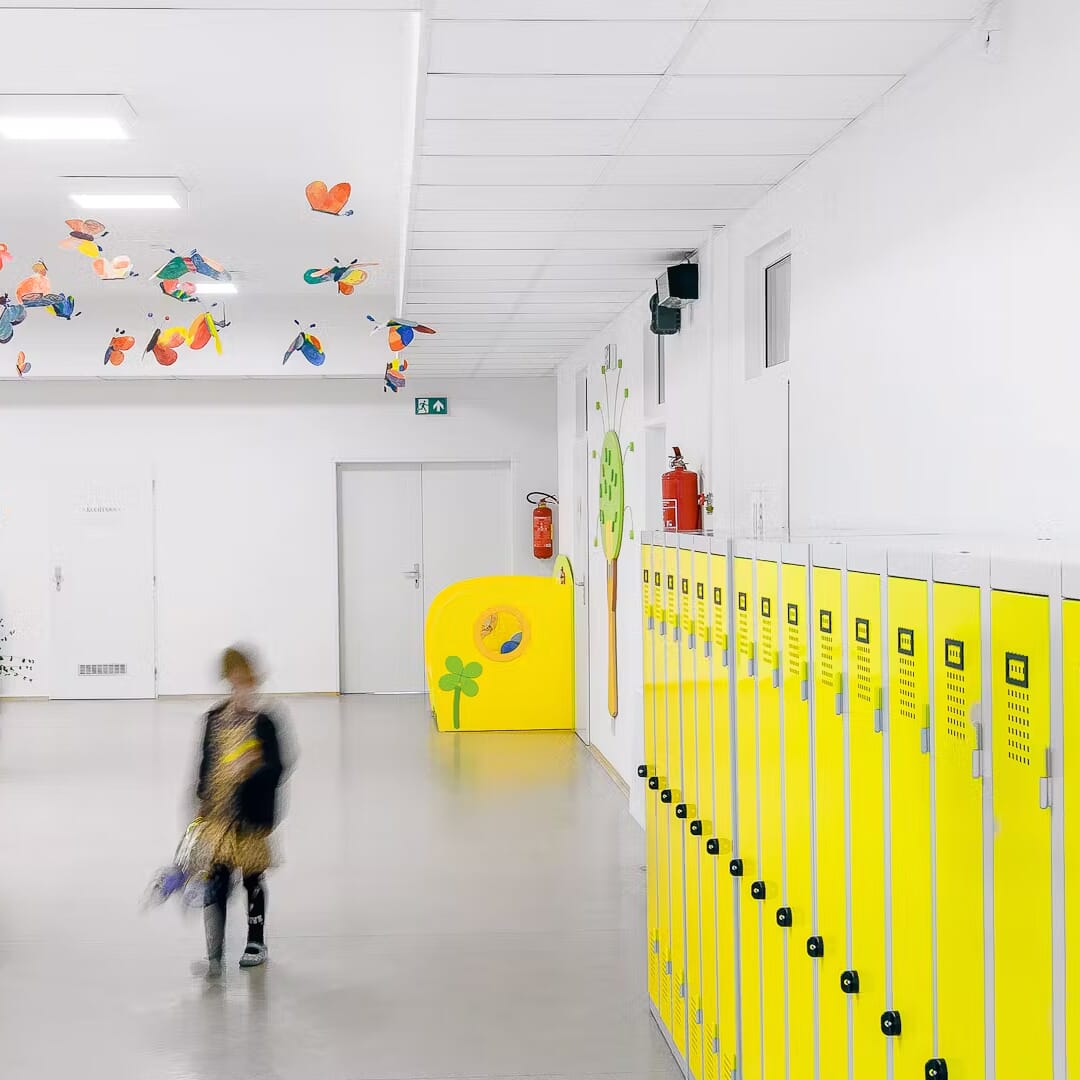
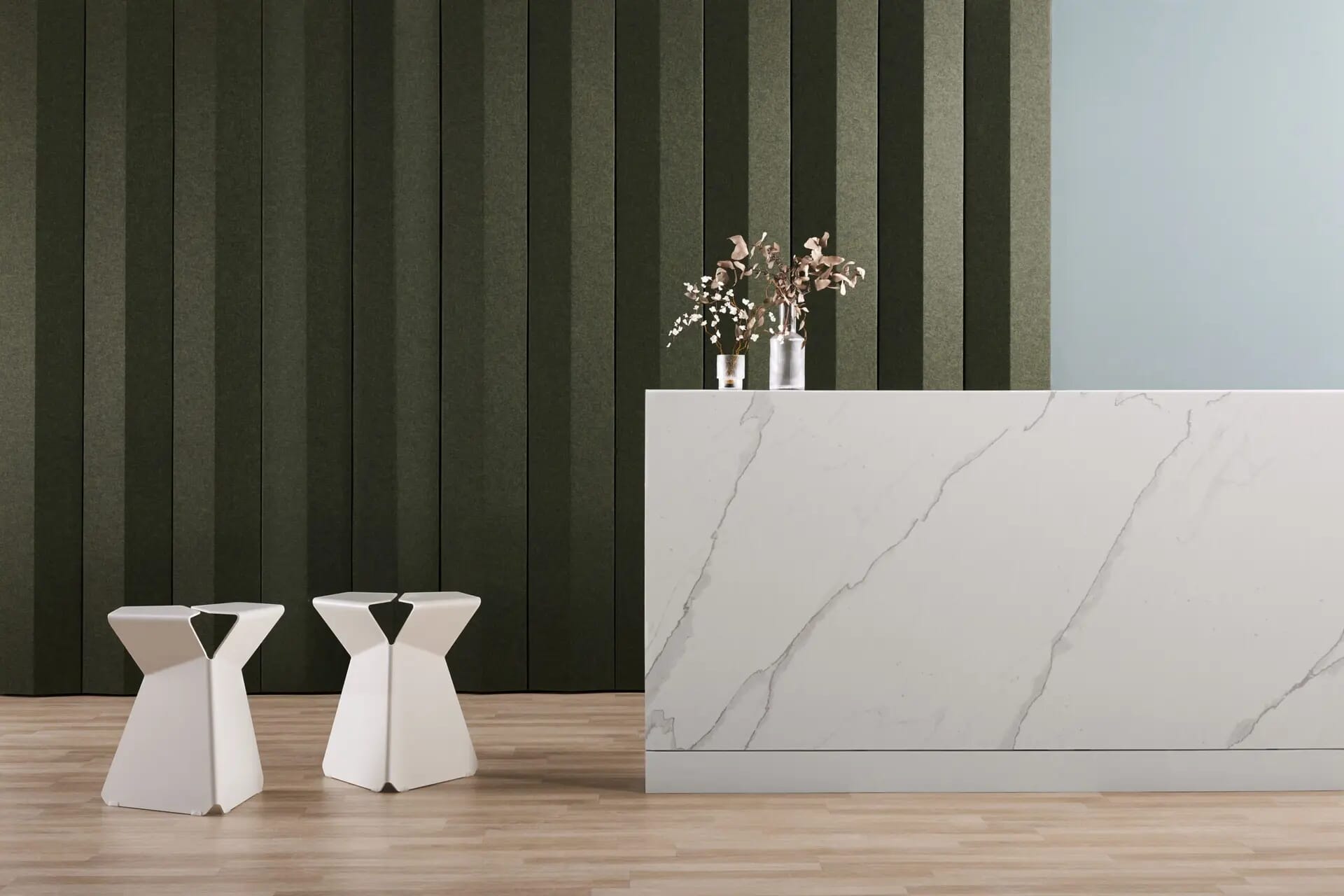
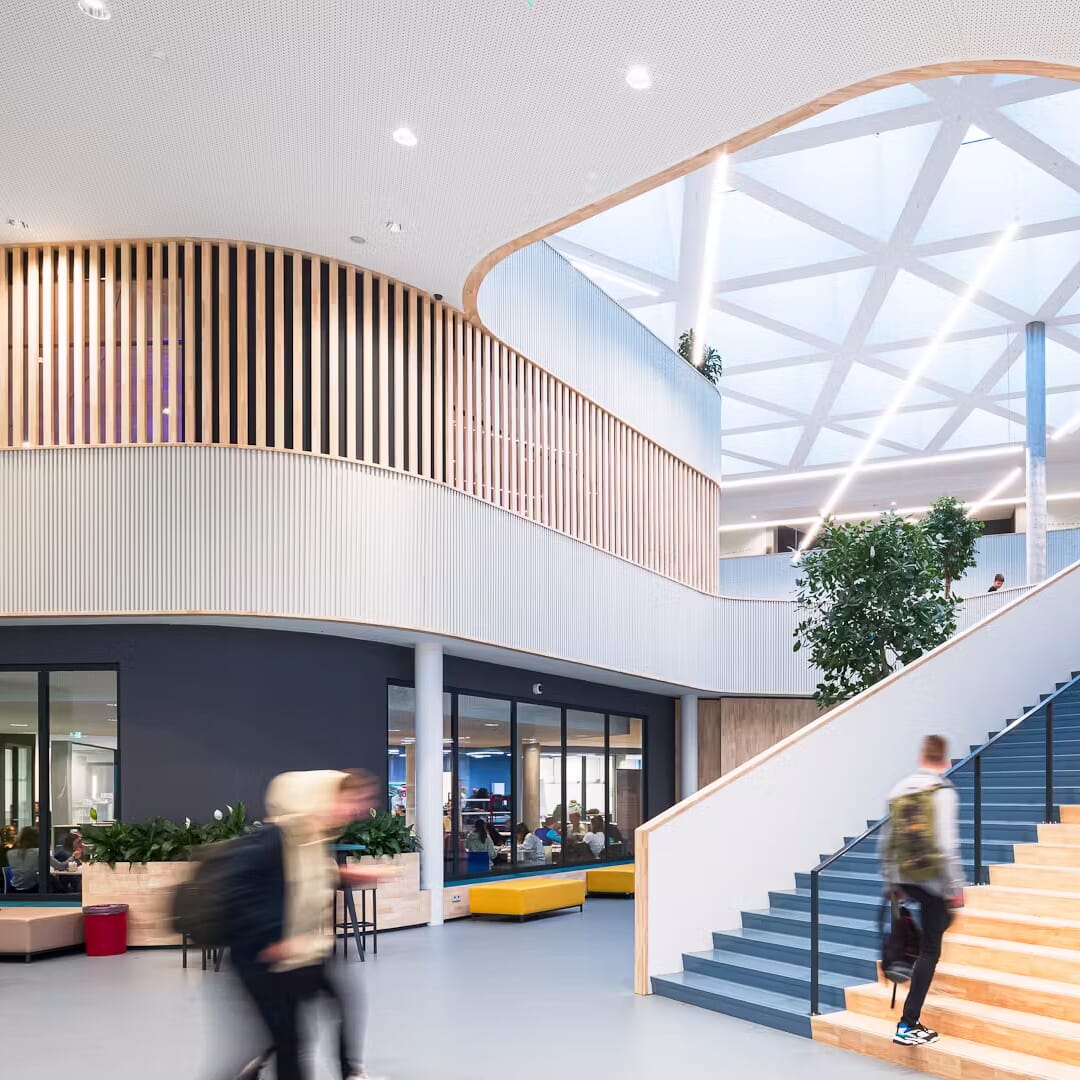
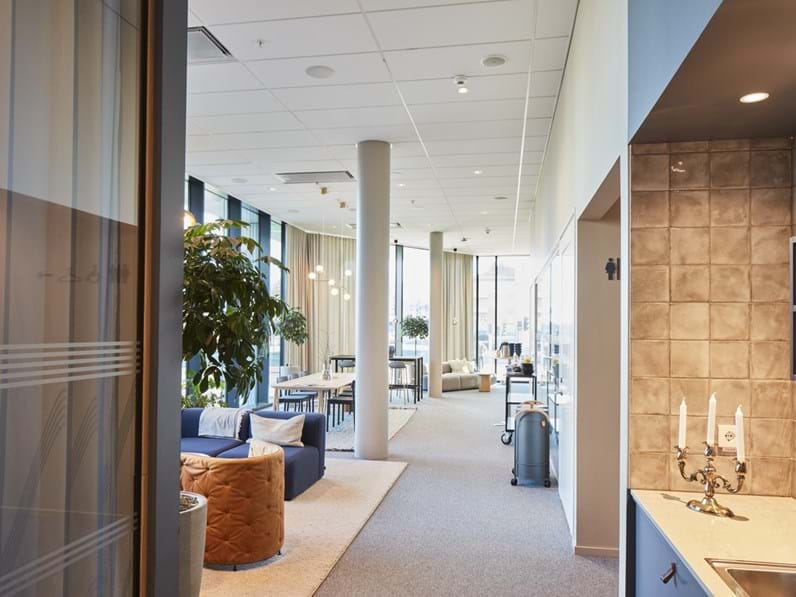
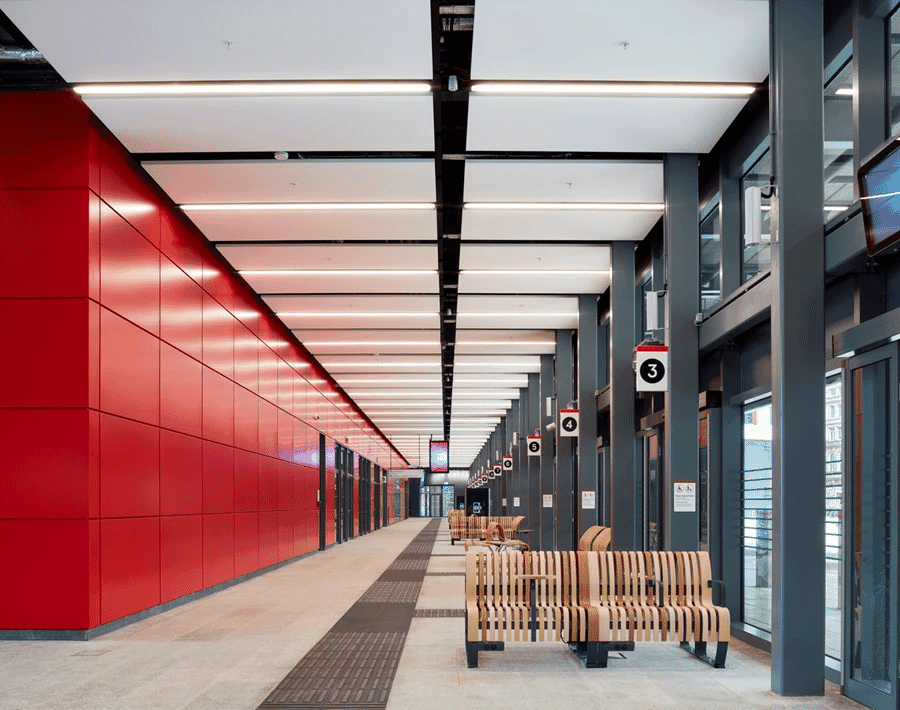
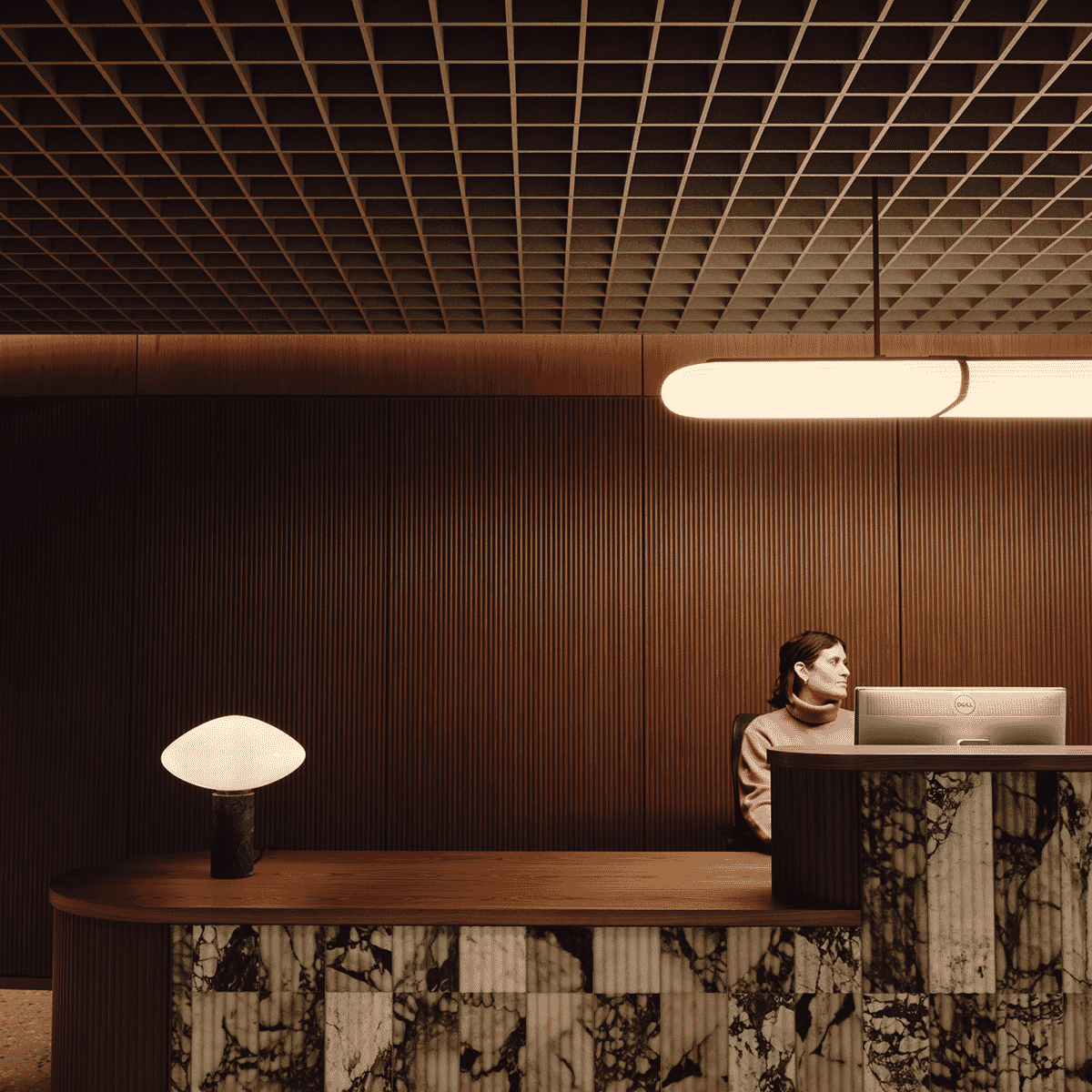
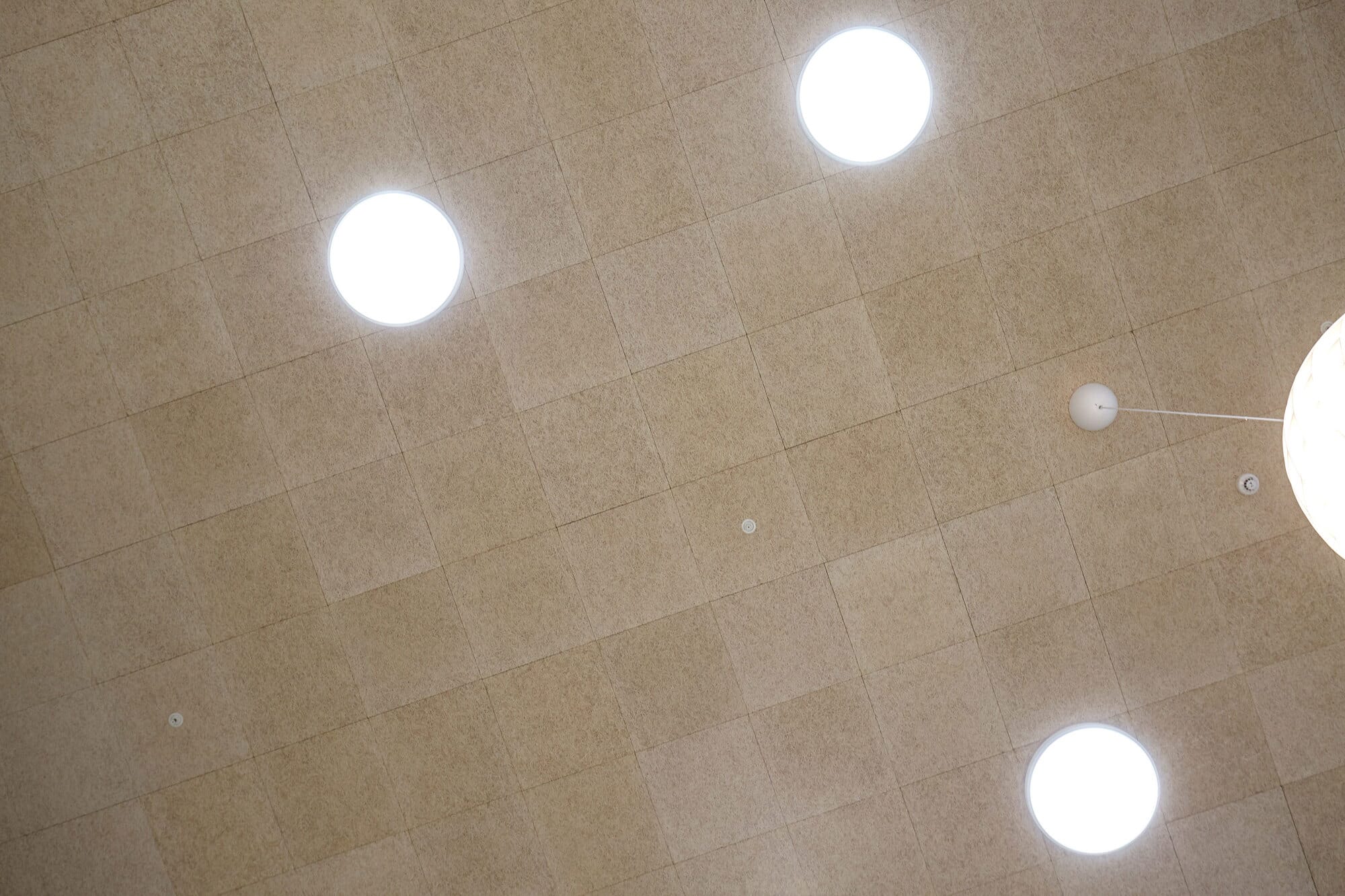
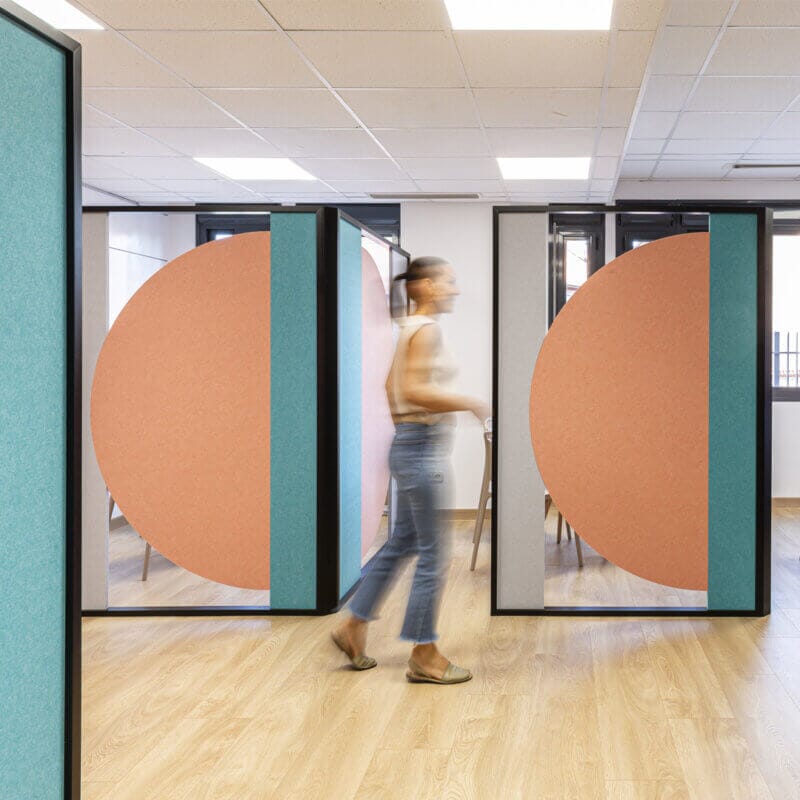
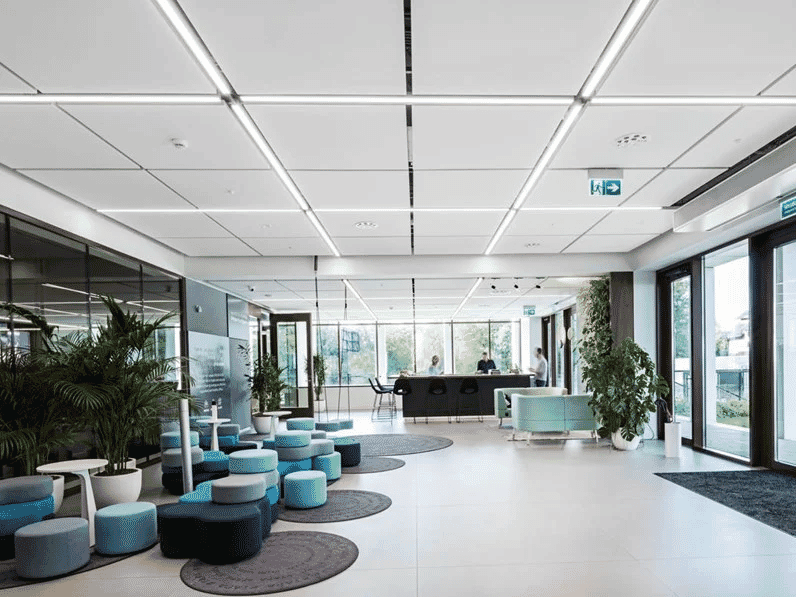
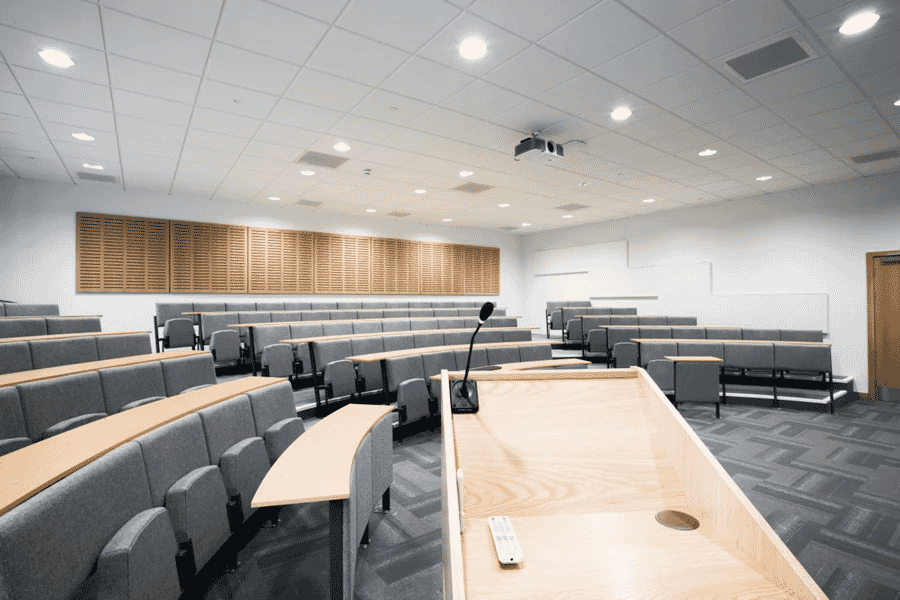
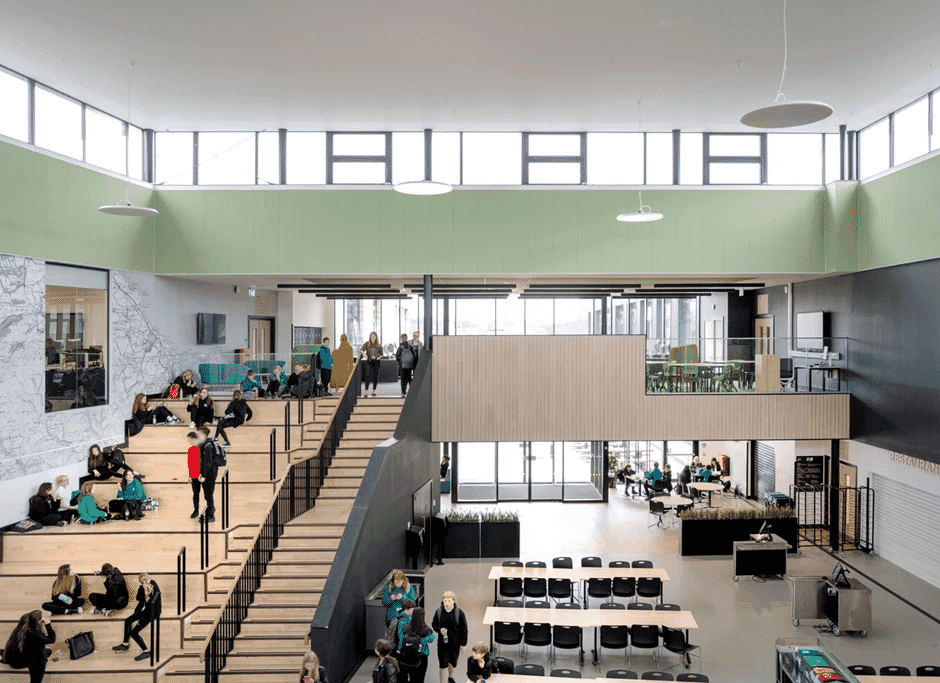
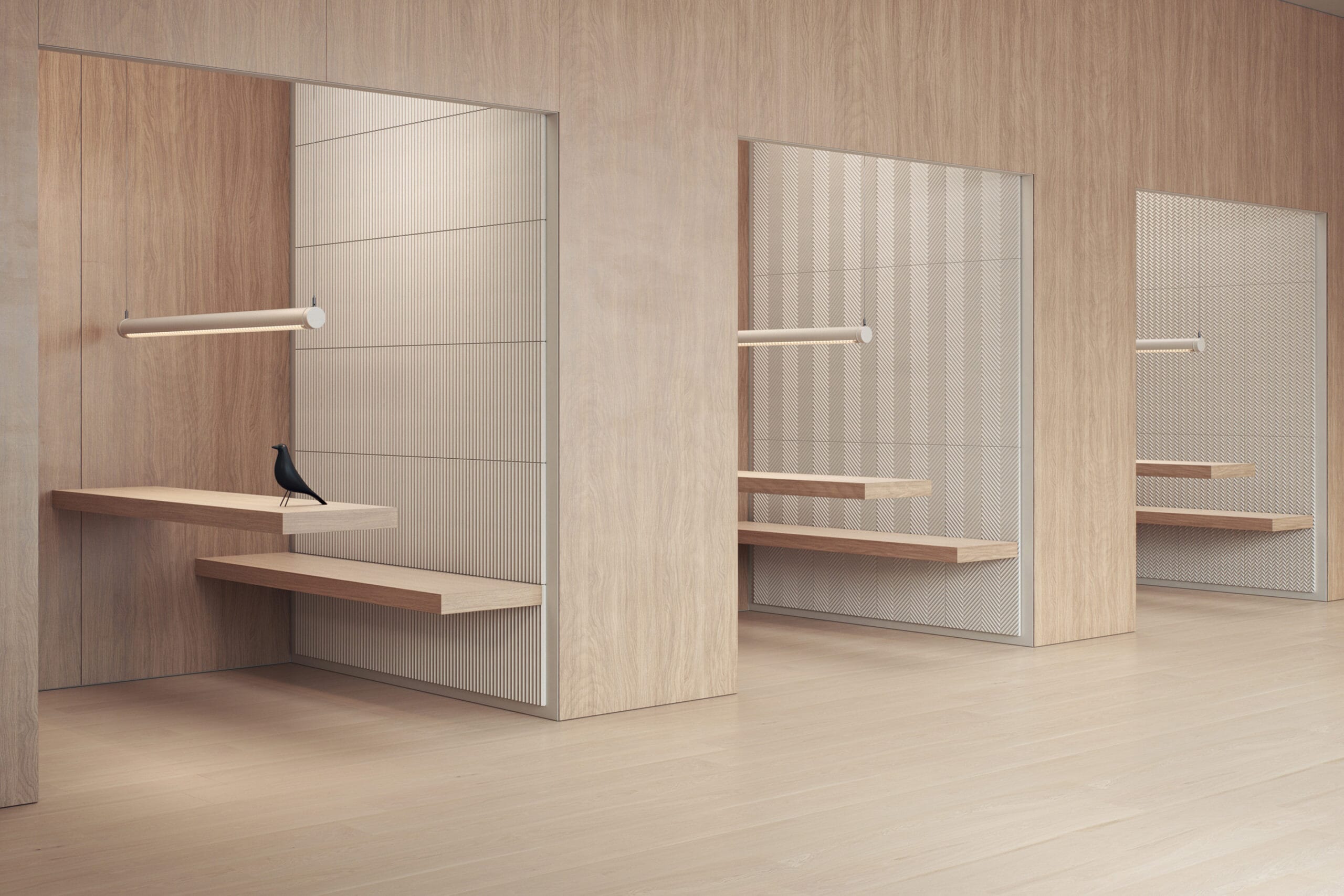
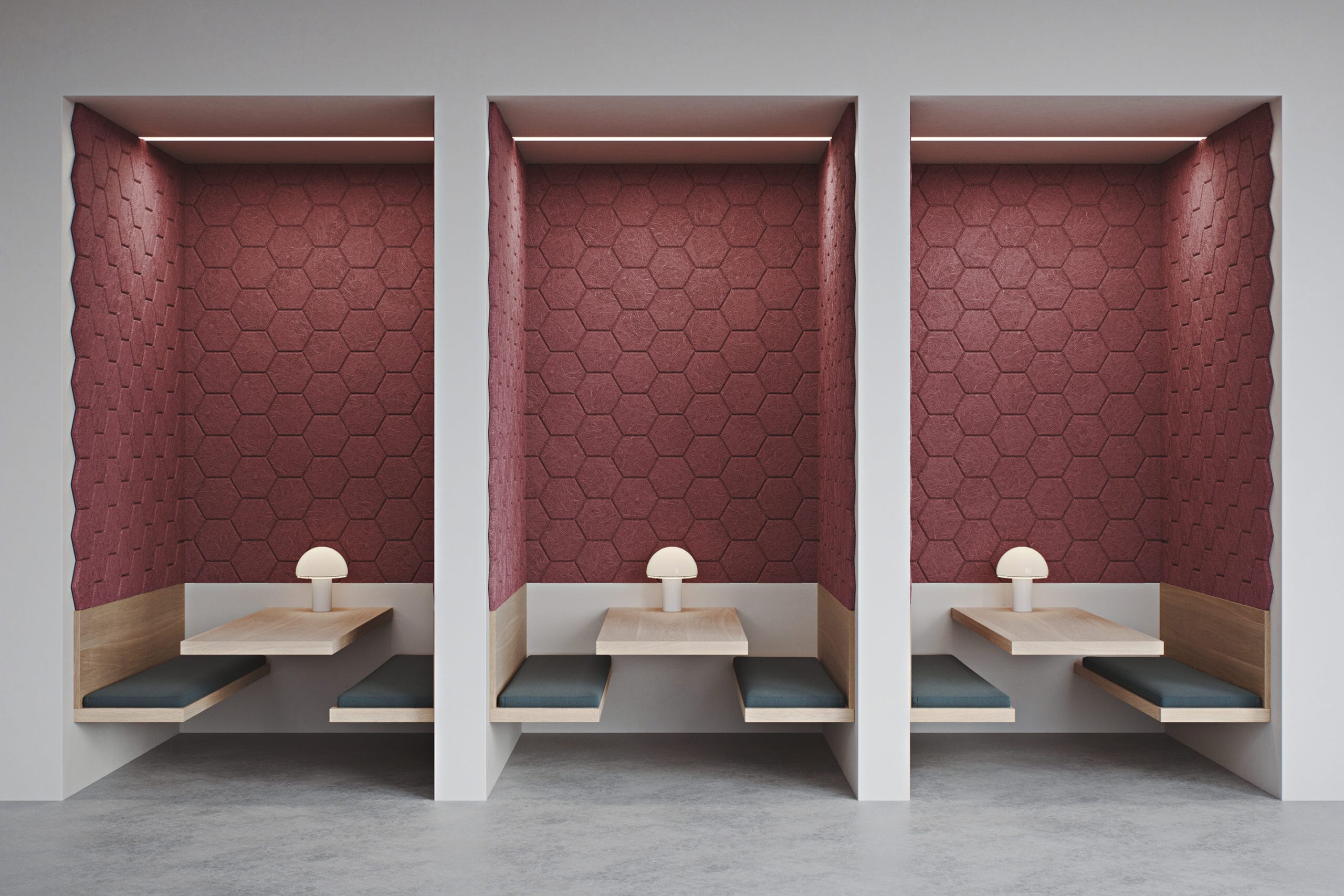
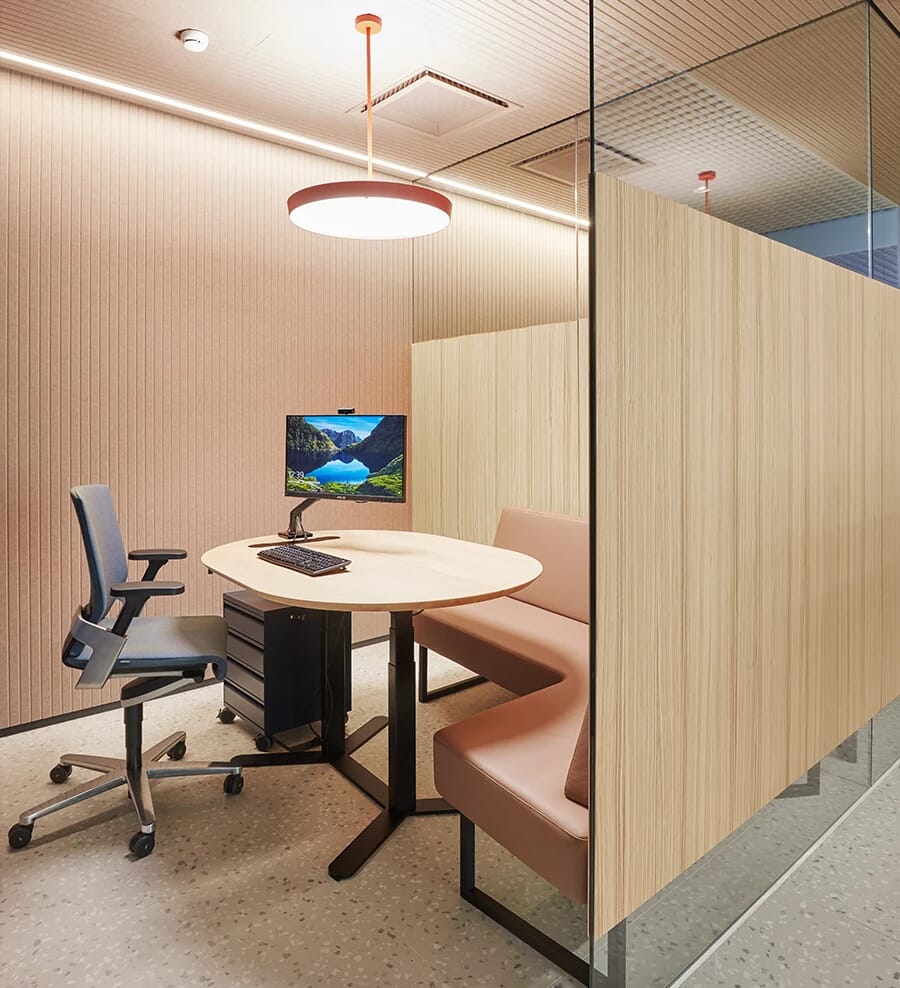
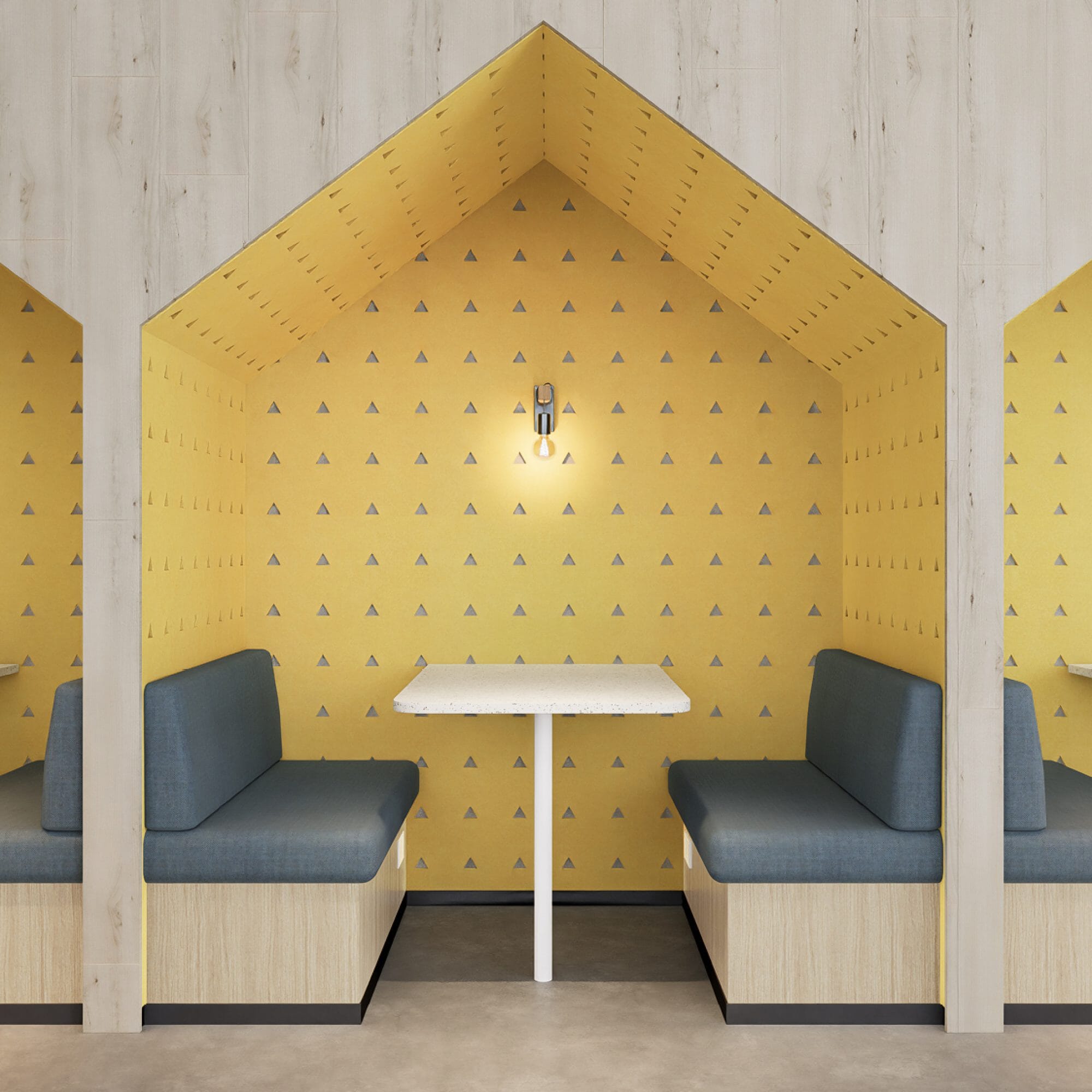
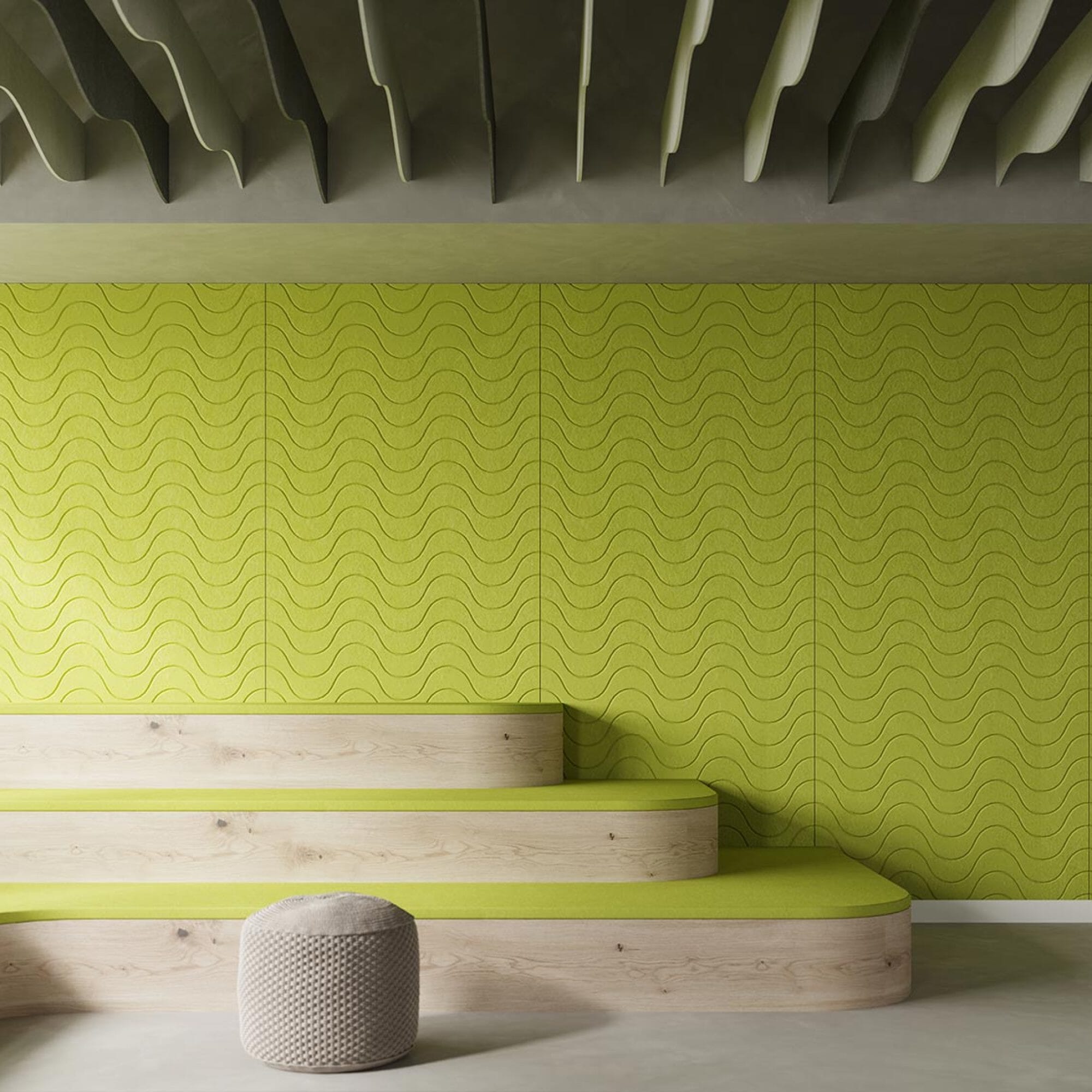
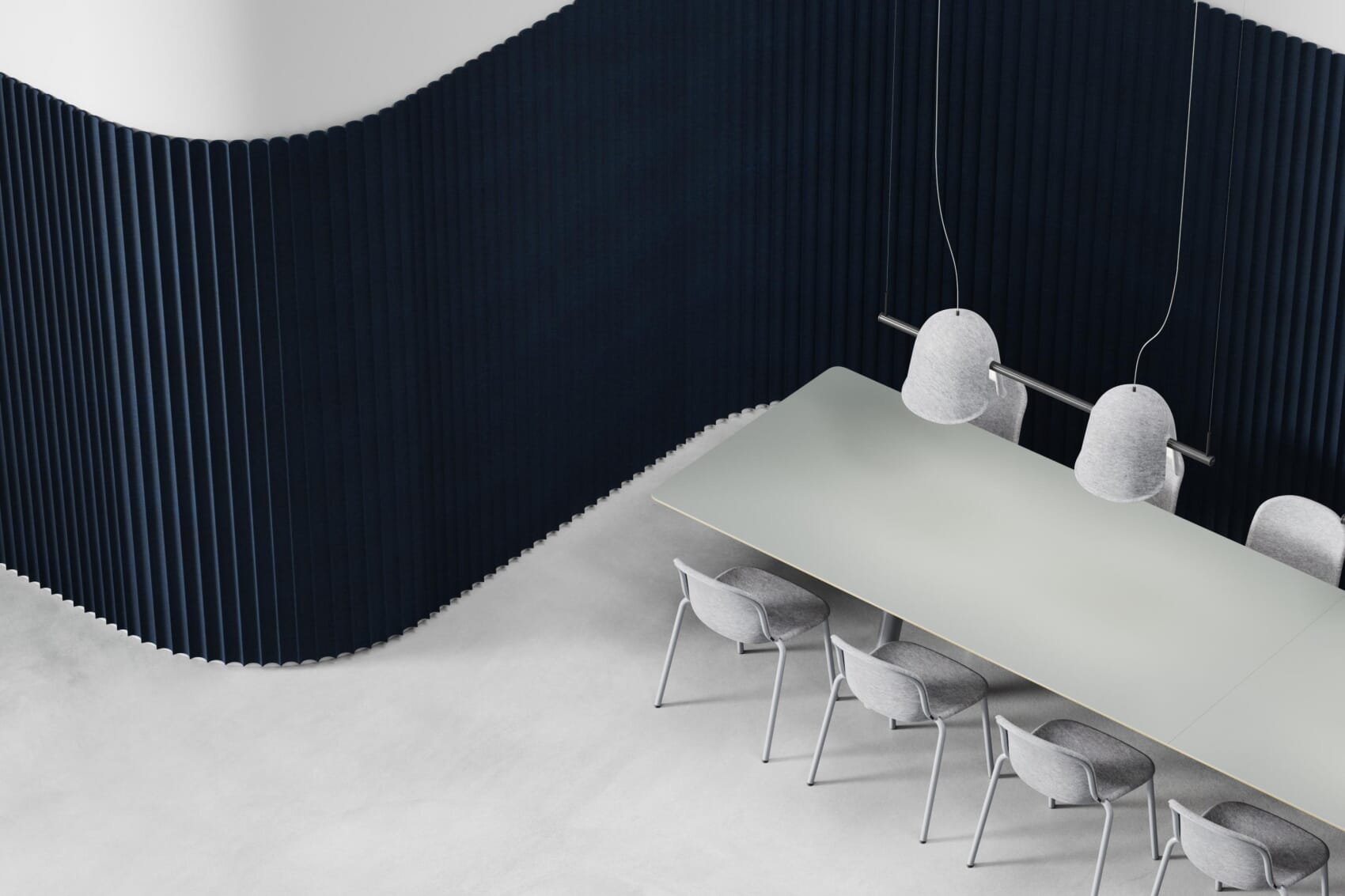
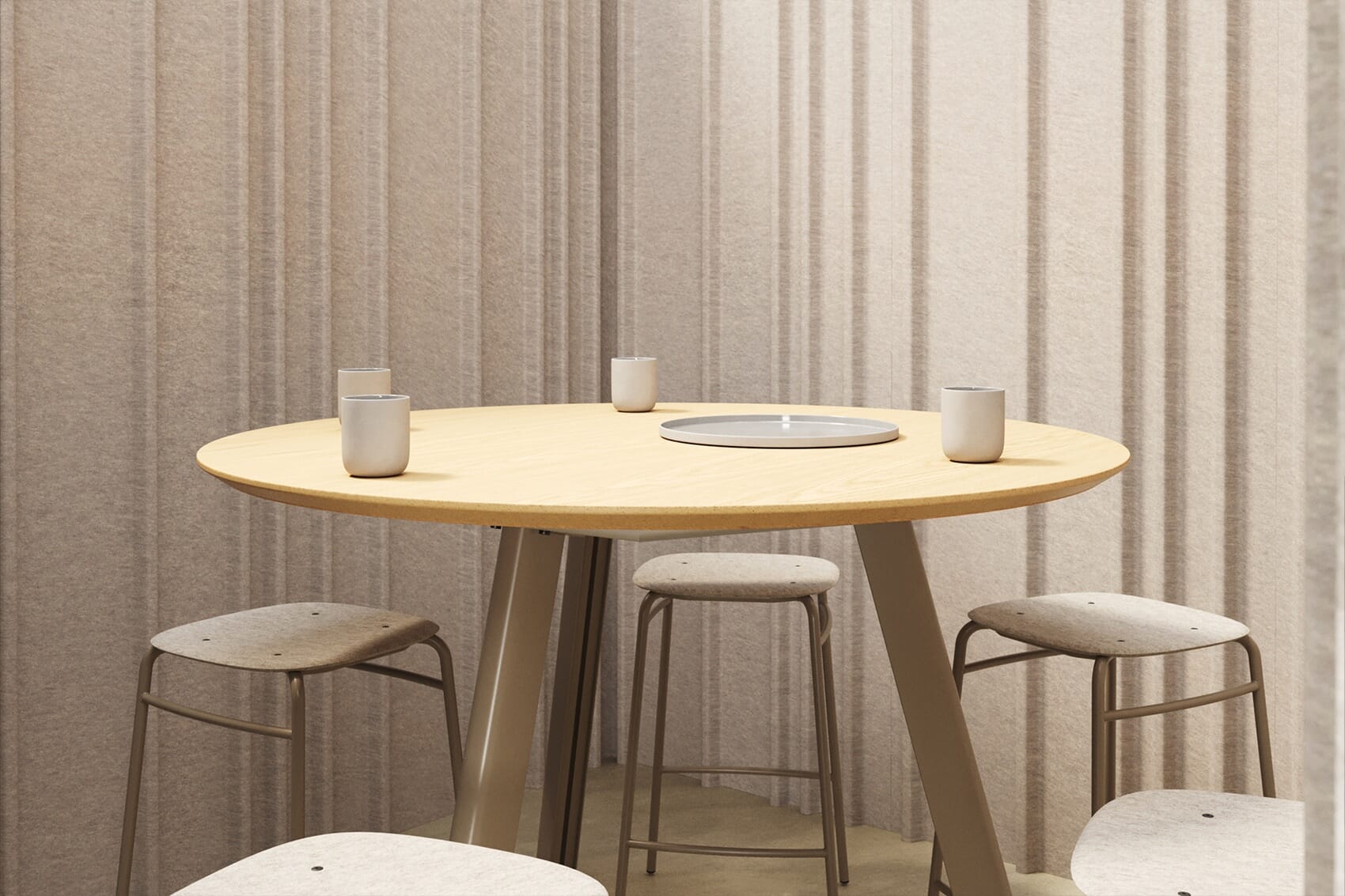
Our work in AV & Conference Rooms
View more case studies


































































Resonics guides to
conference room acoustics
more articles
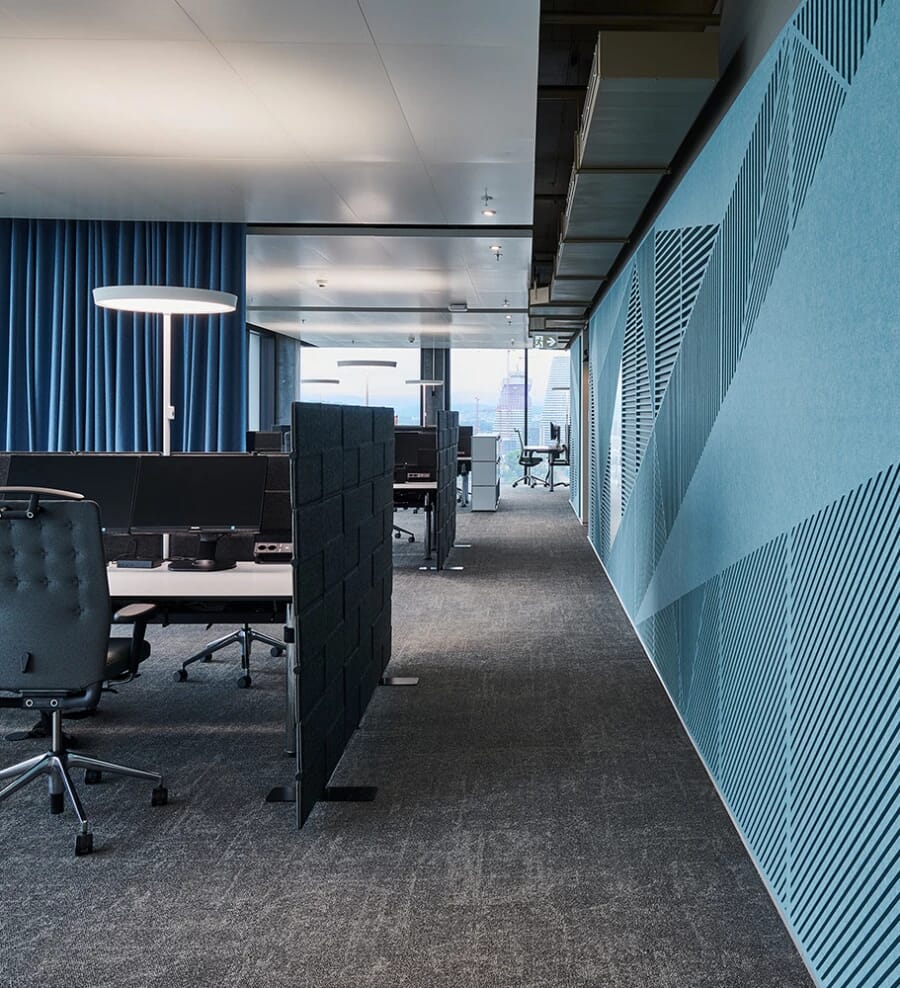
From start to finish we handle everything

Consultation
Our acoustic consultants assess your space on-site (or remotely) and provide a detailed proposal. Every consultation includes acoustic design recommendations, product specifications, and reverberation analysis to ensure measurable improvements.
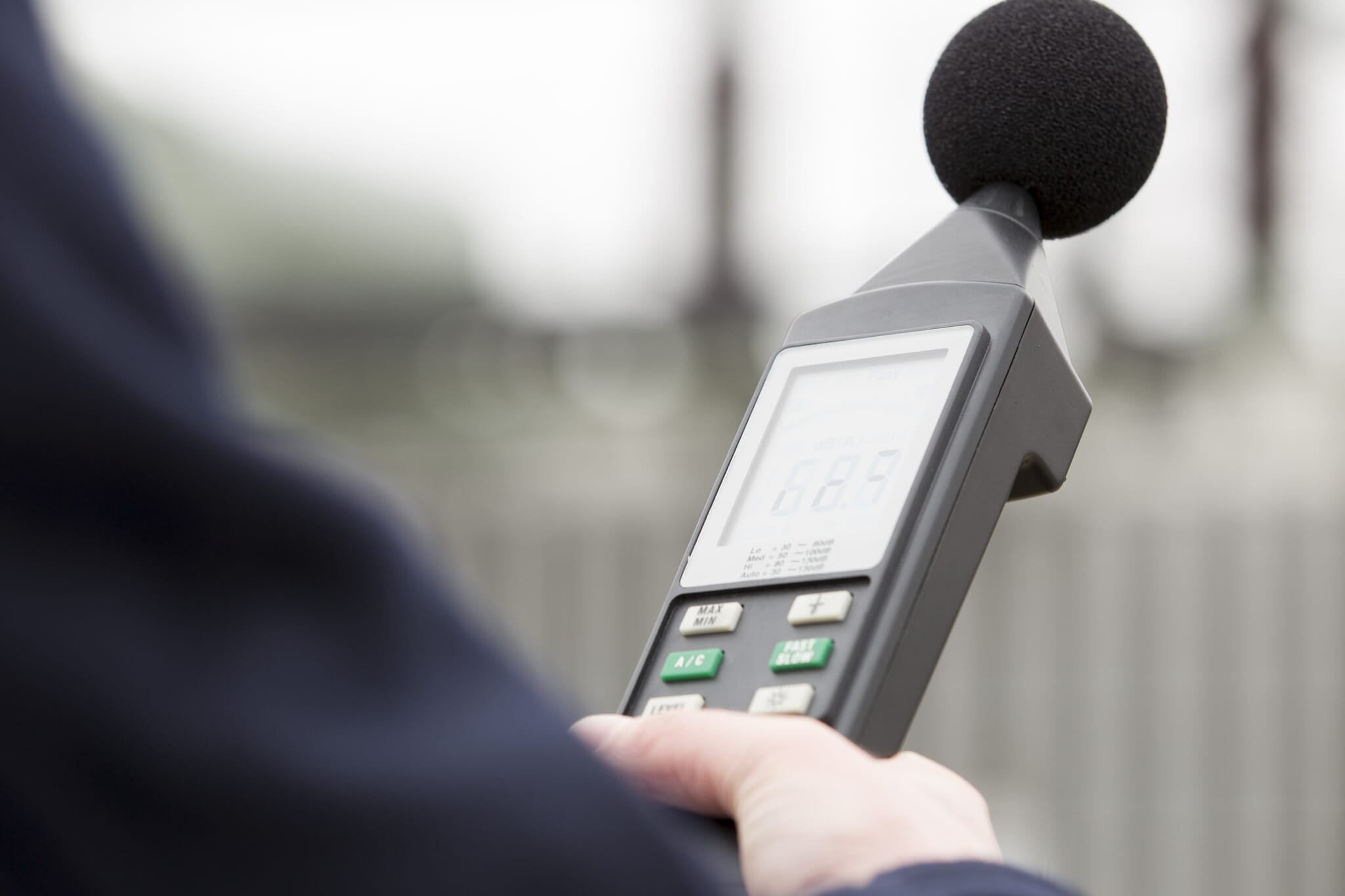
Assessment
We don’t just identify noise issues — we provide solutions that are cost-effective, design-conscious, and performance-led. Whether reducing echo, improving clarity, or addressing speech privacy, our expert guidance ensures the right acoustic fit for your space.

Design & Planning
Every project includes a tailored acoustic design with a free CAD proposal, showing product placement, specifications, and performance ratings. Our designs can blend seamlessly into interiors or become bold architectural features — always balancing form with function.
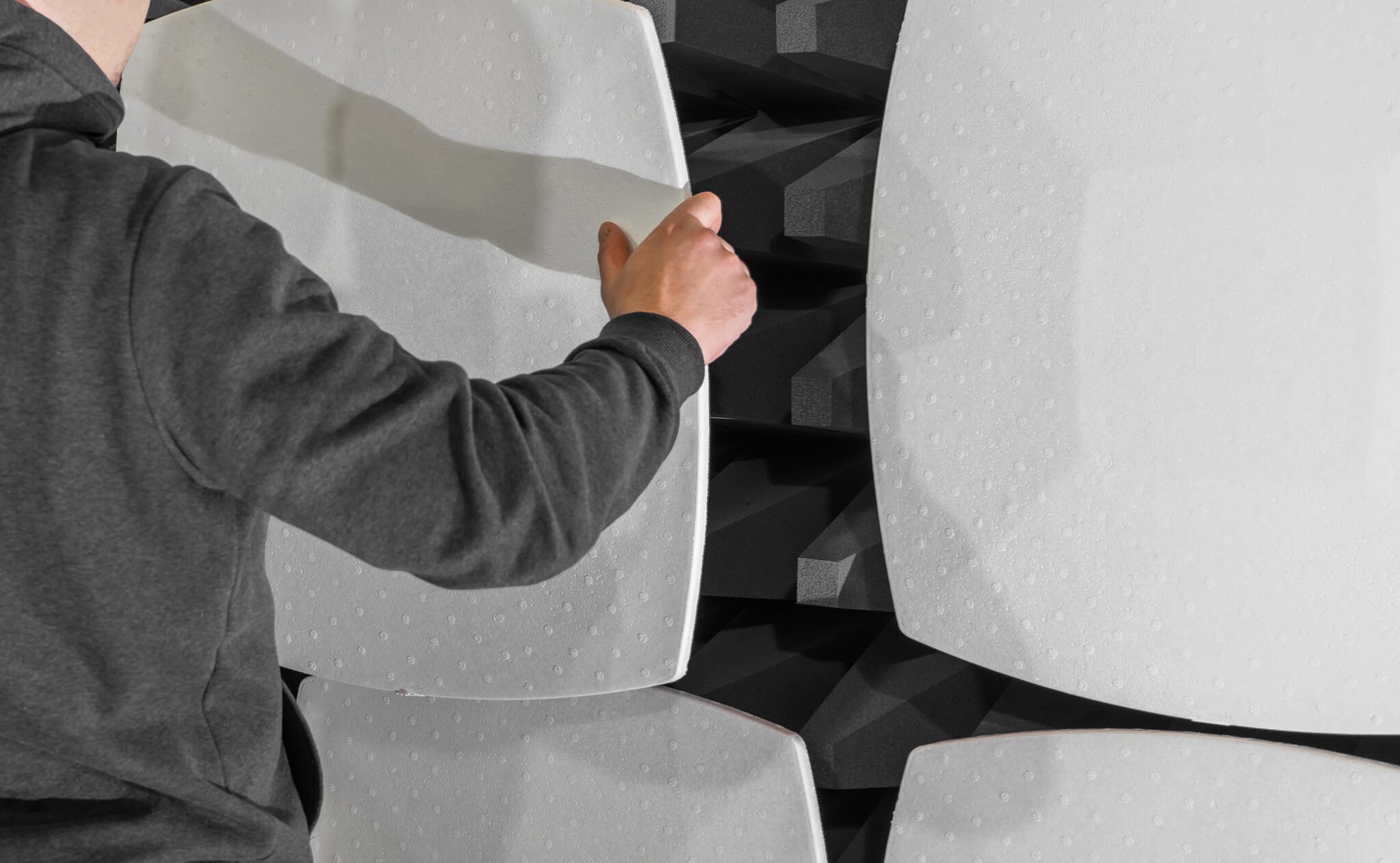
Supply & Installation
With over 5,000 projects completed nationwide, our in-house installation teams handle even the most complex acoustic projects. We work to strict health and safety standards, with IPAF-certified specialists, SSSTS/SMSTS-trained supervisors, and all installers CSCS accredited.
FAQs & tips for selecting the right conference room acoustic products
- Prioritise placement: Position panels near noise sources or reflective surfaces to maximise sound absorption.
- Know the problem: If sound is transferring between rooms, absorption panels won’t help. A site sound test can pinpoint the issue.
- Consider sound masking: In many cases, it’s an effective solution for controlling sound spill between spaces.
- Get a room assessment: An expert evaluation will ensure the right products are used to create a balanced acoustic environment.
Costs depend on room size and performance goals. Resonics provides free surveys, acoustic modelling, and tailored proposals to fit both budgets and technical requirements.
Most installations are completed within a day or two. Resonics schedules work around existing operations to minimise downtime.
Absolutely. Panels can be placed behind screens, around display walls, or colour-matched to the room. We work with AV integrators to ensure seamless performance and aesthetics.
Yes — in a good way. Proper acoustic treatment helps speakers perform the way they were designed, improving accuracy, clarity, and overall listening experience.
Hard surfaces, minimal furnishings, glass walls, and high ceilings create reflections that lead to echo, muddiness, and poor speech clarity. Noise from adjacent spaces can also disrupt meetings.
Microphones pick up reflected and distorted sound, making voices echo or sound distant to remote participants. Good acoustics ensure crisp, natural speech for high-quality video conferencing.
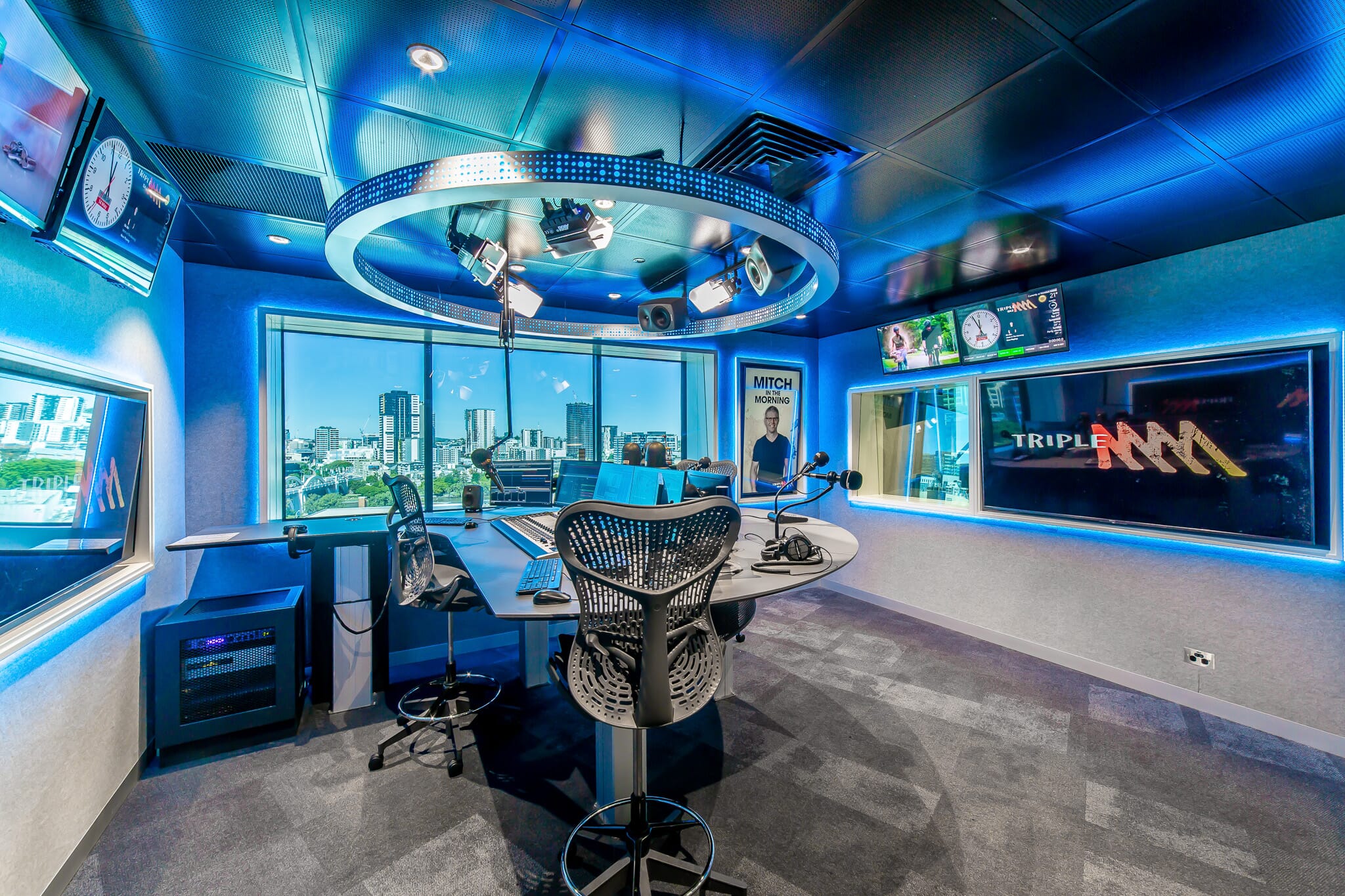
We install sound-absorbing panels, ceiling rafts, bass control, and optional sound masking to reduce echo, boost clarity, and improve speech privacy. All treatments can be integrated with existing AV systems.
Not at all — it improves it. With less echo and background noise, microphones, speakers, and conferencing systems work more effectively and deliver better audio quality.
Conference rooms are used for presentations, decision-making, and hybrid meetings. Clear, controlled sound ensures everyone — in the room and online — can hear and be heard without strain or misunderstanding.