










8 Minute Read
Acoustics and the Inclusive Mainstream Fund: What Schools Need to Know
The Inclusive Mainstream Fund is reshaping how mainstream schools plan for students with SEND and acoustics has a clear role to play in creating inclusive environments. Here's what the fund covers, what it doesn't, and why acoustics should be in your school inclusion strategy.

Mark Irwin
18th Sep 2026
Categories
Advice
What is the Inclusive Mainstream Fund
The Inclusive Mainstream Fund (IMF) is part of the government’s wider SEND reform, designed to help mainstream schools become inclusive by design. It gives schools funding to understand their cohort’s needs and build whole-school approaches that remove ongoing barriers to learning, supporting early intervention and better outcomes for pupils with SEND. The funding isn’t just for individual pupils and schools are expected to consider the needs of their whole cohort.
For 2026 to 2027, the base funding rates are:
- a lump sum of £3,000 per school
- £16 per primary pupil (including reception), rising to £79 for pupils with low prior attainment
- £14 per secondary pupil up to age 16, rising to £88 for pupils with low prior attainment
- pupils in middle or all-through schools funded at the appropriate age-based rate
There is also an area cost adjustment, which accounts for regional cost differences. Across the sector, that adds up to roughly £1.6bn over three years.
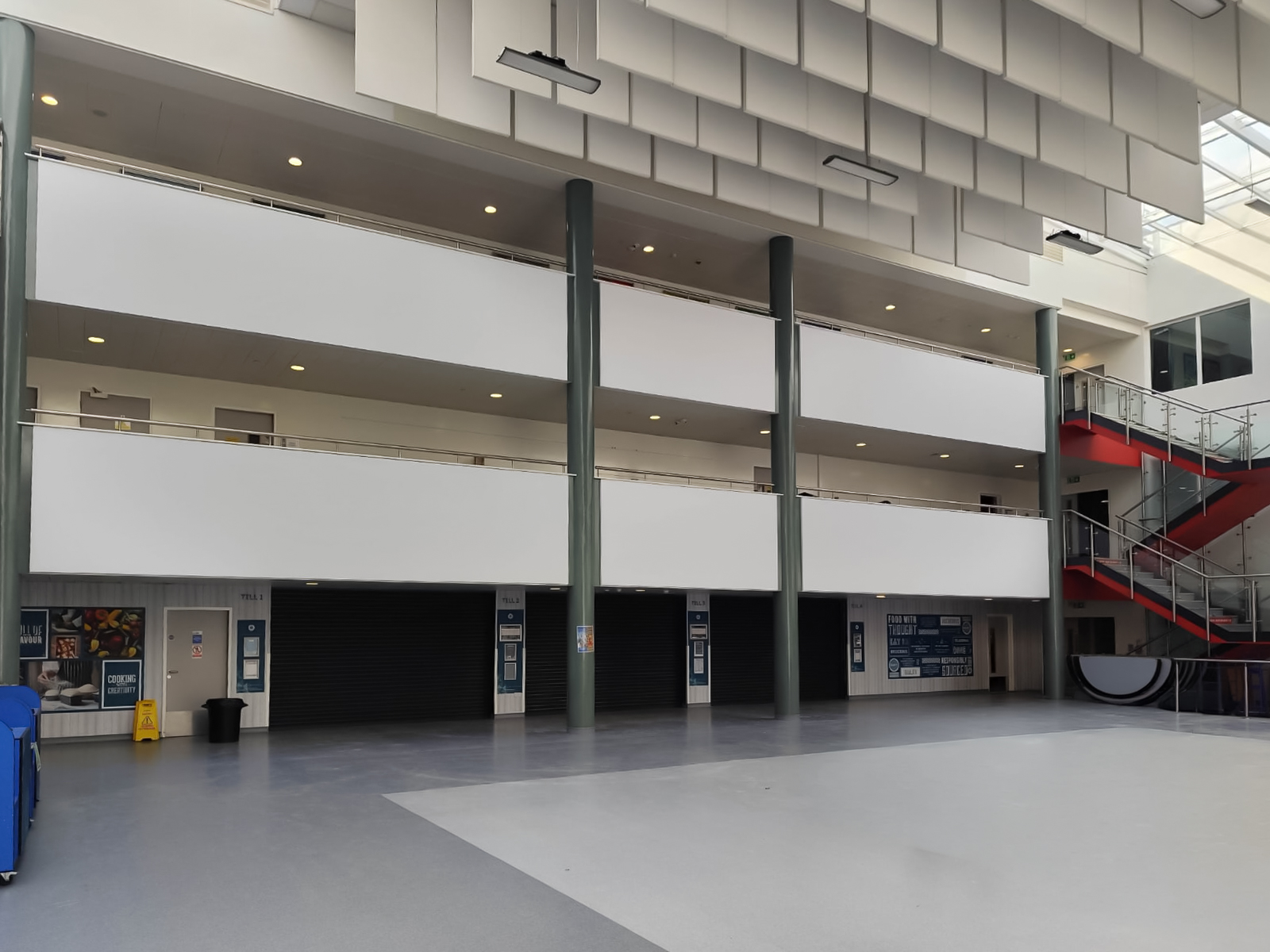
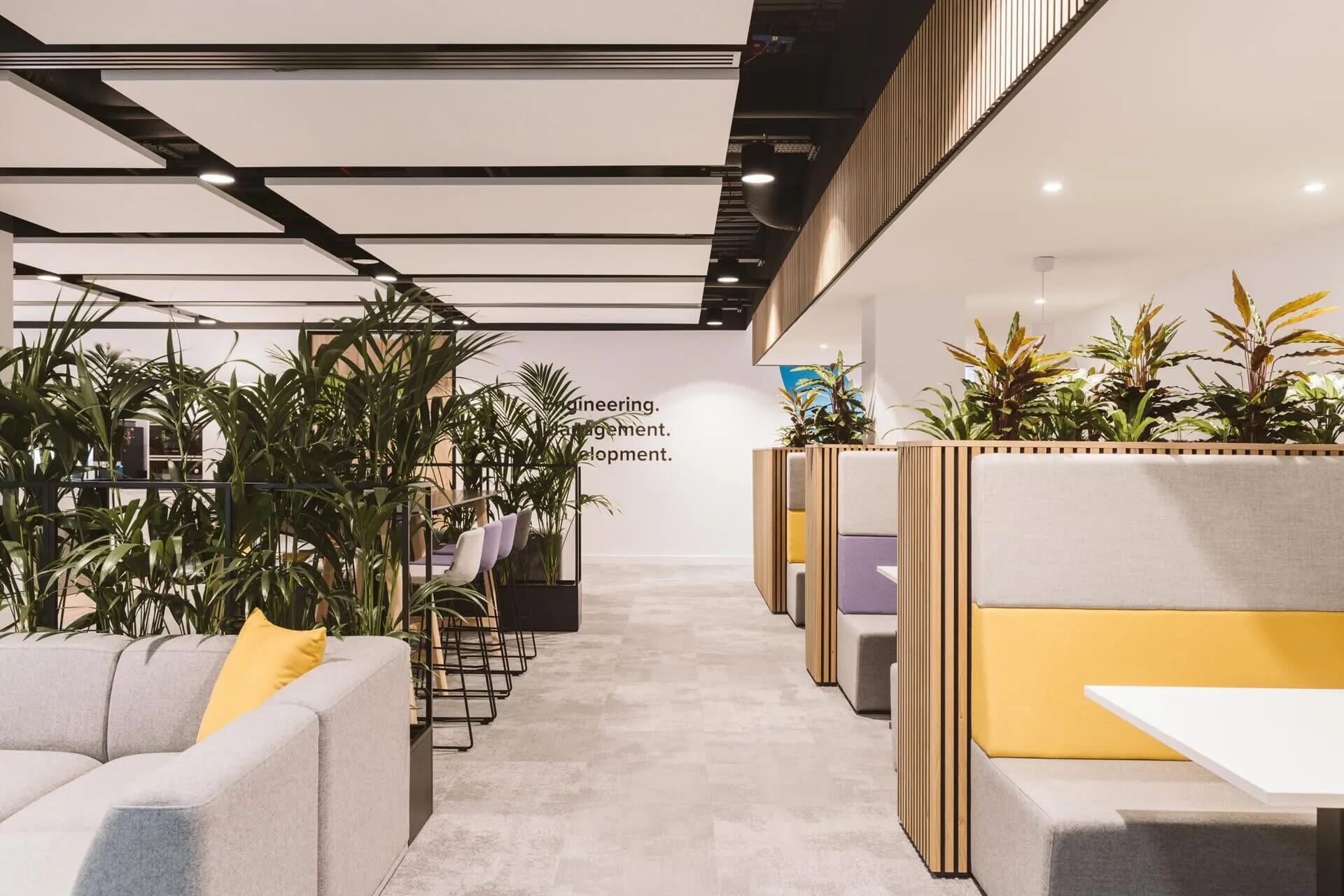
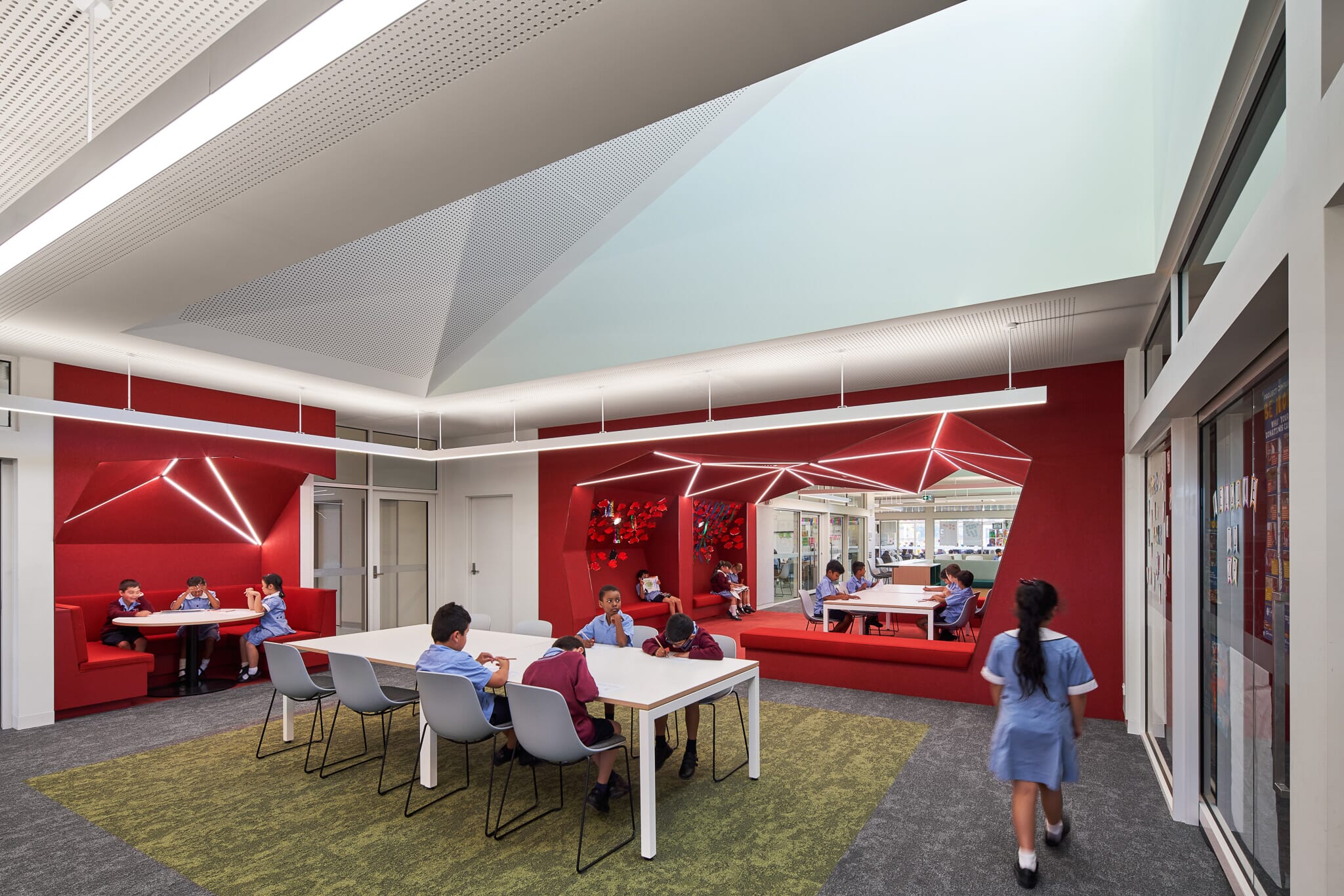
Acoustic panels installed at Forest Hill School in London
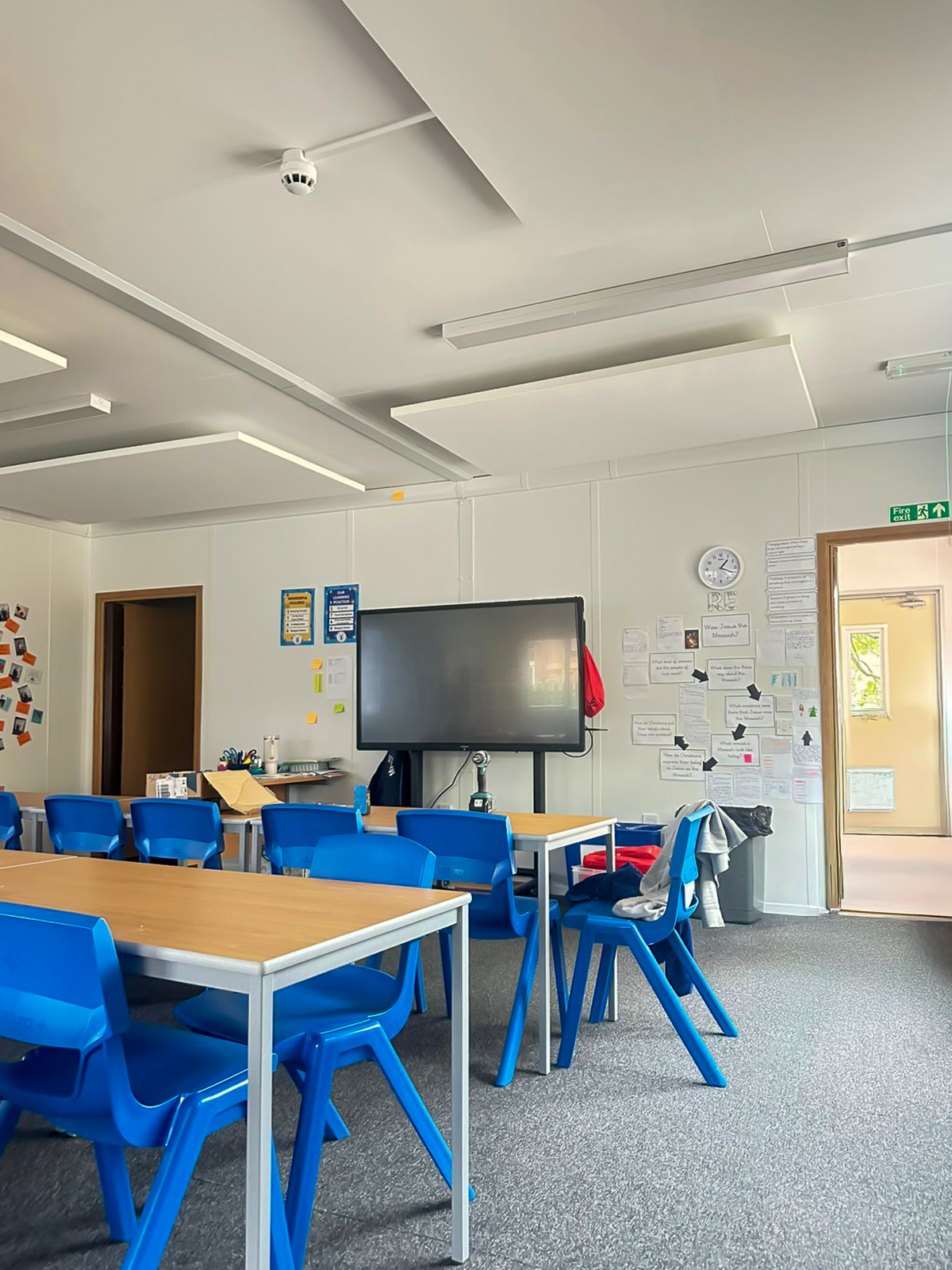
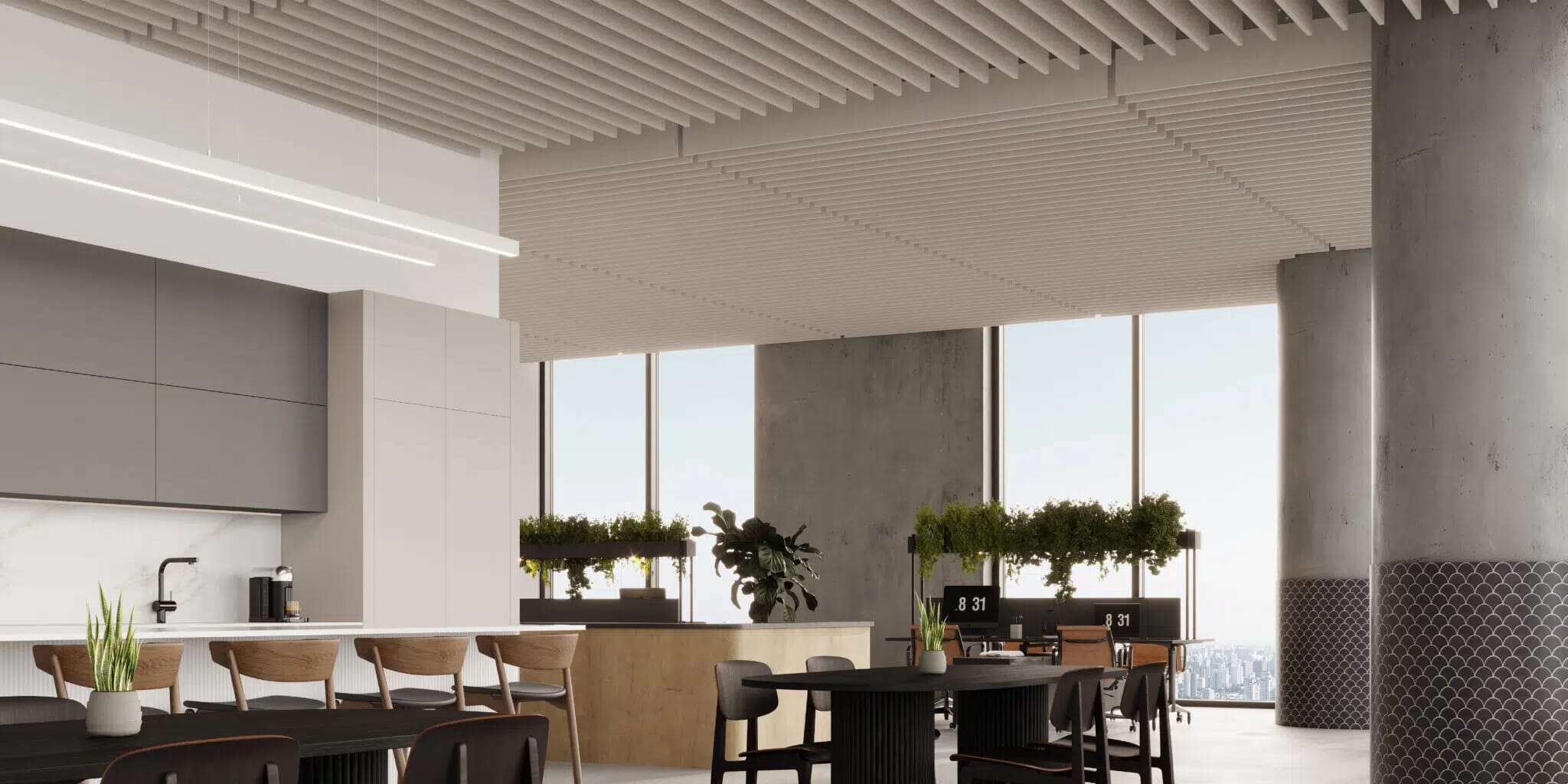
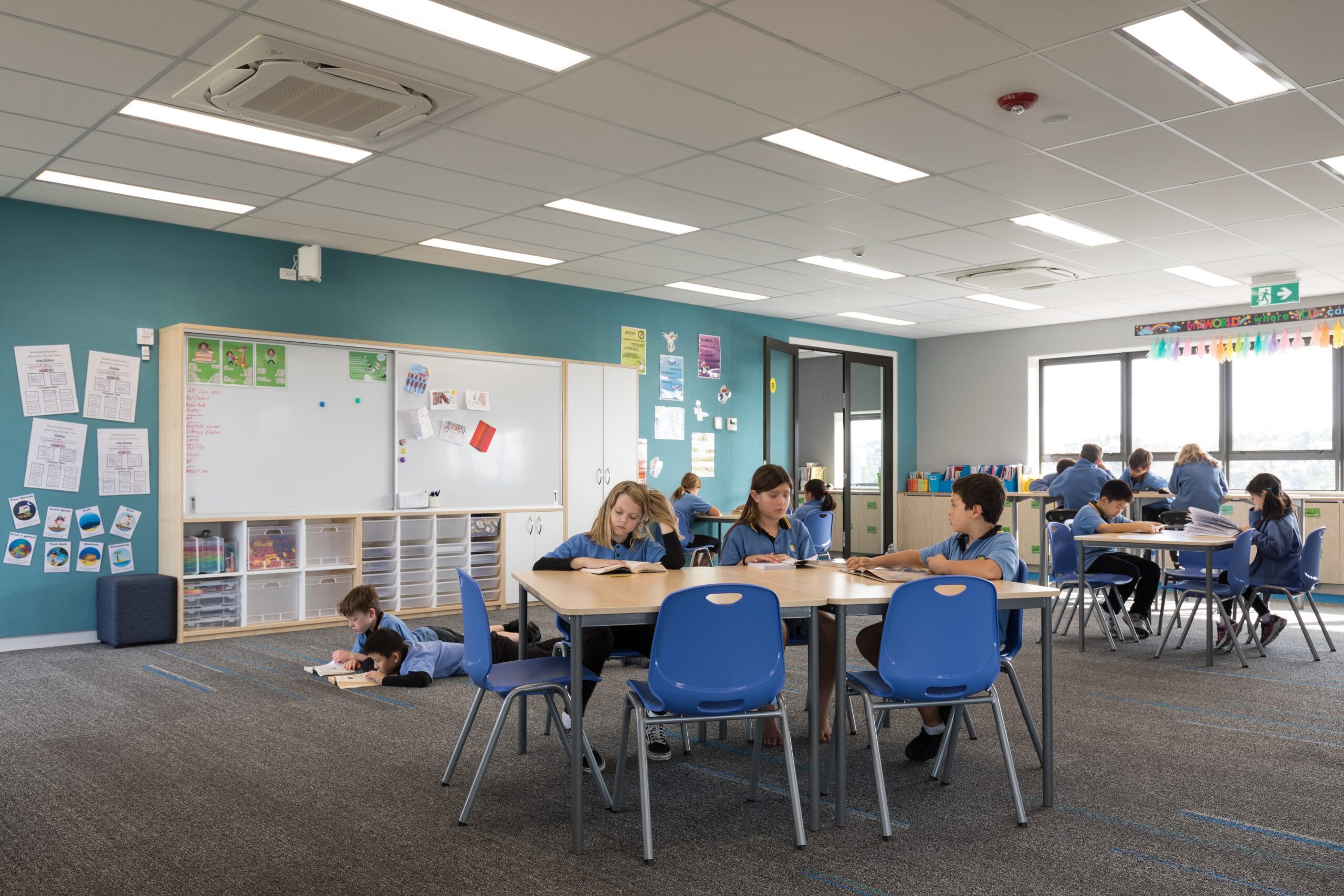
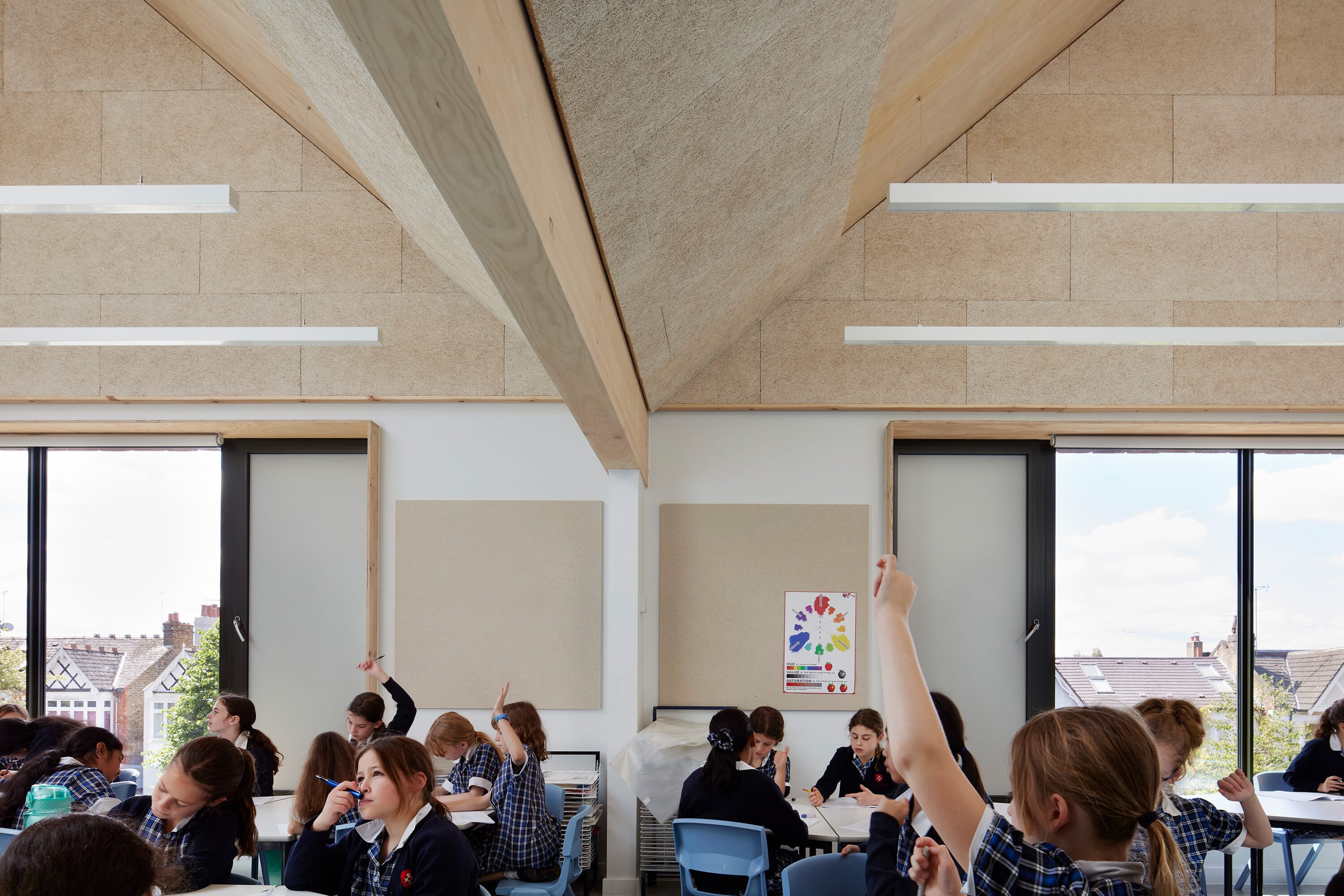
Acoustic ceiling panels installed in a classroom at Warton Nethersole CE Primary School
The December deadline and what a school has to publish
By 31 December 2026, every mainstream school must publish an inclusion strategy statement on its website. This sets out:
- the commonly occurring, predictable needs in your cohort and the barriers pupils with additional needs face
- how you’re already spending on inclusion and your planned investment going forward, based on evidence and best practice
- the activities and approaches you’re using to meet those needs, in line with the seven principles of inclusion
The DfE has published a template to help schools structure their statement.
The seven principles of inclusion and where acoustics sit
It is recommended that schools allocate funding across the 7 principals of inclusion to help deliver evidence based inclusive approaches and activities:
- Ambitious leadership and governance that embeds inclusion
- Evidence-based support prioritising early intervention
- High-quality adaptive teaching with curriculum designed for all learners
- Enriching provision beyond the classroom that all children can access
- A safe and respectful culture fostering belonging and attendance
- Strong partnerships with families and wider services
- Inclusive environments with continuous improvements to accessibility
Acoustics isn’t a fix for all seven. The DfE’s best-practice guidance names improving acoustics, alongside lighting and temperature, as a way of meeting sensory needs in classrooms, corridors and other high-traffic areas, placing it under inclusive environments.
It can also be linked to a safe and respectful culture, which the guidance connects to the development of quiet spaces for pupils who need somewhere to regulate at lunchtimes or break times.
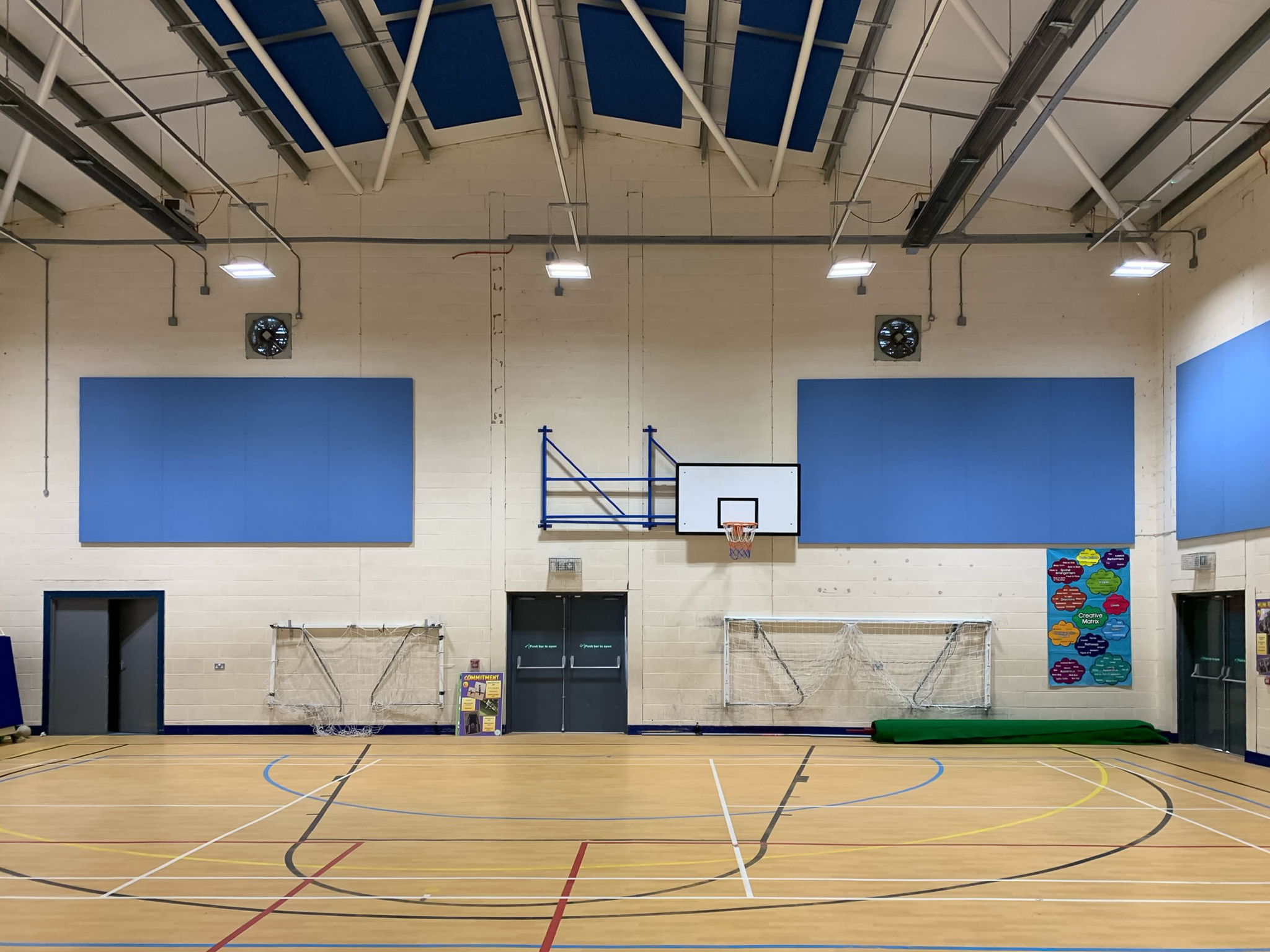
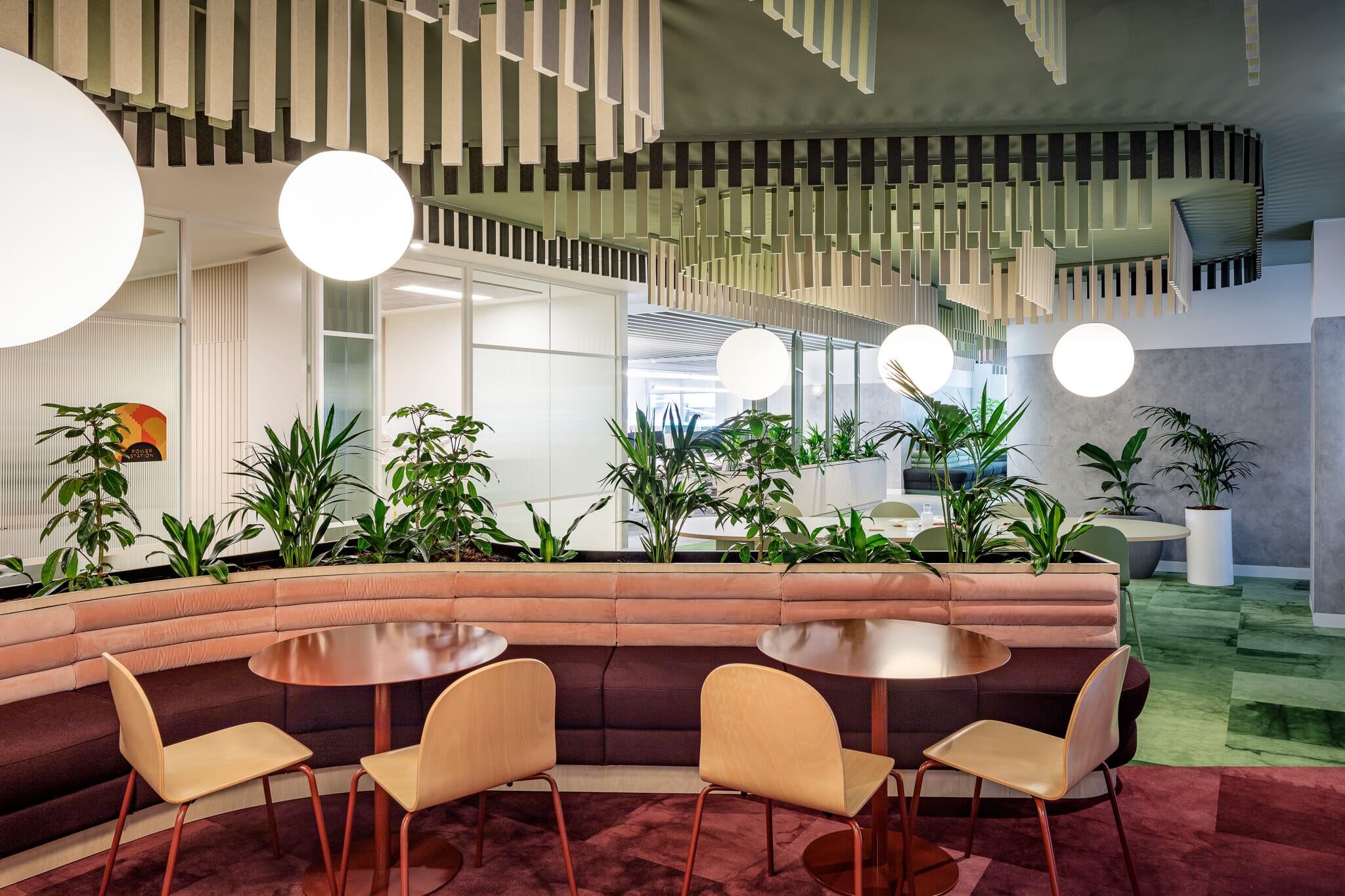
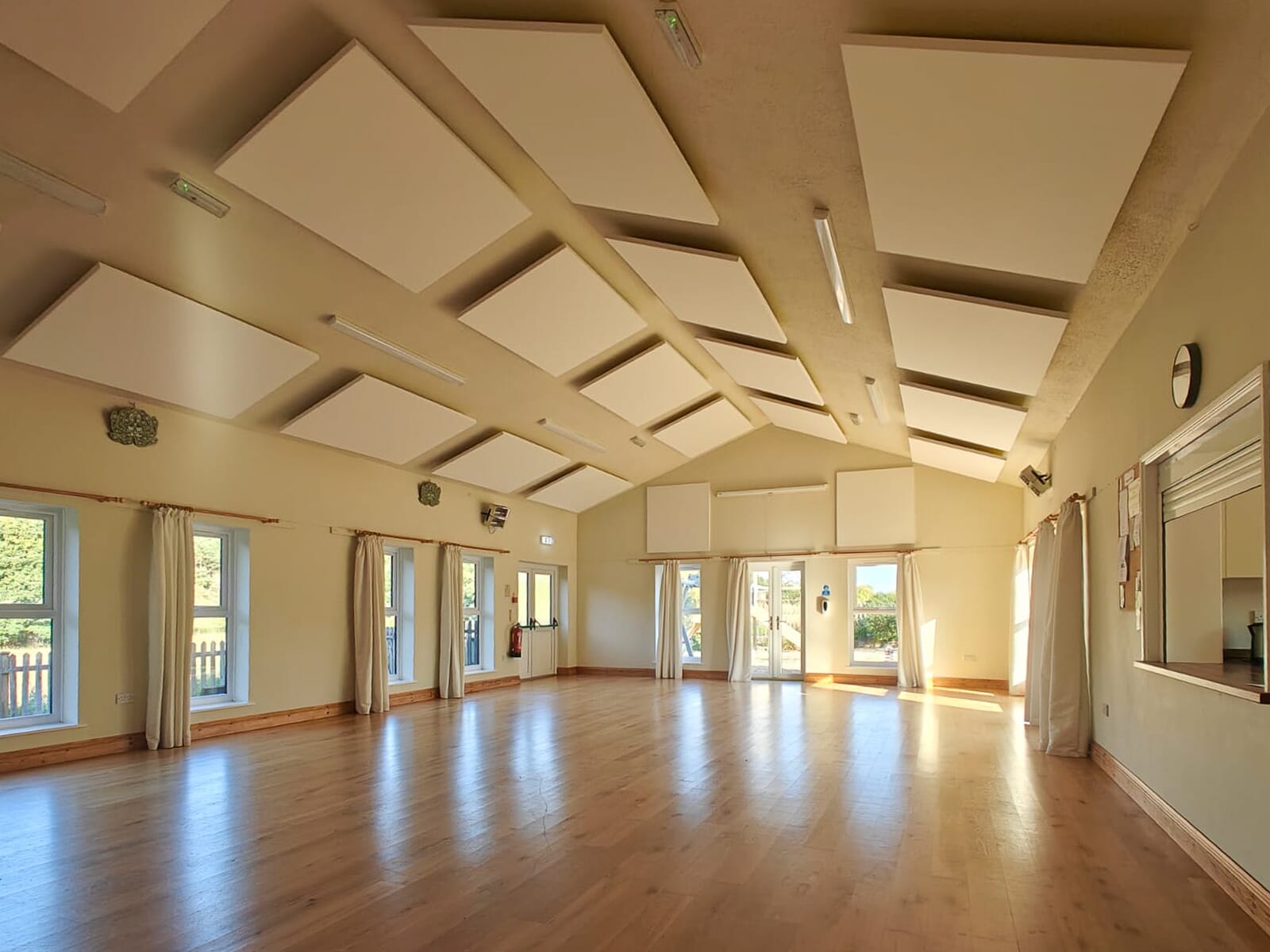
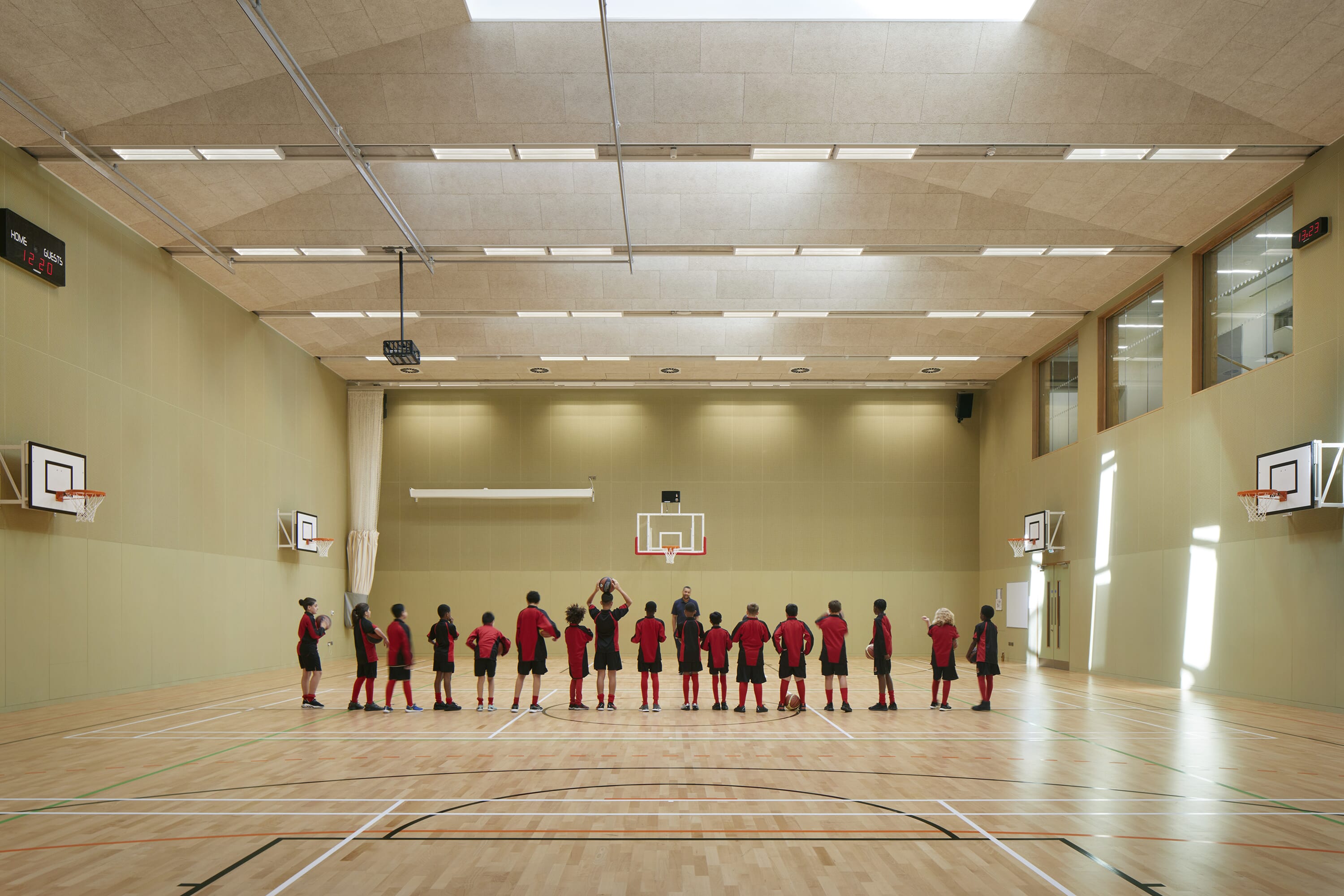
Acoustic wall and ceiling panels installed at Cadoxton Primary School Sports Hall
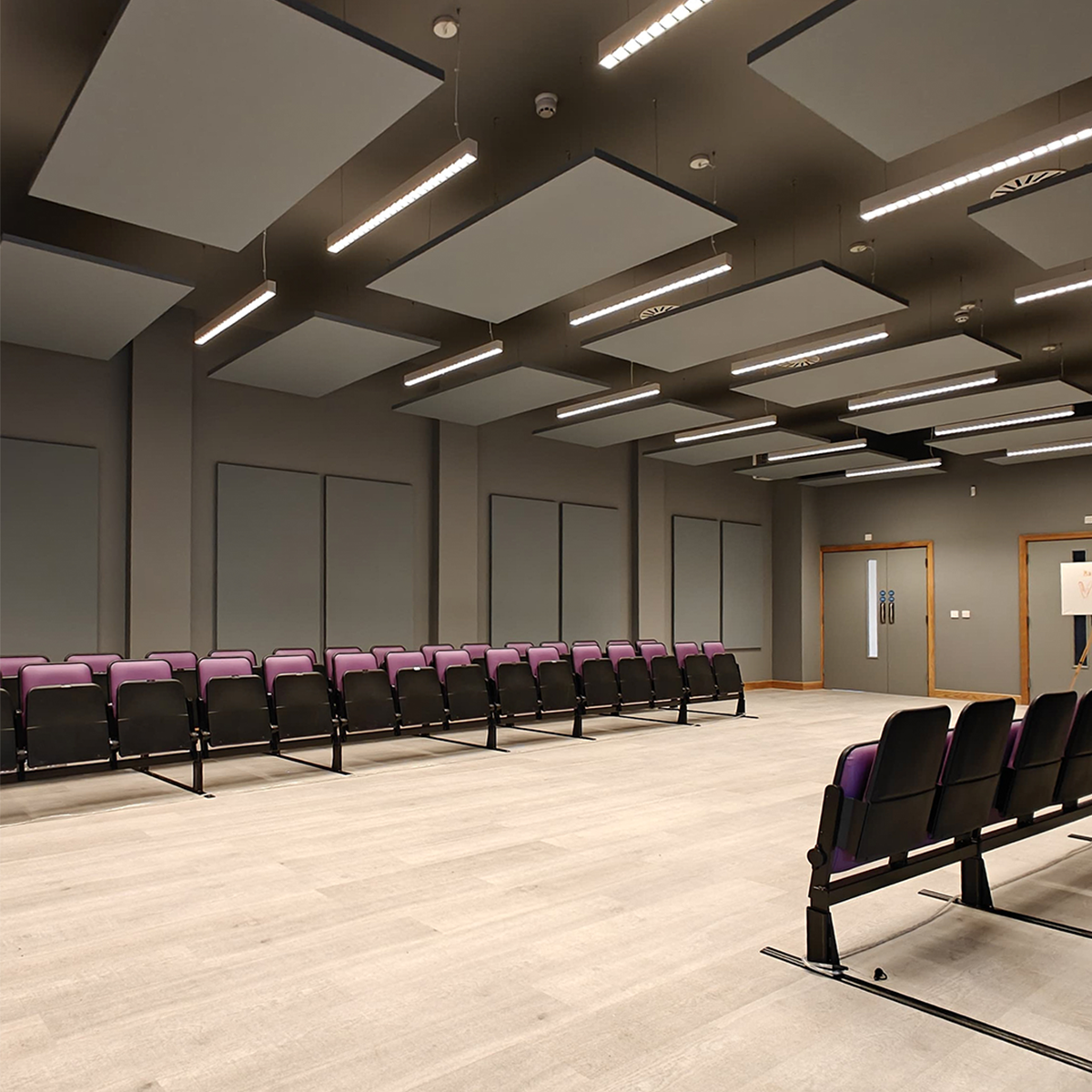
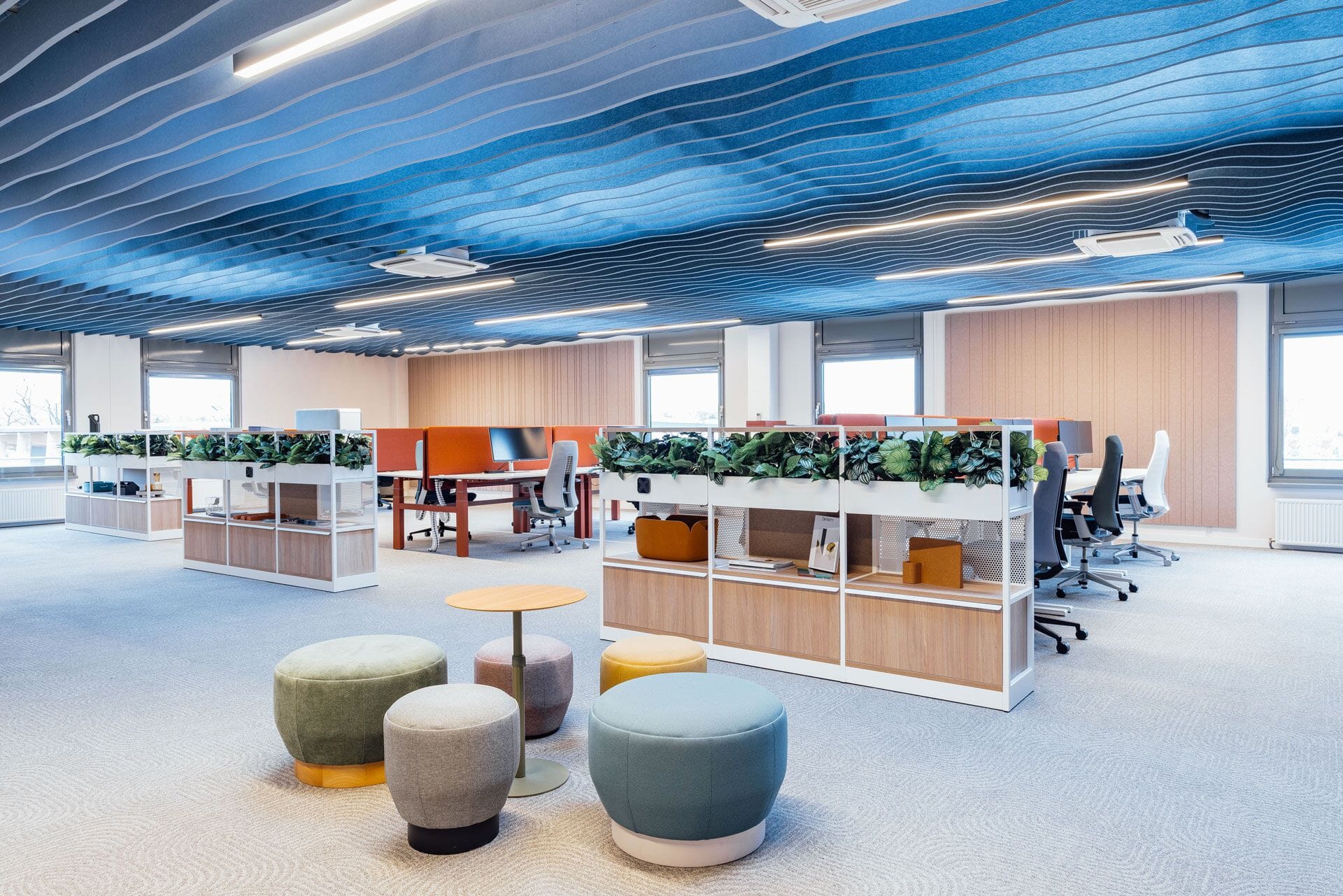
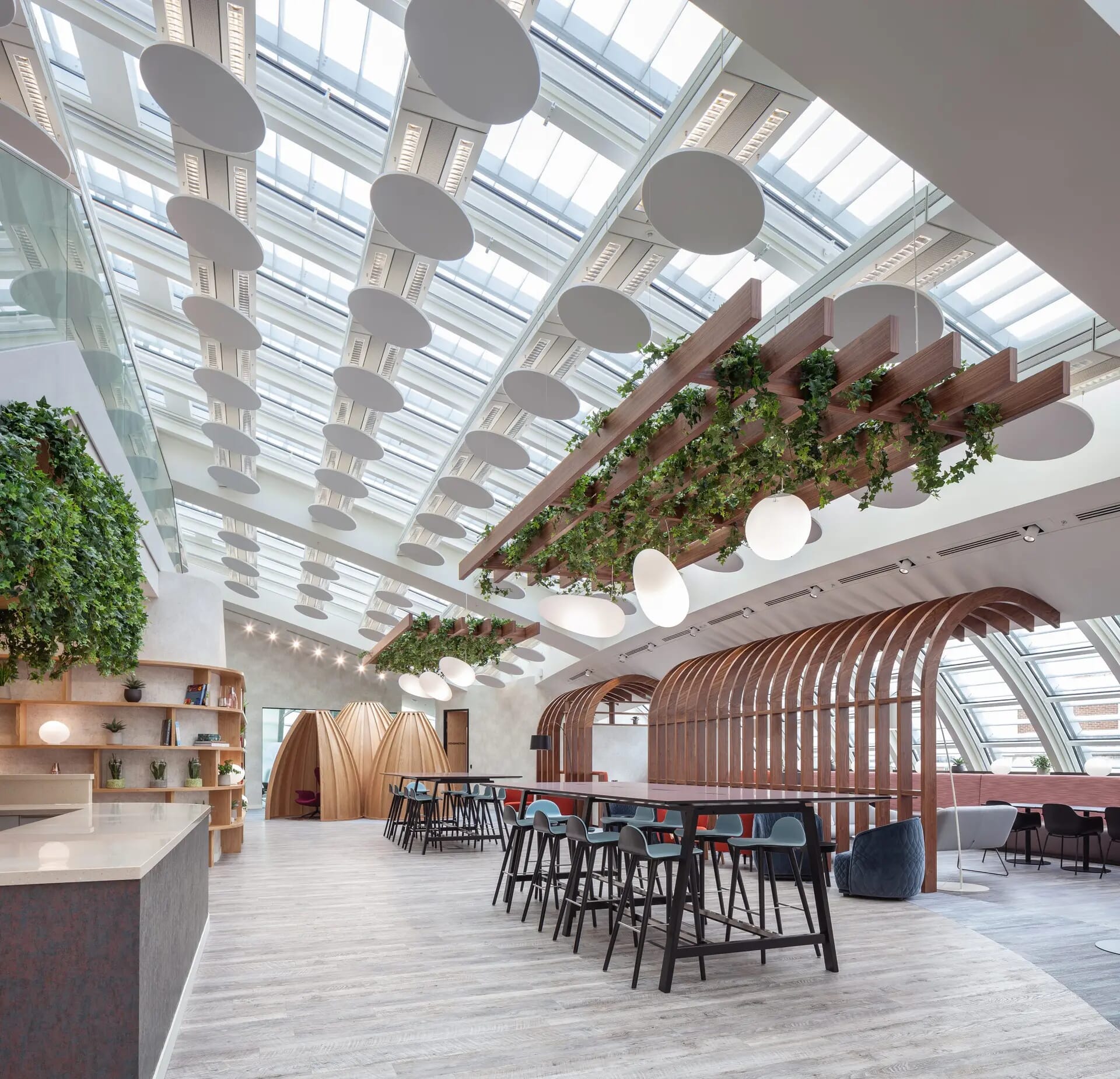
Acoustic ceiling rafts installed in an Art Centre
Why Acoustics Belongs in Your Inclusion Strategy
Hard, reflective surfaces such as glass, plaster, and laminate flooring all reflect sound around a room instead of absorbing it. That reflection is called reverberation and the longer it lasts (reverberation time), the harder it is to pick a teacher’s voice out from background noise.
For many SEND pupils, separating speech from noise is already a significant barrier and auditory processing difficulties, autism and ADHD can all make this harder. So a reverberant room doesn’t just feel noisy; it actively increases listening effort and fatigue.
Acoustic panels work by absorbing sound waves rather than letting them bounce, which shortens reverberation time. In classrooms, SEN units, nurture rooms and inclusion bases, it can create a more supportive learning experience through:
- Speech clarity — instructions and explanations are easier to follow, reducing the need to repeat or re-explain.
- Concentration — less competing background noise means less cognitive load spent filtering it out.
- Emotional regulation — calmer acoustic environments support pupils who are sensitive to noise or prone to sensory overload.
- Sensory comfort — Sensory overwhelm and dysregulation can cause discomfort and make it harder for pupils to learn, communicate and connect with others. More absorbent rooms feel less overwhelming for pupils with sensory processing needs.
- Teacher voice fatigue — staff don’t have to raise their voice over reverberation all day, reducing vocal strain.
The DfE’s Inclusive Education Estates: Supporting Inclusive Environments in Mainstream Settings (published June 2026) recommends acoustics as a key solution for applying inclusive design in schools.
For new schools and major refurbishments, acoustics have been a mandatory requirement under Building Bulletin 93 for nearly a decade, setting performance targets for reverberation time, background noise levels and sound insulation by room type.
What the IMF can and can’t pay for
The IMF must be spent in line with the seven principles, but it doesn’t need to be spread across all of them. It recommends that schools focus on whatever will make the biggest difference to their pupils.
What it can be used for:
- staff training and professional development
- securing specialist advice
- extra-curricular activities that increase participation
- partnership work with families
- environmental and accessibility improvements
What it cannot be used for:
- general school running costs
- subsidising spending you were already committed to
- staff time on activities unrelated to inclusion
- capital works
That last point matters: the IMF is revenue funding for people, training and practice, not fit-outs or panels.
How schools actually fund the works: the capital routes
Acoustic treatment is a capital cost, so it’s funded separately from the IMF. Costs for acoustic treatment in schools vary depending on the size of the space and the treatment required. We offer a free acoustic survey that can give you a clear picture of your reverberation time and the cost of treatment.
The main routes for funding are usually :
- High Needs Provision Capital Allocation (HNPCA) — £3.7bn between 2025-26 and 2029-30, supporting local authorities to create around 60,000 additional specialist places and increase mainstream capacity to meet a wider range of needs, including environmental improvements like acoustics and lighting.
- School Conditions Allocations (SCA) — one of the DfE’s two main channels for condition funding to eligible schools.
- Condition Improvement Fund (CIF) — the second of those two channels, typically for academies and small MAT applications.
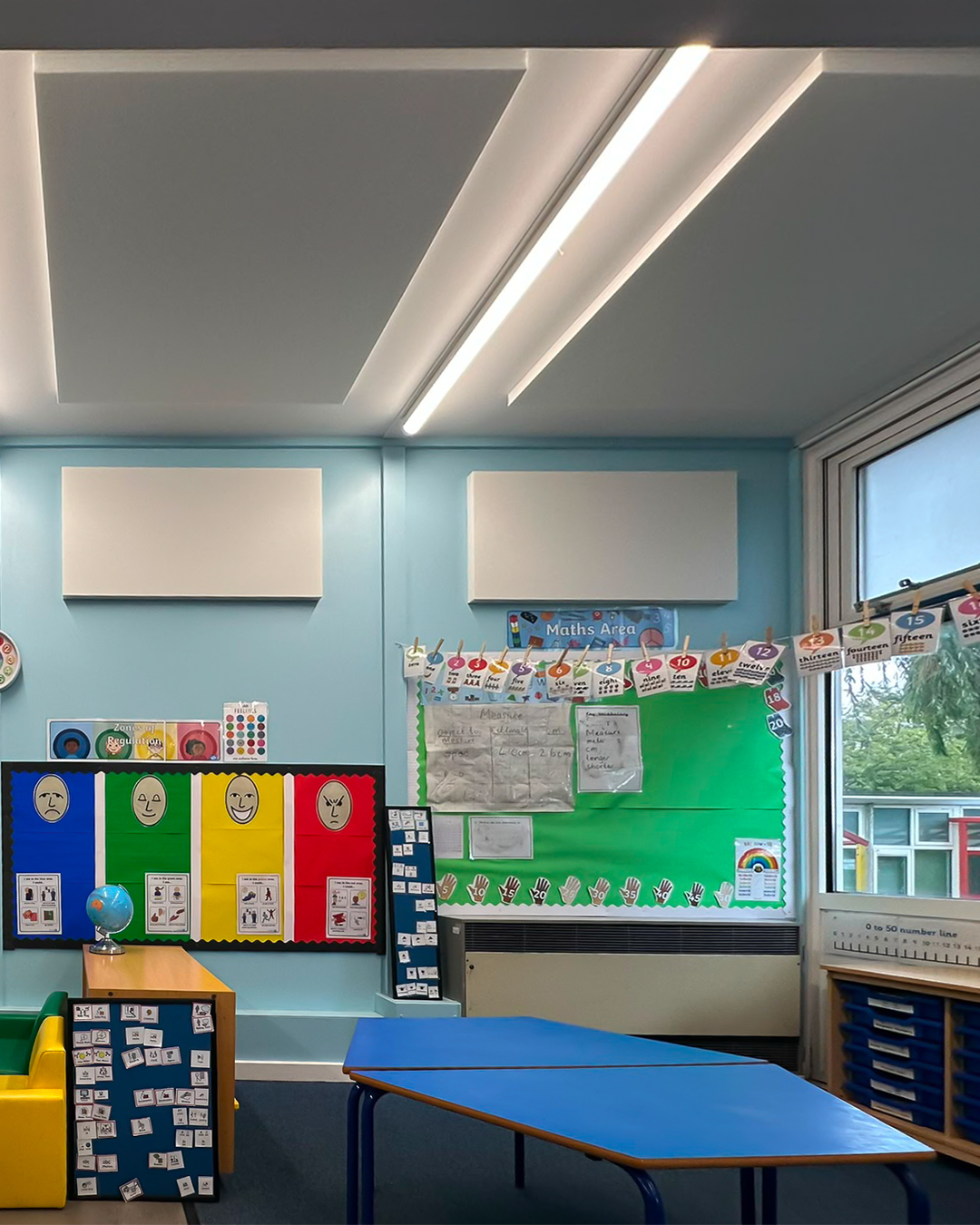
At Abbots Farm Infant School in Warwickshire, the difference in sound levels was immediate.
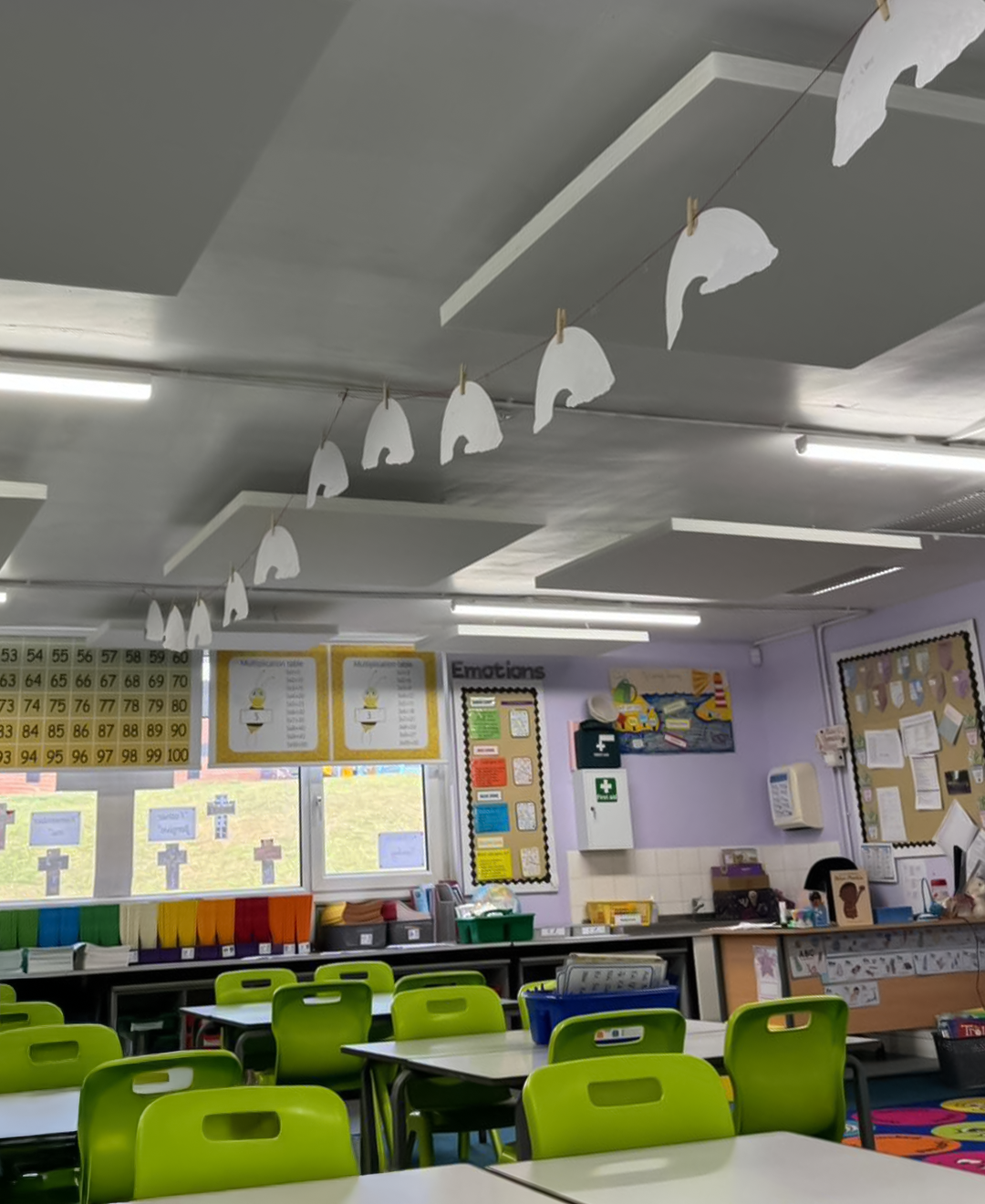
The Canons CE Primary School in Warwickshire
Case Study: Warwickshire County Council – delivering acoustic solutions in schools
We’ve been working with Warwickshire County Council for several years, helping schools across the county tackle their acoustics. So far we’ve treated over 20 educational spaces, from nursery and primary classrooms through to sports halls. It’s been an ongoing partnership where we survey each space to understand the acoustic needs and create a solution tailored to the space.
What does that mean for a classroom? Once it’s treated, background noise drops off noticeably. Pupils get a calmer space to listen and learn in, and teachers can talk at a normal volume and still be heard clearly across the room, no more straining their voice over echo and reverberation.
In a classroom where every child deserves a fair shot at hearing, focusing and joining in, that kind of everyday improvement really adds up. It changes how the room works day to day. For any school thinking through acoustics as part of their inclusion strategy statement, Warwickshire’s a solid example of what that investment looks like.
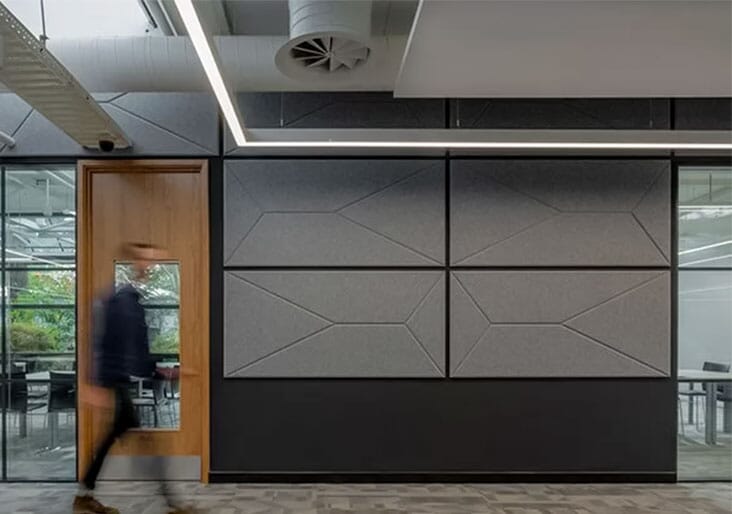
The difference it has made is superb, both in the hall and in the adjoining classroom. The team that came were efficient, polite and very professional. They have delivered an excellent product really well.
Sarah | Headteacher and SENCo Nursery Hill Primary School
Next step: book a free survey
If acoustics has landed on your inclusion strategy, the next step is finding out what your school needs before you commit any capital. We offer a free acoustic survey, where we walk your classrooms, SEN units or sensory spaces with you, identify where reverberation is working against your pupils and staff, and give you a clear picture of what treatment would involve.
That’s the evidence you can take into a capital bid, whether that’s through HNPCA, SCA or CIF, and it means your inclusion strategy statement is backed by something concrete rather than a placeholder.