

















9 Minute Read
Which acoustic panels are best? A Practical Guide
Not sure which acoustic panels are best for your space? Resonics breaks down the top options by space, from studios to schools, offices to halls, plus what to look for before you buy.

Mark Irwin
6th Jul 2026
Categories
Advice
When you search acoustic panels, you can find everything from foam squares marketed at podcasters to bespoke fabric-wrapped systems. They’re all called acoustic panels, but they’re not all the same thing.
The question shouldn’t be which acoustic panels are best, but which acoustic panels are best for your space, your goals and your budget.
We’ve been specifying and installing acoustic treatments across more than 7,000 projects since 2014. This guide pulls that experience together into something useful with a clear breakdown of what panels actually do (and don’t do) and a practical checklist for what to look for before you spend anything.

What Acoustic Panels Actually Do (And What They Don’t)
Before we get into recommendations, it’s worth being clear on what you’re buying.
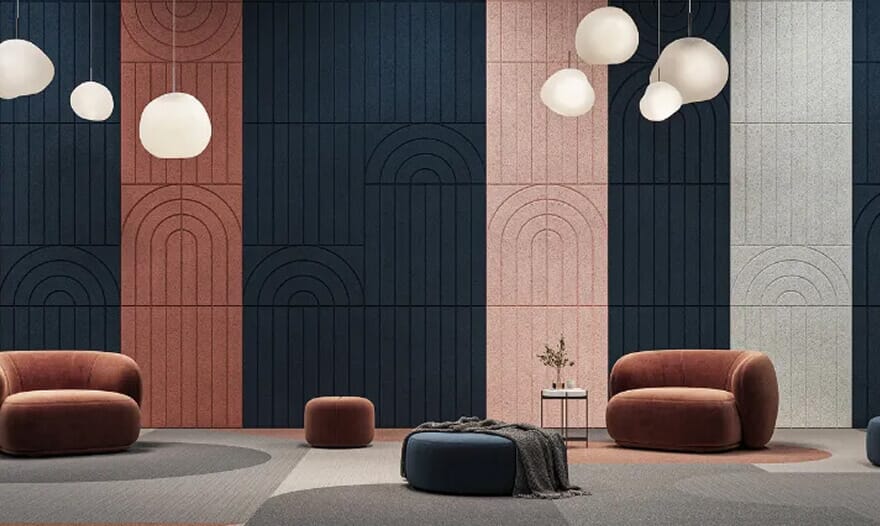
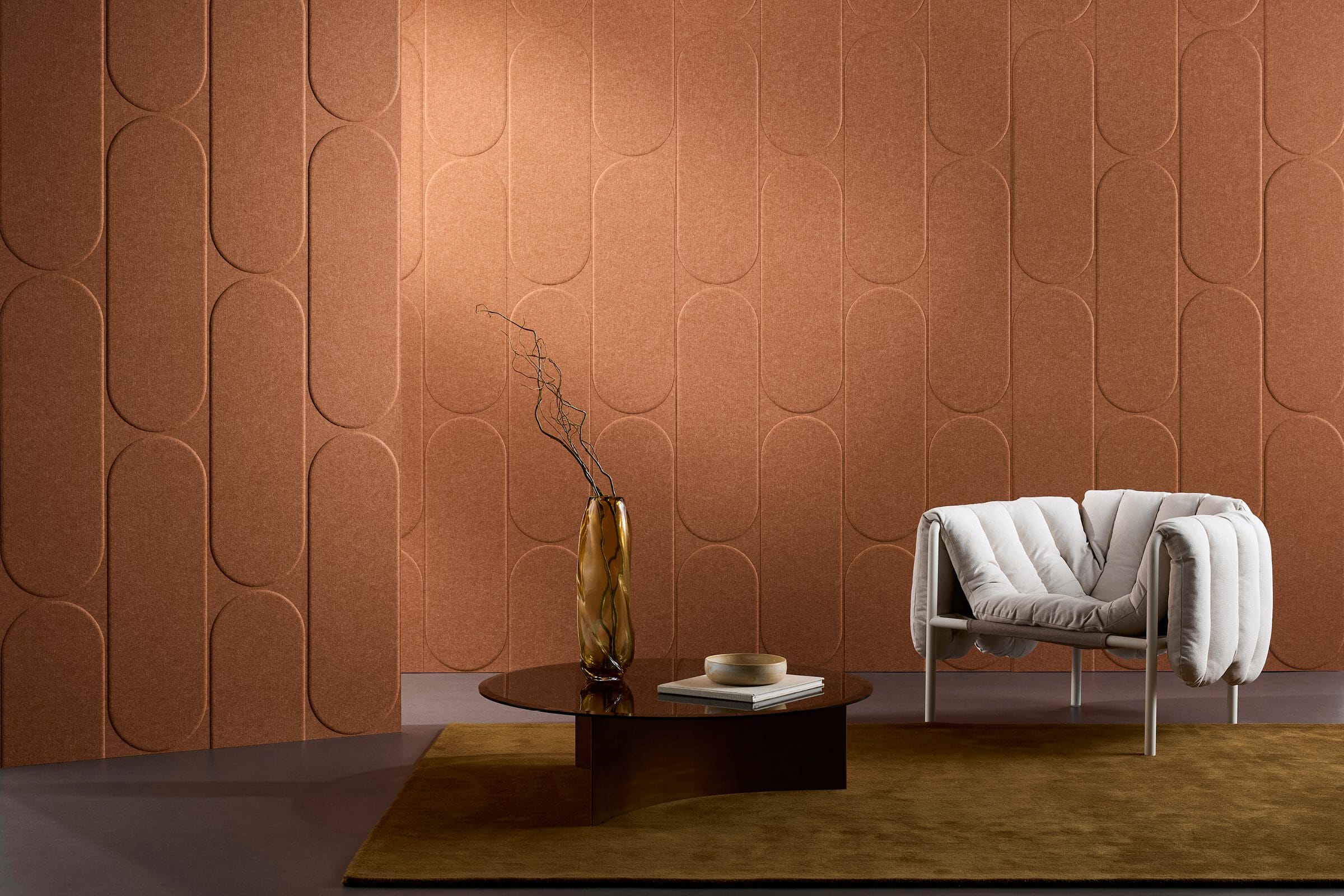
Acoustic panels, whether foam, fabric-wrapped, timber, or stretched fabric systems, absorb sound energy. They reduce reverberation, control echo, and improve the clarity of speech and music within a room.
What acoustic panels do not do:
- Stop sound from travelling between rooms.
- Block noise from outside.
- Replace proper soundproofing or sound isolation.
- Fix structural problems — party walls, thin ceilings, gaps in doors and windows.
If your problem is noise entering or leaving a space, acoustic panels are not the solution. Soundproofing and acoustic treatment are different things. We cover this in more detail in our guide to soundproofing vs acoustic treatment.
If your problem is sound quality within a space, echo, reverb, or speech intelligibility, then acoustic panels are exactly the right tool.
Which Acoustic Panels Are Best for Commercial and Large Open Spaces?
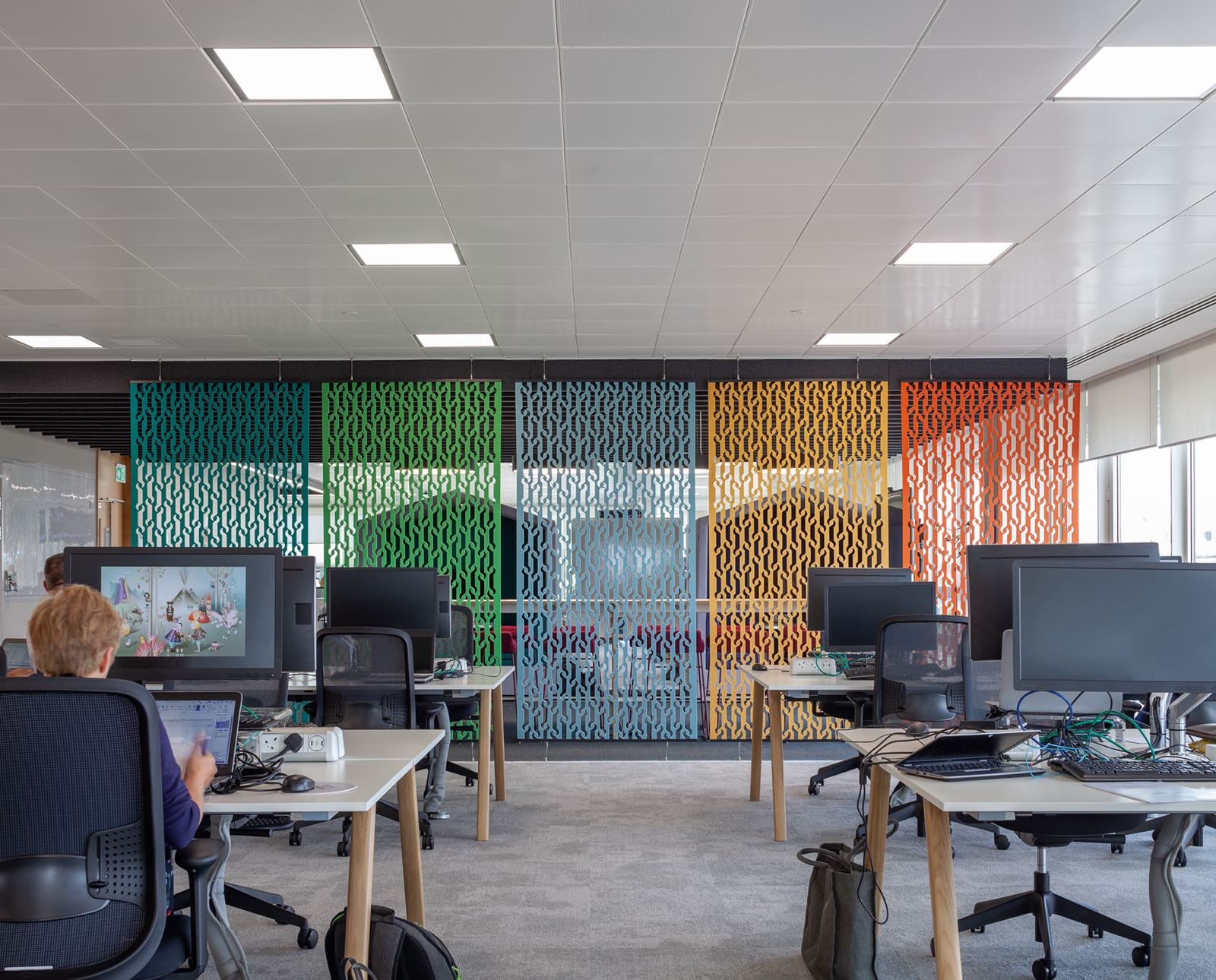
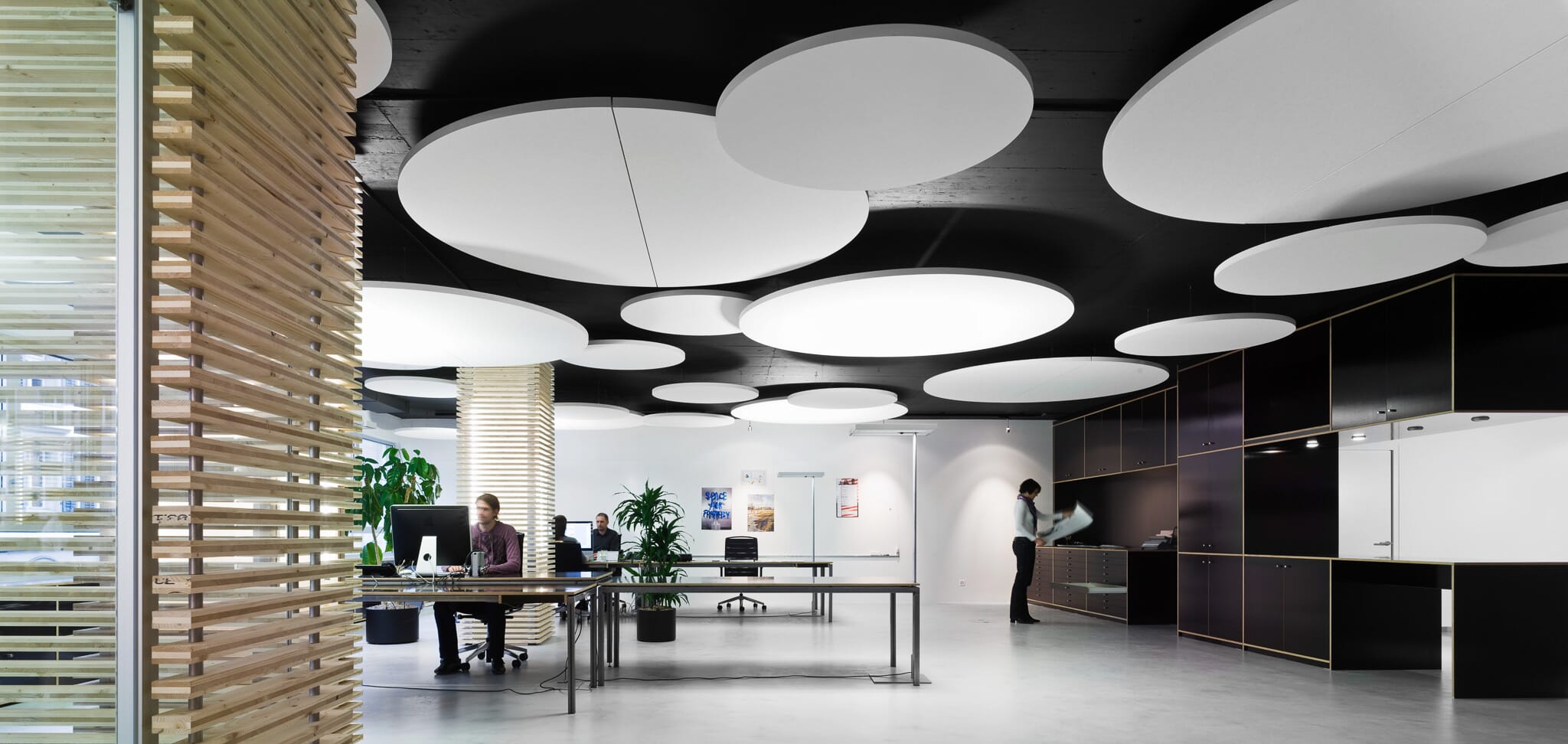
Open-plan offices and large commercial interiors generate high levels of sustained ambient noise. Sound travels freely between workstations, meetings bleed into adjoining areas, and the effect on concentration and wellbeing is considerable.
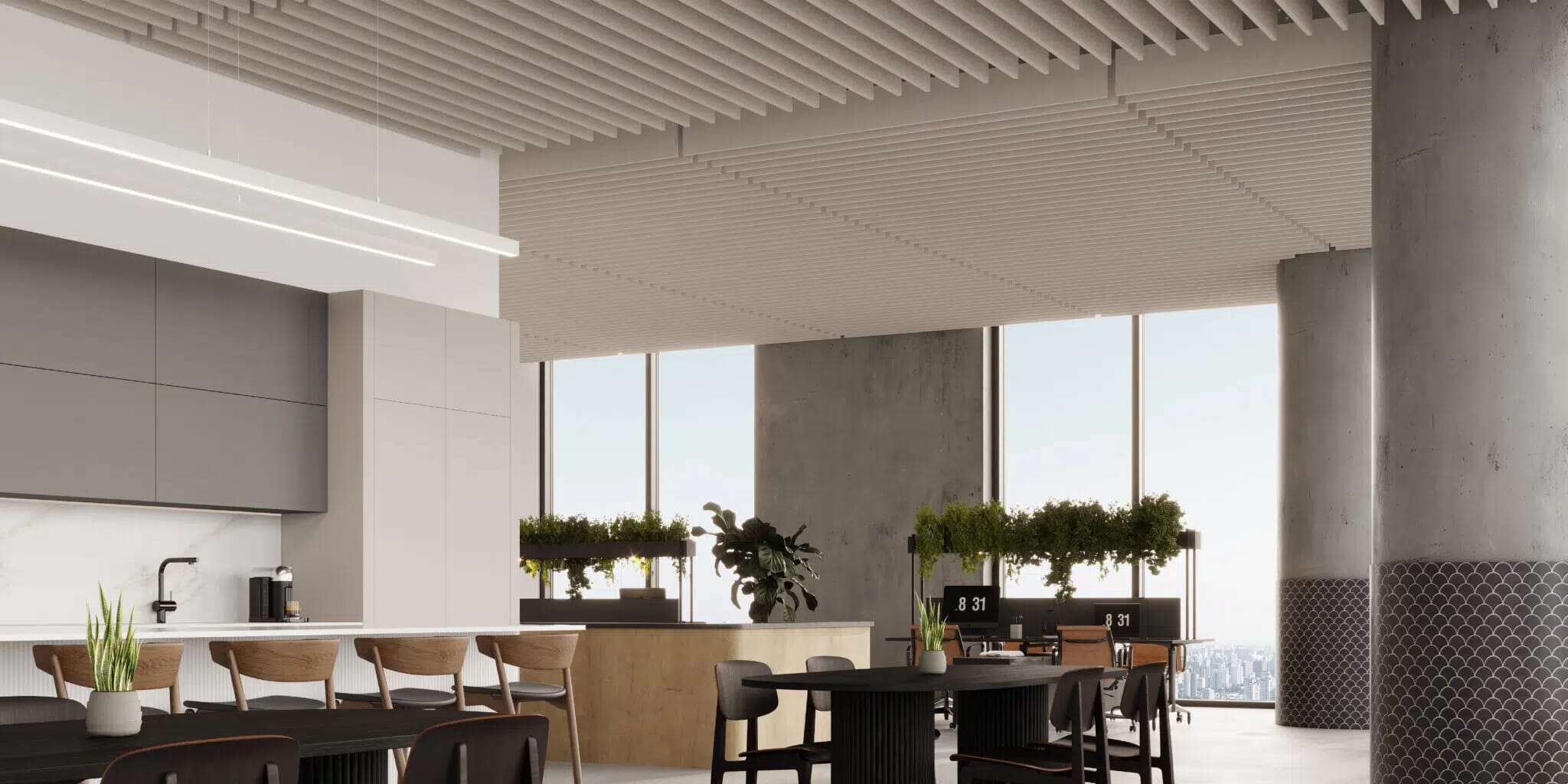
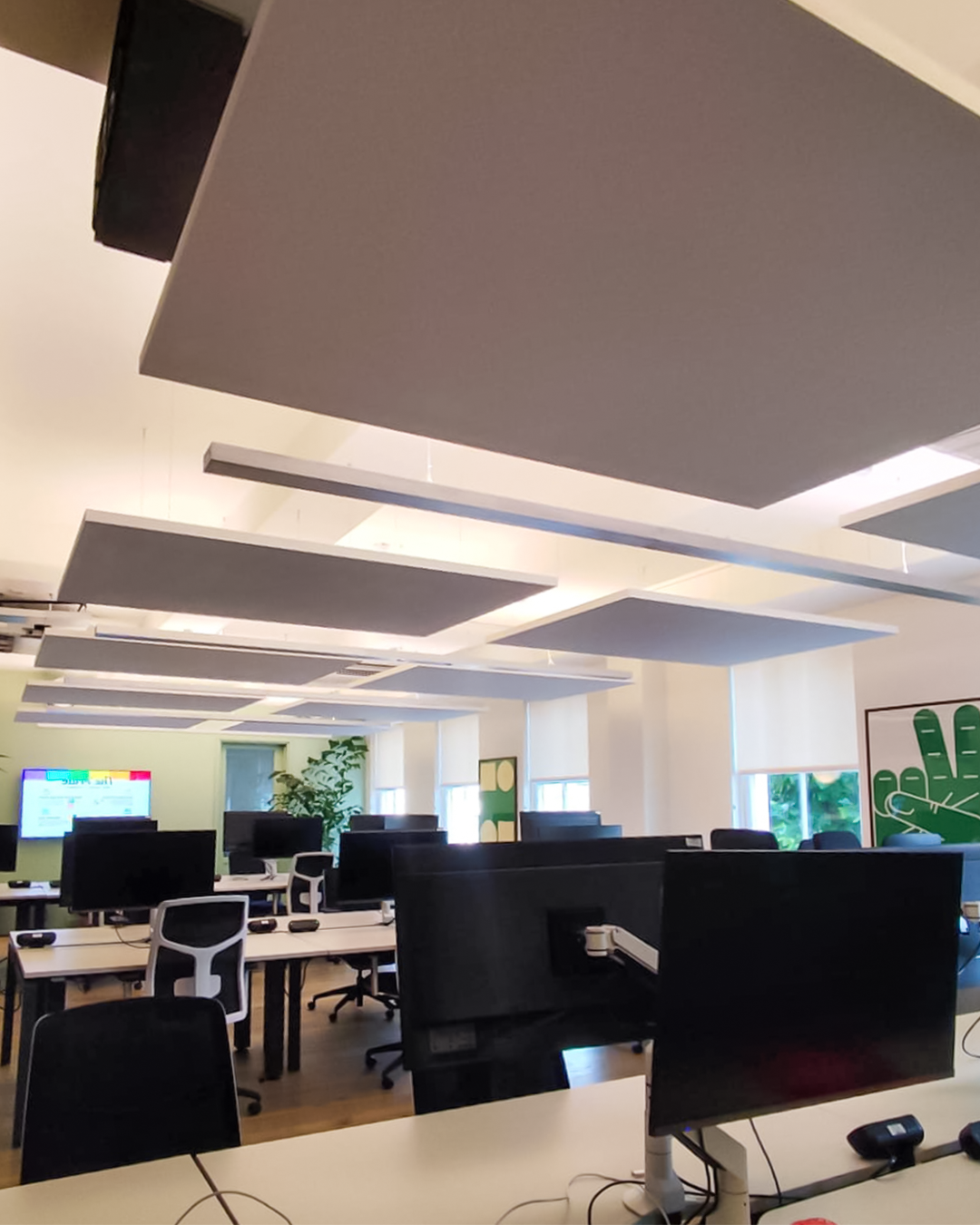
Acoustic panels absorb sound waves, reducing reverberation time, improving speech intelligibility and lowering the overall noise level. In large spaces, ceiling-mounted products are the most effective, treating reflections from the largest reflective surface in the room without consuming wall space. We cover everything you need to know about office acoustics in our Ultimate Office Acoustics Guide.
Recommendations:
 |
 |
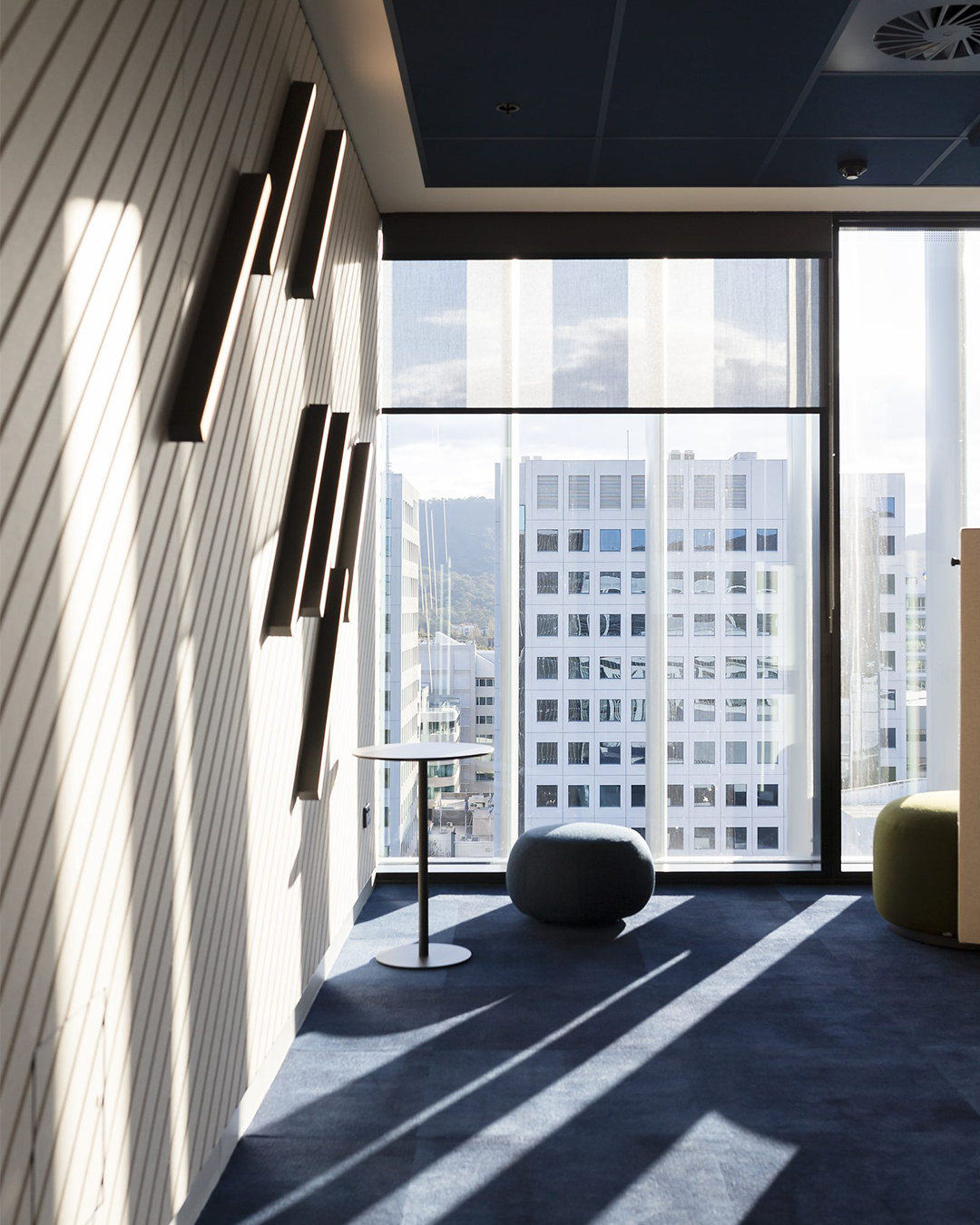 |
| Ecophon Solo | Impact Acoustic Baffles | Autex Groove |
Which Acoustic Panels Are Best for Meeting Rooms and Boardrooms?
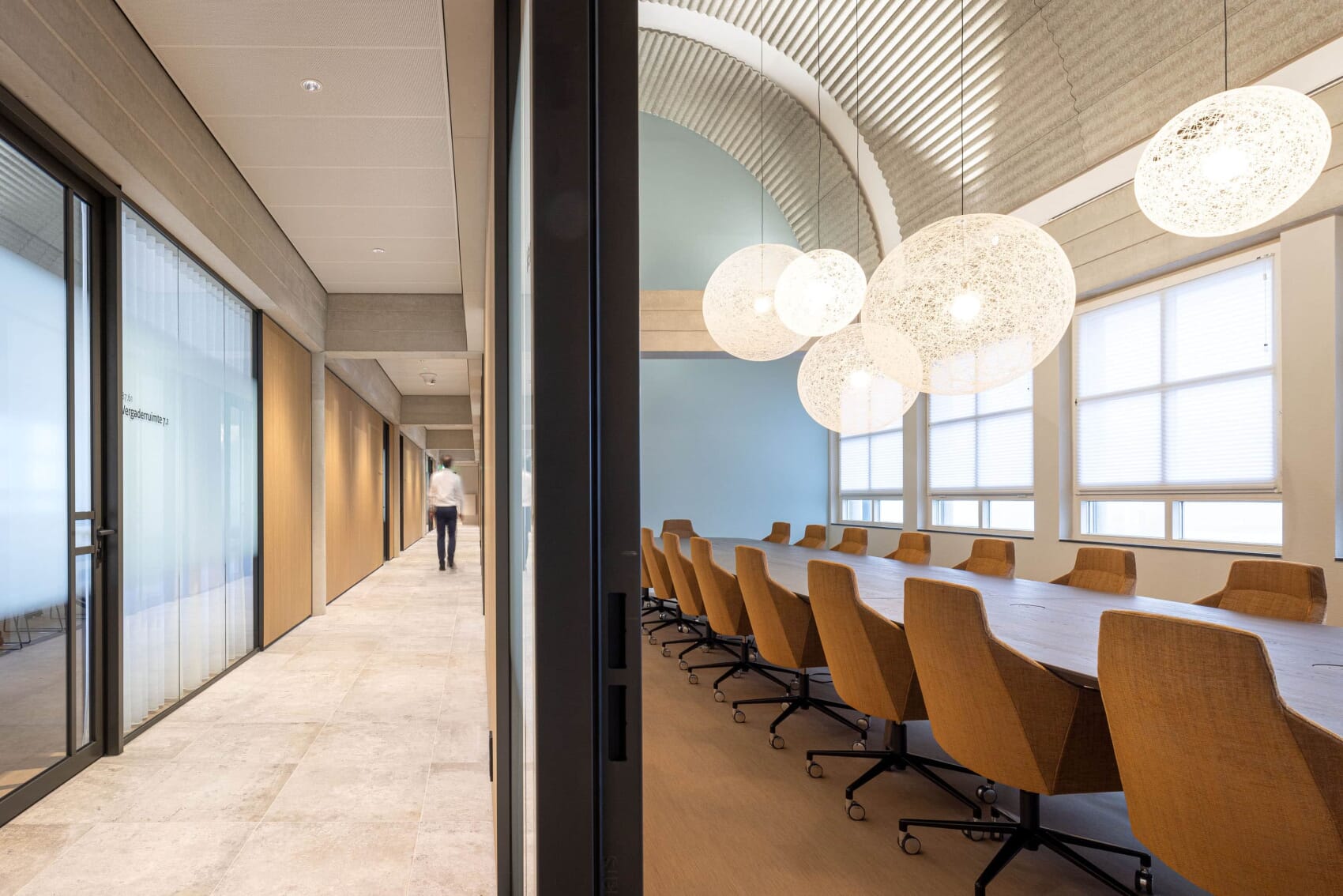
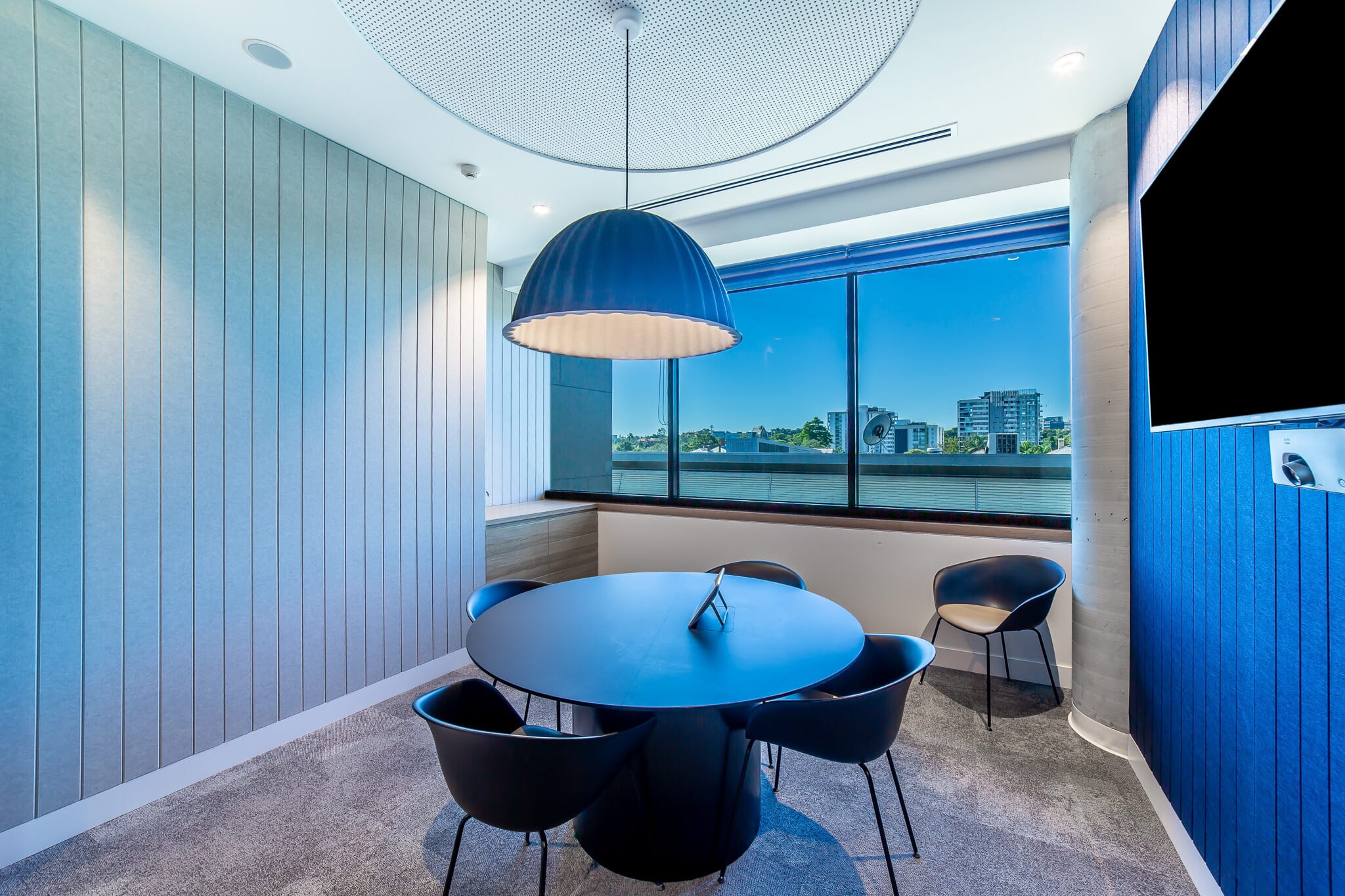
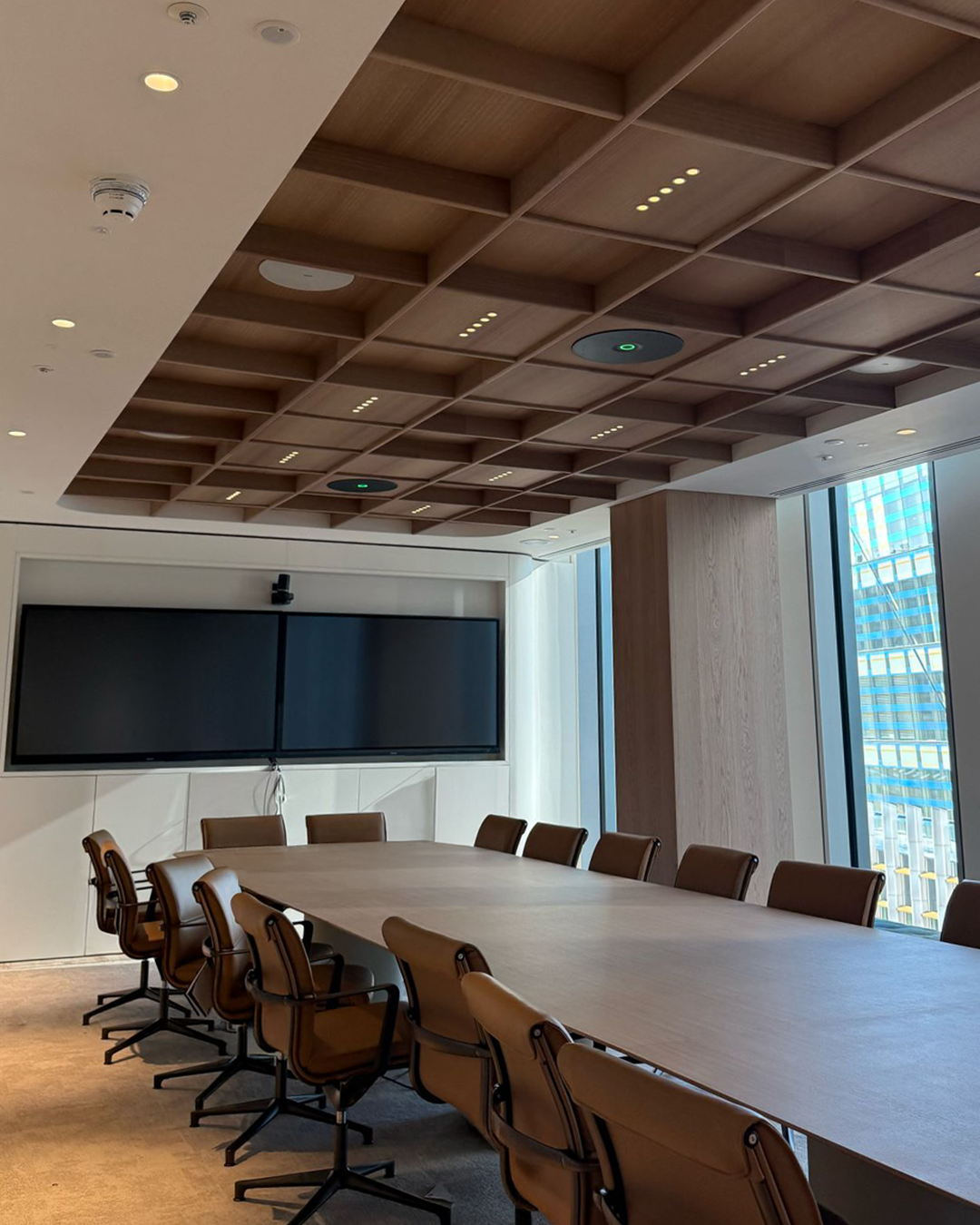
Meeting rooms and boardrooms are where acoustic failings become most visible. A room that sounds echoey undermines confidence in presentations, makes hybrid calls harder to follow and signals a lack of attention to detail in spaces that are often the first impression a client receives. Take a look a our guide on how to fix meeting room acoustics.
Recommendations:
 |
 |
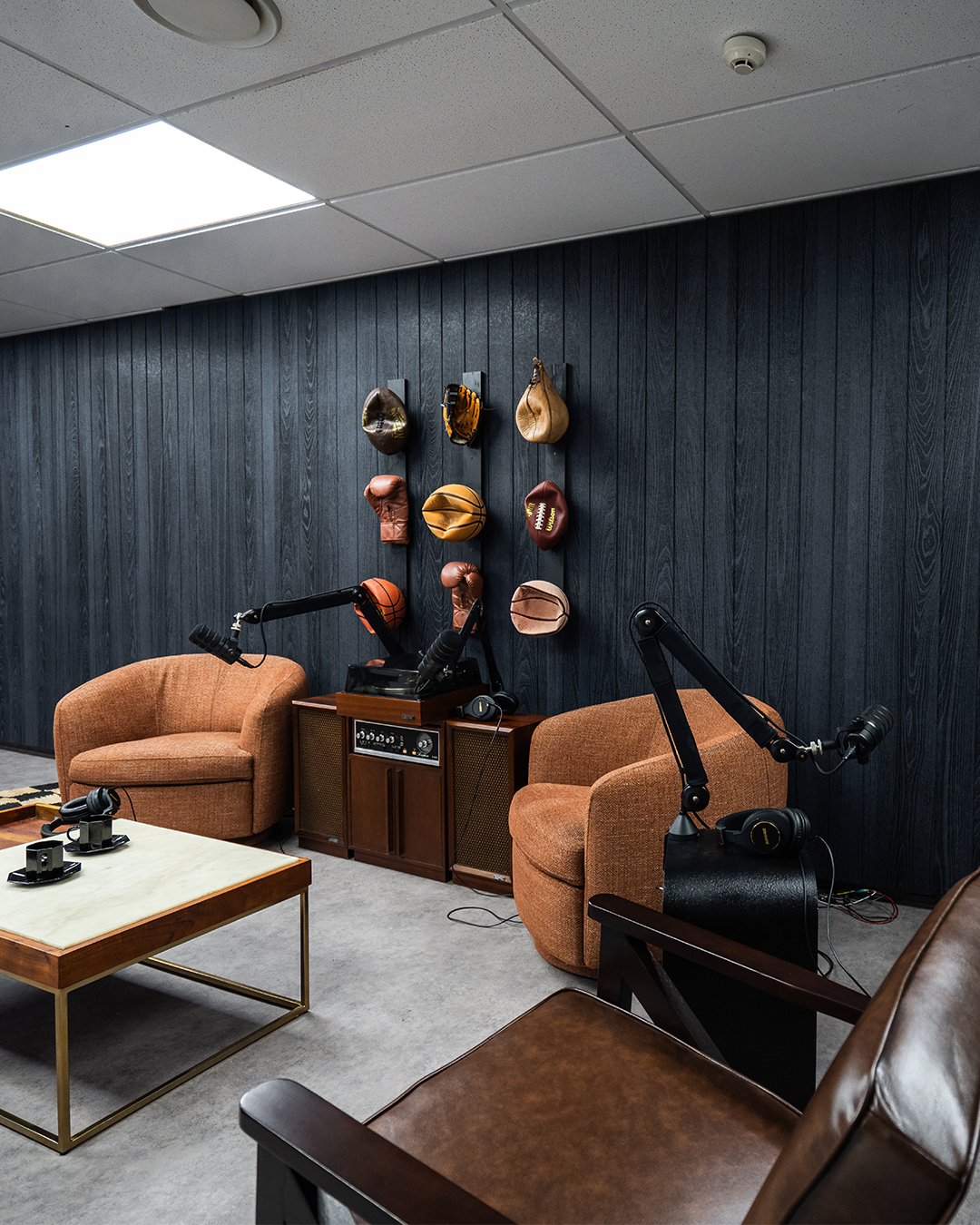 |
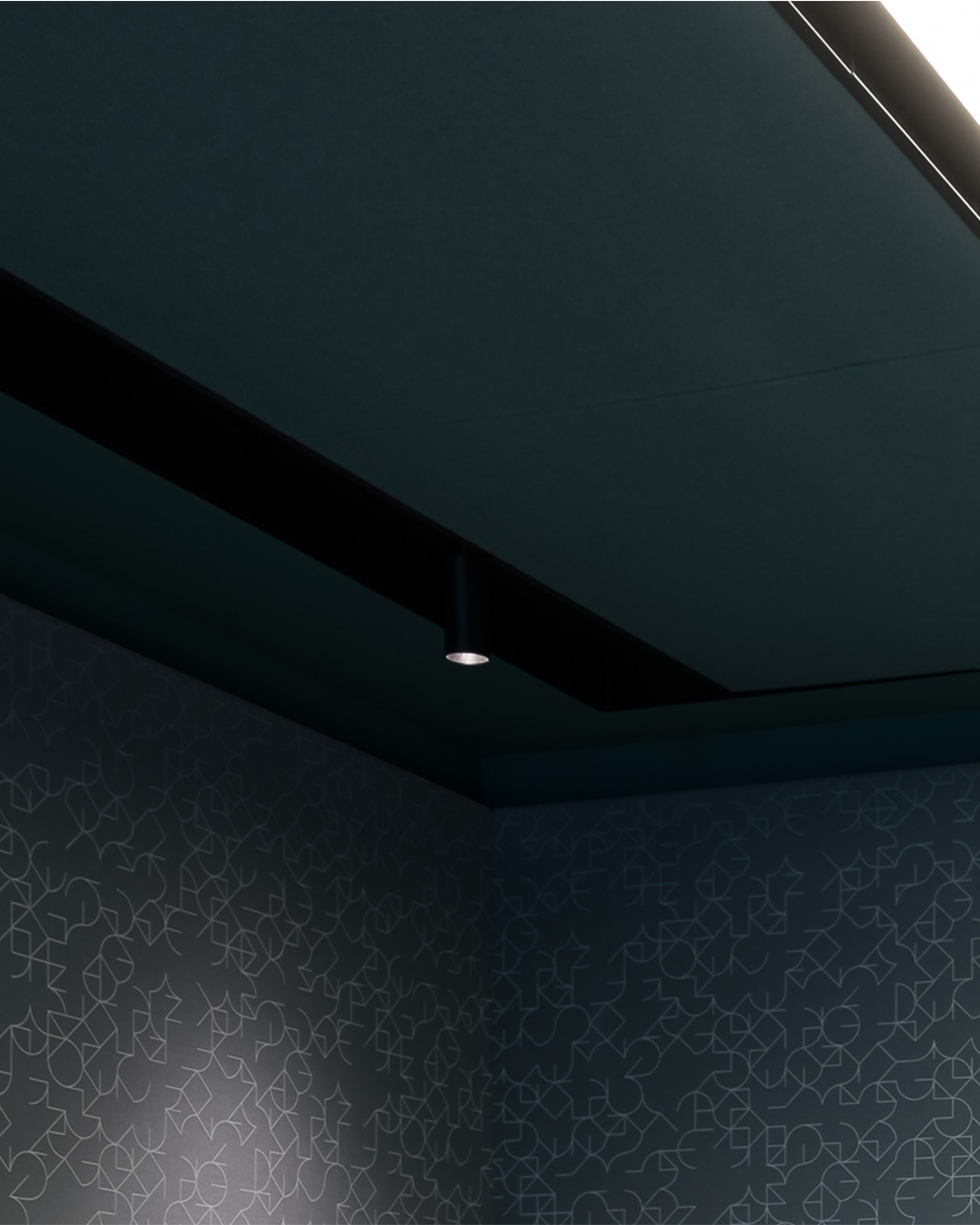
| Autex Axis | Tenso Ceiling | Autex Cube |
Which Acoustic Panels Are Best for Studios?
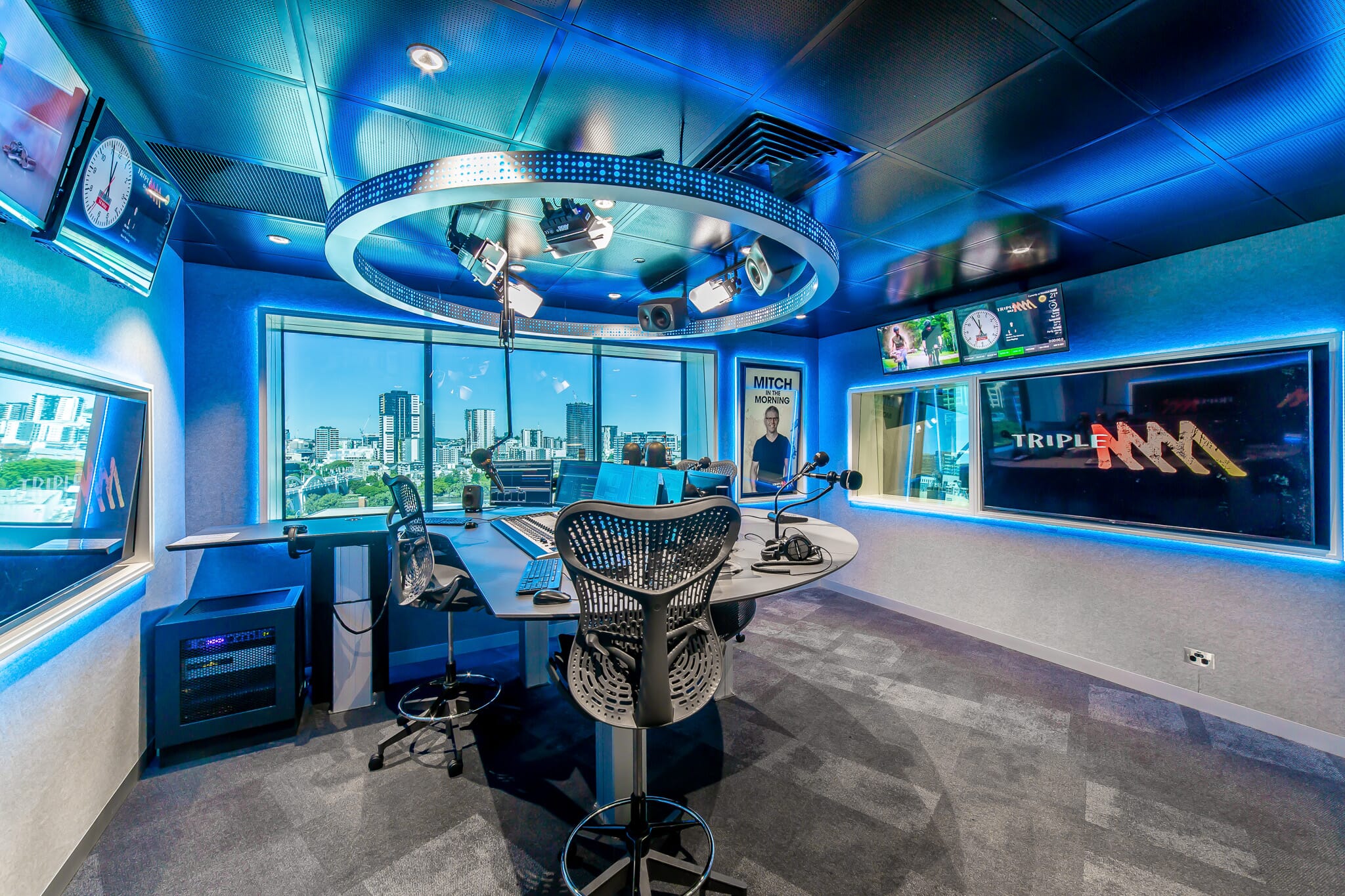
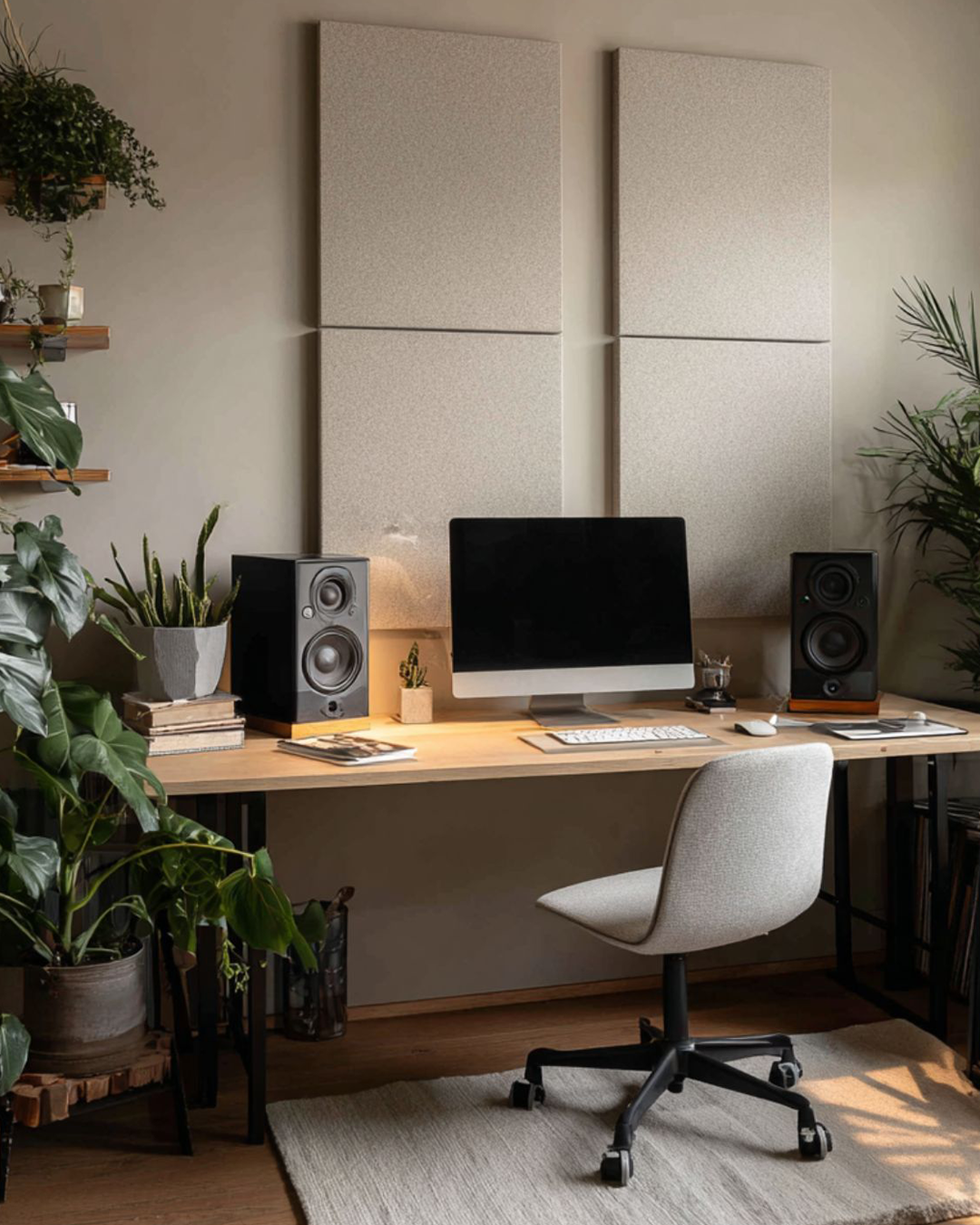
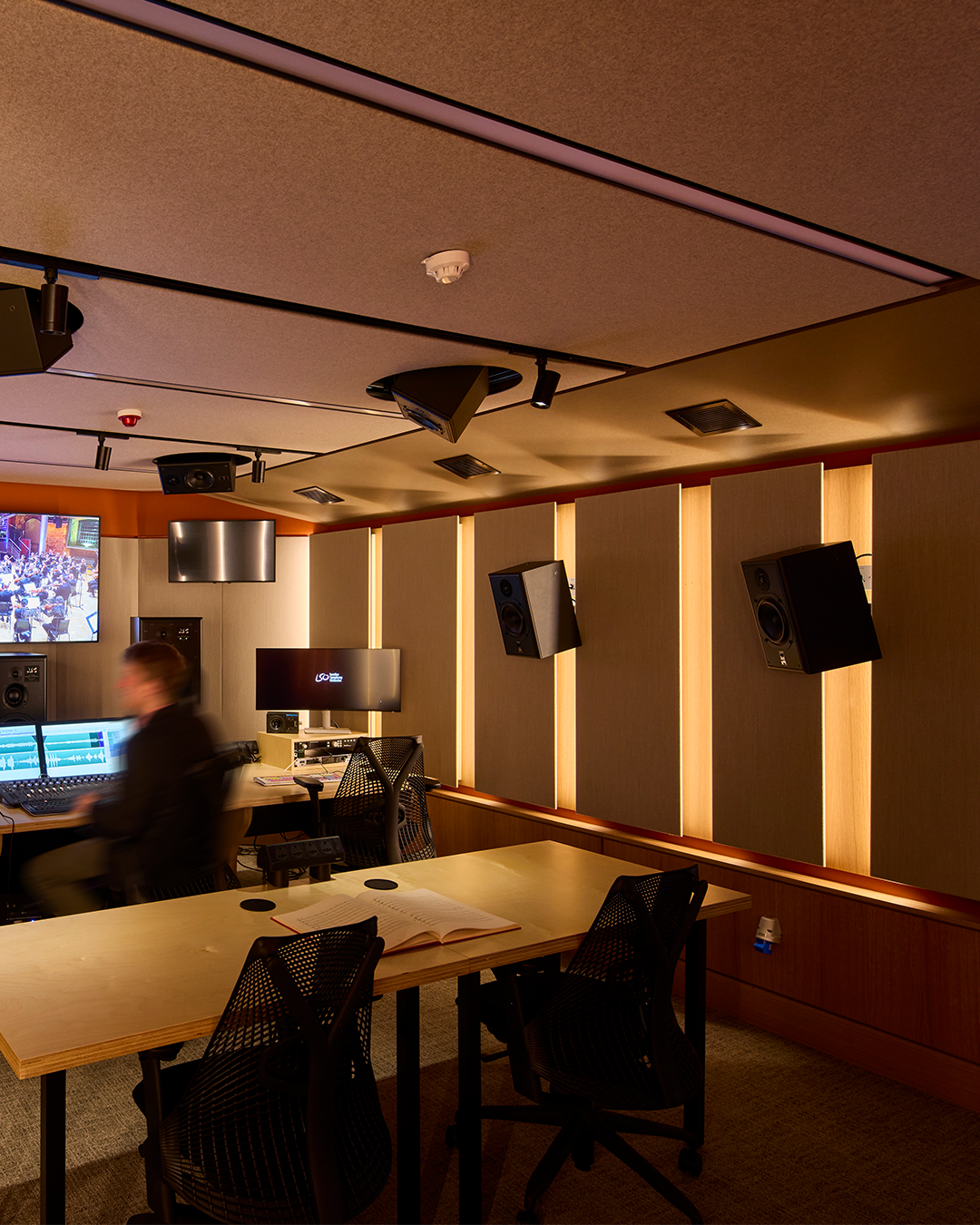
Studios are one of the most acoustically demanding environments. Whether you’re recording music, producing podcasts, or building a home edit suite, unwanted reflections can compromise the sound you capture and the accuracy of what you hear back on monitors. Acoustic panels absorb those unwanted reflections, creating a more balanced and accurate sound. Take an in depth look into our top panels for studios and music rooms.
Our recommendations:
 |
 |
|
| Silent Space Acoustic Panels | Tenso Wall | Autex Cube |
Which Acoustic Panels Are Best for Schools?
Classrooms, lecture theatres and learning support spaces are environments where acoustic quality directly affects outcomes. Poor acoustics make speech harder to follow, increase cognitive load and place strain on pupils with hearing impairments, English as a second language or attention difficulties.
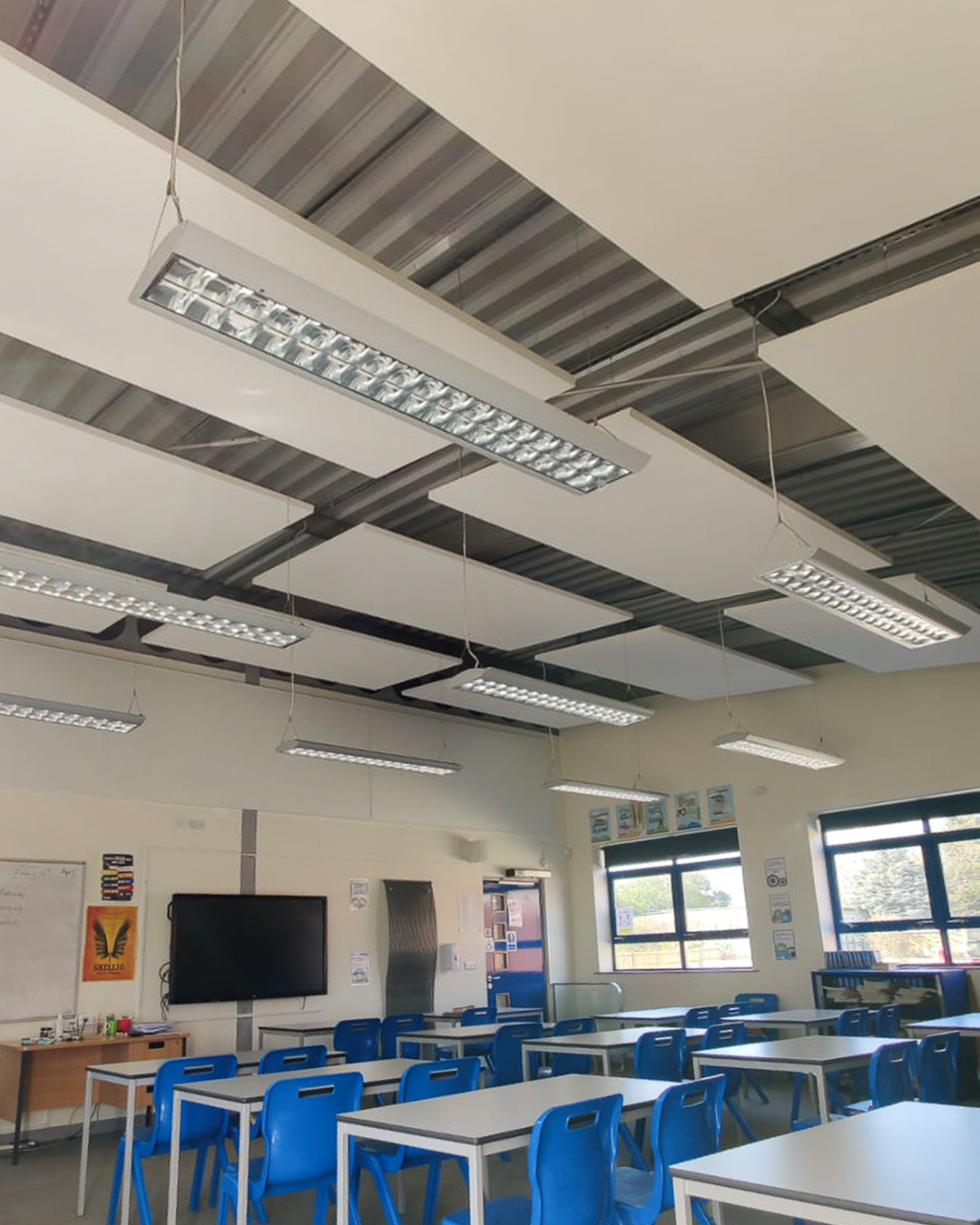
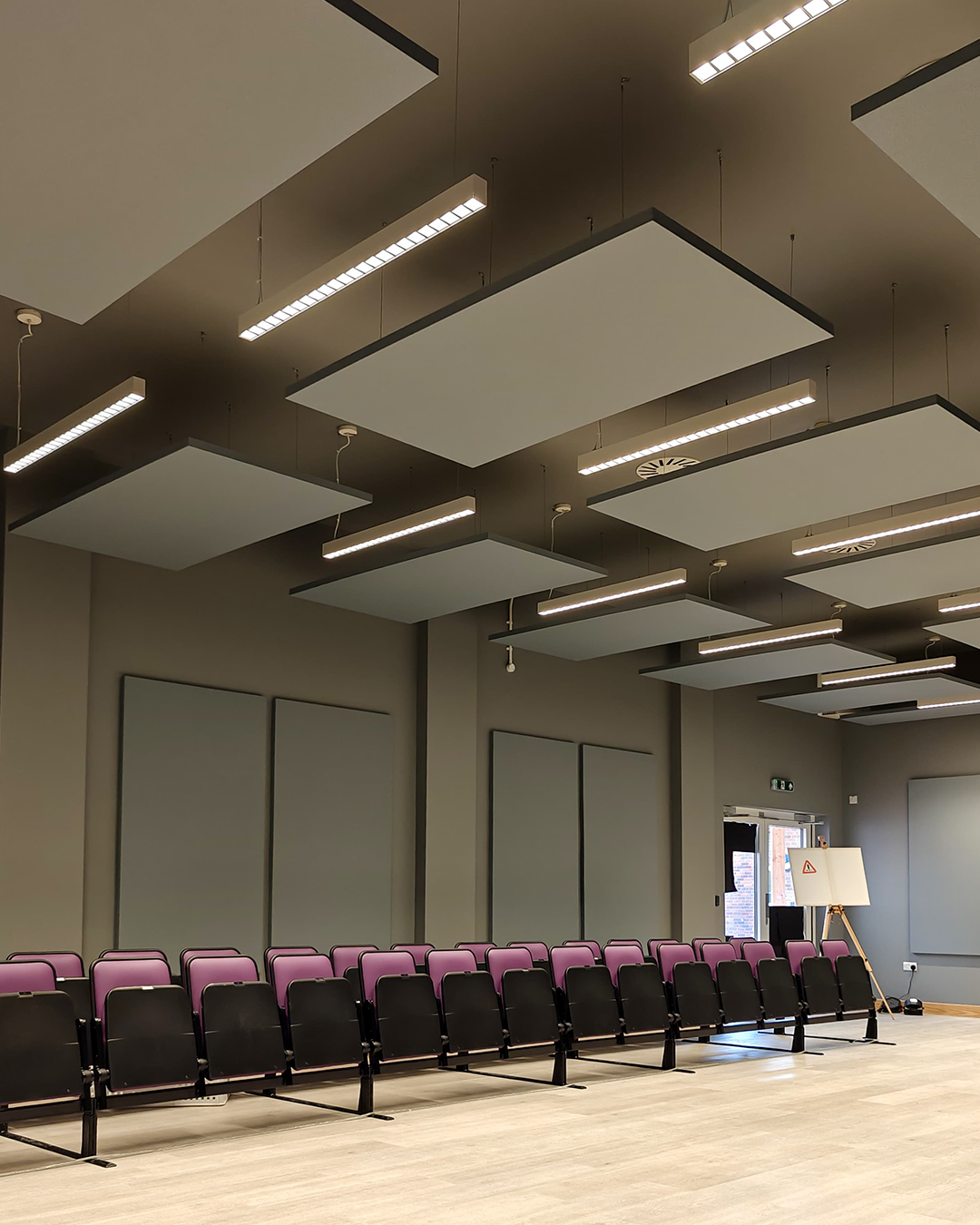
Acoustic panels reduce reverberation to levels appropriate for each type of teaching space, helping voices carry clearly without excessive echo or background noise building up. In the UK, new-build and refurbished educational spaces are required to meet the acoustic targets set out in Building Bulletin 93 (BB93); the right panels are key to achieving those targets. learn why school acoustics matter and how to get it right.
Recommendations:
 |
 |
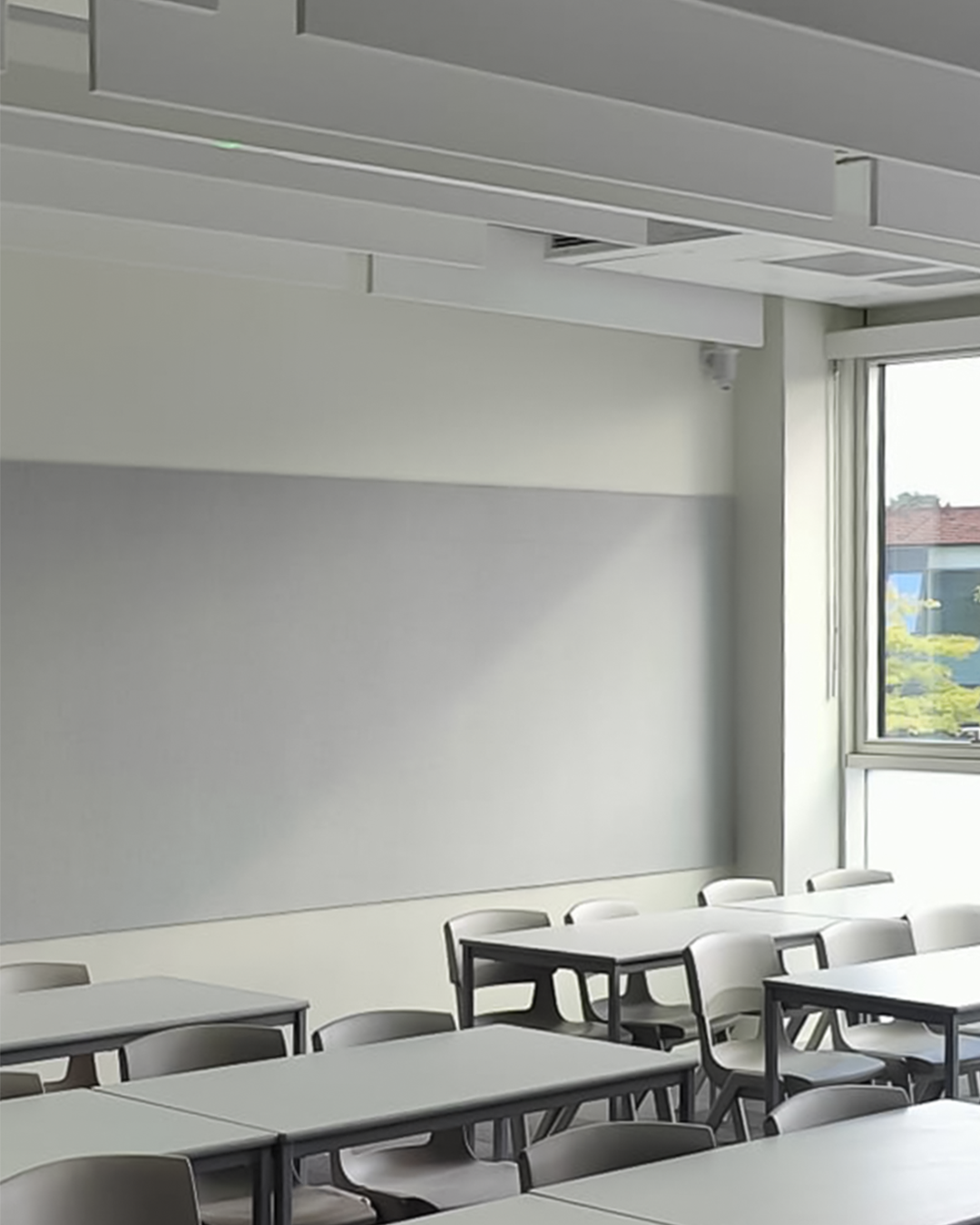 |
| Ecophon Solo | Silent Space Rafts | Tenso Wall |
Which Acoustic Panels Are Best for Halls?
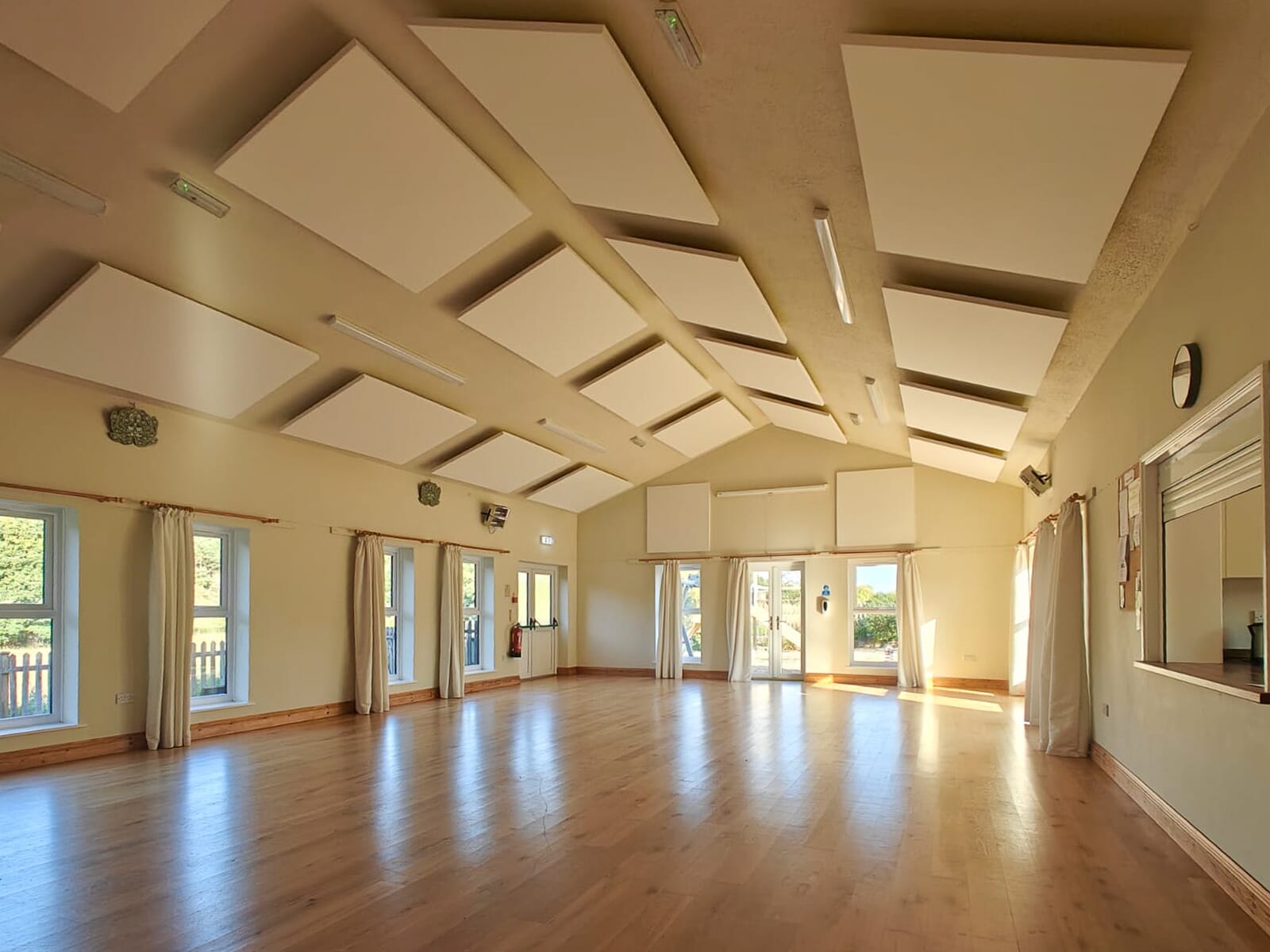
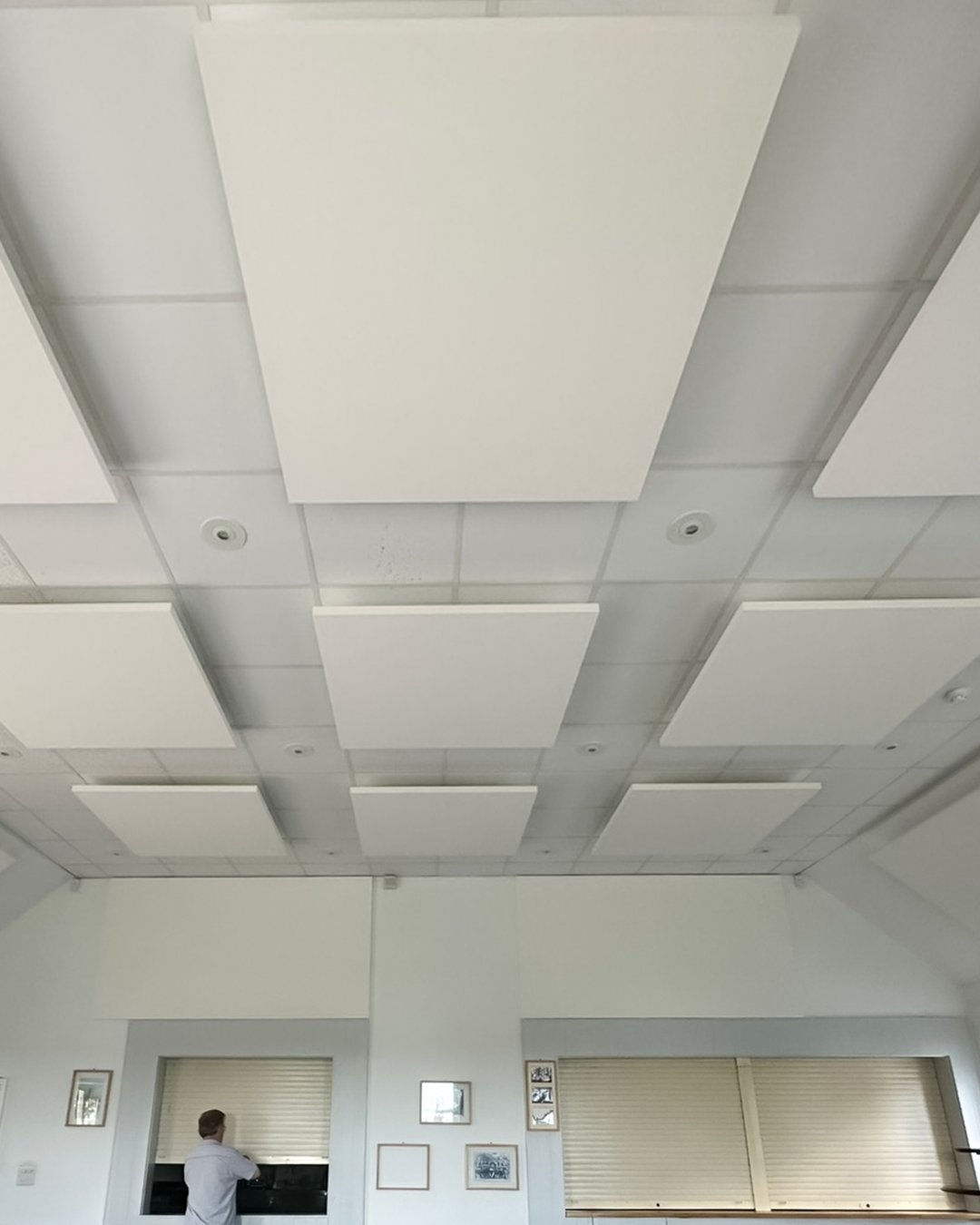
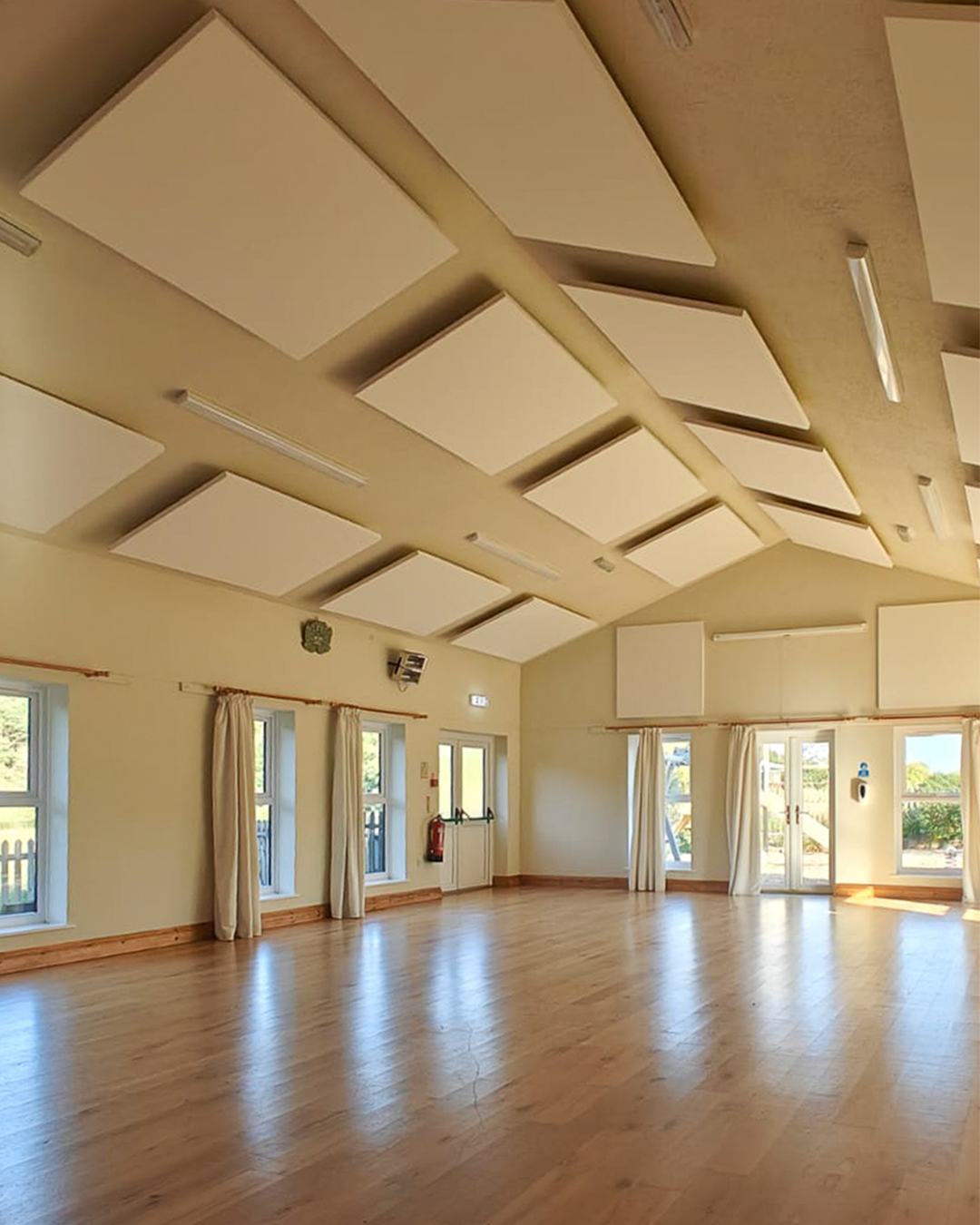
Village halls, community centres, sports halls, and multi-purpose function rooms share a common acoustic problem: large spaces with hard surfaces that create long reverberation times and make speech difficult to follow and events hard to enjoy.
Acoustic panels absorb the sound waves bouncing between those surfaces, shortening reverberation time and bringing the room acoustics under control. Take a more in depth look at our recommended village hall acoustic panels.
Our recommendations:
 |
 |
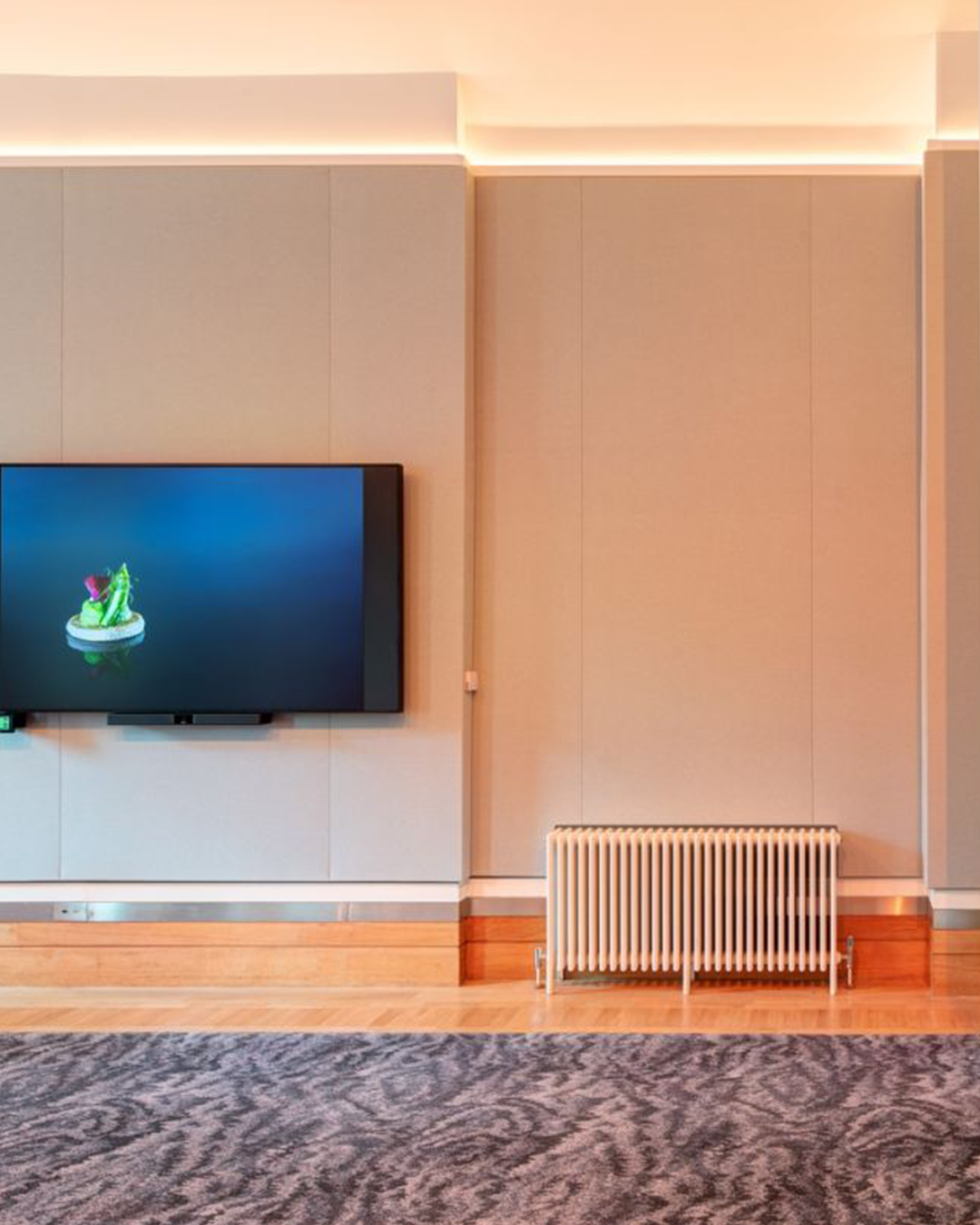 |
| Ecophon Solo | Silent Space Rafts | Tenso Wall |
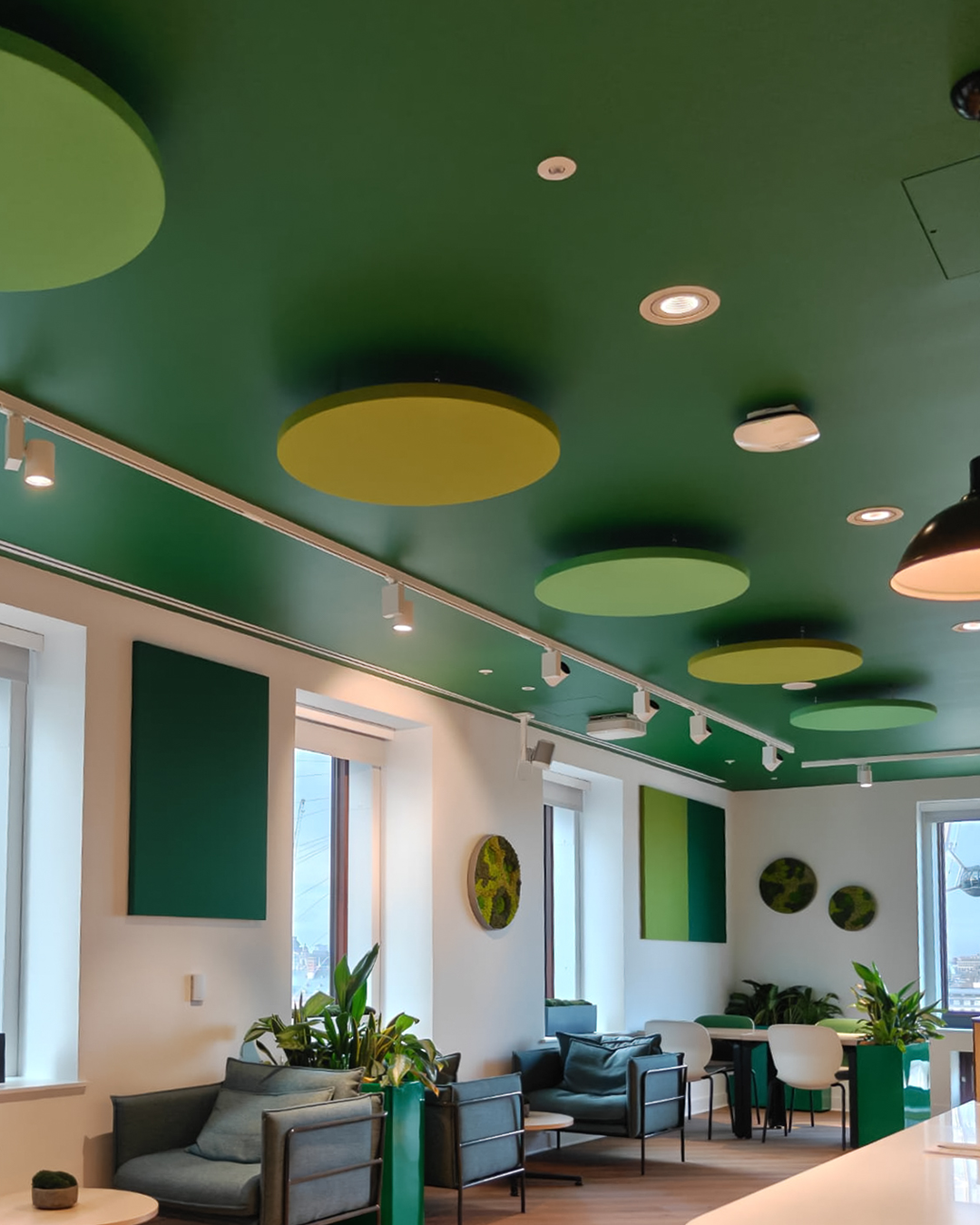
Which Acoustic Panels Are Best for Restaurants and Cafes?
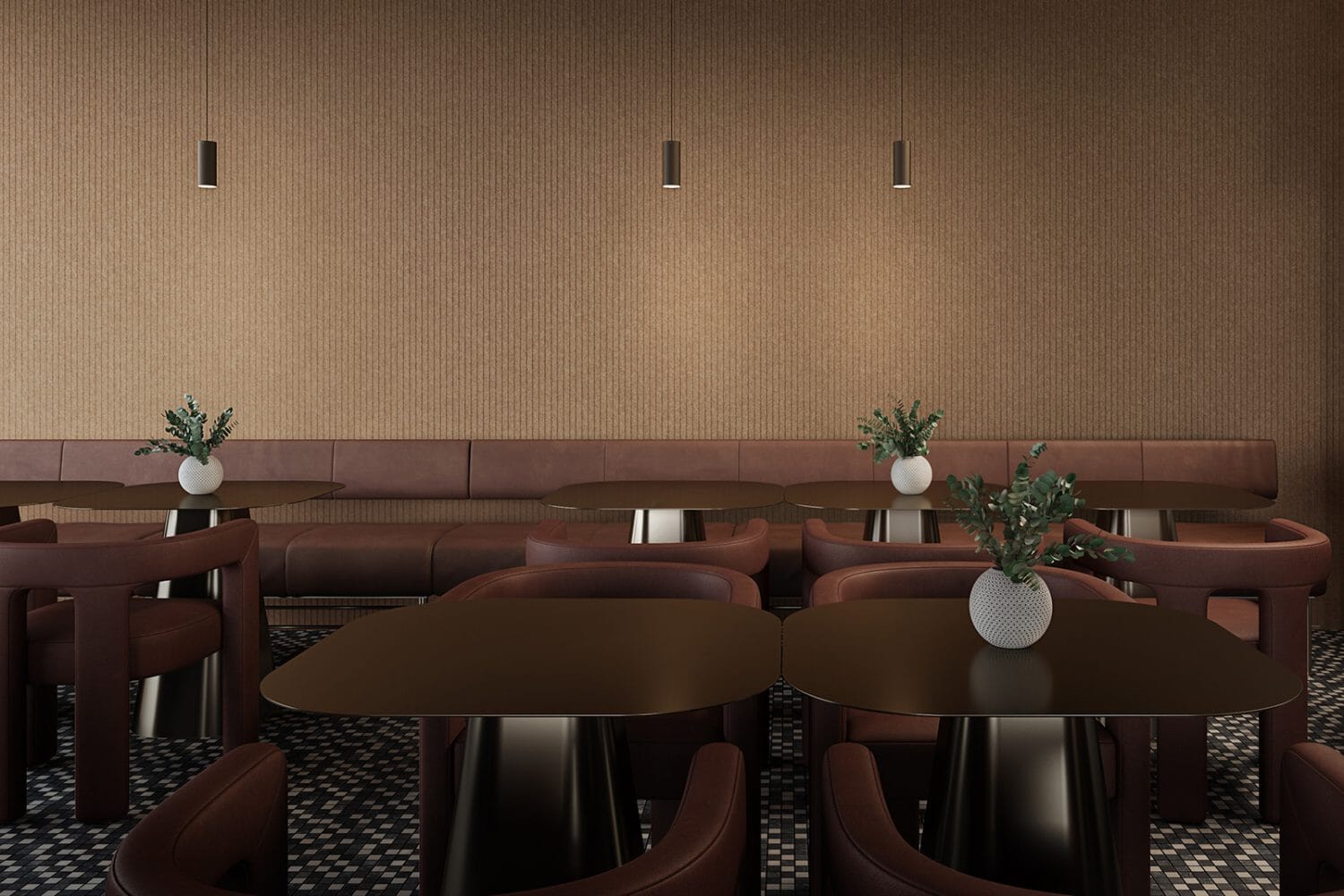
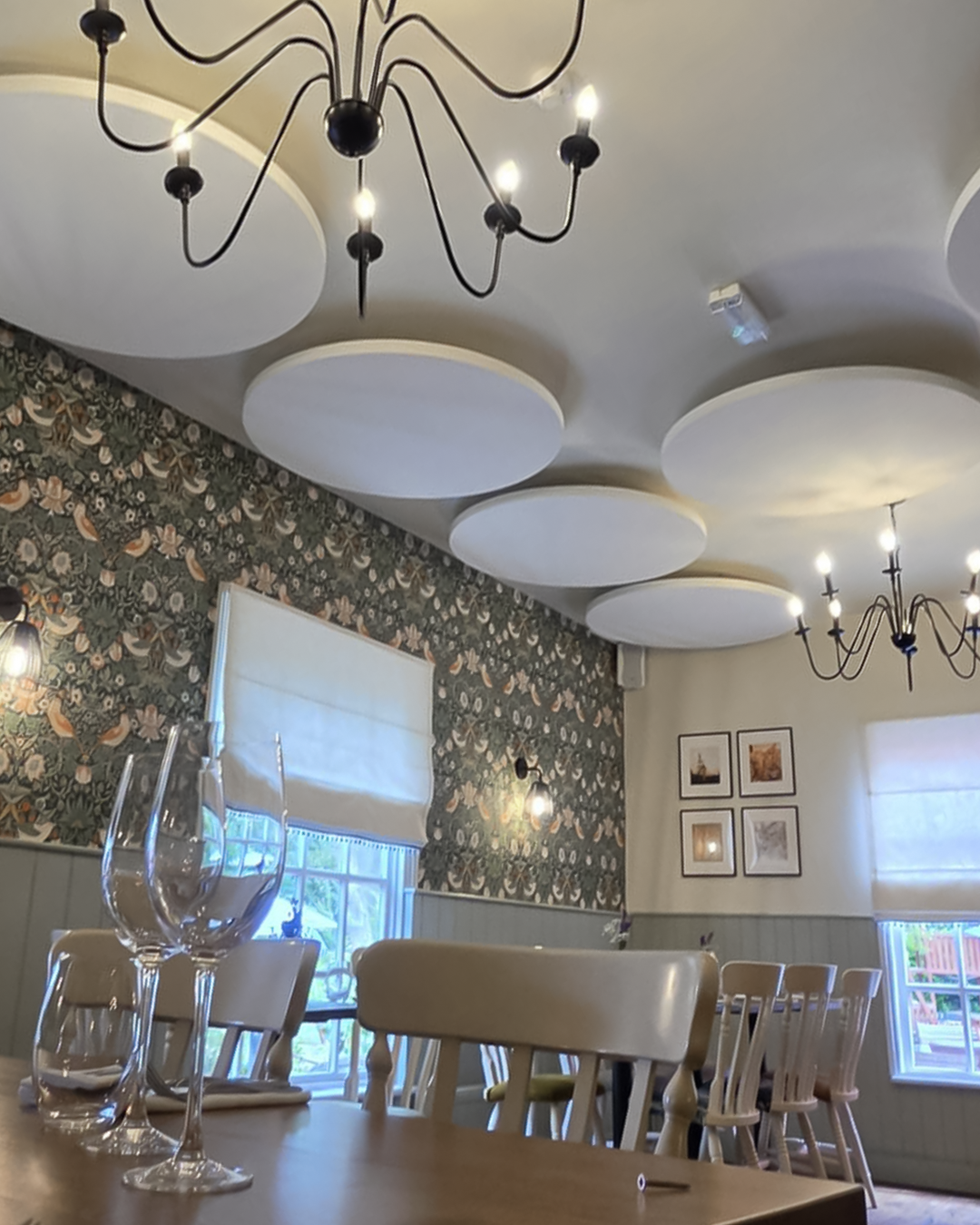
Restaurants and cafes share a common acoustic problem: hard surfaces like glass, tile, and bare walls create long reverberation times, making conversations difficult to follow and turning a meal into a strain rather than an enjoyable experience.
Acoustic panels absorb the sound waves bouncing between those surfaces, shortening reverberation time and bringing the room acoustics under control. Take a more in depth look at our recommended restaurant acoustic panels.
Our recommendations:
 |
 |
 |
| Ecophon Solo | Silent Space Rafts | Tenso Wall |
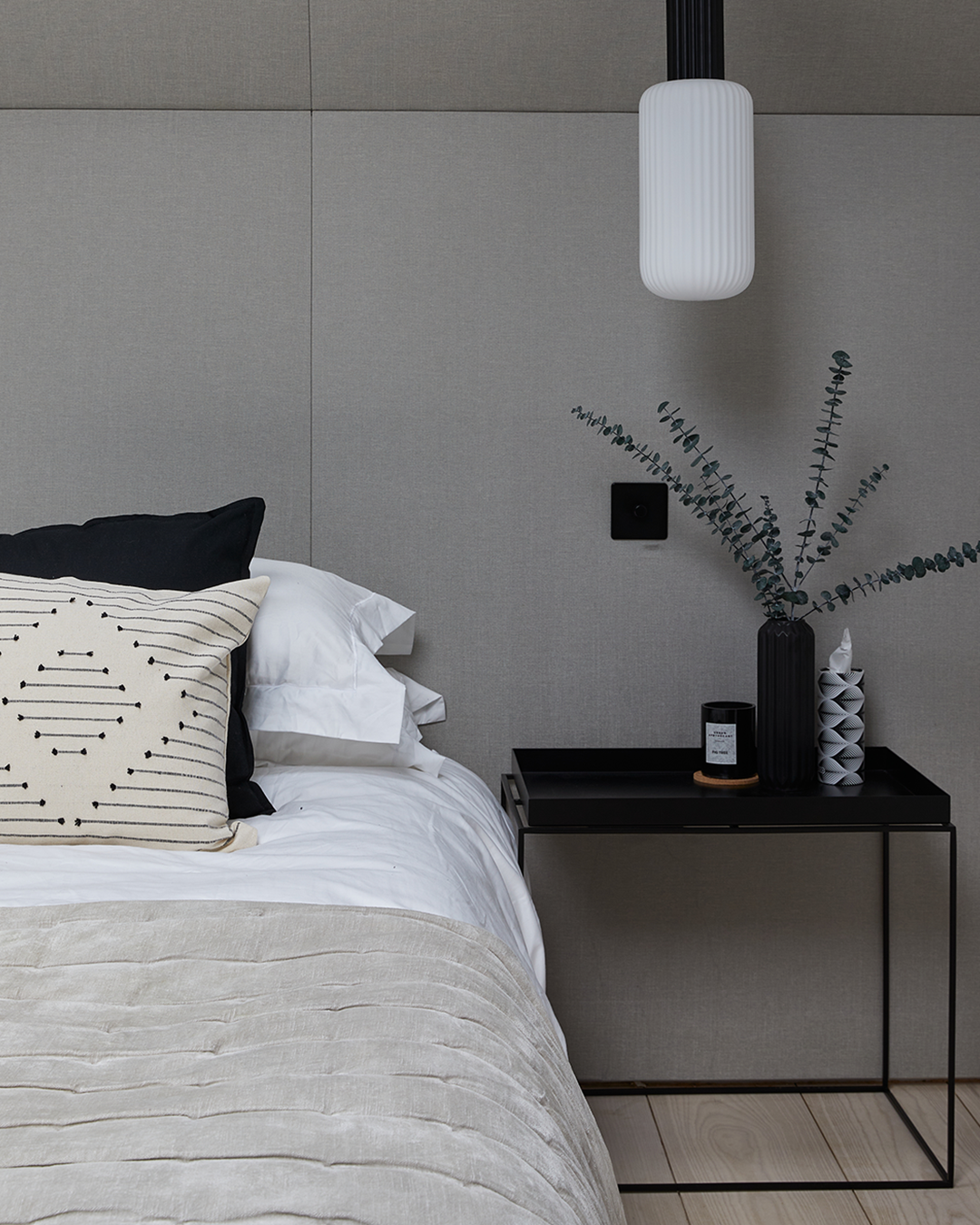
Which Acoustic Panels Are Best for Home Offices, Living Rooms and Home Cinemas?
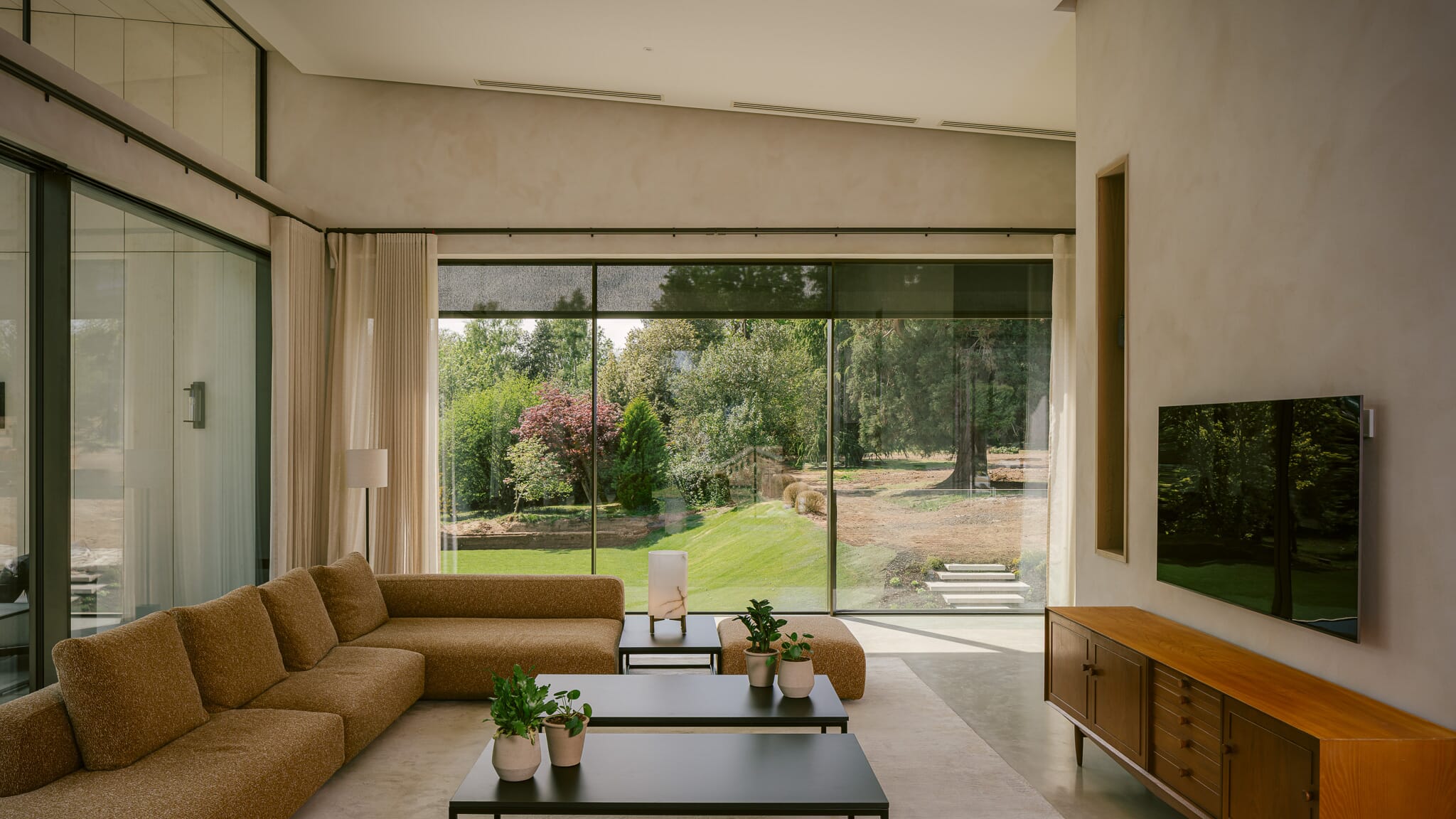
If you’ve ever tried to focus on a call in your home office or noticed the TV volume creeping up, you’ve likely experienced the same problem: hard floors and open-plan layouts let sound bounce around a room rather than settle.
The result is a longer reverberation time, which muddies speech, blurs dialogue and makes rooms feel harsher than they should. Acoustic panels solve this by absorbing those reflections at the source, bringing reverberation time back under control and the room back into balance. We’ve put together a full breakdown of the best options in our guide to acoustic panels for residential spaces.
Our recommendations:
 |
 |
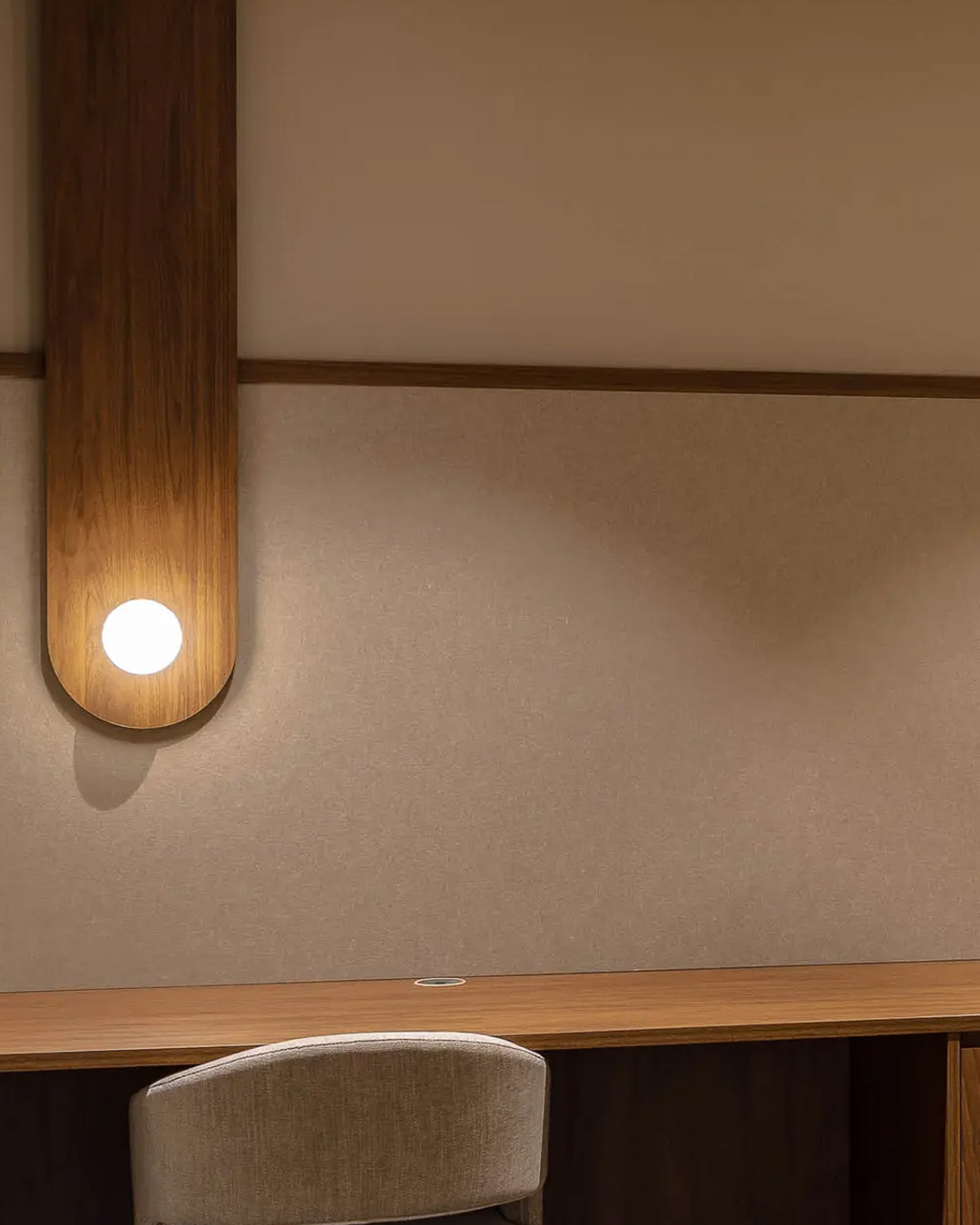 |
| Tenso Ceiling | Tenso Wall | Autex Cube |
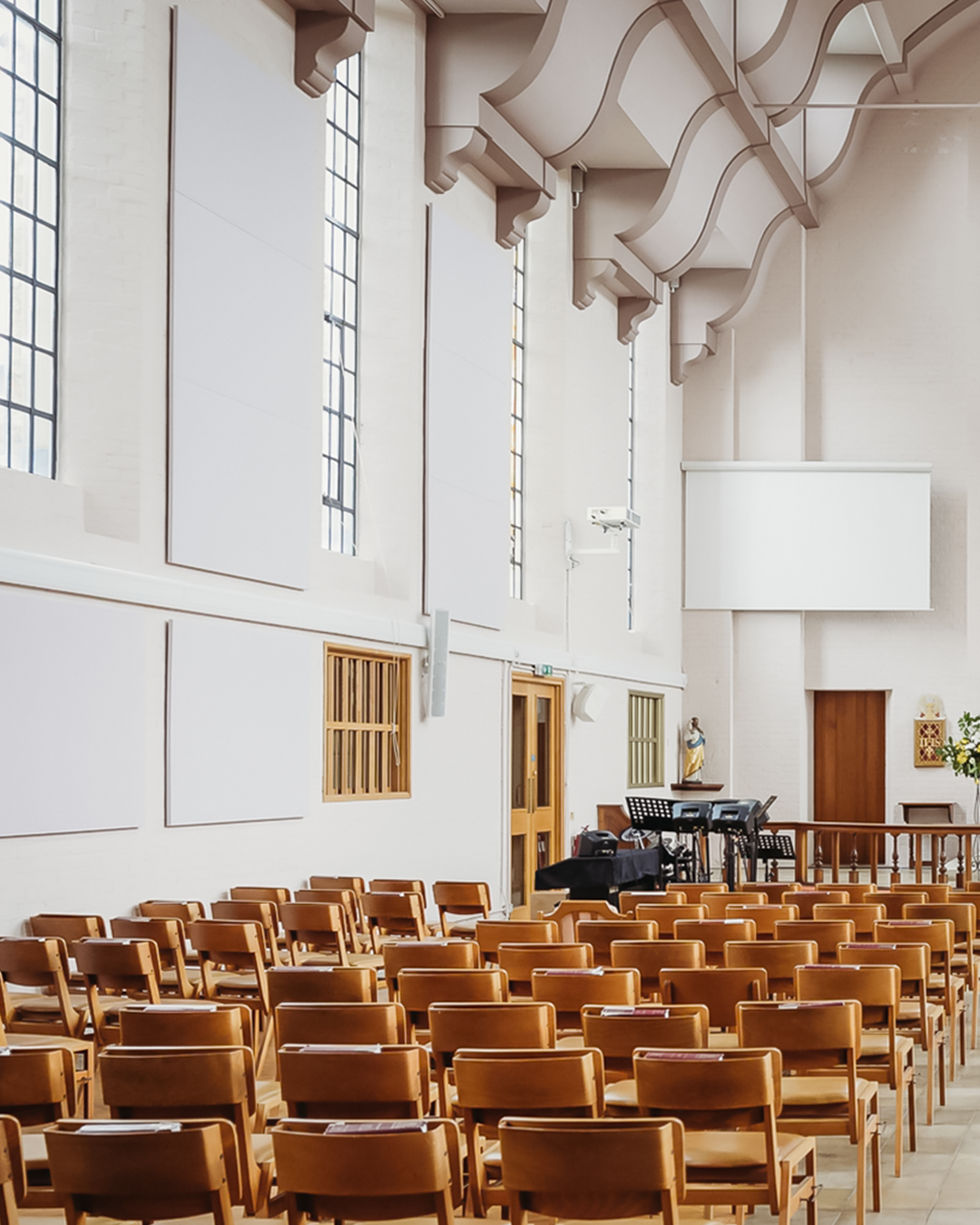
Which Acoustic Panels Are Best for Churches and Places of Worship?
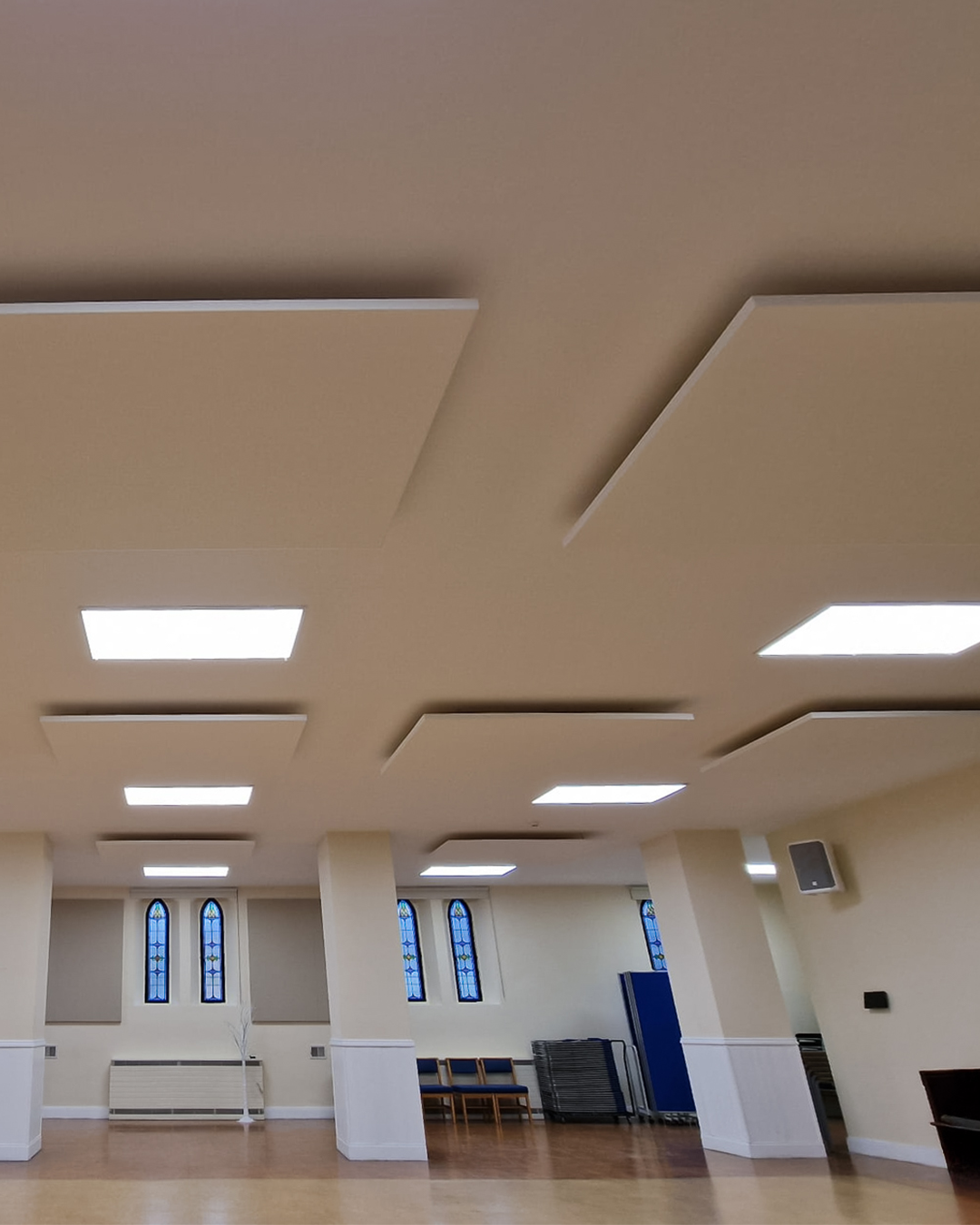
Churches are some of the most beautiful buildings in the UK. But they’re also some of the hardest to hear in. The very features that make them feel special – soaring stone ceilings, hard floors, tall windows, bare walls – are exactly what makes speech so difficult to follow.
Acoustic panels solve this by absorbing those reflections at the source, bringing reverberation time back under control and the space back into balance. We’ve put together a full breakdown of the best options in our guide to acoustic panels for churches.
Our recommendations:
 |
 |
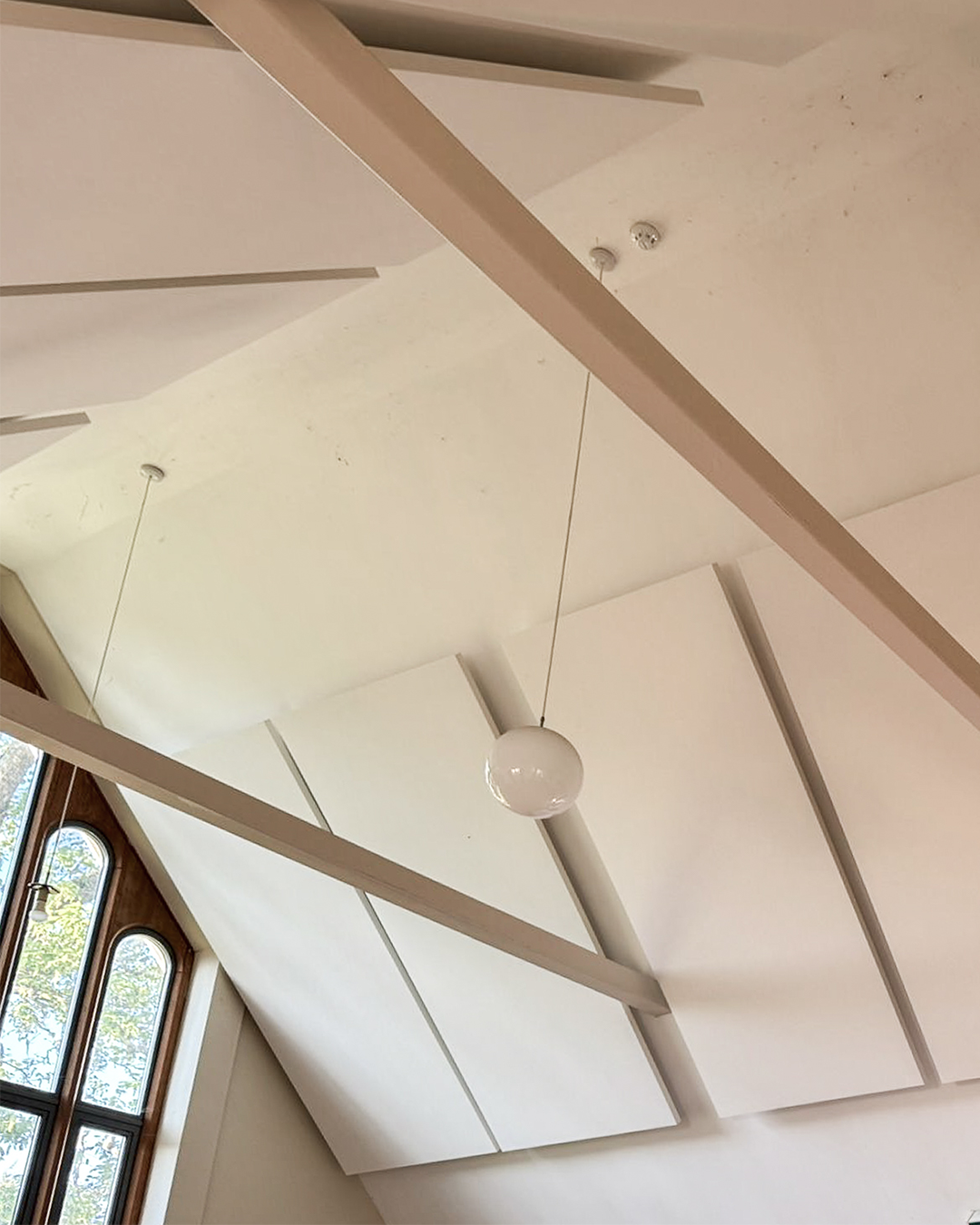 |
| Silent Space Wall | Silent Space Rafts | Ecophon Solo |
Are Acoustic Panels Worth It?
Honestly? Yes, if your problem is one they actually solve.
Acoustic panels are worth the investment when poor room acoustics are causing a genuine problem: conversations are hard to follow, recordings sound coloured, staff wellbeing is affected by noise levels or compliance is required.
Studies on open-plan workplace acoustics consistently show that noise and poor intelligibility are among the leading causes of reduced productivity and increased stress. In schools, the link between acoustic quality and learning outcomes is well-evidenced. In hospitality, a room that’s too loud drives customers out.
You should buy acoustic panels if:
- Your space has noticeable echo or a long decay after a sound stops
- Speech intelligibility in meetings, classrooms or hospitality settings is poor
- You’re recording or producing audio that sounds unclear
- Staff are complaining about noise levels or finding it hard to concentrate
- You’re required to meet acoustic standards
- You’re designing a new space and want to get the acoustics right from the outset
You should skip acoustic panels if:
- Your primary problem is noise coming in from outside or from adjacent spaces
- You’re considering acoustic solutions with no test data for a commercial or educational space — in most cases, they won’t perform meaningfully against the targets that matter
- You’re hoping panels will fix a problem caused by building structure or inadequate glazing
What to Look for When Buying Acoustic Panels
Not all acoustic panels are equal. Here’s what to look at before committing:
Published absorption data
Any credible acoustic panel should come with tested absorption data, either as an NRC (Noise Reduction Coefficient) or an αw (weighted sound absorption coefficient). These figures tell you how much of the sound hitting the panel is absorbed versus reflected. Be sceptical of products sold without this data. Learn more about sound absorption classes.
Panel depth
Depth directly affects how much sound is absorbed. A 25mm panel and a 50mm panel look similar on a wall but they perform very differently. For spaces with significant acoustic problems, deeper panels are necessary.
Fire performance
For commercial, educational, and public buildings in the UK, acoustic panels must meet the relevant fire classification requirements. Always check the fire rating before specifying for any non-residential project.
Finish and durability
Consider the space your installing the panels. A panel that looks great in a design studio may not hold up in a school corridor or sports hall. Check cleaning requirements, impact resistance where relevant, and for healthcare environments, whether the product is antimicrobial.
Installer and supplier credentials
Acoustic panels that are badly positioned, under-specified for coverage, or installed with gaps will underperform against their data sheet figures. Work with a supplier that can specify as well as install and has a demonstrable track record to get the best results.
Still Not Sure What You Need?
Every space is different. The right panel for a recording studio isn’t the right panel for a school hall, and what works in a 6-person meeting room won’t scale to a 500m² open-plan floor.
If you’re specifying acoustic treatment for a commercial, educational or institutional space, we’d recommend starting with an acoustic assessment before selecting products. We offer free acoustic surveys alongside installation across the UK, drawing on more than a decade of project experience.
Get in touch and tell us about your space. We’ll tell you what’s actually needed and what isn’t.
Article Author
Mark Irwin
Head of Marketing
6th Jul 2026