















6 Minute Read
Acoustic Panels for Homes | A Practical Buying Guide
Home acoustic treatment is often confused with soundproofing, but they solve different problems. This guide explains what acoustic panels actually do, where they make the biggest difference and how to choose the right ones.

Mark Irwin
10th Jul 2026
Categories
Advice
Acoustic panels for homes: what actually works (and what’s a waste of money)
Most people who get in touch about soundproofing a room actually want to solve a different problem: too much echo and reflection within the space. These are two separate issues with two separate solutions, and knowing which one applies to you will save both time and money.
This guide covers what acoustic panels can realistically do at home, where they make the biggest difference and how to choose the right ones for your space.
TL;DR — Where acoustic panels help most at home
- Home cinemas and media rooms
- Home studios and music rooms
- Living rooms and open-plan spaces
- Home offices
Soundproofing vs acoustic treatment
Soundproofing stops noise getting in or out of a room. It relies on mass, sealed gaps and isolation dense materials, sealed door frames and decoupled walls. It’s a construction-level job, and acoustic panels on their own rarely achieve it.
Acoustic treatment improves the sound within a room, reducing echo, taming harsh reflections, and making speech or music sound clearer.
So the question to ask yourself is simple:
I don’t want to hear my neighbours → that’s a soundproofing problem.
My living room sounds harsh and echoey or my home cinema doesn’t sound as good as it should → that’s an acoustic treatment problem and panels will make a real difference.
Where acoustic panels make the biggest difference at home
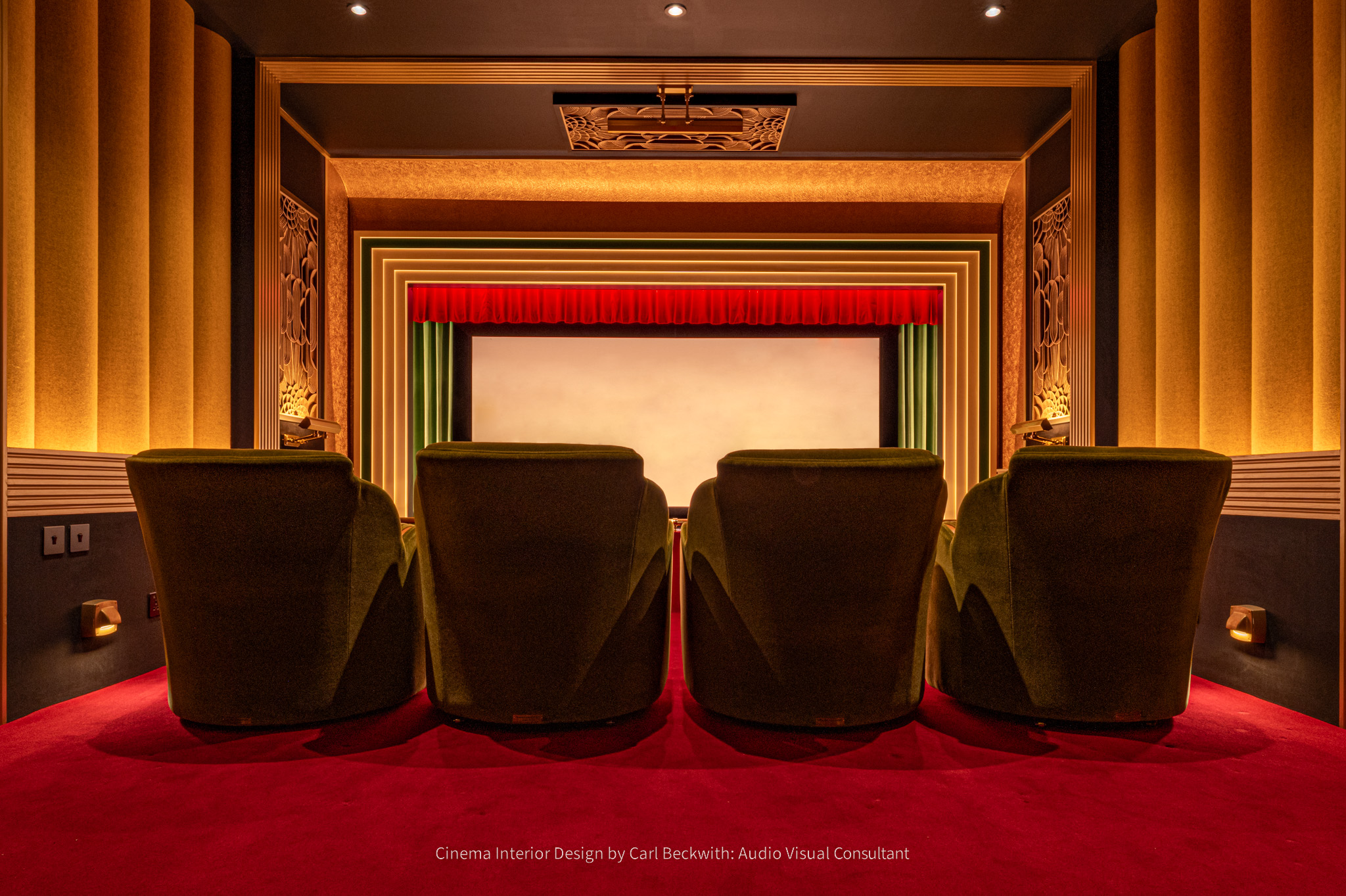
Home cinemas have specific acoustic needs: dialogue needs to be crisp and intelligible, effects should feel powerful but controlled, and music should fill the room without overpowering it. Rooms with a large screen, hard flooring and minimal soft furnishings often suffer from flutter echo and muddy dialogue.
Placing panels at the first reflection points, usually the side walls and ceiling, and behind the screen noticeably sharpens dialogue and tightens up the bass response.
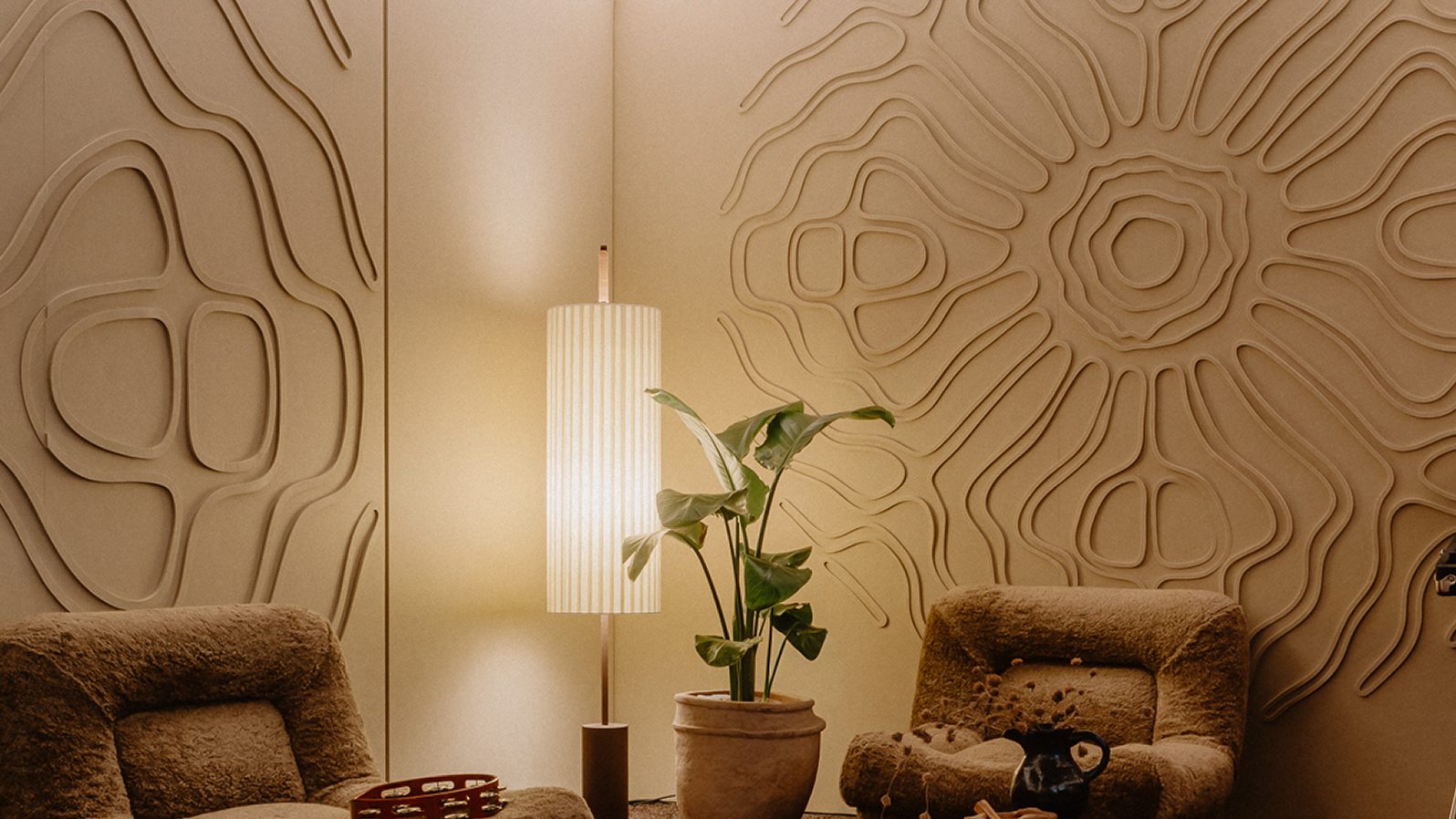
Anyone recording, mixing or practising at home will notice a real improvement from acoustic treatment. Untreated rooms colour recordings with unwanted reflections, so what you hear back often doesn’t match what you played.
Start by identifying the room’s reflection points, where sound waves bounce off walls and ceilings, and treat those spots first. Podcasters and YouTubers typically place panels directly behind or to the side of the camera, where most of the sound is directed.
Living rooms and open-plan spaces
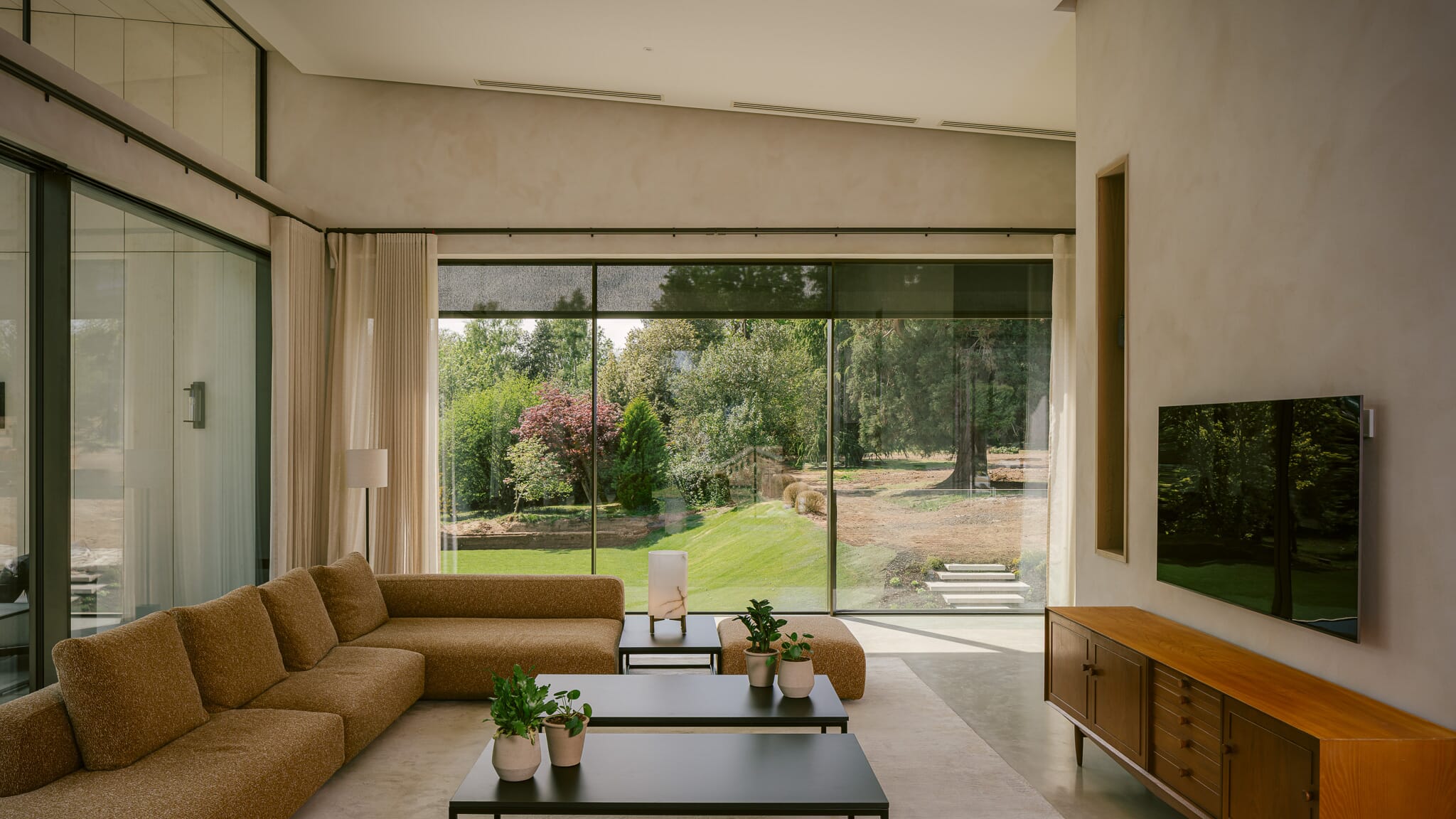
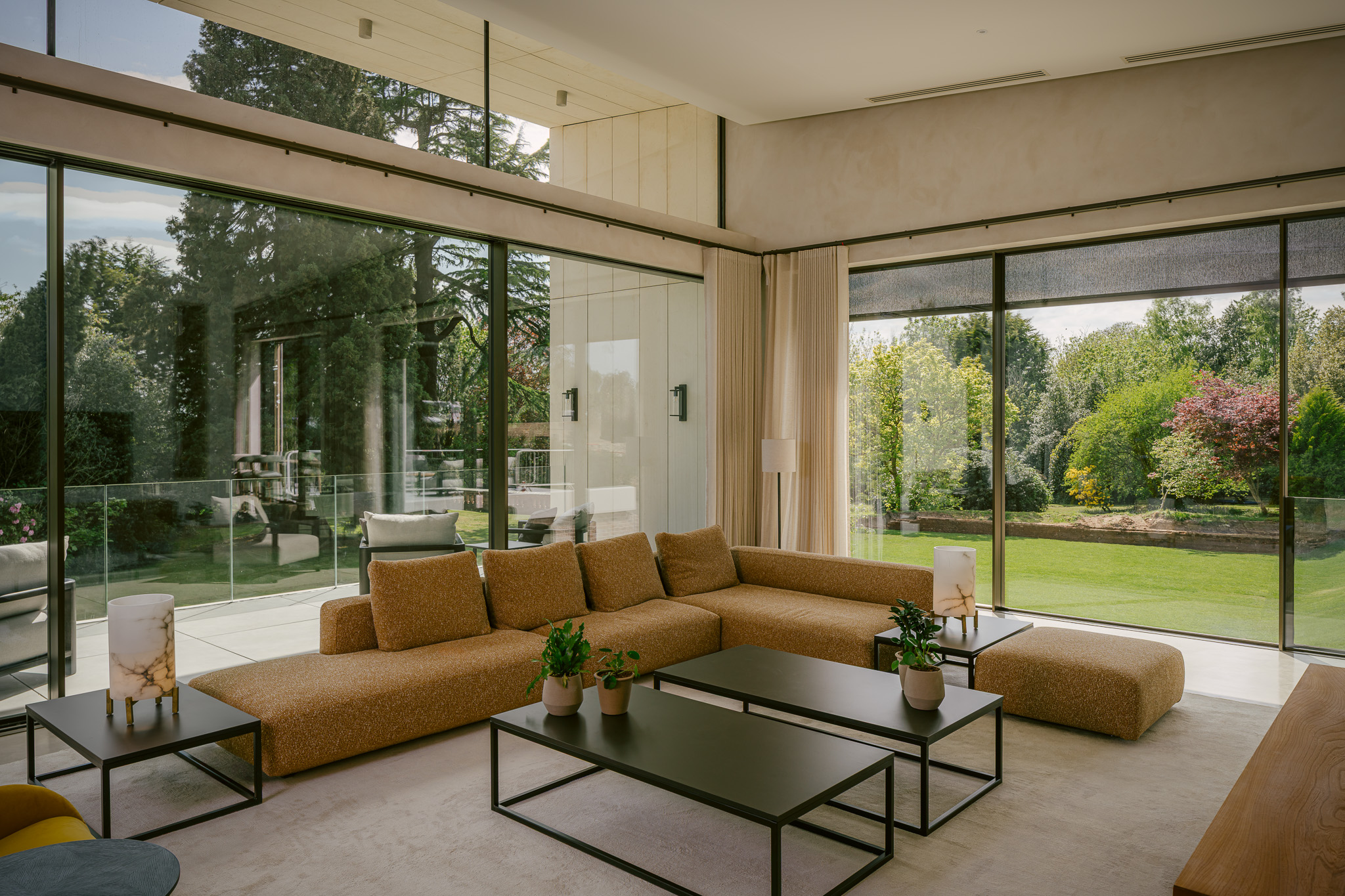
Modern homes, with hard flooring, large glazing and minimal soft furnishings, are often far more reverberant than people realise. It shows up in small ways: turning the TV up to hear dialogue clearly, or struggling to follow a conversation over background noise like a dishwasher or a TV in an open-plan kitchen-diner.
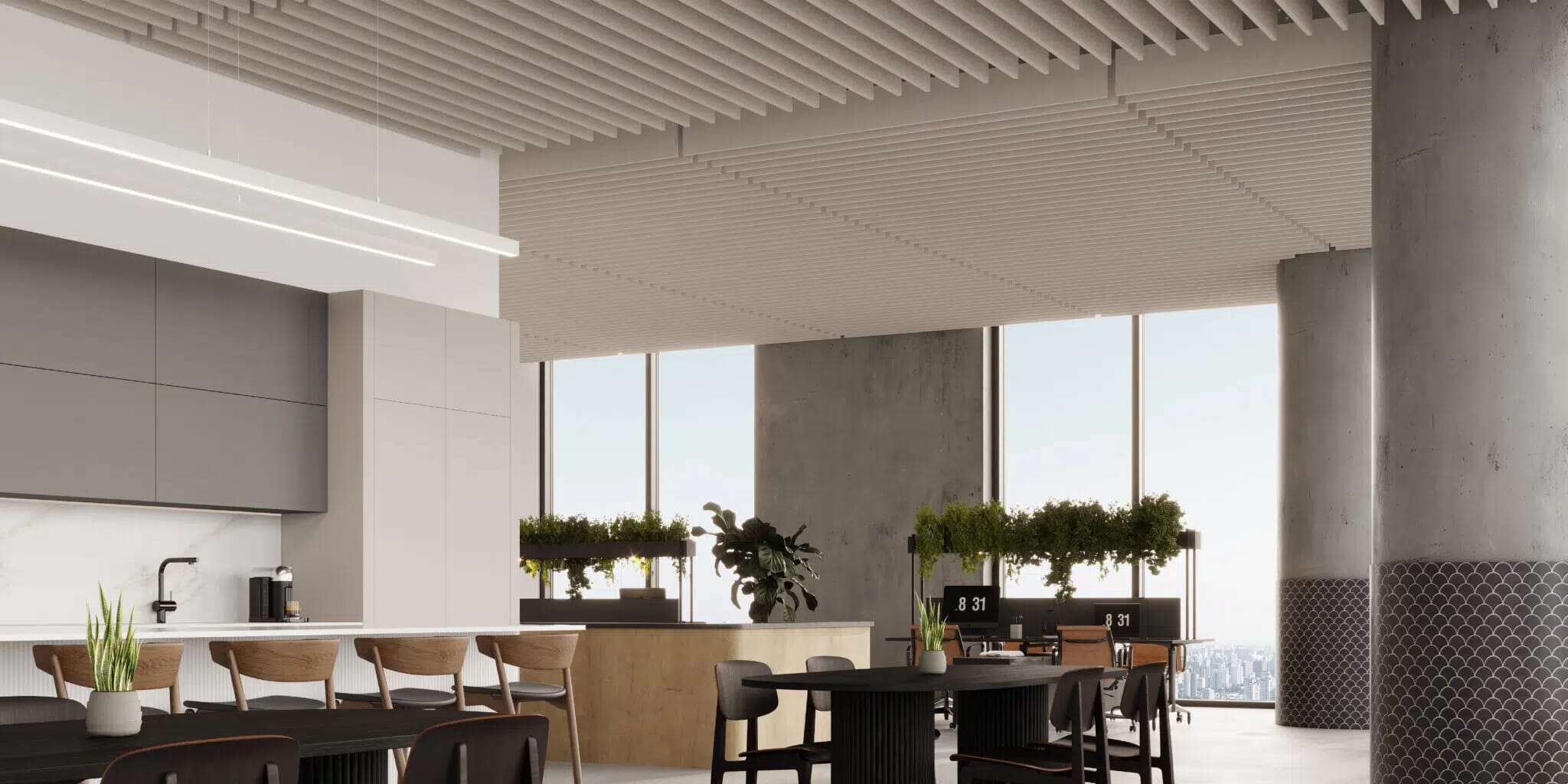
In open-plan spaces, wall space is usually limited, which makes the ceiling the most effective place to treat. Where wall space is available, a few well-placed panels or acoustic art panels, can take the edge off the room without changing its character.
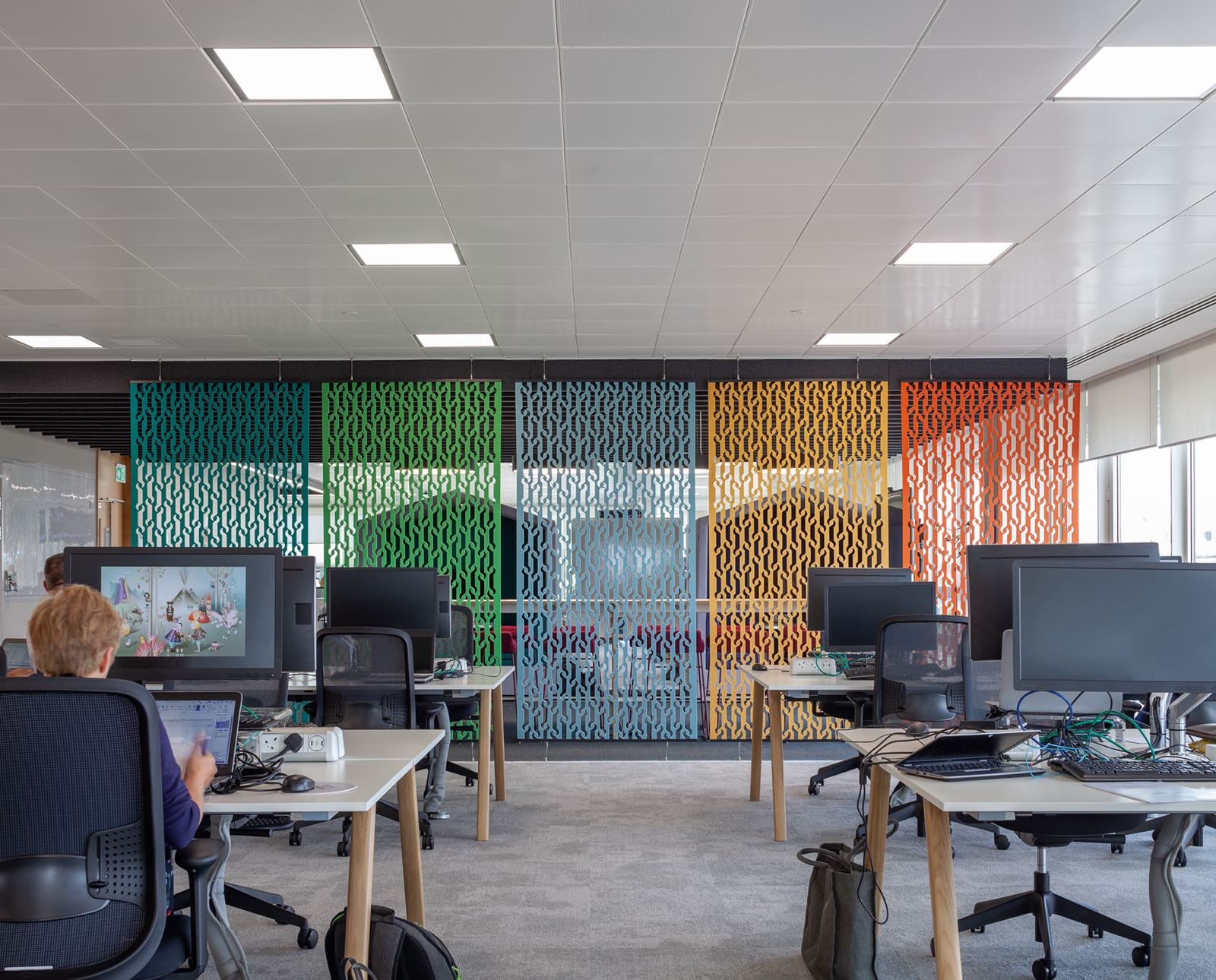
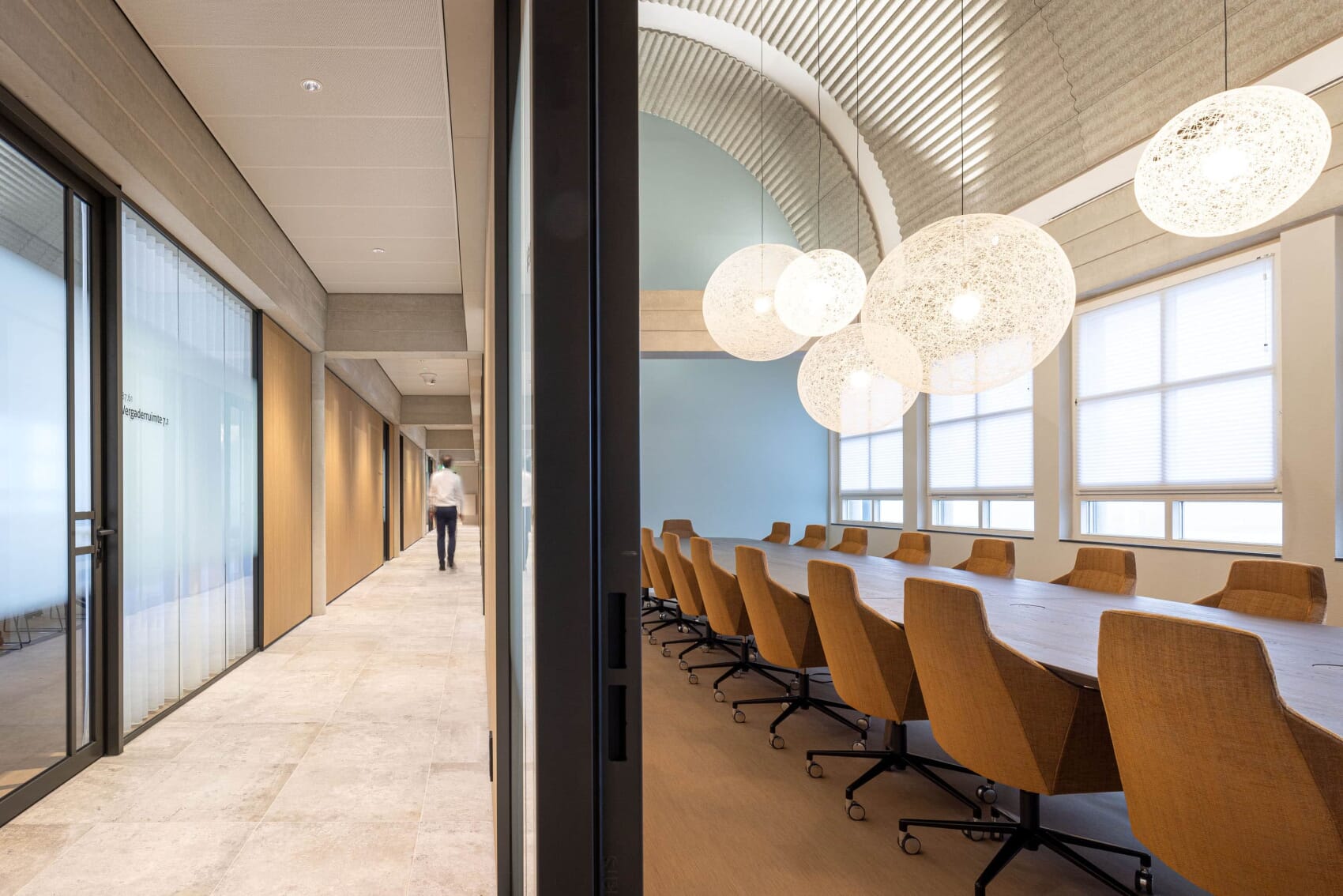
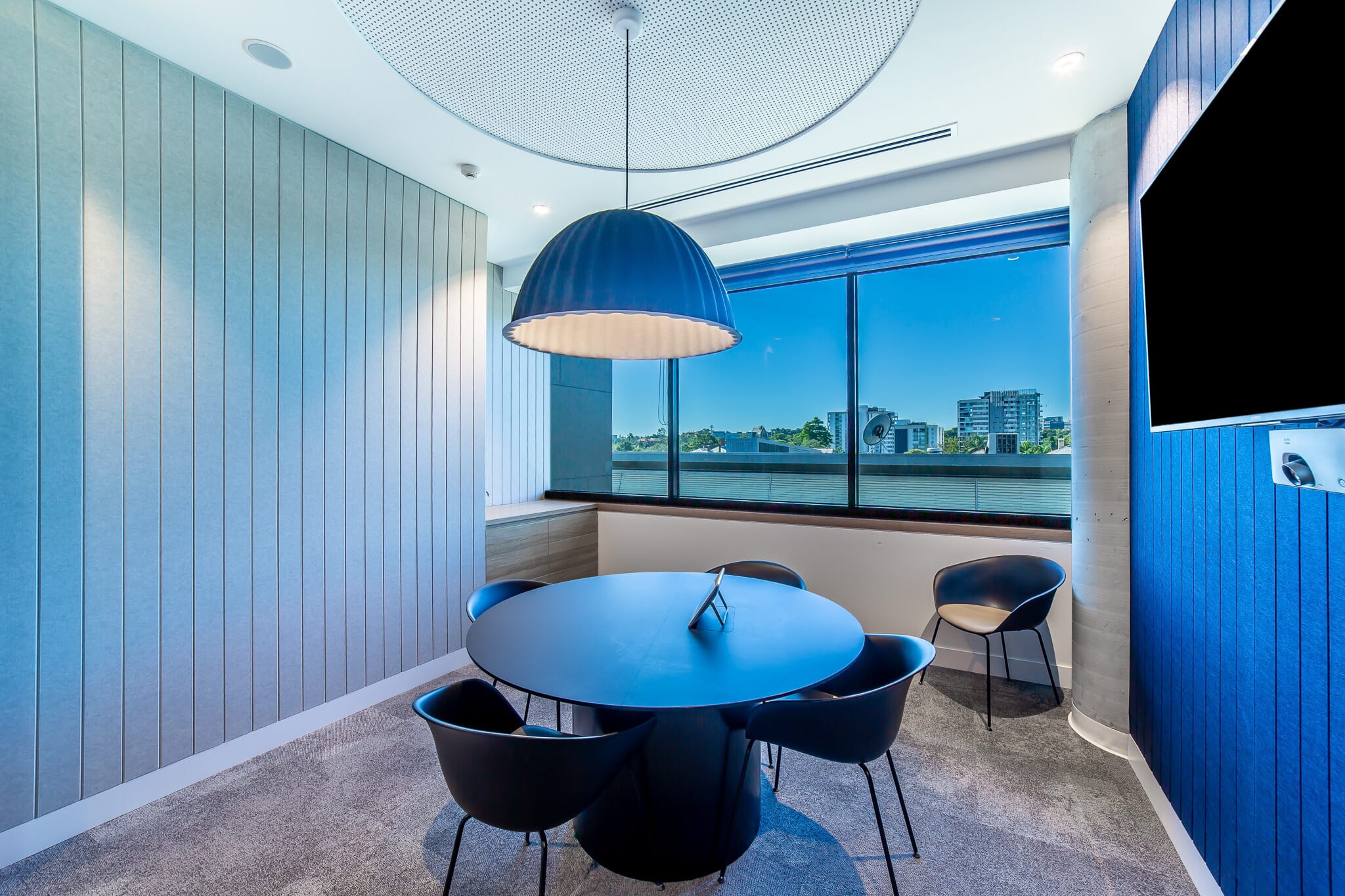
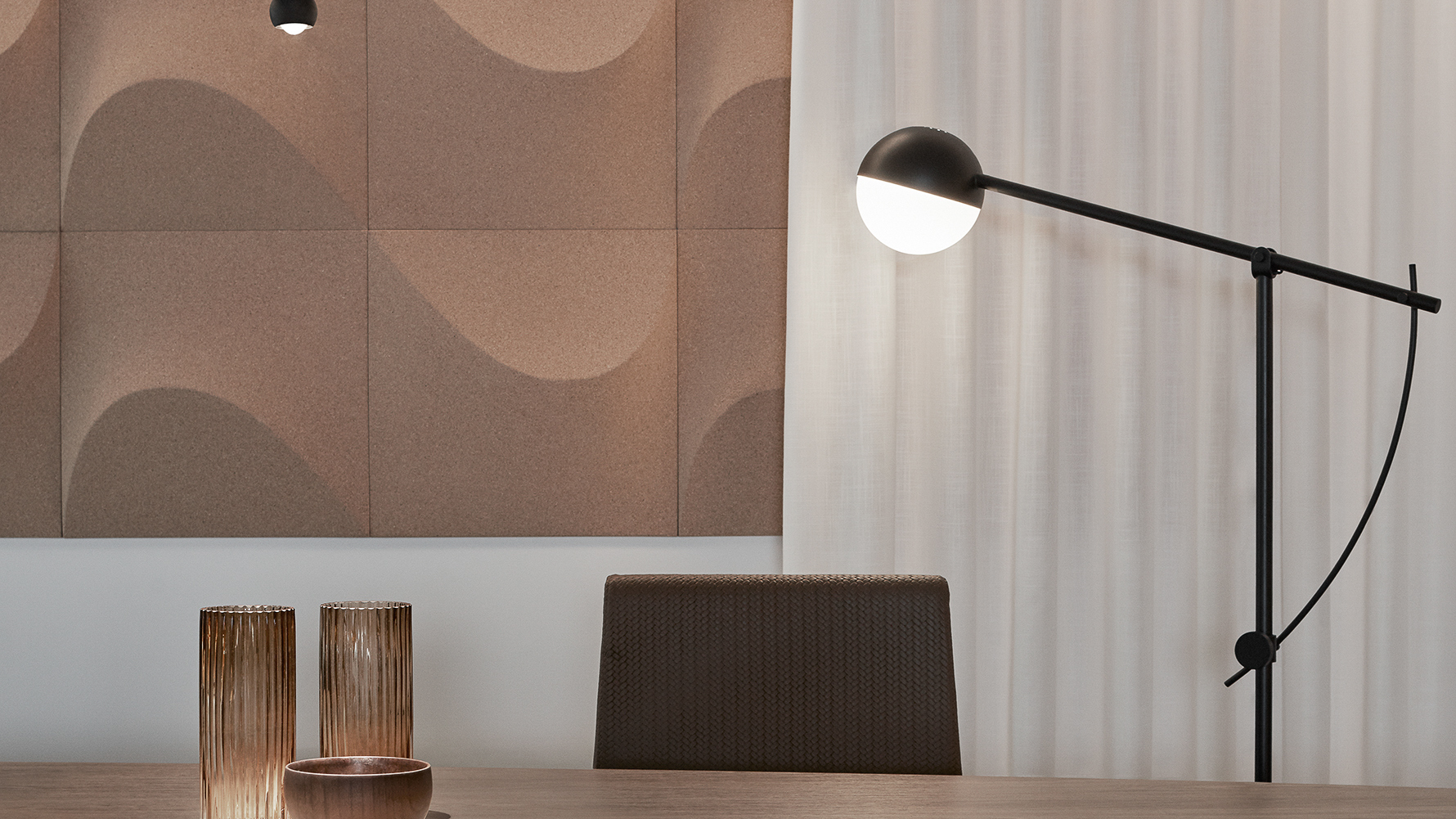
With video calls now a daily fixture for many people working from home, the same principles that apply to commercial meeting rooms apply here. A hard-surfaced box room will make you sound distant and echoey on calls. A couple of panels behind your desk make a difference to how you sound to others.
Choosing panels for a home setting
Absorption class — Homes rarely need the Class A absorption of a village hall or workplace. Class B, or even Class C, depending on the room, is often enough. That opens up more design options, including panels that double as a feature.
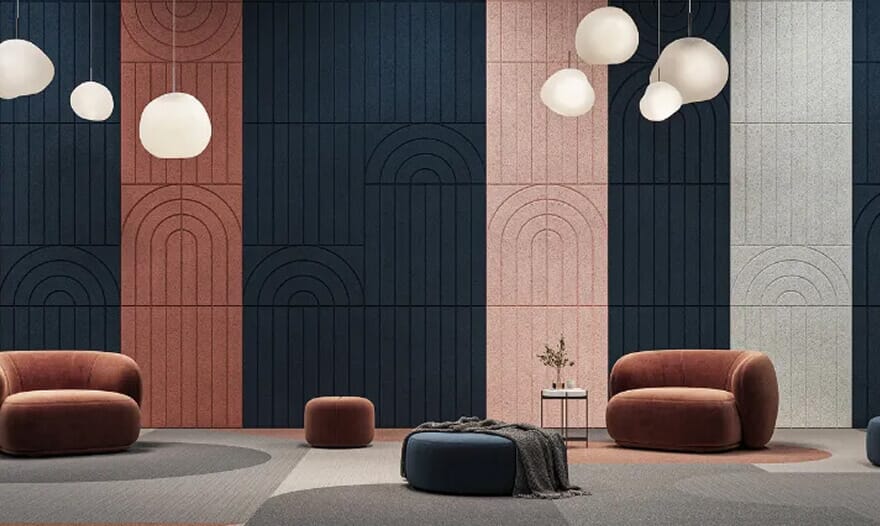
Material — With so many panels on the market, there’s a finish to suit almost any home aesthetic, from a natural textured surface to a stretched fabric system designed to look like plaster.
Fabric-wrapped panels — The most popular choice for living spaces, thanks to the range of colours and finishes available. Some can even mimic a traditional skim-plastered ceiling — see the results from a recent project.
Printed acoustic panels — A great option if you want to display a photo, artwork or pattern without compromising on acoustic performance.
How many panels do you actually need?
Most rooms need just 4–8 panels, covering 15–25% of one or two main walls. That’s usually enough to bring reverberation down to a comfortable level, without making the room feel acoustically dead.
If wall space isn’t an option, a stretched fabric ceiling system is a great alternative and can also be designed to mimic a plaster ceiling.
Getting it right
We’ve worked on everything from full commercial fit-outs to residential rooms where someone just wants their living room to sound less harsh. The residential projects are often simpler than people expect. A handful of well-chosen, well-placed panels solves most complaints, without any structural work.
If you’re not sure what your space needs, send us a photo and a bit of context about what’s bothering you (echo on calls, harsh TV audio, a home studio that doesn’t sound right). It’s usually easier to advise on something specific than to guess from general principles.
FAQ: Addressing Common Questions and Misconceptions
Q: Will acoustic panels stop noise from next door?
A: No. Acoustic panels reduce echo and reflection within a room. Blocking sound between rooms or properties is a soundproofing job involving mass, sealed gaps and sometimes structural changes.
Q: Do acoustic panels actually work or are they just decorative?
A: Acoustic panels with a good NRC rating will reduce reverberation and improve speech and audio clarity. The confusion usually comes from decorative acoustic-style panels with little to no absorptive material, which look similar but perform poorly. Always check the product has a data sheet with verified absorption ratings
Q: How many acoustic panels do I need for a home cinema?
A: Most home cinemas benefit from covering 25–40% of wall area, prioritising the side walls at first reflection points and the wall behind the screen, plus some ceiling treatment.
Q: Can acoustic panels help with noisy open-plan living spaces?
A: Yes. Open-plan spaces with hard flooring and large glazed areas are often more reverberant than people expect and acoustic panels can reduce that loud room feeling.
Article Author
Mark Irwin
Head of Marketing
10th Jul 2026