


















5 Minute Read
Acoustic Treatment in Churches and Places of Worship: A Practical Guide
This guide covers why church acoustics are so challenging, and the treatment options that work within listed building constraints.

Matthew Bullen
2nd Jun 2026
Categories
Advice
Churches are some of the most beautiful buildings in the UK. But they’re also some of the hardest to hear in.
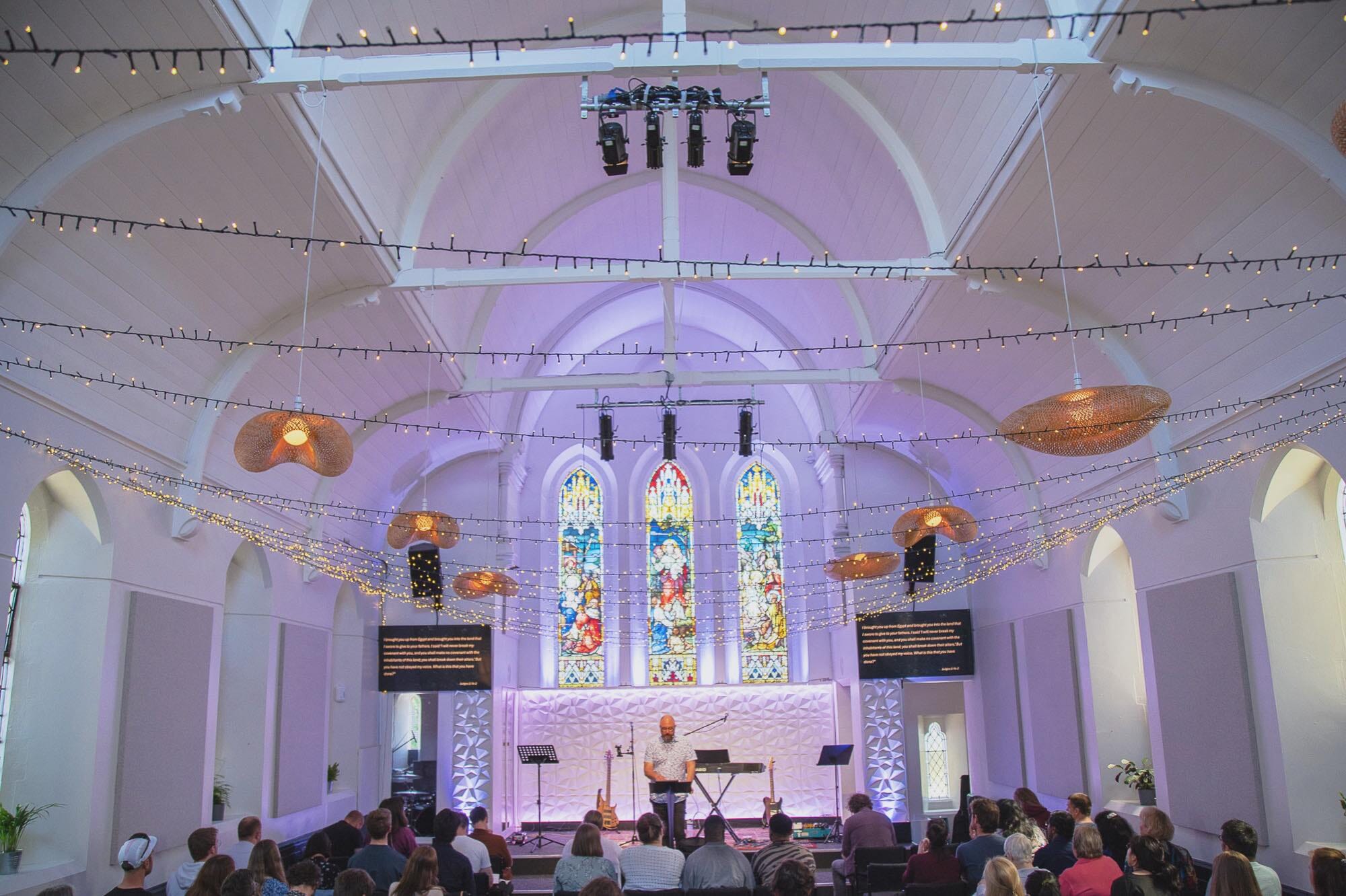
The very features that make them feel special – soaring stone ceilings, hard floors, tall windows, bare walls – are exactly what makes speech so difficult to follow. Whether it’s a Sunday sermon, a wedding address, a community meeting or a choir rehearsal, the problem tends to be the same: words blur together and people strain to follow what’s being said.
The good news? Poor church acoustics aren’t something you have to live with.
Why Are Churches So Acoustically Challenging?
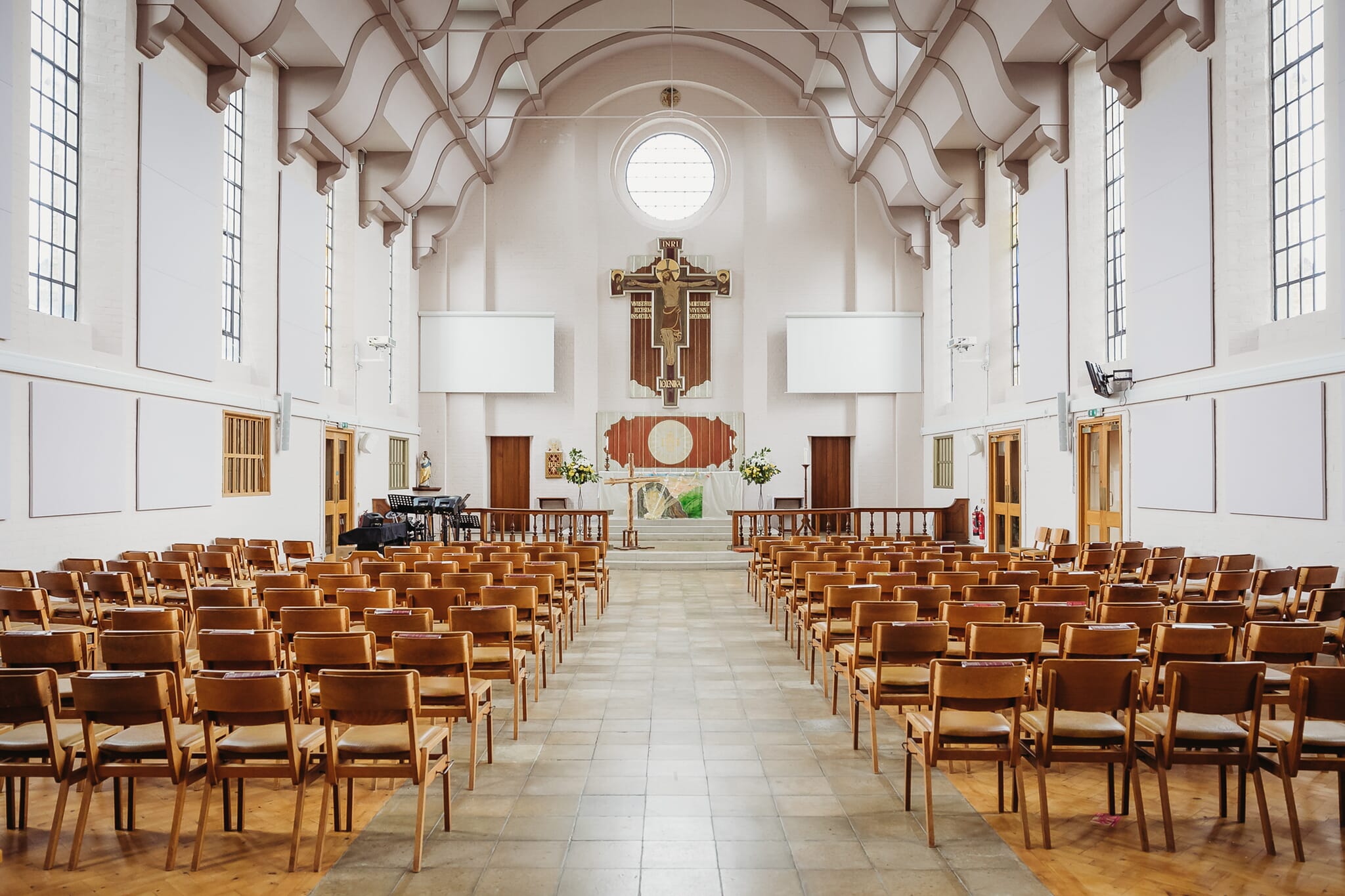
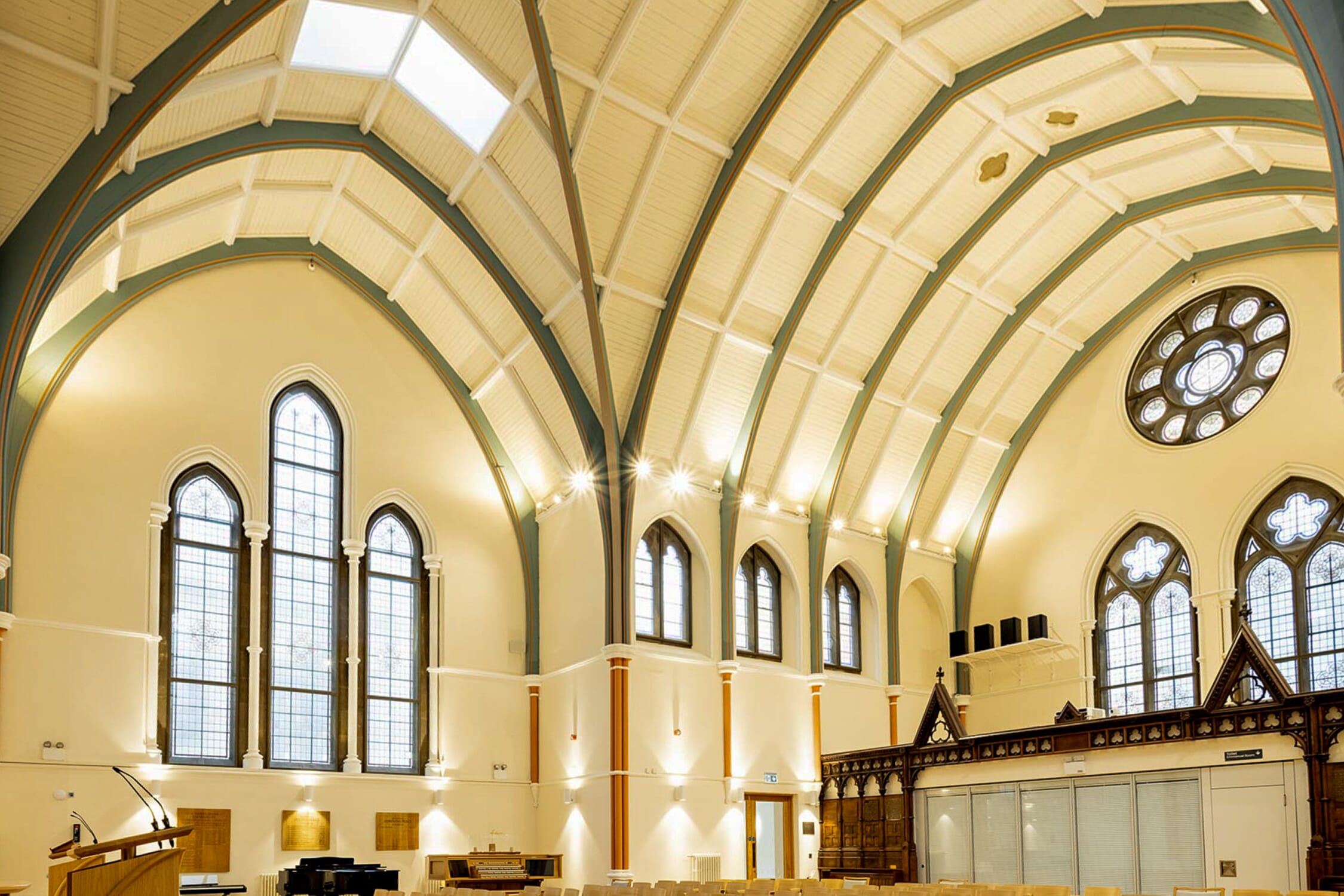
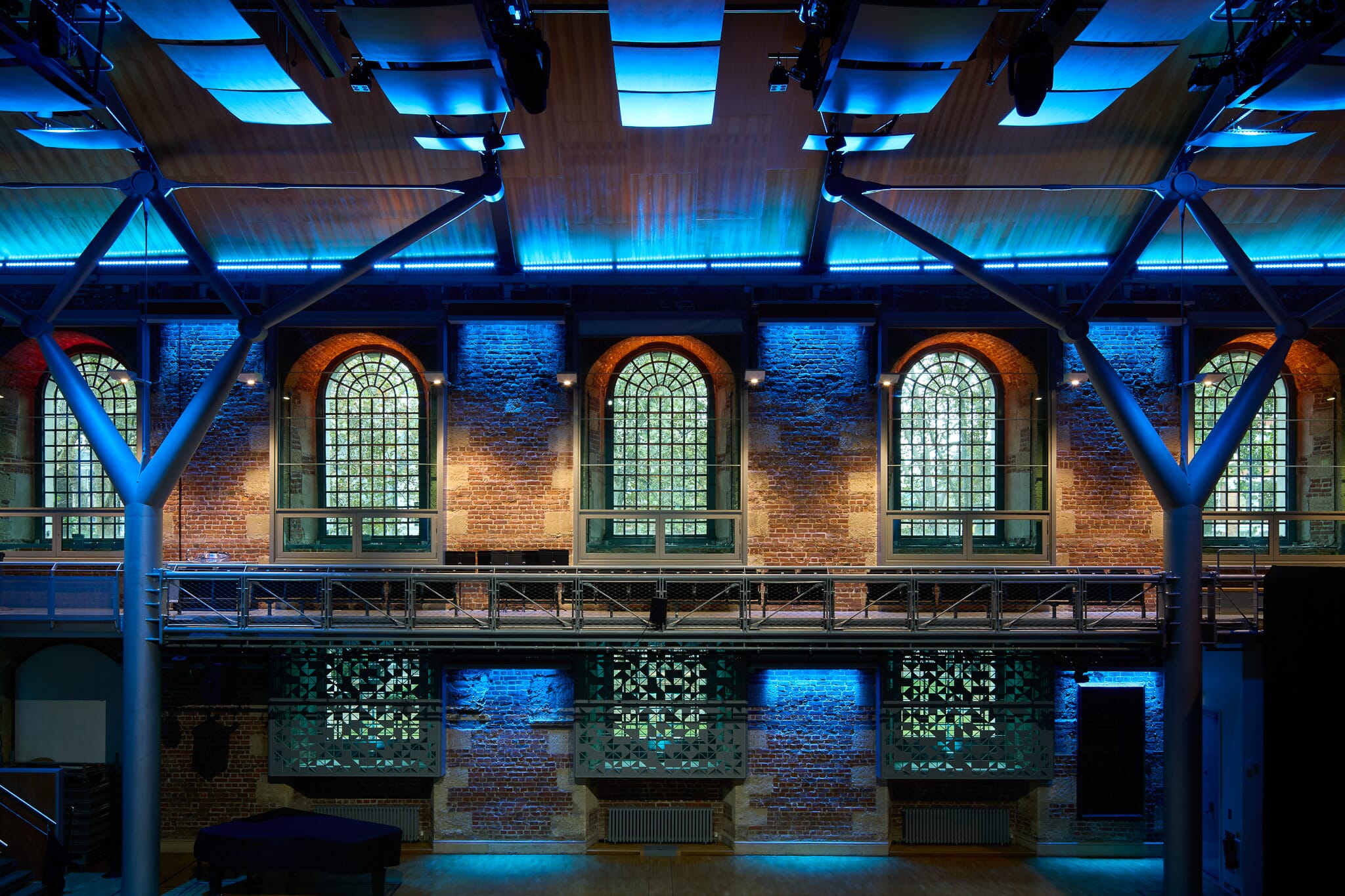
Stone walls, hard floors, plaster ceilings, wooden pews, stained glass windows are all highly reflective. Sound bounces between these surfaces repeatedly before it reaches your ear, arriving late and smeared together.
In a large stone church, reverberation times of 3 to 6 seconds are common. At those levels, each word collides with the tail of the last before it can be understood. The result is that familiar echoey quality that makes sermons and readings exhausting to follow.
The ideal reverberation time for speech in a church is around 1.5 seconds.
Echo vs Reverberation: What’s the Difference?
These two terms get used interchangeably, but they describe different things and the distinction matters when you’re thinking about solutions.
An echo is a distinct repetition of a sound. You clap, and a moment later you hear the clap again. It happens when a sound wave travels far enough before bouncing back that your brain registers it as a separate event.
Reverberation is different. It’s the accumulation of multiple reflections arriving so closely together that your brain can’t separate them. The sound doesn’t repeat, it blurs and hangs in the air long after the source has stopped. This is what most churches suffer from.
The solution isn’t just about stopping echoes. It’s about reducing the overall energy of those reflections so speech becomes intelligible again.
What Good Acoustics in Churches Actually Look Like
Before specifying any treatment, it’s worth being clear about what you’re trying to achieve because churches are used in different ways, and those uses can have competing acoustic requirements.
Speech intelligibility is usually the priority. For sermons, readings, announcements and community events, people need to hear and understand the spoken word comfortably. That typically means bringing reverberation time below 1.5 seconds.
Music is more nuanced. Choir and organ music have traditionally thrived in reverberant spaces. The long reverberation of a stone church creates a wash of sound that’s part of the musical experience. Reducing it significantly can strip away some of that character.
An acoustic survey will help clarify the priorities and find a balance that actually works for the space and how it’s used.
Acoustic Treatment in Churches and Places of Worship
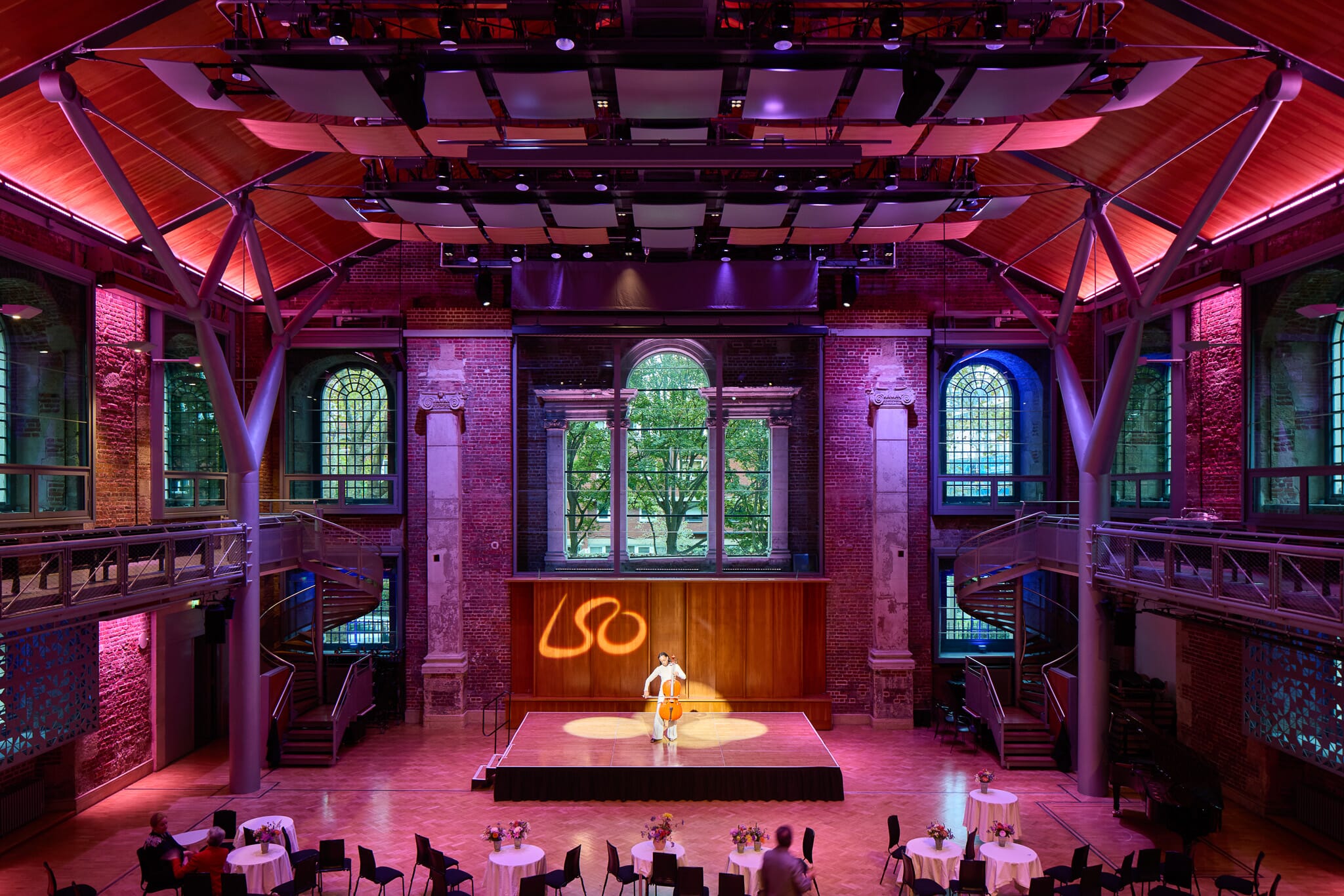
The key constraint in treating a church acoustically is that you’re almost always working within a listed or protected building. Anything that permanently alters the building, like removing stone, covering features and filling arches is typically off the table. Treatment needs to be reversible and visually sensitive.
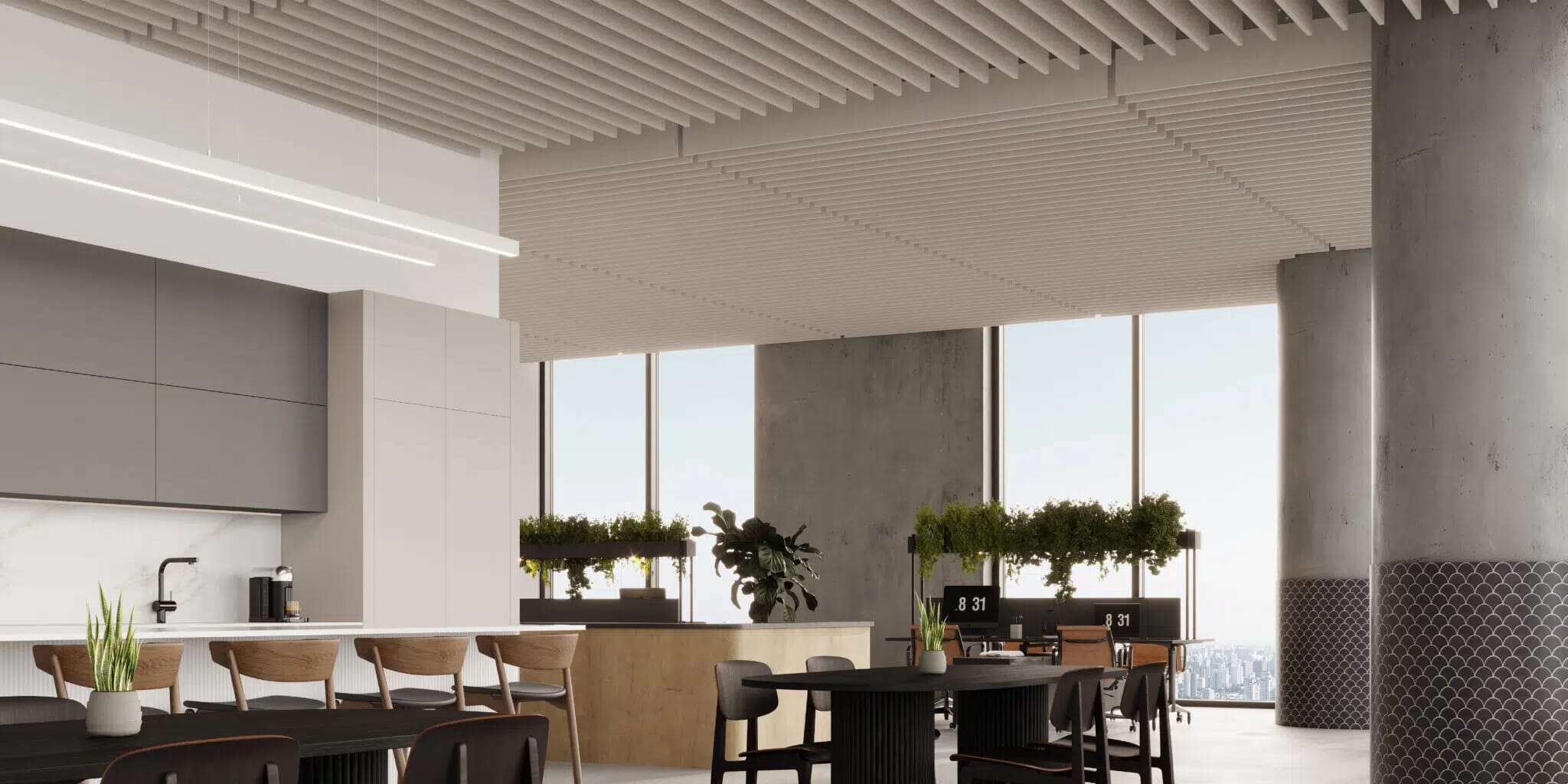
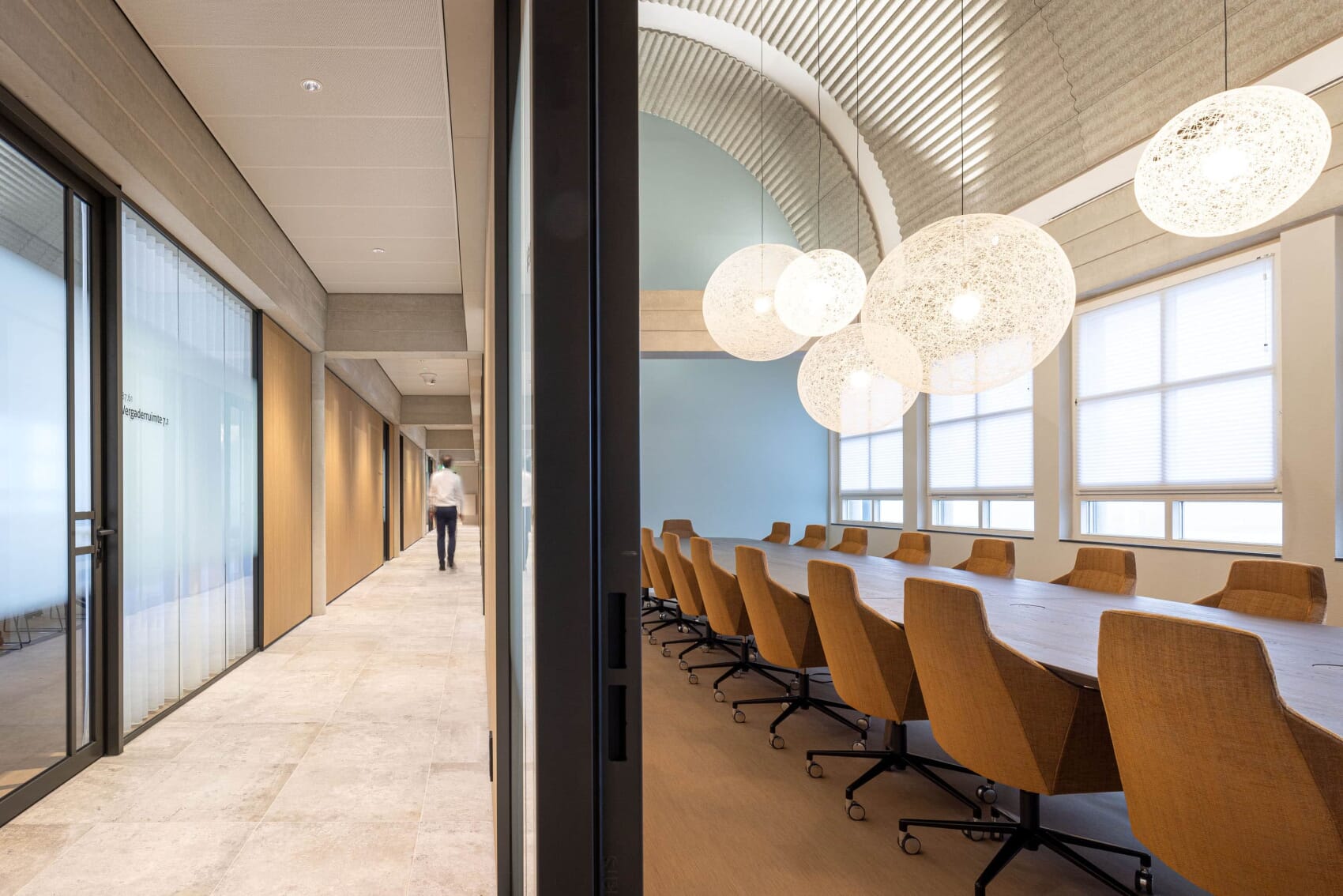
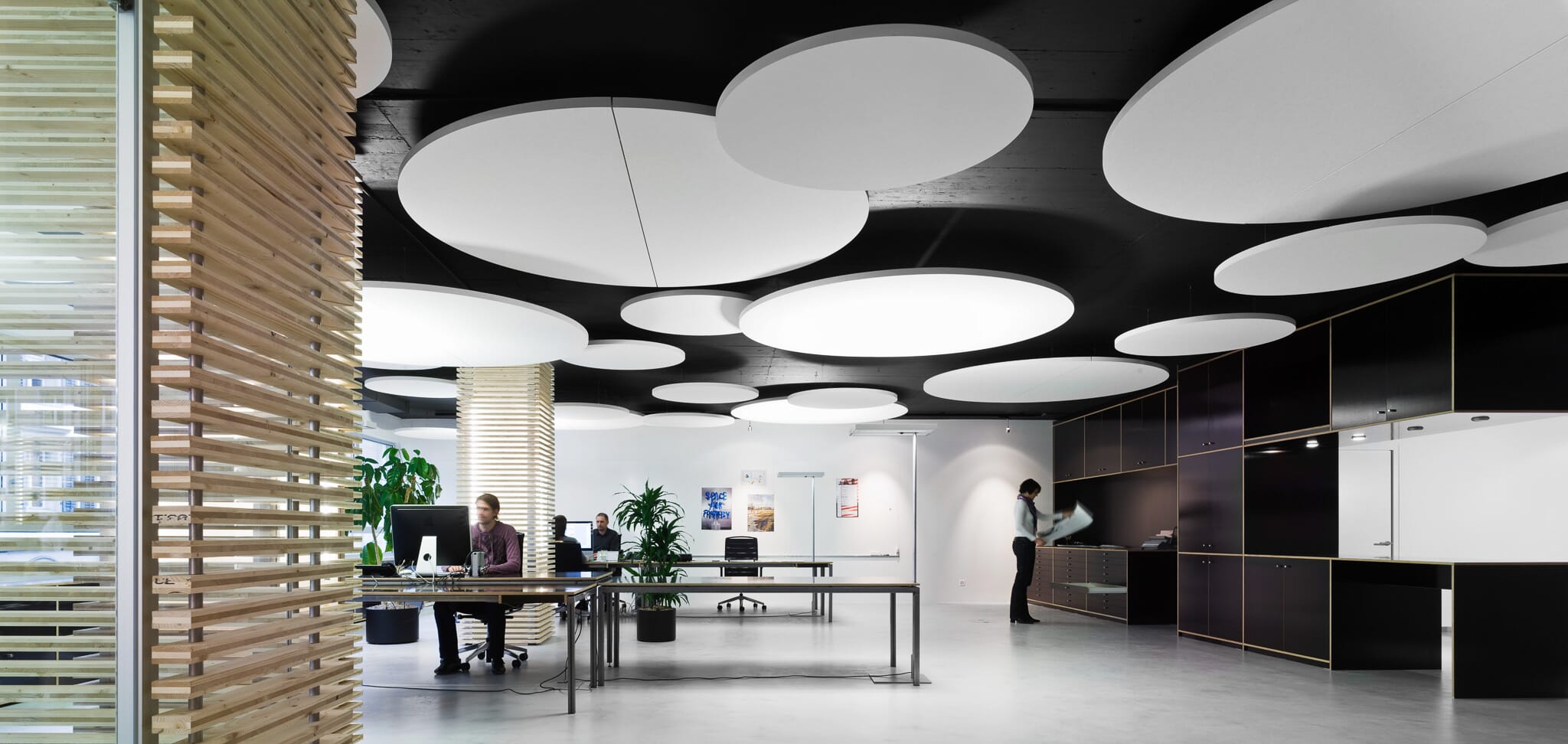
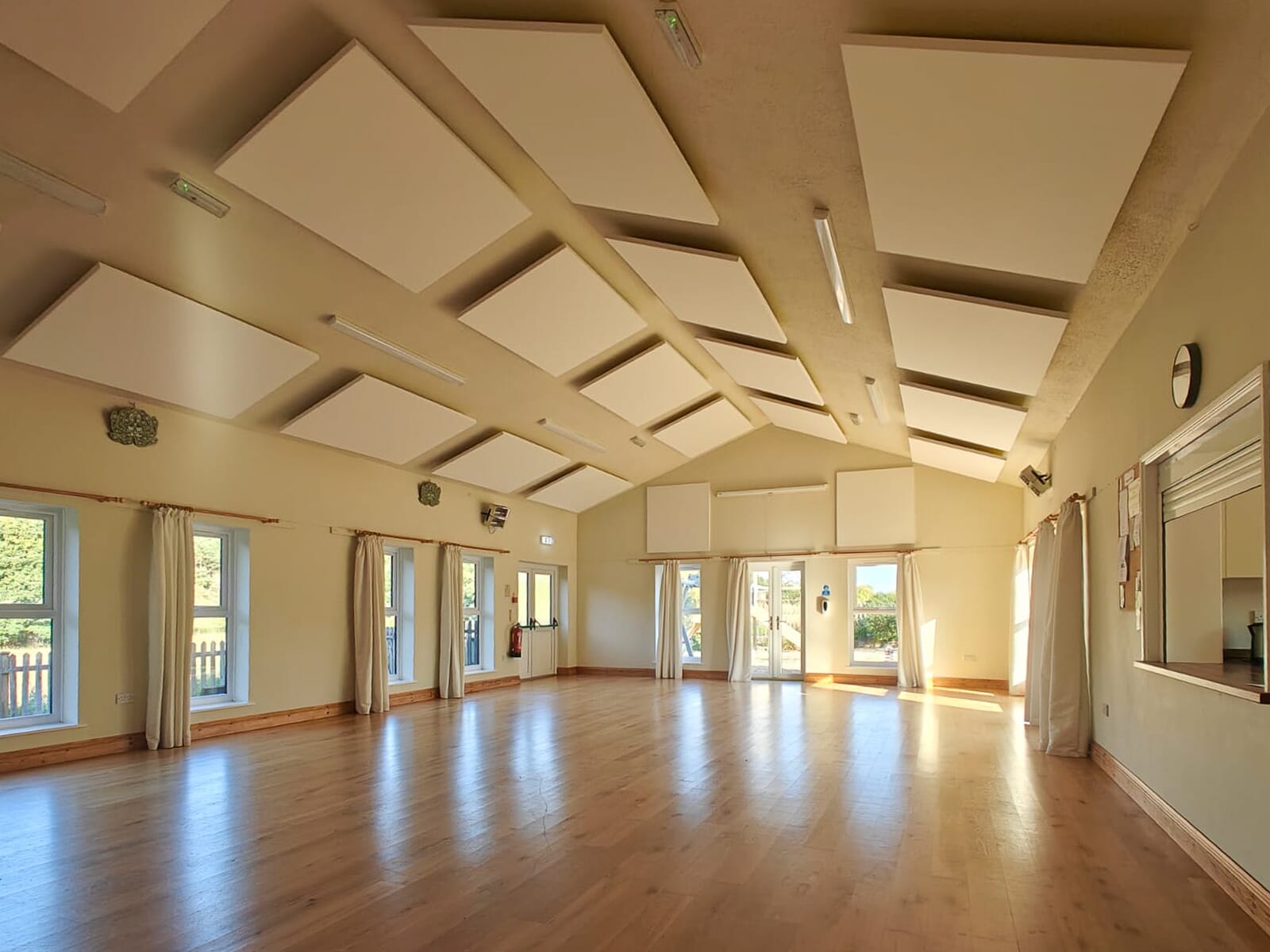
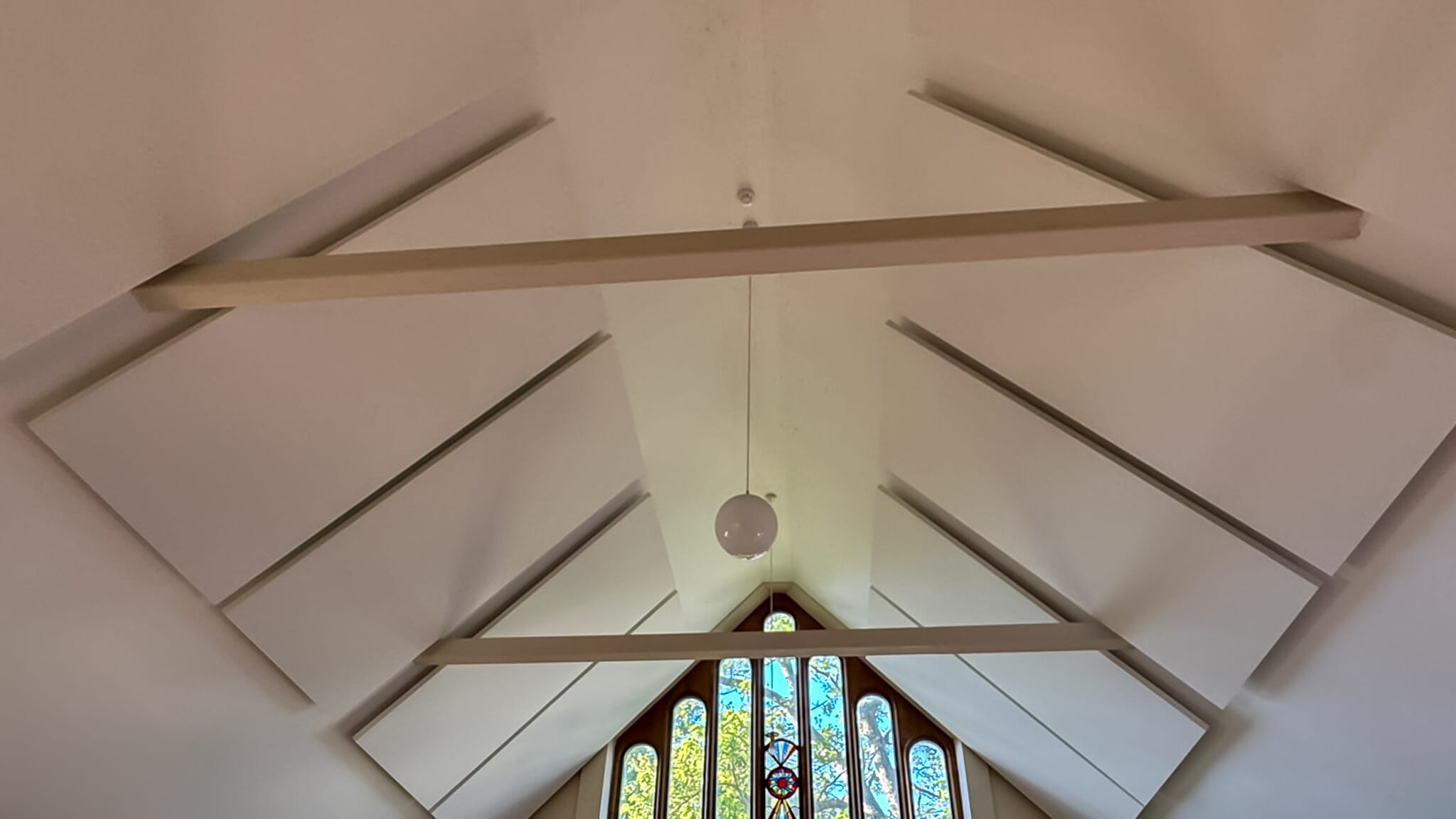
Acoustic rafts hang from the ceiling structure, sitting in the space above the congregation. Because they don’t touch the walls or floor, they can often be installed without listed building consent and removed if needed.
Products like the Ecophon Solo range or SilentSpace Rafts are designed specifically for heritage and high-ceiling environments. They’re tested, certified and available in neutral colourways that sit quietly in the space without drawing attention.
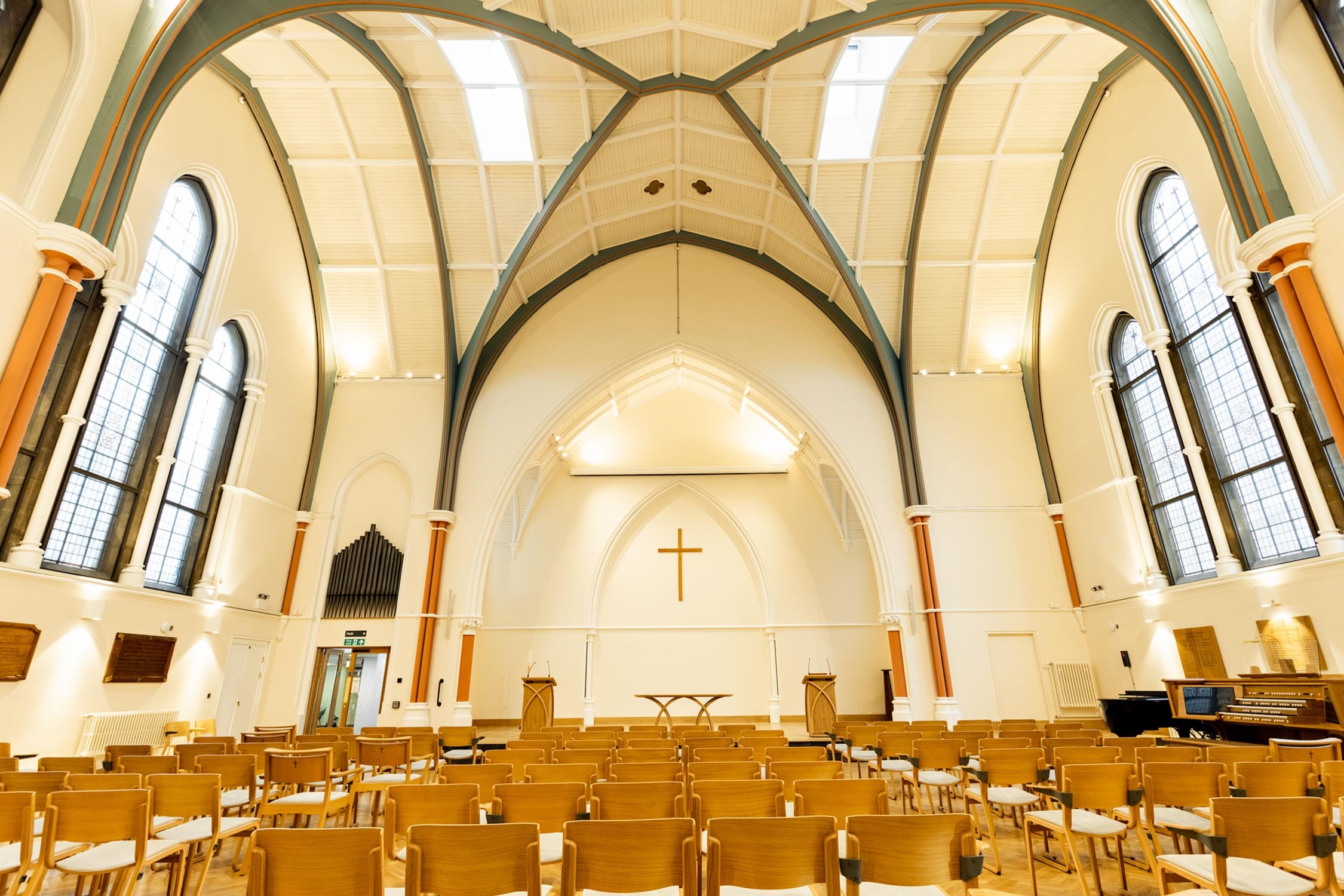
Resonics recently installed Ecophon Solo rafts at St Lawrence Church in Bradfield, where high vaulted ceilings and hard surfaces had created a reverberation problem that was making community events difficult. The rafts significantly reduced reverberation time without altering the building fabric.
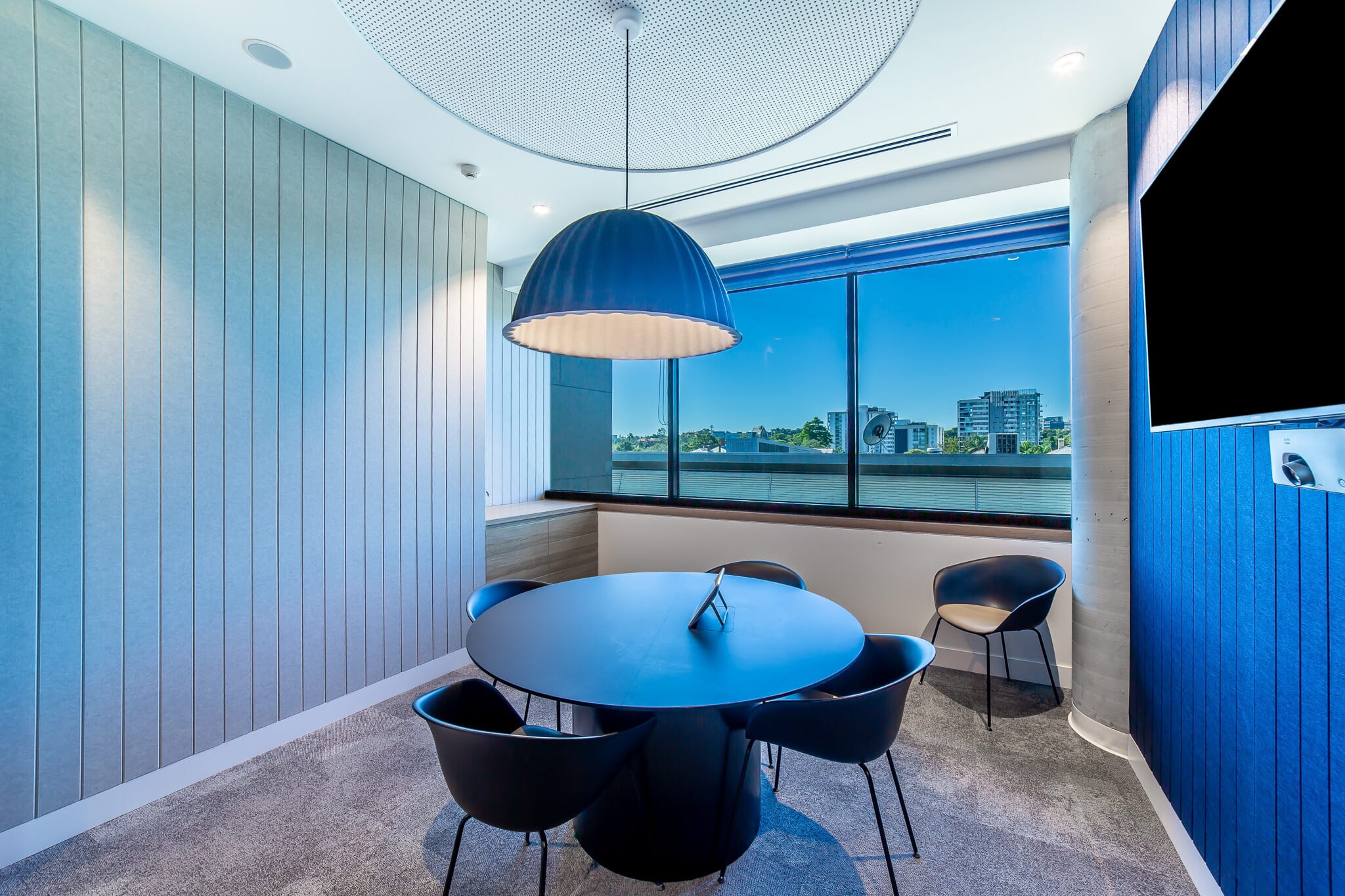
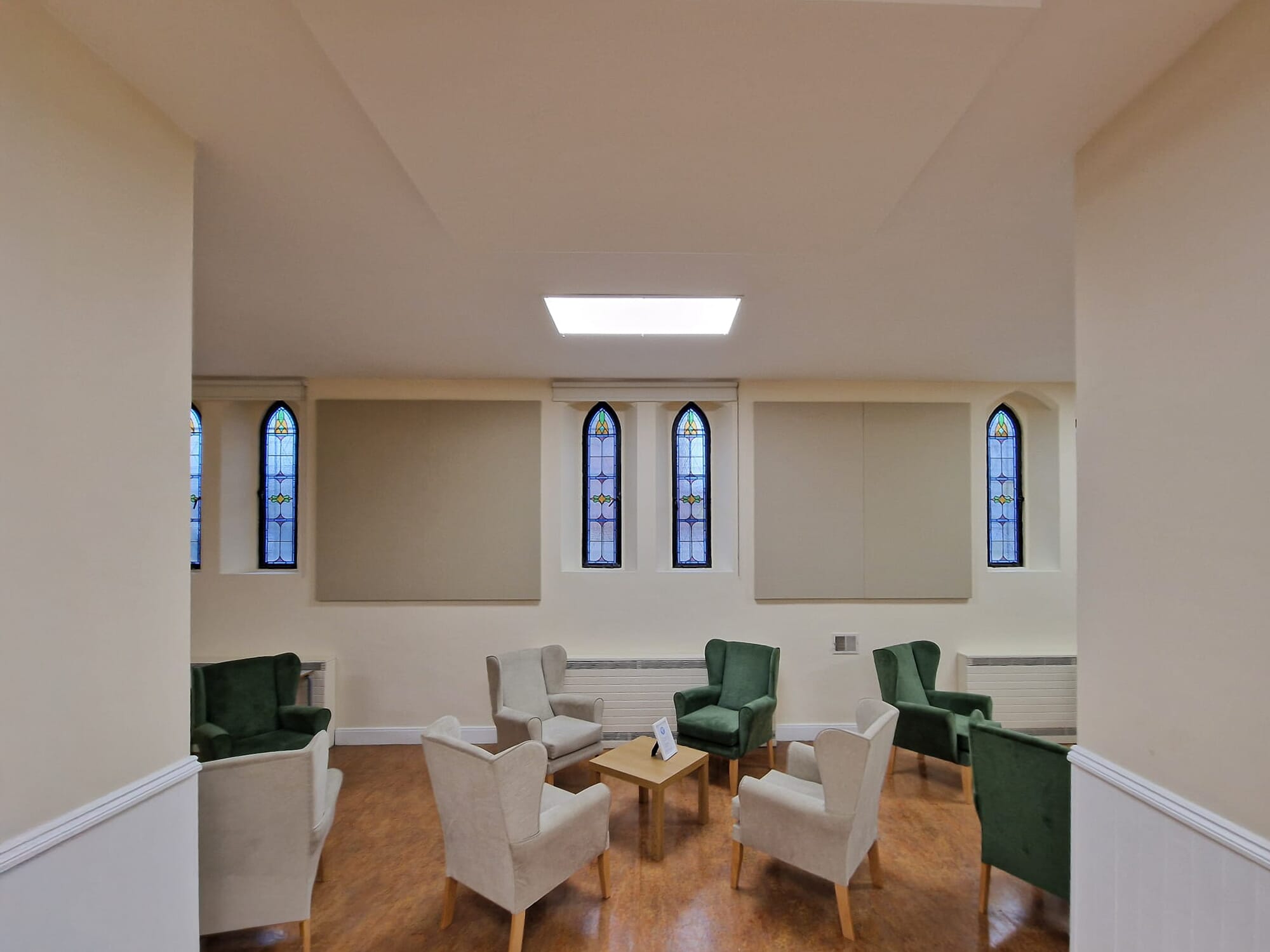
Fabric panels reduce the amount of reflected sound in a space when installed at key reflection points, typically side walls and the rear wall. In a church setting, these need careful specification in terms of colour, texture and mounting height to respect the visual character of the space.
Soft Furnishings
Pew cushions, carpet runners in aisles, curtains and drapes all contribute to absorbing sound. Adding these only makes a small difference. It’s rarely enough for a severely reverberant space, but it’s always worth factoring into the overall plan.
Listed Buildings: What You Need to Know
Many churches are Grade I or Grade II listed, which means work affecting the historic fabric may require consent. Resonics has experience navigating these requirements and can advise on treatment approaches designed to avoid triggering them.
For example, suspended systems that attach only to existing ceiling fixings are typically far less problematic than wall-mounted panels requiring new fixings into historic masonry.
Article Author
Matthew Bullen
Company Director
2nd Jun 2026