



Why circulation areas need acoustic treatment
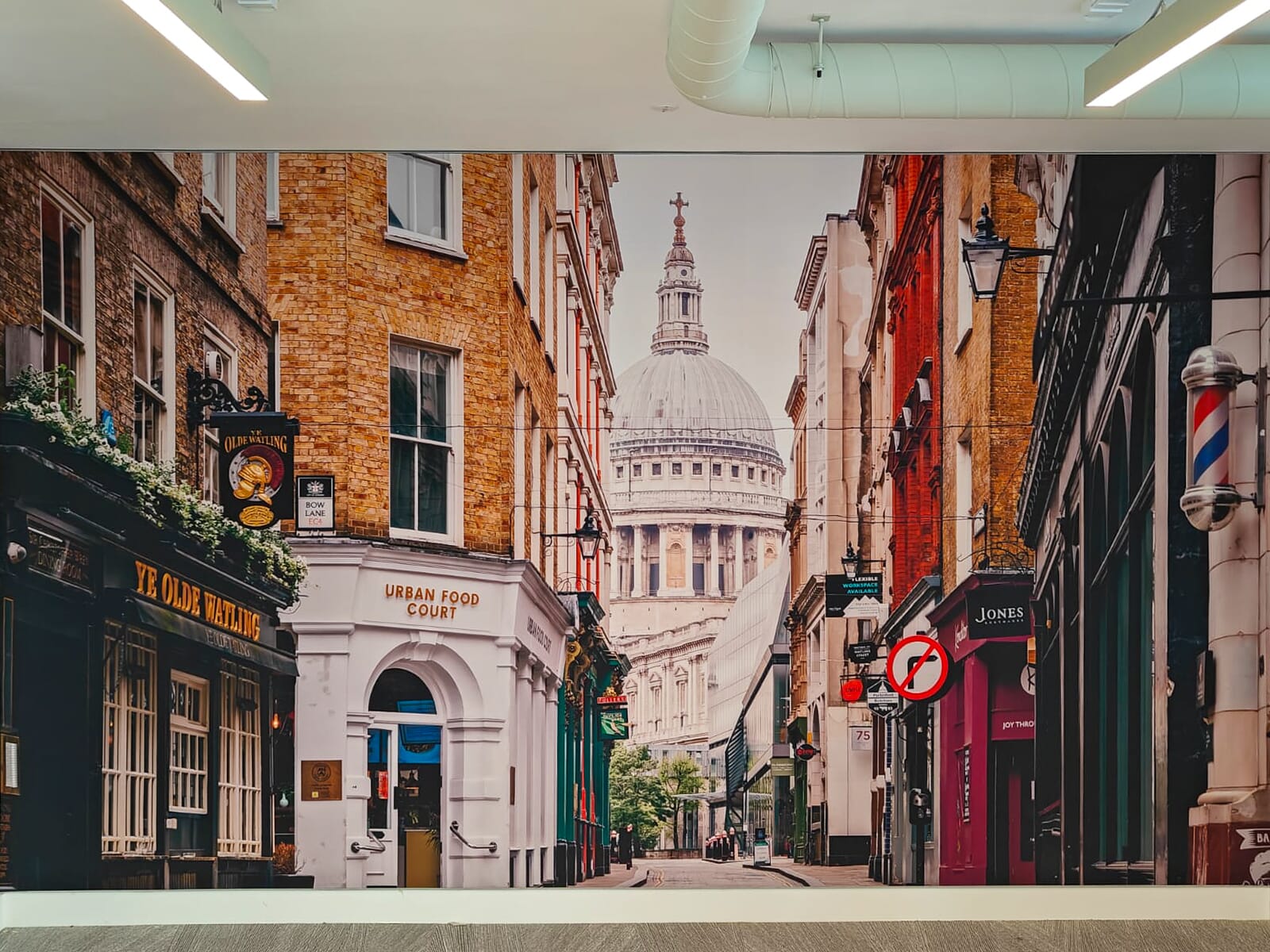
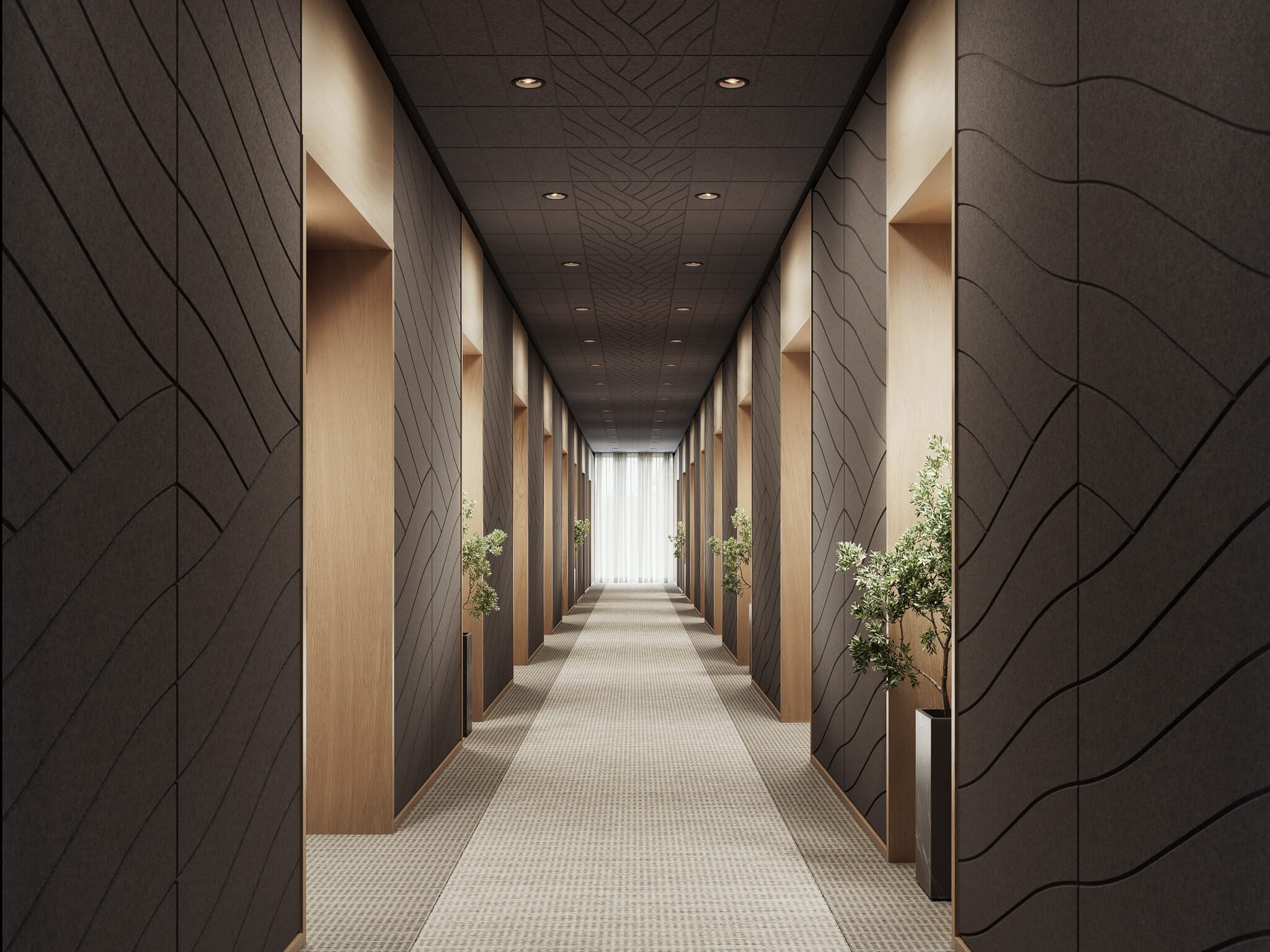
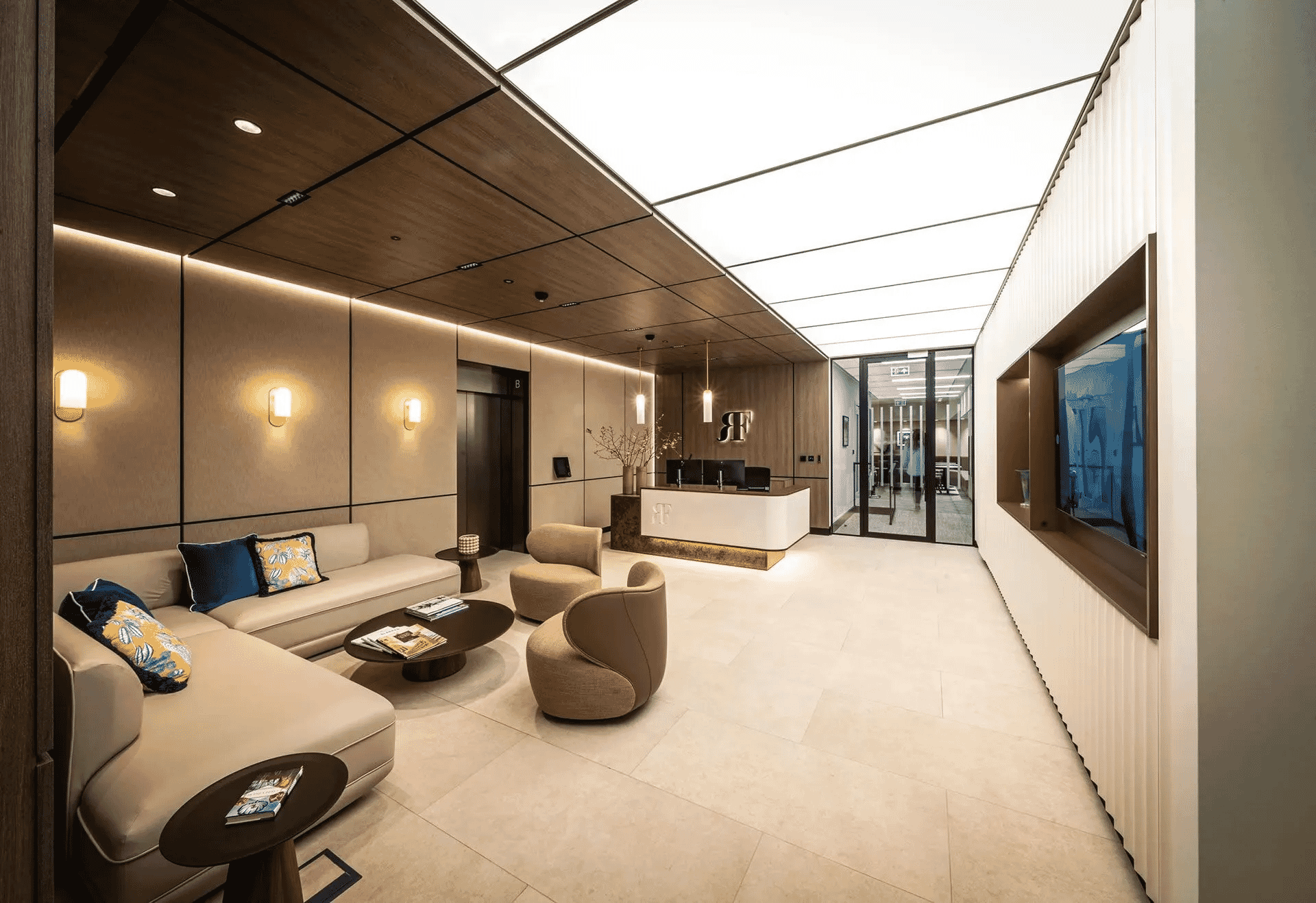
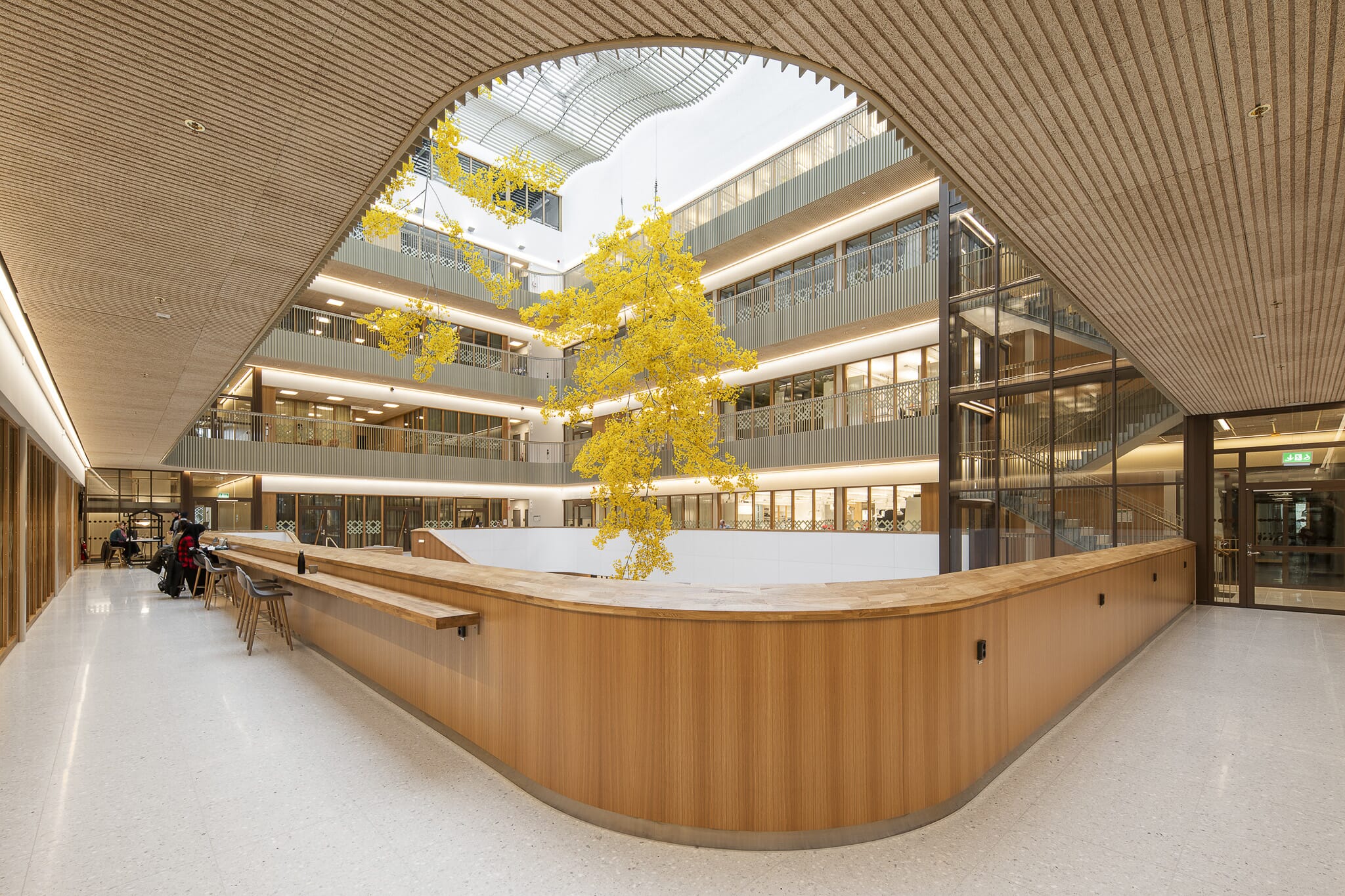
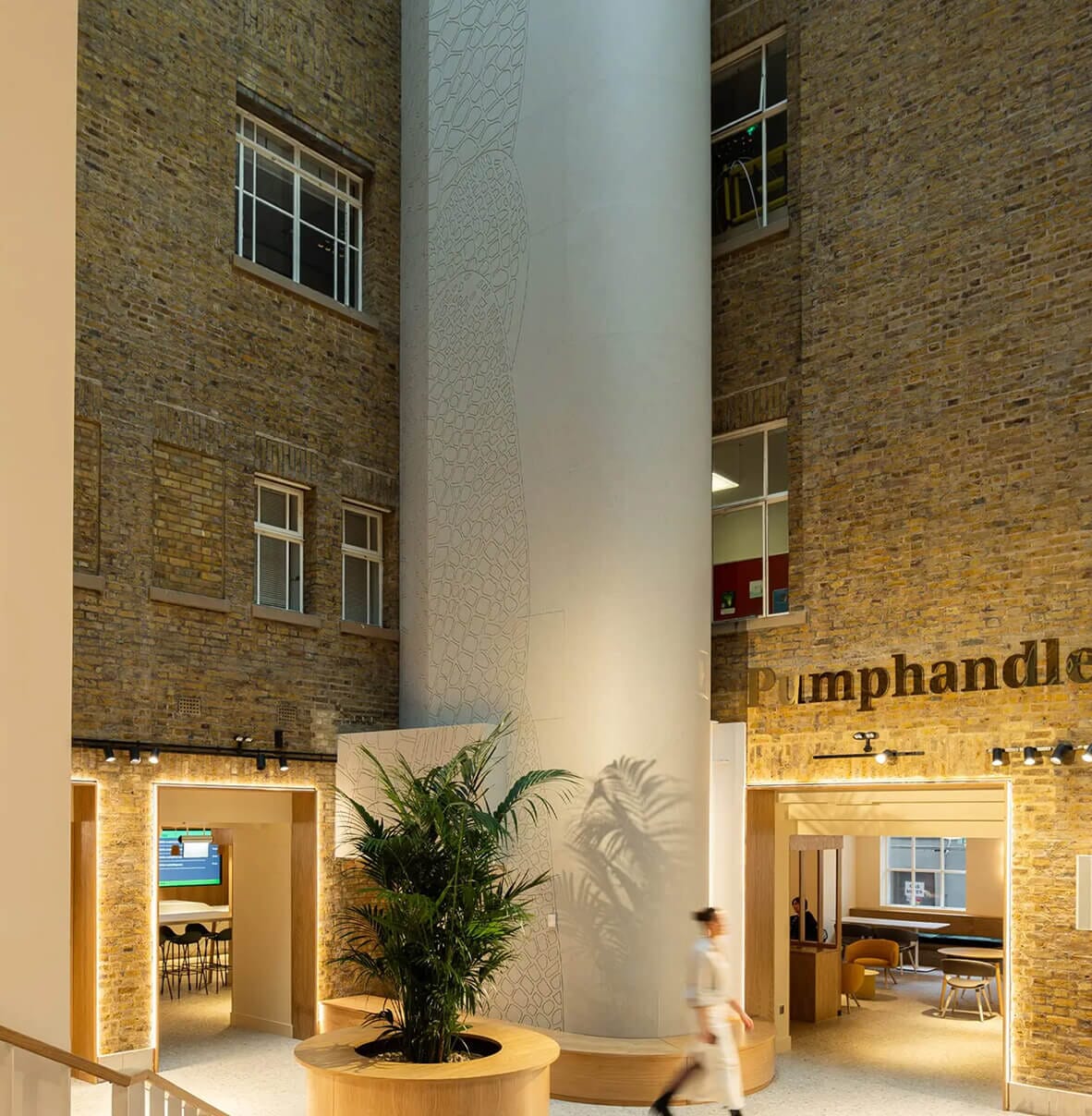
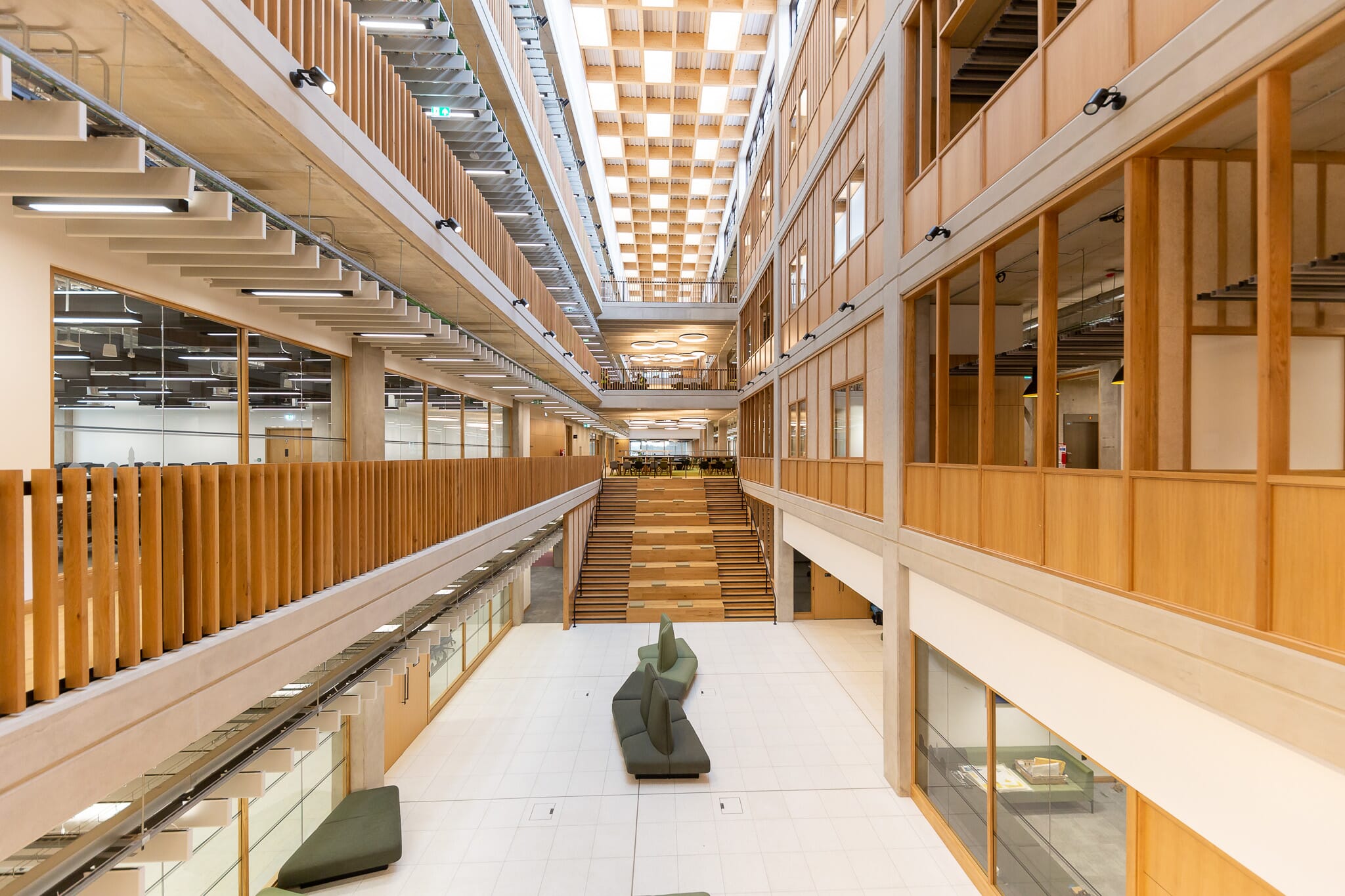
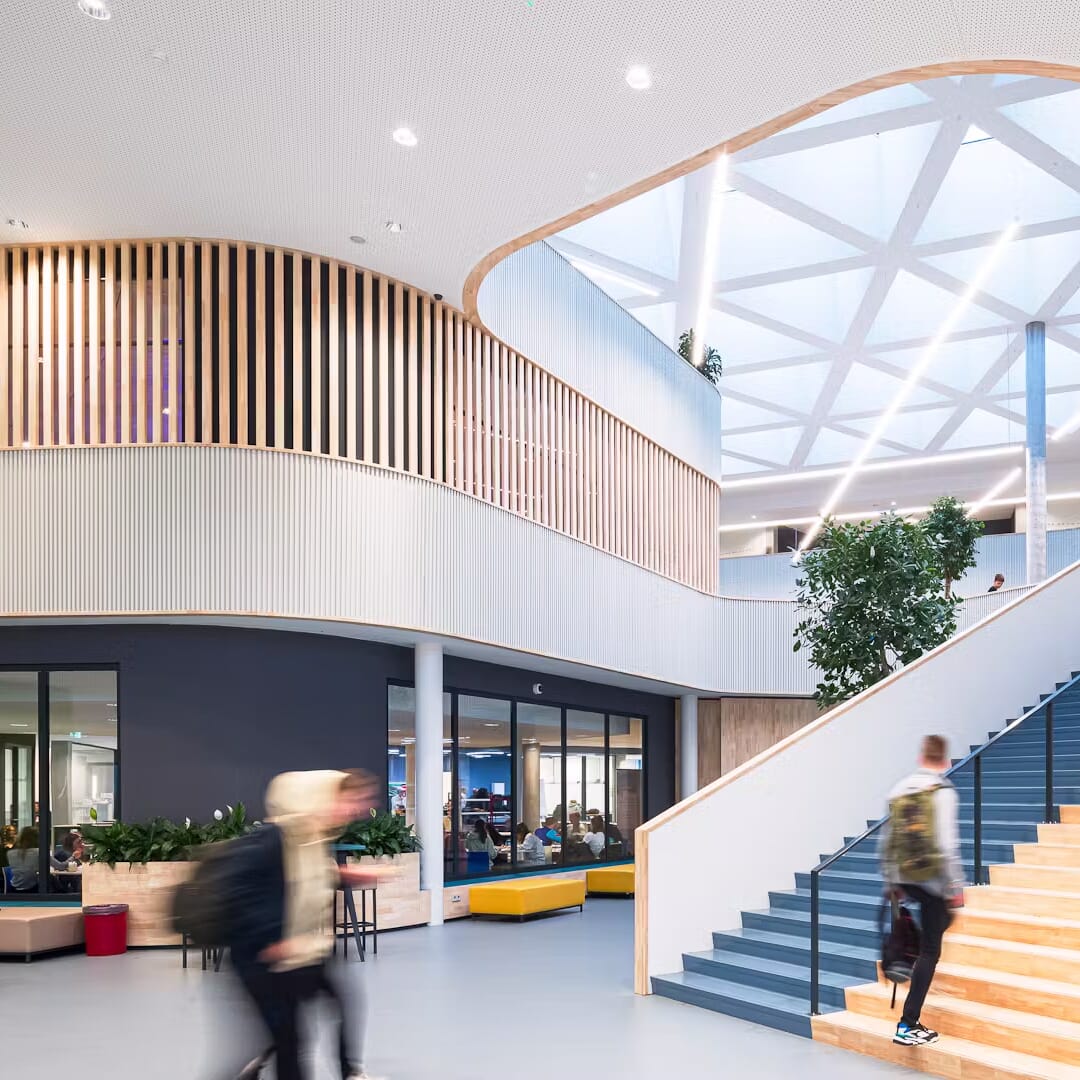
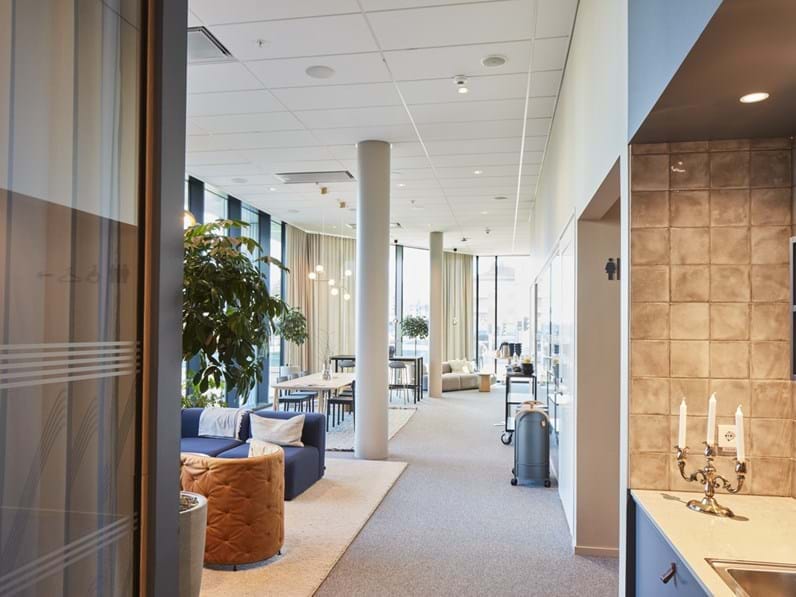
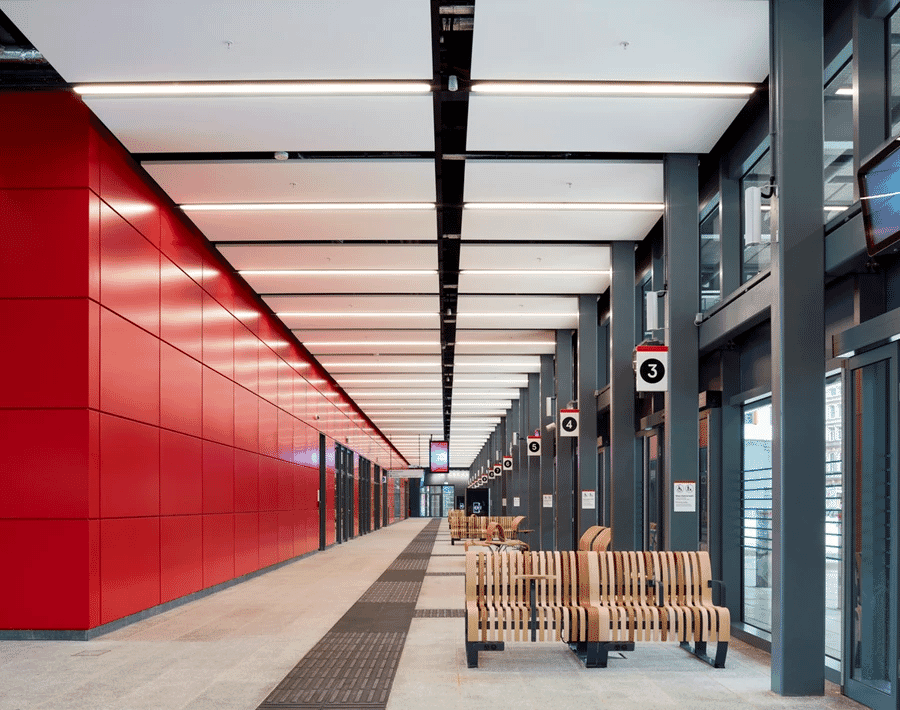
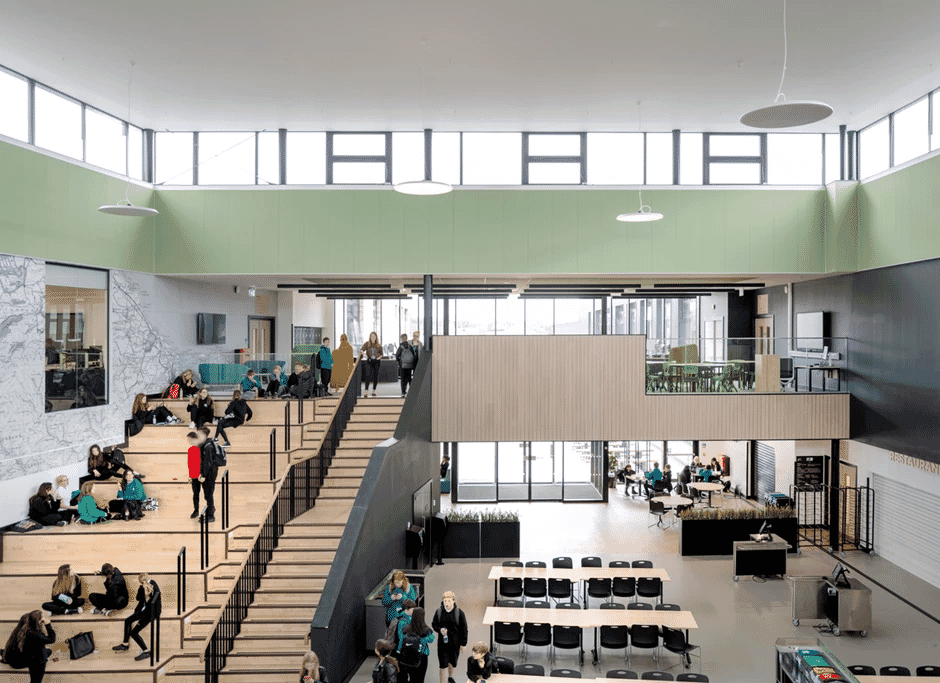
Corridors, stairwells, lobbies and atriums are the busiest spaces in any building and usually the worst treated. Long runs of plasterboard, glass and hard flooring give sound nowhere to go, so footsteps, voices and door slams bounce down the corridor and straight into classrooms.
Noise from circulation spaces disrupts classrooms, meeting rooms and offices, anywhere people are trying to concentrate. With the right acoustic treatments, reverberation drops, speech stays local and the whole building feels calmer.
Our clients











The Benefits of Good Acoustics
Narrow spaces create flutter echo and long decay times. Targeted absorption brings both under control.
From BB93 compliance in schools to fire performance requirements on escape routes, we specify products that meet the standards your building must satisfy.
High-traffic areas need durable, cleanable finishes. We only specify products that can take the knocks.

Testimonials
Hear what our clients have to say
Reducing noise in circulation areas
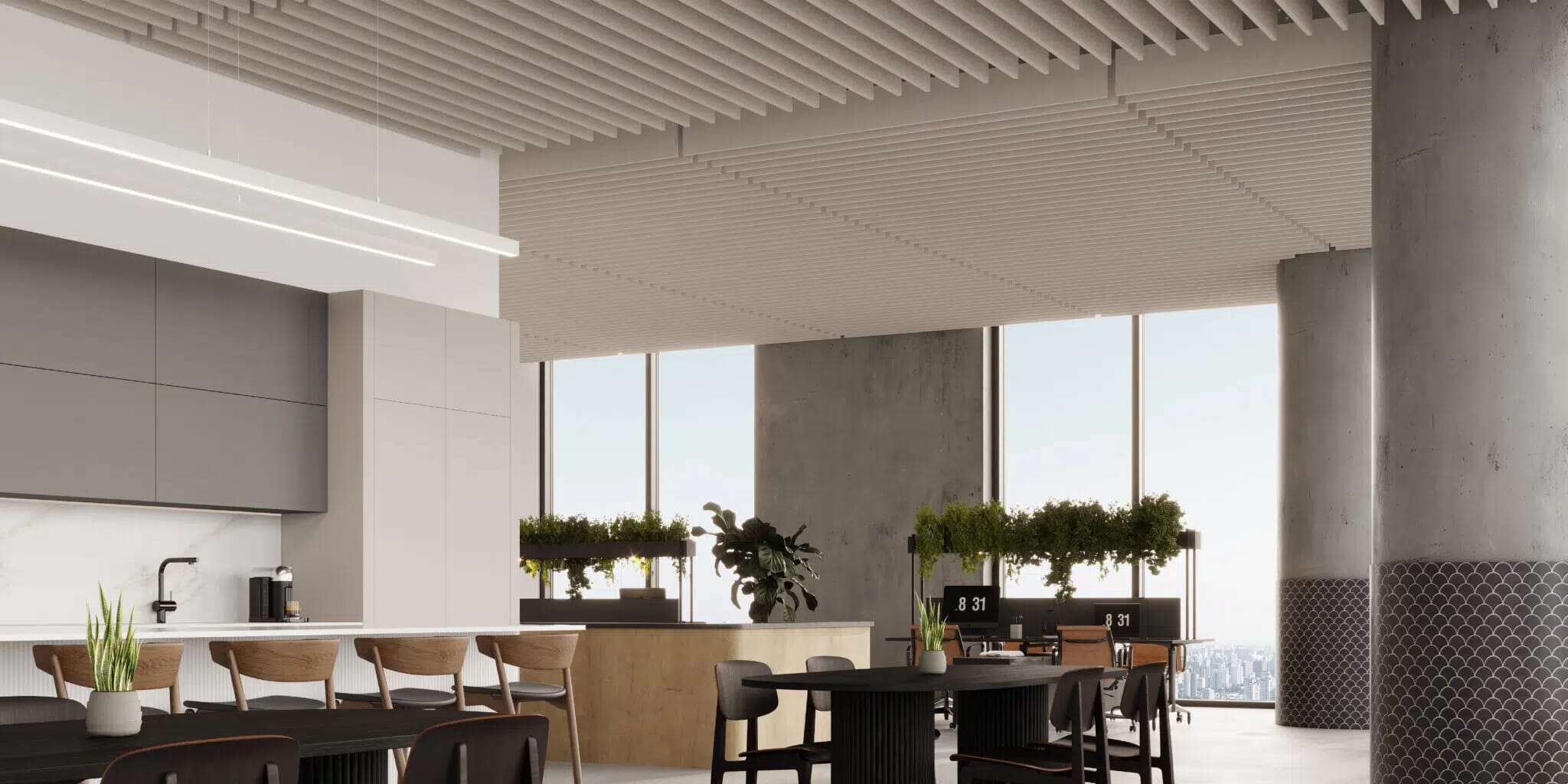
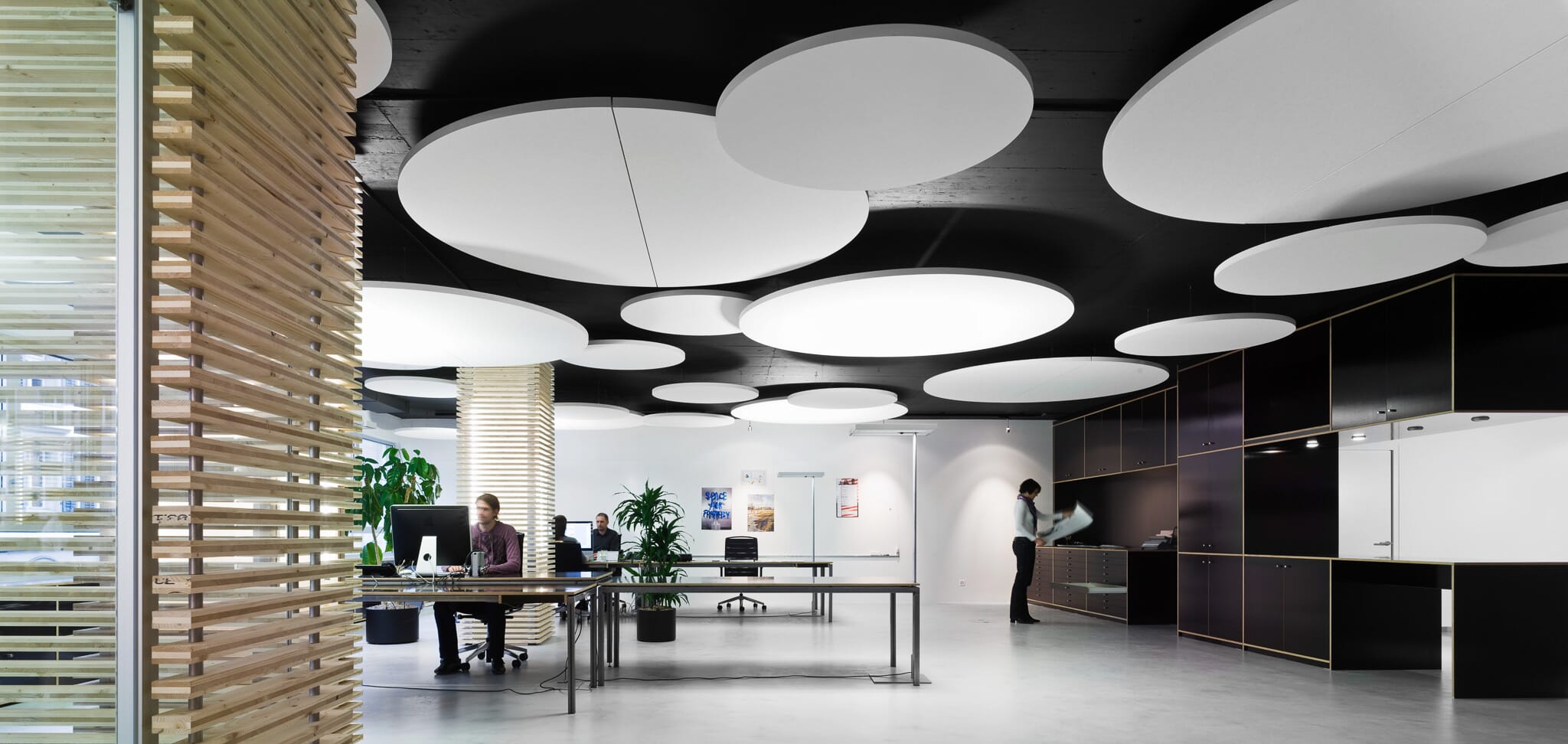
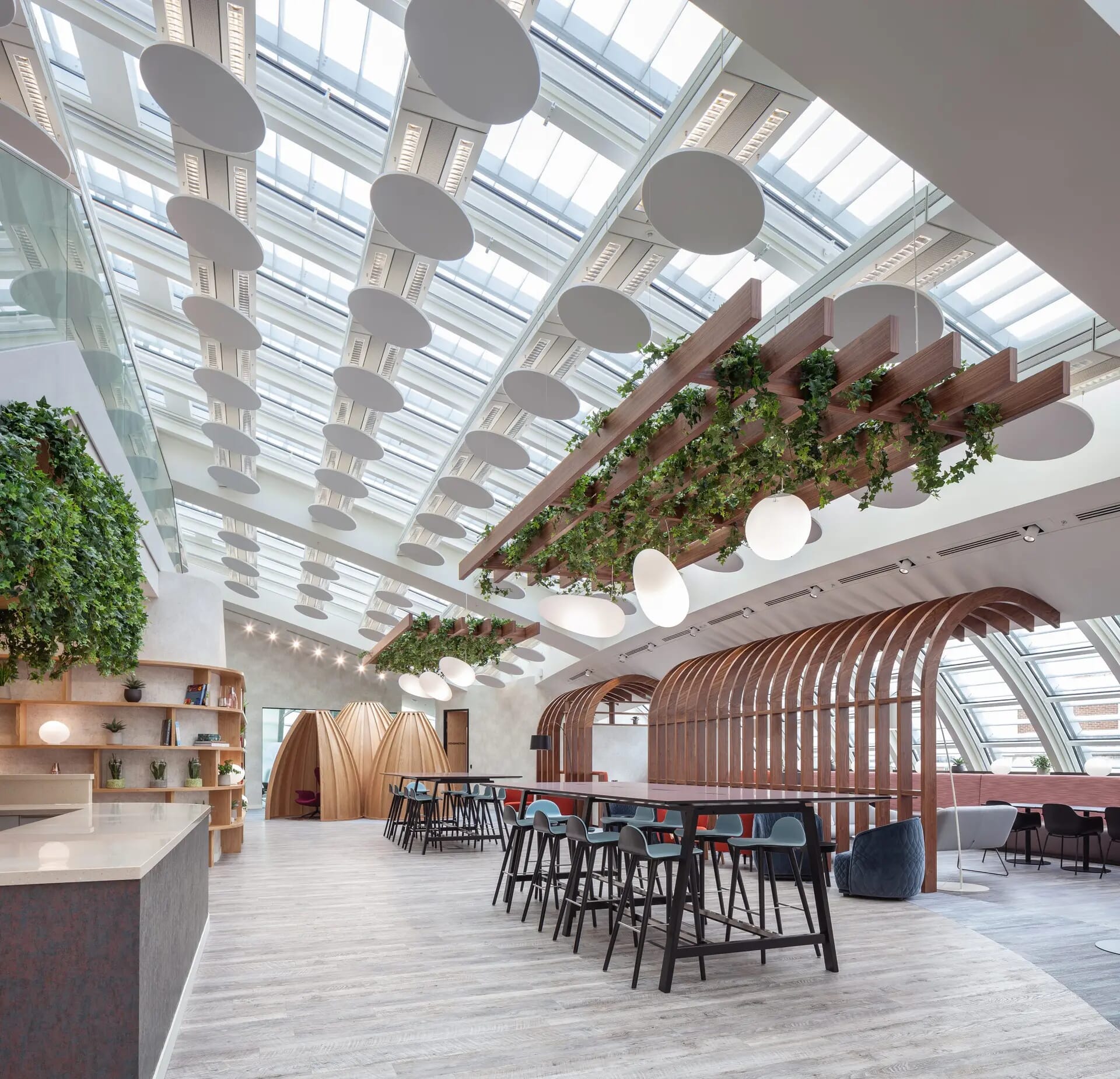
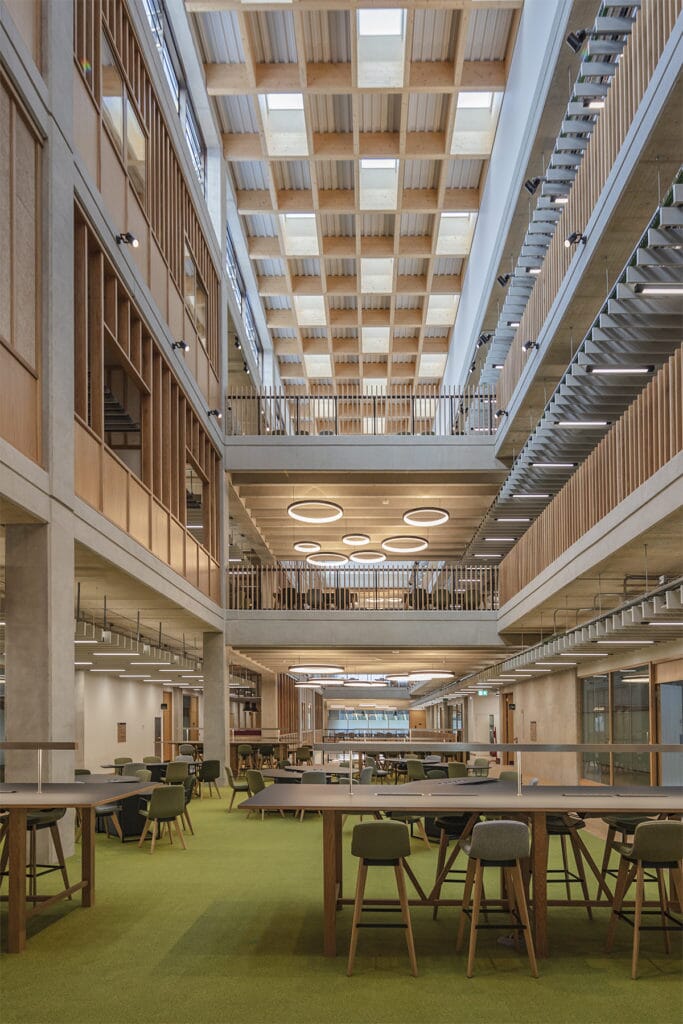
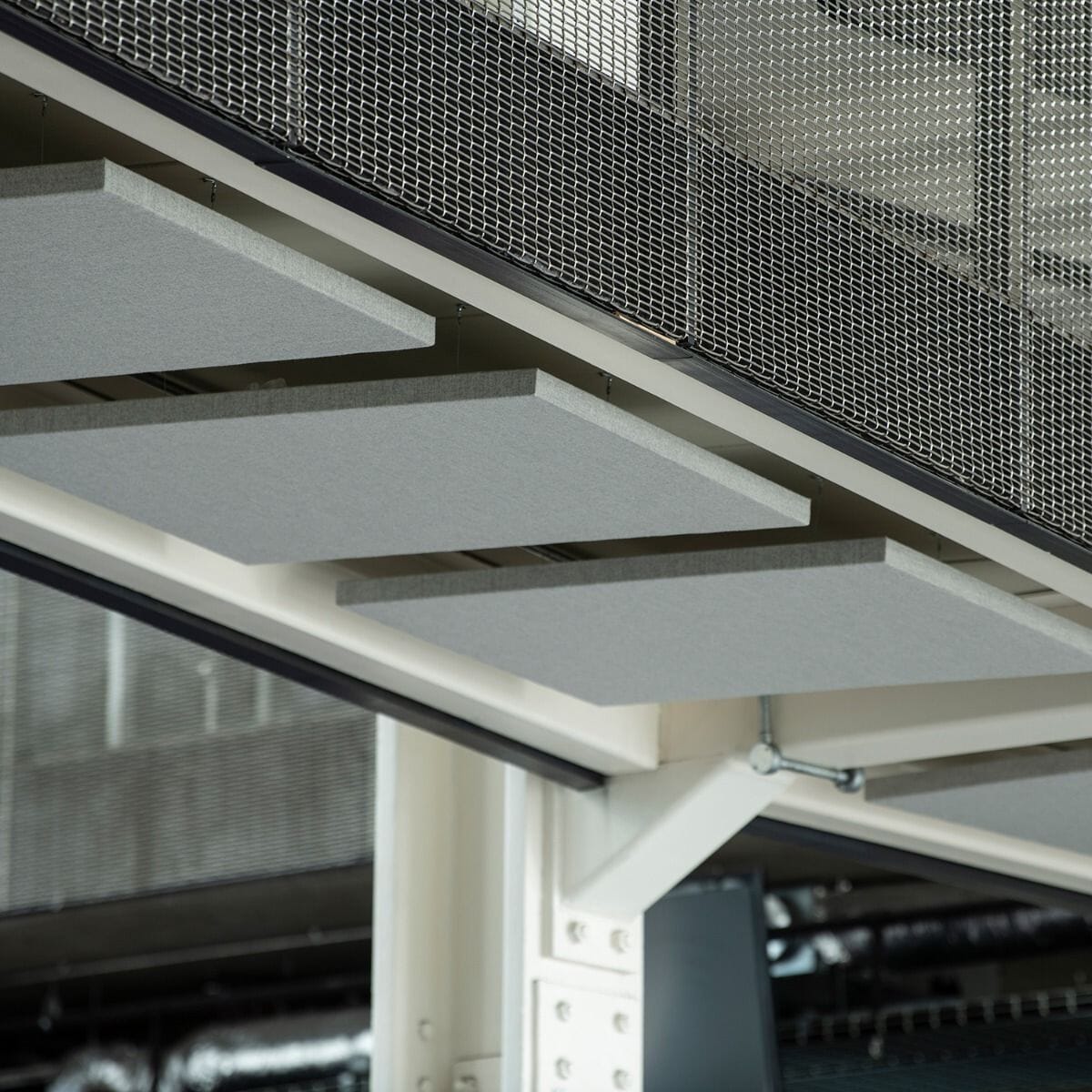
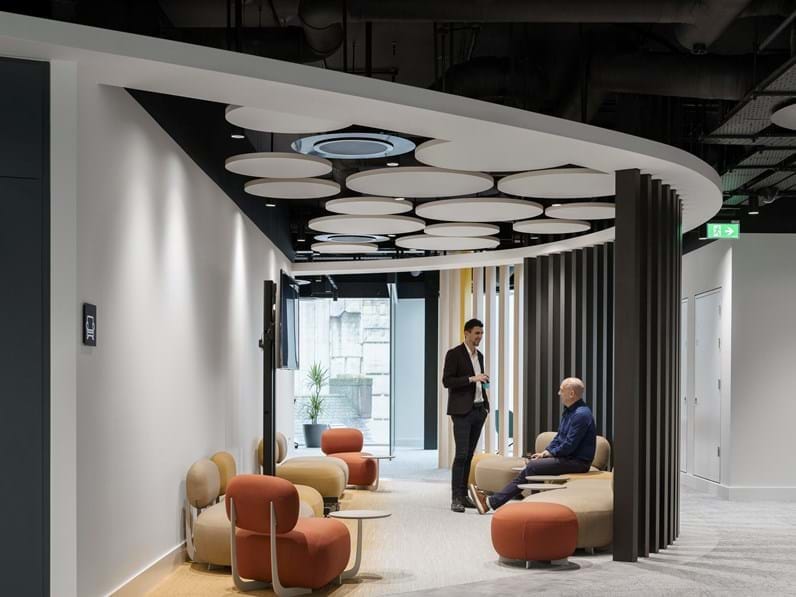
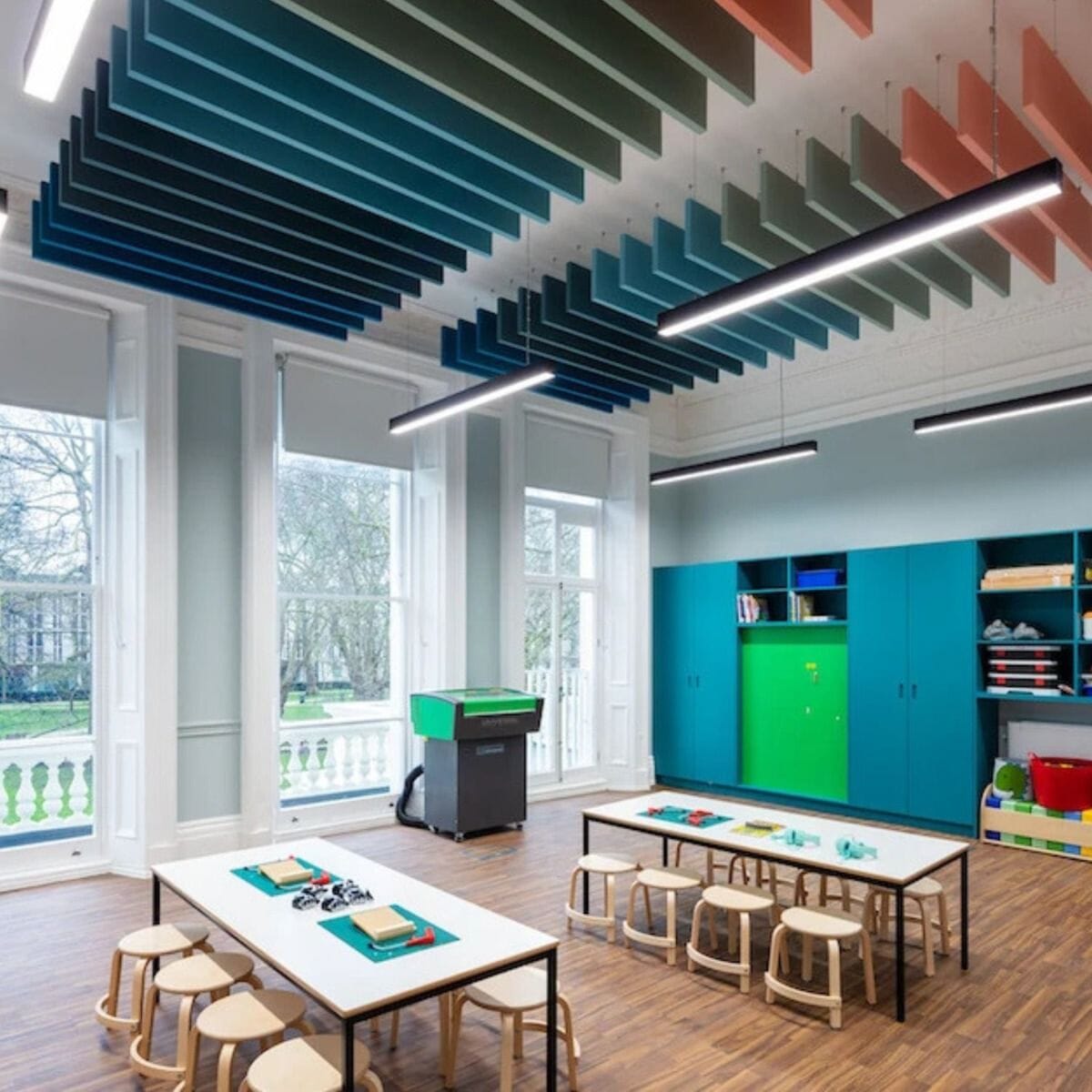
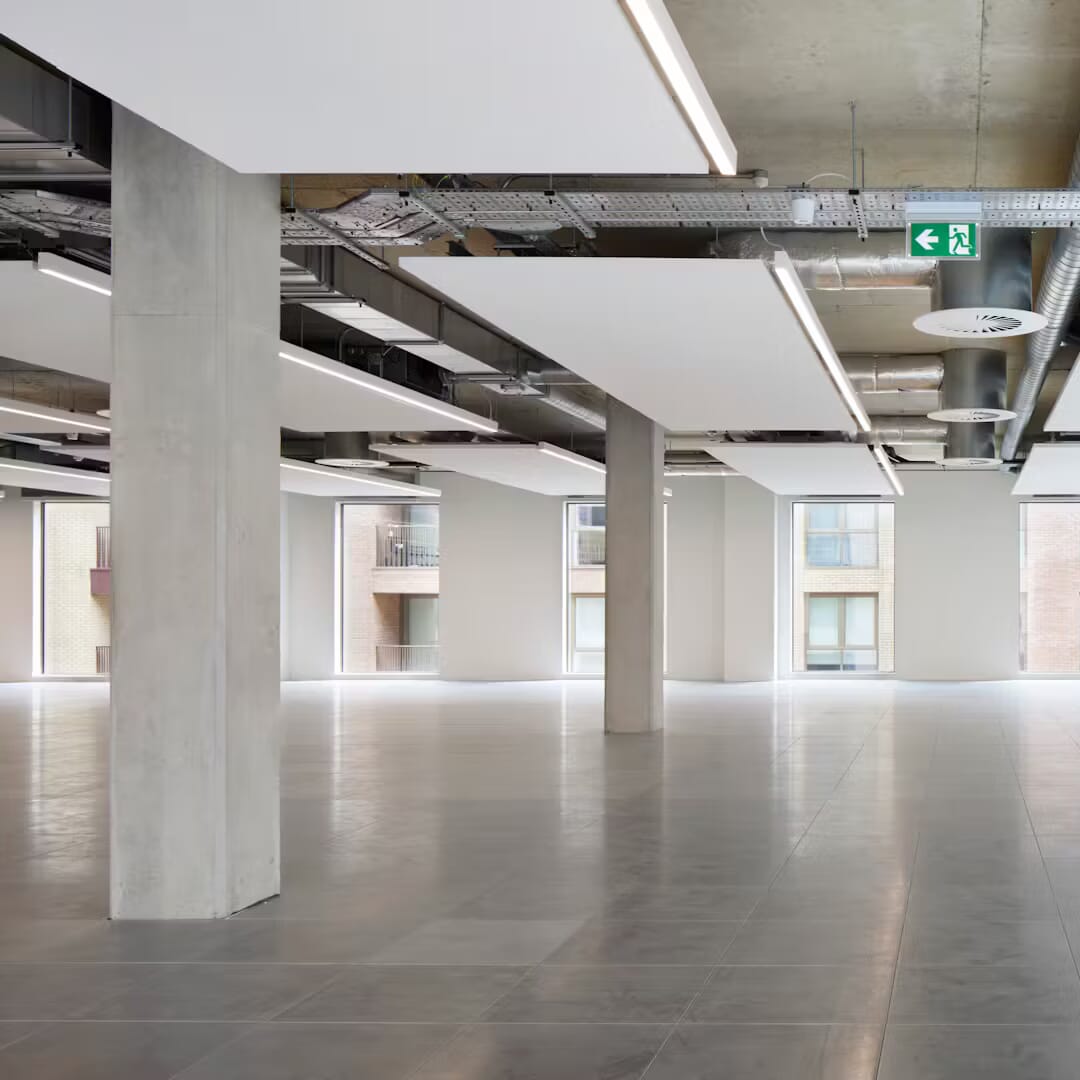
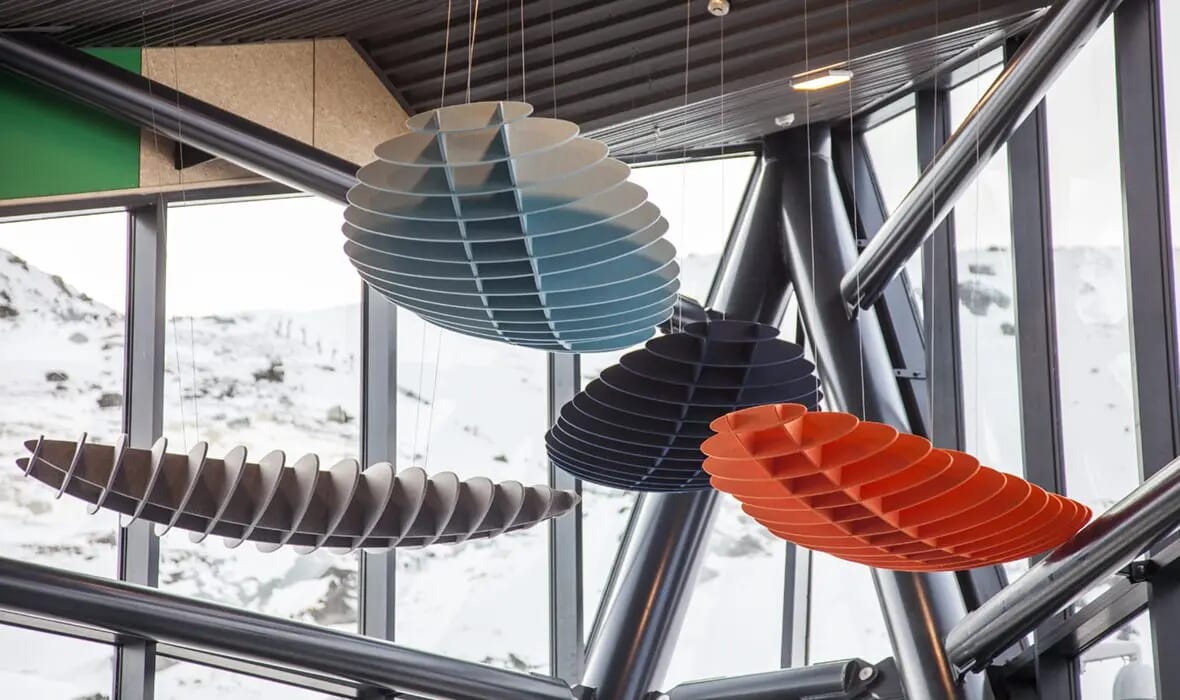
In circulation areas or high-traffic spaces, the ceiling is the largest unobstructed surface and the one least likely to get knocked, scuffed or leaned on. Suspended rafts and baffles deliver the biggest acoustic improvement with zero impact on usable space.
Most corridors and stairwells form part of an escape route, where Approved Document B typically requires wall and ceiling linings rated B-s1,d0 or better. Every product we specify for circulation areas carries certified EN 13501-1 fire classification.
Need expert acoustic advice?
Call us on 020 7858 1030 or request a quote below—we’ll contact you.
Request a Quote
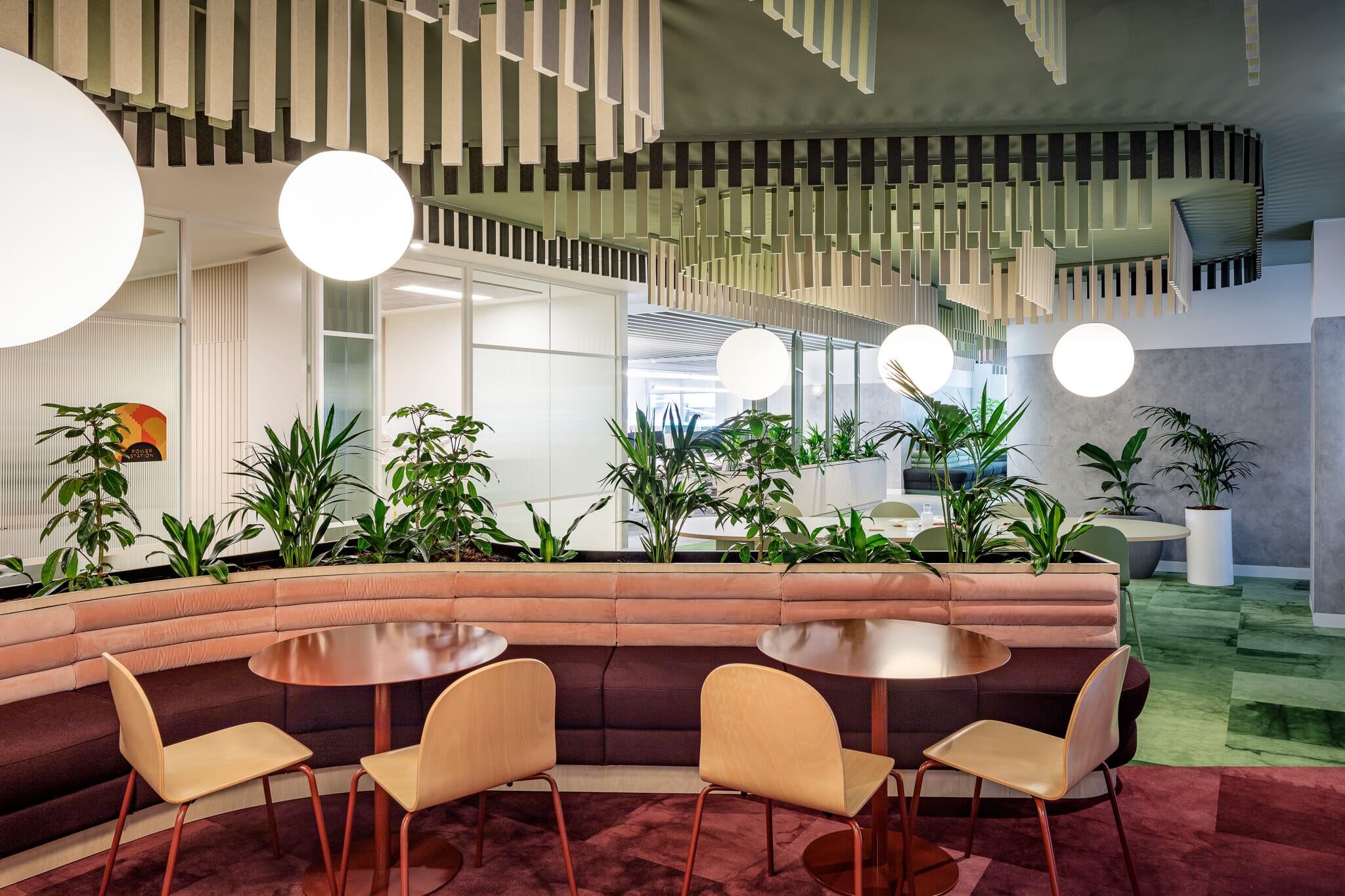
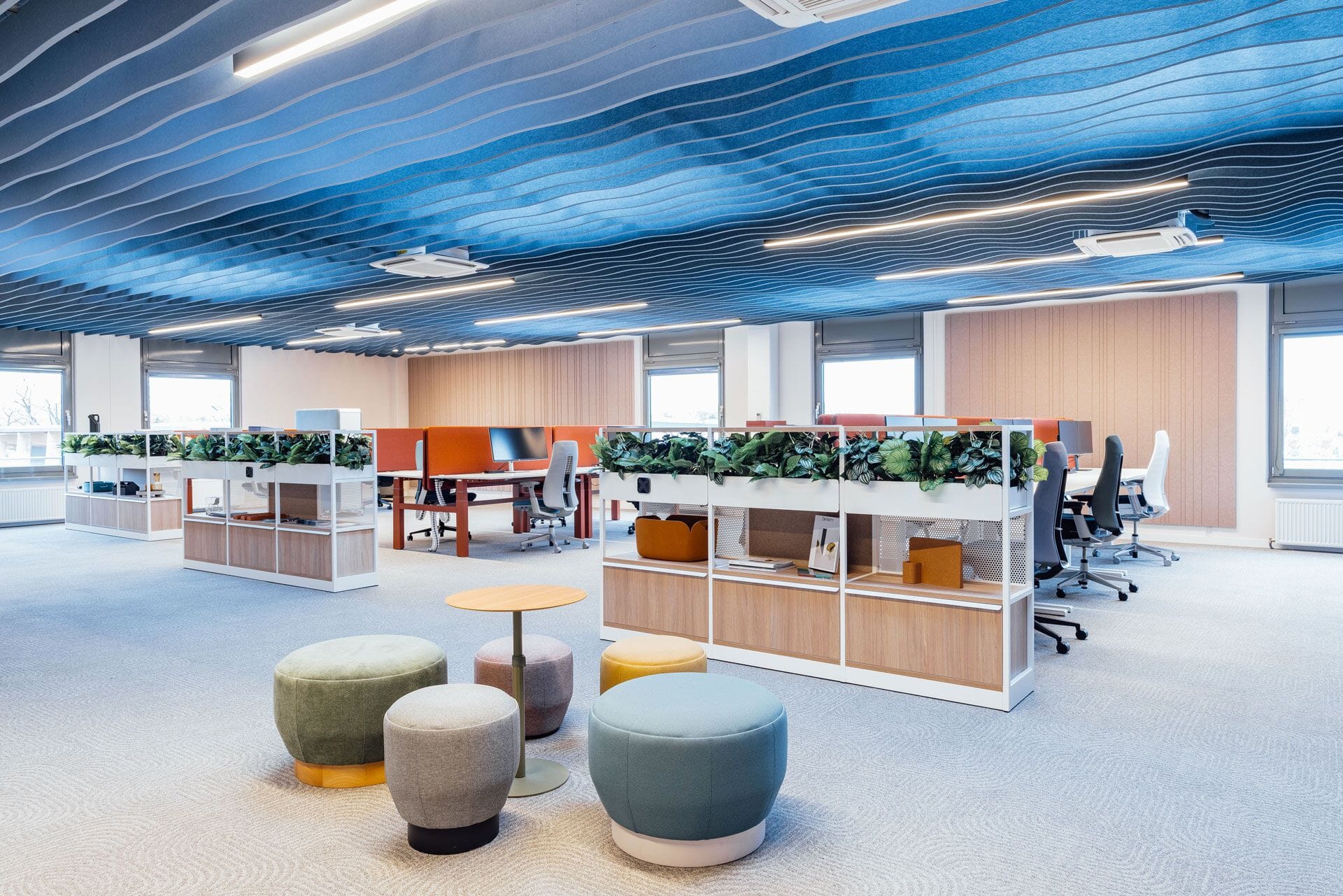
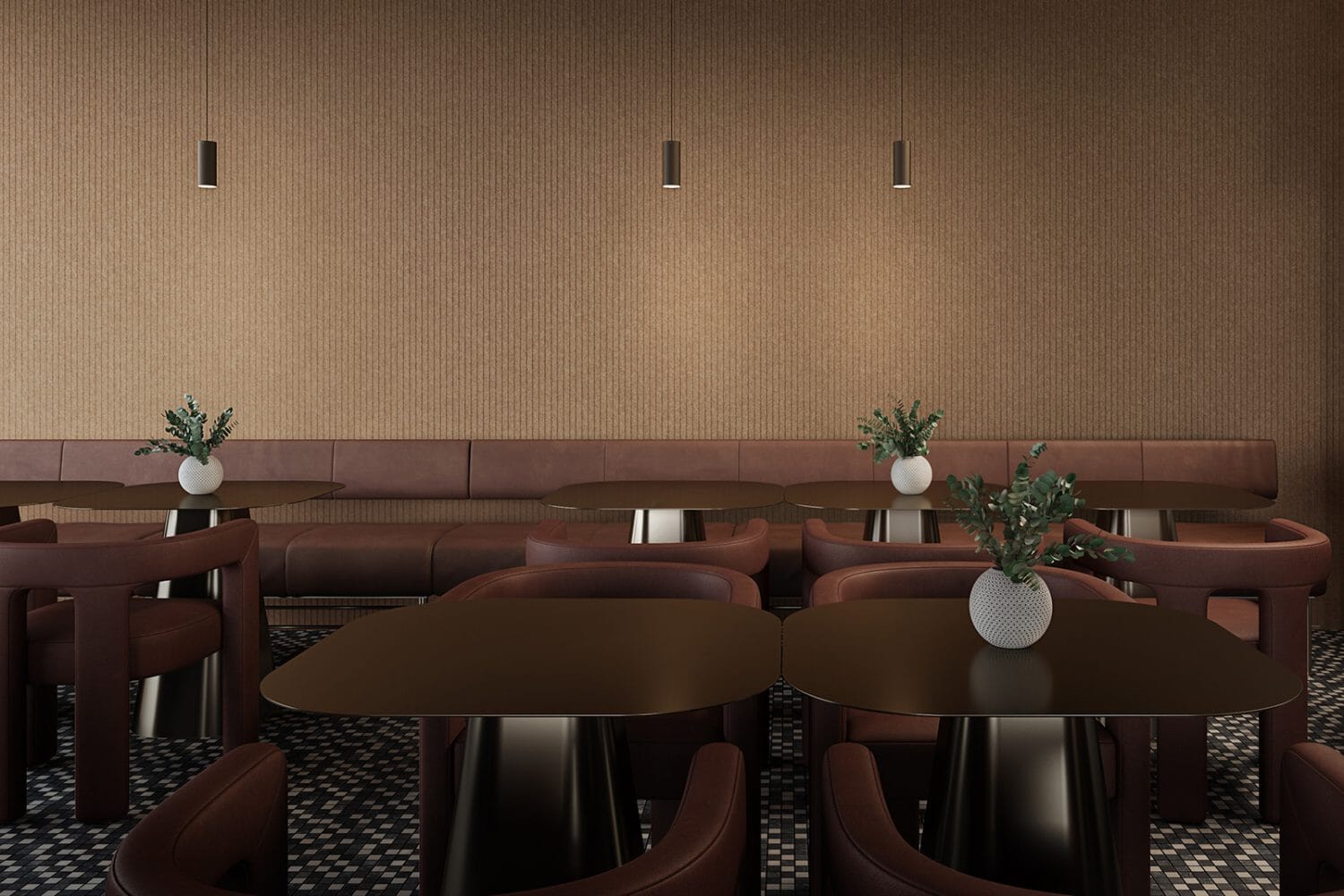
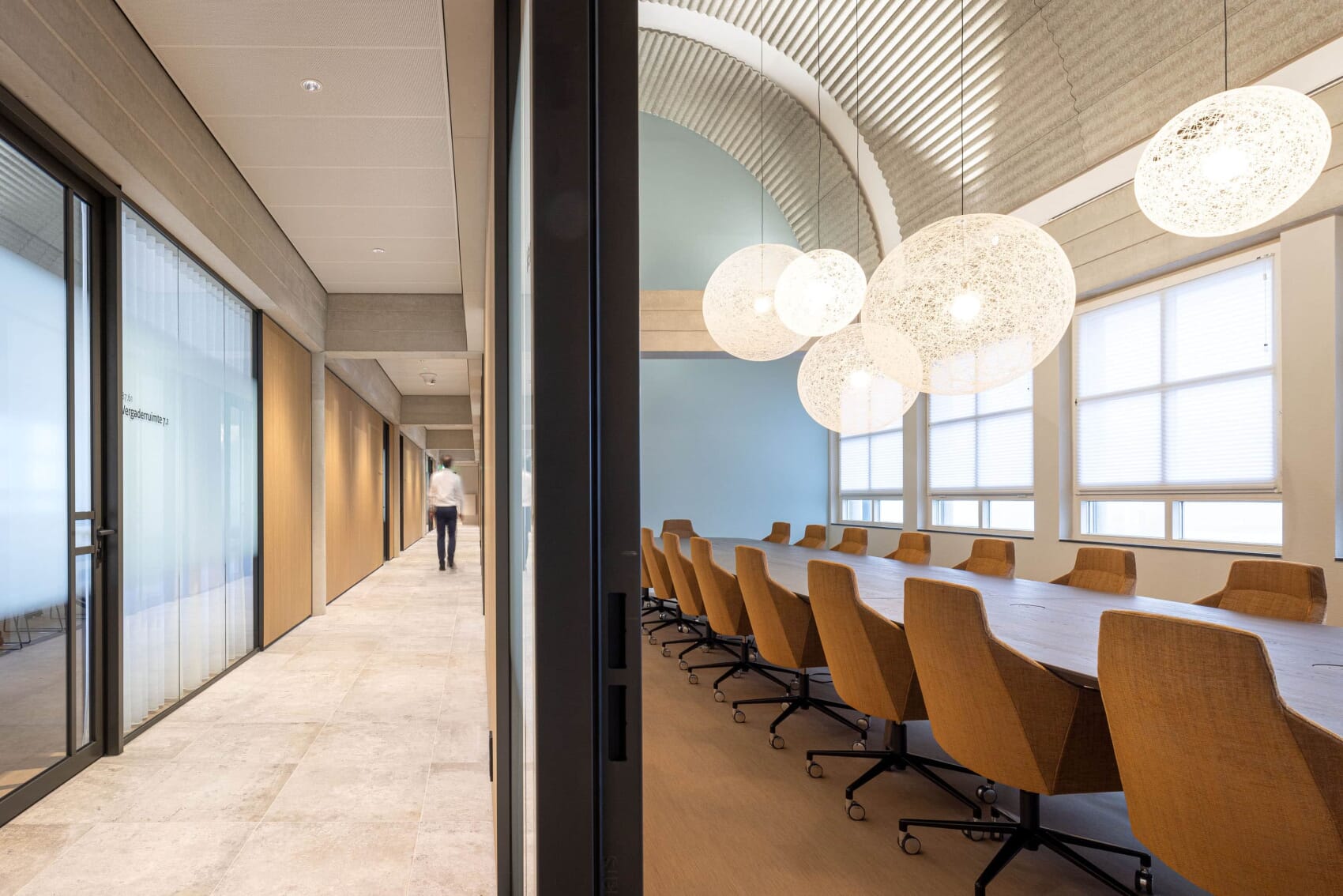
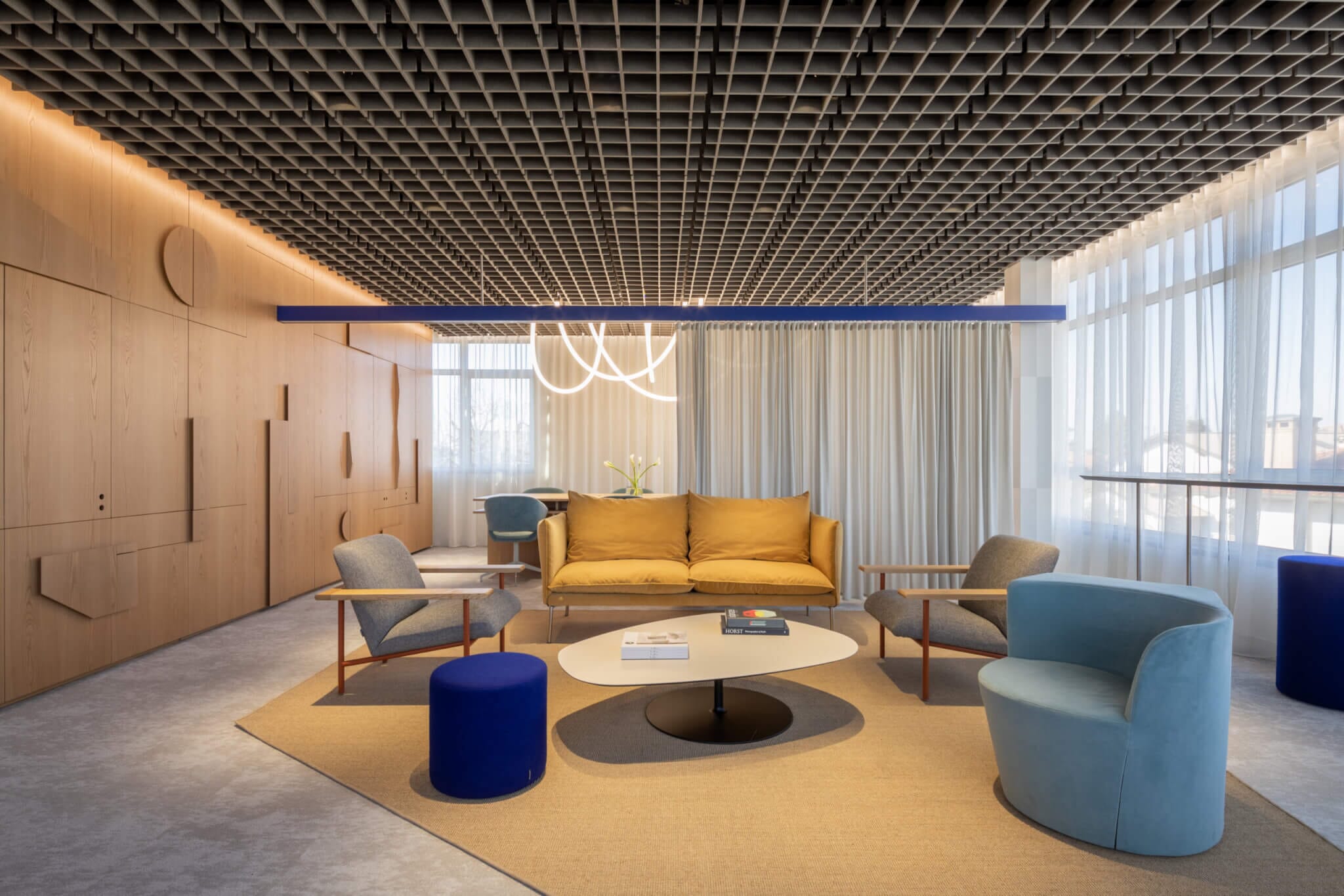
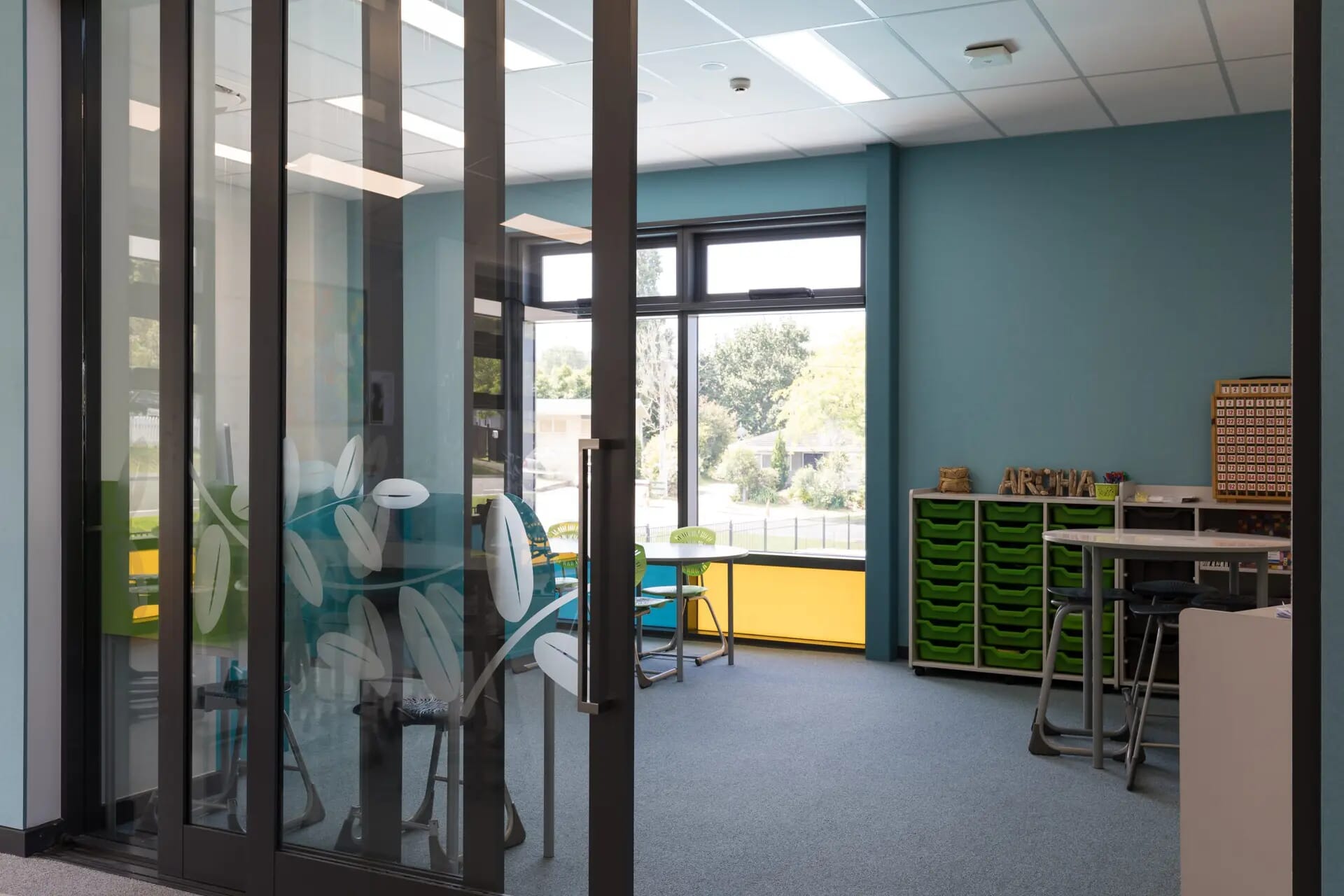
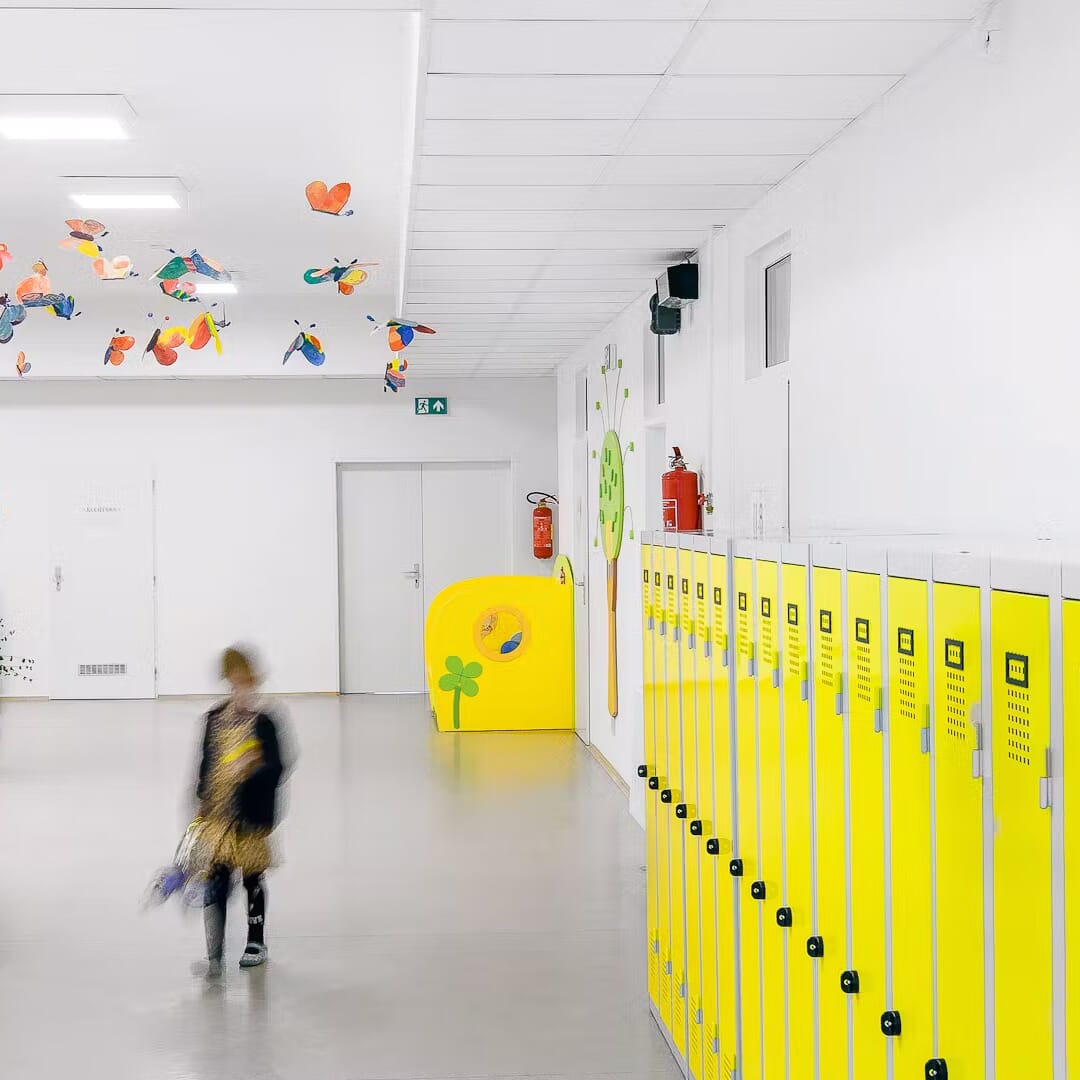
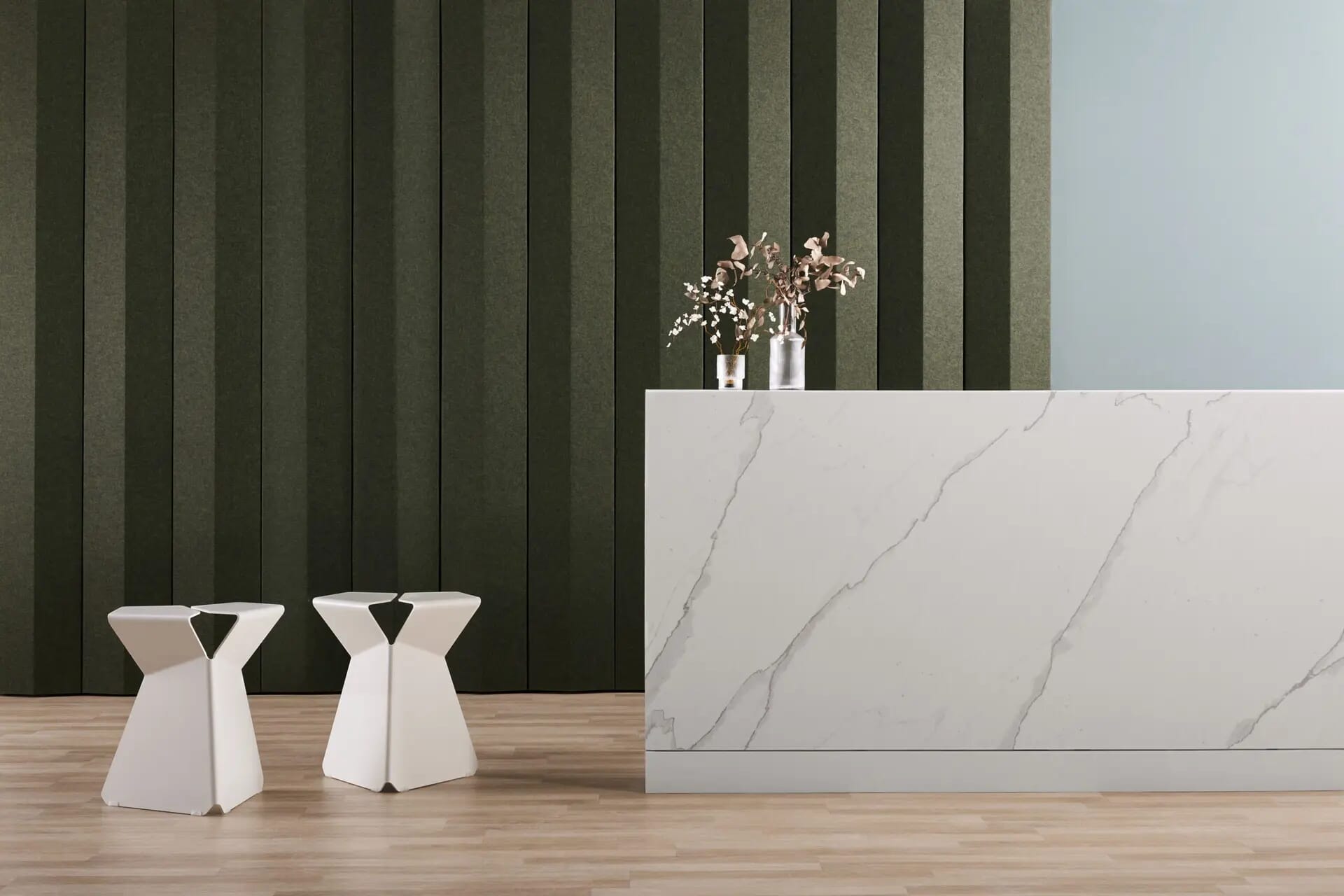
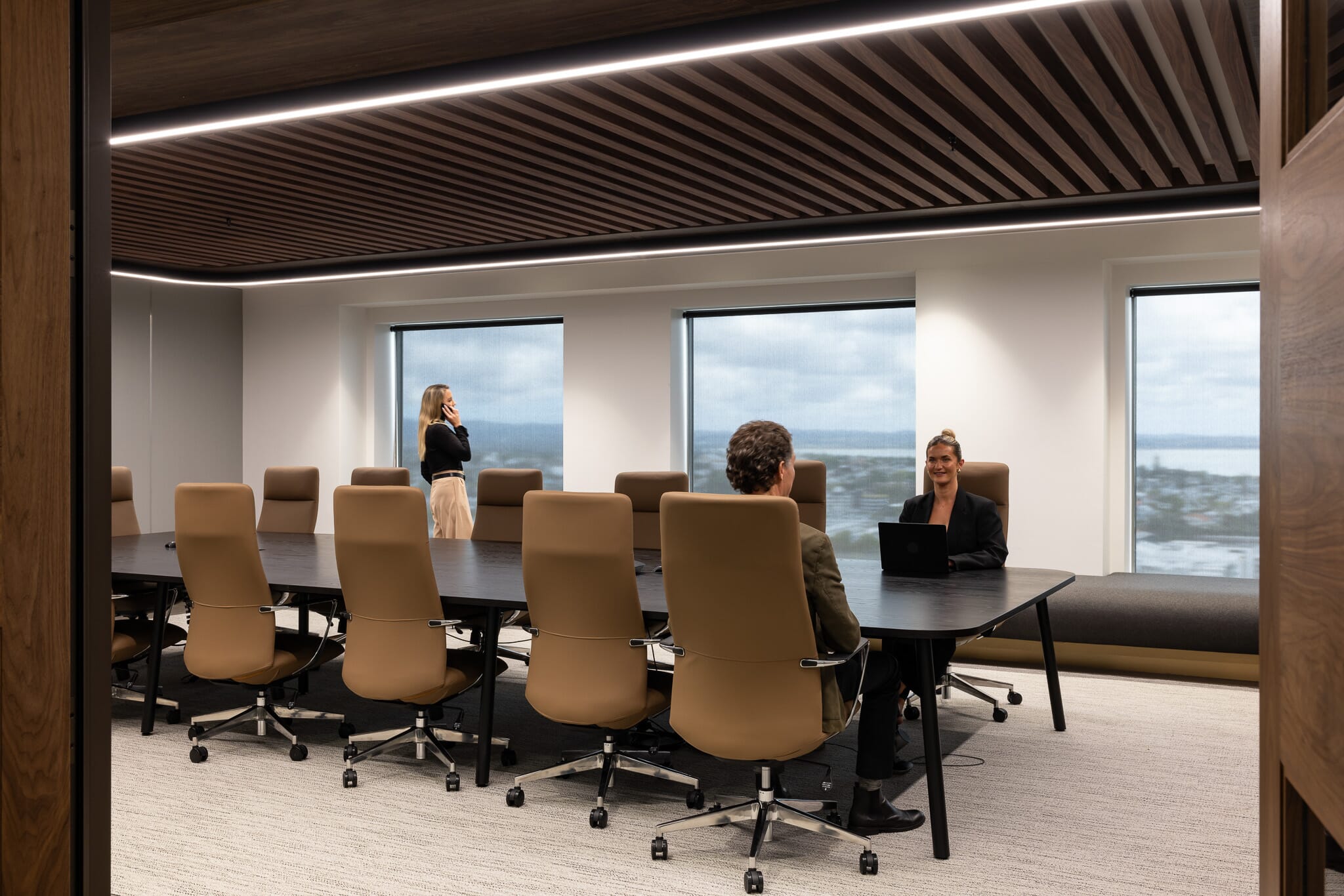
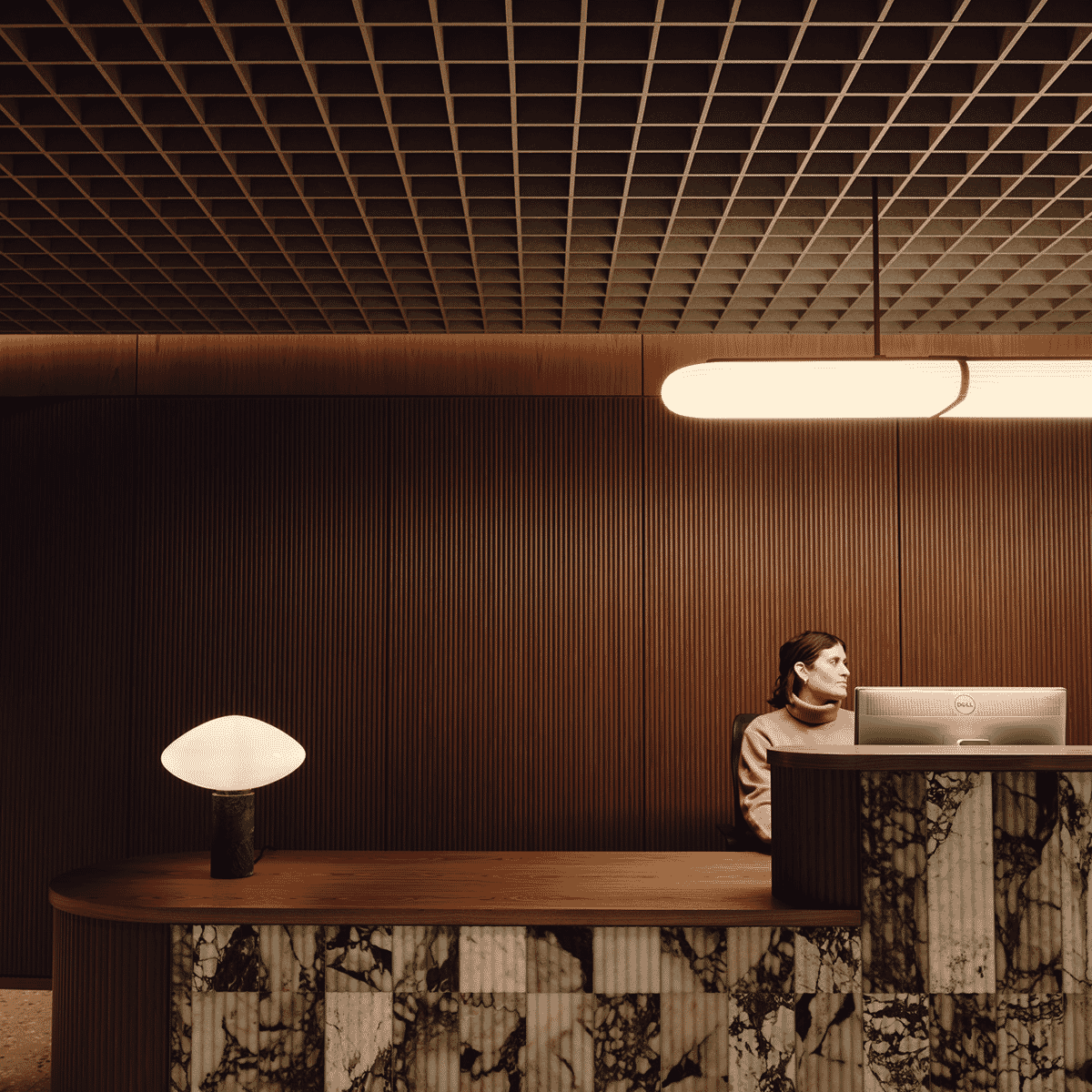
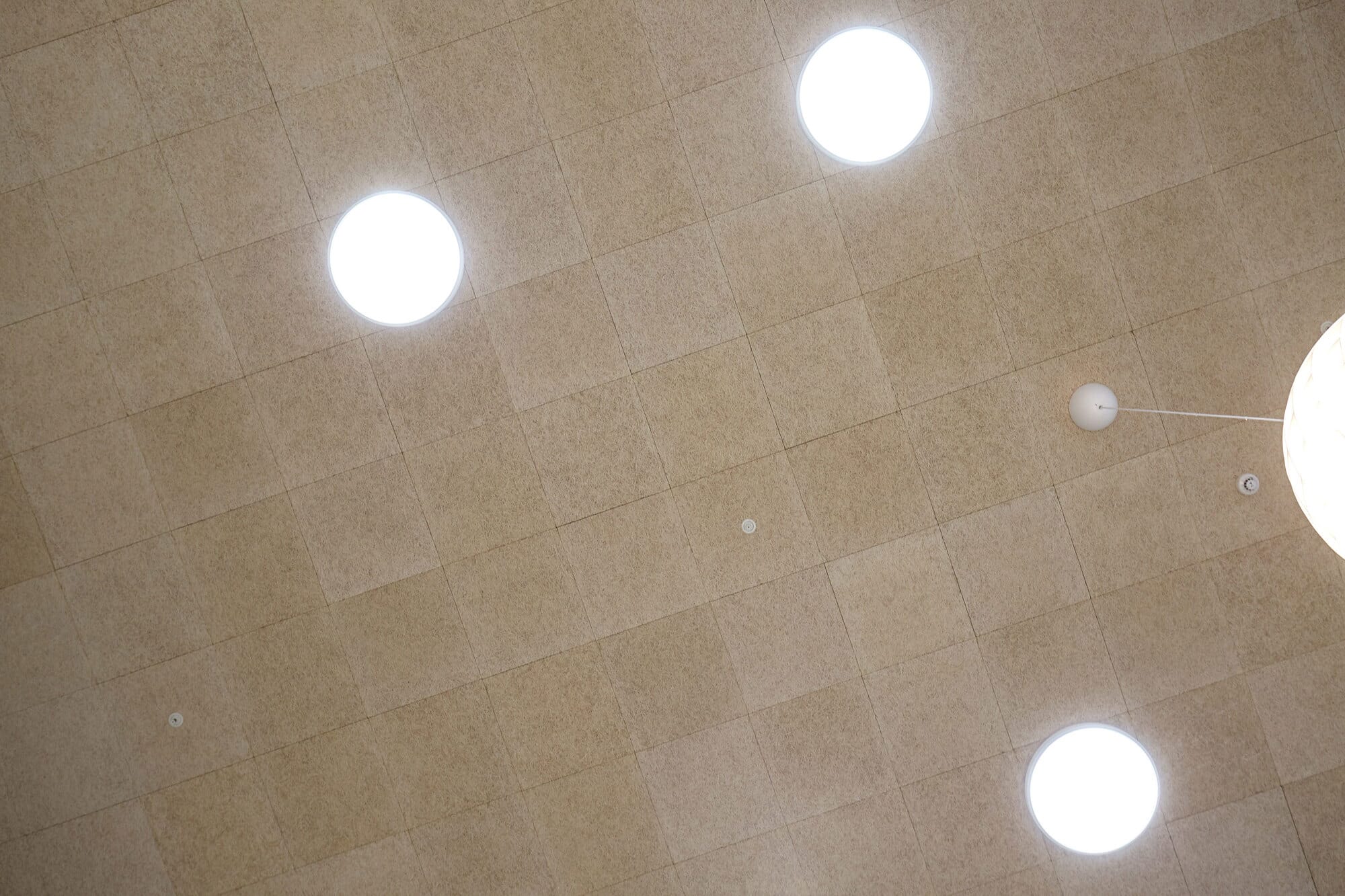
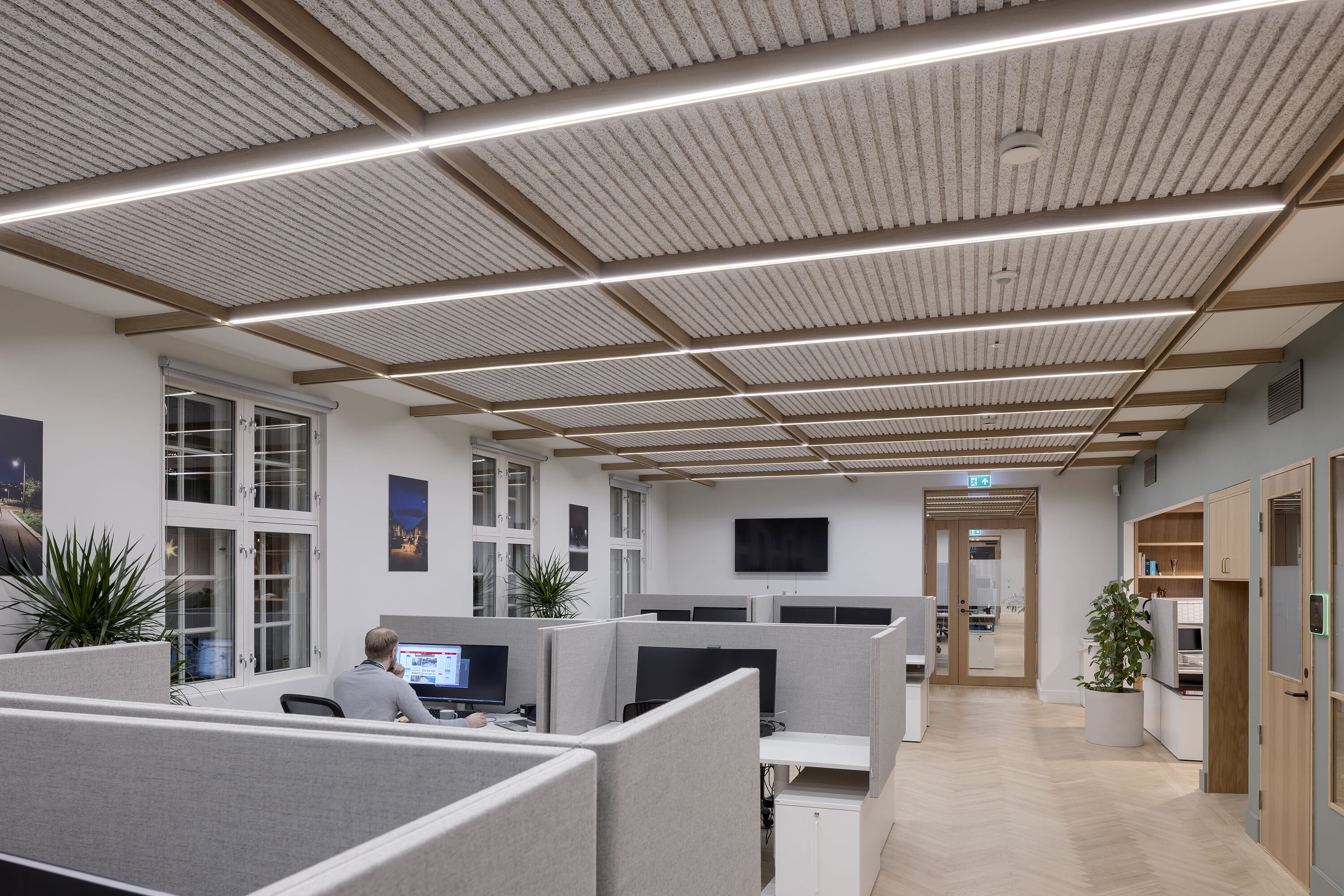
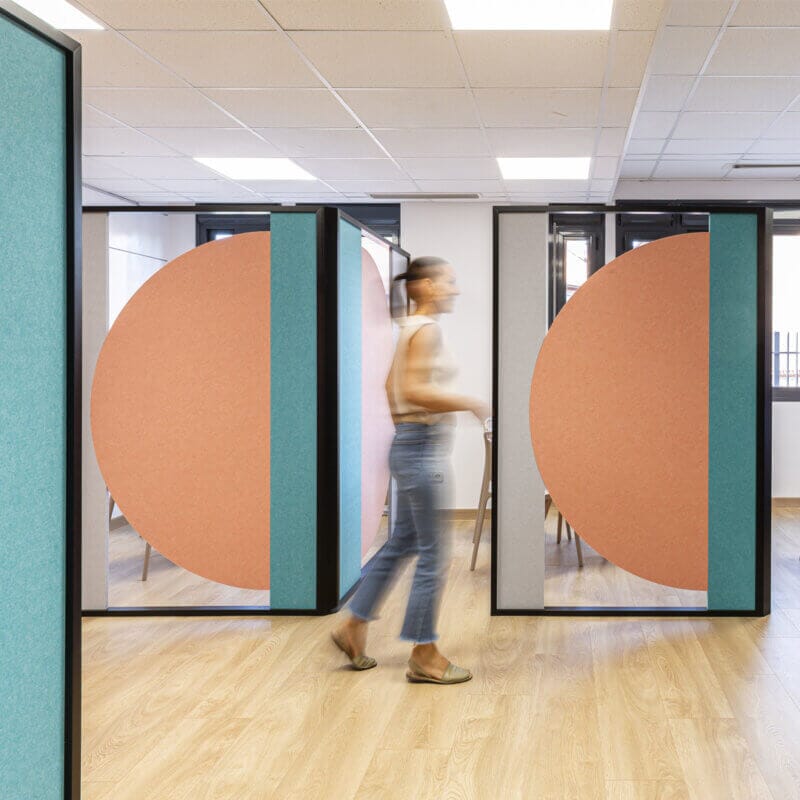
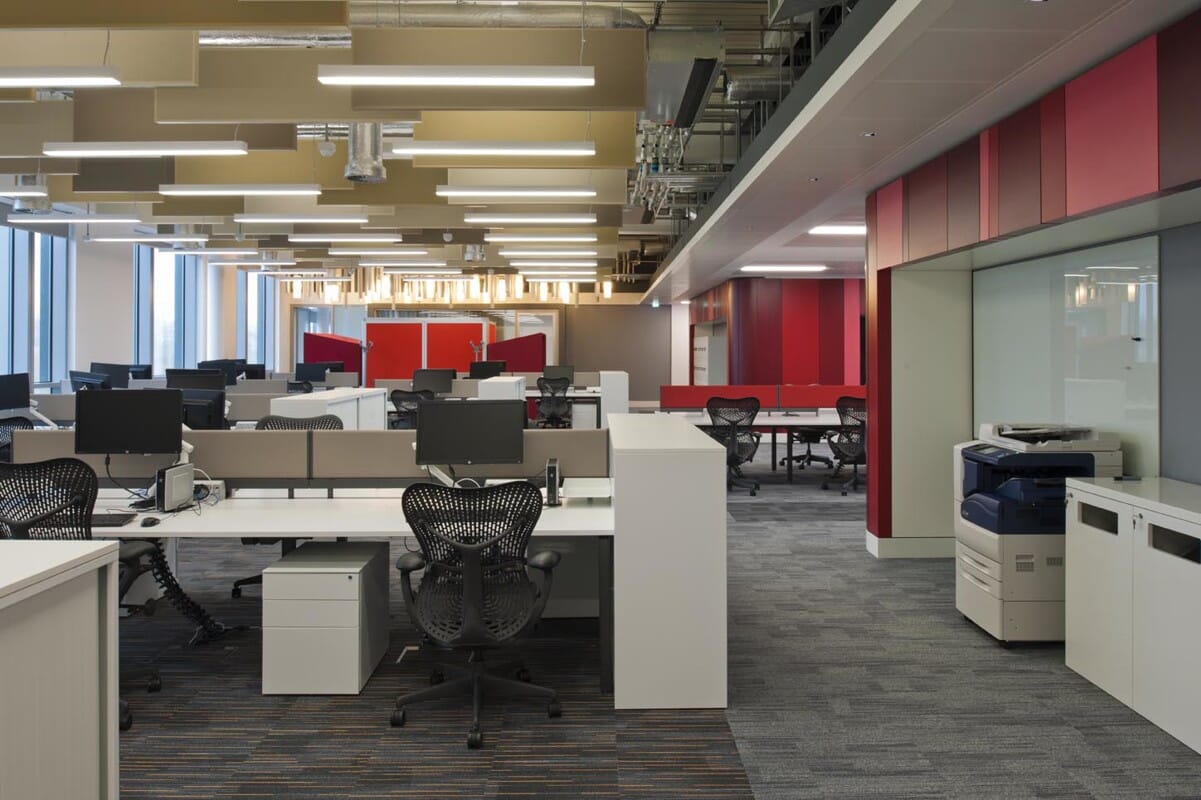
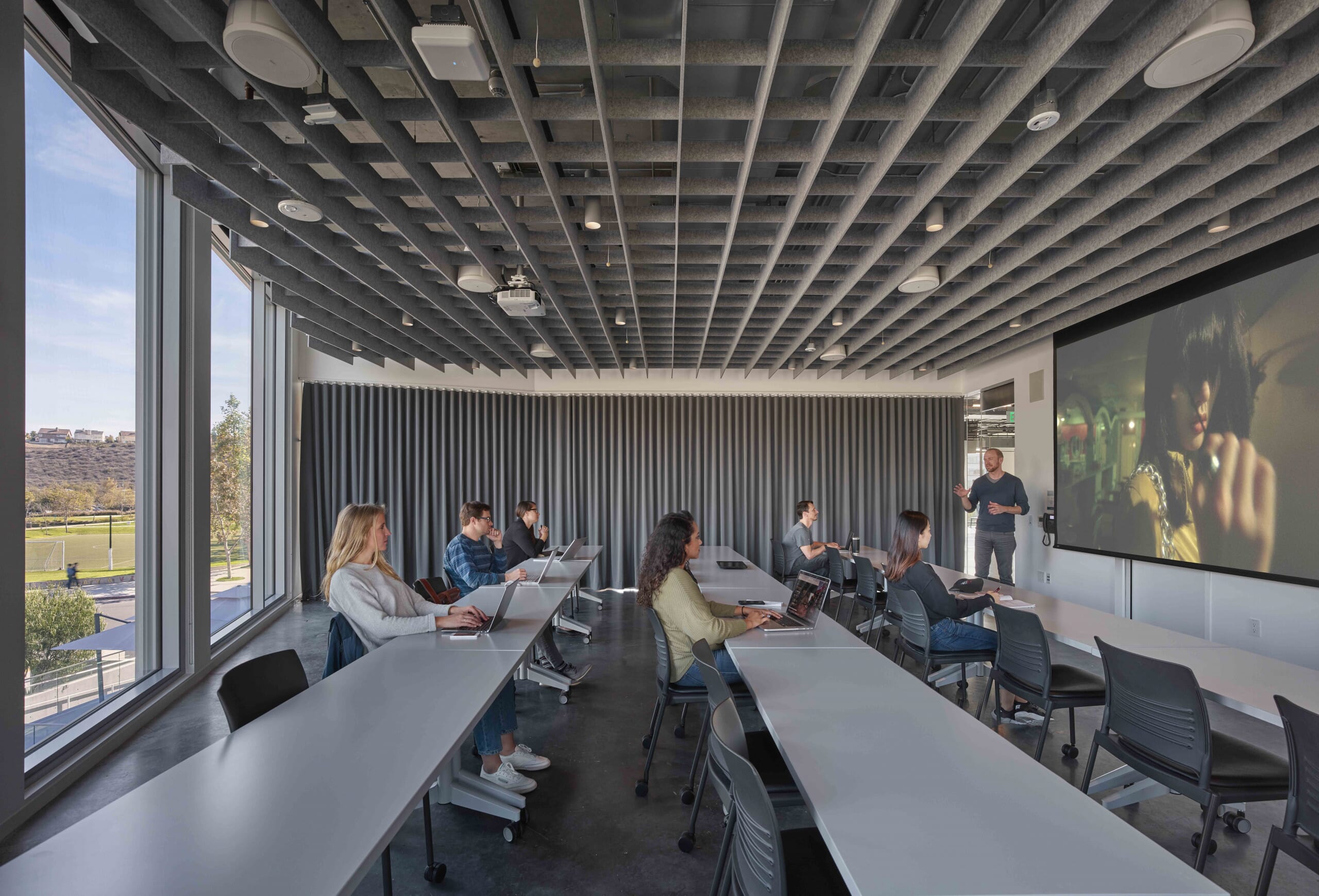
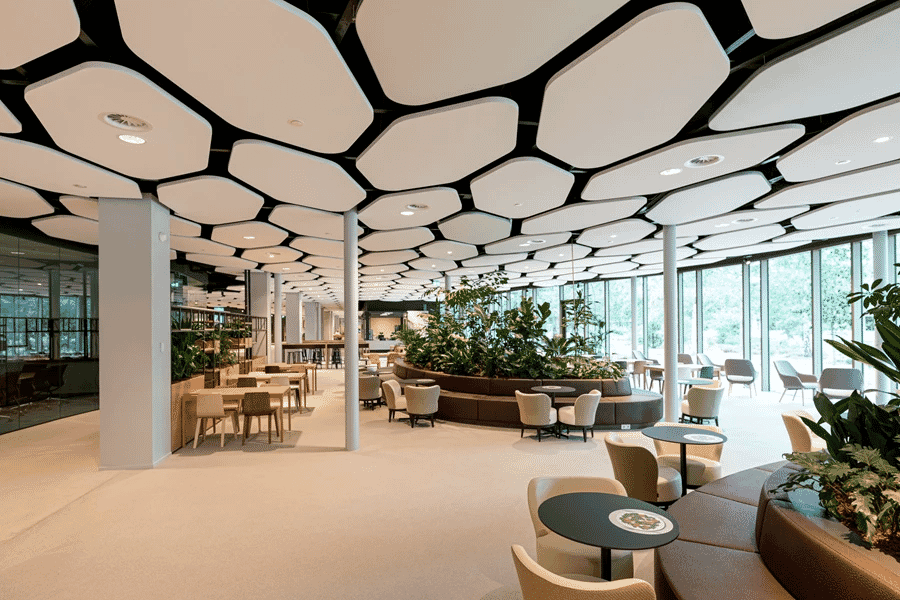
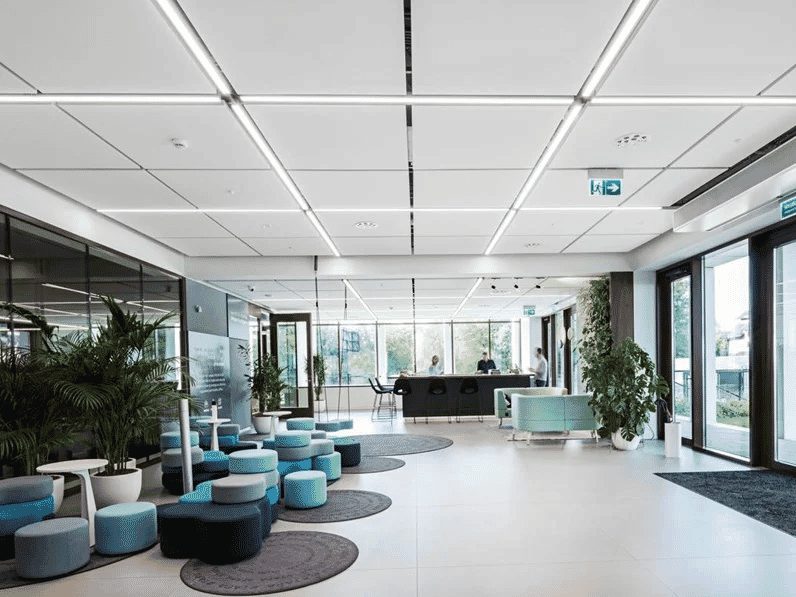
Our work in circulation areas
View more case studies
















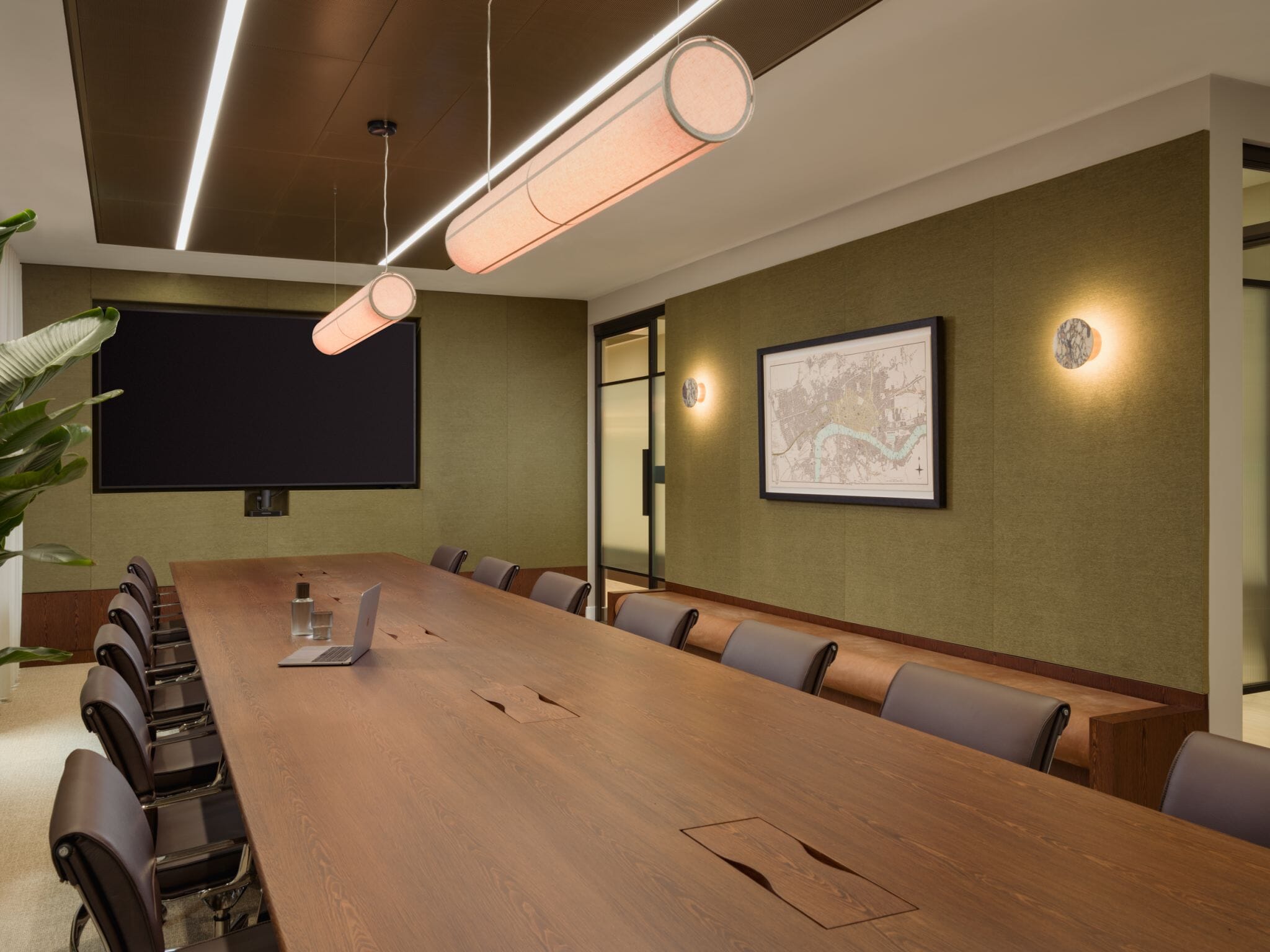
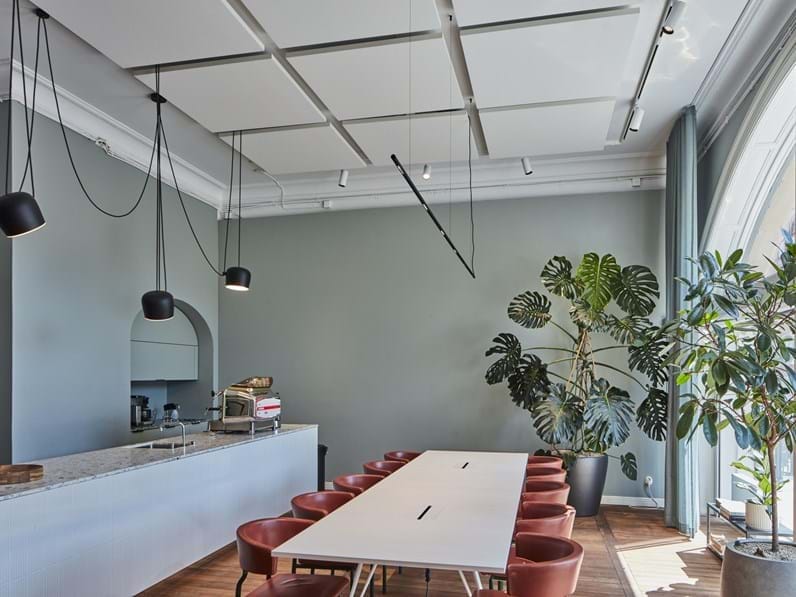
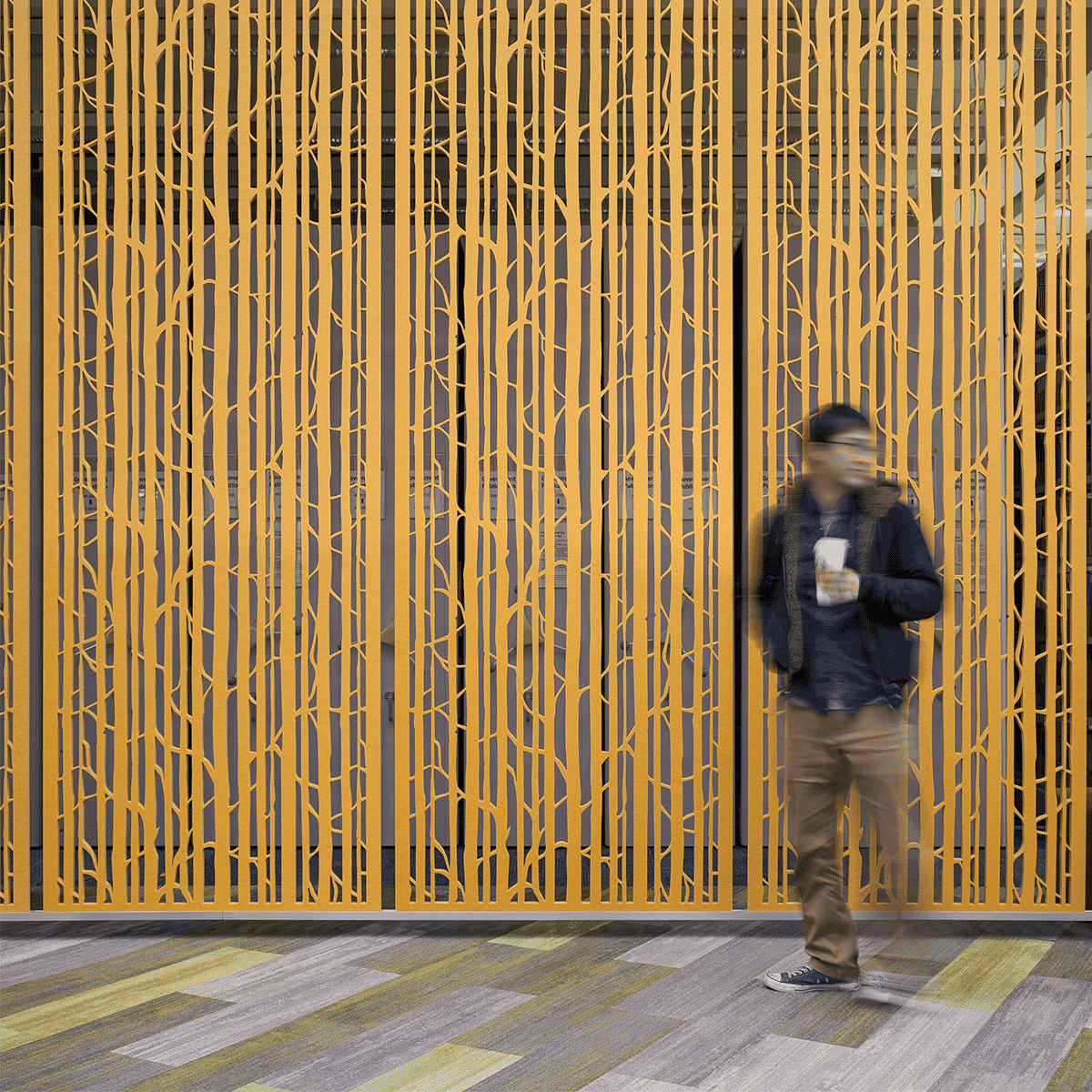
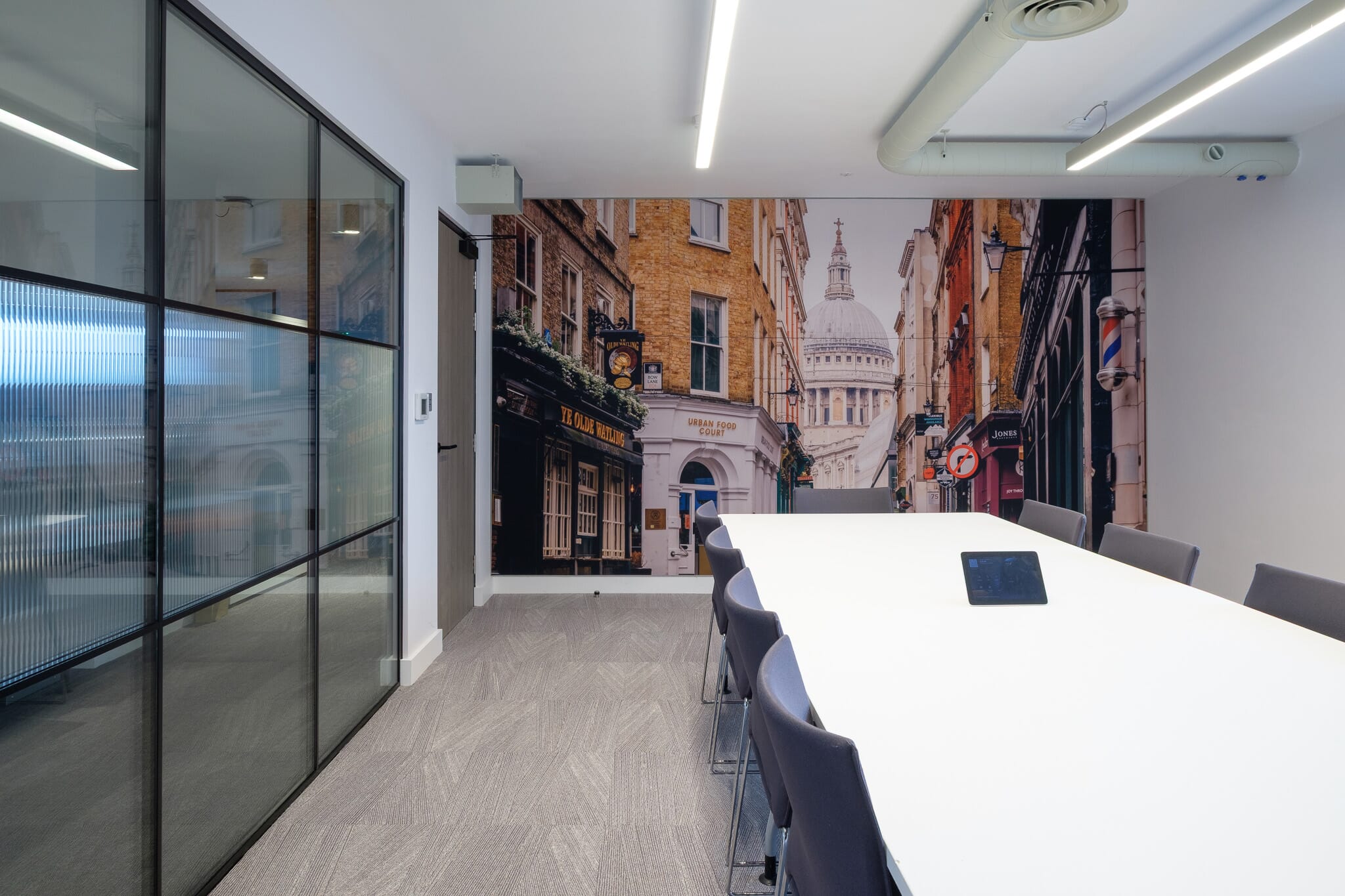

















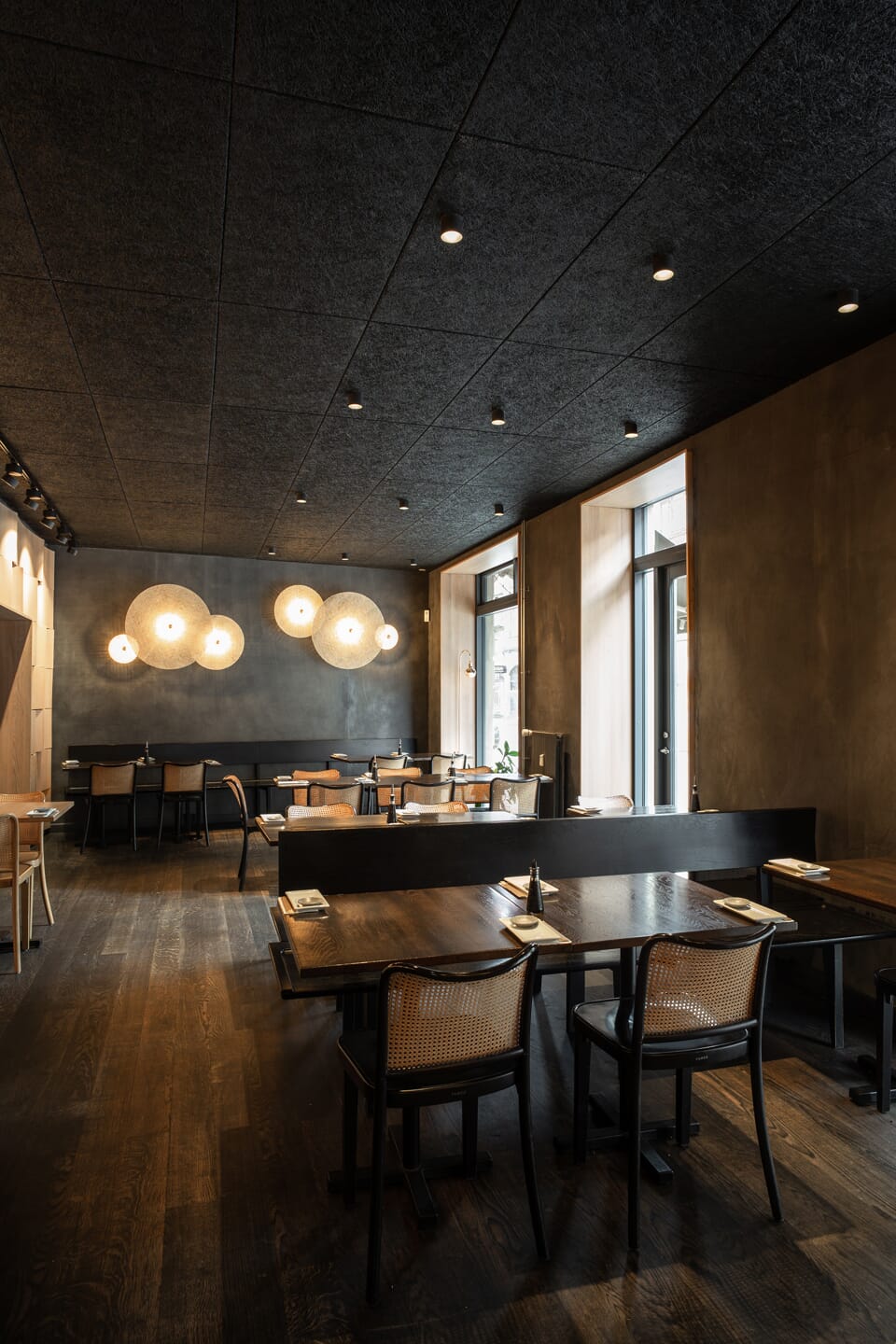
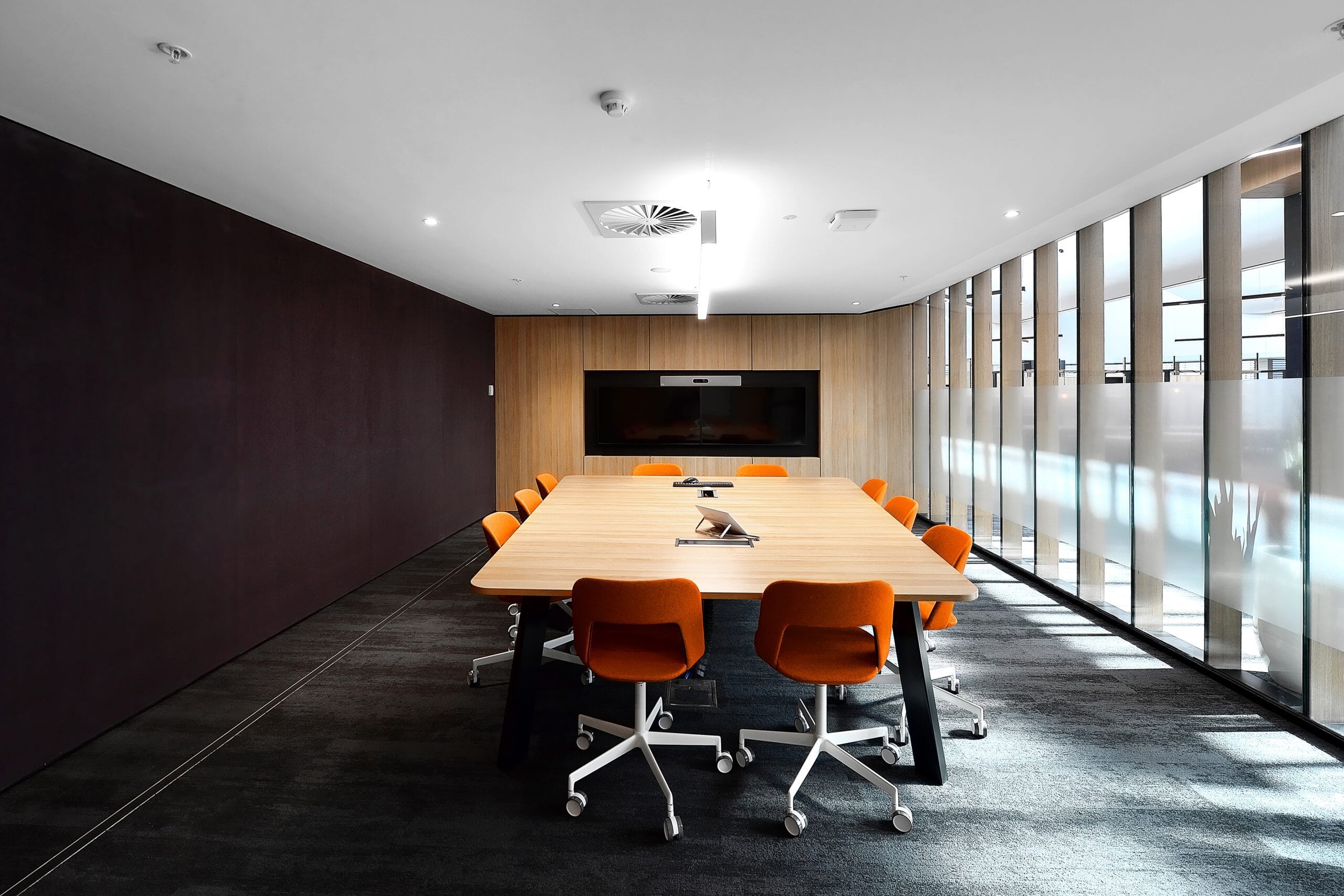
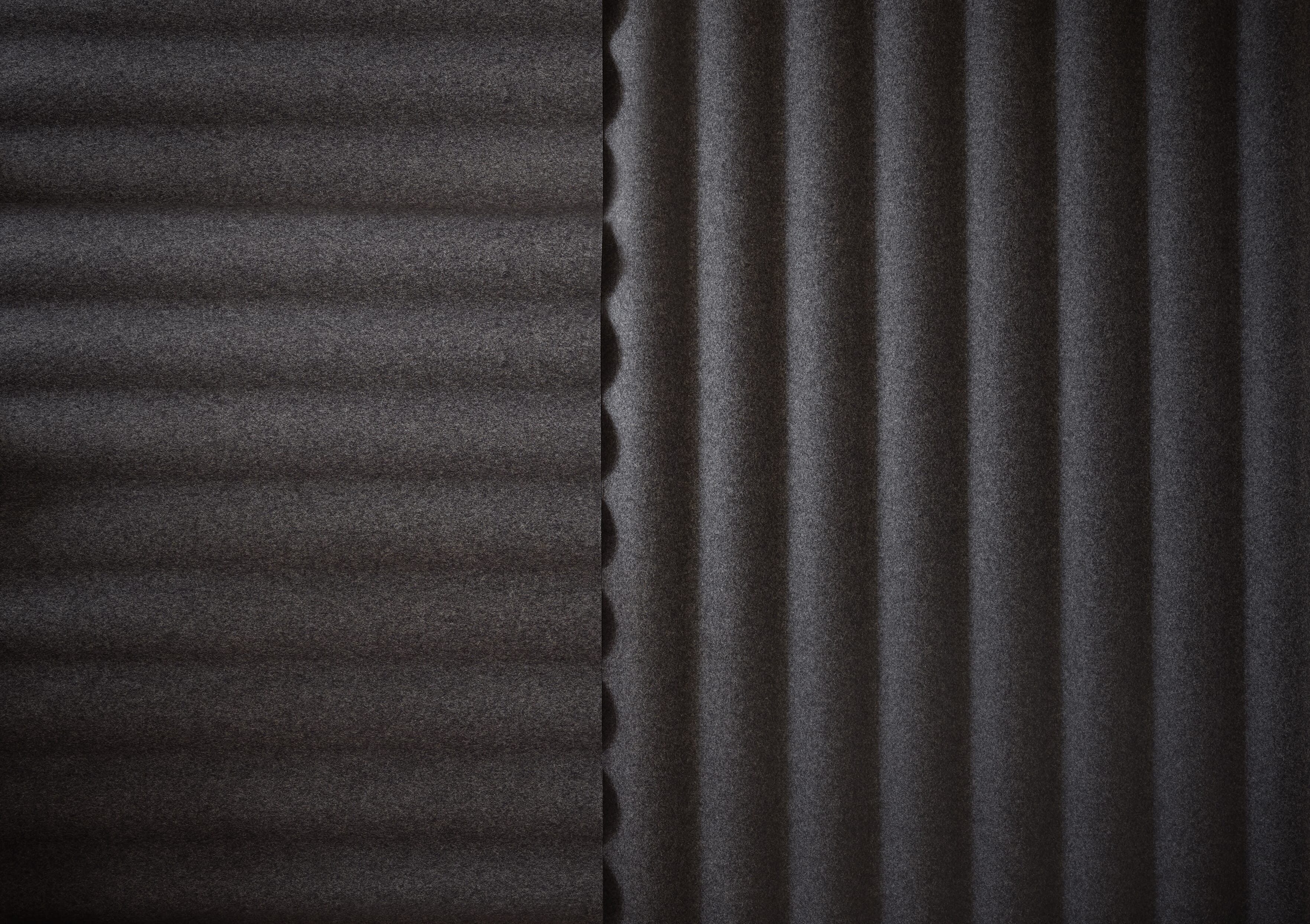
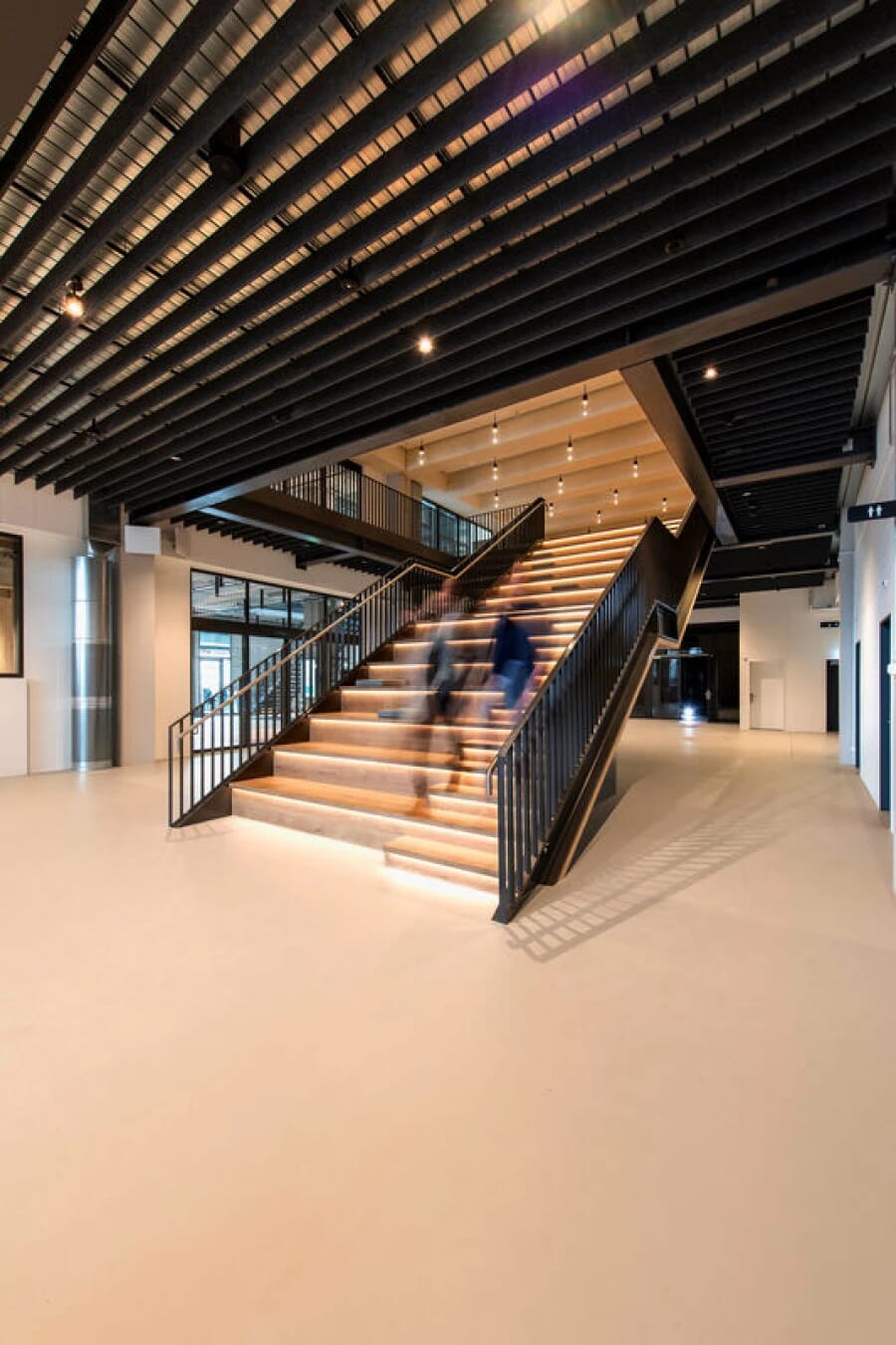















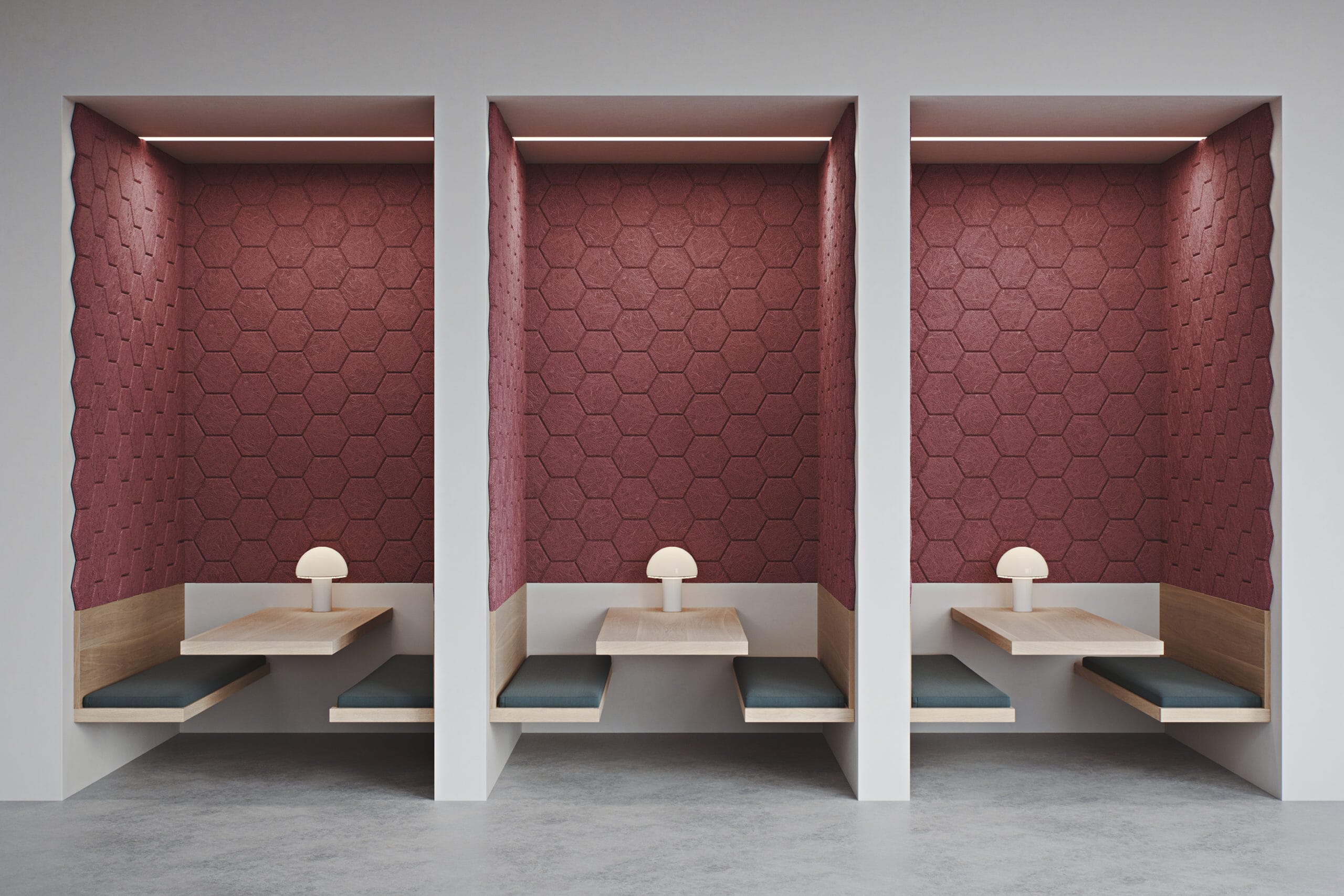








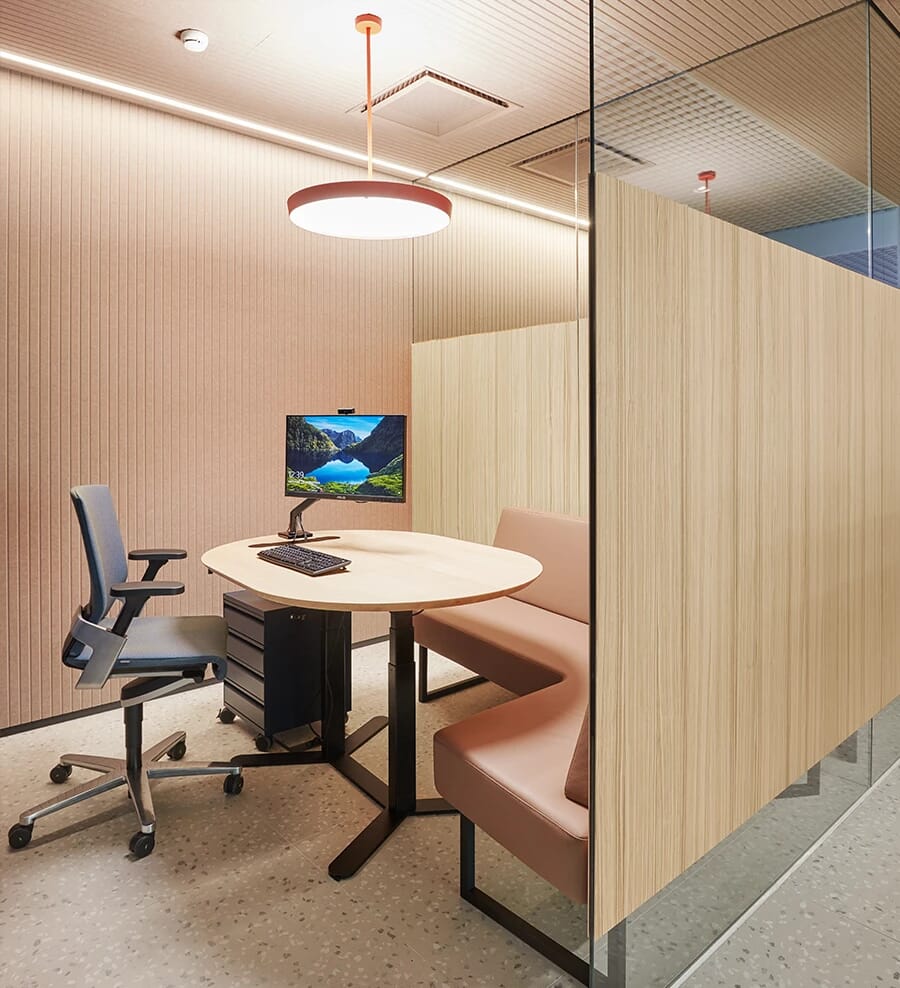
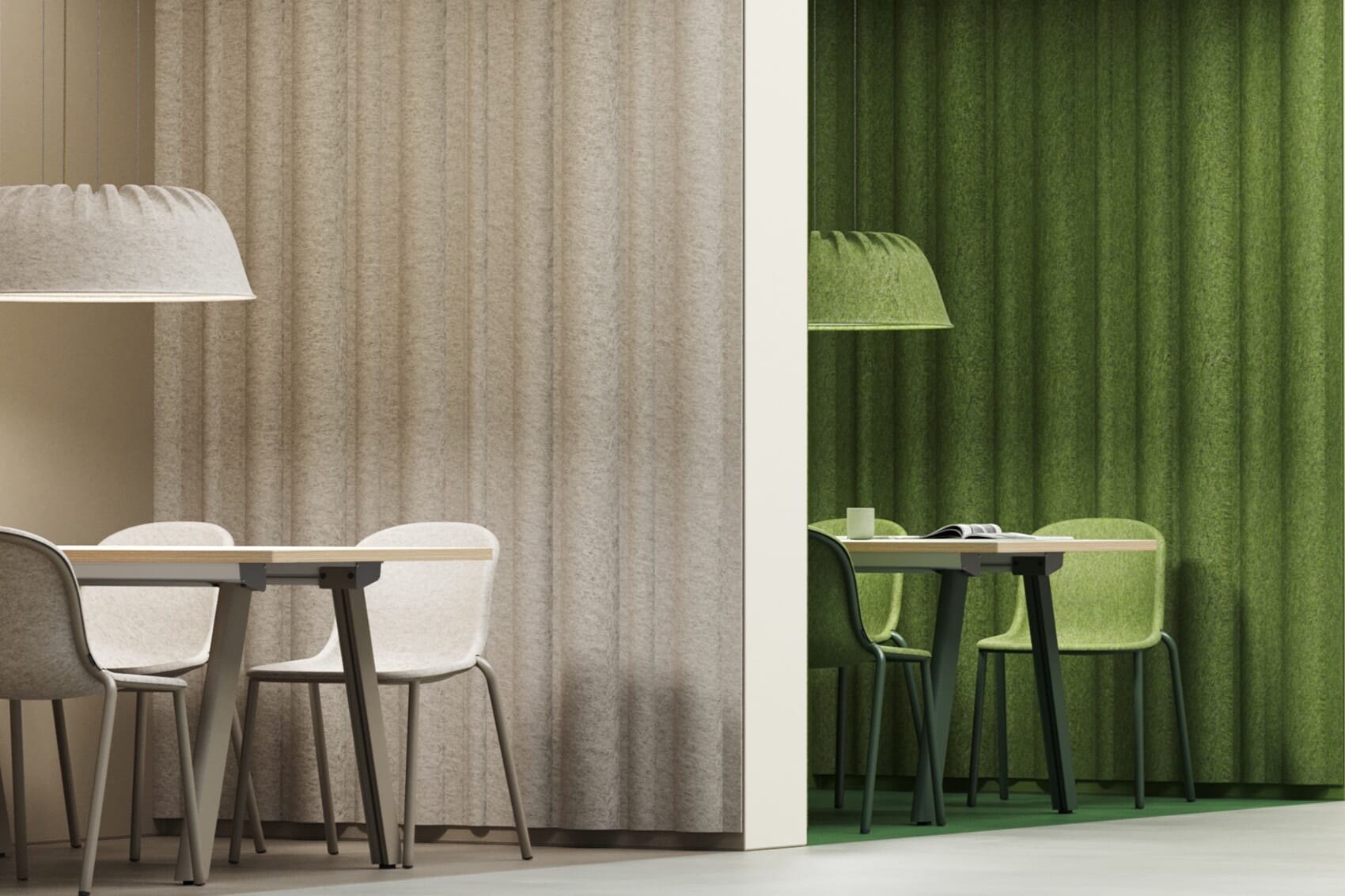
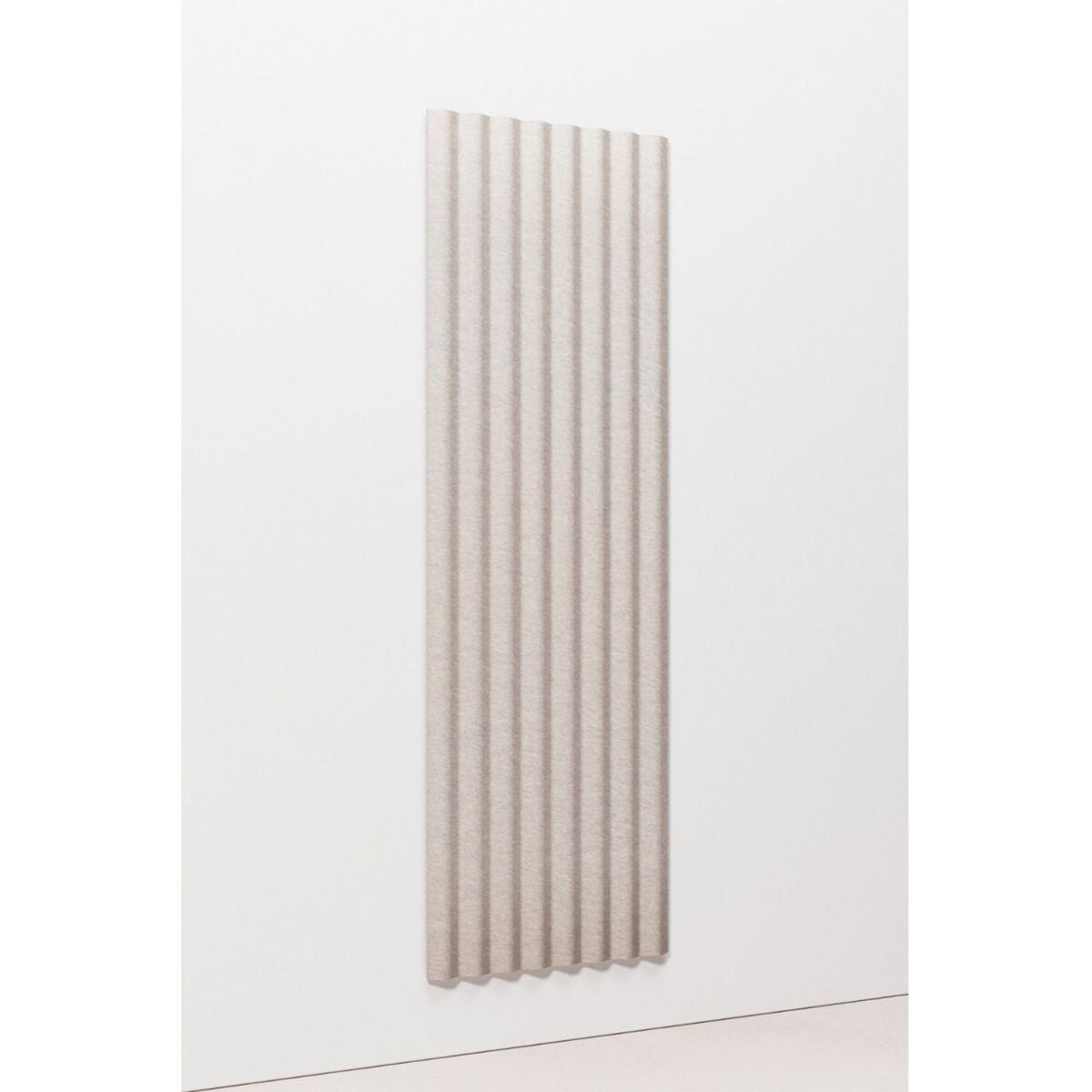
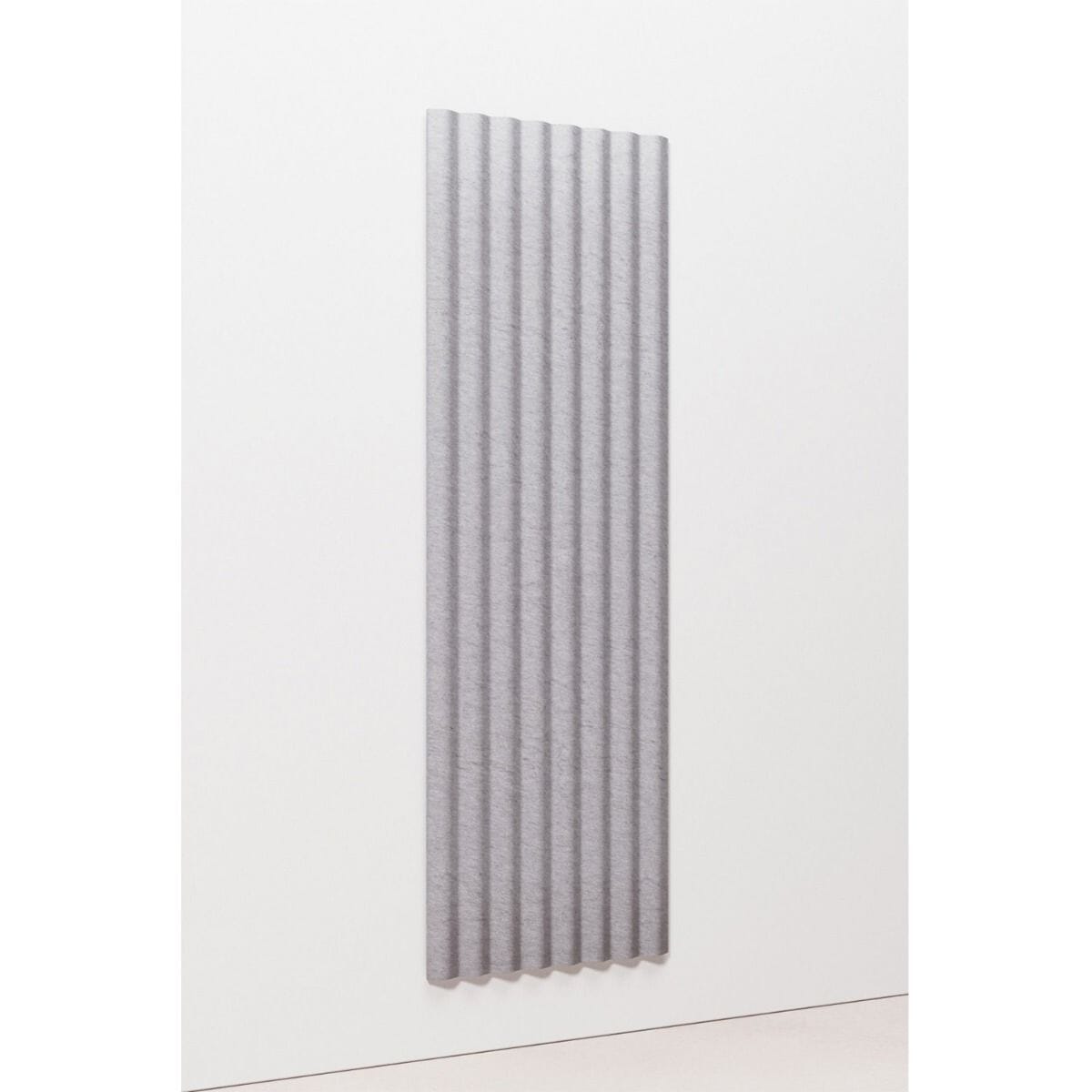
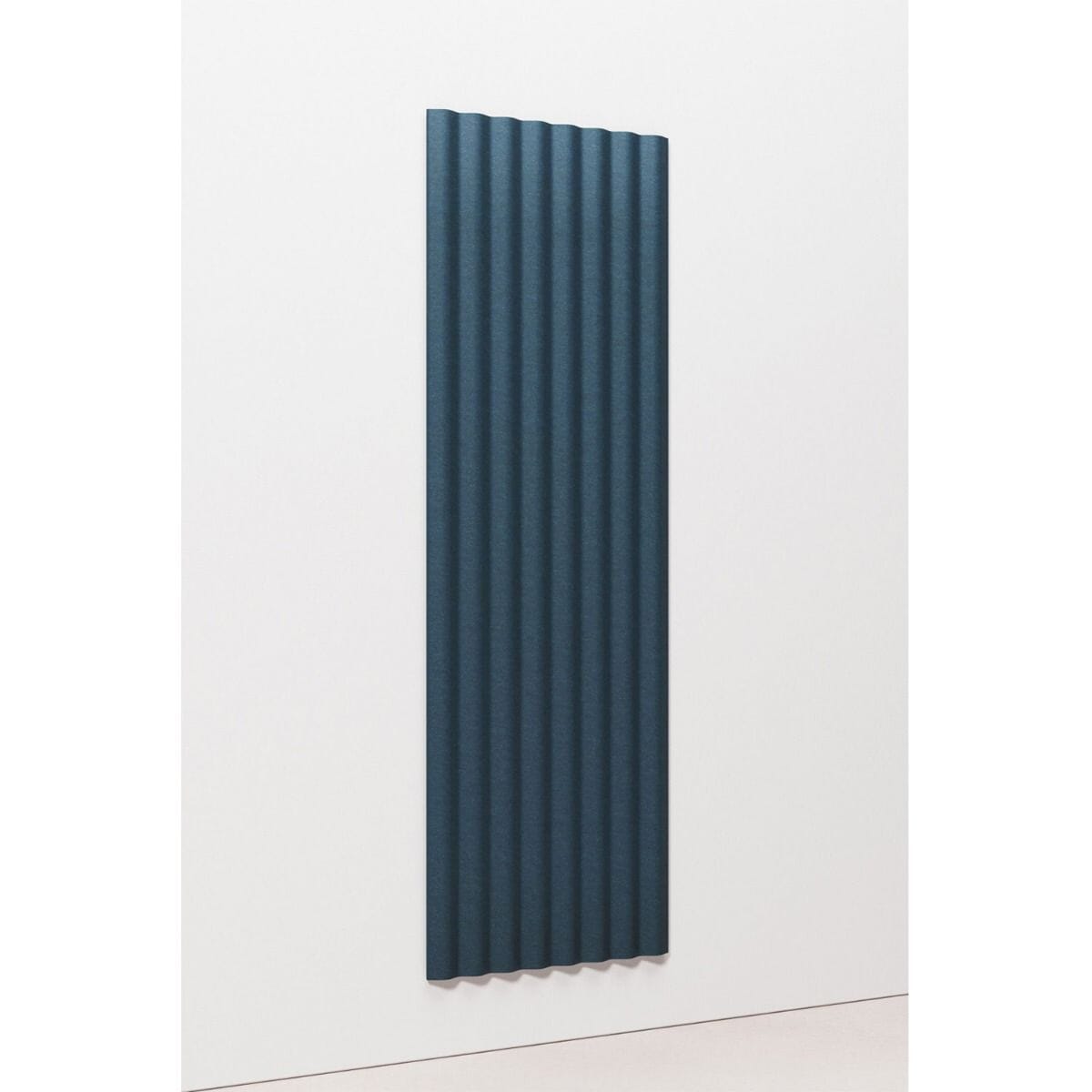
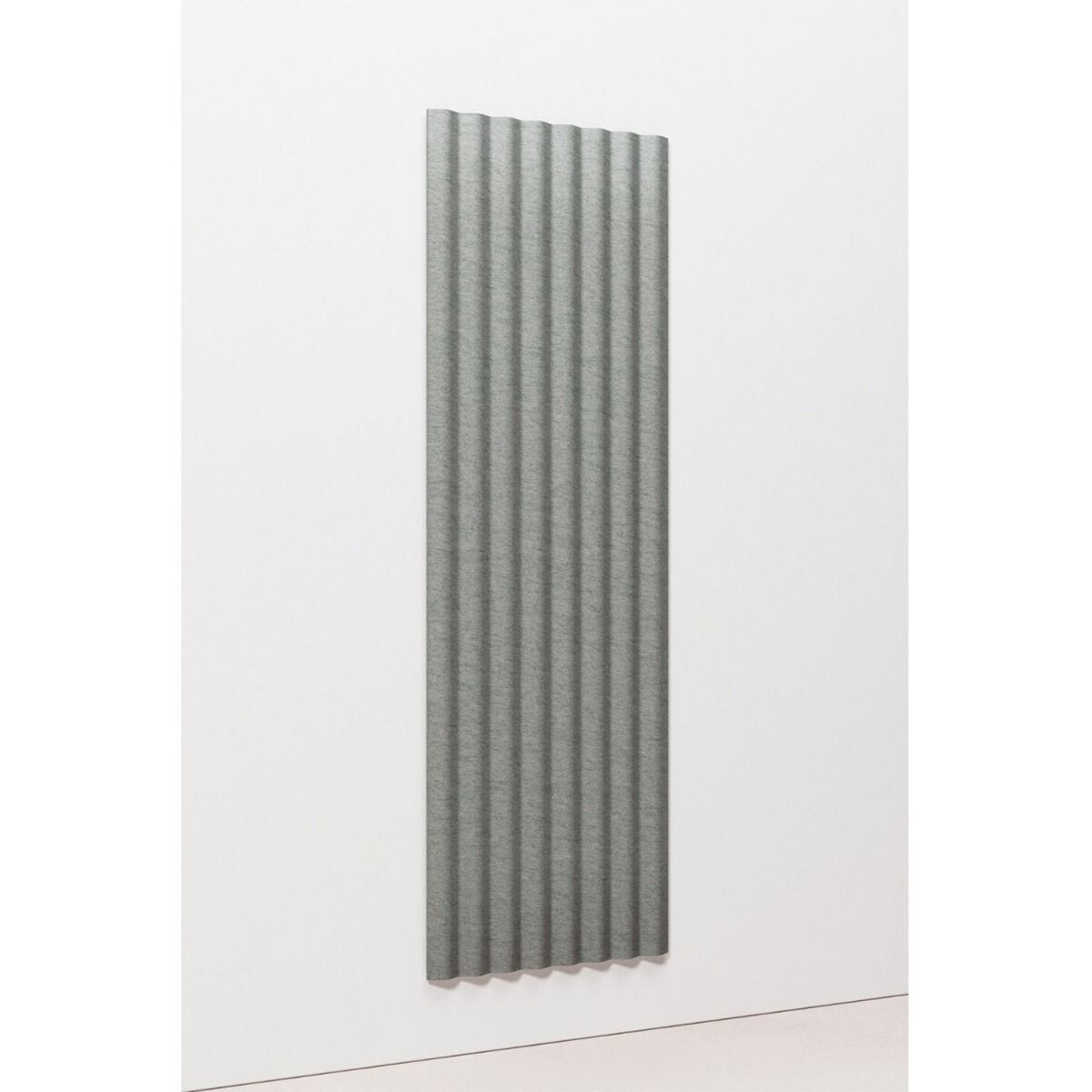
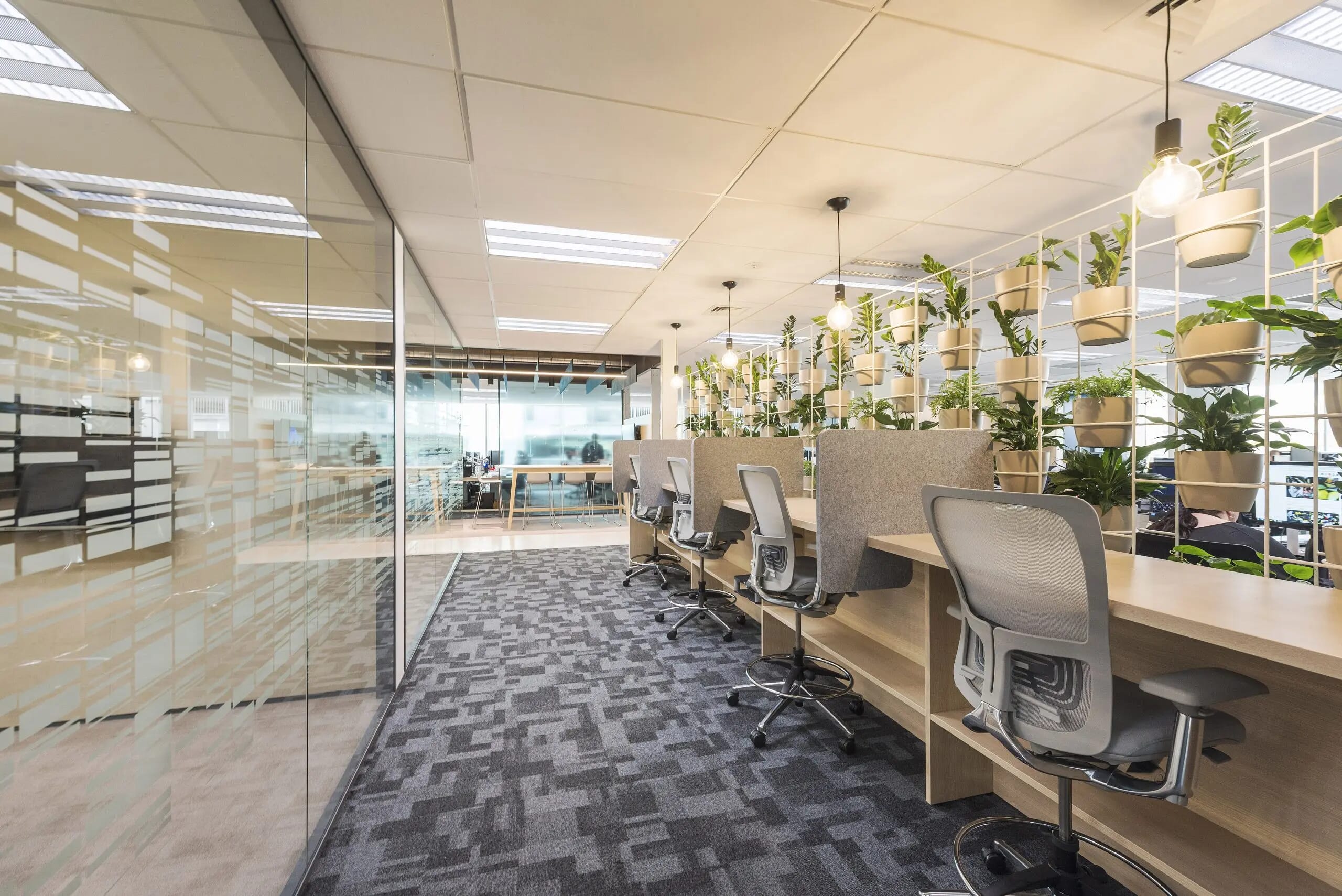
From start to finish we handle everything

Consultation
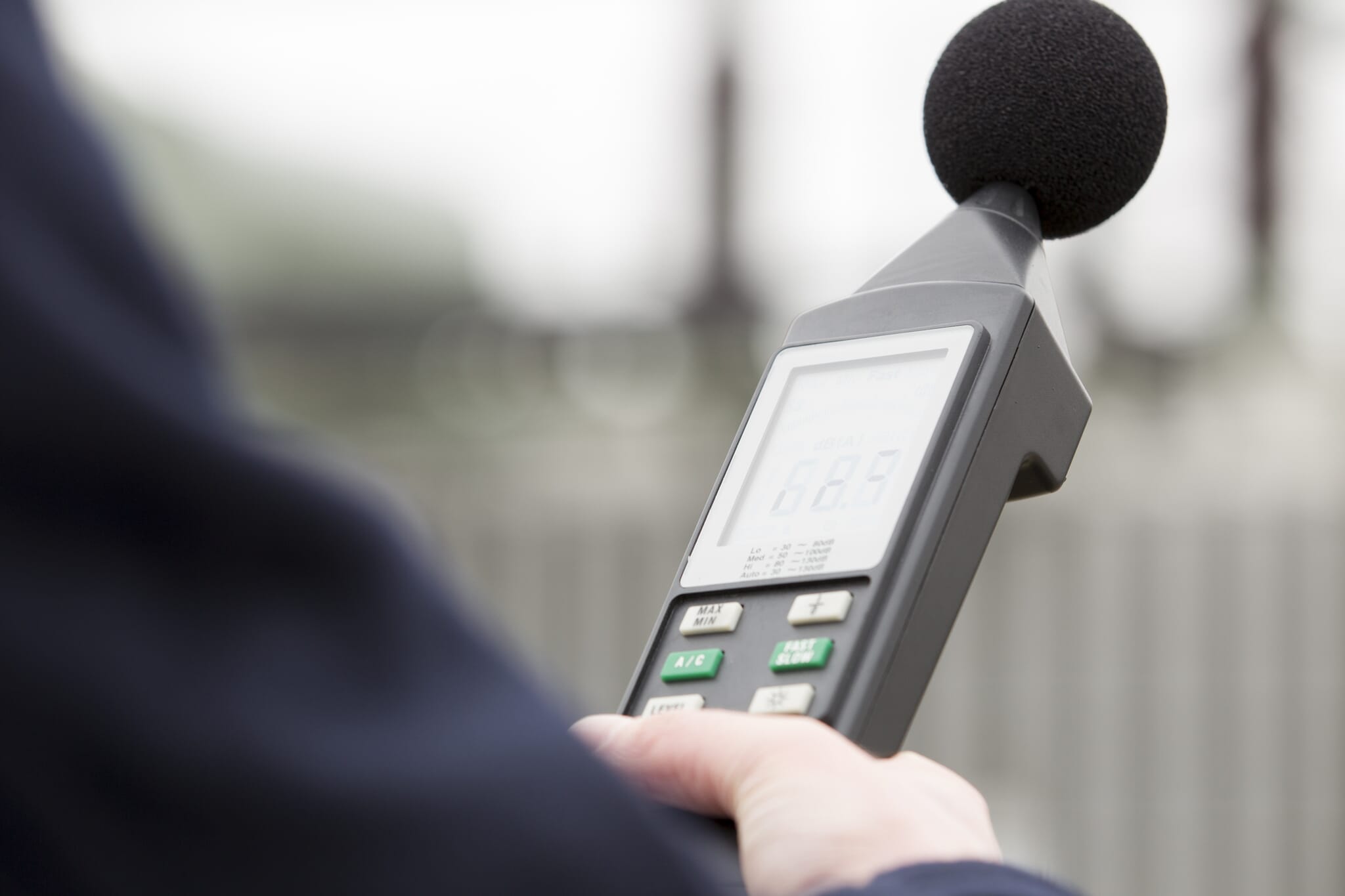
Our acoustic consultants assess your space on-site (or remotely) and provide a detailed proposal. Every consultation includes acoustic design recommendations, product specifications, and reverberation analysis to ensure measurable improvements.
Assessment
We don’t just identify noise issues — we provide solutions that are cost-effective, design-conscious, and performance-led. Whether reducing echo, improving clarity, or addressing speech privacy, our expert guidance ensures the right acoustic fit for your space.
Design & Planning
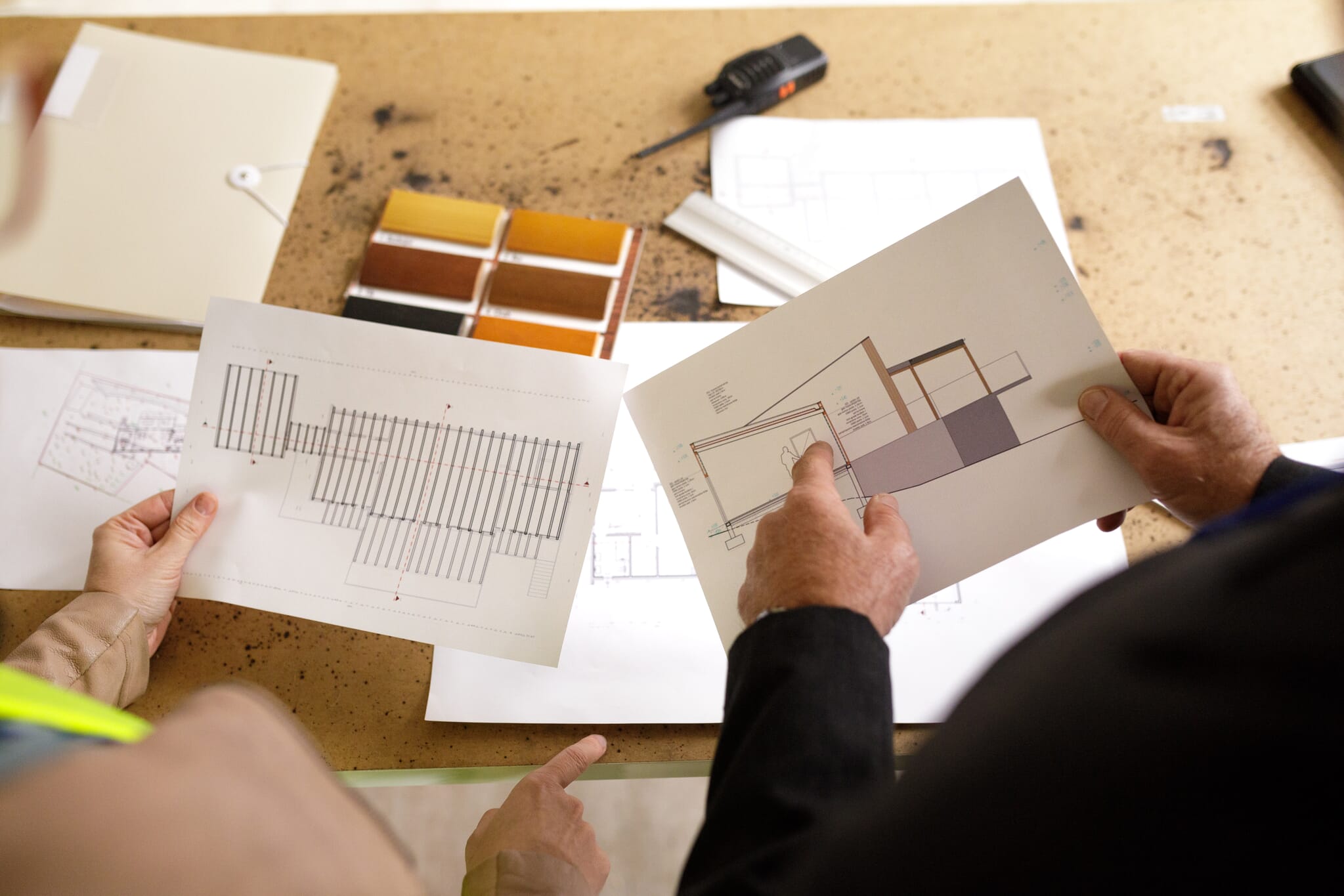
Every project includes a tailored acoustic design with a free CAD proposal, showing product placement, specifications, and performance ratings. Our designs can blend seamlessly into interiors or become bold architectural features — always balancing form with function.
Supply & Installation
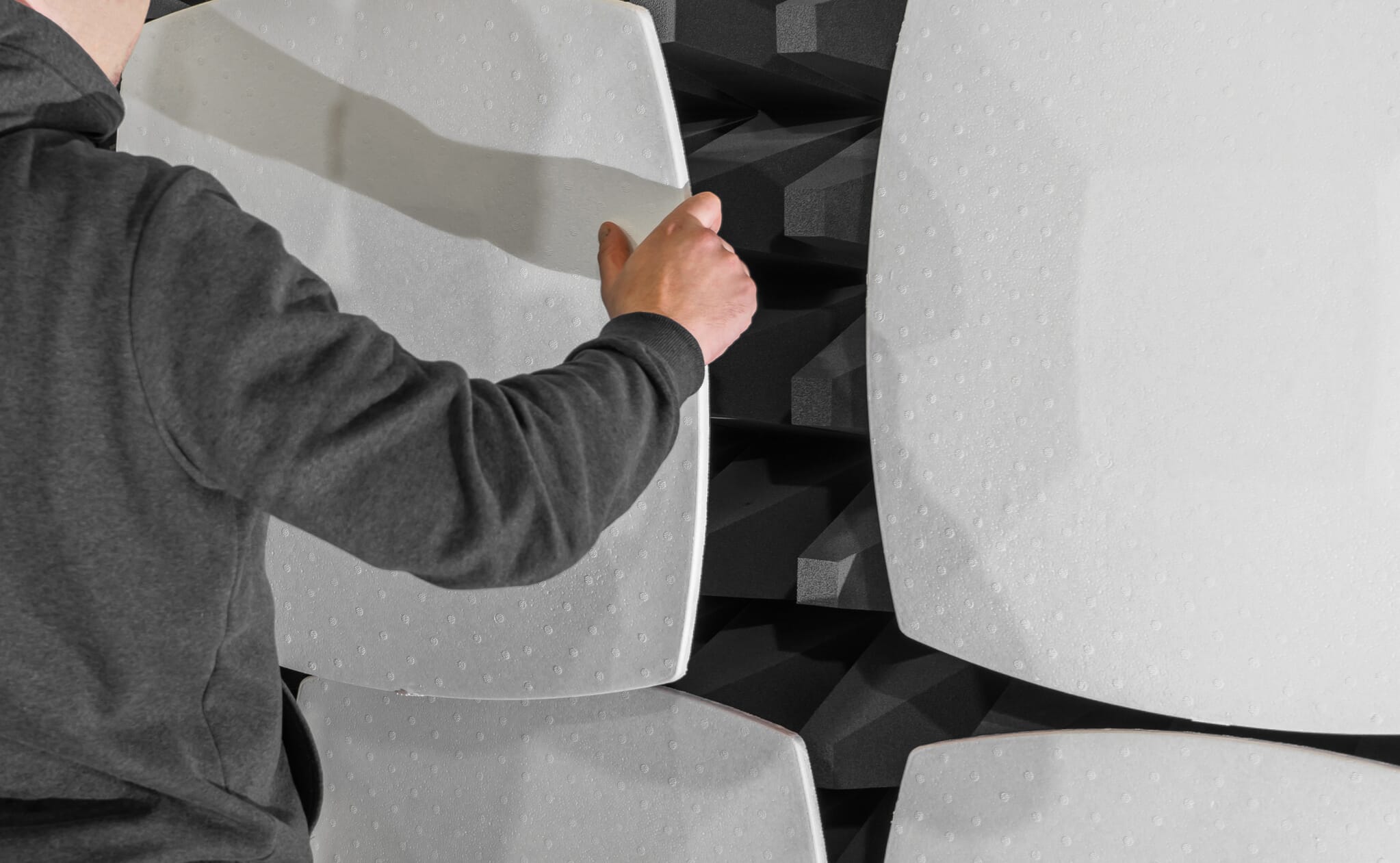
With over 5,000 projects completed nationwide, our in-house installation teams handle even the most complex acoustic projects. We work to strict health and safety standards, with IPAF-certified specialists, SSSTS/SMSTS-trained supervisors, and all installers CSCS accredited.
FAQs & tips for selecting the right acoustic products
Not usually. While it’s tempting to think “the more panels the better”, effective acoustic design is about strategic placement rather than full coverage. The goal is to control reverberation time and echo — once you reach the optimal level, adding more panels won’t improve performance and can make a room sound “dead”.
Our consultants calculate exactly how much treatment is needed based on room size, materials, and usage. Dependent on the existing room surfaces, often 15–25% of the wall and ceiling surfaces is enough. This allows you to integrate acoustic treatment without compromising aesthetics, using panels as design features, artwork, or ceiling elements.
These terms are often confused, but they do very different jobs.
- Soundproofing means stopping sound from leaving or entering a room. This requires heavy, dense construction methods such as insulated walls, double glazing, and specialist membranes.
- Sound absorption (acoustic treatment) means reducing echo and improving sound quality inside a room. This is what acoustic panels, baffles and rafts achieve — they don’t block sound, they control it.
If you want privacy between rooms, you need soundproofing, or sound masking. If you want better speech clarity and comfort within a room, you need sound absorption. Often the best acoustic designs use a combination of both, depending on the space and its use.
Almost anywhere. We install acoustic solutions in:
- Offices and boardrooms
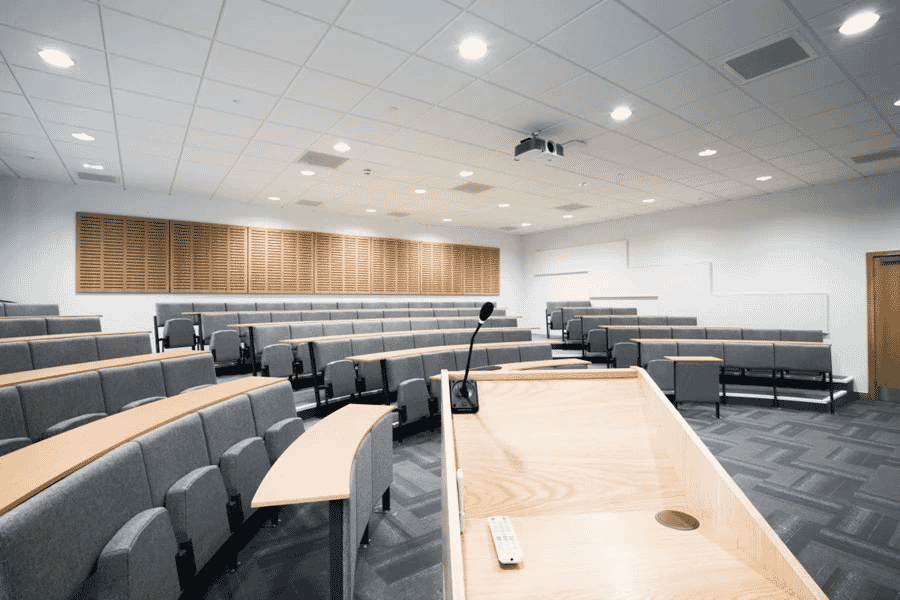
- Classrooms and lecture halls
- Restaurants and cafés
- Village halls and community centres
- Recording studios and performance spaces
- Homes and residential developments
- Swimming pools
Any space with hard, reflective surfaces can benefit. We’ve delivered over 5,000 installations across the UK and Europe — proving there’s no environment where good acoustics don’t matter.
The best placement depends on how the room is used:
- Offices and meeting rooms: at first reflection points, on the side walls and the ceiling above desks or tables, ideally across two adjacent walls to reduce flutter echo.
- Restaurants and classrooms: spread evenly across walls and ceilings to avoid hot spots, ideally covering more than 50% of the ceiling with Class A products.
- Studios: at the first reflection points beside and behind speakers and microphones.
Ceilings are often the most effective surface because they’re large and unobstructed. Our free CAD proposals show exactly where each panel should go for the best performance.
The number of panels required depends on the size, shape, and materials in the room, as well as the intended use. A small meeting room might need as few as 6–8 wall panels to one wall, while an open-plan office could require dozens of ceiling baffles or rafts. The aim is to reduce the reverberation time to a comfortable level, not to cover every surface.
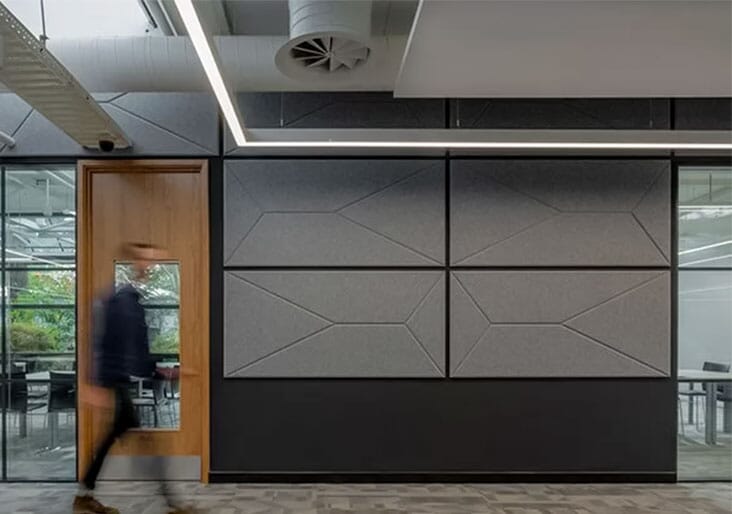
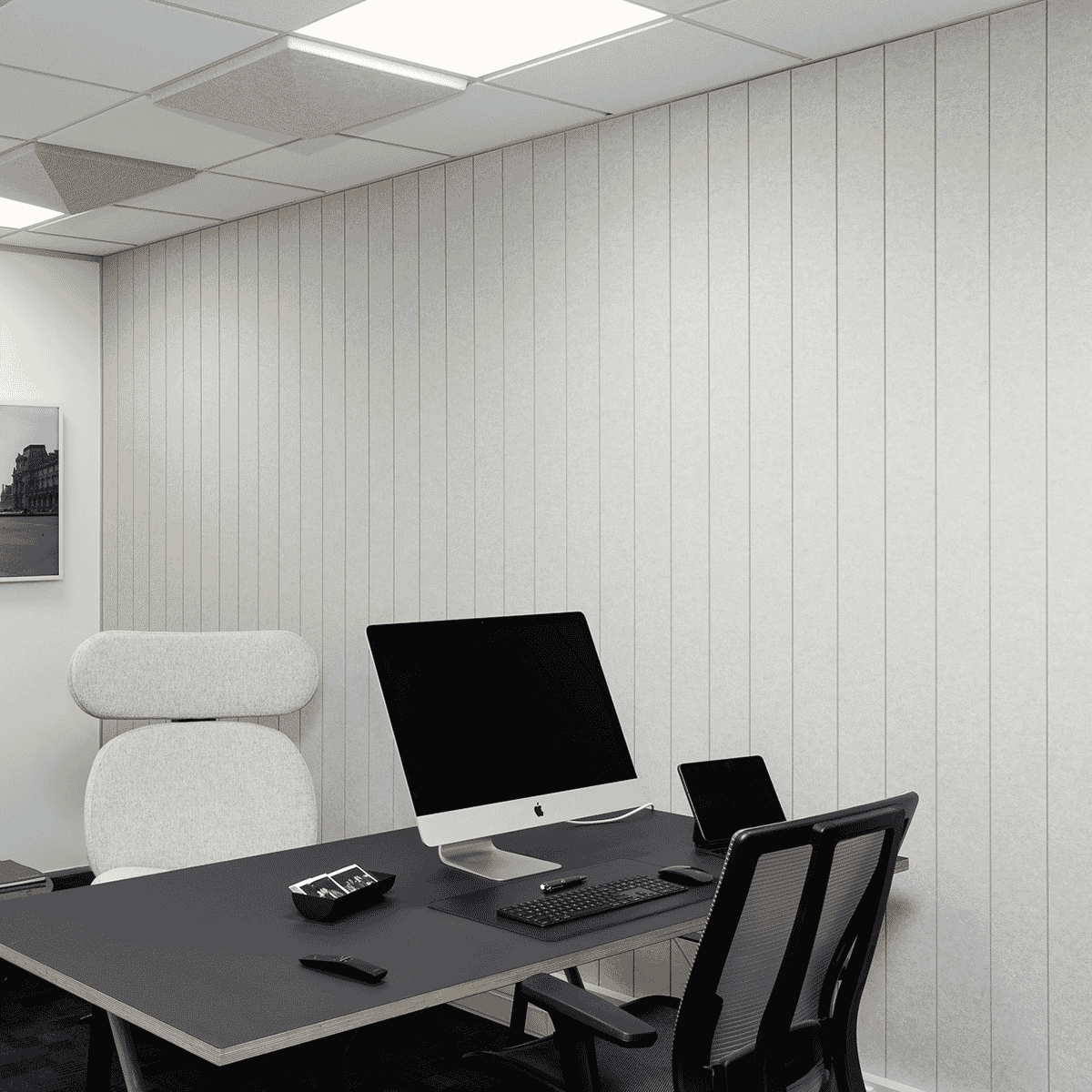
Walls: Good practice is to apply paneling from skirting to ceiling to 2no. perpendicular walls to reduce flutter echoes.
Ceilings: In accordance with new BS ISO 22955:2021 guidelines, the ceiling is the most important treatment area, and should feature approximately 50-60% Class A coverage in open plan office spaces.
Resonics provides a free acoustic survey and CAD layout to determine exactly how many panels you need and where they should go. This ensures you invest only in what’s necessary to achieve measurable results.
It depends on the type of panel and the space. Wall panels can often be bonded directly with adhesives or mounted using concealed clips, making them relatively straightforward. Where full coverage is needed, panels will require cutting/trimming which is where experience and skill is required. Ceiling rafts and baffles require suspension kits and safe access equipment — meaning professional installation is recommended.
At Resonics, our in-house fitting teams have completed over 5,000 installations, ranging from single-room projects to large corporate offices. All staff carry CSCS cards, and our supervisors are SSSTS/SMSTS certified. We also have IPAF specialists for high-level access. While DIY installation is possible for small projects, professional fitting ensures safety, compliance, and the best acoustic results.
Prices vary with size, material and finish. As a rough guide to product costs:
- Wall panels: £80–£200 each
- Ceiling rafts: £150–£400 each
- Baffles: £60–£120 each
For a typical commercial installation, allow roughly £130–£280 per m² of panel, supplied and installed. Higher-performing Class A products are often the most cost-effective, because you need fewer of them. Design-led finishes such as slatted timber tend to cost more for less absorption.
For office projects, our office acoustics guide breaks down typical costs by floor area. For an accurate price for your space, book a free acoustic survey and quotation.
Yes. Acoustic panels absorb sound energy, reducing echo and controlling reverberation. Without treatment, sound bounces off hard surfaces such as glass, plaster, concrete and timber, creating a noisy, tiring environment. Panels made from sound-absorbing materials soak up that energy instead, so speech becomes clearer and background noise calmer.
At Resonics, we only use panels tested in independent acoustic labs, so their performance is certified and measurable. With 7,000+ projects completed, we’ve seen first-hand the difference they make in offices, schools, restaurants and community spaces.