

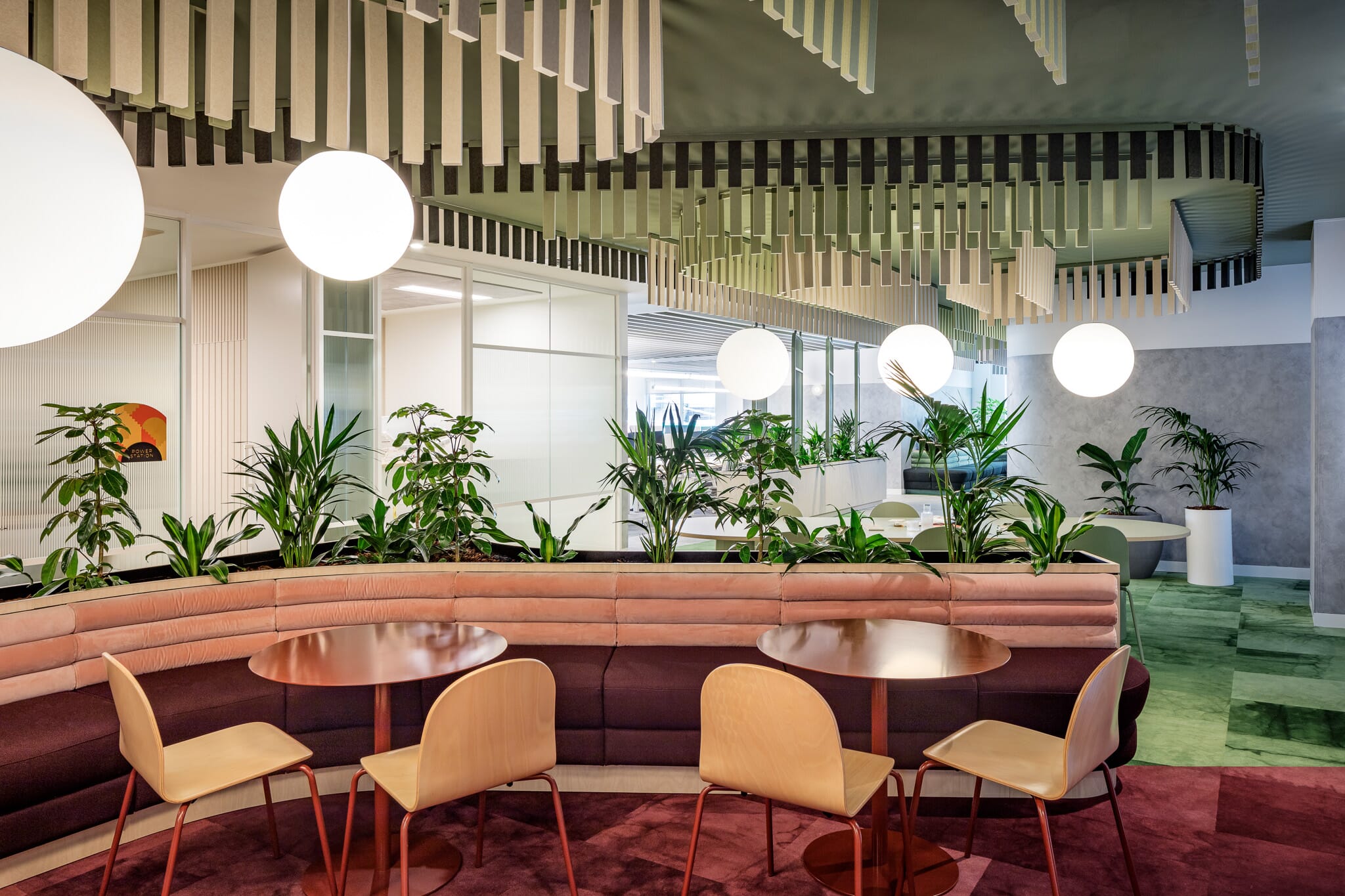
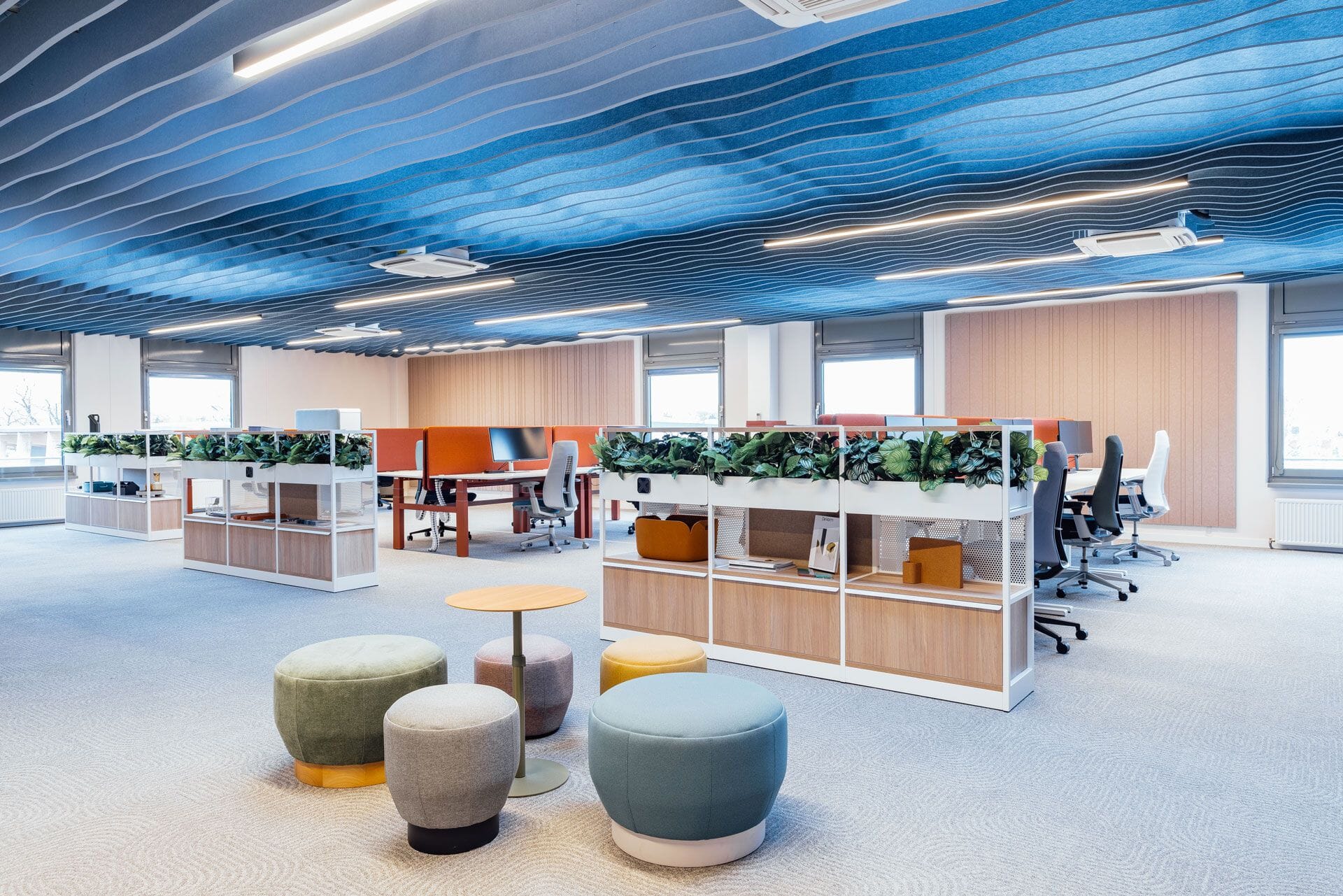
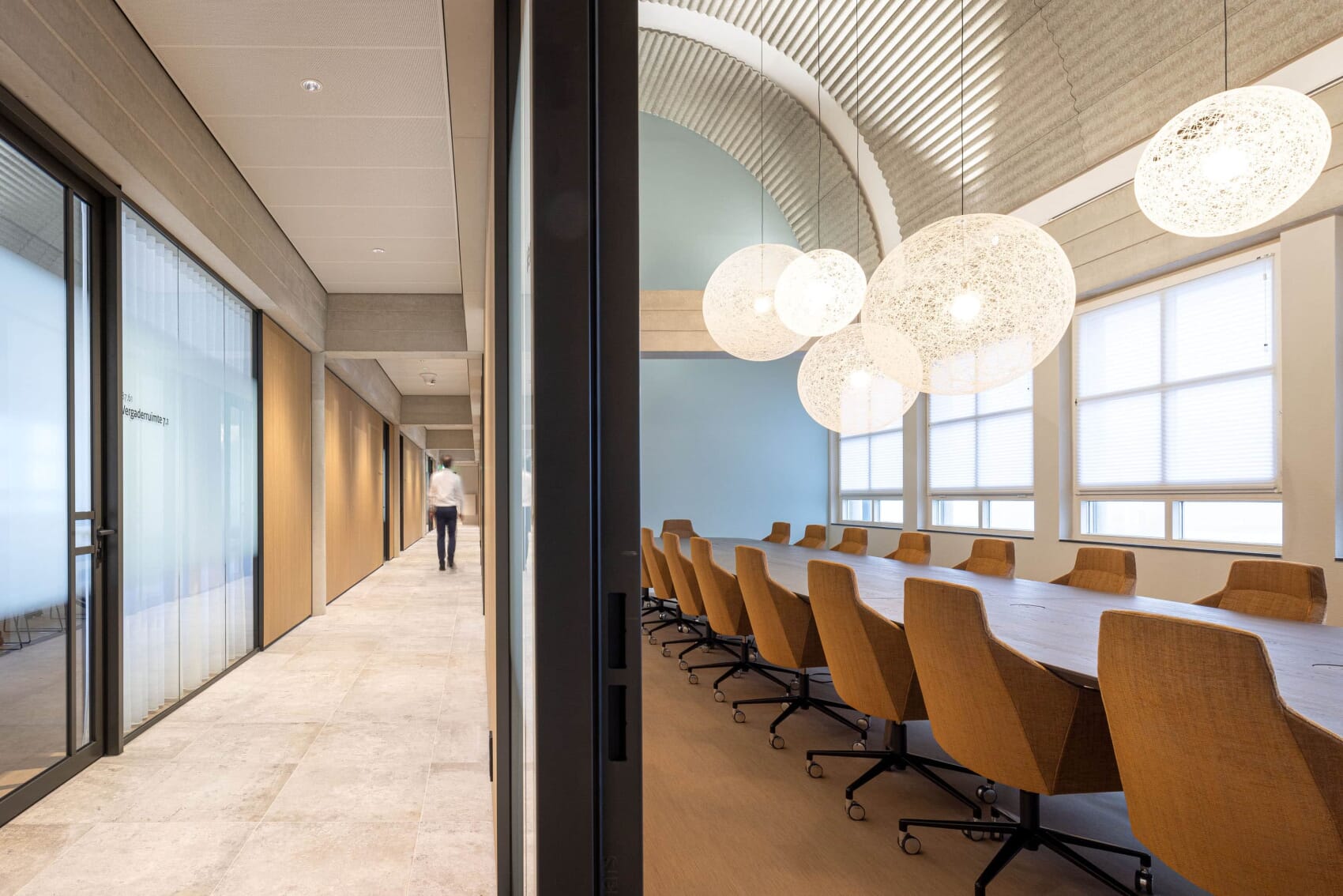


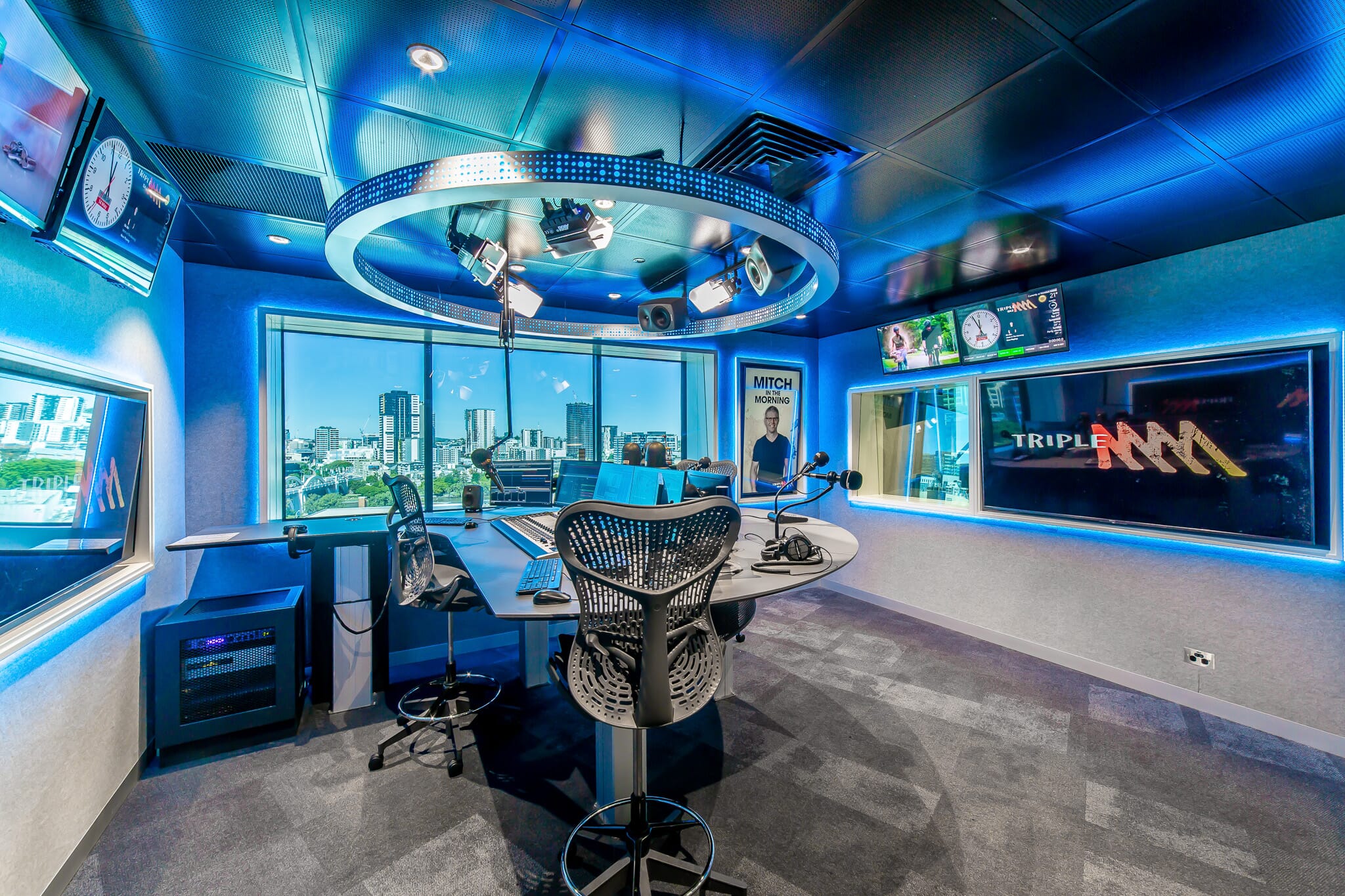
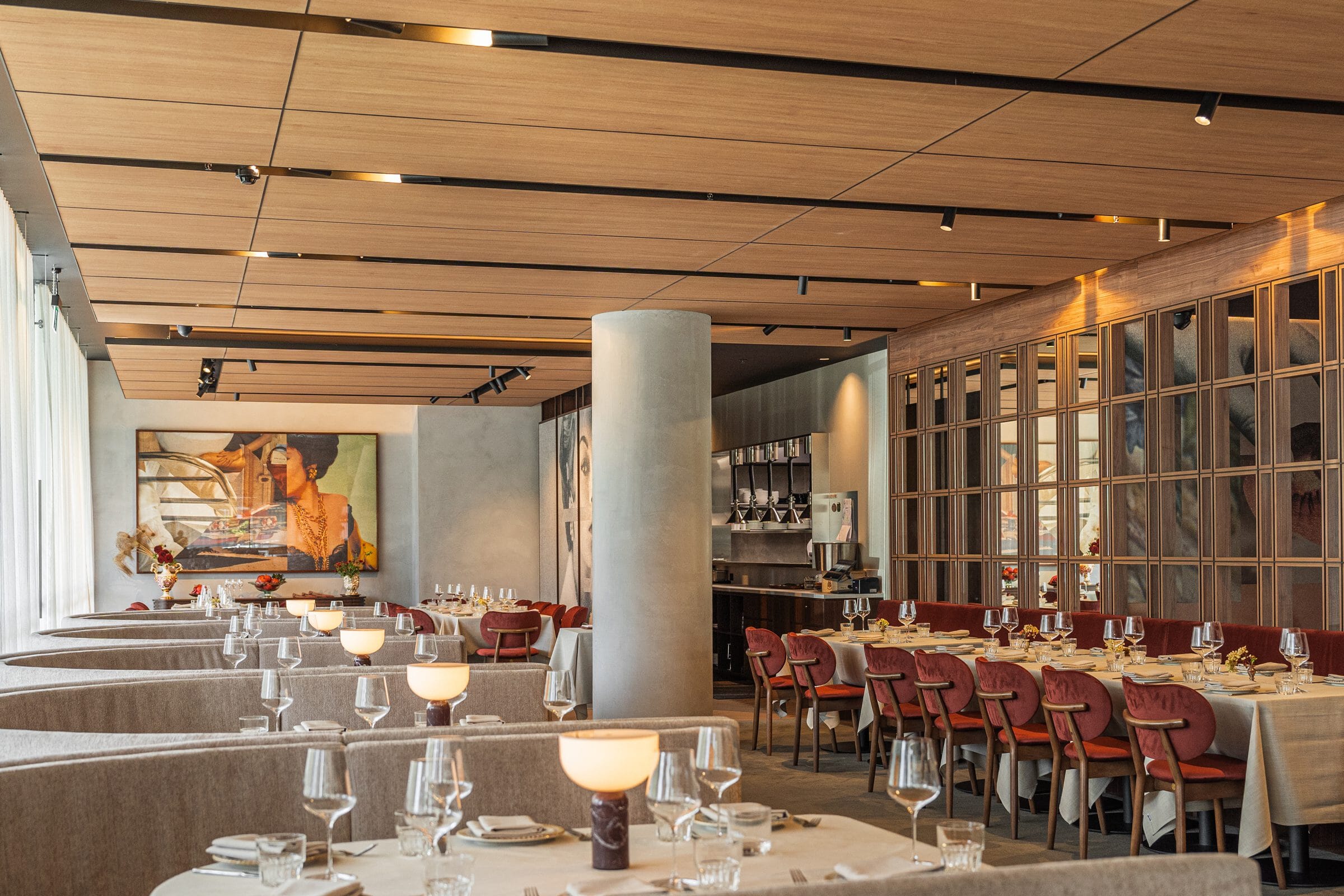
Our clients


















Timber Acoustic Panels
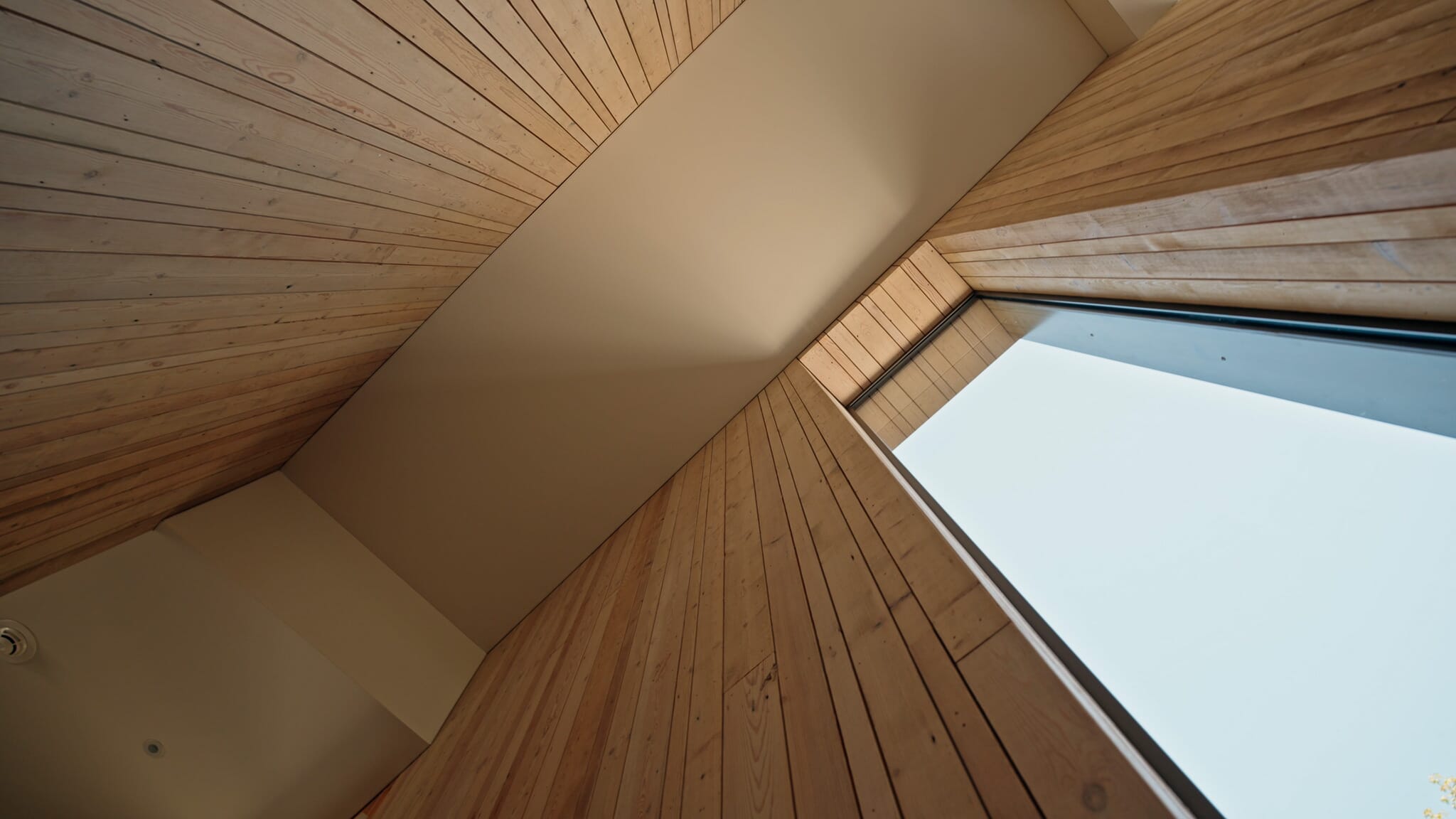
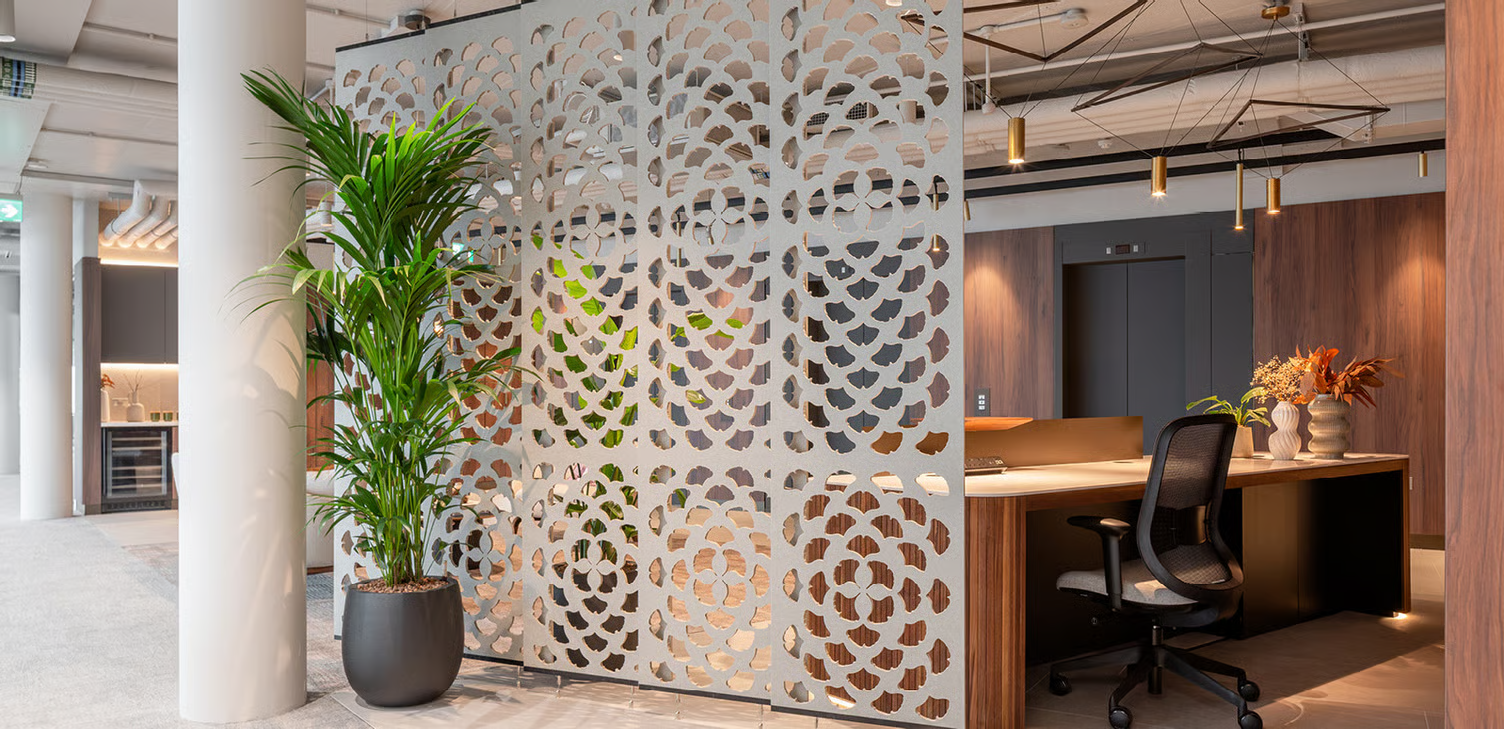
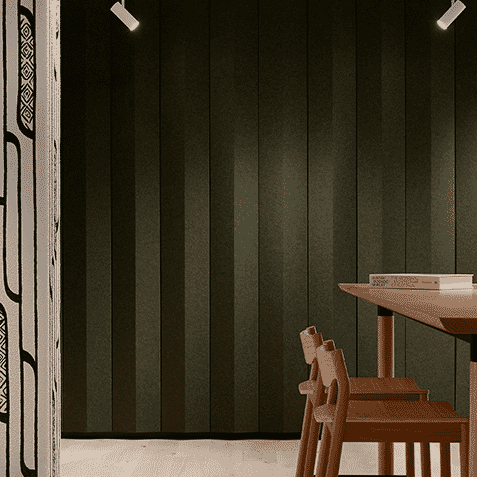
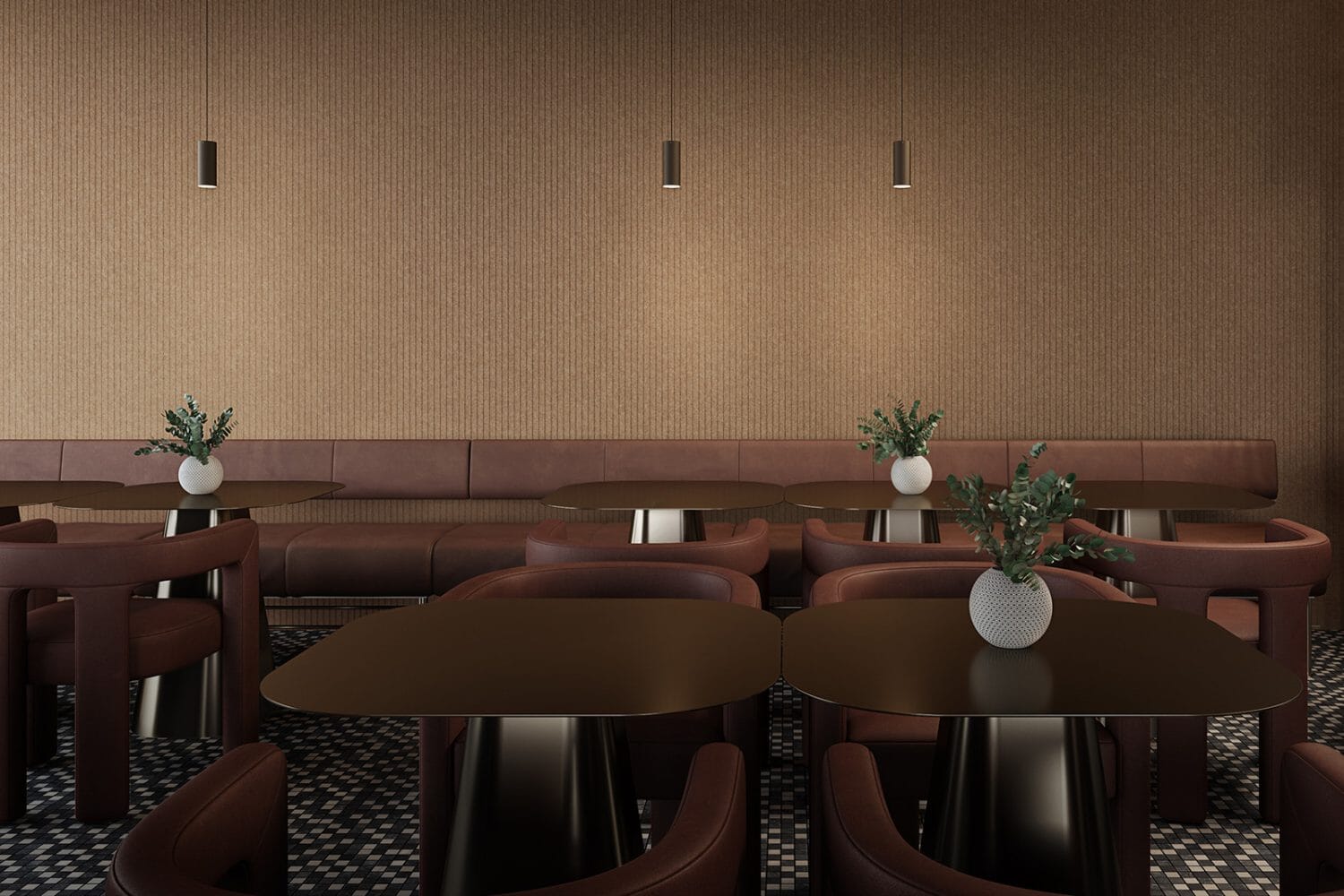
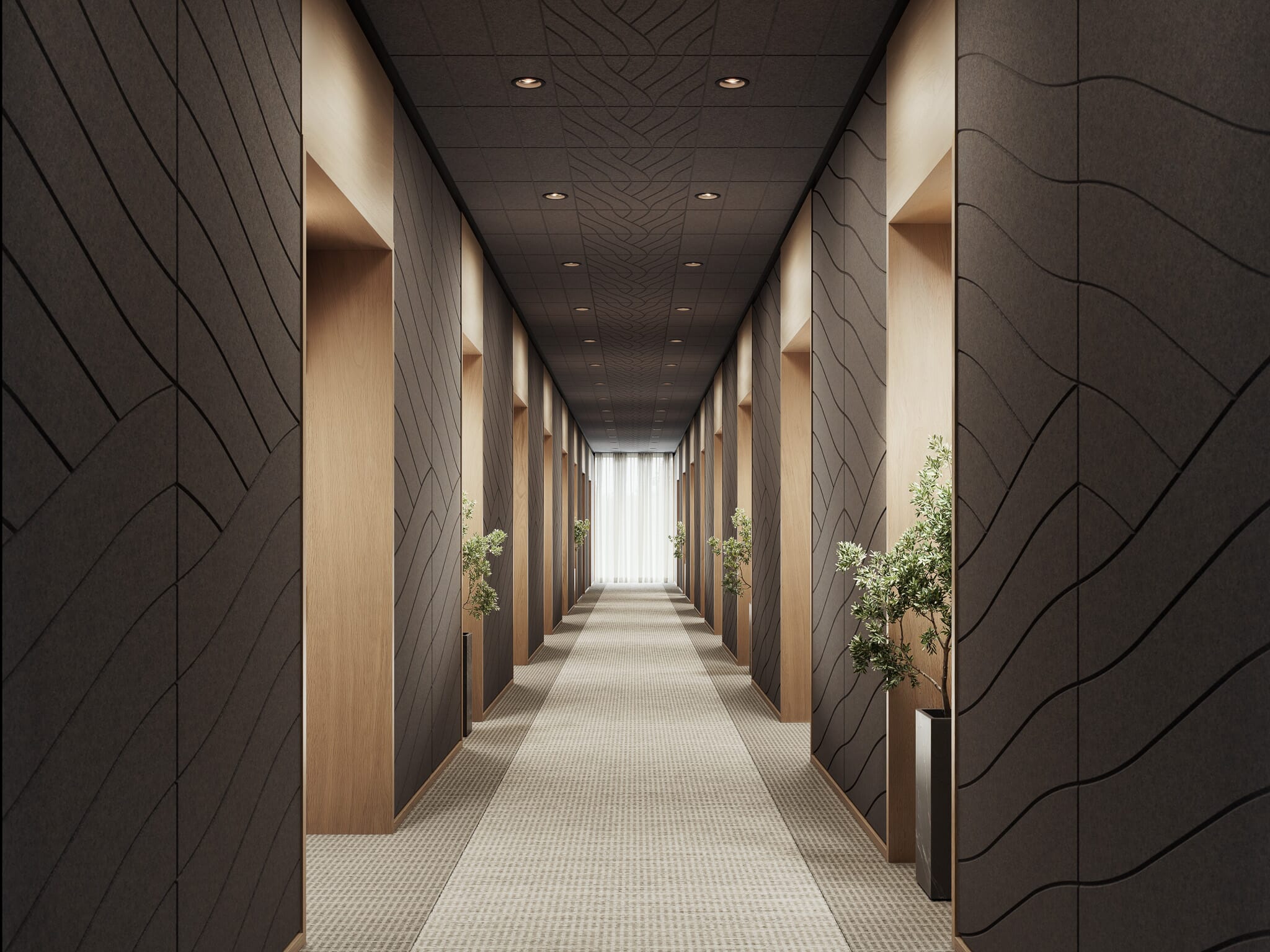
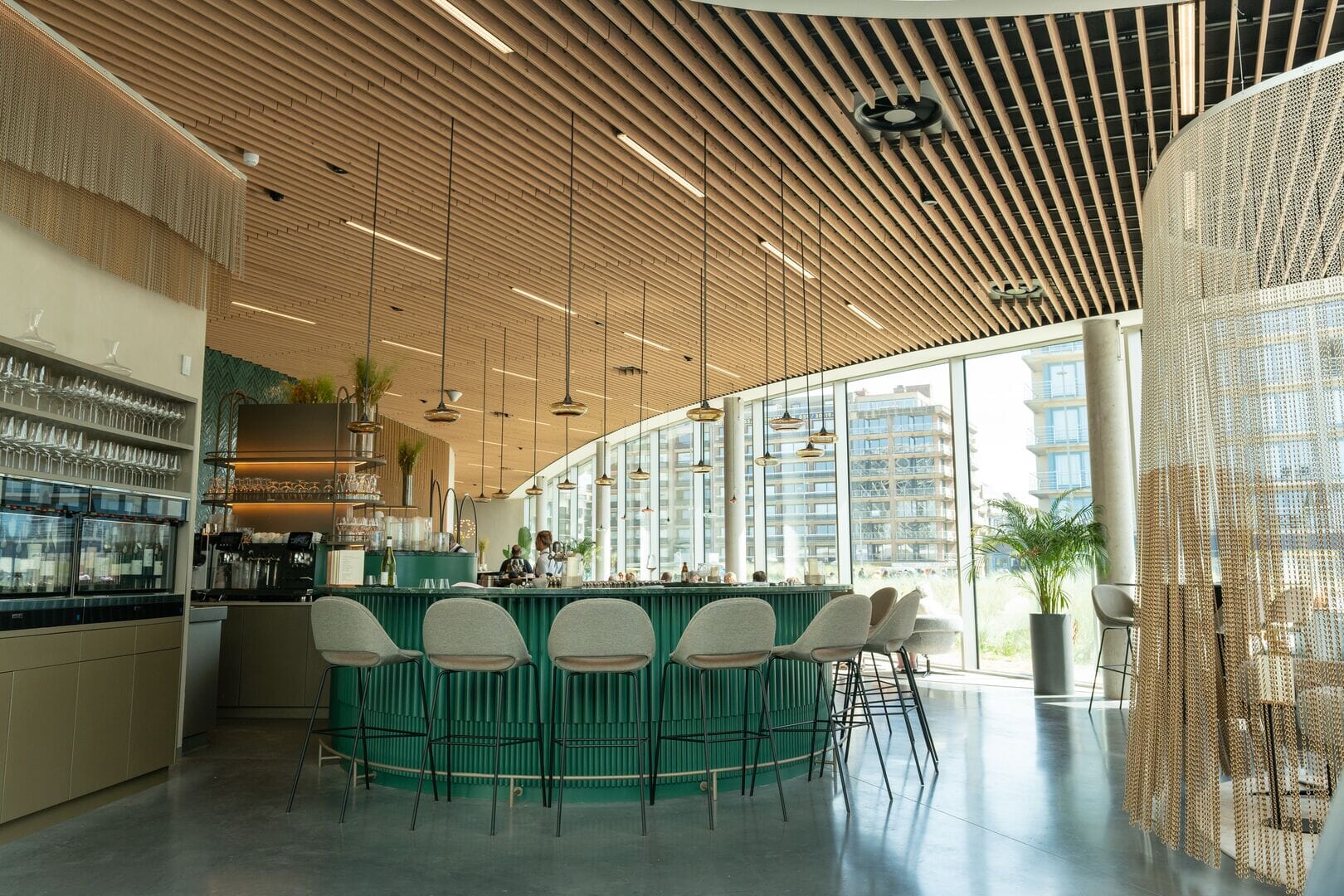
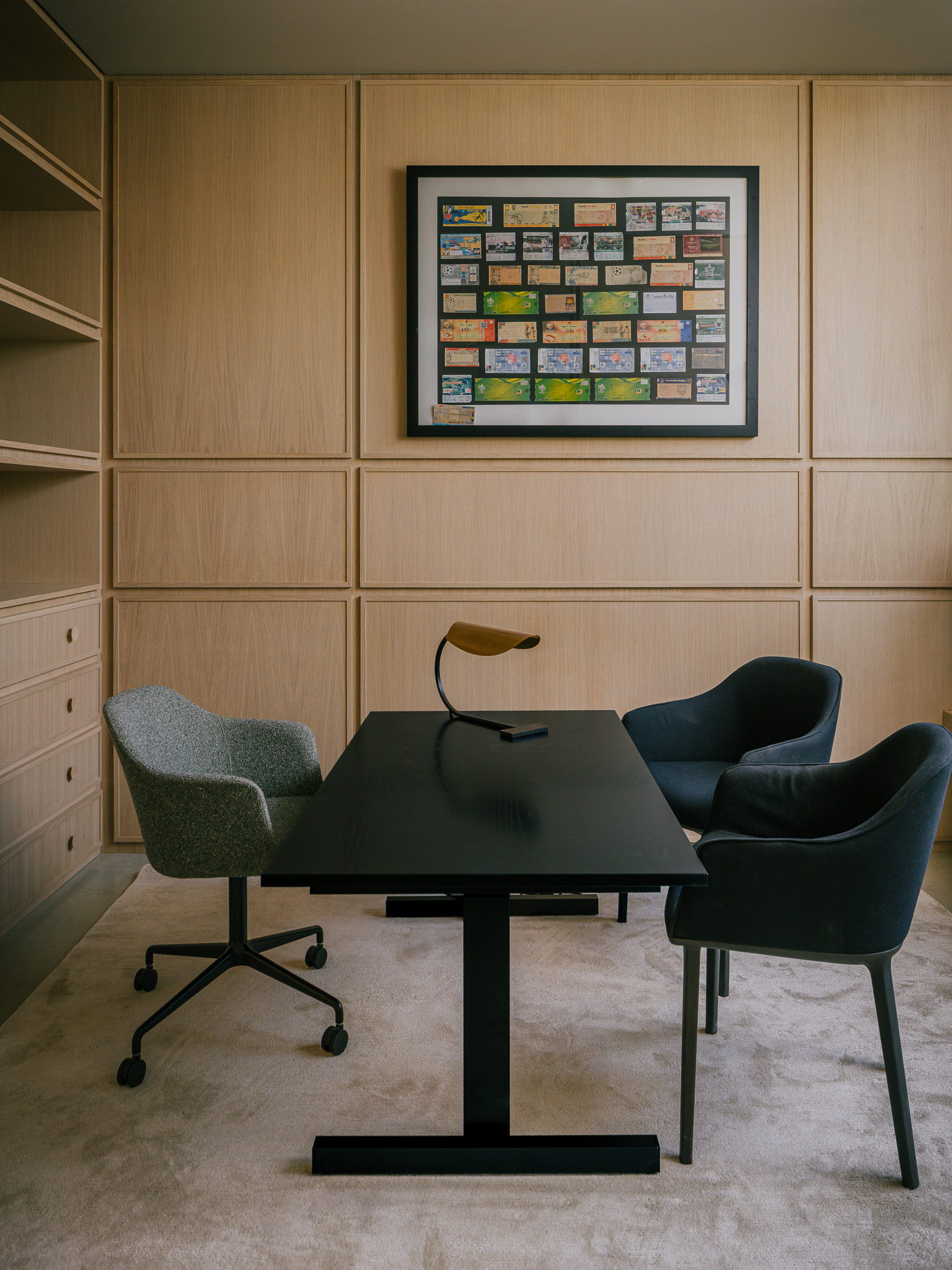
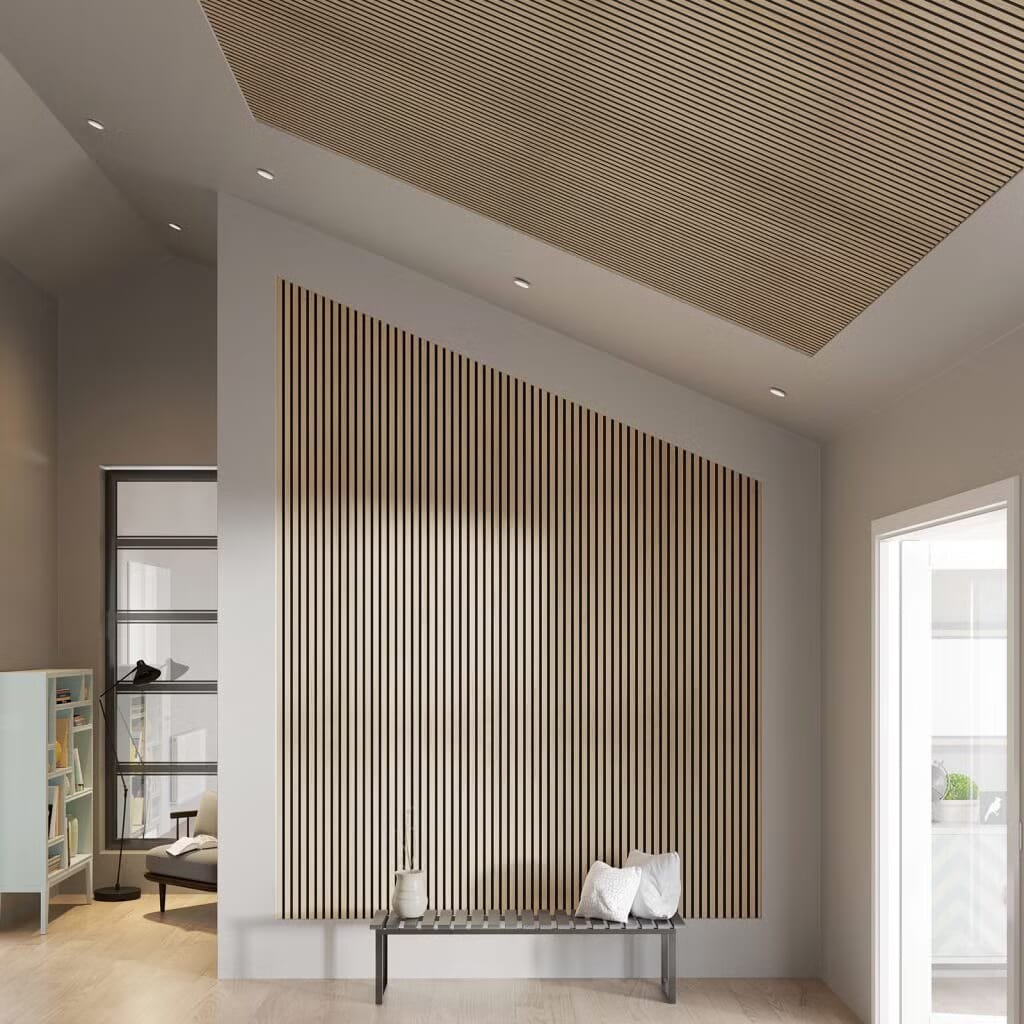
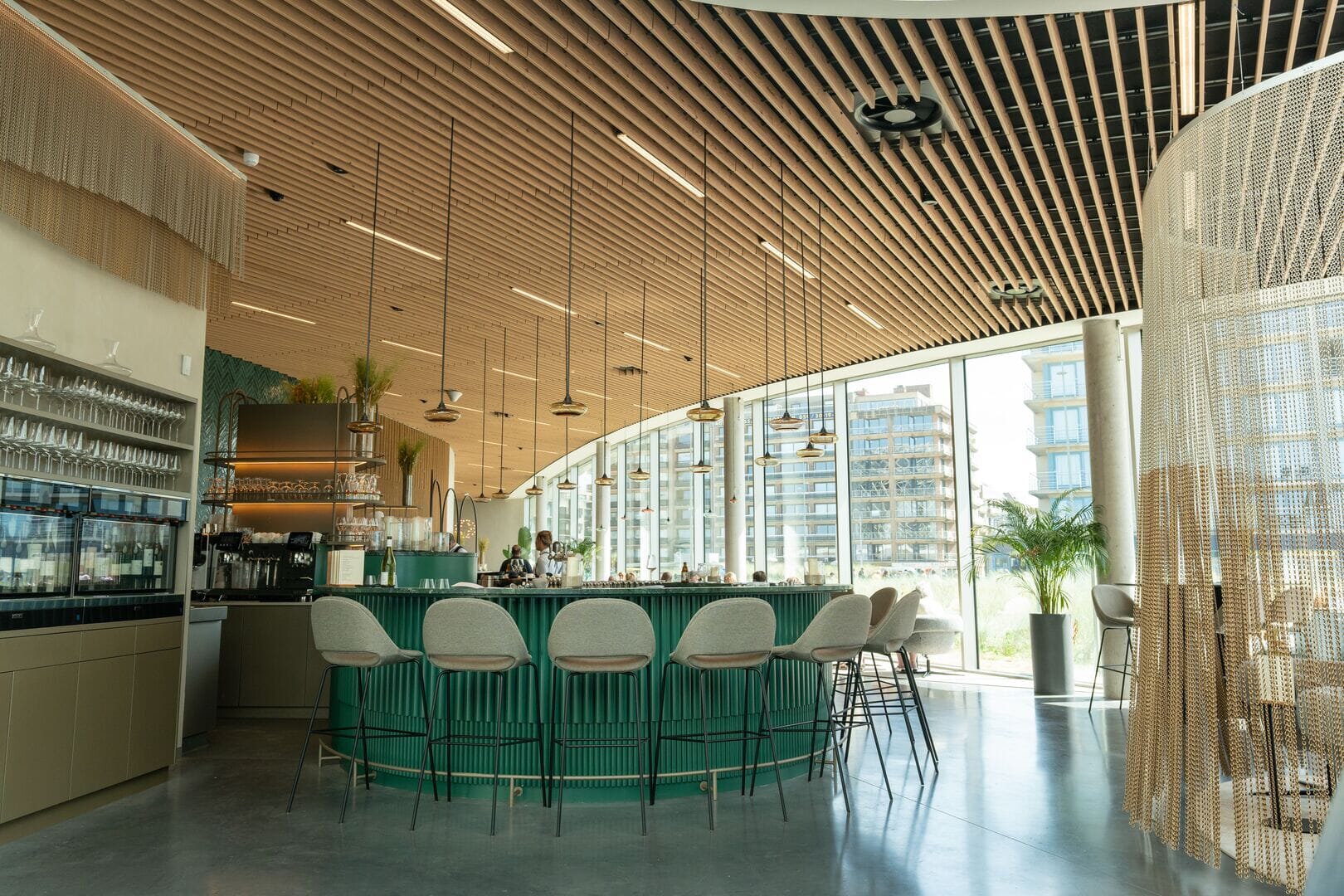
Timber acoustic panels bring the warmth of wood to a space while reducing echo and reverberation.
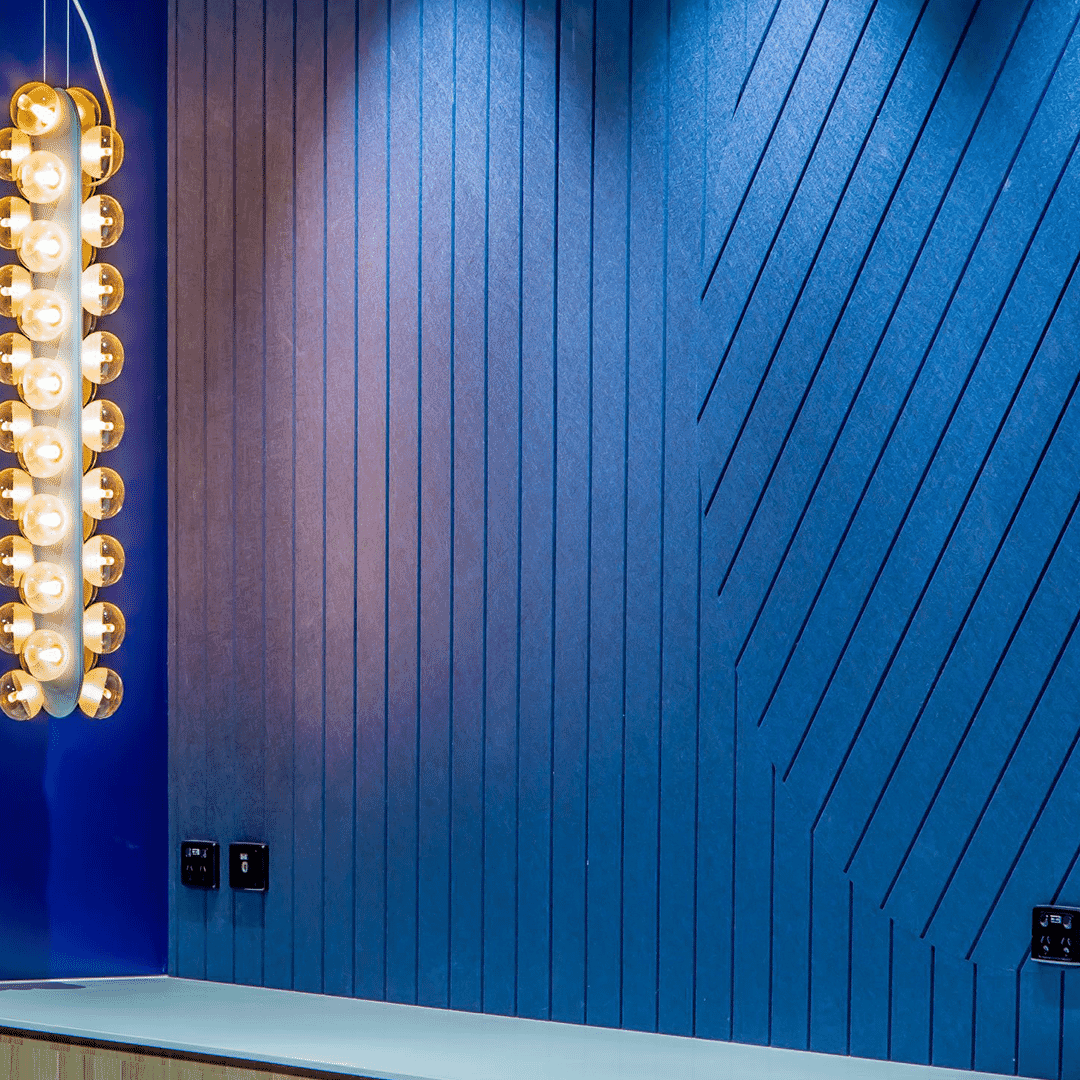
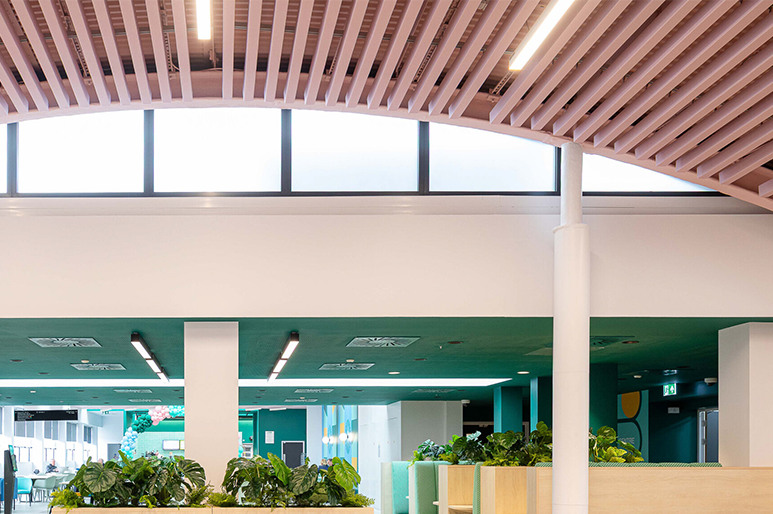
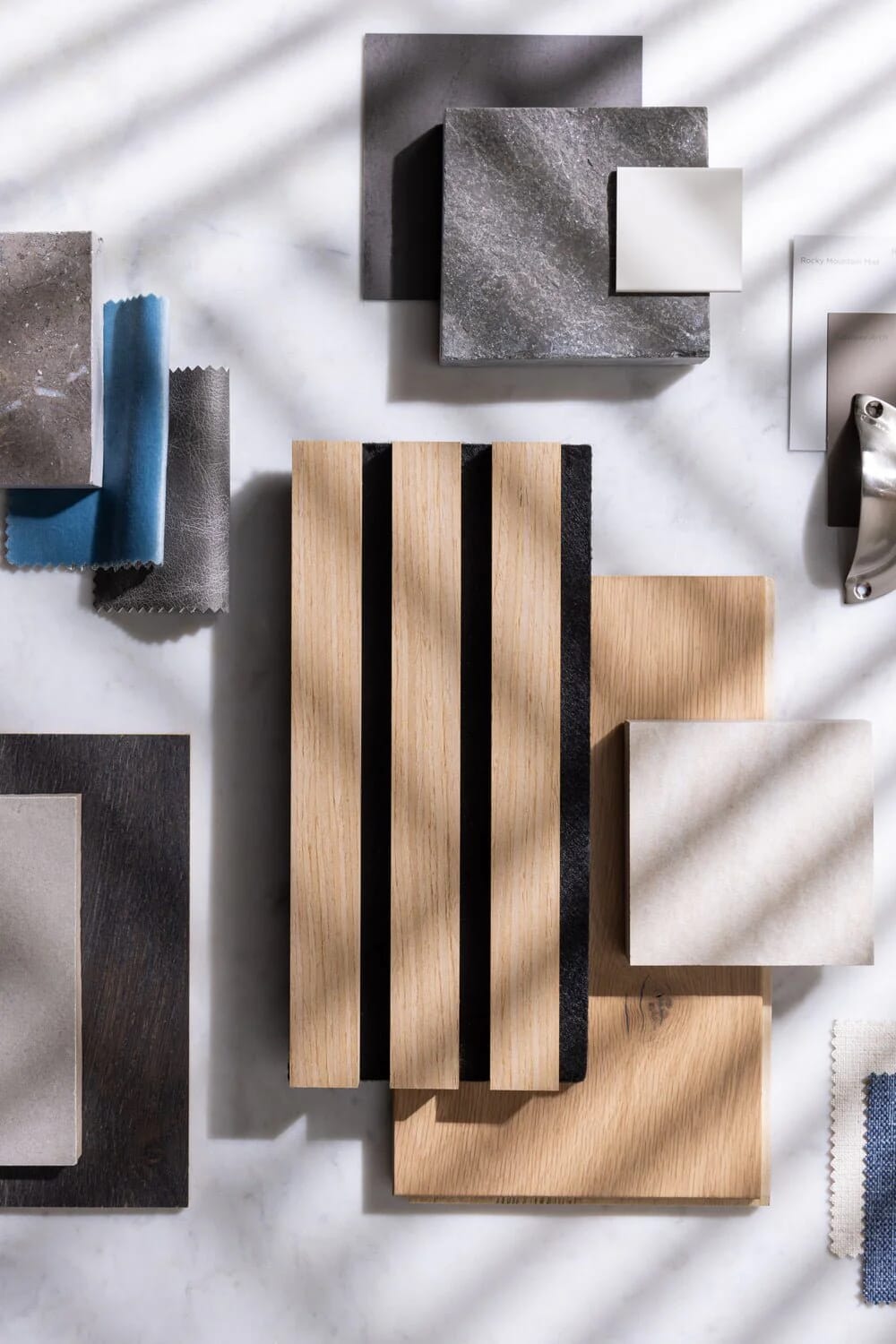
Slatted, grooved or perforated timber panels are backed with an absorptive layer, which can take the absorption up to Class A.
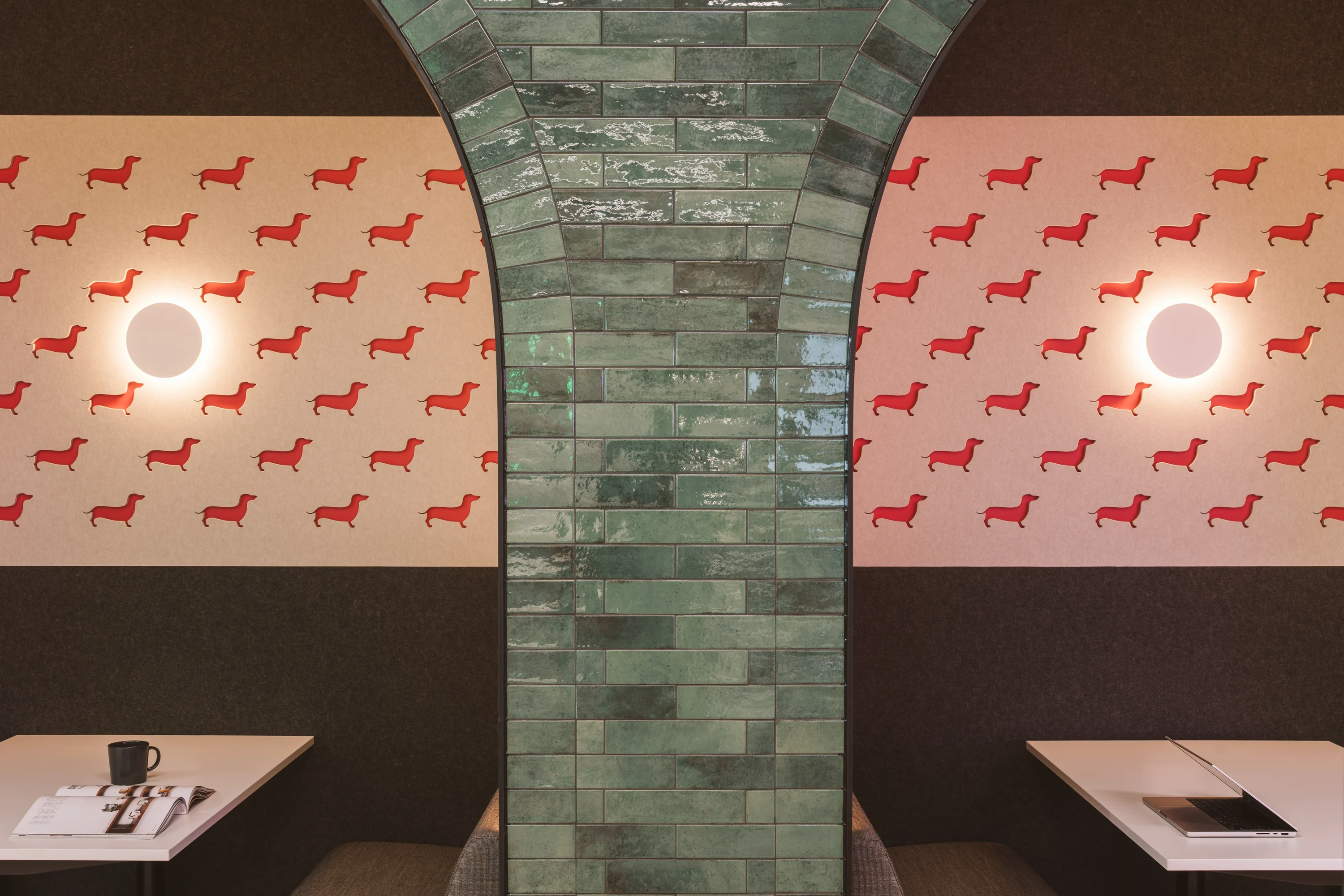
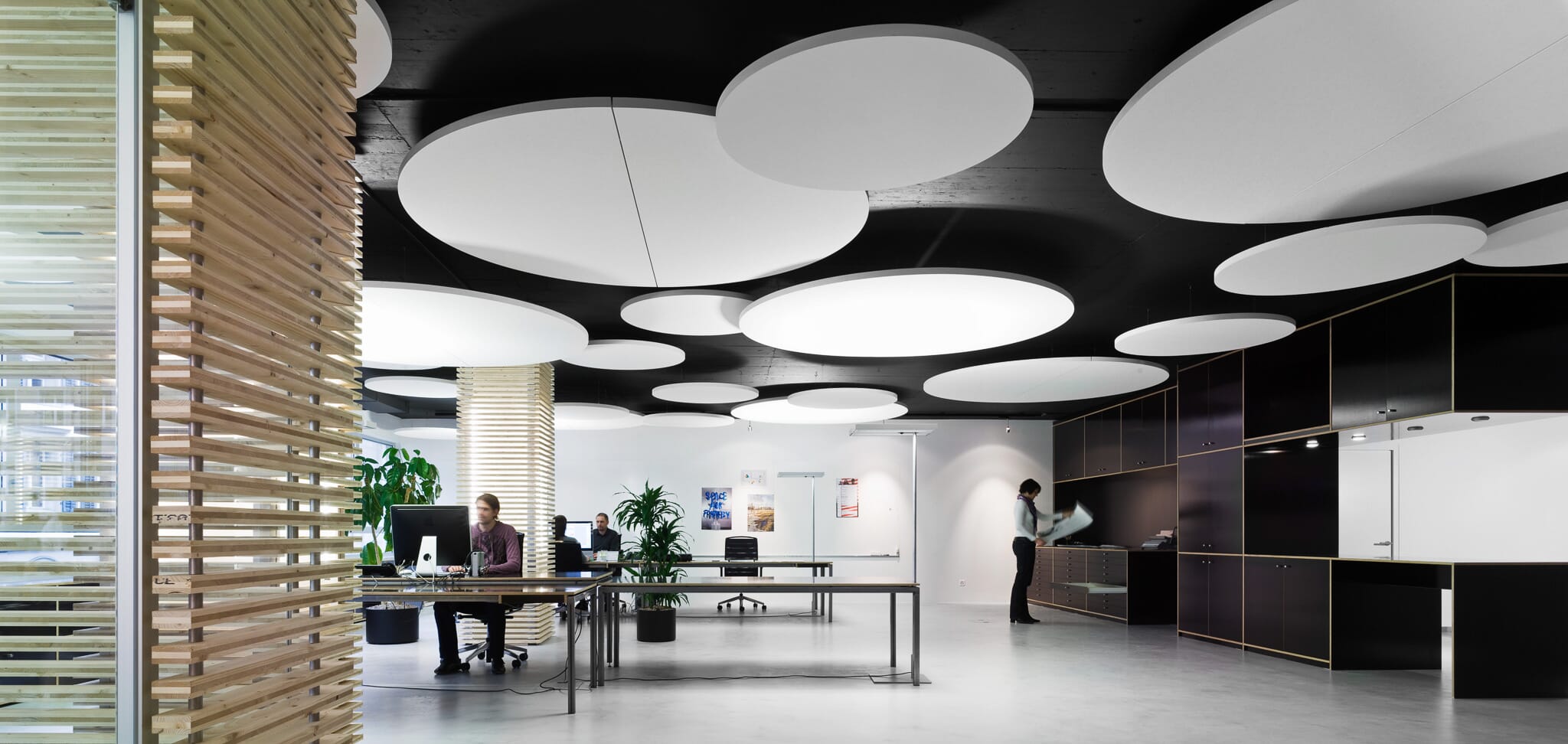
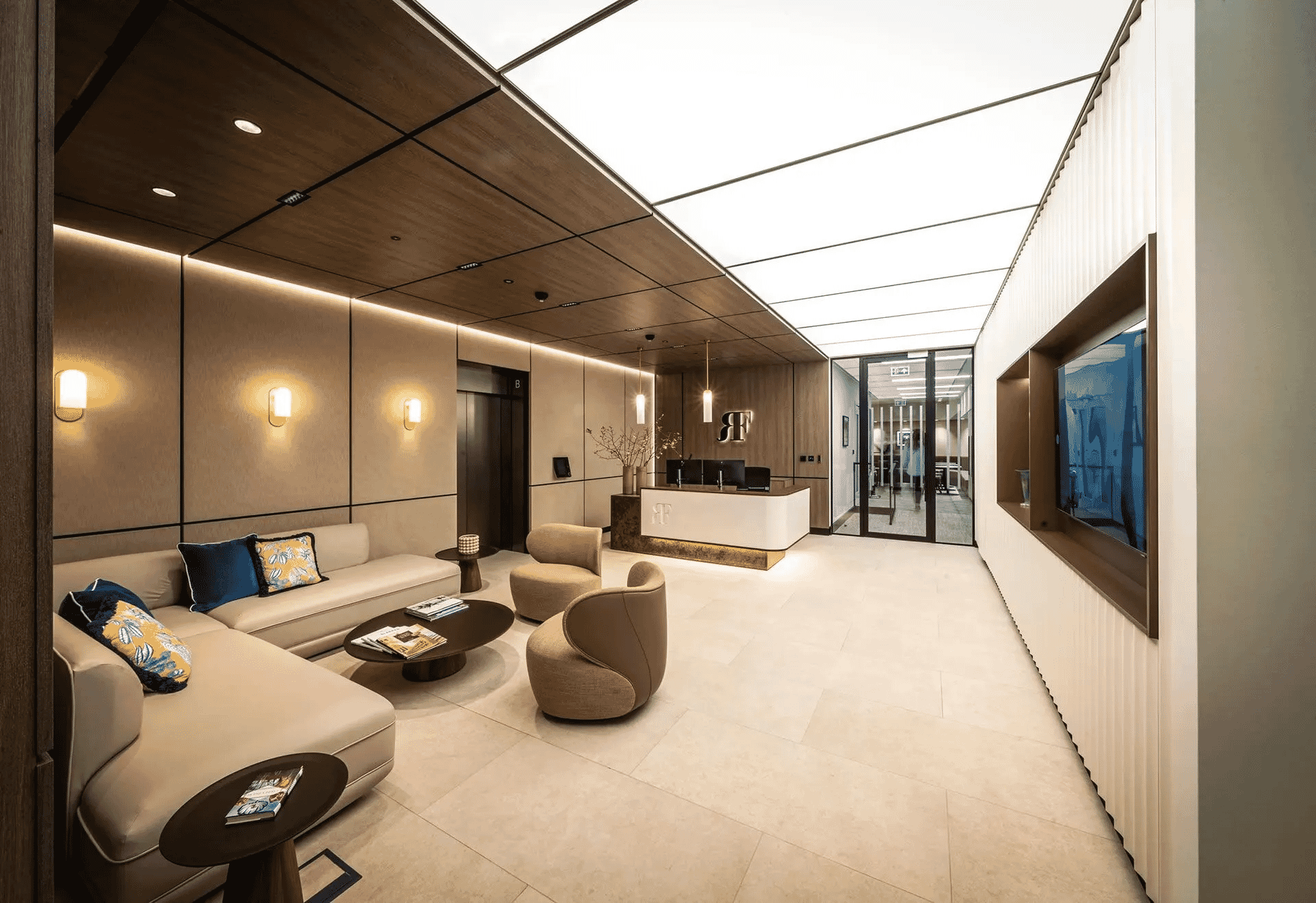
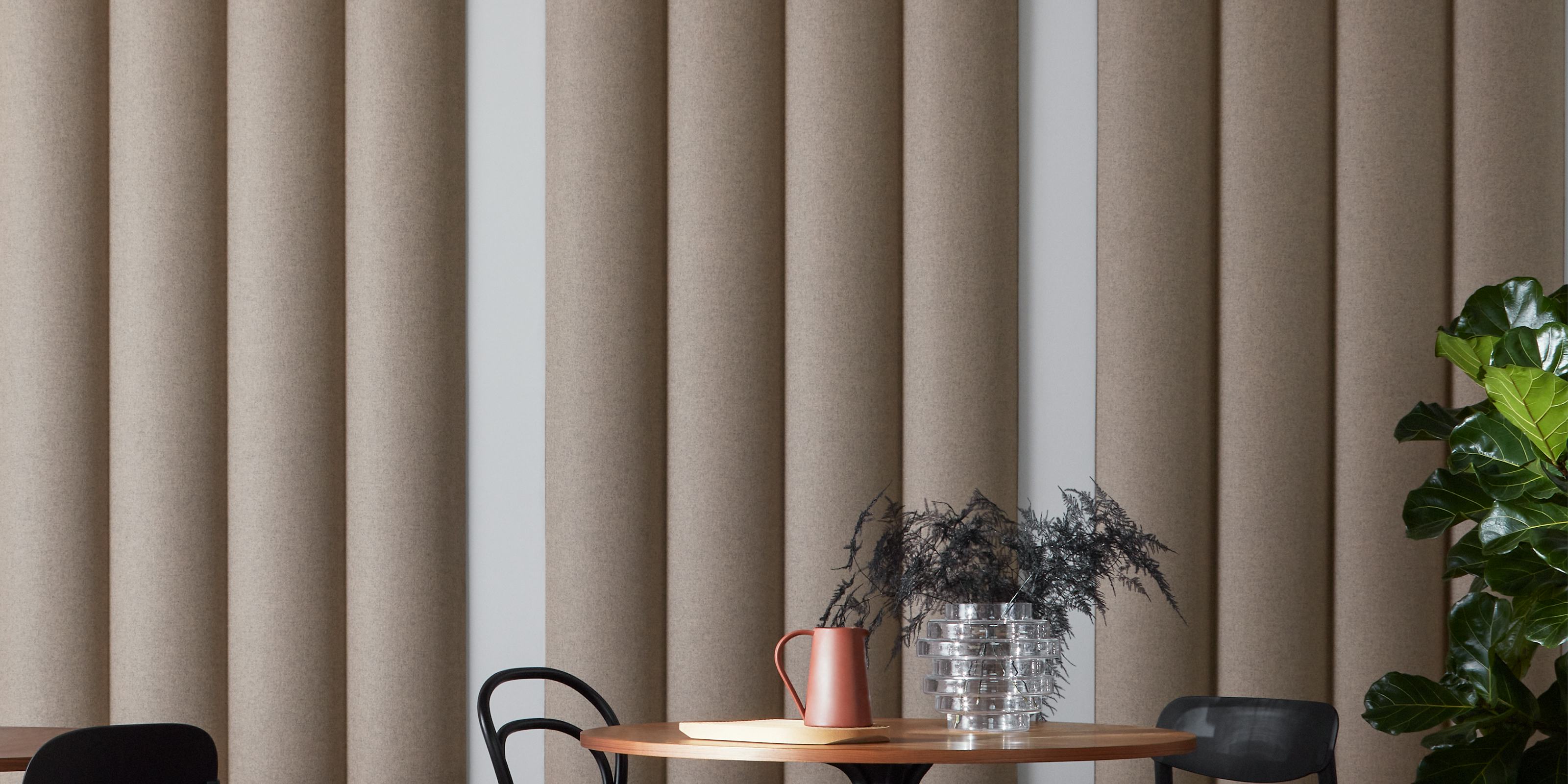
Available in a range of colours and finishes, they suit offices, restaurants and homes. They can also be designed around artwork, screens and light fittings.
From start to finish we handle everything

Consultation
Our acoustic consultants assess your space on-site (or remotely) and provide a detailed proposal. Every consultation includes acoustic design recommendations, product specifications, and reverberation analysis to ensure measurable improvements.
Assessment
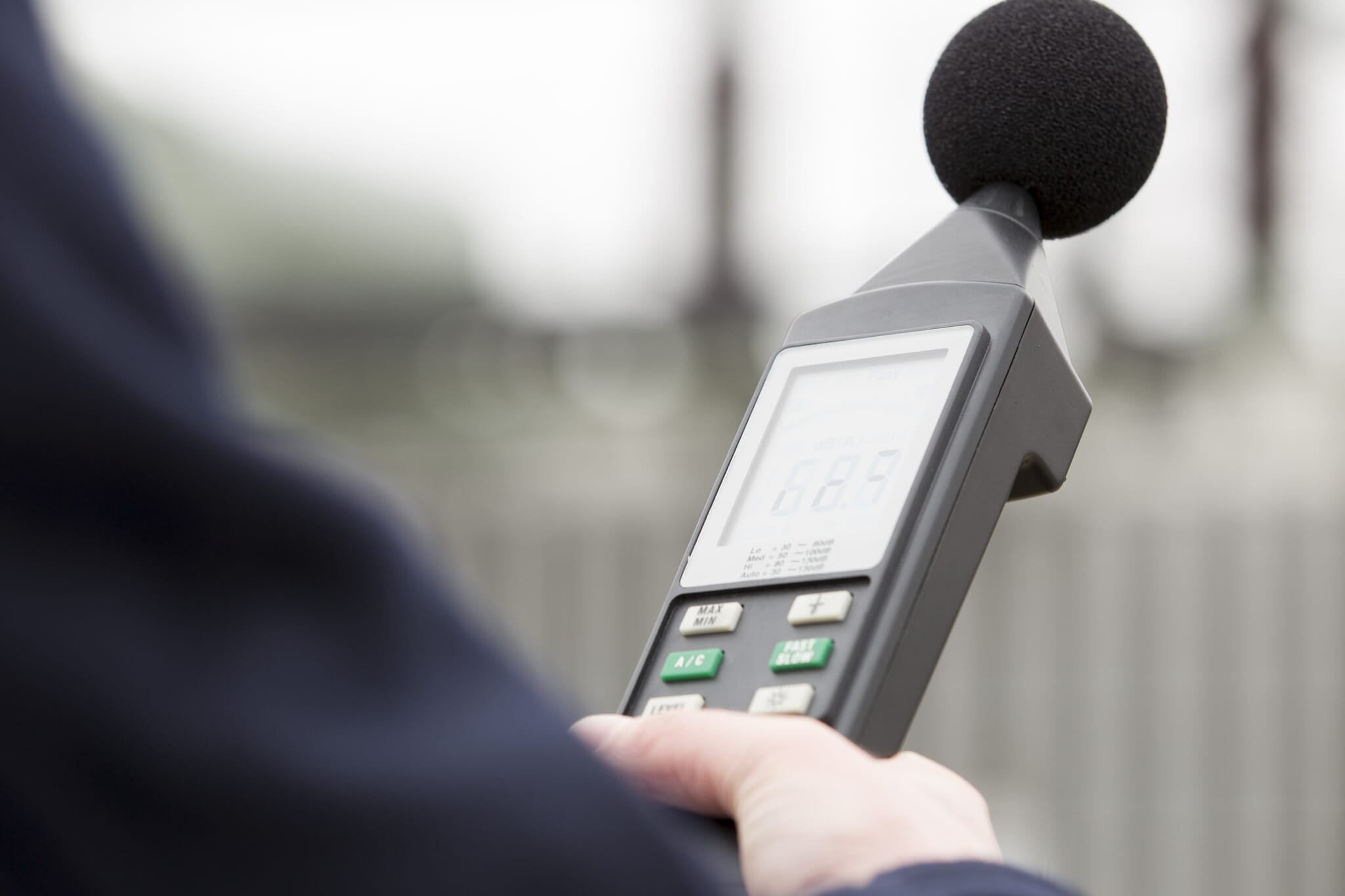
We don’t just identify noise issues — we provide solutions that are cost-effective, design-conscious, and performance-led. Whether reducing echo, improving clarity, or addressing speech privacy, our expert guidance ensures the right acoustic fit for your space.

Design & Planning
Every project includes a tailored acoustic design with a free CAD proposal, showing product placement, specifications, and performance ratings. Our designs can blend seamlessly into interiors or become bold architectural features — always balancing form with function.
Supply & Installation
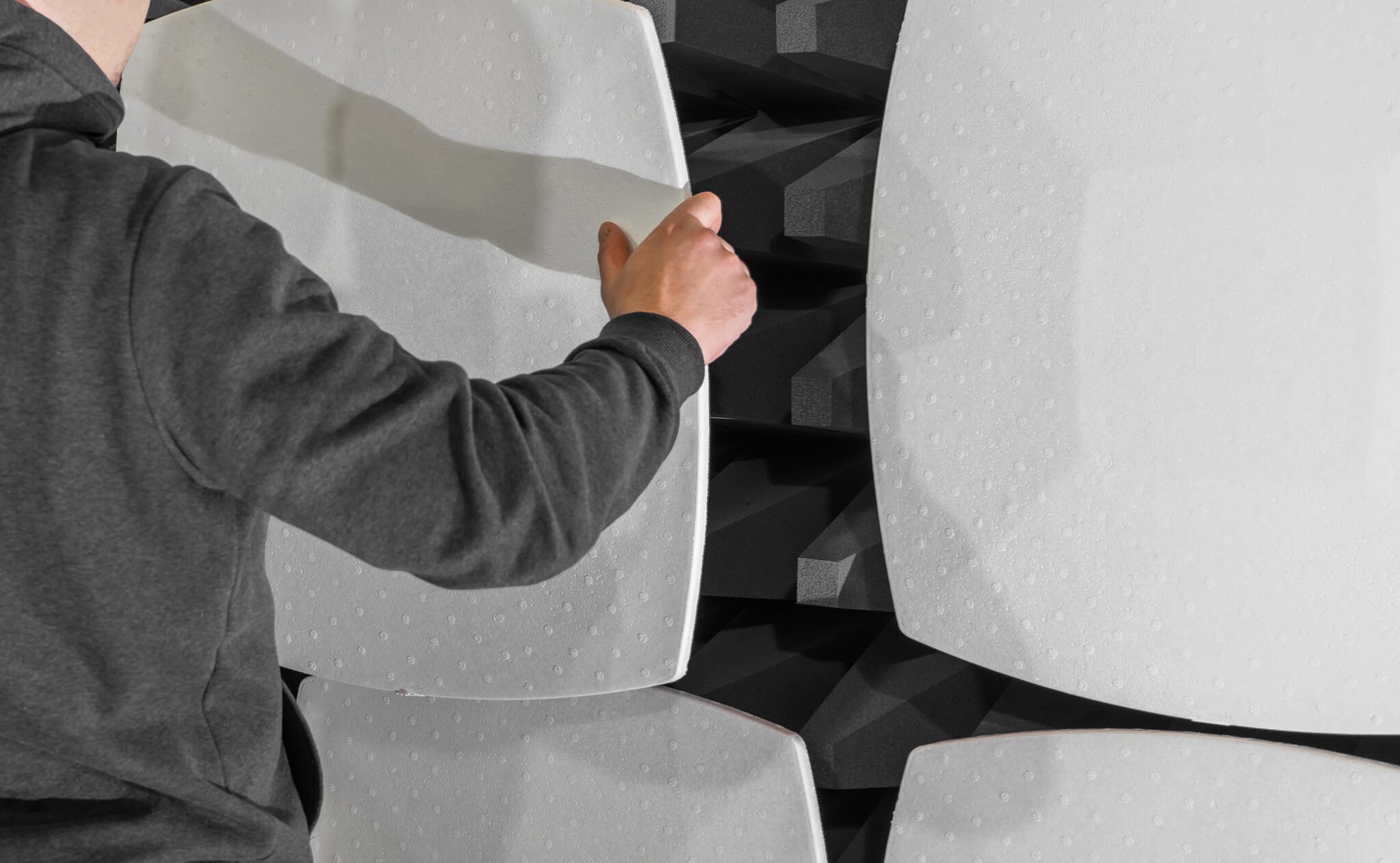
With over 7,000 projects completed nationwide, our in-house installation teams handle even the most complex acoustic projects. We work to strict health and safety standards, with IPAF-certified specialists, SSSTS/SMSTS-trained supervisors, and all installers CSCS accredited.
FAQs & tips for selecting the right acoustic products
Yes. With the right acoustic backing, timber panels reduce echo and reverberation, and can achieve up to Class A absorption.
Timber acoustic panels can be installed on walls or ceilings in most commercial and residential spaces, including offices, meeting rooms, restaurants, schools and living spaces.
Acoustic panels work by absorbing sound energy that would otherwise bounce around the room. Their porous structure allows sound waves to enter and become trapped in the fibres, dissipating as heat instead of reflecting. They are particularly effective at absorbing mid-to-high frequency sounds such as speech, making them ideal for offices, schools and restaurants.
Most acoustic panels are lightweight, safe (low VOC, non-toxic), and easy to install on walls or ceilings. Plus, because many are made from recycled materials (such as PET), they are one of the most environmentally responsible products available.
Prices vary with size, material and finish. As a rough guide to product costs:
- Wall panels: £80–£200 each
- Ceiling rafts: £150–£400 each
- Baffles: £60–£120 each
For a typical commercial installation, allow roughly £130–£280 per m² of panel, supplied and installed. Higher-performing Class A products are often the most cost-effective, because you need fewer of them. Design-led finishes such as slatted timber tend to cost more for less absorption.
For office projects, our office acoustics guide breaks down typical costs by floor area. For an accurate price for your space, book a free acoustic survey and quotation.
Solid timber reflects sound. The absorption comes from the open-slat design and acoustic backing. That combination allows sound to pass through and achieve up to Class A absorption.
Some panels, like lightweight stick-on absorbers, can be DIY-installed. However, professional installation is strongly recommended for ceiling systems, large projects, or anywhere safety access is needed. Incorrect fixing may compromise both safety and performance. If you are determined to install yourself, get in touch and we will point you in the right direction.
Resonics provides a full supply-and-fit service across the UK, using qualified installers to ensure compliance with building and fire regulations. We also guarantee the quality of our installations — something you won’t get with DIY.
Not much. Most panels are made from durable, stain-resistant materials such as PET felt or fabric-wrapped glass wool. They can be lightly vacuumed or wiped with a damp cloth to remove dust. Unlike soft furnishings, they don’t need regular deep cleaning.
Panels should not be painted, as this can block their sound-absorbing pores. If a panel becomes damaged, it can be replaced individually without affecting the wider system. PET panels, in particular, are highly durable and maintain their acoustic performance for many years.
Fire-retardant (FR) timber panels are available for commercial projects. These are typically tested to EN 13501-1 and rated up to Class B-s1,d0. Ratings vary by product and finish, so we confirm the classification for each specification.
Featured Resonics case studies
View more case studiesSelect your space that needs acoustic treatment