
















6 Minute Read
Sound Absorption Classes Explained: A Guide to NRC Ratings and Acoustic Panel Performance
If you've been looking into acoustic panels, chances are you've come across the term sound absorption classes. But what exactly does it mean, and why does it matter?

Rupert Nahum
22nd Aug 2025
Categories
Guide
TL;DR – Understanding sound absorption classes
Sound absorption measures how well a material absorbs sound instead of reflecting it. Hard surfaces cause echo and reverberation, making spaces noisy and uncomfortable.
Acoustic panels reduce this by using porous materials that trap and absorb sound energy (converting it into small amounts of heat or vibration), improving clarity and lowering background noise.
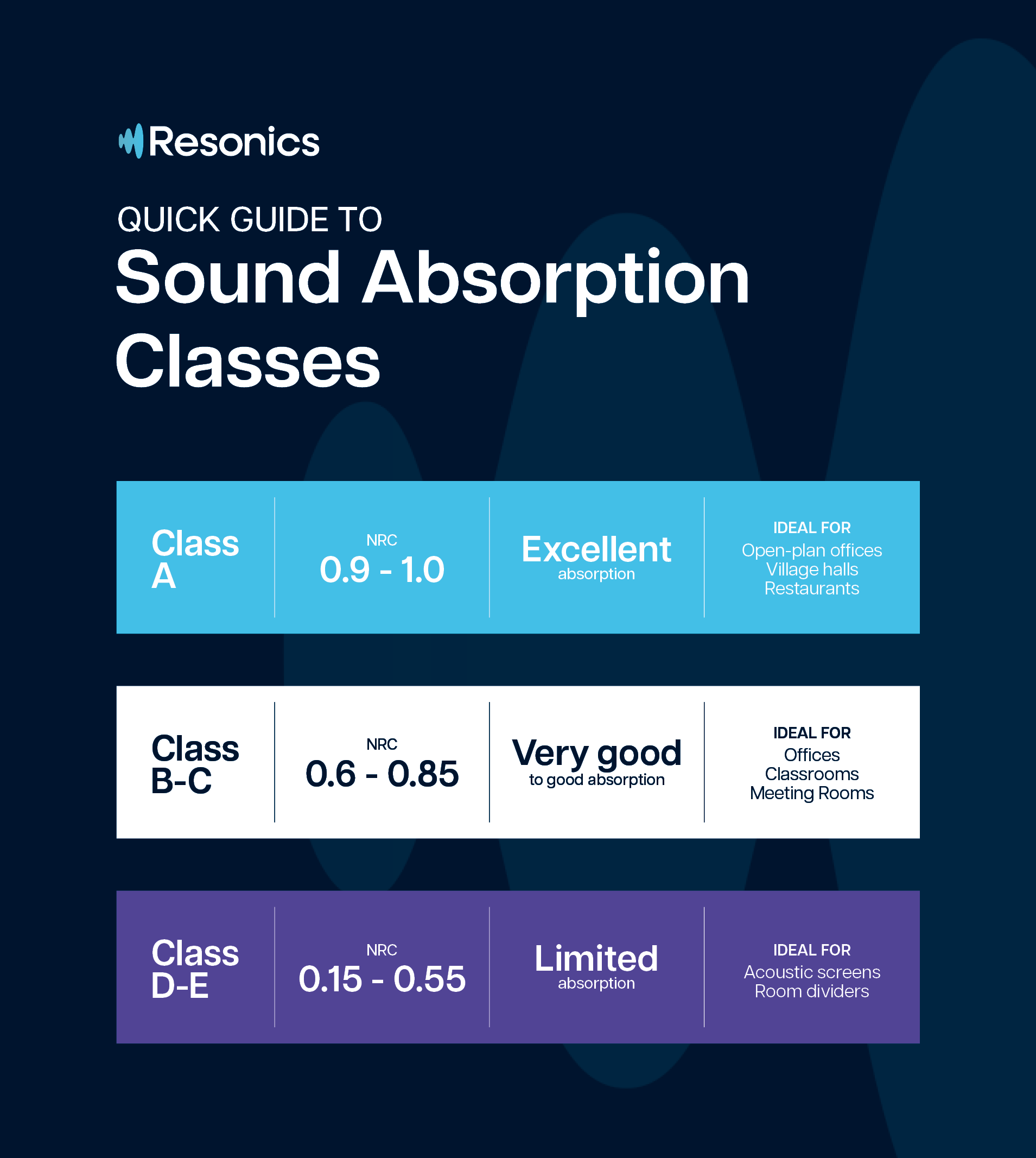
Panels are rated by sound absorption class (A–E) or NRC (0–1):
The right choice depends on the room’s size, surfaces, furnishings, and how it’s used. Too little absorption won’t help, but too much can make a space feel unnaturally quiet.
What is Sound Absorption?
Sound absorption is a measure of how well a material can absorb sound energy rather than reflect it back into a room.
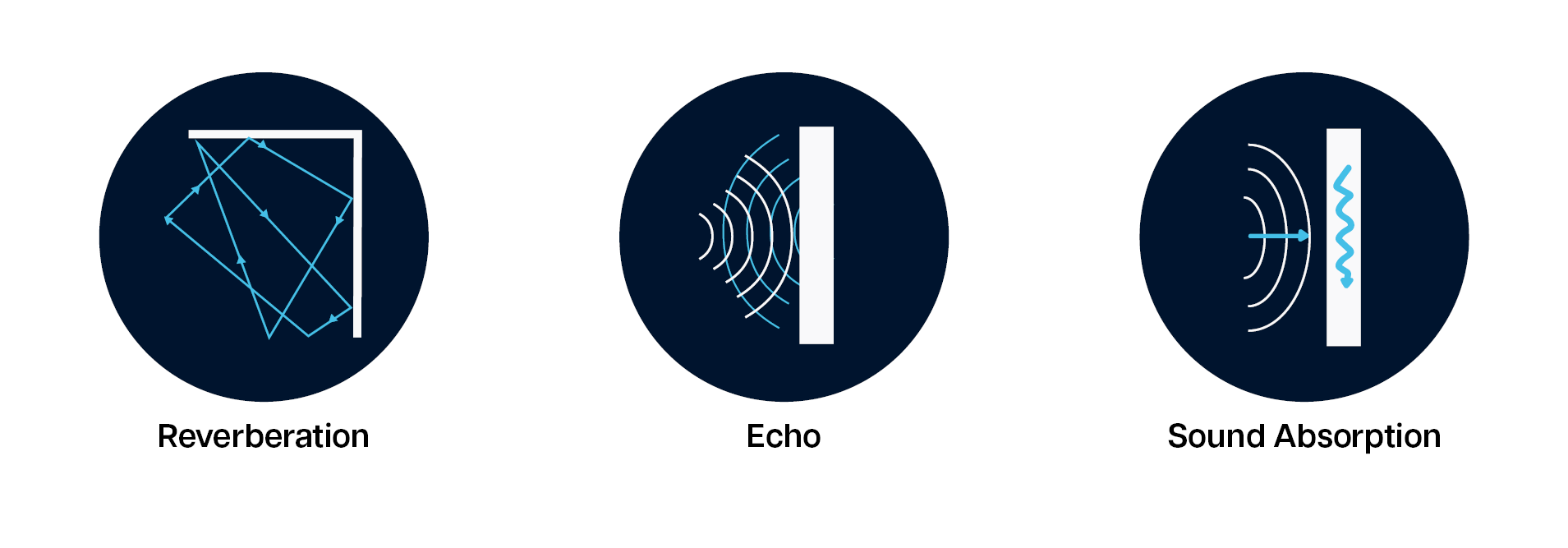
When sound waves hit a hard surface, like concrete, glass, plaster, or timber, they bounce back, layering on top of new sounds and creating the echo and reverberation that makes spaces feel noisy, chaotic, or exhausting to spend time in.
How do acoustic panels absorb sound?
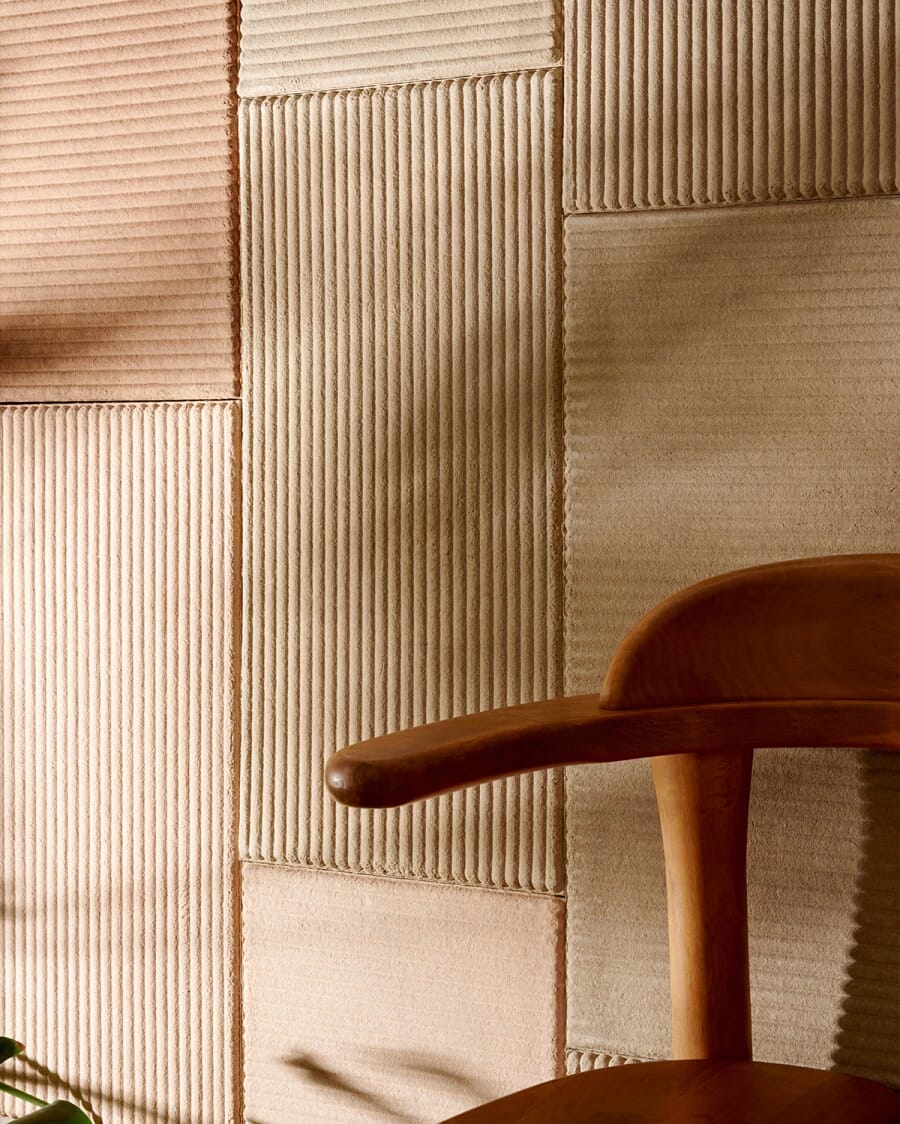
Acoustic panels are made with porous materials that allow sound waves to enter the surface and be absorbed rather than reflected.
When sound hits an absorbent material, a portion is reflected, some passes through, and the rest is absorbed, converted into a small amount of heat or vibration. The more sound a material absorbs, the more it reduces background noise, improves speech clarity, and creates a more comfortable environment.
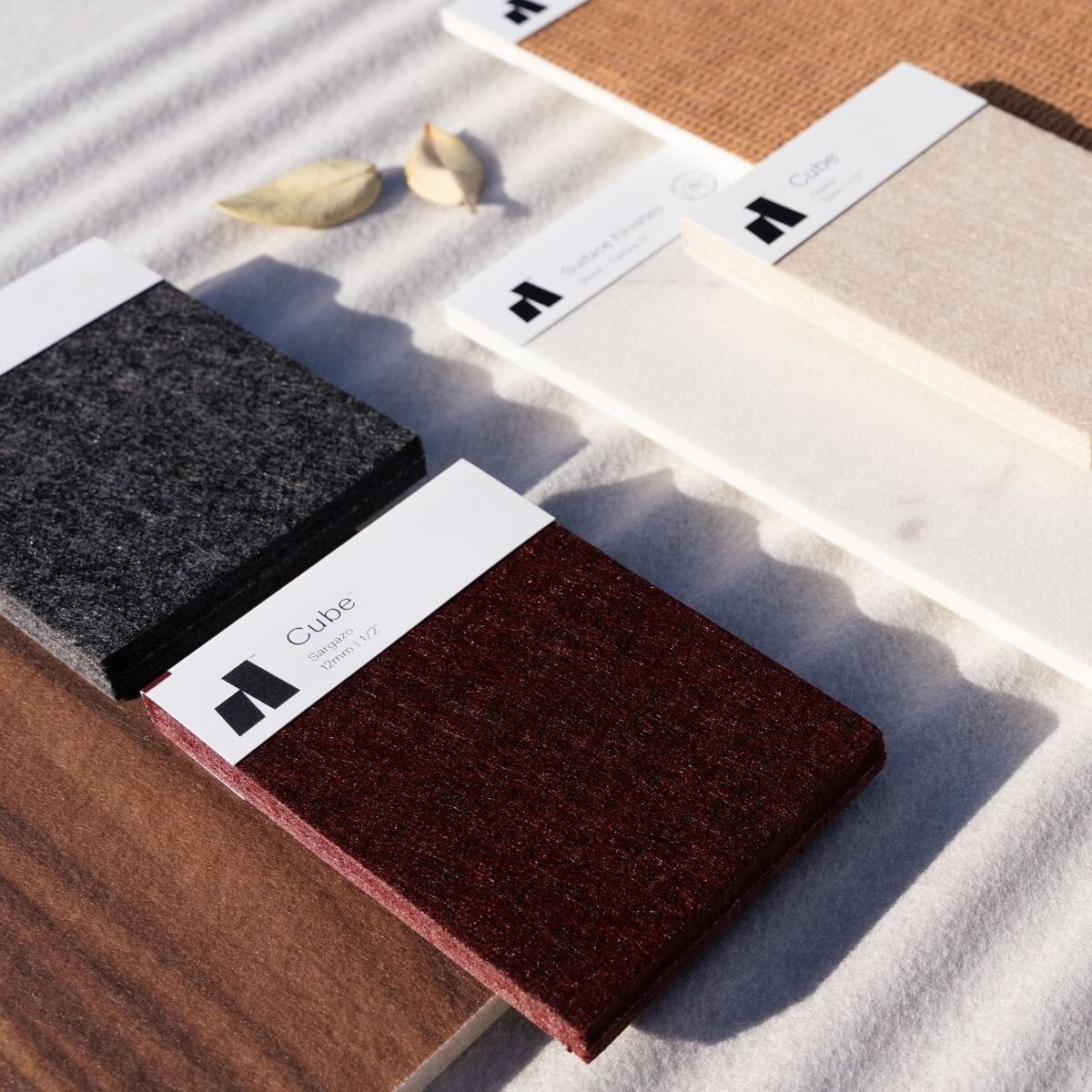
Not all acoustic panels perform the same. Their effectiveness depends on:
- Thickness
- Core material
- Surface finish
As a general rule, the thicker and more porous the panel, the more sound it absorbs.
How is acoustic panel performance measured?
For a panel to be assigned an absorption class, it is tested in an independent acoustic laboratory. During testing, the panel is assessed across six frequency bands, covering the full range of frequencies relevant to human speech and environmental noise.
From these measurements, a single figure is calculated: the weighted sound absorption coefficient (αw). This is the number that determines which absorption class a panel belongs to. For example, a panel with an αw of 0.95 absorbs 95% of the sound energy that reaches it, making it among the most effective available.
This testing process is what separates properly specified acoustic panels from decorative products that look similar but deliver little measurable improvement. At Resonics, every product we specify comes with independent test certification, so you know exactly what performance you’re getting before anything is installed.
Understanding sound absorption classes
To make comparison easier, acoustic panels are grouped into absorption classes from Class A (highest) to Class E (lowest). Each class corresponds to a range of αw values, giving specifiers and buyers a quick, reliable way to compare products and select the right level of treatment for a space.
You may see NRC (Noise Reduction Coefficient) ratings instead of an absorption class. NRC values run from 0 to 1, where 0 absorbs no sound and 1 absorbs nearly all sound. Class A products typically have an NRC of 0.90 or above, Class B around 0.75–0.89, and so on.
Guide to choosing acoustic panels based on absorption class
Which absorption class is right for you?
Not every space needs the same level of absorption. A busy school hall will need a very different approach to a small meeting room or open-plan office. Factors that influence your requirements include:
- Ceiling heights
- Surface finishes
- Room size
- Furnishings
- How the space is used
It’s also worth understanding that acoustic treatment is a calibrated exercise, not a case of more being better. Too little absorption won’t make a meaningful difference. But over-treating a space creates its own problems: rooms that have been acoustically deadened can feel disorienting and uncomfortable. Sound feels oddly intimate, the space loses its natural energy, and people often find it harder to concentrate rather than easier. The goal is always the right amount of absorption for the space and its use, not the maximum possible.
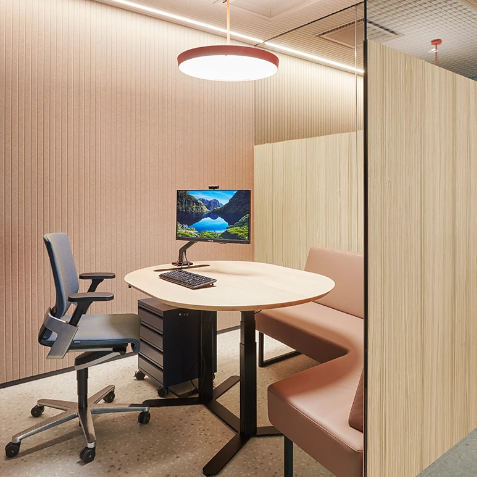
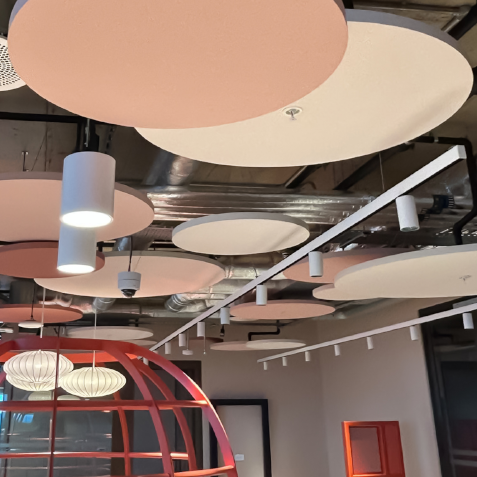
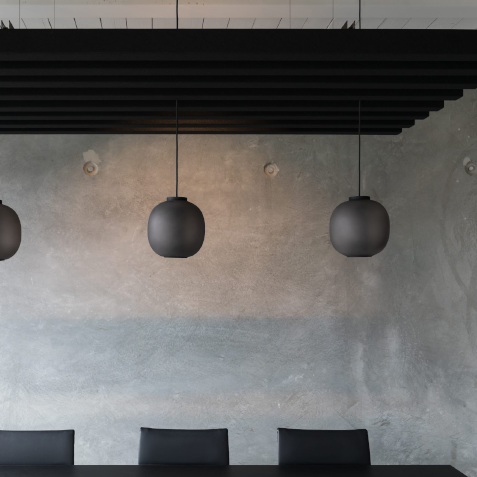
Class A (NRC 0.90 – 1.0)
Excellent absorption. The highest-performing class and the right choice for any space with significant reverberation or noise issues.
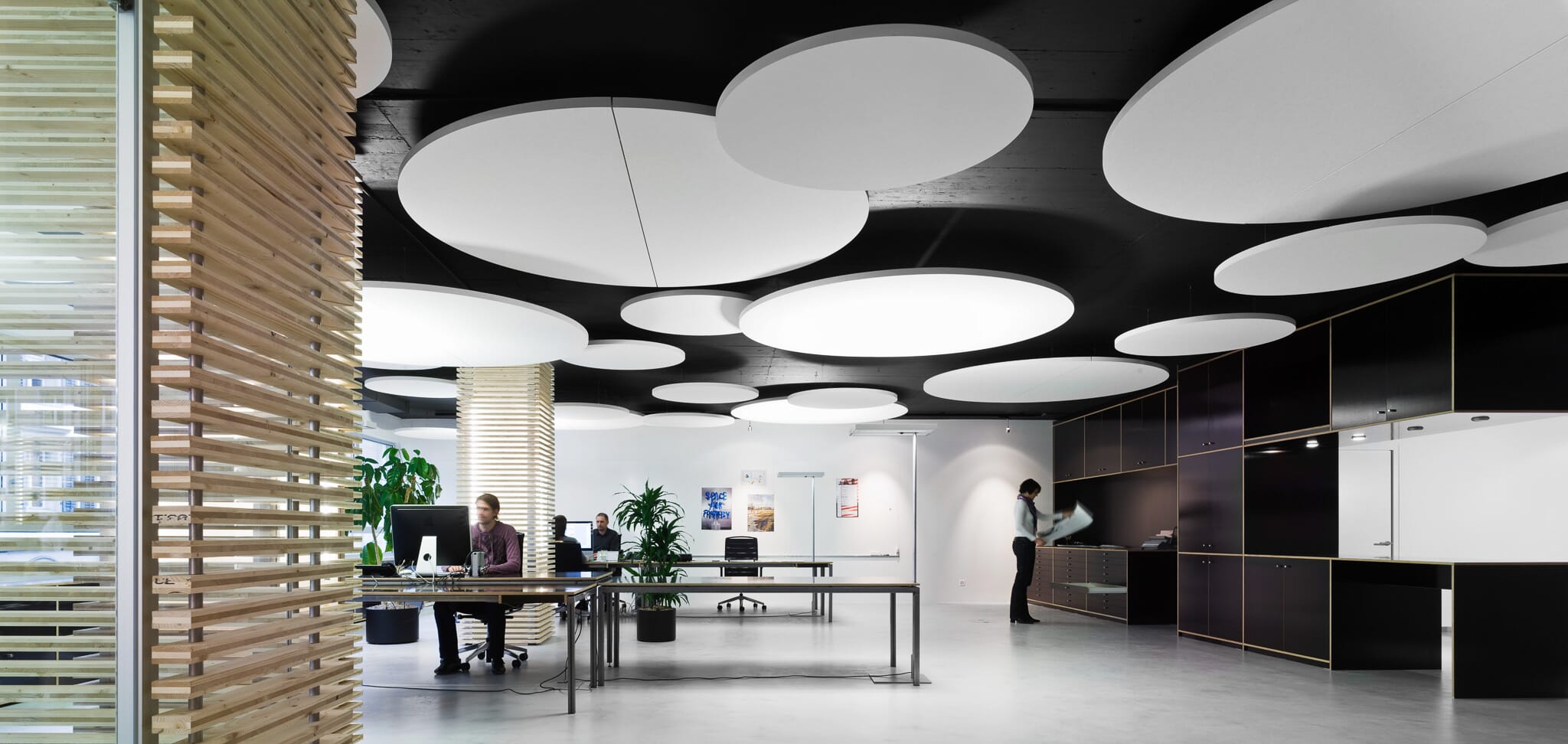
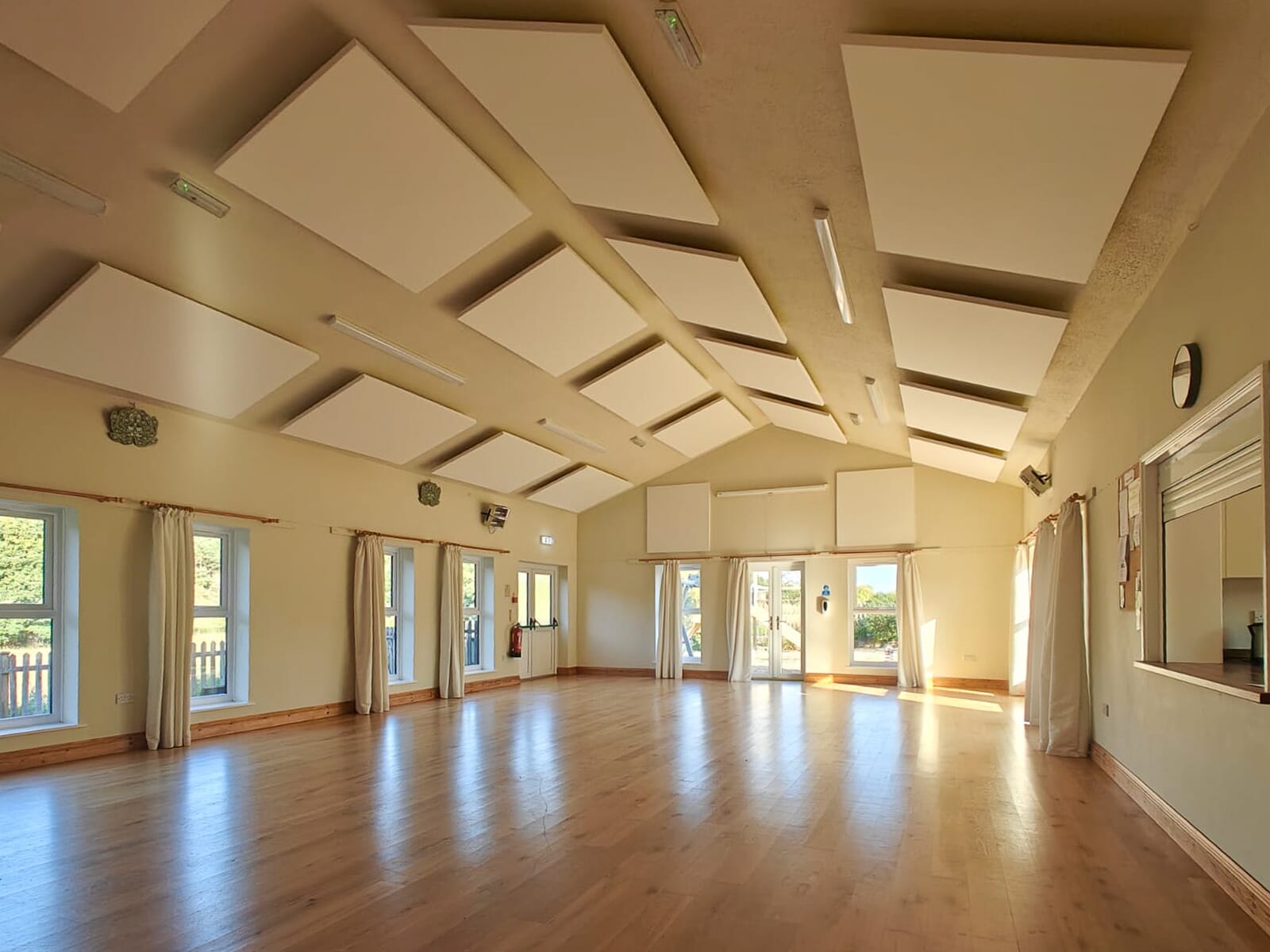
Best for: Open-plan offices, sports halls, industrial spaces, village halls, restaurants, churches, studios or any space where reverberation is the problem.
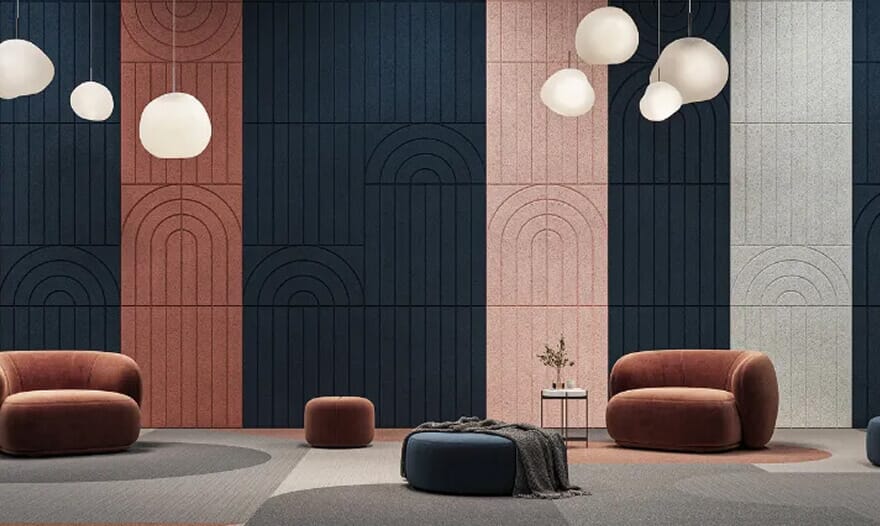
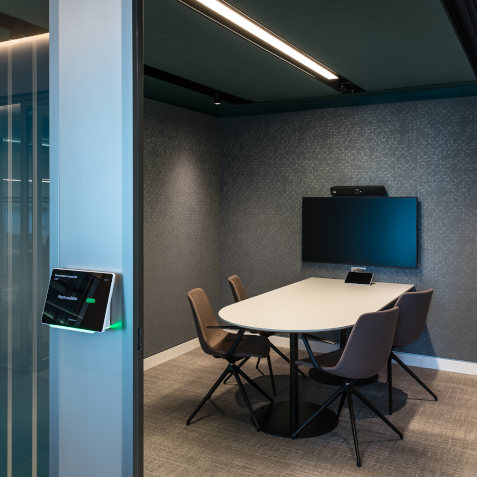
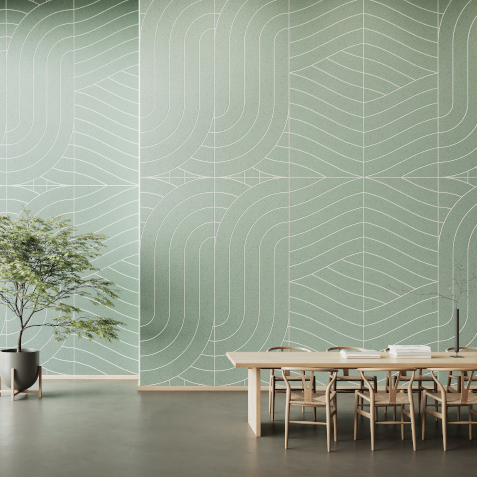
Acoustic wall panels with Class A absorption:
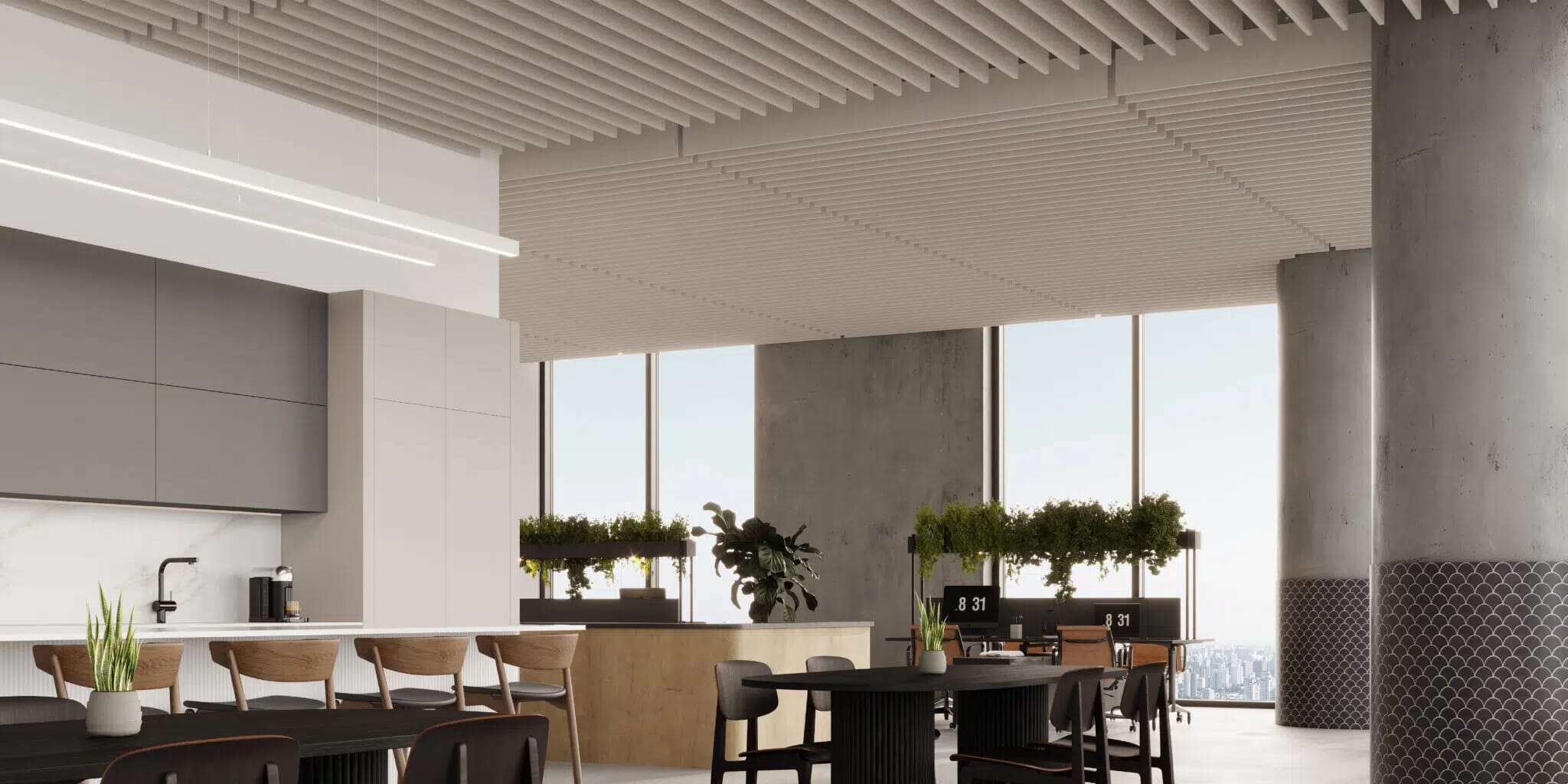
Acoustic ceiling panels with Class A absorption:

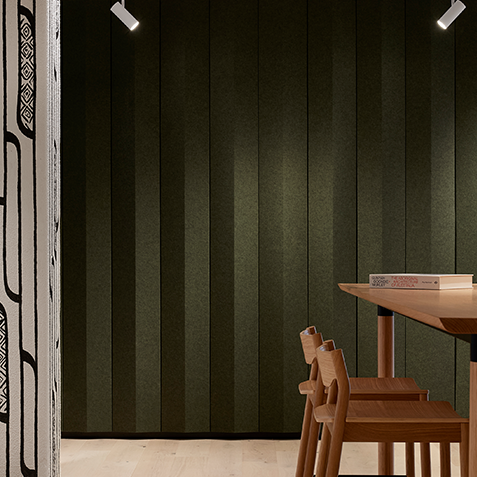
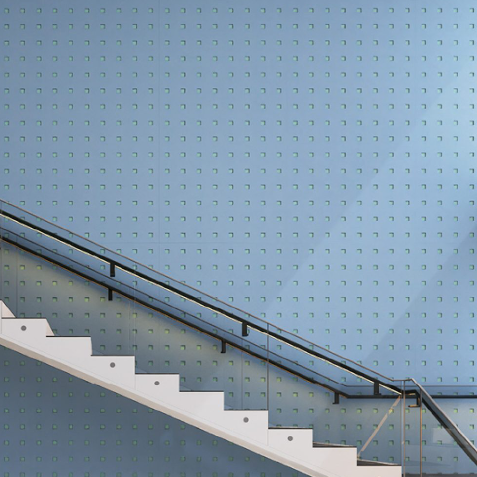
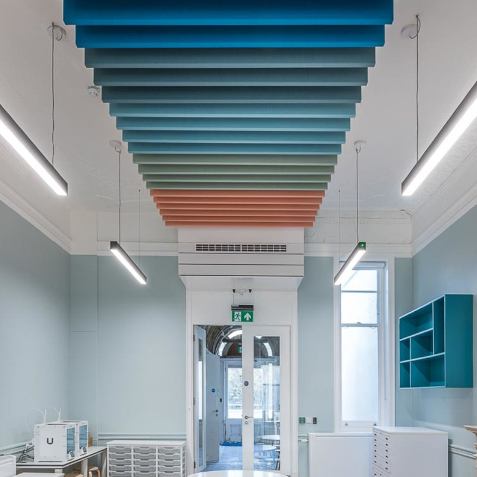
Class B (NRC 0.75 – 0.89)
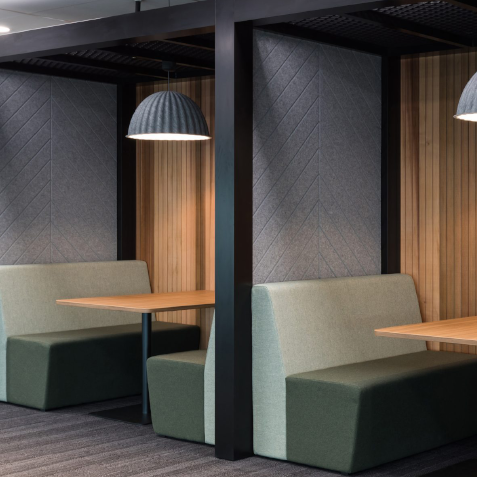
Very good absorption. Class B panels perform well in spaces with moderate reverberation where strong acoustic control is needed but the extreme treatment of Class A isn’t required. They are commonly specified where speech clarity is important but the space isn’t severely reverberant.
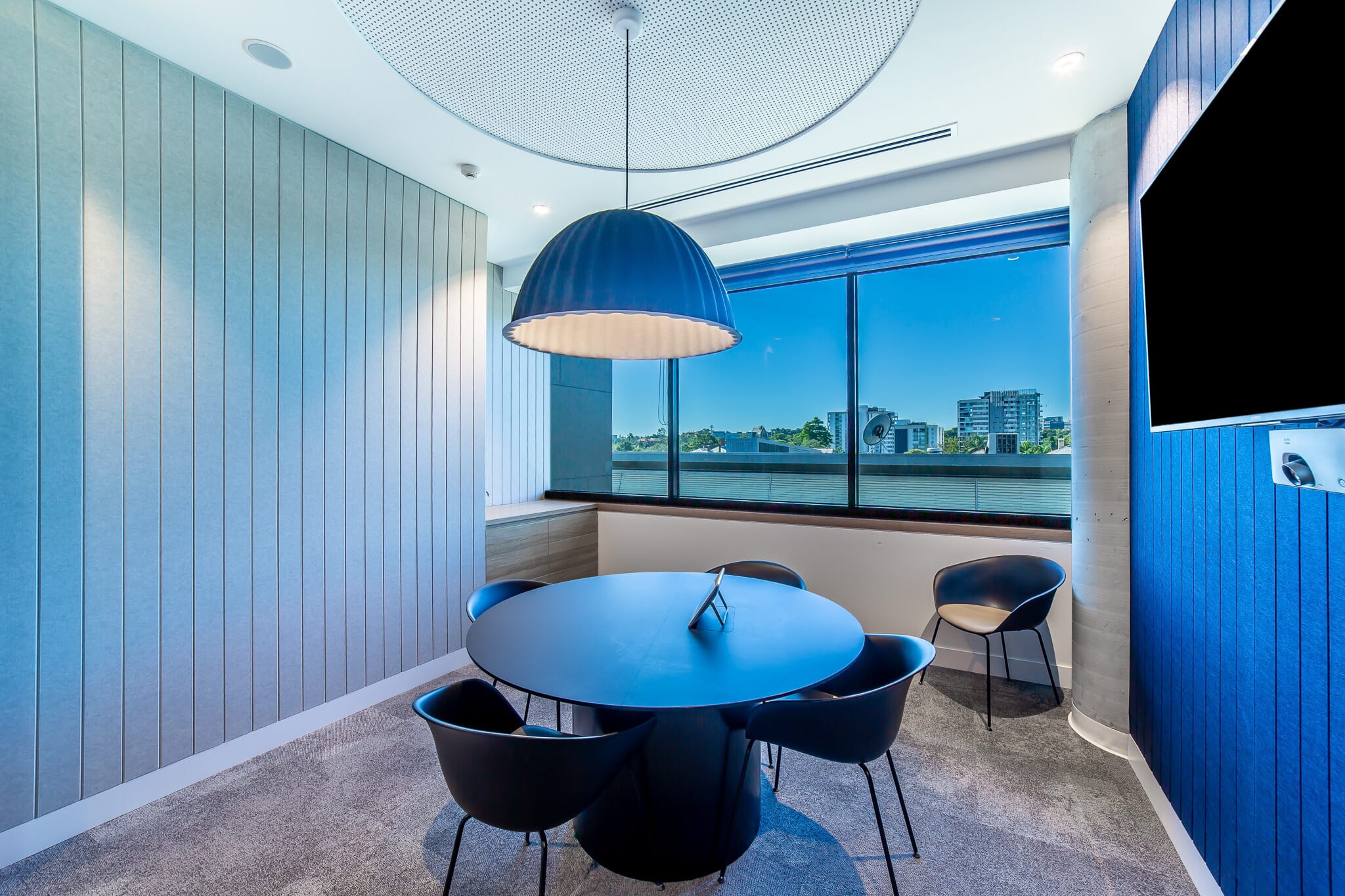
Best for: Offices, meeting rooms, classrooms, residential spaces and circulation areas.
Acoustic wall panels with Class B absorption:
Acoustic ceiling panels with Class B absorption:


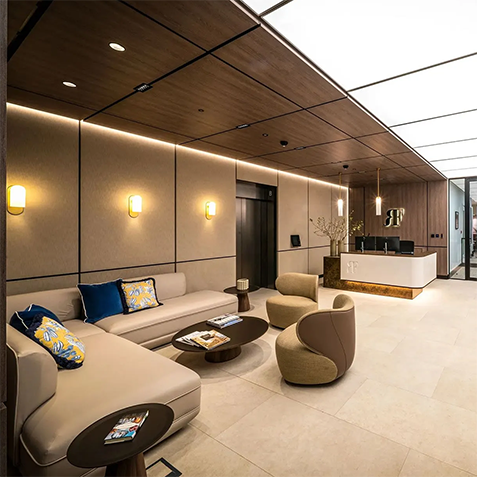
Class C (NRC 0.60 – 0.74)
Good absorption. Class C panels offer a meaningful level of treatment and are well suited to spaces where reverberation is present but not severe.
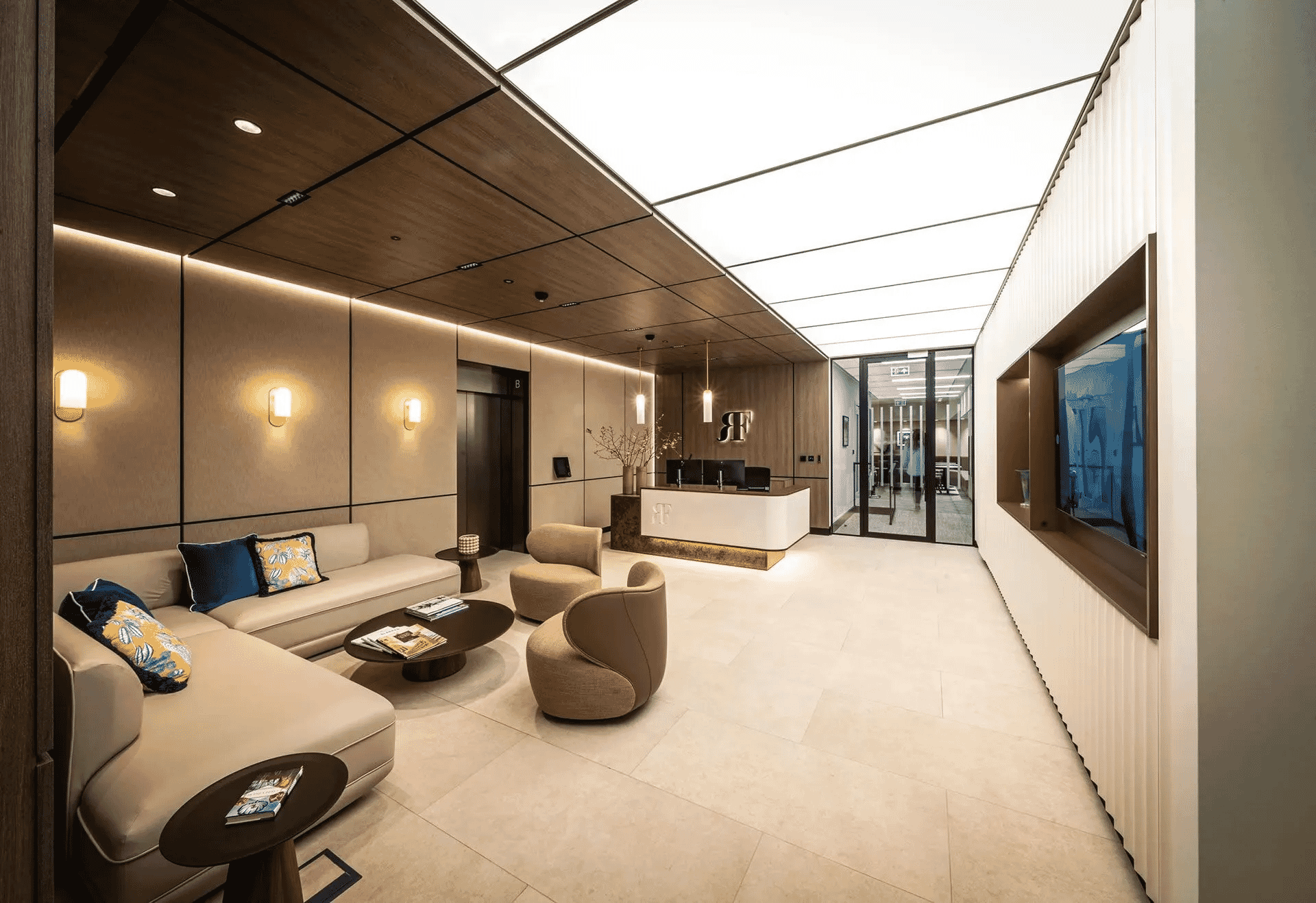
Best for: Smaller meeting rooms, private offices, corridors, residential spaces, reception areas.
Acoustic panels with Class C absorption:
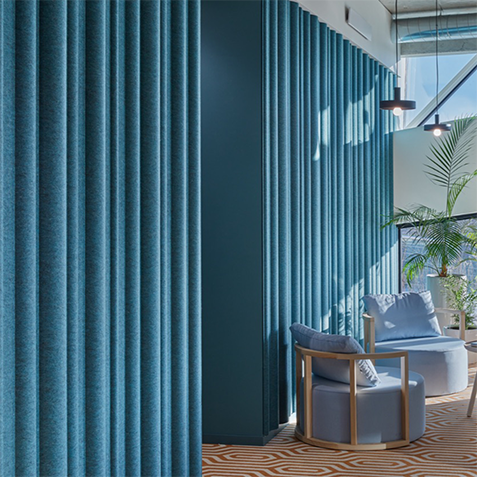
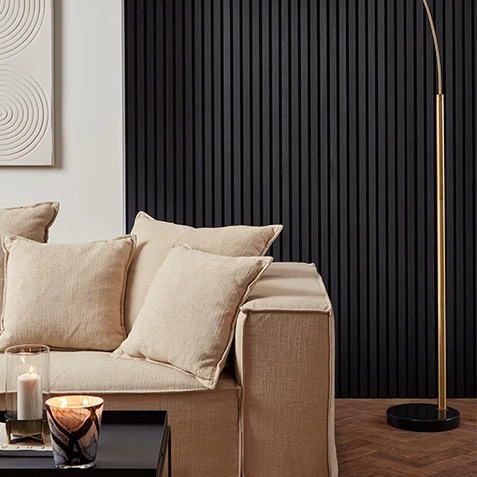
Class D-E (NRC 0.15 – 0.55)
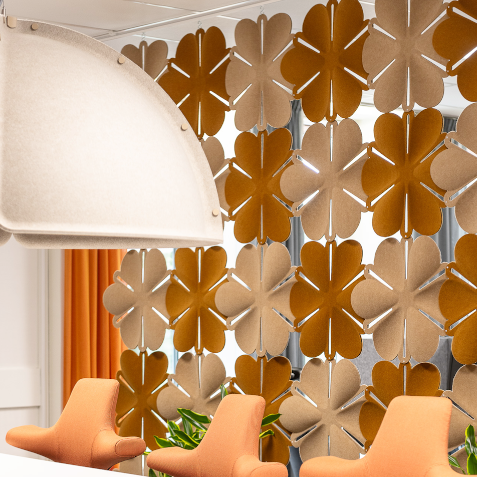
Limited absorption. Products in this range are typically selected for their visual or design qualities rather than acoustic performance alone. That said, when used as part of a broader treatment strategy, combined with higher-performing panels, Class D and E products can still contribute to the overall acoustic outcome.
Best for: Acoustic screens, decorative wall features and room dividers.
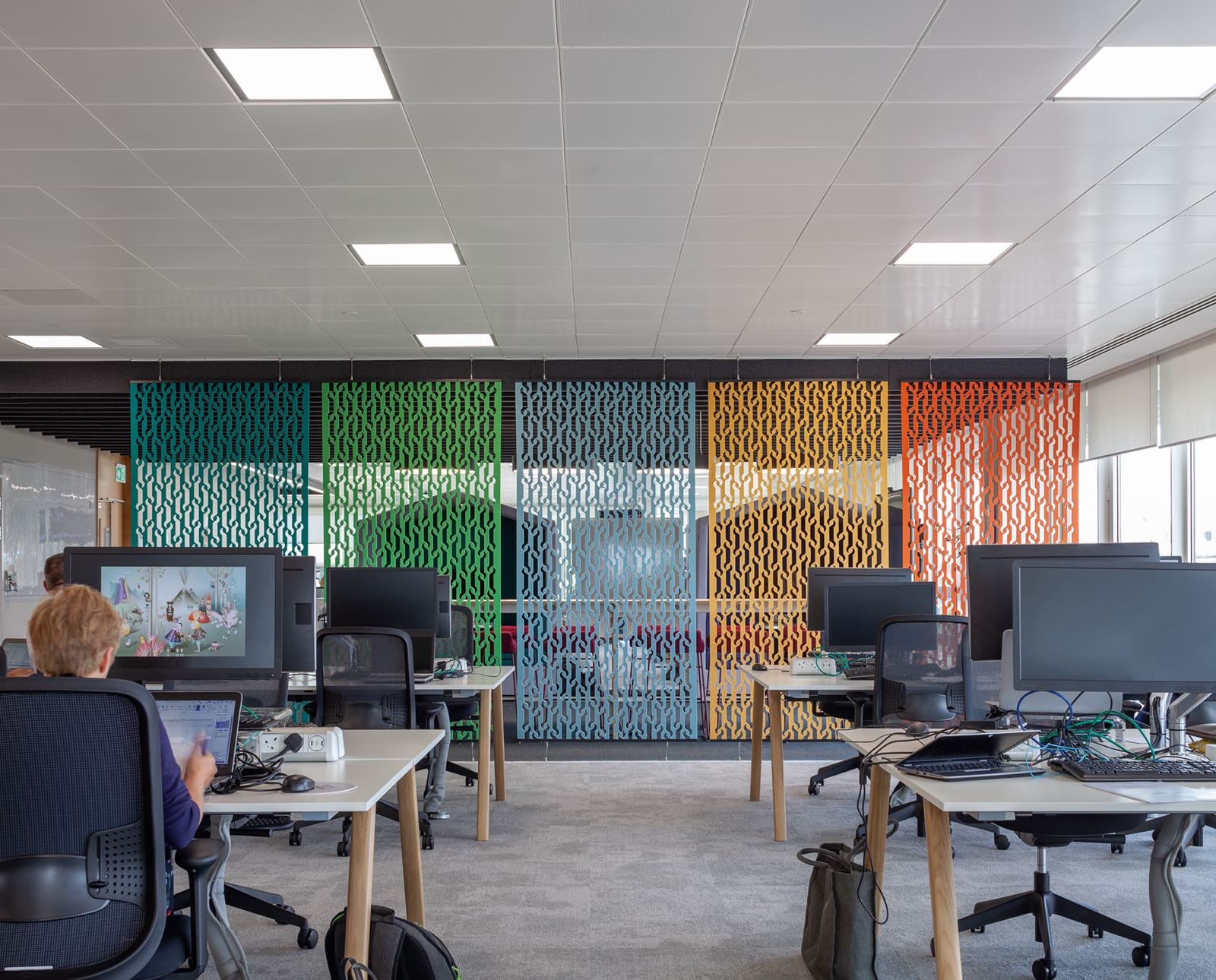
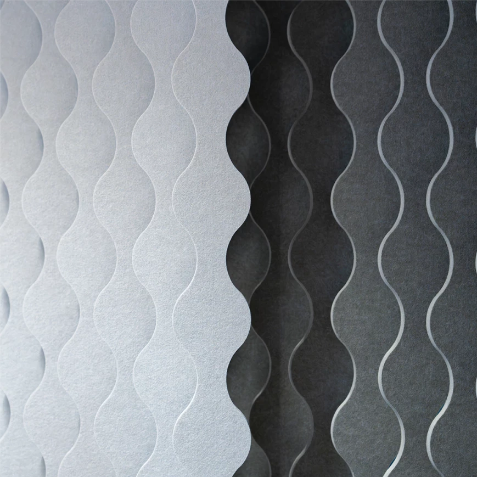
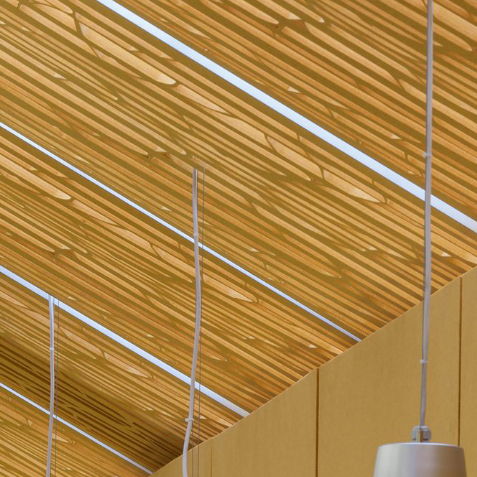
Products with Class D and Class E absorption:
|
|
|
Need guidance? We’re here to help
Choosing the right acoustic solution shouldn’t feel complicated. That’s why we offer free, no-obligation acoustic surveys, either in person or remotely. We’ll:
- Assess your space
- Calculate what’s required
- Recommend the right absorption class
- Provide a clear, tailored treatment plan
Whether you’re looking to reduce echo, improve speech clarity or create a more comfortable environment, we’ll help you strike the perfect acoustic balance.

Article Author
Rupert Nahum
Company Director
22nd Aug 2025