
7 Minute Read
What is Reverberation Time? Resonics Guide to RT60
Reverberation time (RT60) measures how long sound lingers in a room. Learn what it means, why it matters for interior acoustics, and how to achieve the right RT for your space.

Mark Irwin
7th Jul 2025
Categories
Guide
Reverberation time is one of the most important concepts in interior acoustics.
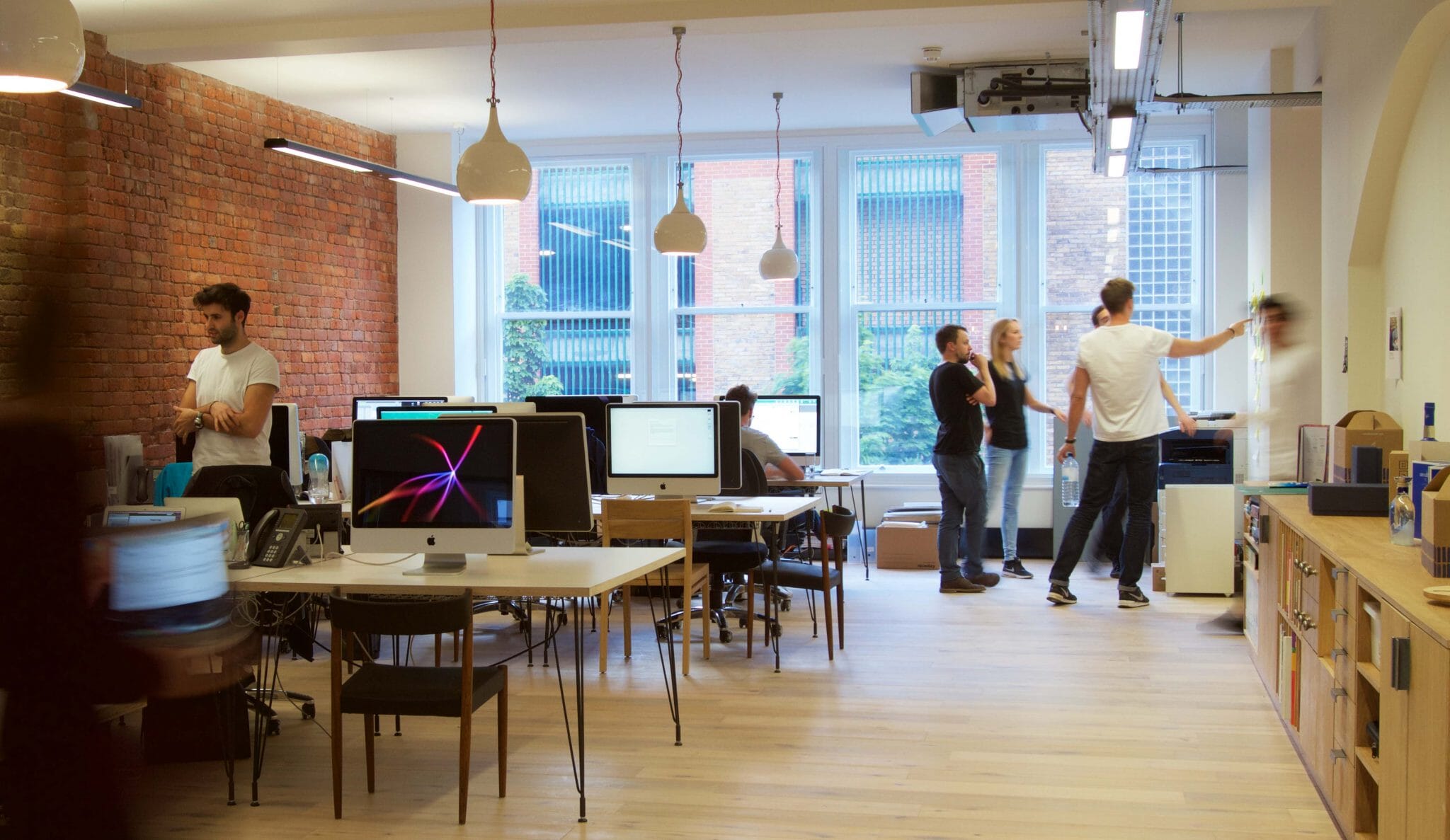
Whether you’re an architect specifying a new build, a facilities manager dealing with a noisy open-plan office, or simply trying to understand why your restaurant sounds like a canteen, RT is the metric that explains what’s happening, and points the way to a fix.
What is reverberation time (RT60)?
Reverberation time, often written as RT or RT60, measures how long it takes for sound to decrease by 60 decibels after the original source stops. In practical terms, it’s the amount of time sound continues to bounce around a room after someone stops speaking or a noise stops.
You may come across other measures but for most interior acoustic work, RT60 is the standard we use.
Recommended reverberation times by room type (updated 2026)
After 10 years in business and over 7,000 projects completed, we’ve updated our recommended RT ranges.
The original figures below aren’t wrong, they reflect widely accepted compliance thresholds and remain valid minimum targets.
The figures below are Resonics’ recommended design targets for typical occupied spaces. They are intentionally more demanding than minimum compliance standards, where speech intelligibility, comfort, hybrid meetings or inclusive learning are important. Exact targets should be confirmed against room volume, use, occupancy, background noise, audio system design and relevant standards such as BB93, Approved Document E, BS EN ISO 3382 and project-specific AV requirements.
| Room Type | Previous RT | 2026 Updated RT |
| Open Plan Office | <1.0s | 0.5 – 0.8s |
| Enclosed Office | <0.6s | 0.4 – 0.6s |
| Meeting Room | 0.6 – 0.8s | 0.4 – 0.6s |
| AV/VC Room | <0.5s | 0.3 – 0.4s |
| Primary/Nursery Classroom | <0.6s | 0.4 – 0.6s |
| Secondary School | <0.8s | 0.5 – 0.7s |
| SEN/Hearing sensitive teaching space | <0.4s | |
| Lecture Hall | <1.0s | <0.8s |
| Theatre/Auditorium (speech led) | 1.5 – 2.0s | 0.8 – 1.2s |
| Theatre/Auditorium (music led) | 1.5 – 2.0s | 1.2 – 1.6s |
| Assembly Hall | 0.8 – 1.2s | 0.8 – 1.0s |
| School Corridor/Stairwell | <1.5s | <1.5s |
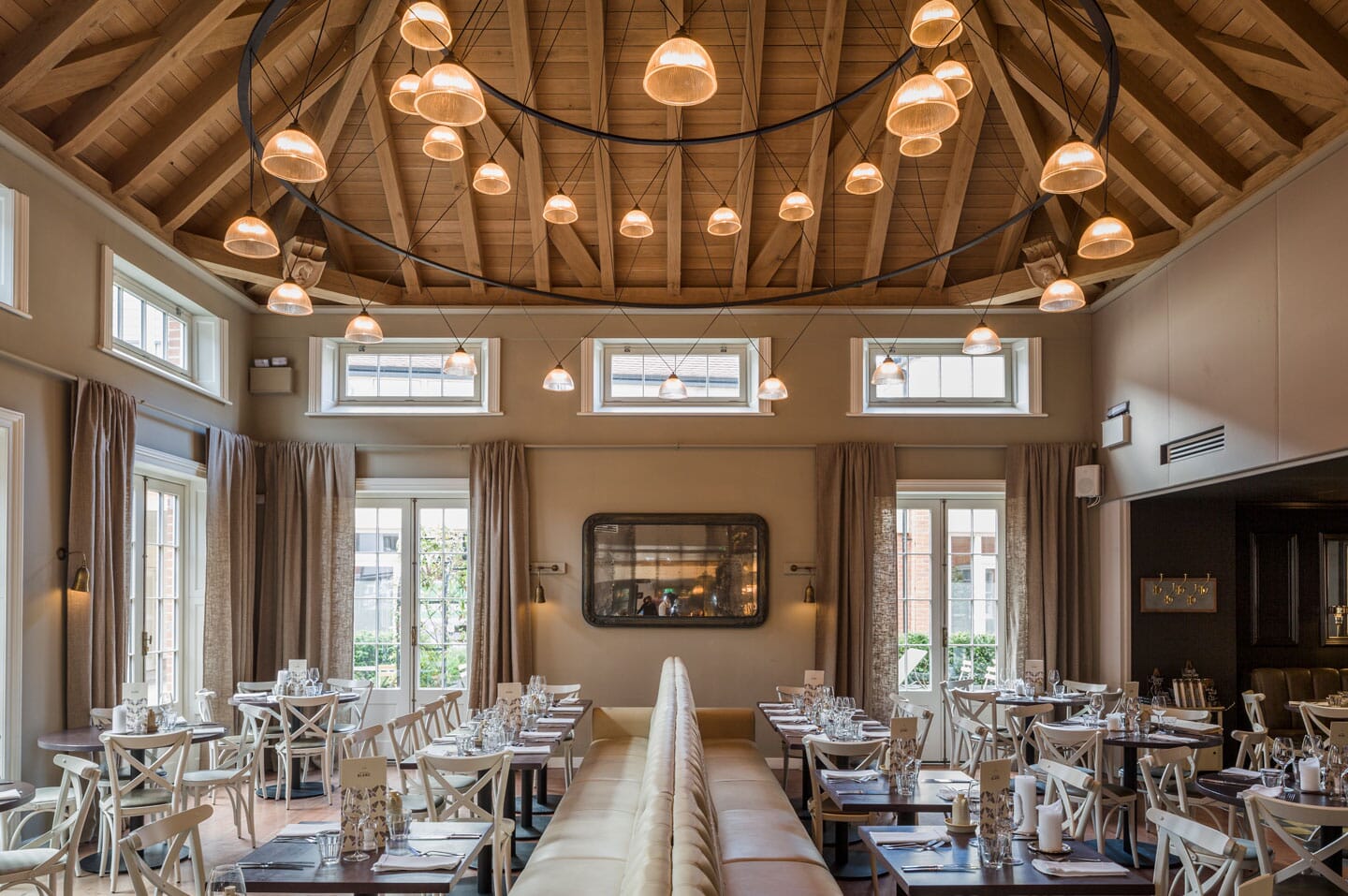
| Dining Room/Canteen | <1.0s | 0.6 – 0.8s |
| Restaurant | <1.0s | 0.6 – 0.8s |
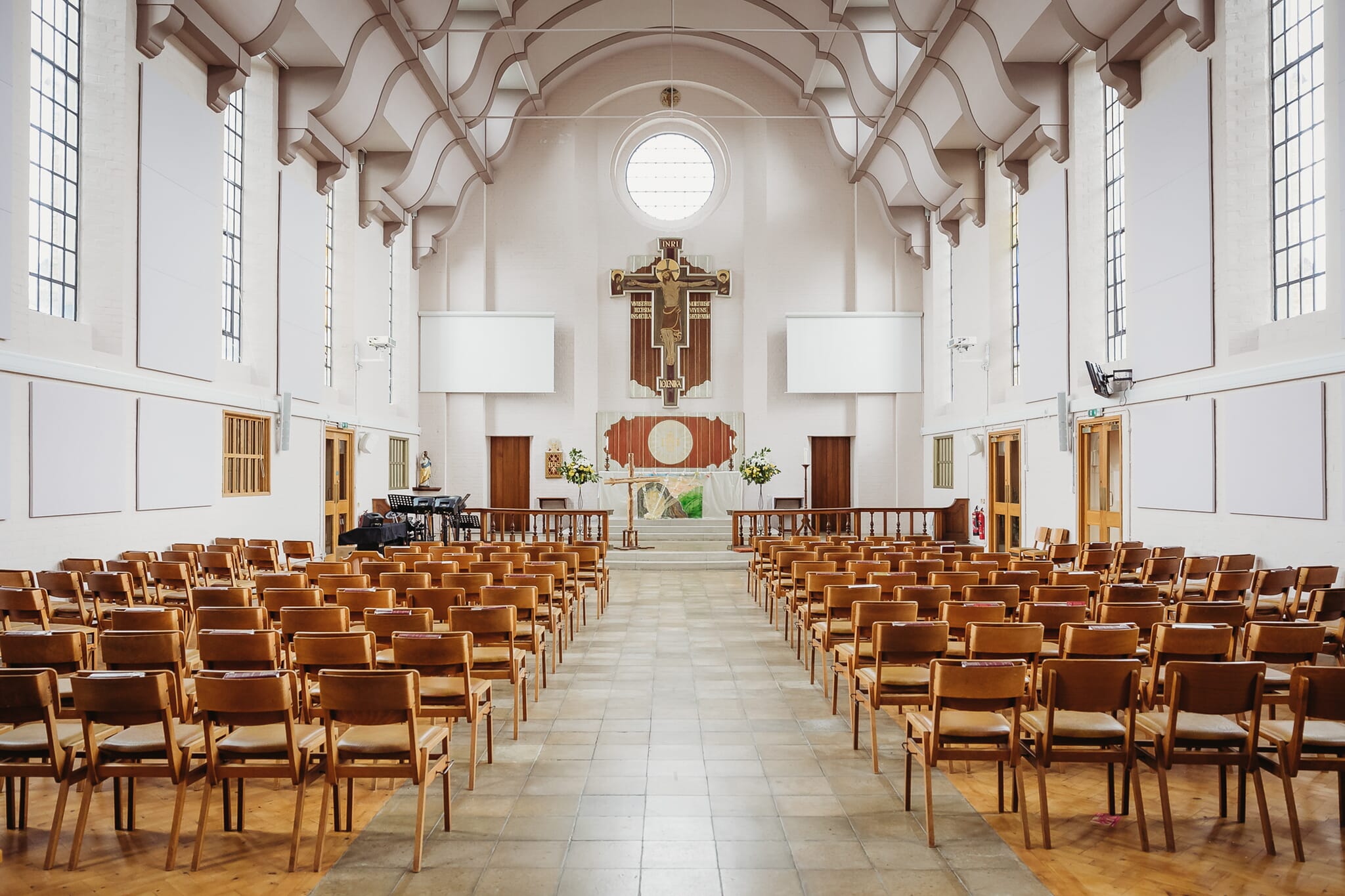
| Church/Village Hall | <1.5s | 0.8 – 1.2s |
| Library | <1.0s | 0.6 – 0.8s |
| Swimming Pool | <2.0s | 1.5 – 2.0s |
| Call Centre | <0.8s | 0.4 – 0.8s |
| Cinema | 0.8 – 1.2s | 0.4 – 0.8s |
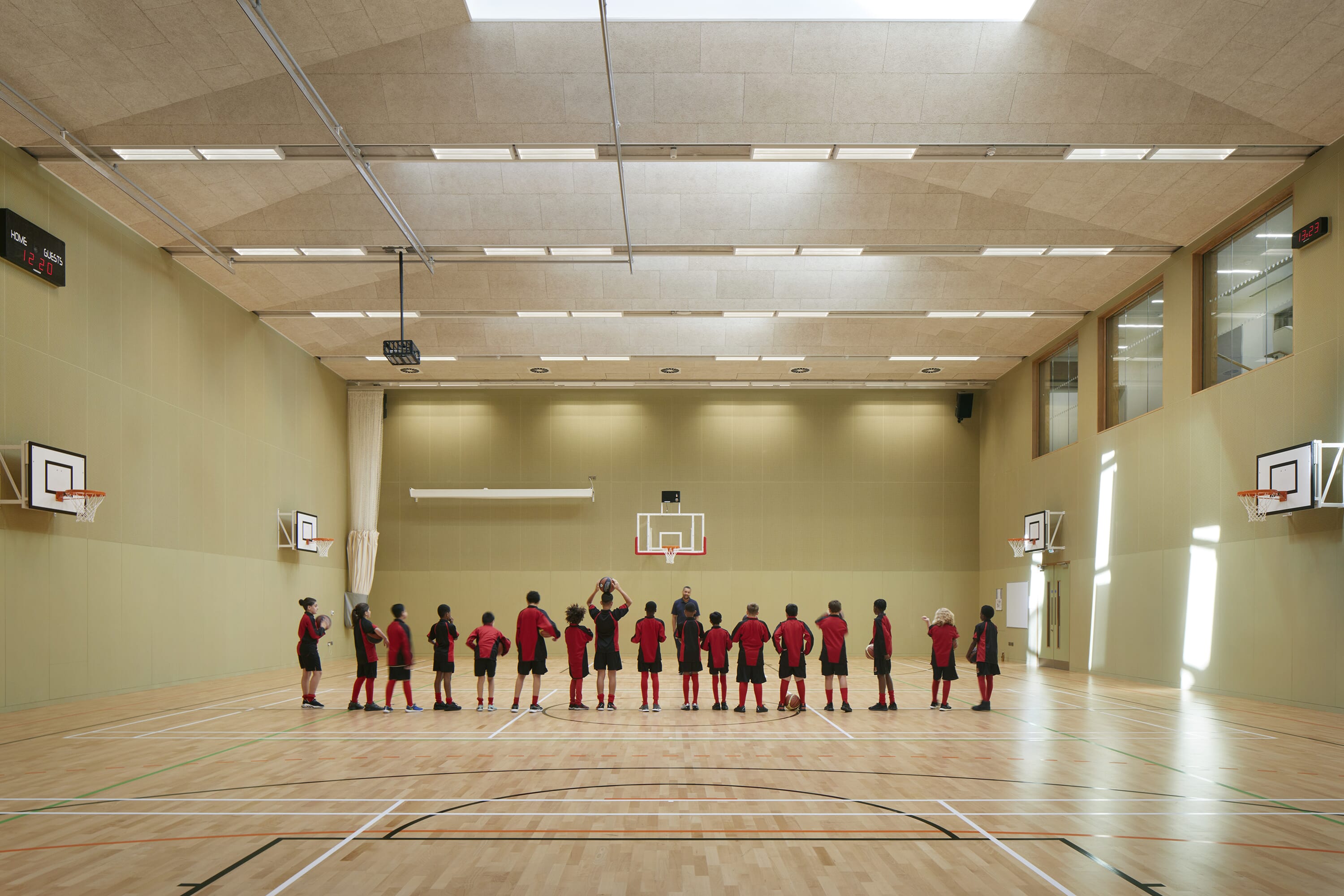
| Sports Hall | <1.5s | <1.5s |
These are starting points, not fixed rules. The right target for any space depends on its size, use and the people in it.
Why does reverberation time matter?
A room’s RT directly affects how comfortable and functional it is for the people using it.
Speech intelligibility is the most immediate impact. When RT is too long, sound waves from one syllable are still bouncing around when the next syllable is spoken. Words blur together, conversations become effortful, and people raise their voices, which makes the problem worse.
Cognitive load and wellbeing are also affected. Research consistently links high-reverberance environments to increased stress, reduced concentration, and lower productivity.
In schools, excessive RT has been shown to affect learning outcomes, particularly for children with hearing difficulties or those learning in a second language.
What affects reverberation time?
Several factors influence how long sound lingers in a space:
Room volume
Larger rooms naturally have longer reverberation times. A cathedral and a boardroom behave very differently.
Surface materials
Hard, reflective surfaces (concrete, glass, plasterboard, timber floors) extend RT. Soft, porous materials (carpet, fabric, acoustic panels) absorb sound energy and reduce it.
Room geometry
Parallel, flat surfaces create flutter echo, a rapid repetition of sound that adds to perceived reverberance. Irregular shapes and angled surfaces help scatter and diffuse sound.
Furnishings and occupancy
People, upholstered furniture and soft fittings all contribute meaningful absorption. An empty open-plan office sounds very different to a fully occupied one.
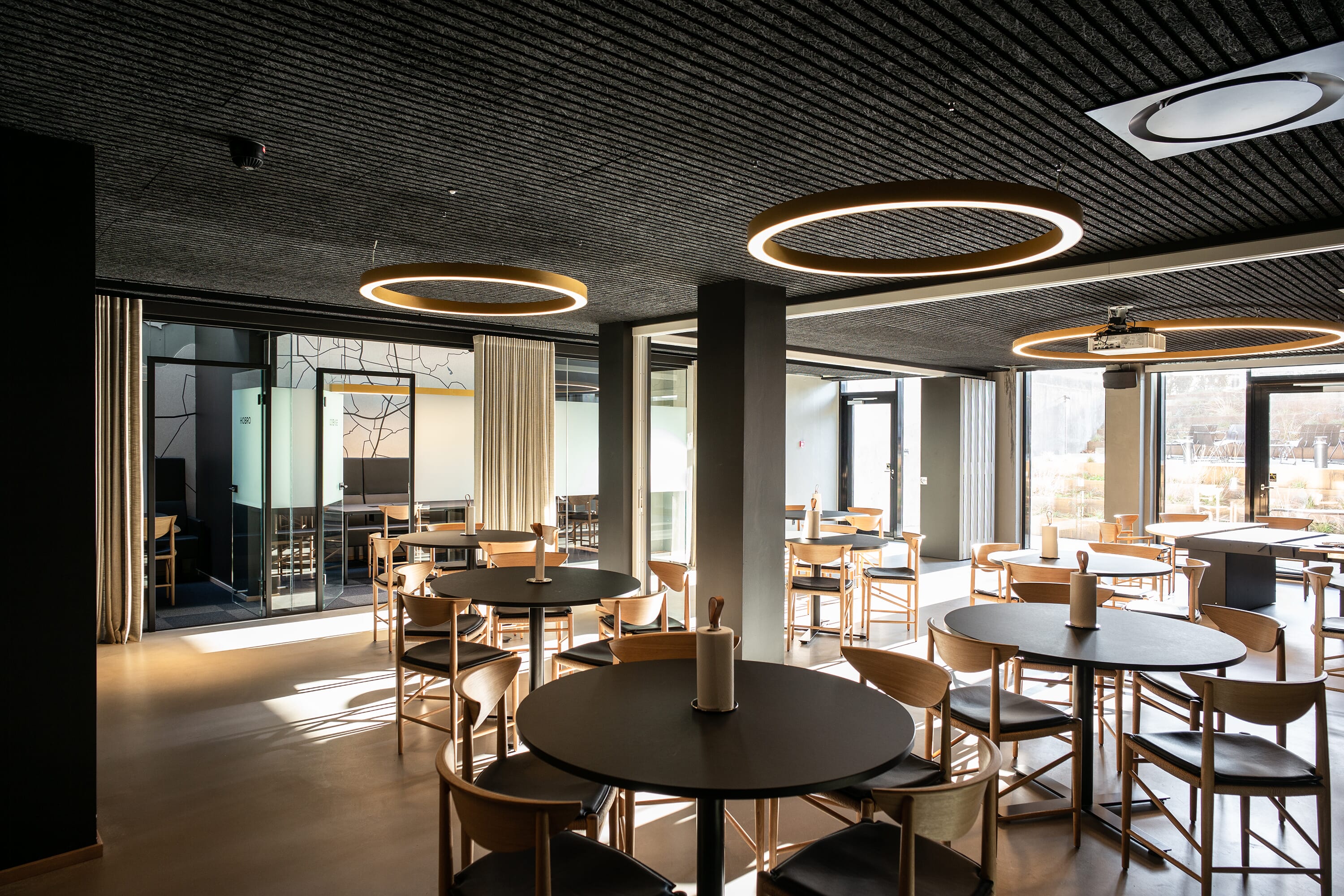
Despite the importance of reverberation time, there is still limited guidance on acceptable levels across different room types.
UK standards and guidance
In educational settings, Building Bulletin 93 (BB93) sets mandatory acoustic performance standards, including a maximum reverberation time of 0.8 seconds for general teaching spaces in new builds.
For workplaces pursuing green building certification, the WELL Building Standard provides useful acoustic benchmarks: a maximum of 0.6 seconds in conference rooms and 0.5 seconds in open-plan offices. These targets align closely with what we see delivering real comfort in practice.
Cisco’s 2024 workspace best-practice guide says video conferencing rooms should have RT60 values between 0.3s and 0.4s across 125Hz to 4kHz, and notes that acoustic requirements for VC rooms are stricter than ordinary rooms because problems may be most obvious to remote participants.
Outside regulated sectors, there is no single universal standard. That gap is exactly why Resonics has developed its own recommended RT ranges, built on over a decade of acoustic surveys across virtually every type of interior space.
How to reduce reverberation time
Once we know a room’s reverberation time, the solution is about introducing the right amount and type of sound absorption. Common approaches include:
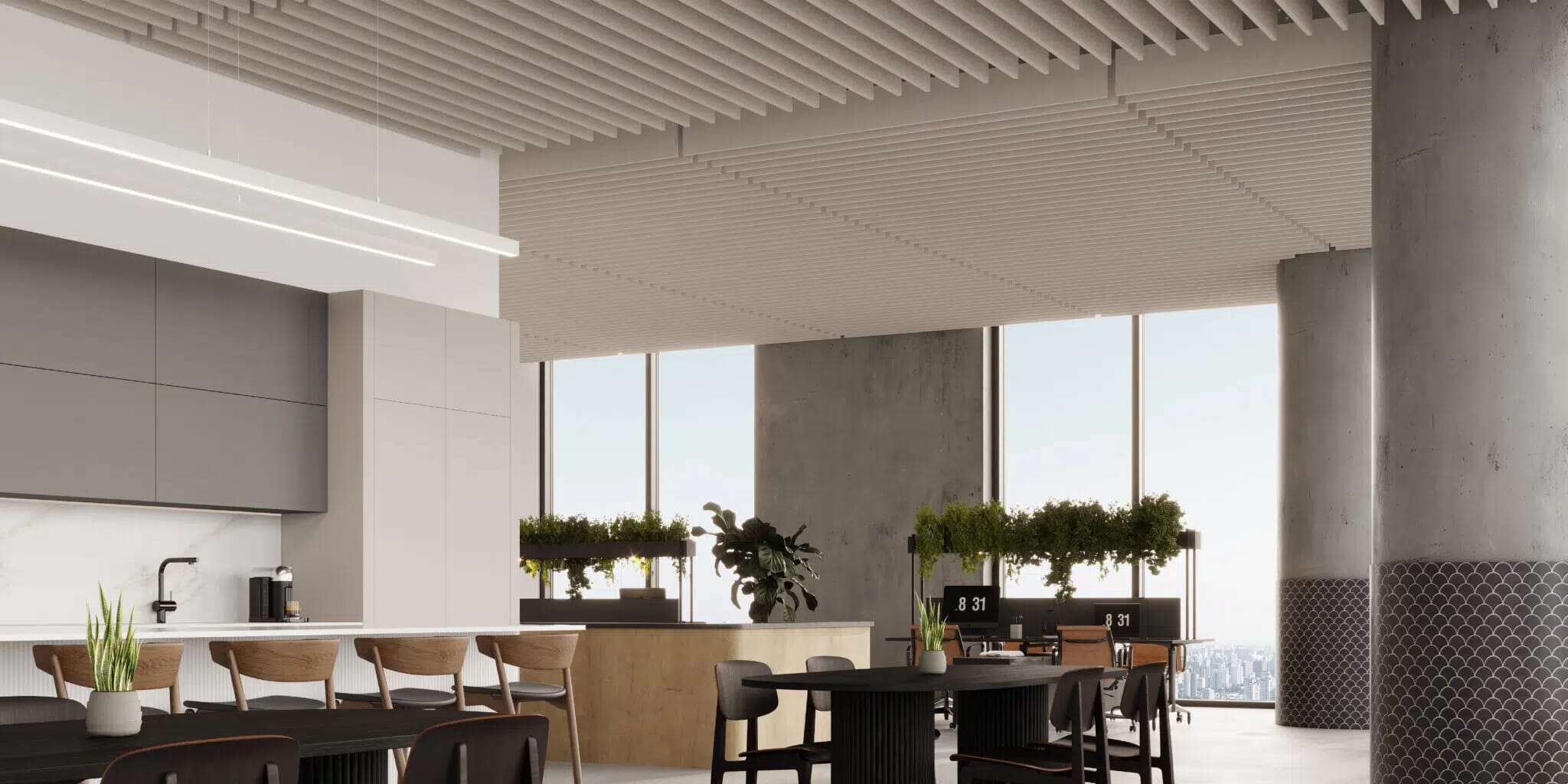
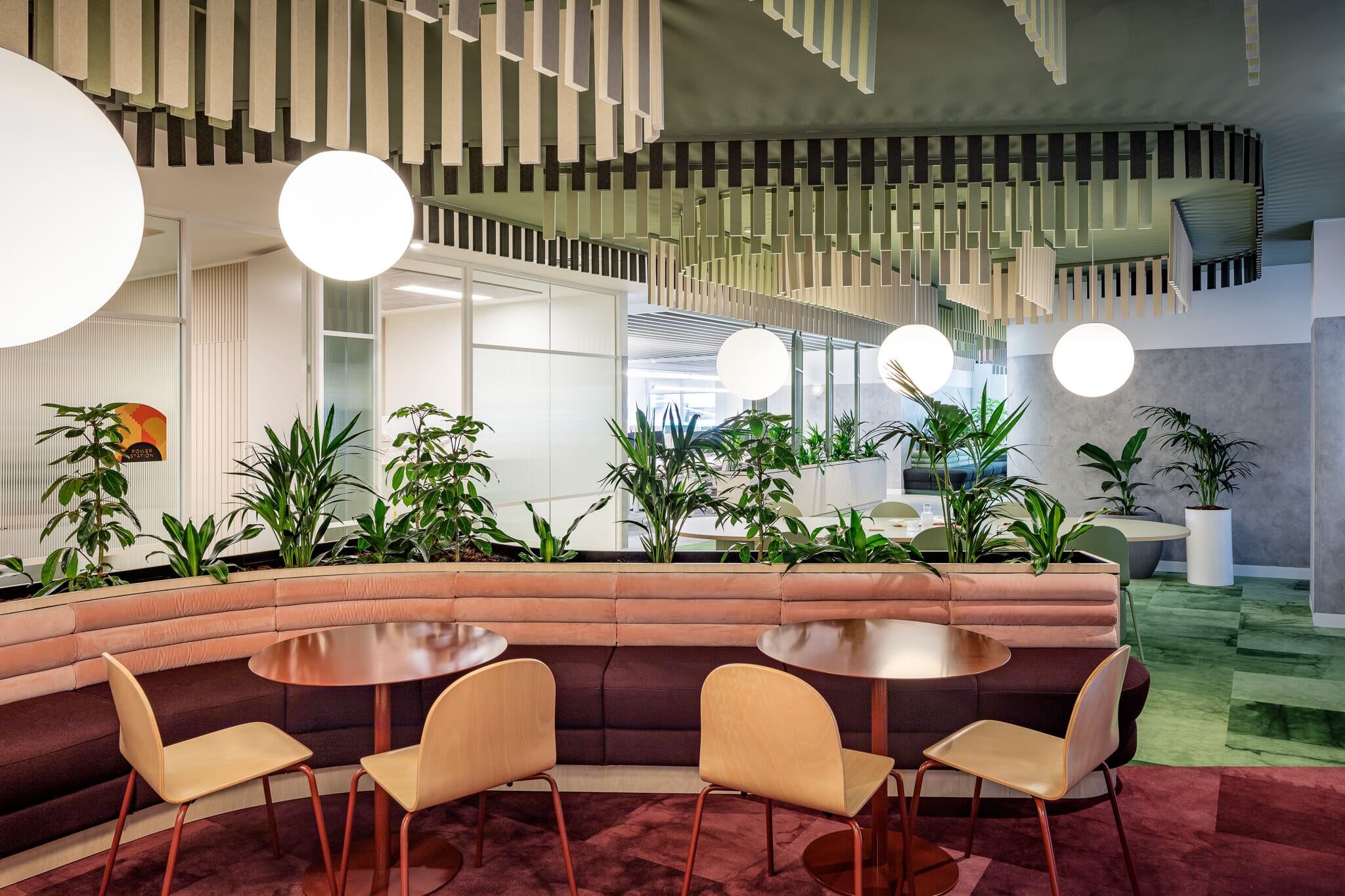
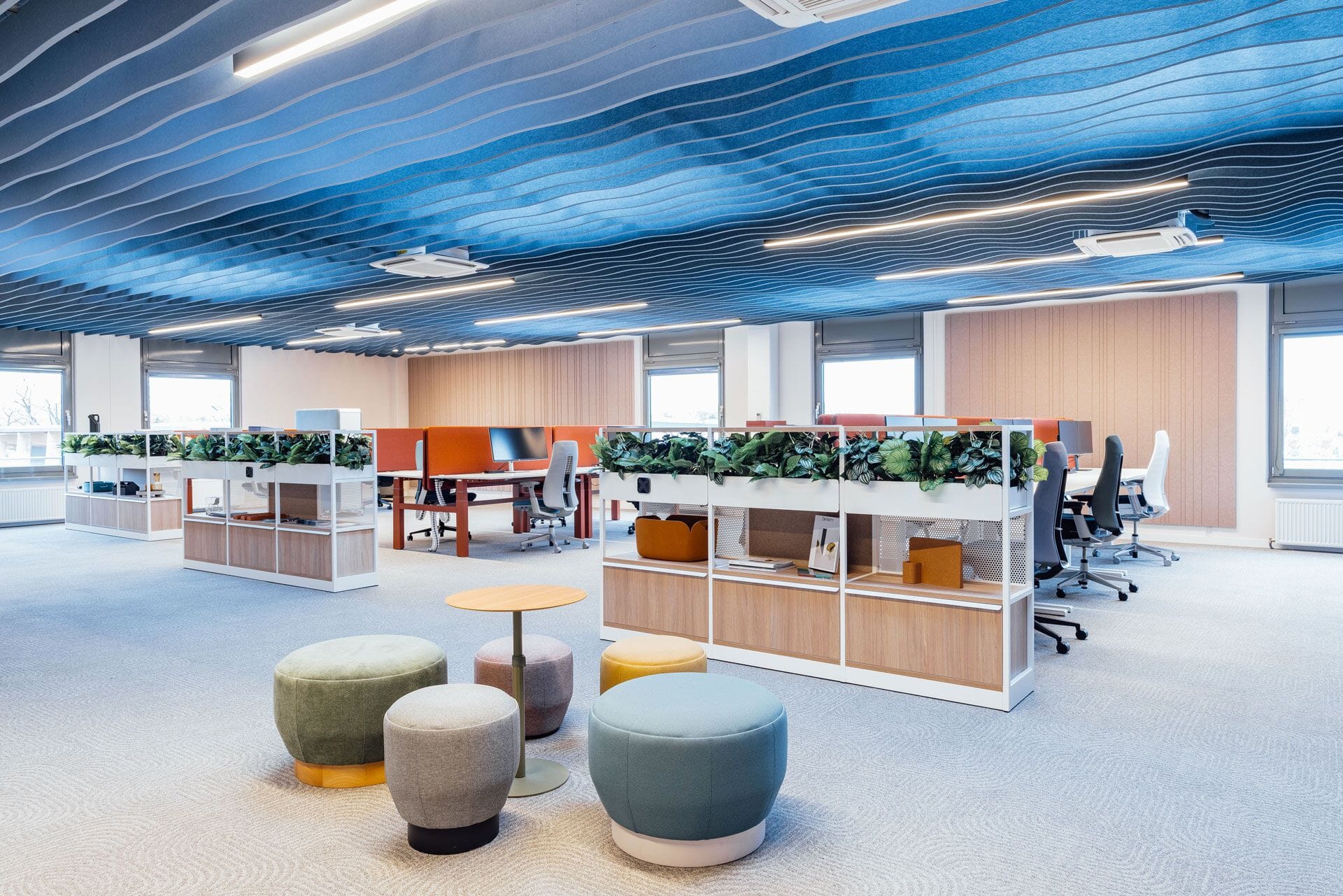
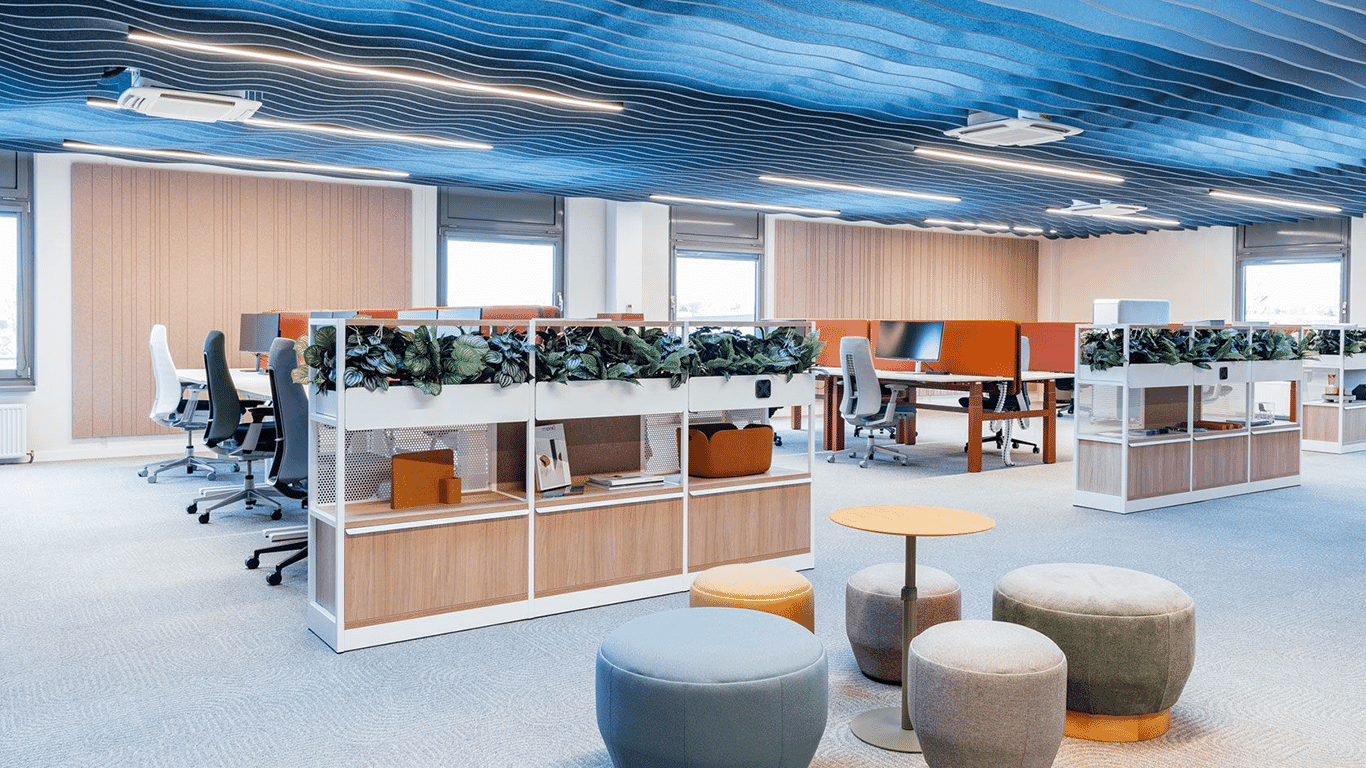
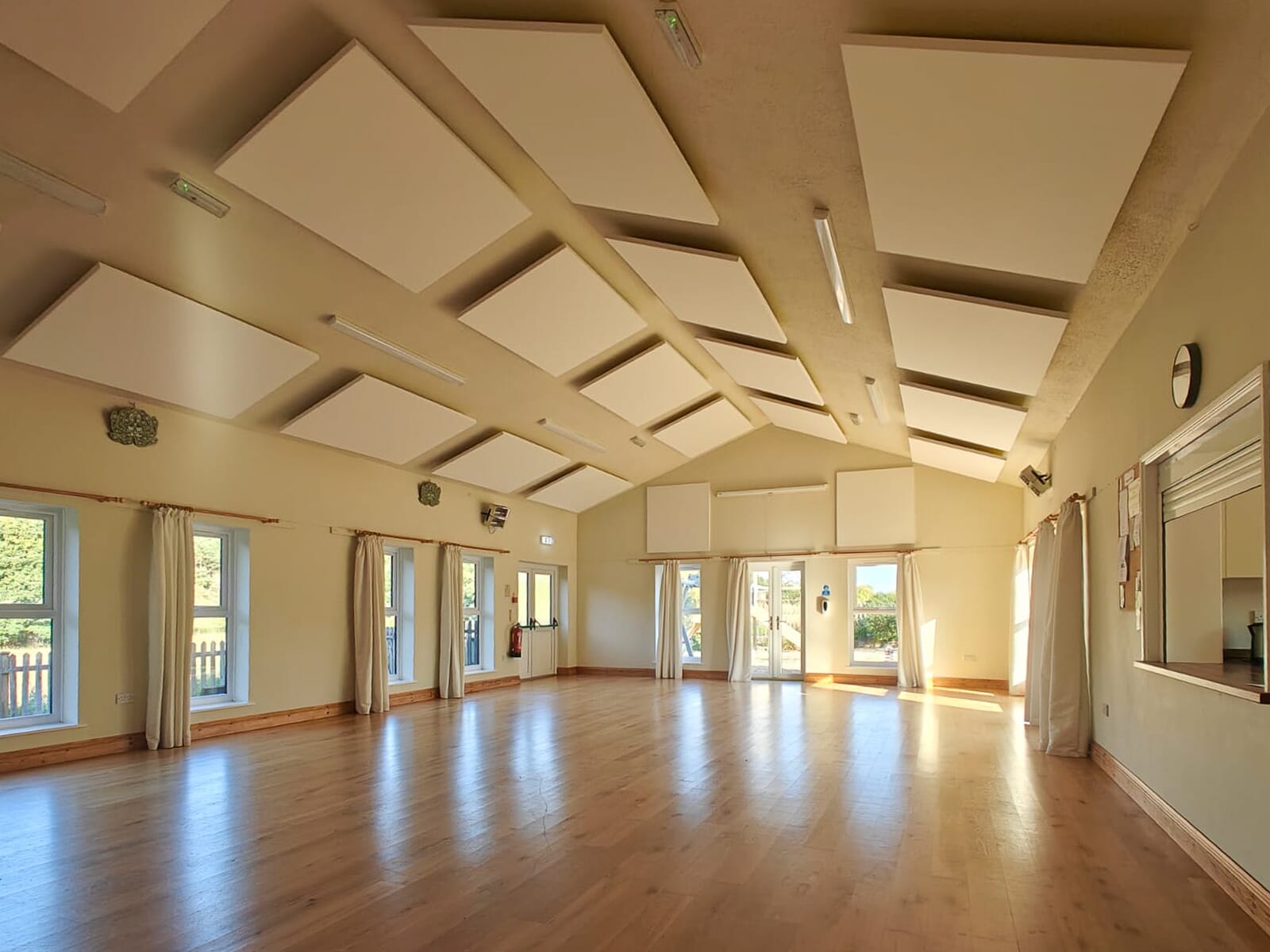
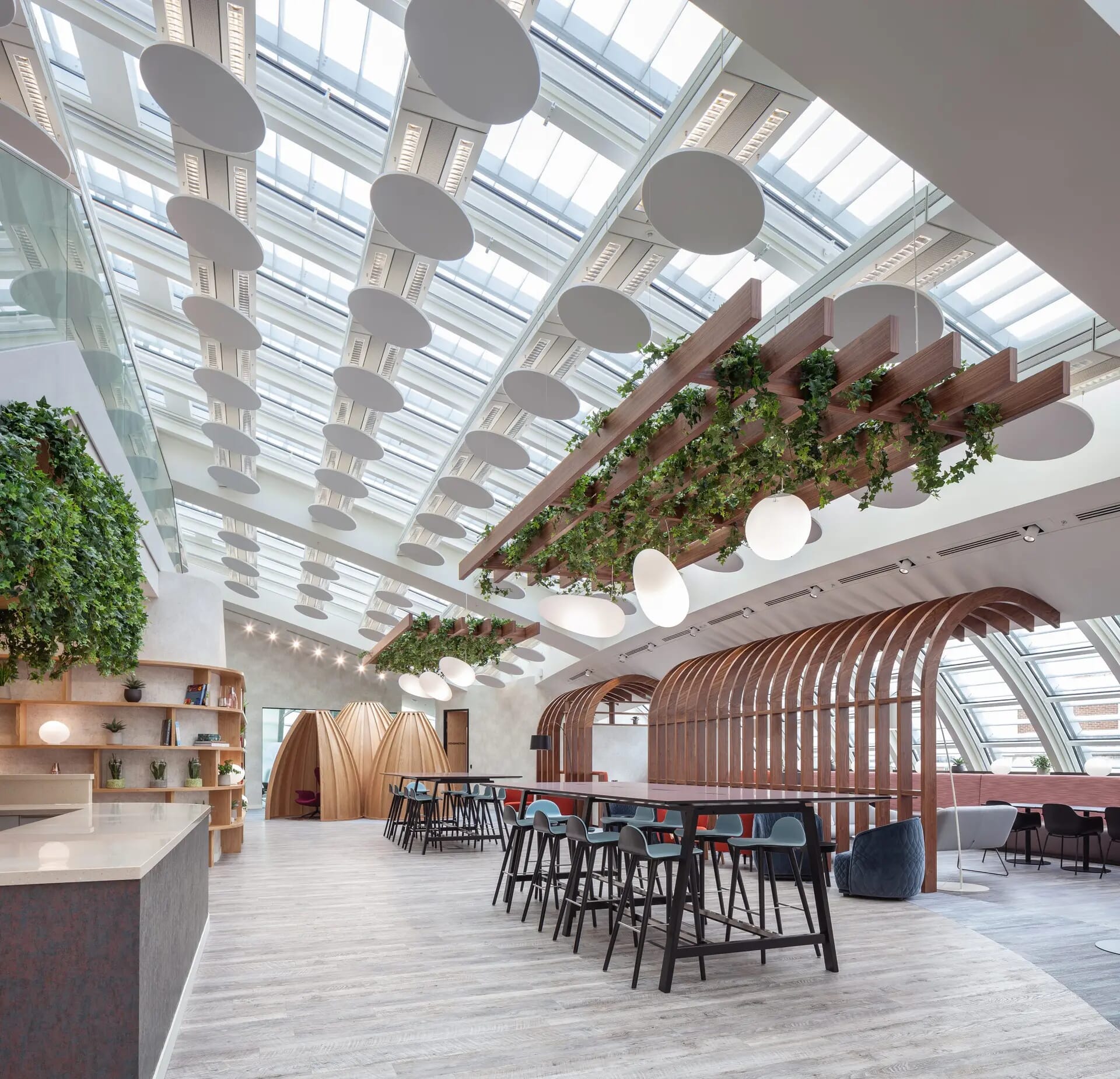
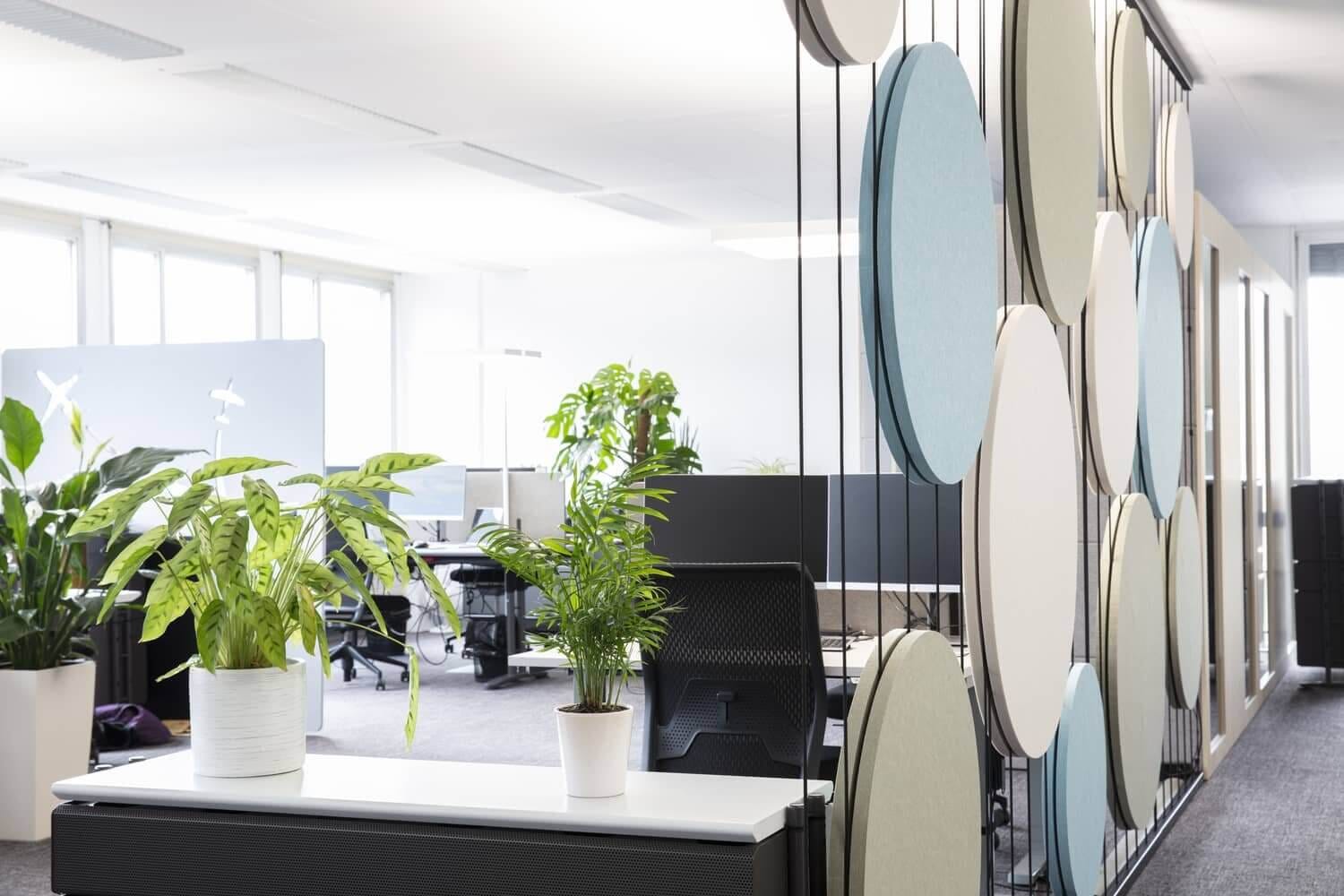
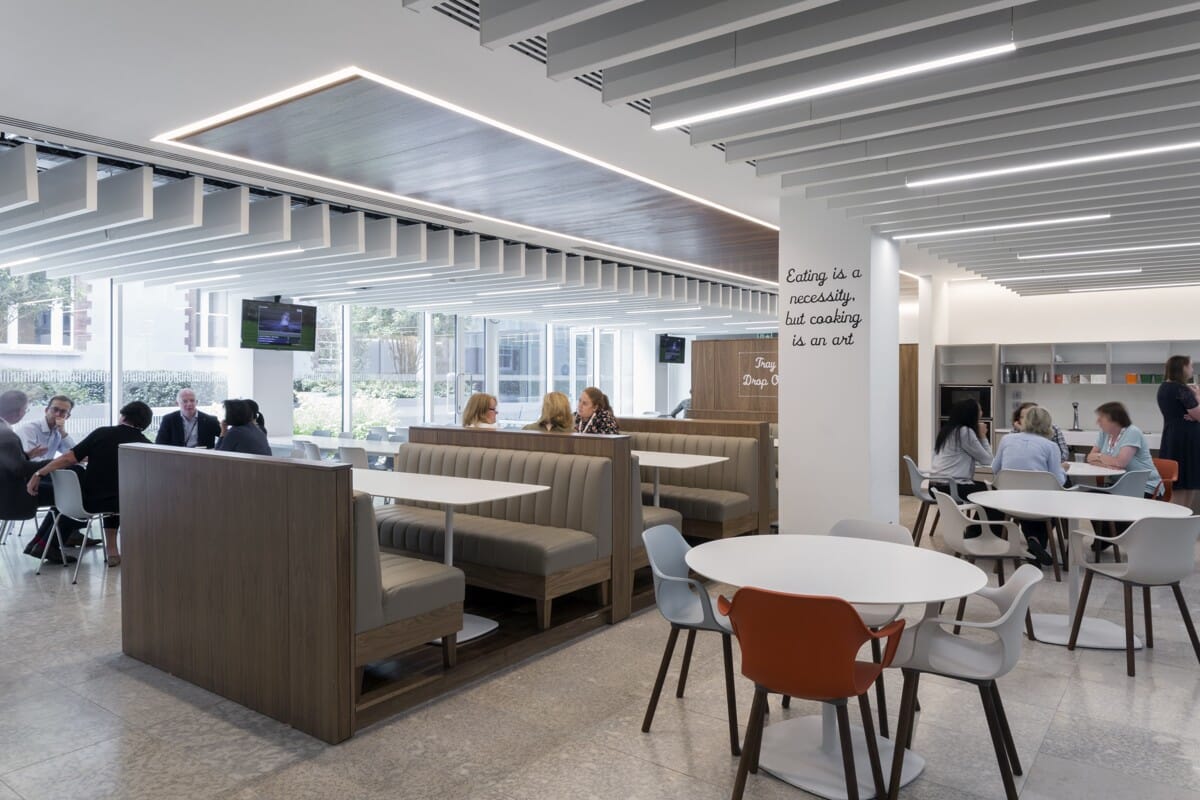
Ceiling rafts and baffles are one of the most efficient ways to add absorption without affecting usable wall or floor space.
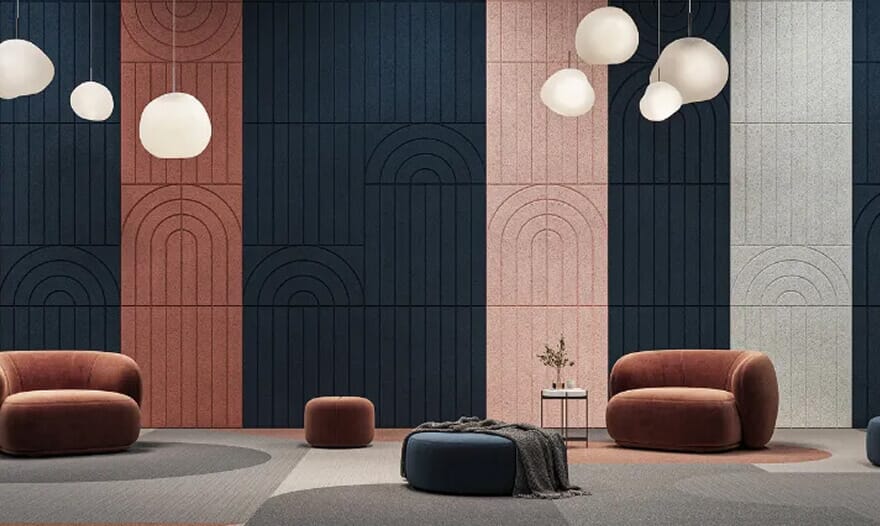
Fabric-wrapped acoustic panels, felt wall panels, and slatted timber systems can address specific reflection points while contributing to the overall acoustic comfort of a space.
Acoustic screens and pods can be introduced without any structural work, making them ideal for refurbishments or leased spaces.
The correct combination depends on the room’s current RT measurement, its volume, the target RT, and the aesthetic requirements of the project. This is exactly what our acoustic surveys are designed to establish.
Frequently asked questions
What does RT60 stand for?
RT60 is shorthand for reverberation time. It’s the time it takes for sound to decay by 60 decibels in a room after the source stops. The 60 refers to that 60 dB reduction.
What is a good reverberation time for an office?
For an open-plan office, a target RT of under 0.8 second is generally recommended. For enclosed offices and meeting rooms, 0.4 – 0.6 seconds tends to provide good speech intelligibility without the space feeling too quiet.
How is reverberation time measured?
RT is measured using a calibrated sound source and measurement microphone. A signal is emitted, stopped, and the rate of sound decay is recorded and analysed. Results are typically reported at multiple frequencies.
Can reverberation time be too short?
Yes. A very low RT, below 0.3 seconds in a workplace can make a space feel acoustically uncomfortable. Conversations can feel oddly close and fatiguing. The goal is always the right RT for the space, not the lowest possible one.
What’s the difference between reverberation and echo?
Echo is a distinct, audible repetition of a sound, you hear the original and then a clear copy. Reverberation is the accumulation of many reflections arriving so close together that they blend into a sustained trail of sound. Most interior acoustic problems are reverberation.
Article Author
Mark Irwin
Head of Marketing
7th Jul 2025