





5 Minute Read
Retirement Village and Care Home Acoustics: How acoustics support wellbeing in later living
Echo and background noise can make communal spaces in retirement villages and care homes tiring to spend time in, especially for residents who wear hearing aids. We look at how acoustics affect wellbeing in later living, the most common problems and the treatments that make shared spaces calmer and easier to be in.

Mark Irwin
12th Oct 2026
Categories
Advice
Why acoustic treatment matters in later living
We tend to judge a space by how it looks, but how it sounds affects us just as much, often without us realising. Constant background noise keeps the body in a low-level state of alert and over time, that ongoing stress can take a toll on wellbeing.
Calmer, quieter rooms help reduce agitation and stress from noise. For residents, that means communicating more clearly, joining in with activities and feeling at ease in shared spaces.
Hearing aids make noise much harder to cope with
A hearing aid makes sound louder, but it can’t separate a voice from the noise around it. In a reverberant room, everything gets amplified together. Adding sound absorption reduces how sound lingers in the space, which makes speech clearer and the room far more manageable for hearing aid users.
Good acoustics keep residents connected
Community is at the heart of later living. Shared meals, activities and chats in the lounge are what make a development feel like home. When conversation becomes an effort, residents tend to withdraw to their rooms or quieter corners and over time that affects the social life that retirement villages and care homes are built around. When echo is controlled and background noise softens, voices come through clearly and conversation can flow without strain.
Common acoustic challenges in retirement villages and care homes
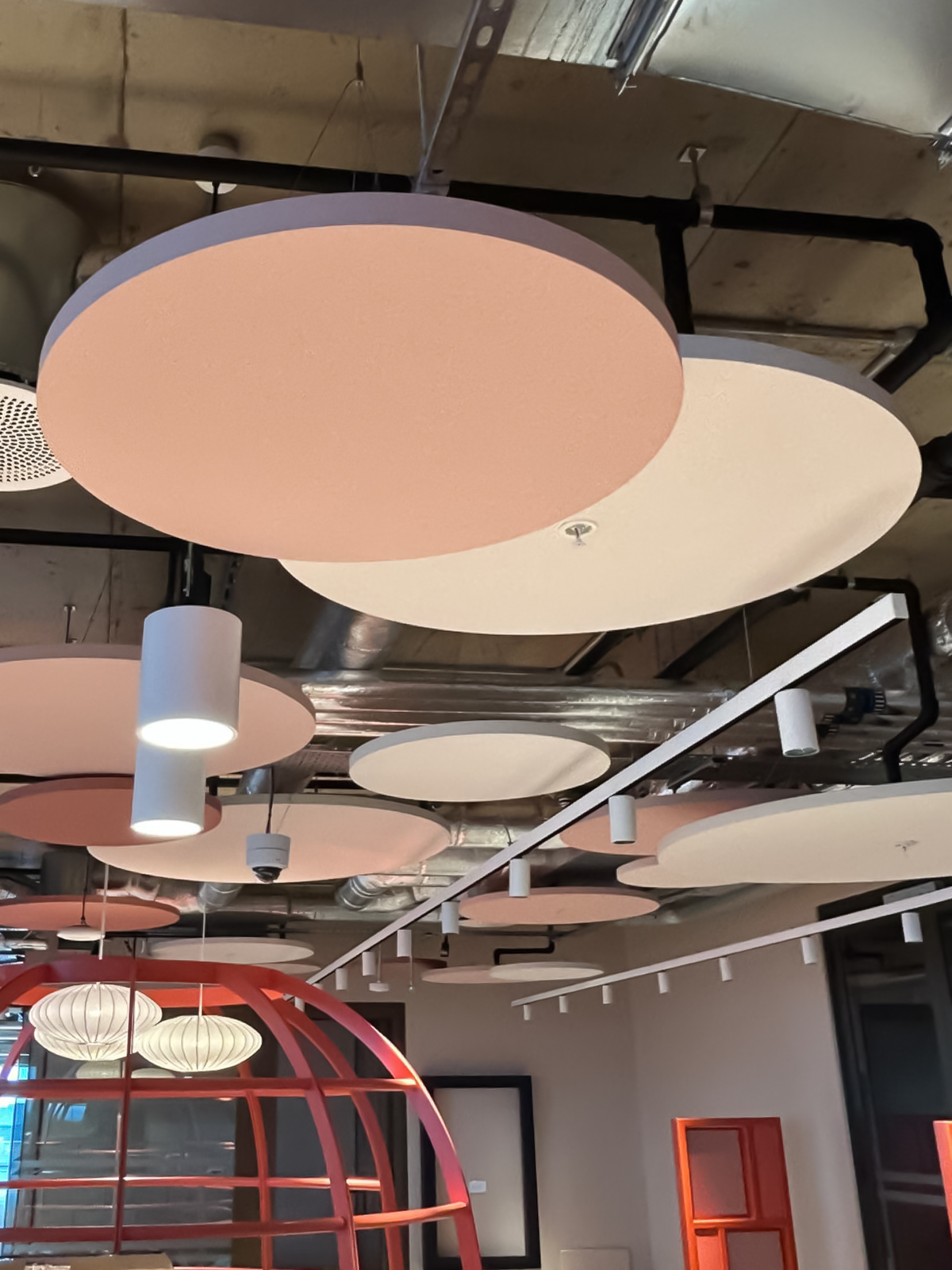
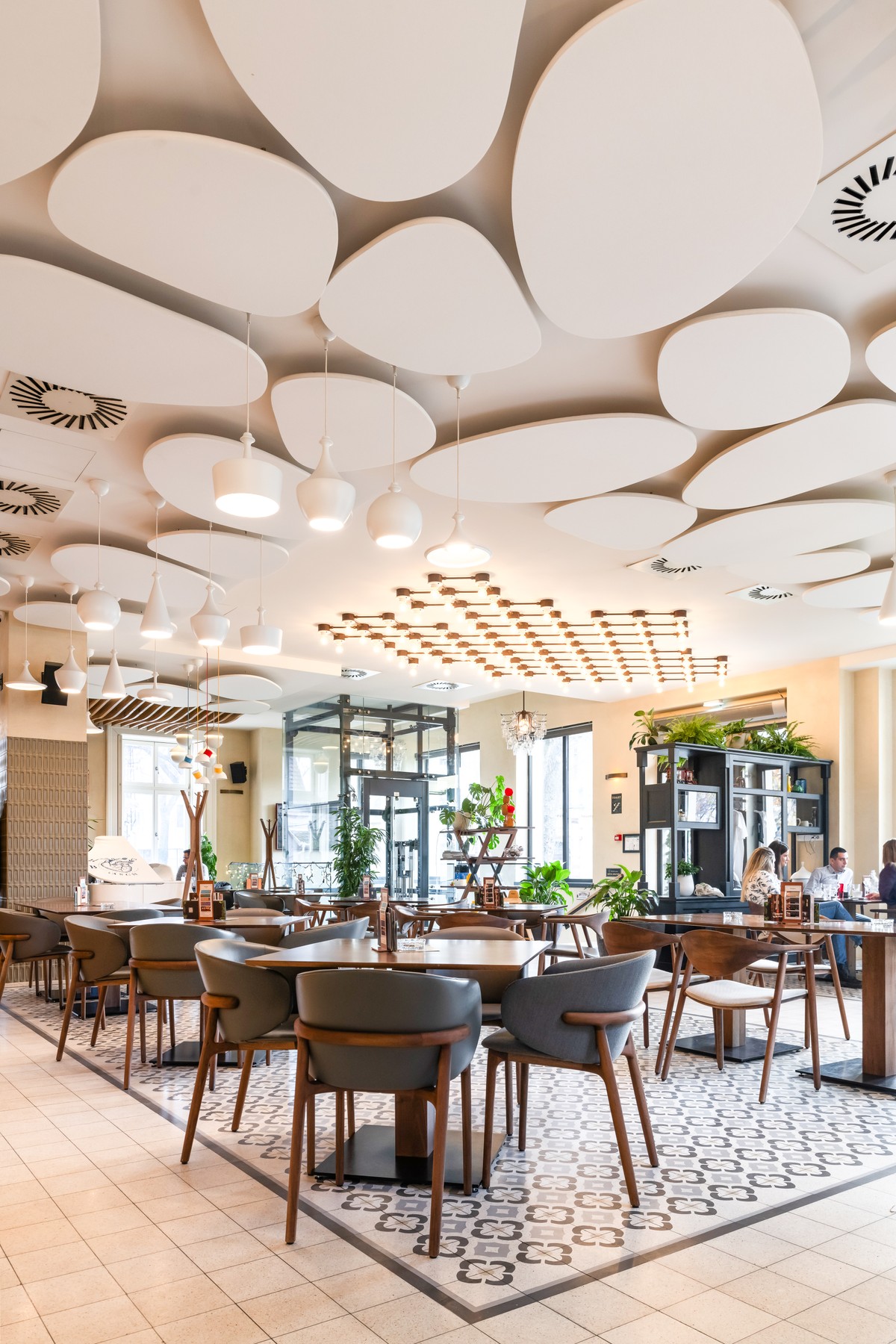
Minimal absorption. Hard floors, glazing, bare walls and plastered ceilings are practical and easy to clean but they all reflect sound straight back into the room.
Open-plan layouts. Combined lounge, dining and cafe areas are great for seamless social interactions, but noise from one zone spills into the next and builds up quickly.
High ceilings. The higher the ceiling, the longer sound lingers in the space, causing speech to blur together.
How to fix noise problems in retirement villages
Acoustic Survey
Effective treatment starts with understanding how a space performs and how it’s used. In communal areas of retirement villages, the ideal reverberation time is around 0.6 – 0.8 seconds. At this level, noise stays comfortable, conversations flow naturally and voices don’t have to compete with the room.
With our acoustic survey, we analyse your space and measure reverberation time to understand how your space performs. This tells us exactly where absorption is needed and how much.
Our approach focuses on where sound gathers and reflects, usually the ceiling, corners and parallel walls. Treating these key points controls how sound moves through the space.
Treat the ceiling
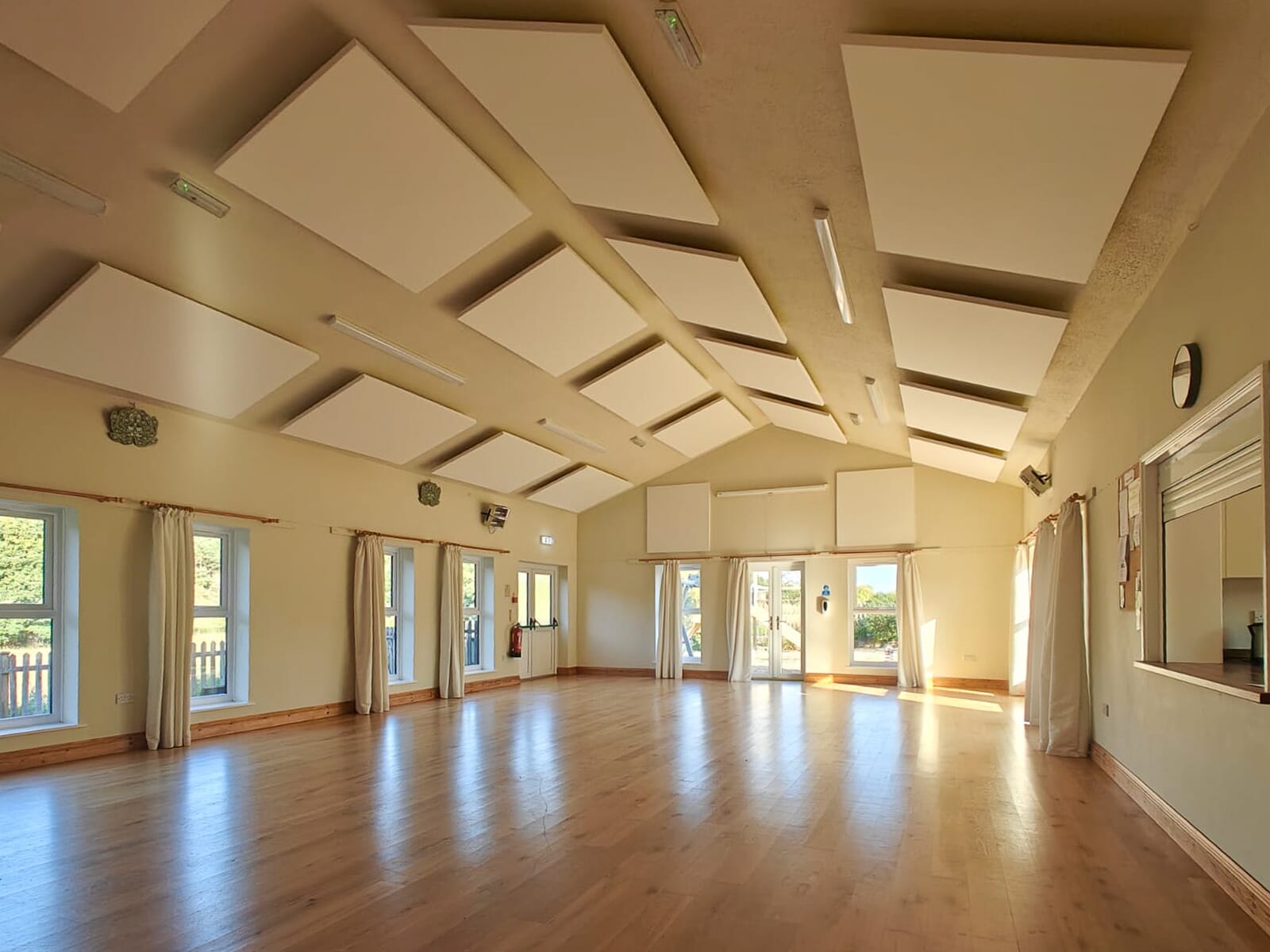
The ceiling is usually the largest untreated surface in a room and the most practical place to add absorption. Ceiling treatment doesn’t interfere with layouts, furniture or mobility aids and it tackles reverberation across the whole space.
Add wall panels
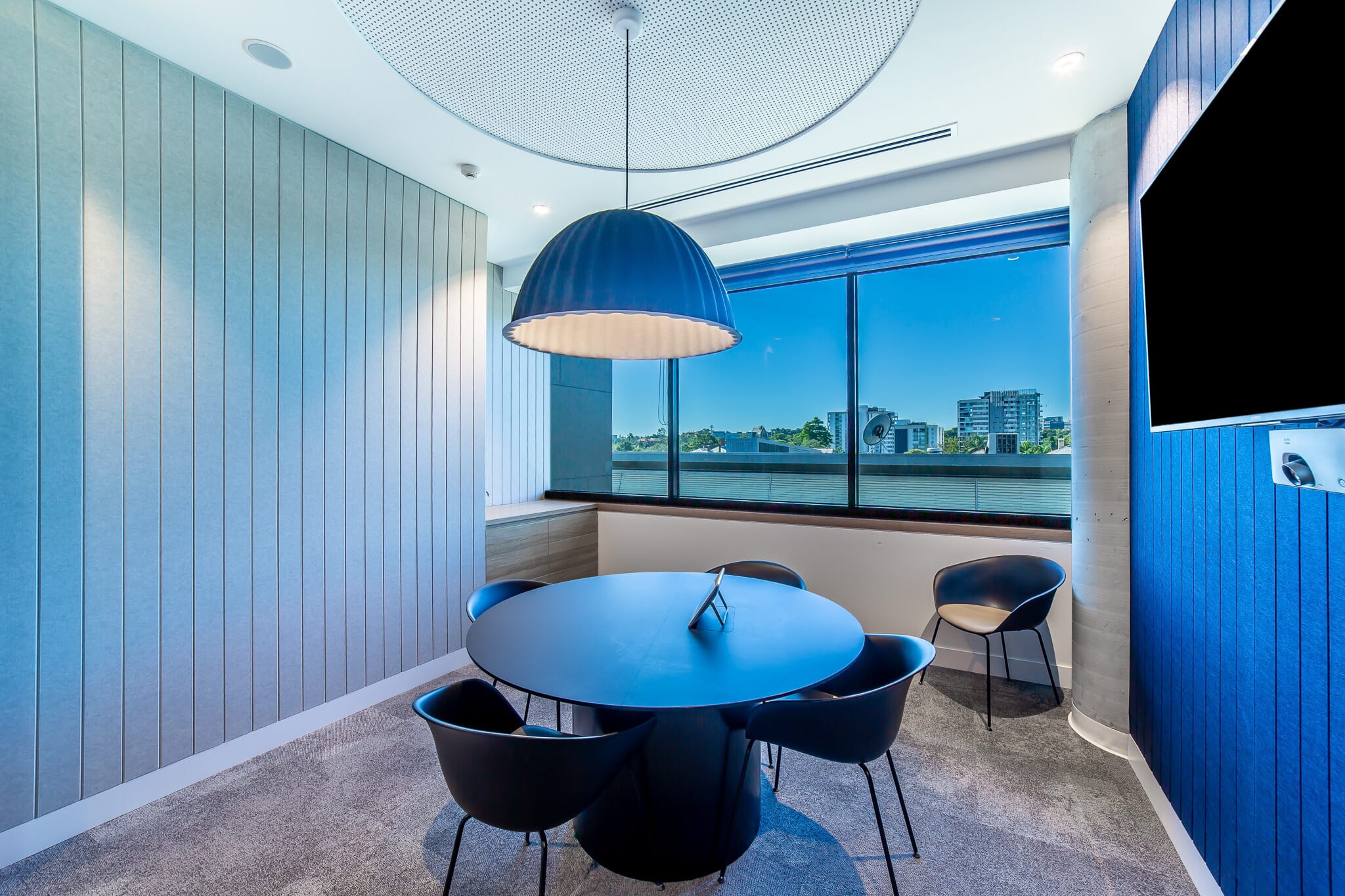
Installing wall panels at seated head height helps control reflections where conversations happen, improving speech clarity around dining tables and seating areas.
What are the best acoustic panels for later living spaces
Ceiling Rafts
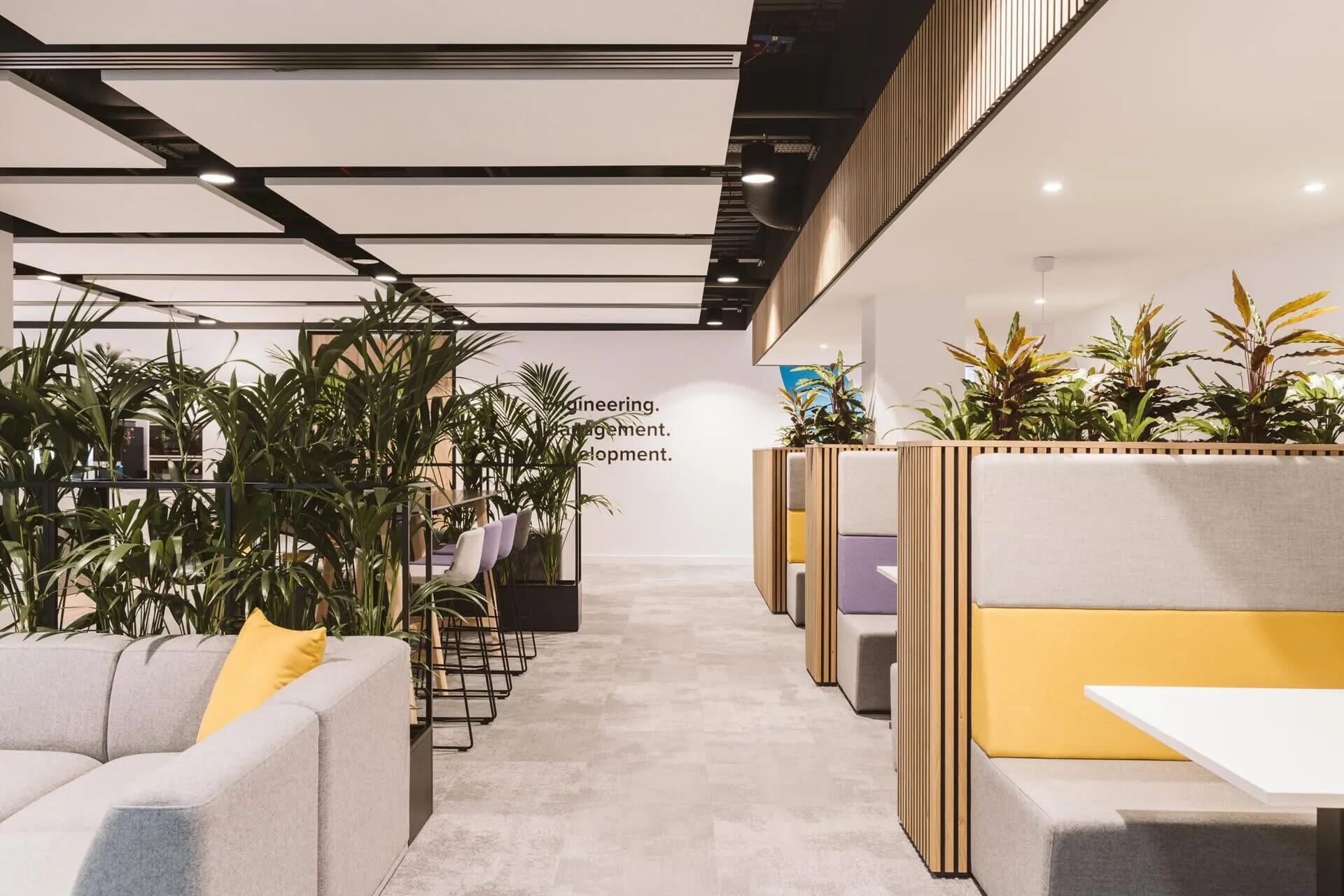
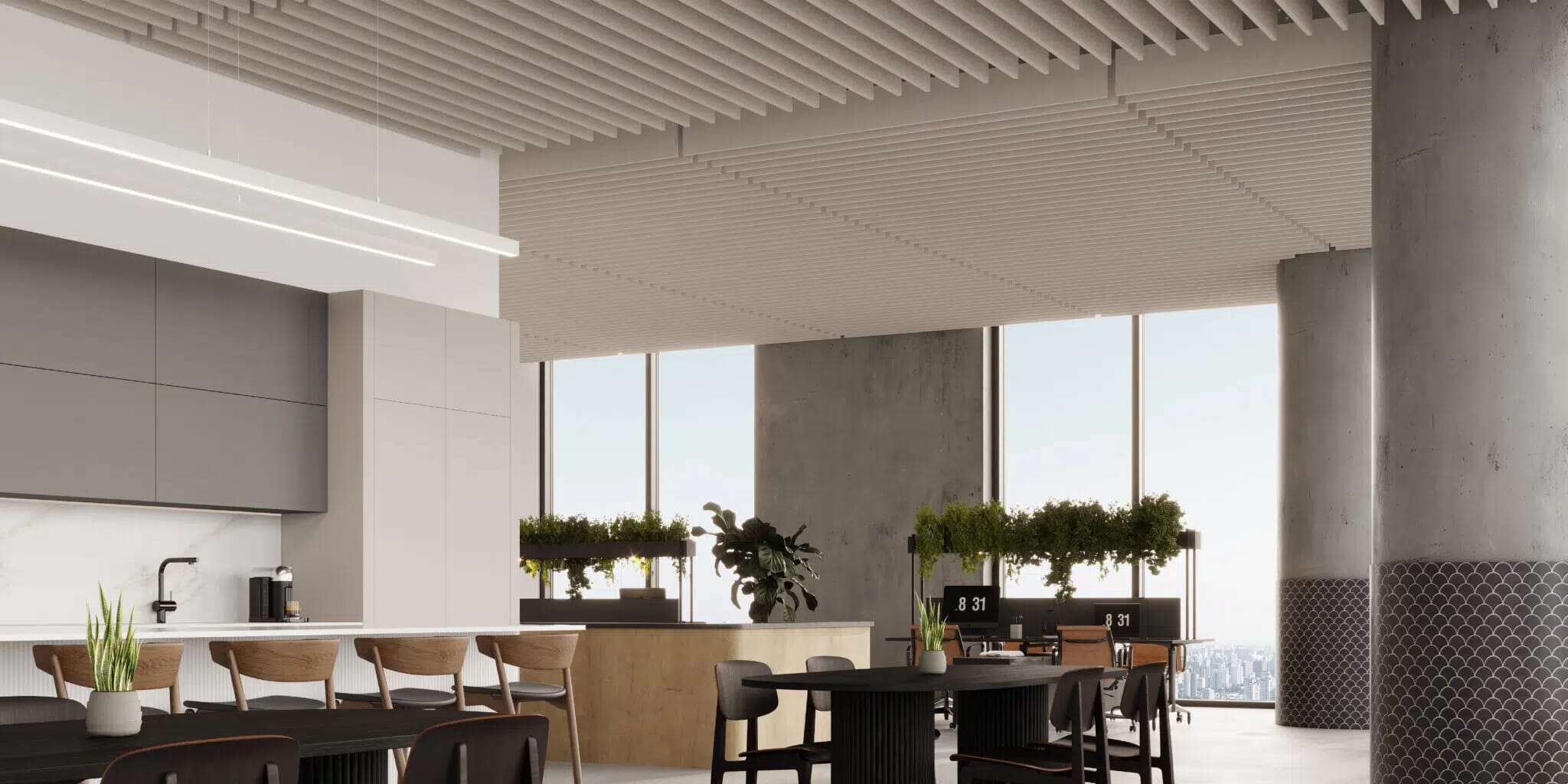
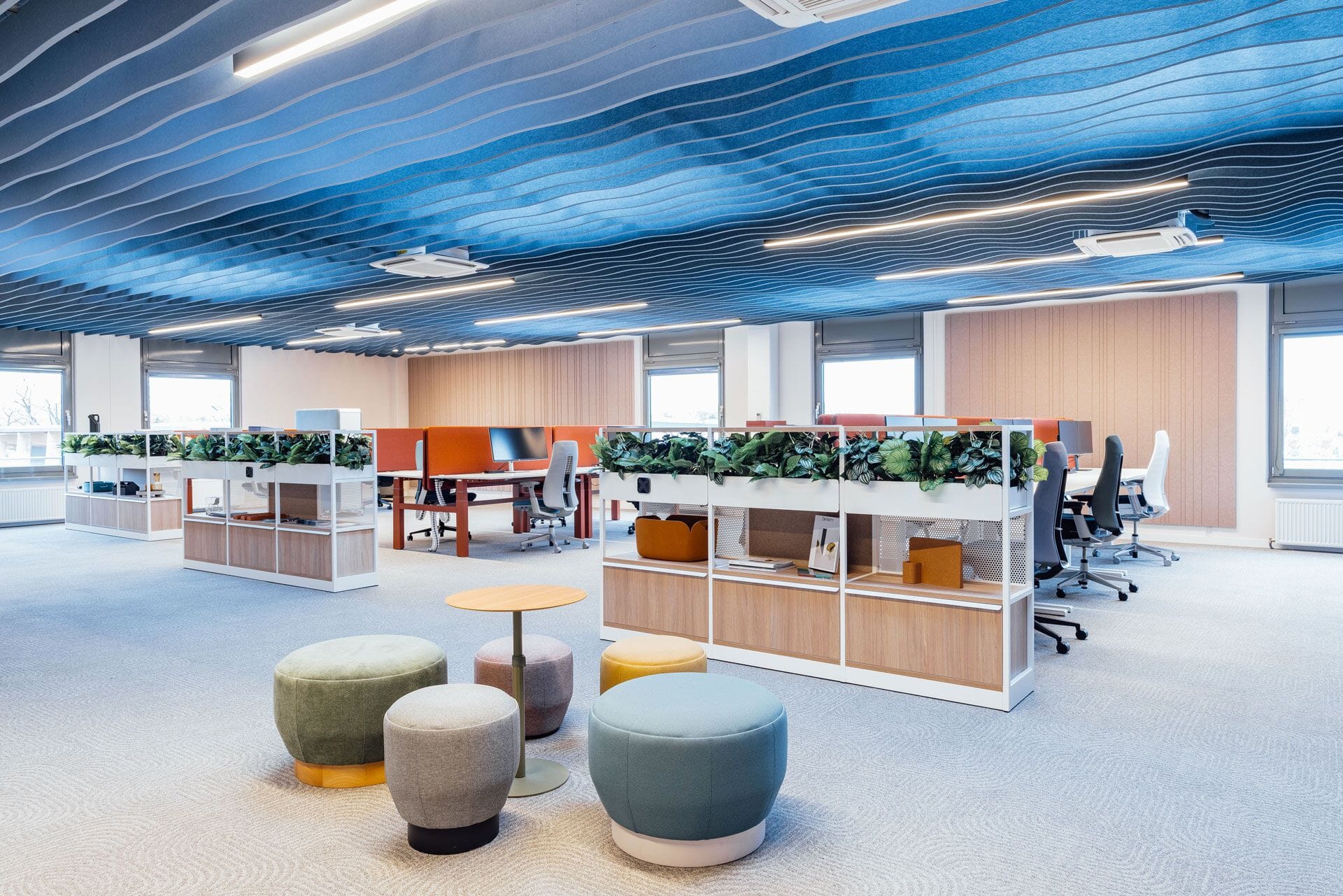
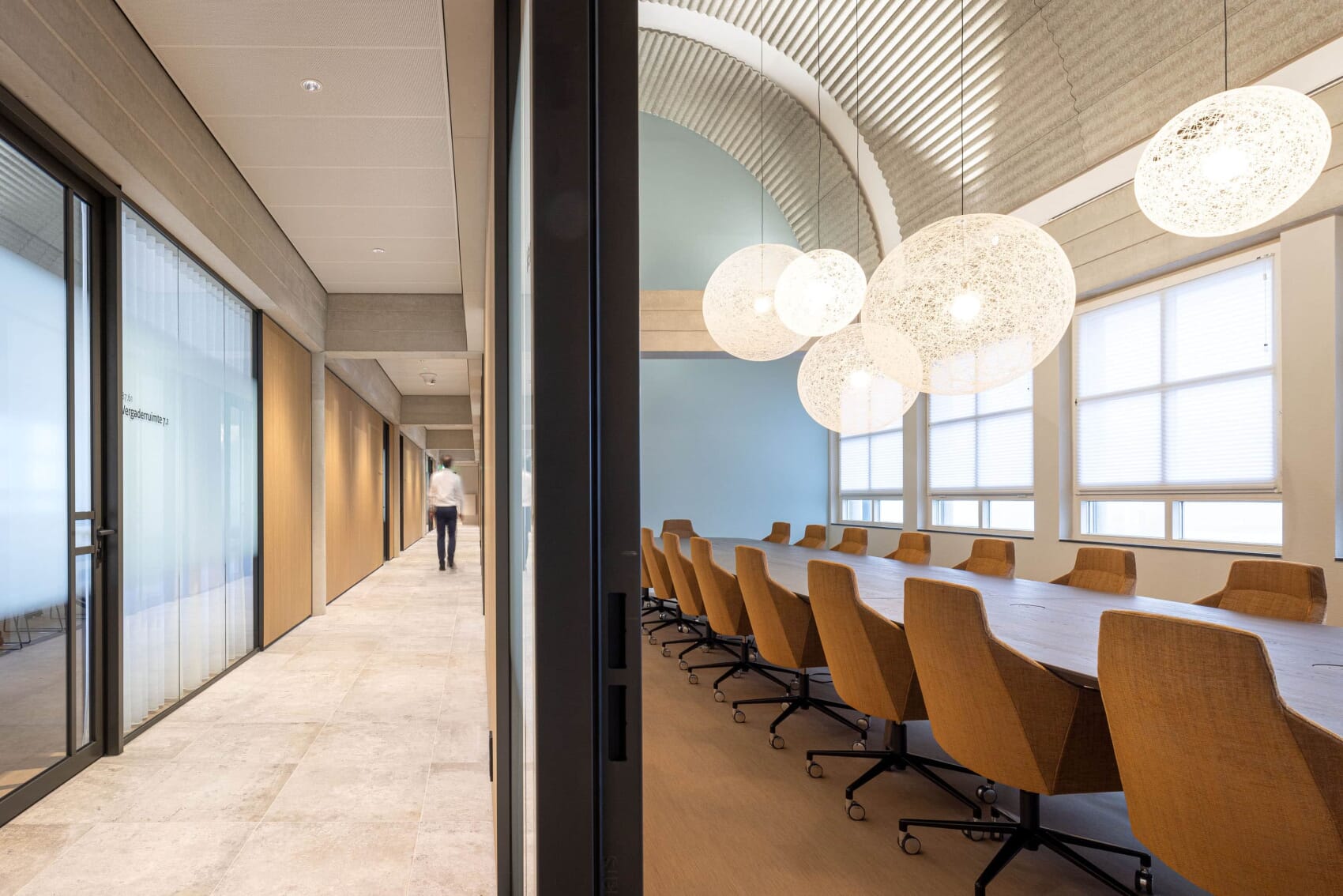
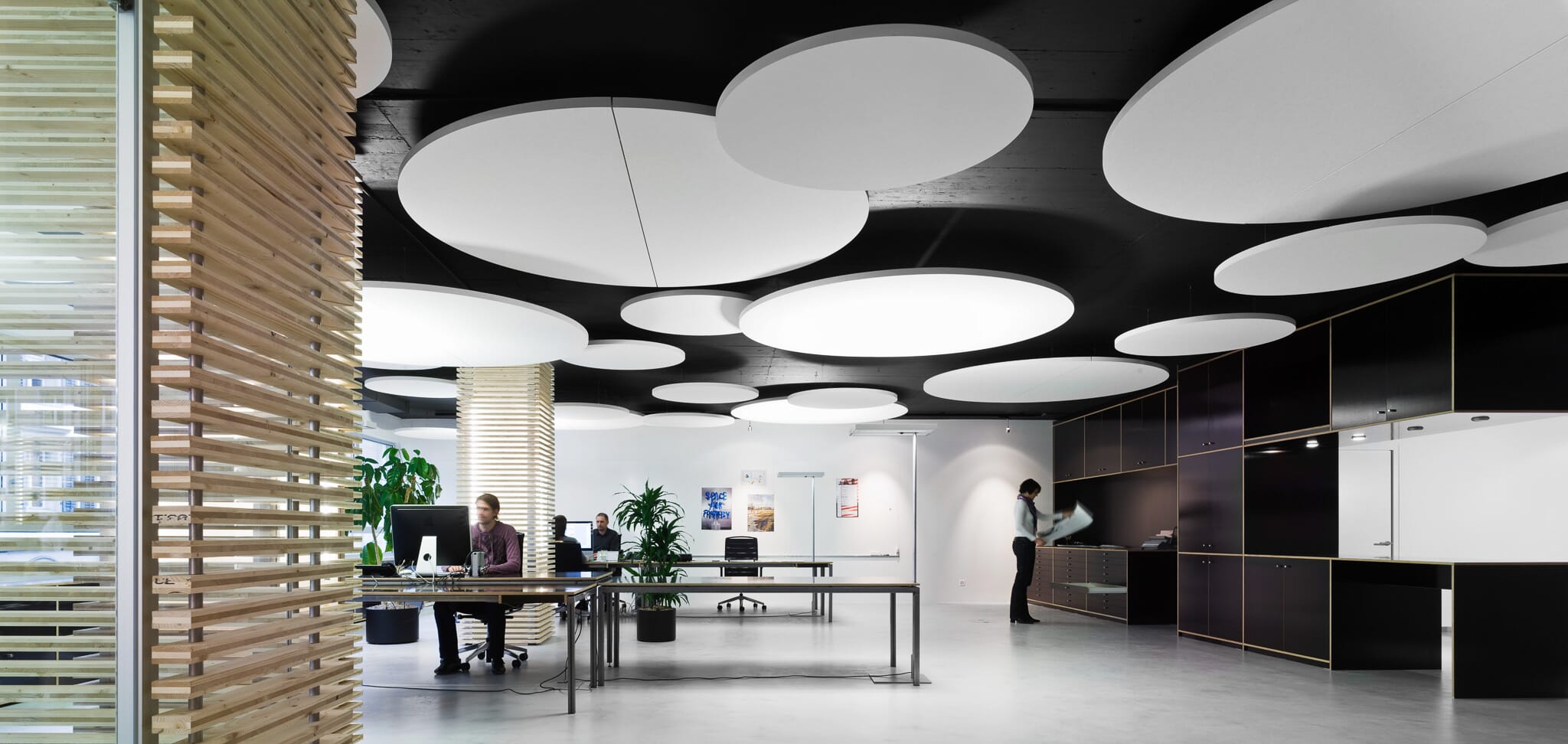
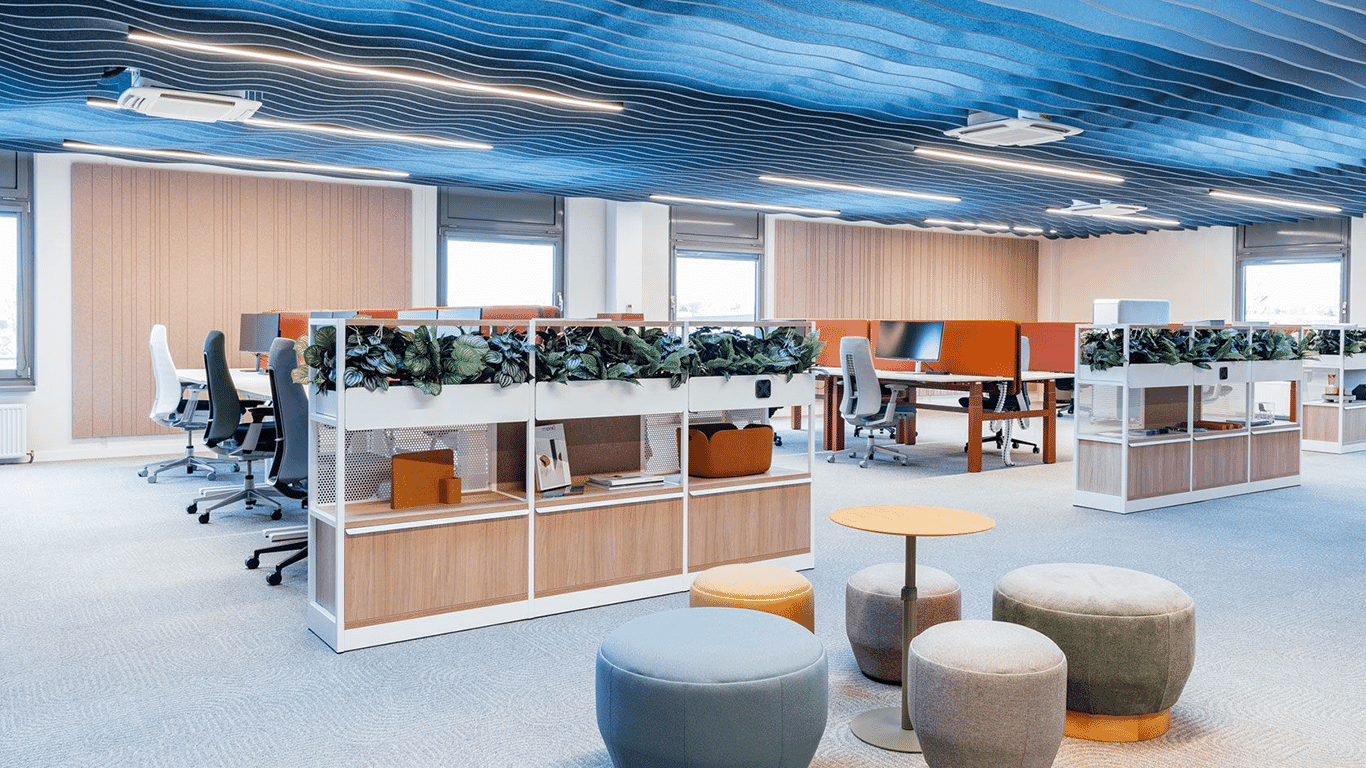
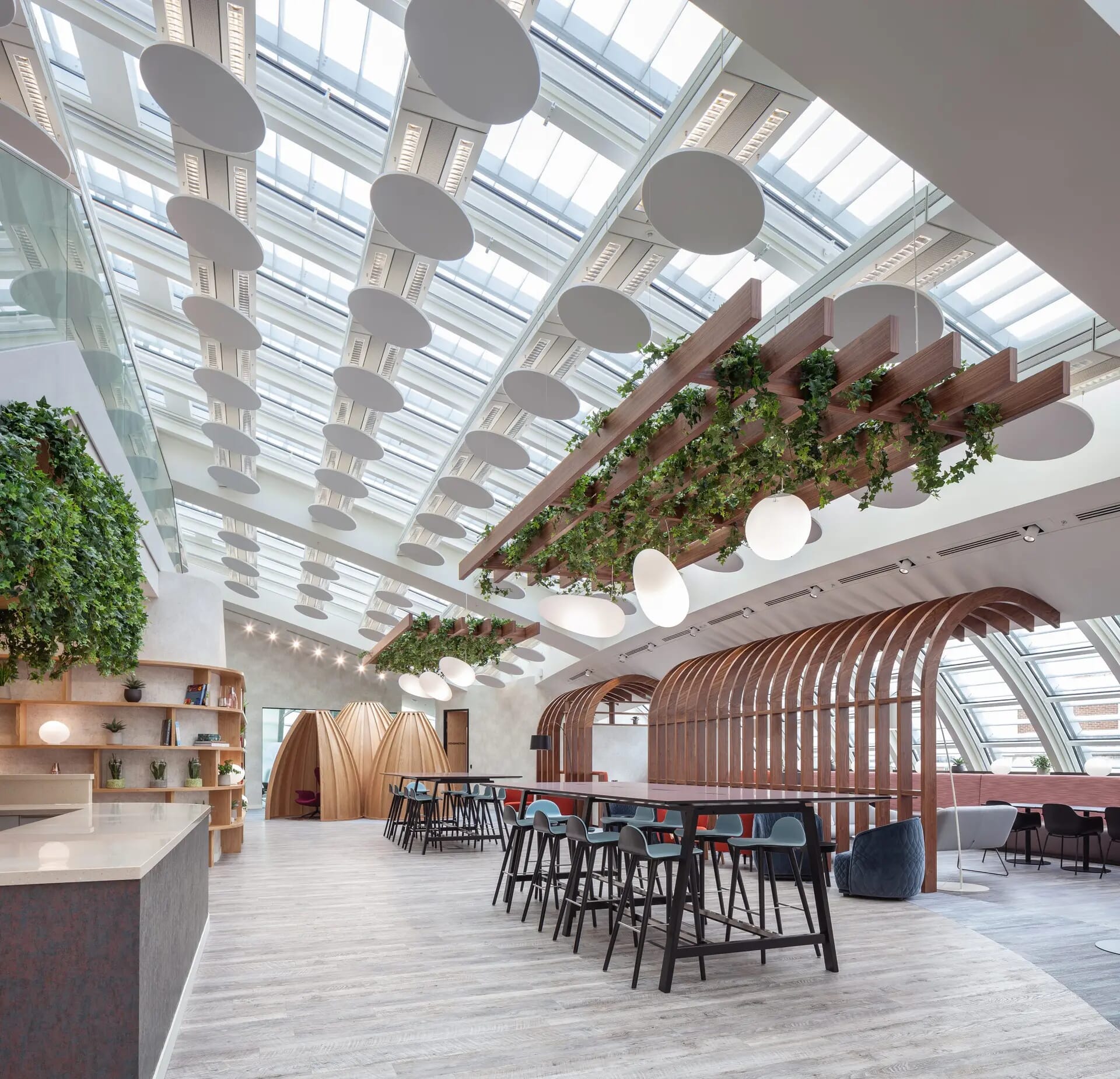
Suspended rafts are one of the most effective options for later-living spaces. Because they hang below the ceiling, they absorb sound from both sides and come in a wide range of shapes, colours and sizes, so they can be arranged to suit almost any interior.
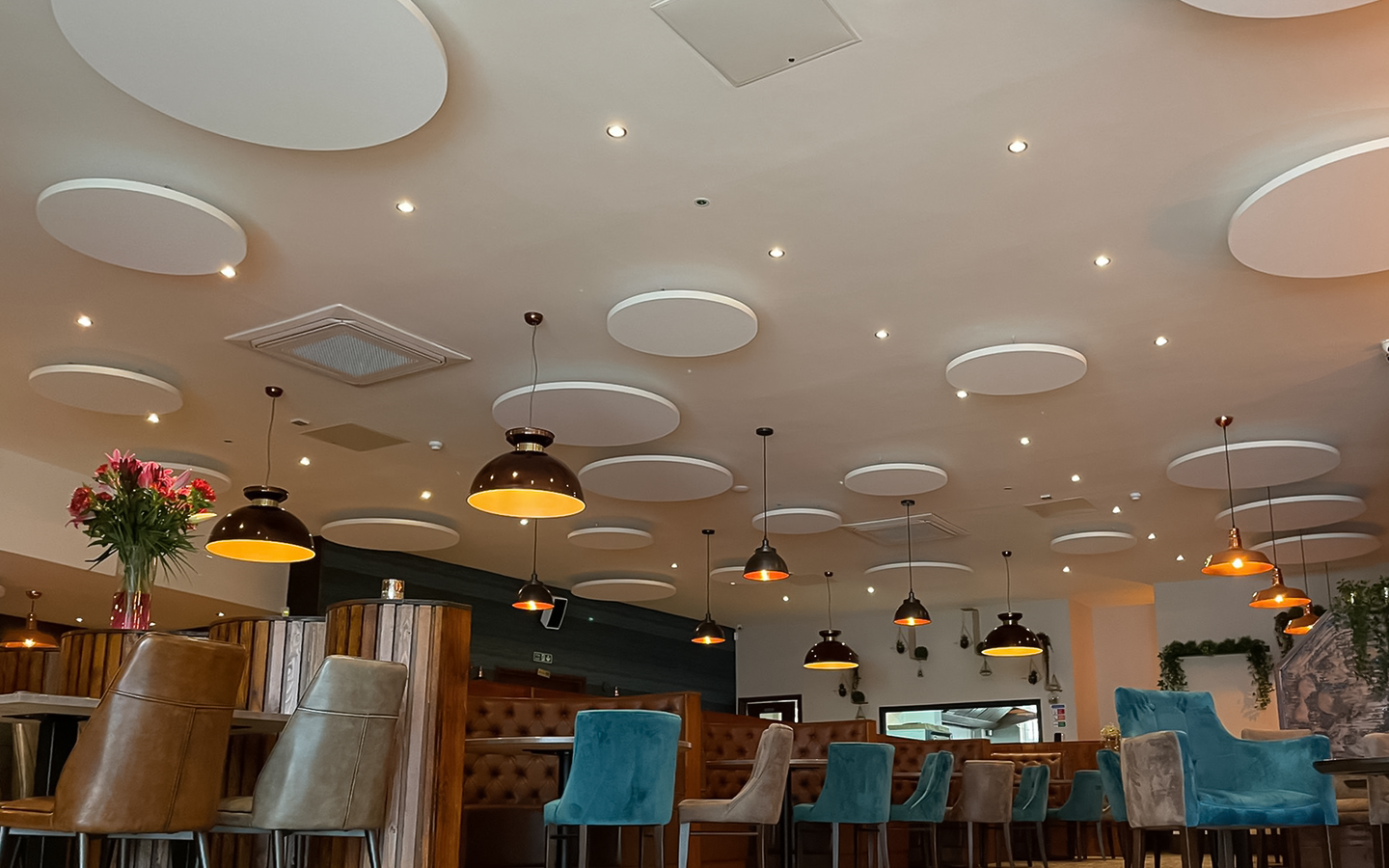
A popular choice in later-living settings, Ecophon Solo combines Class A sound absorption with design flexibility. Panels can be hung at different heights, layered and mixed across colours to create a distinctive feature overhead, which works well in dining rooms and communal lounges.
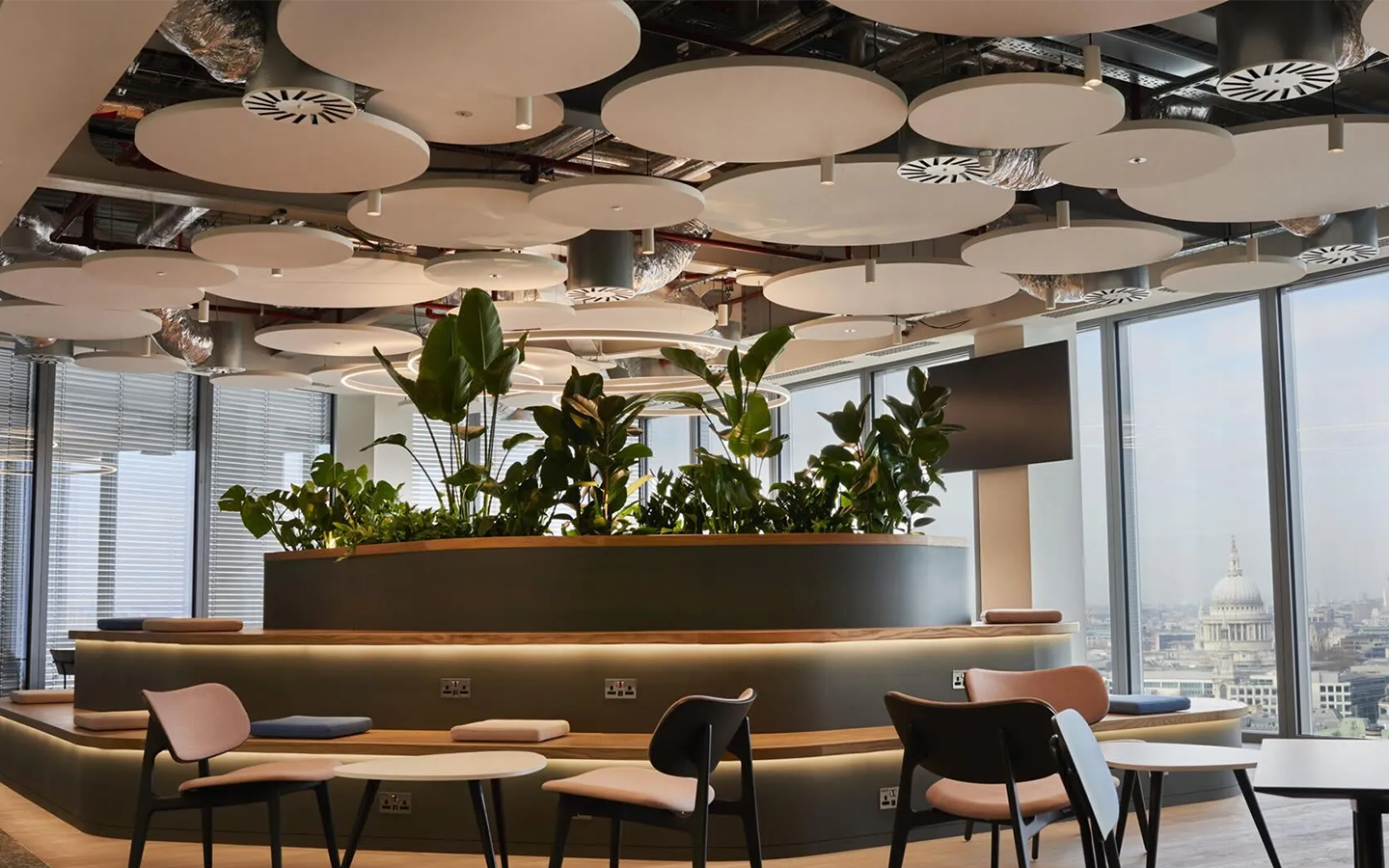
Silent Space Rafts are an affordable, effective way to manage noise in busy areas such as receptions and lounges. With a range of colours and fabric finishes, the panels sit comfortably within almost any ceiling design.
Wall Panels
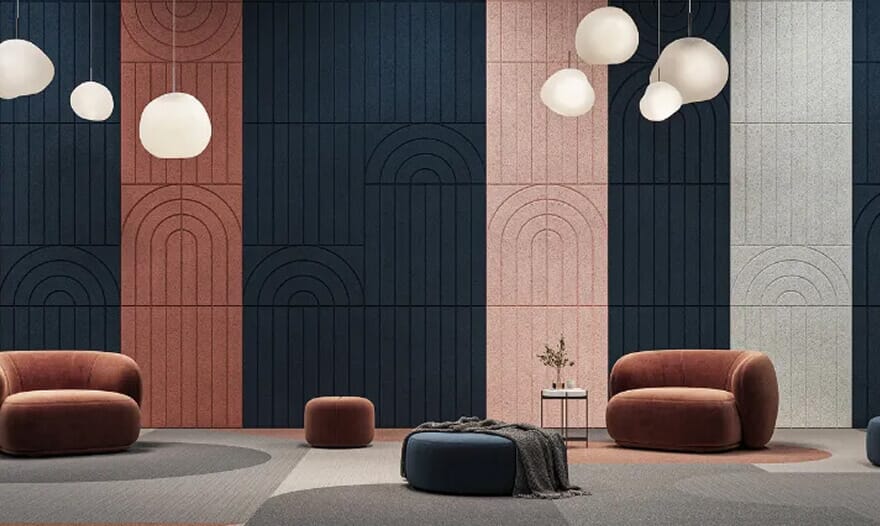
Wall panels are a simple way to add colour, texture and absorption to a room, and there are plenty of options to suit different interiors and budgets.

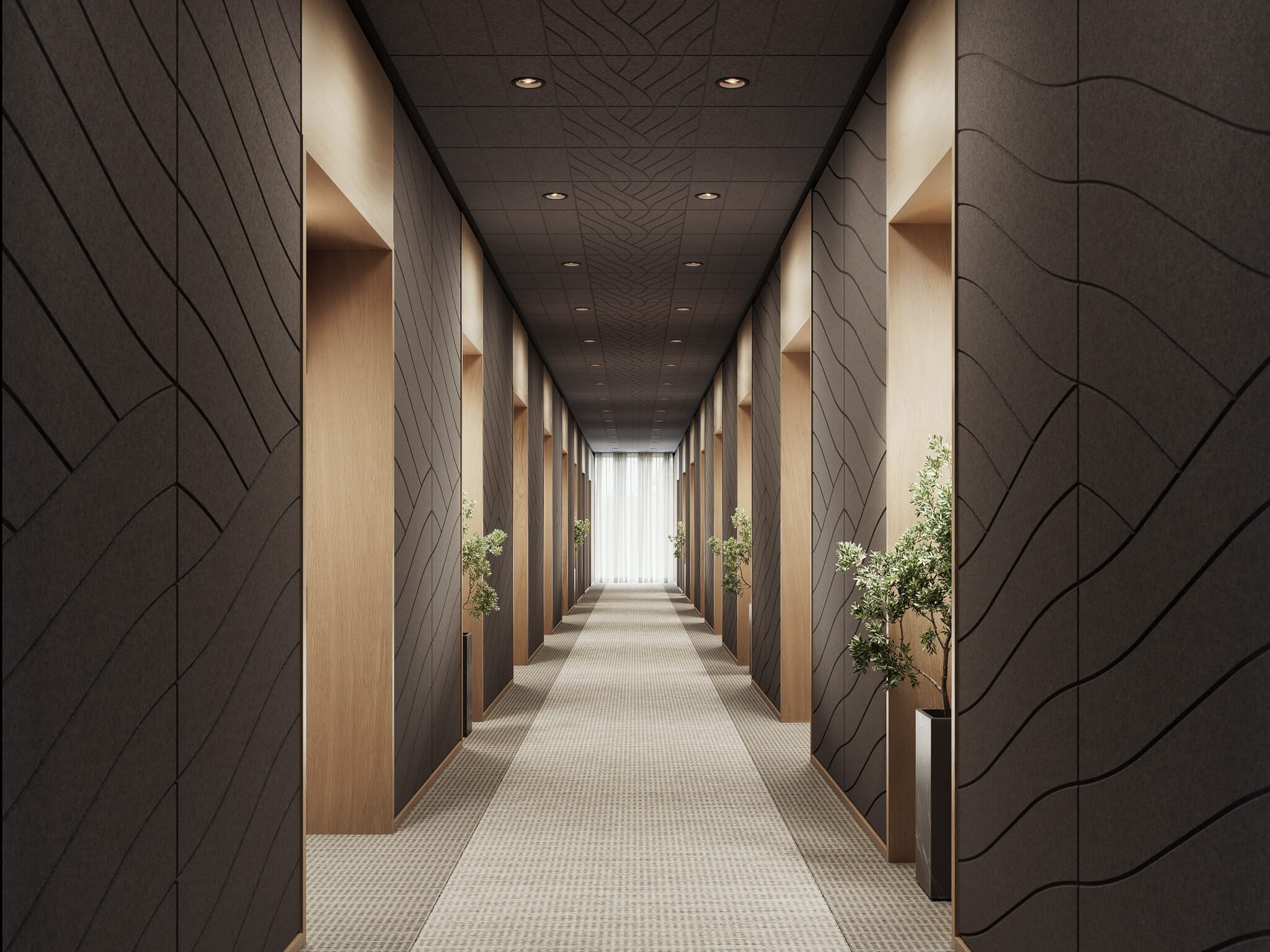
Autex Groove panels are cut with precise, angular patterns that add texture and depth to a space. They range from subtle linear designs to 3D forms, so they can look as understated or as sculptural as you like while improving speech clarity.
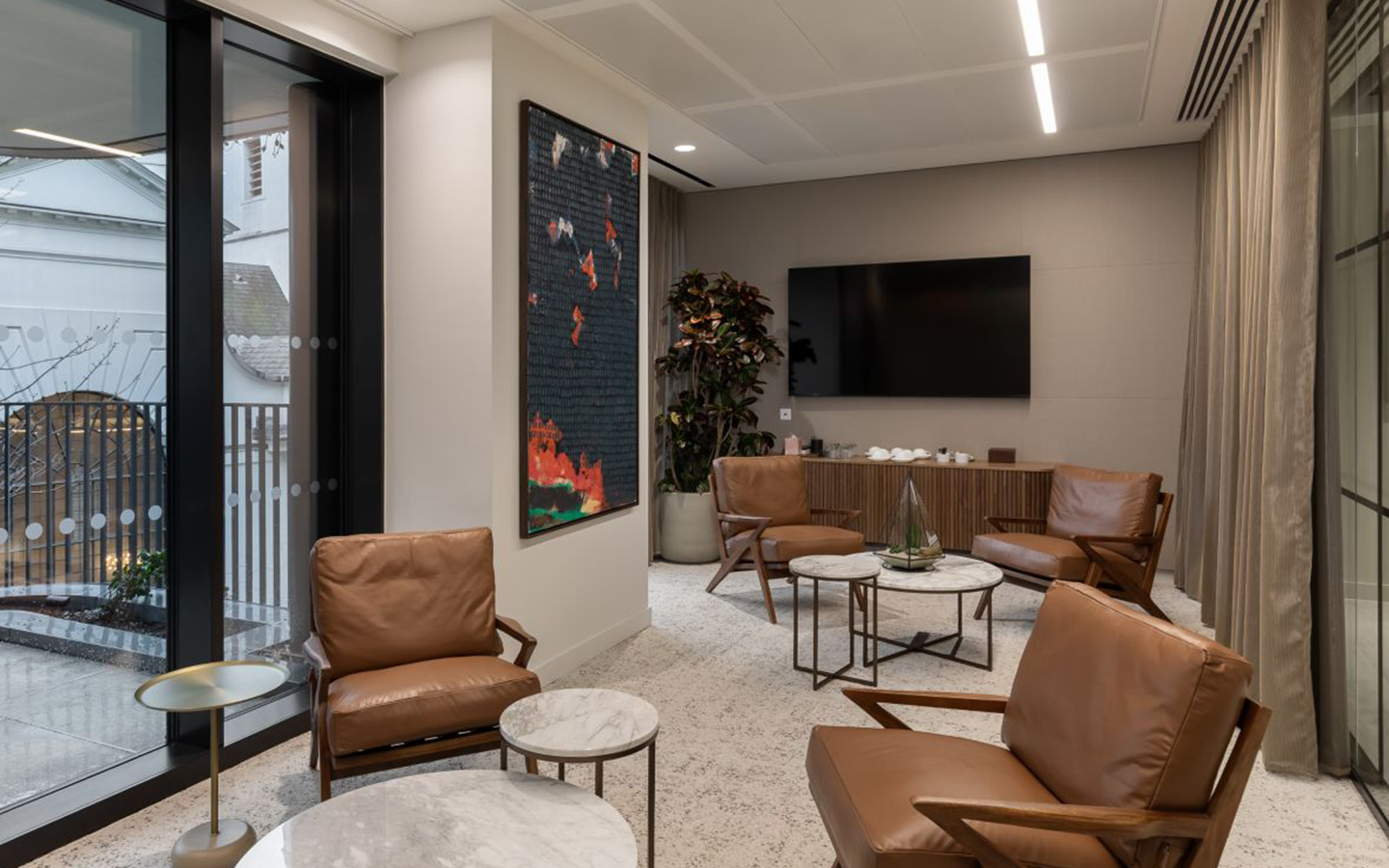
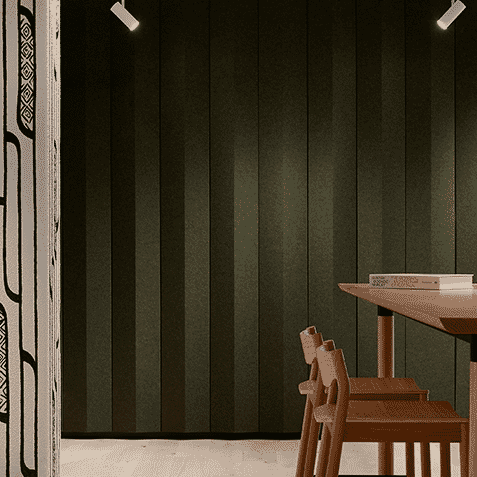
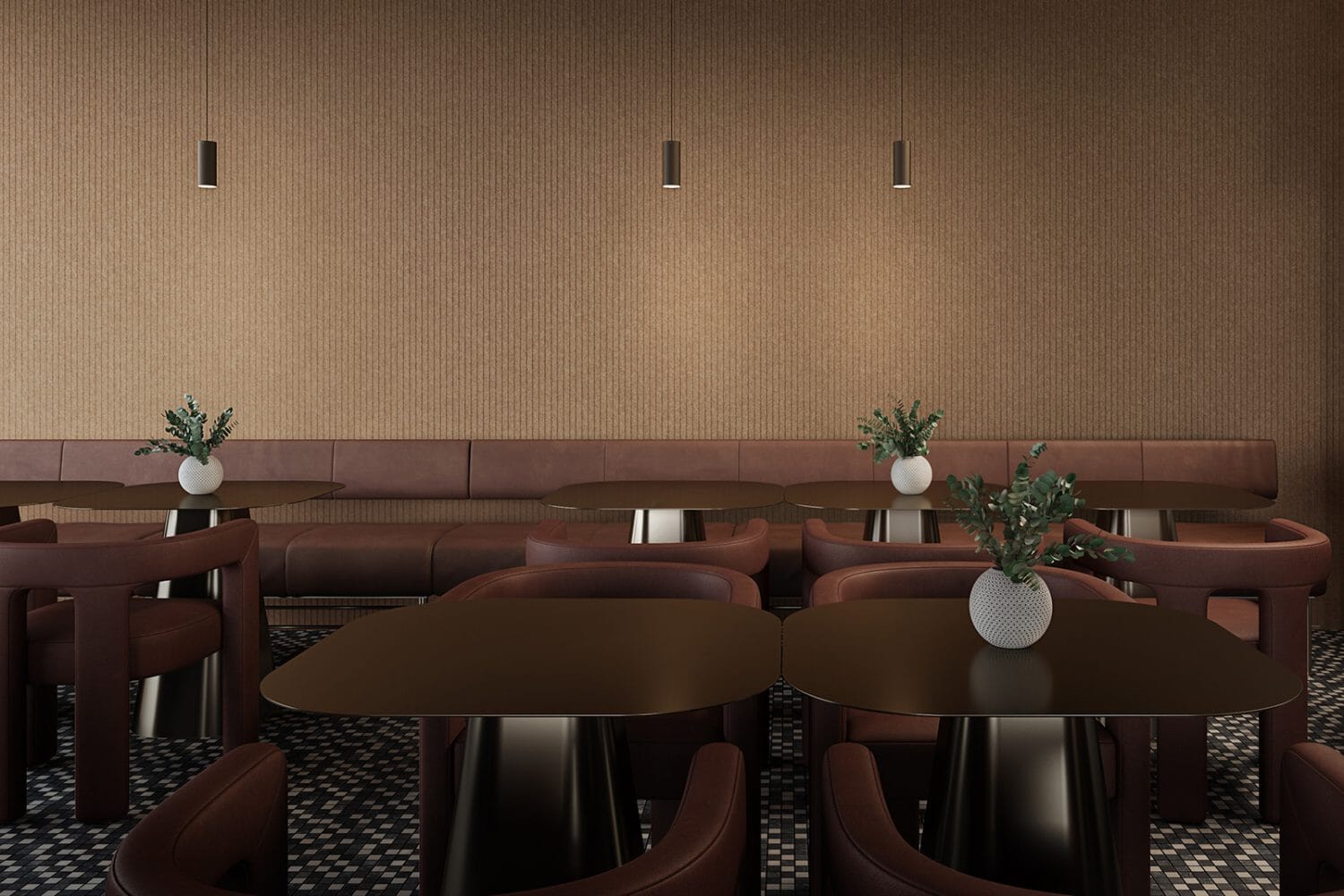
Tenso Wall is designed to blend into a space, bringing a soft finish and a calmer acoustic environment. It controls reflections that make speech hard to follow, which matters for residents who use hearing aids or find busy rooms tiring.
Acoustic Art
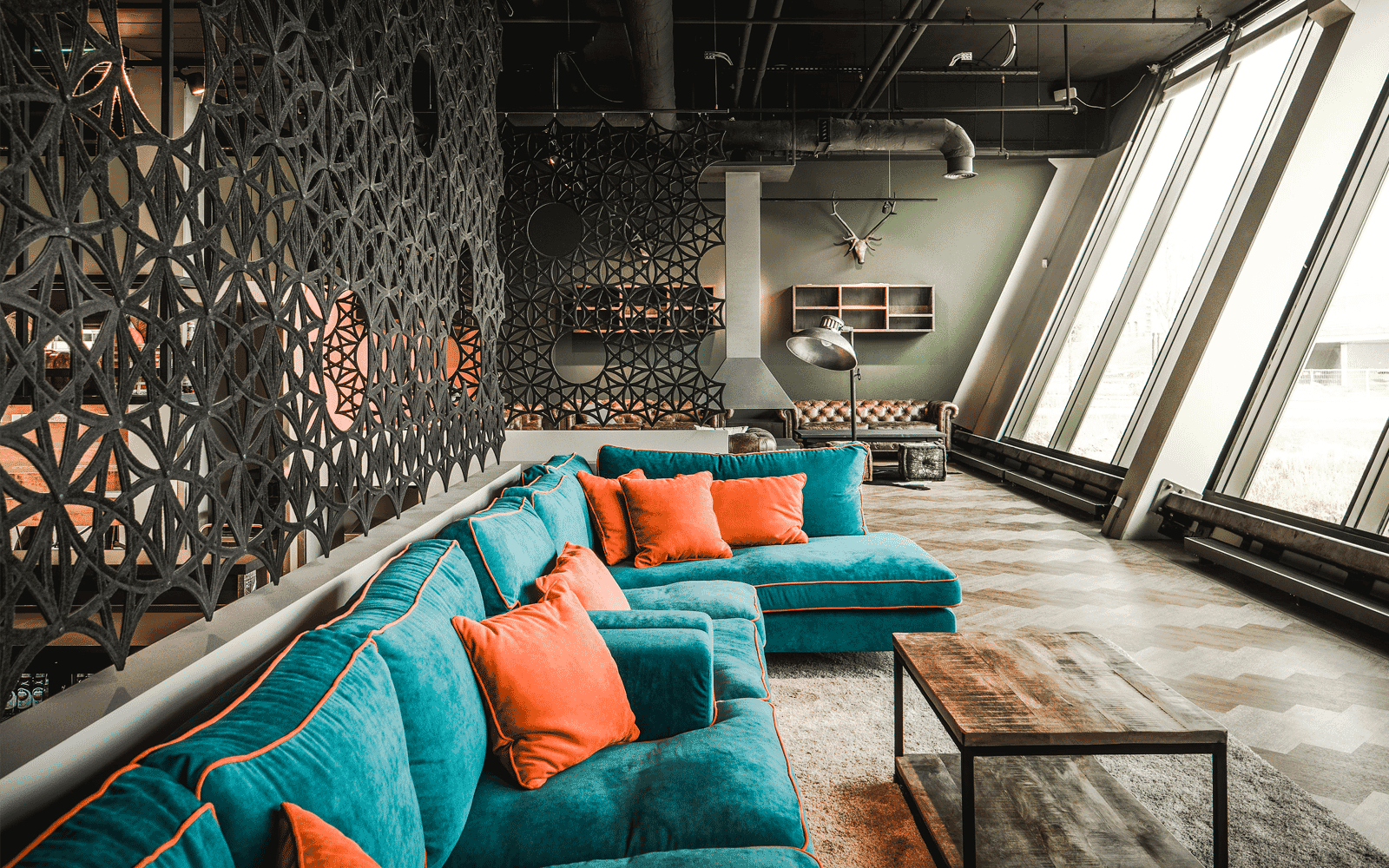
Printed panels and textile artwork absorb sound while feeling like part of the decor. They’re well suited to lounges and receptions, where a homely atmosphere matters as much as performance.
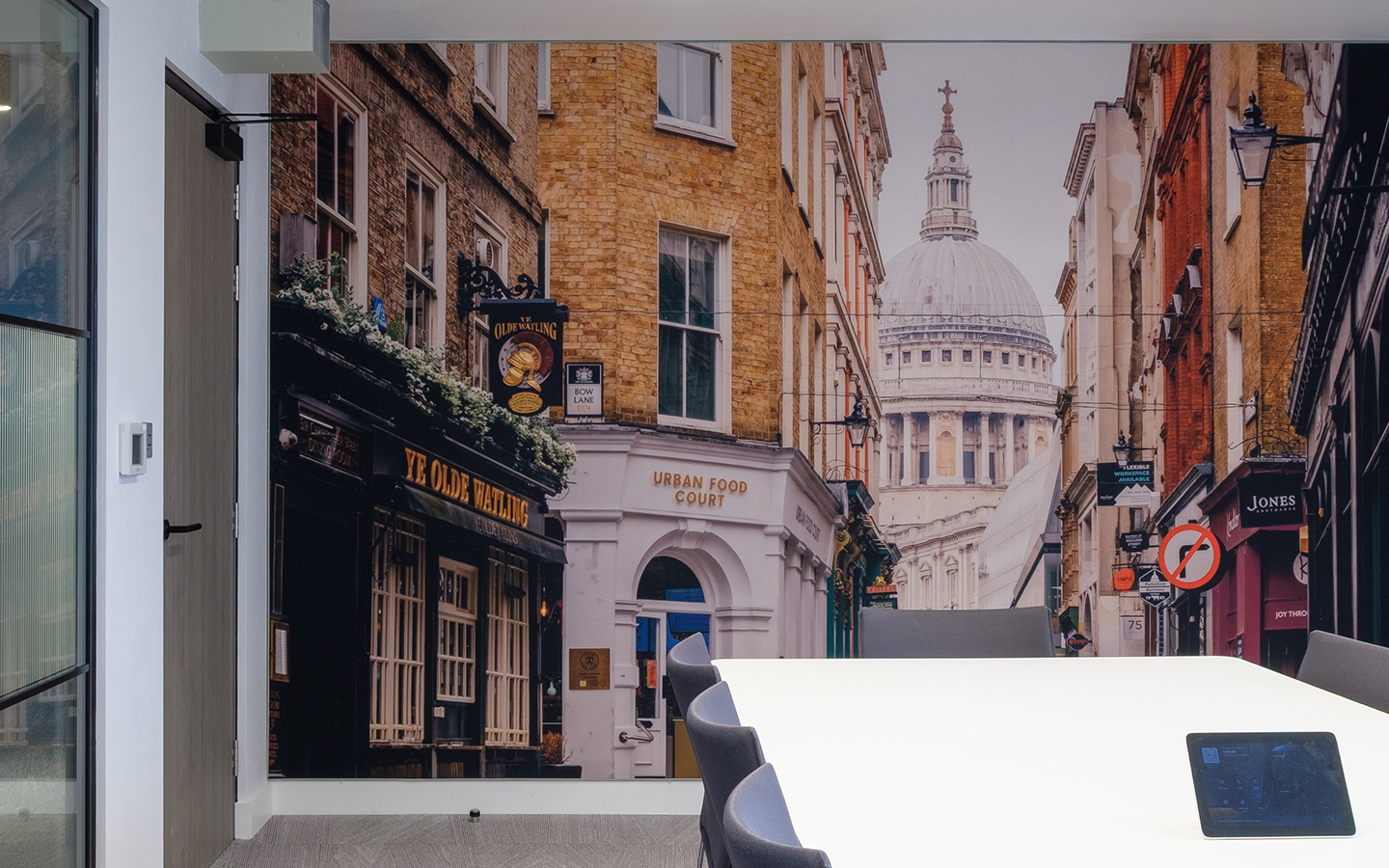
Tenso Print offers everything Tenso Wall does (Class A absorption and a seamless finish) with your own design printed across the surface. It’s a way to bring in artwork, photography or branding that matches the space exactly.
Case Study: Bishopstoke Park Retirement Village
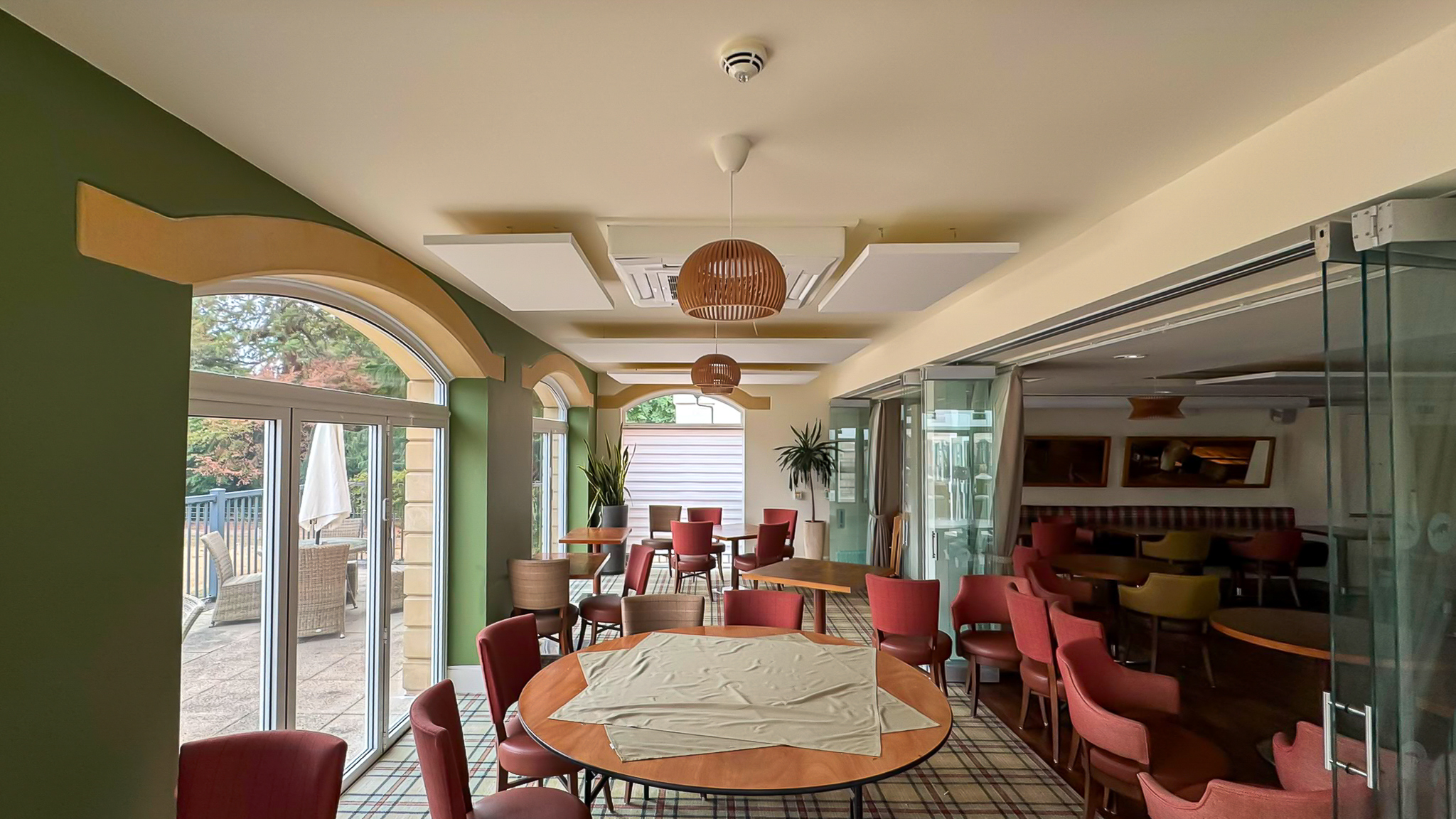
Our work at Bishopstoke Park shows how ceiling rafts can transform comfort in the shared spaces of a retirement village.
“Following installation of acoustic ceiling panels in the multi purpose restaurant cum theatre, diners and audiences have remarked positively on the discernible improvement in acoustics. They are unobtrusive, yet highly effective.”
Book an acoustic survey
Whether you’re designing a new later-living development or improving an existing space, we can analyse your space and recommend the most effective products, placement and quantity of panels required.