




























4 Minute Read
Will Acoustic Panels Help With Noisy Neighbours?
Acoustic panels are often suggested as a fix for noisy neighbours. But there's an important distinction between acoustic treatment and soundproofing — and confusing the two leads to expensive disappointment. Here's the honest picture.

Mark Irwin
5th Aug 2025
Categories
Advice
If your neighbour’s music is bleeding through the wall at midnight, or their TV is a constant presence in your living room, it’s tempting to reach for any solution that promises relief. Acoustic panels are often suggested but it’s worth understanding exactly what they can and can’t do before you invest.
What do acoustic panels do?
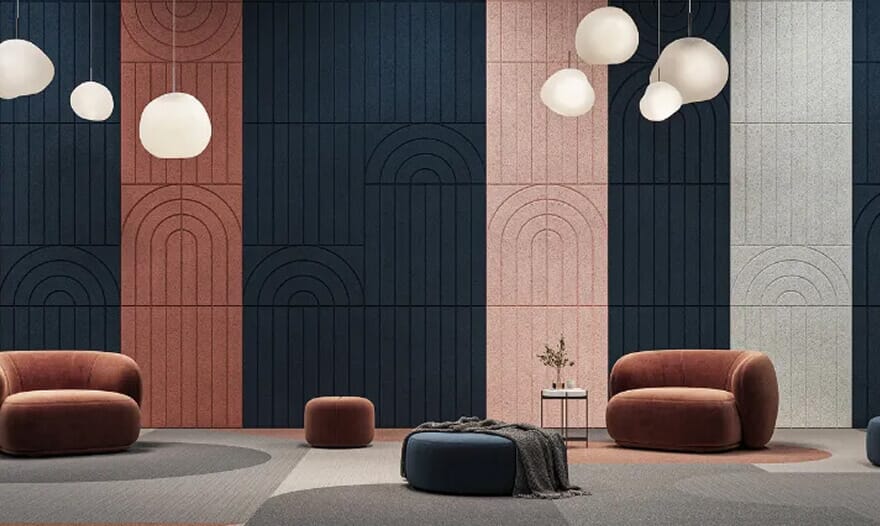
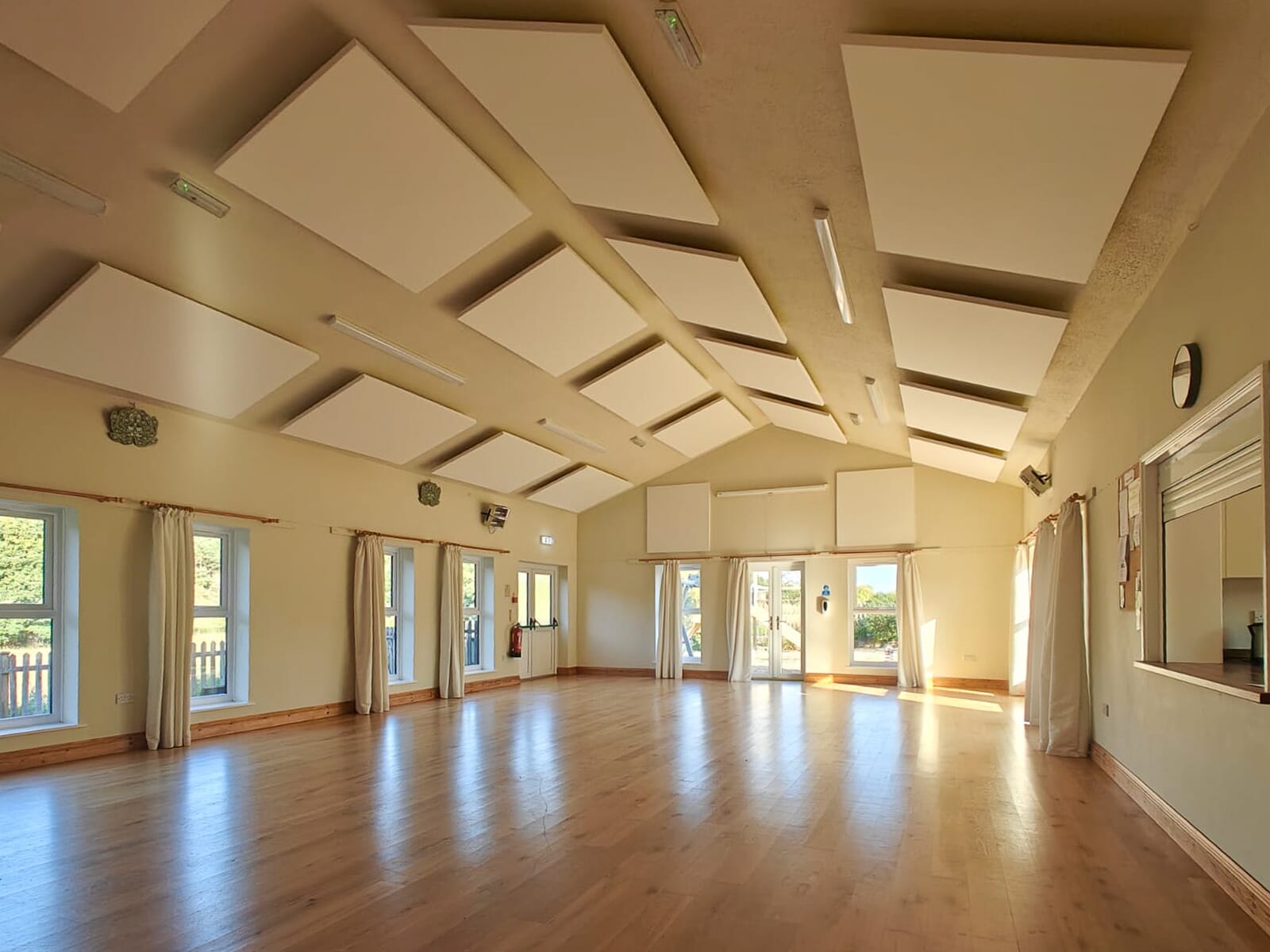
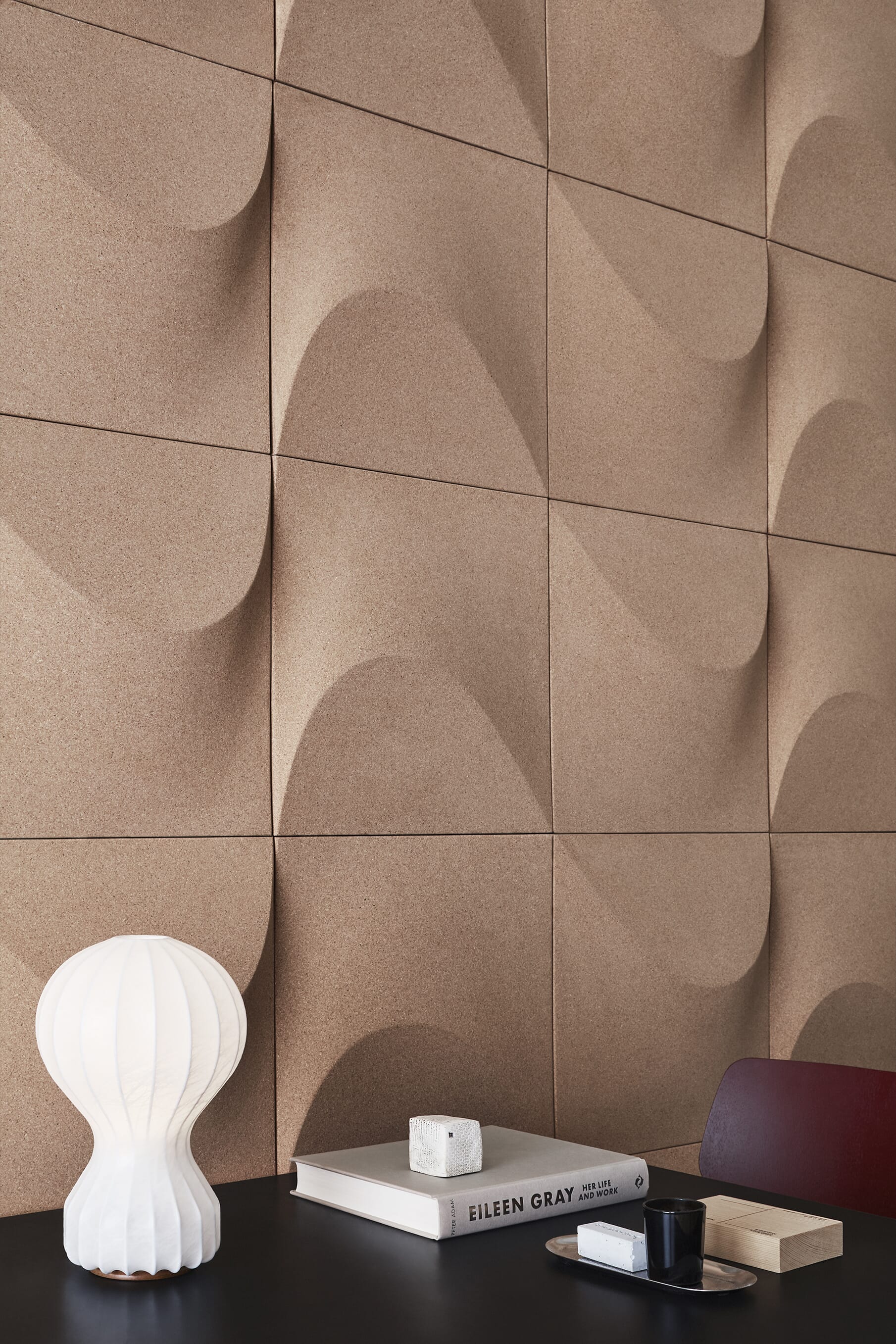
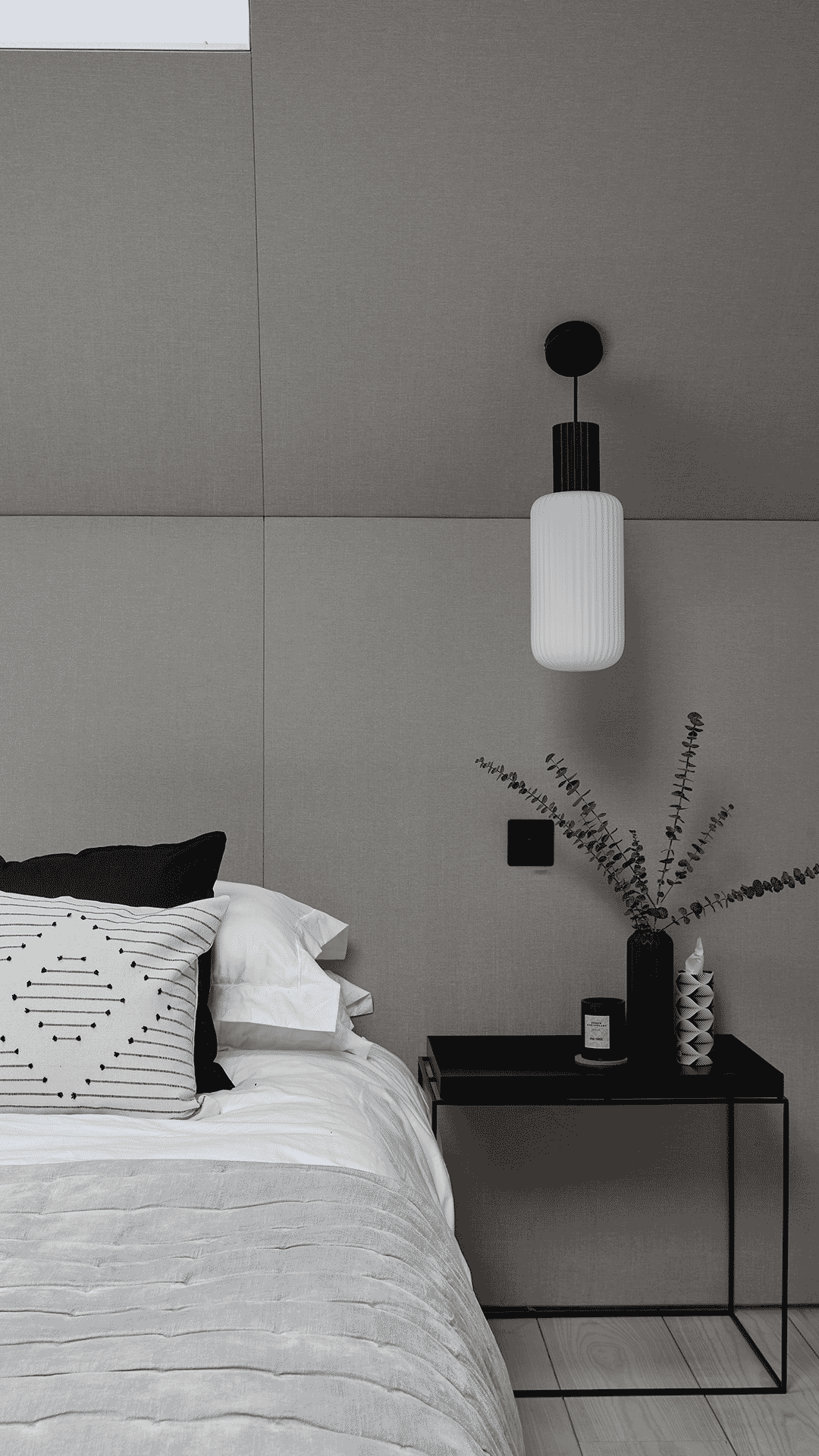
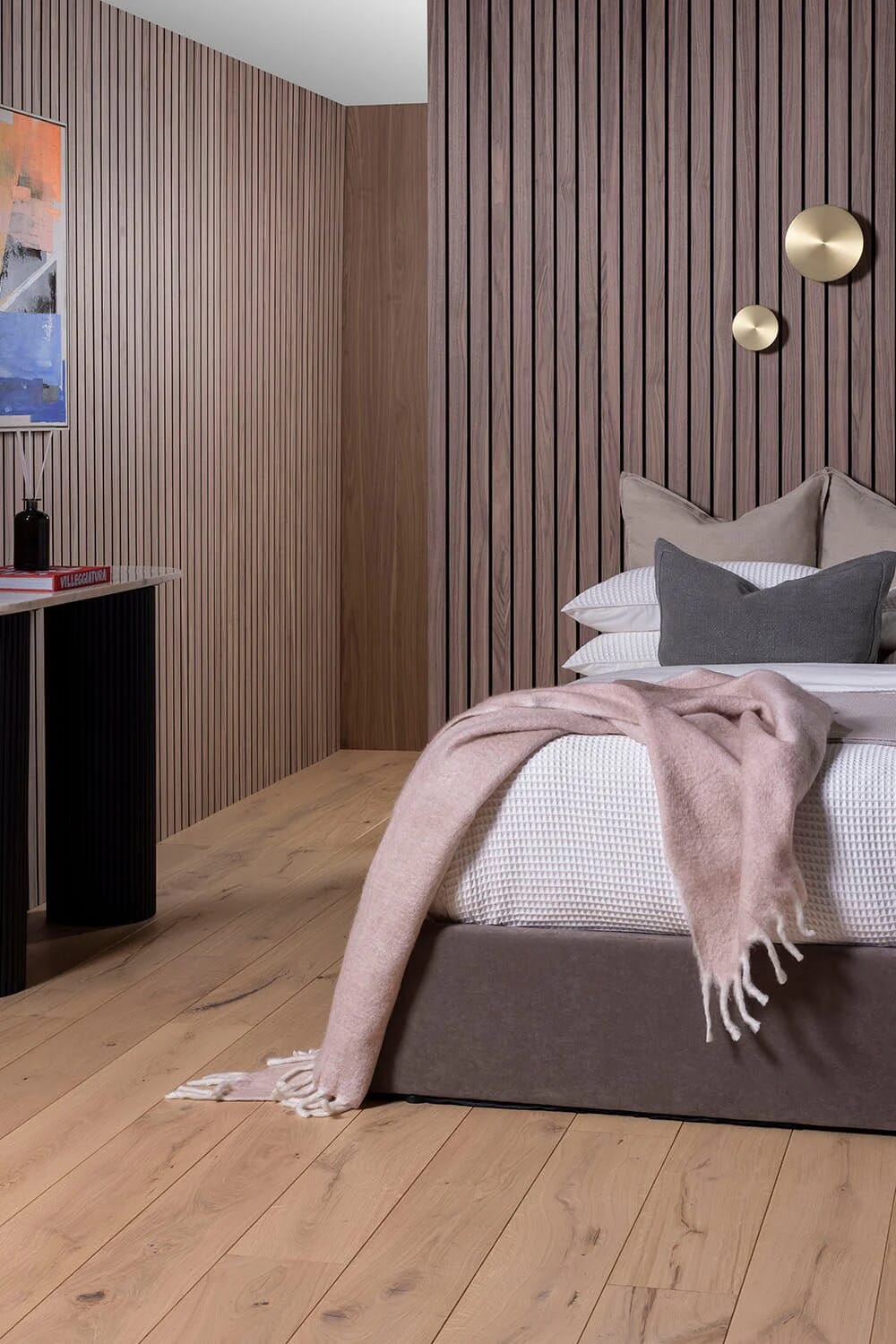
Acoustic panels are designed to absorb sound within a space. Made from materials like mineral wool, foam, or fabric-wrapped frames, they reduce reverberation — the way sound bounces off hard surfaces like walls, floors, and ceilings — and bring a room to a more comfortable acoustic balance.
That’s genuinely valuable. A room with too much echo feels louder and more chaotic, even when the source of the noise is inside. Acoustic treatment can make speech clearer, reduce fatigue, and create a calmer environment to live and work in.
But absorbing sound within a room is different from blocking sound between rooms. And that distinction matters.

Will acoustic panels stop noise from next door?
In short: no. Acoustic panels are not a soundproofing solution.
Sound travels through walls, floors, and the building fabric itself. Acoustic panels sit on the surface of a room; they don’t add mass or seal the gaps that allow sound to transfer between spaces. Installing panels on a party wall won’t stop your neighbour’s bass from coming through it.
What panels can do is reduce how that sound behaves once it’s in your room. Less reverberation means noise feels less intrusive — but the sound is still there. If your issue is significant noise transfer from an adjoining property, acoustic panels alone won’t resolve it.
For sound insulation between spaces — particularly in retrofit situations — the solutions are more involved: adding mass to walls, decoupling surfaces, addressing flanking paths. It’s rarely straightforward, and it’s worth speaking to a specialist before committing to any approach.
Where do acoustic panels make a difference
If you’re working from home in a room that feels acoustically harsh, recording audio, running video calls or simply trying to reduce the sensory load of a noisy environment, acoustic treatment is worth considering. A well-treated room is noticeably more comfortable — and that has real value, even if it isn’t the same as soundproofing.
Panel placement matters. Corners, first reflection points on walls and ceilings, and areas where sound is most likely to build up are the most effective locations.
What works for noisy neighbours?
If you need to block noise from next door, you’ll need soundproofing solutions. These can be quite extreme and expensive modifications to make in a home setting.
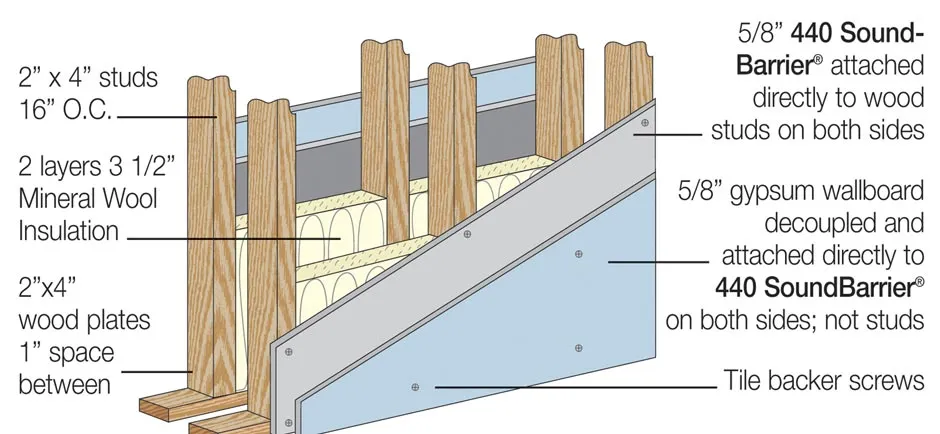
Soundproofing works by adding mass and decoupling to walls, floors and ceilings so that sound vibrations cannot pass through them. It involves materials like dense acoustic plasterboard, acoustic floor underlays and specialist insulation packed into cavities.
True soundproofing is typically built into a structure during construction or as part of a major renovation.
Even small gaps, such as a gap under a door, a light fitting or an HVAC duct, can significantly undermine the result.
Where that leaves you
Acoustic treatment and soundproofing are related disciplines, but they solve different problems. At Resonics, we’re straightforward about what each approach can achieve — because the right solution starts with an honest assessment of the problem.
We’d rather say this plainly than sell you panels that won’t work: if your neighbour’s bass is coming through a party wall, nothing surface-mounted will fix it. Sound insulation means adding mass and decoupling the structure, and it’s a contractor’s job, not ours.
What we do come across, though, is people who solve the neighbour problem and find the room still doesn’t sound right — because it never did. A home office that echoes on calls, a snug that’s oddly harsh, a spare room you can’t record anything usable in. Those are reverberation problems, and they’re straightforward to treat.
If that sounds like your space as well, we work in homes — survey, design, supply and install, with our own teams. If it doesn’t, this guide will at least tell you what to ask an insulation contractor for.
If you’re dealing with noise issues and aren’t sure where to start, get in touch. We’ll help you understand your options, without overselling what panels can do.
Article Author
Mark Irwin
Head of Marketing
5th Aug 2025