




7 Minute Read
The Complete Guide to Cafe and Coffee Shop Acoustics
Struggling with cafe noise? Learn how to reduce echo and improve acoustics using ceiling and wall acoustic panels, and smart layouts. A practical guide for cafes and coffee shops.

Mark Irwin
15th Jul 2026
Categories
Guide
TL;DR – The key to reducing noise in cafes & coffee shops
Cafe noise is usually caused by sound bouncing off hard, flat surfaces such as tiled floors, windows and exposed ceilings — not just a busy room.
The most effective way to reduce noise and improve the customer experience is to focus on:
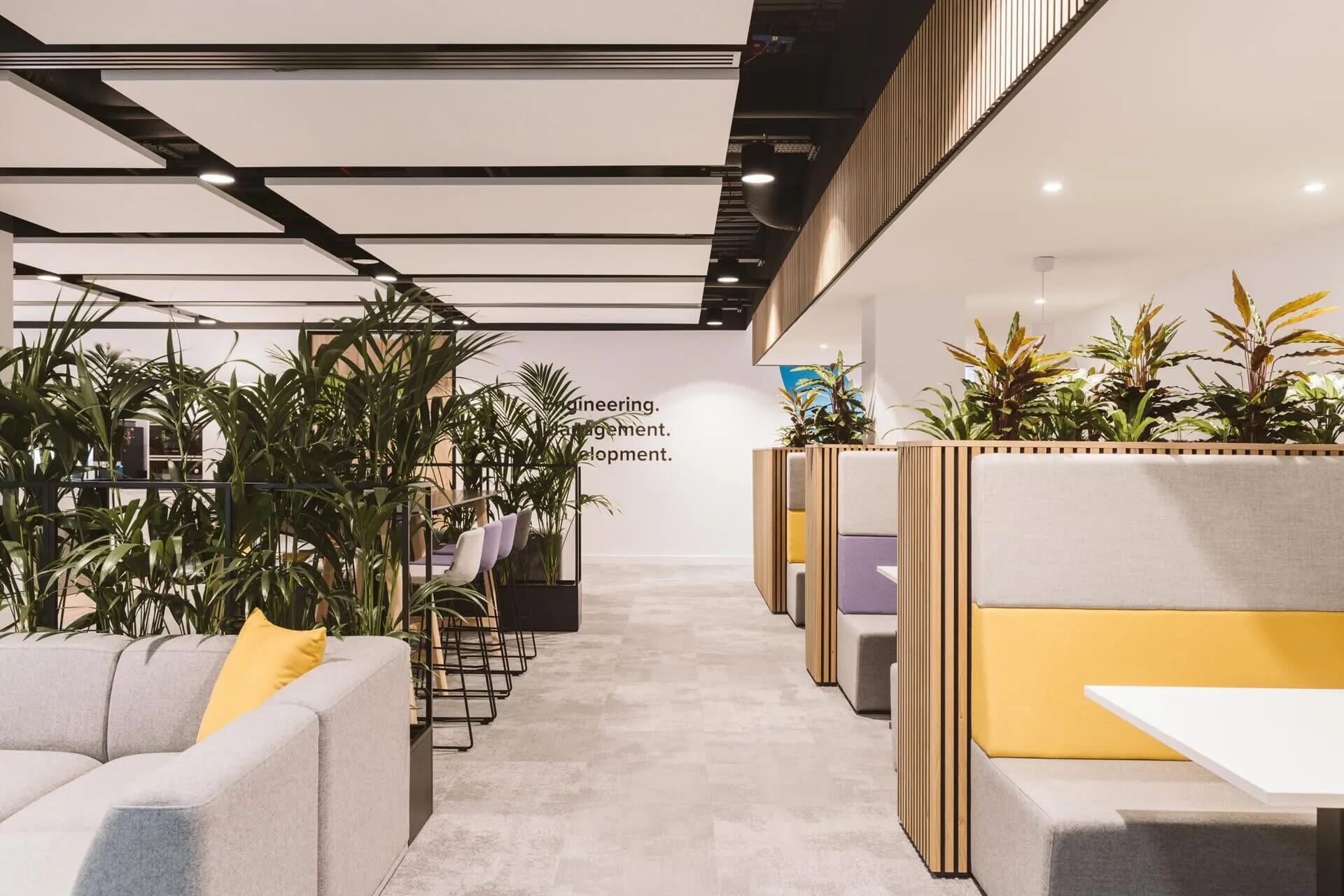
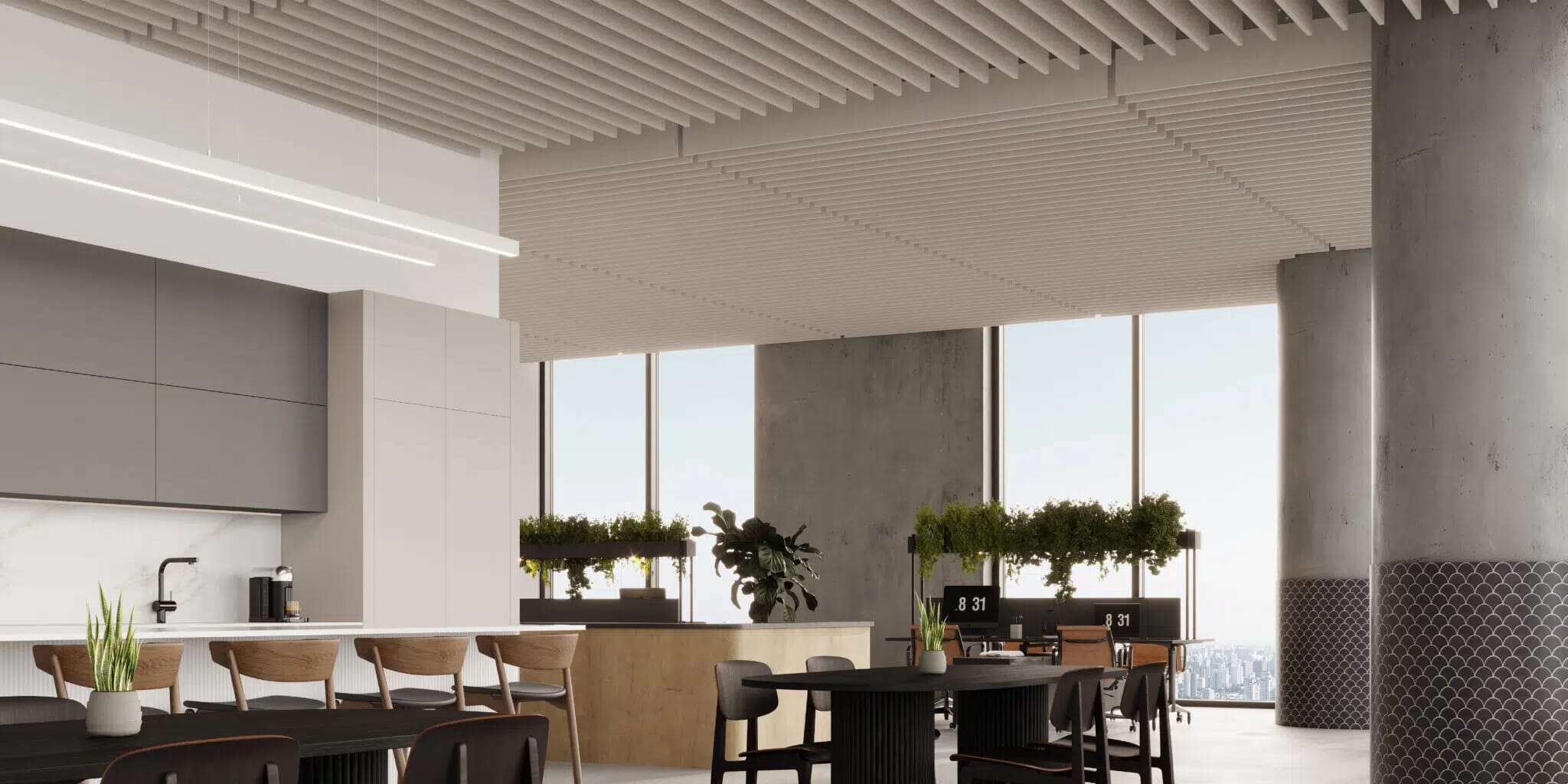
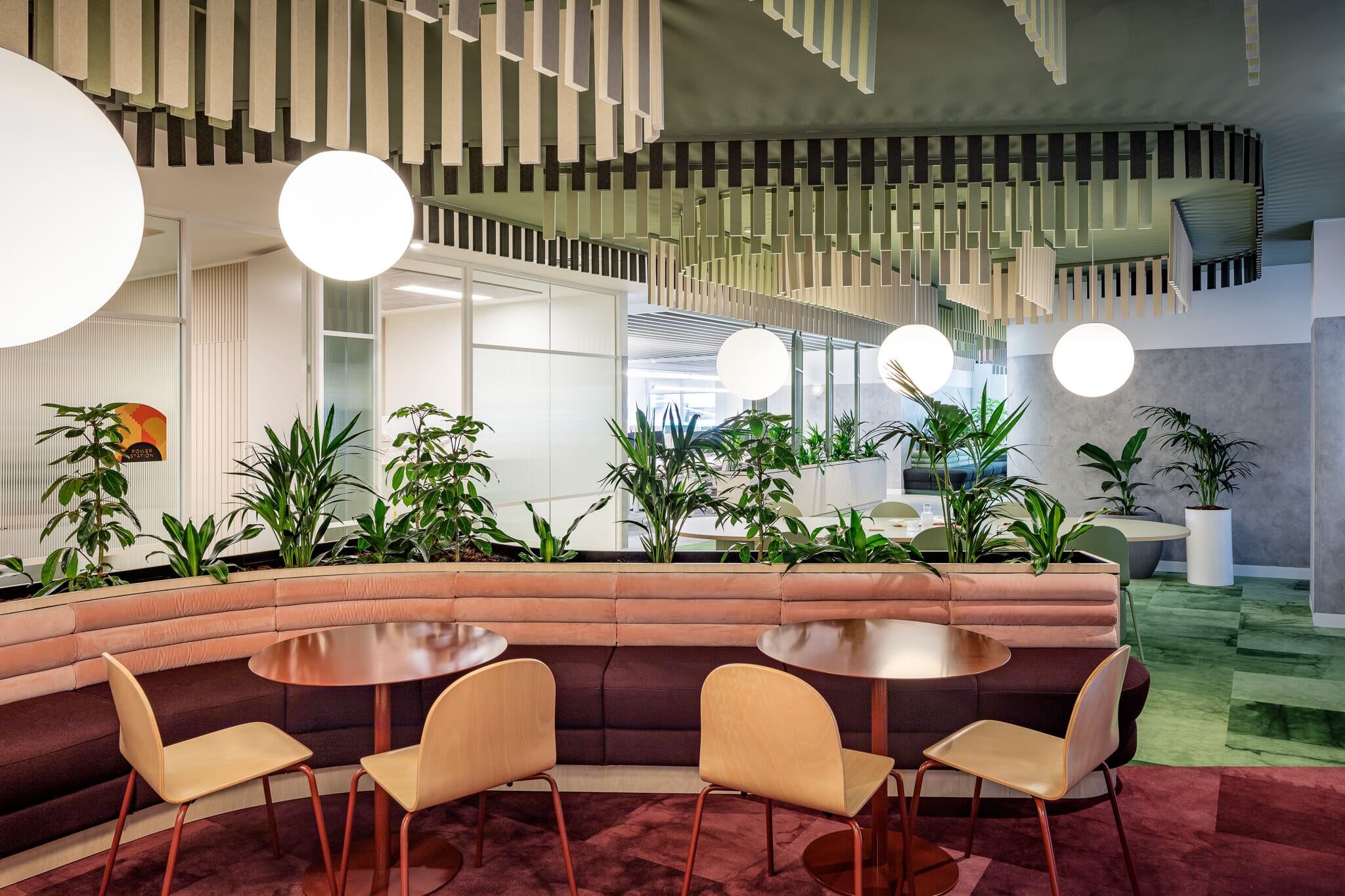
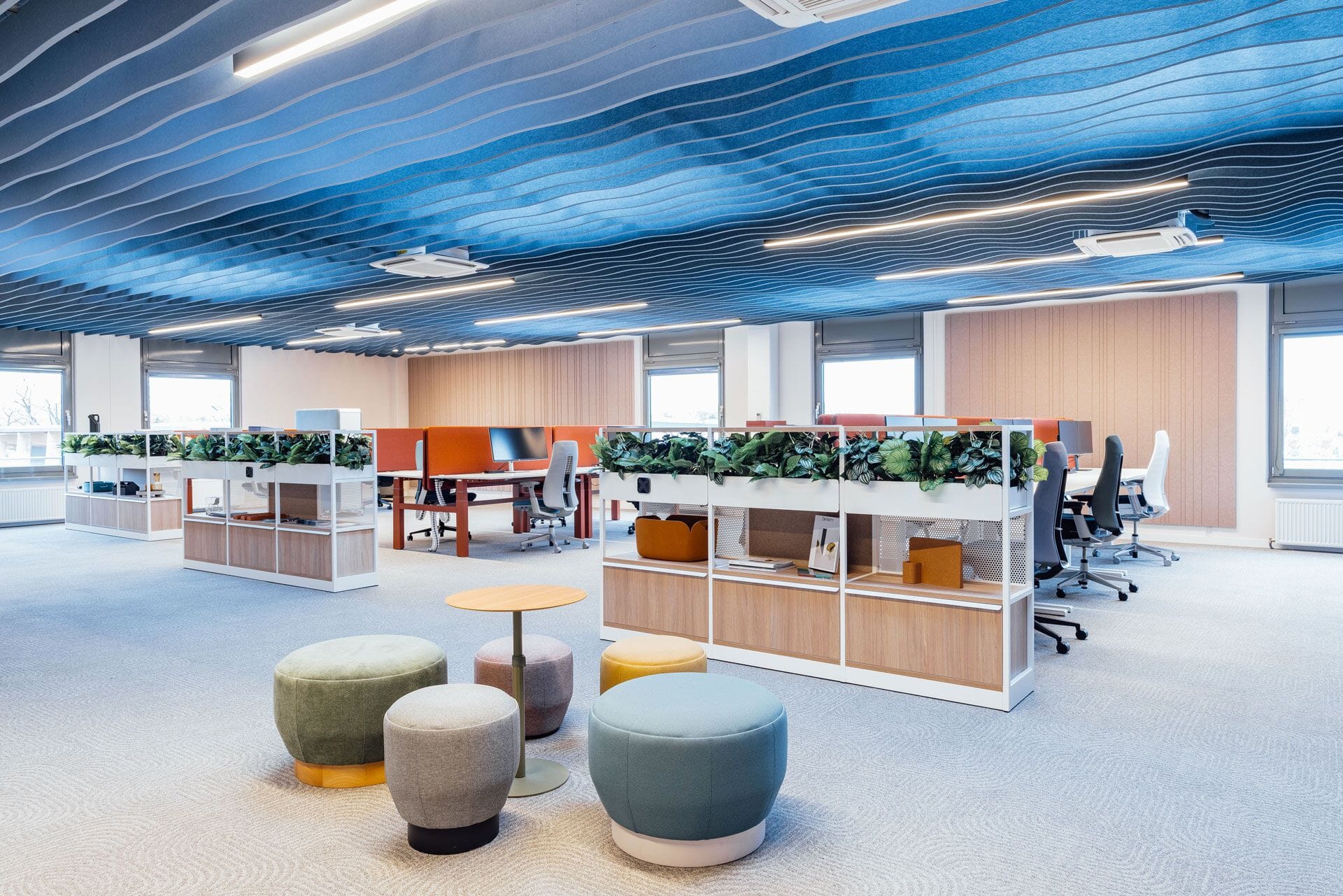
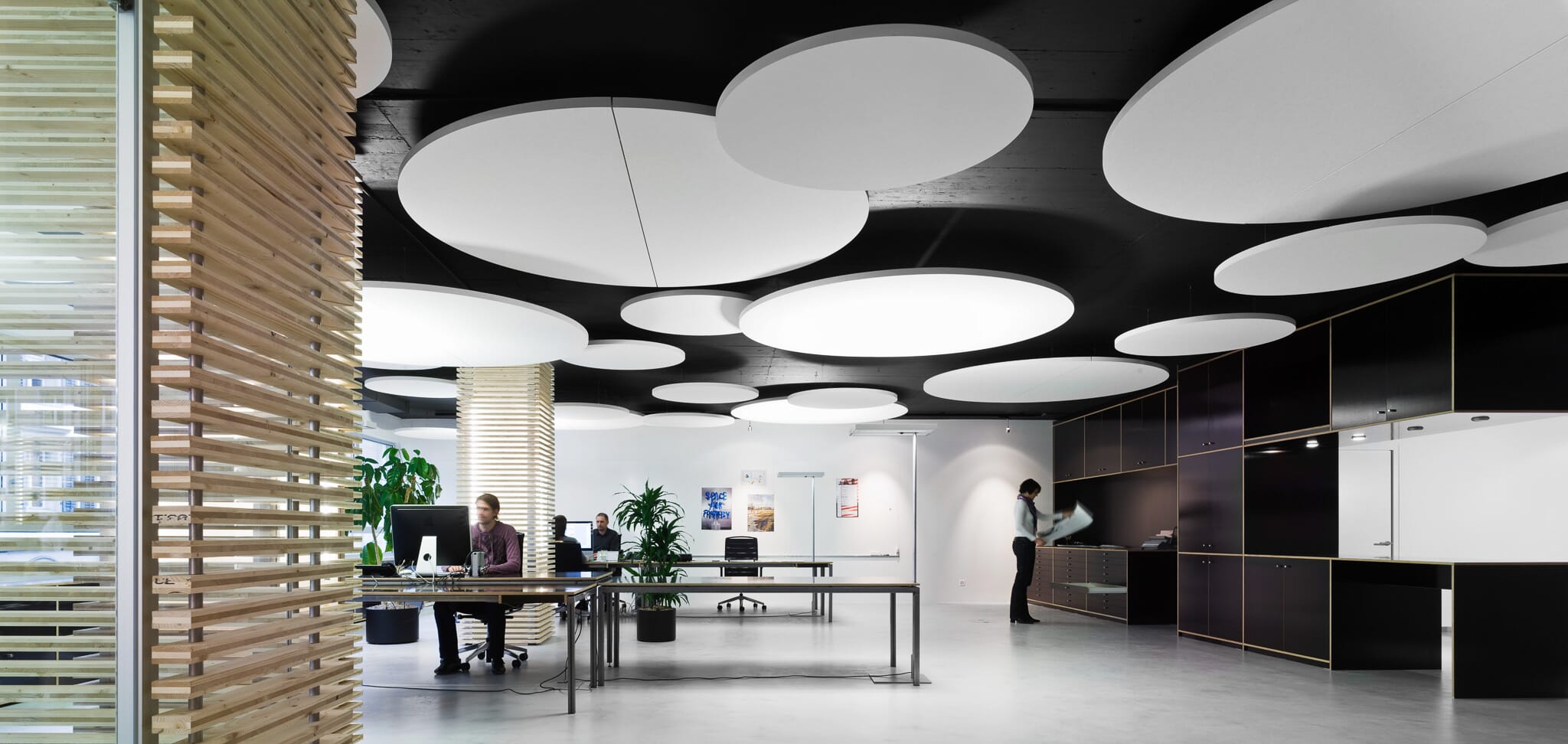
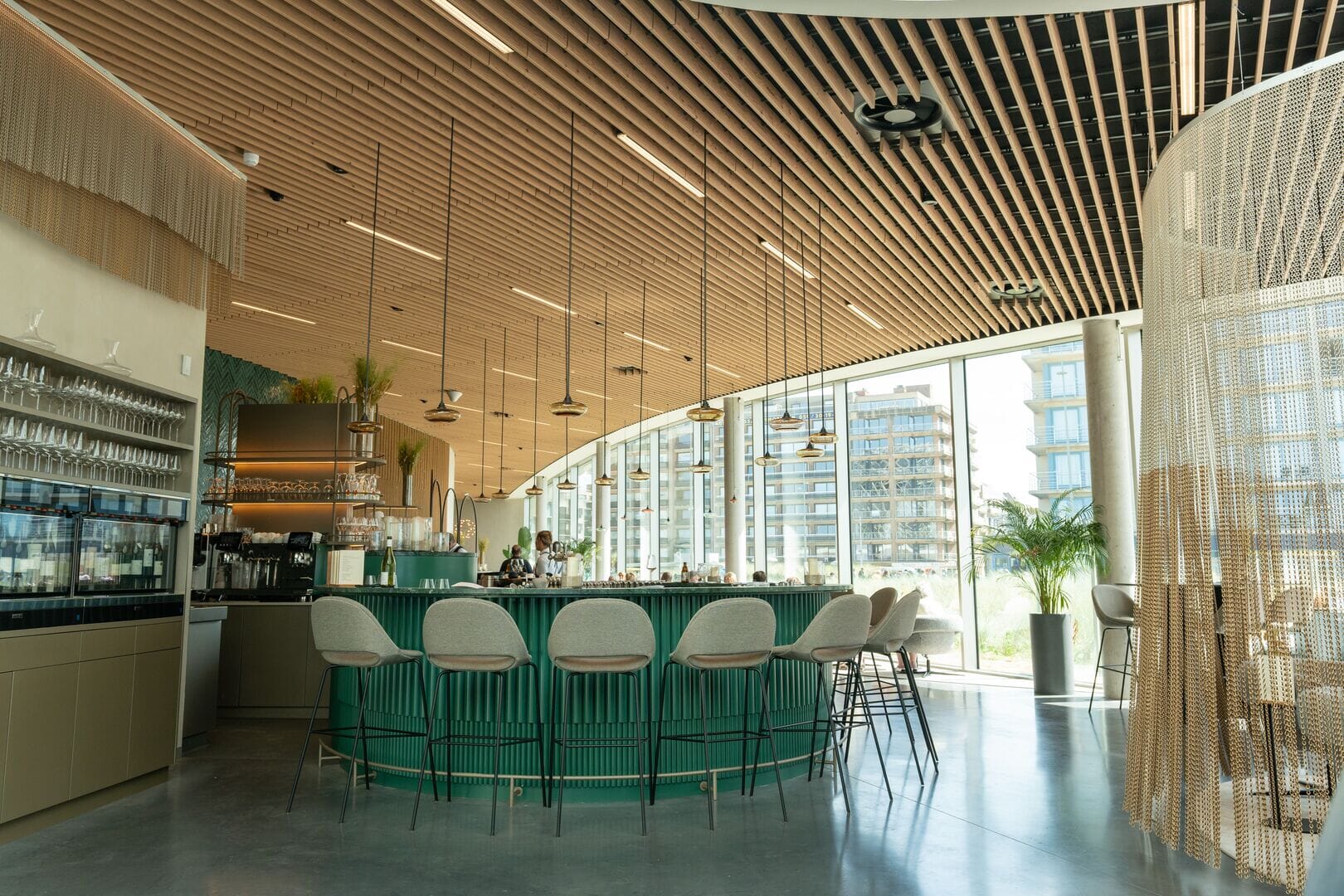
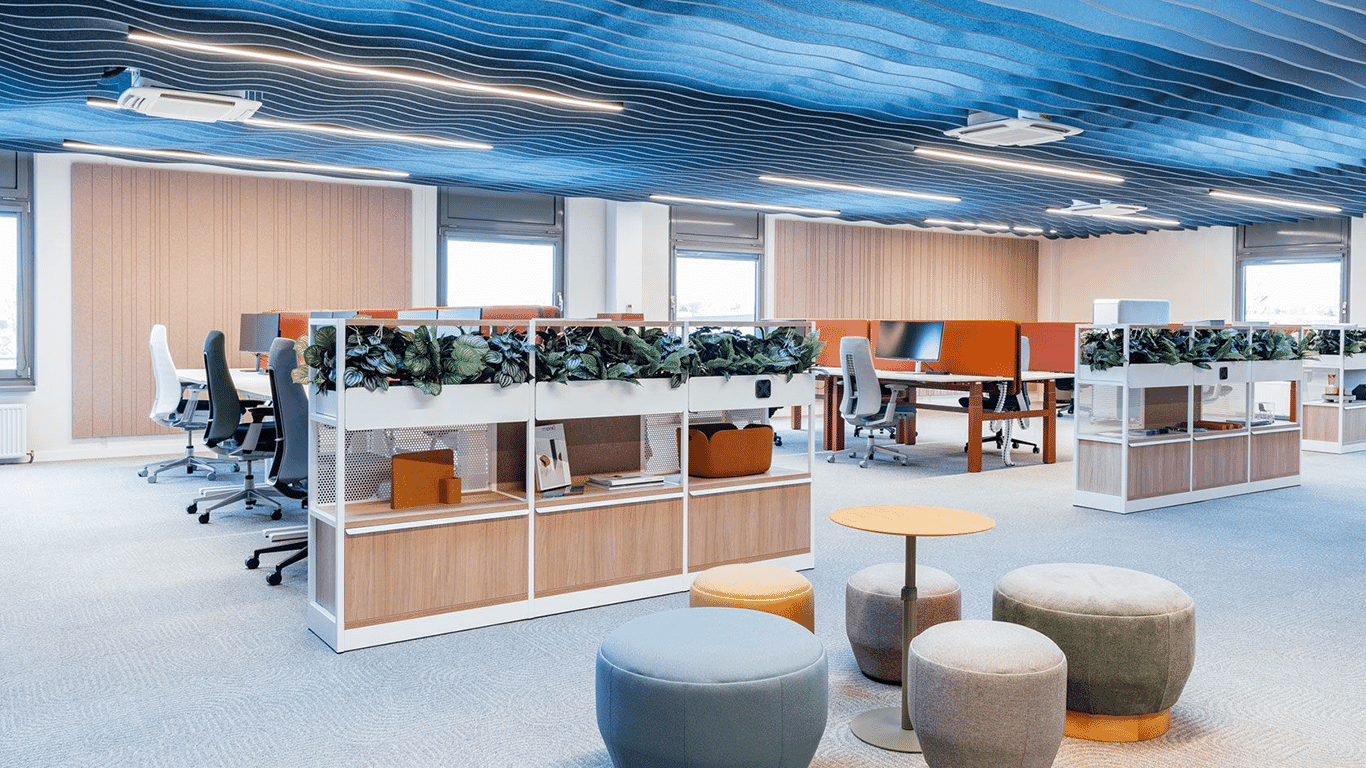
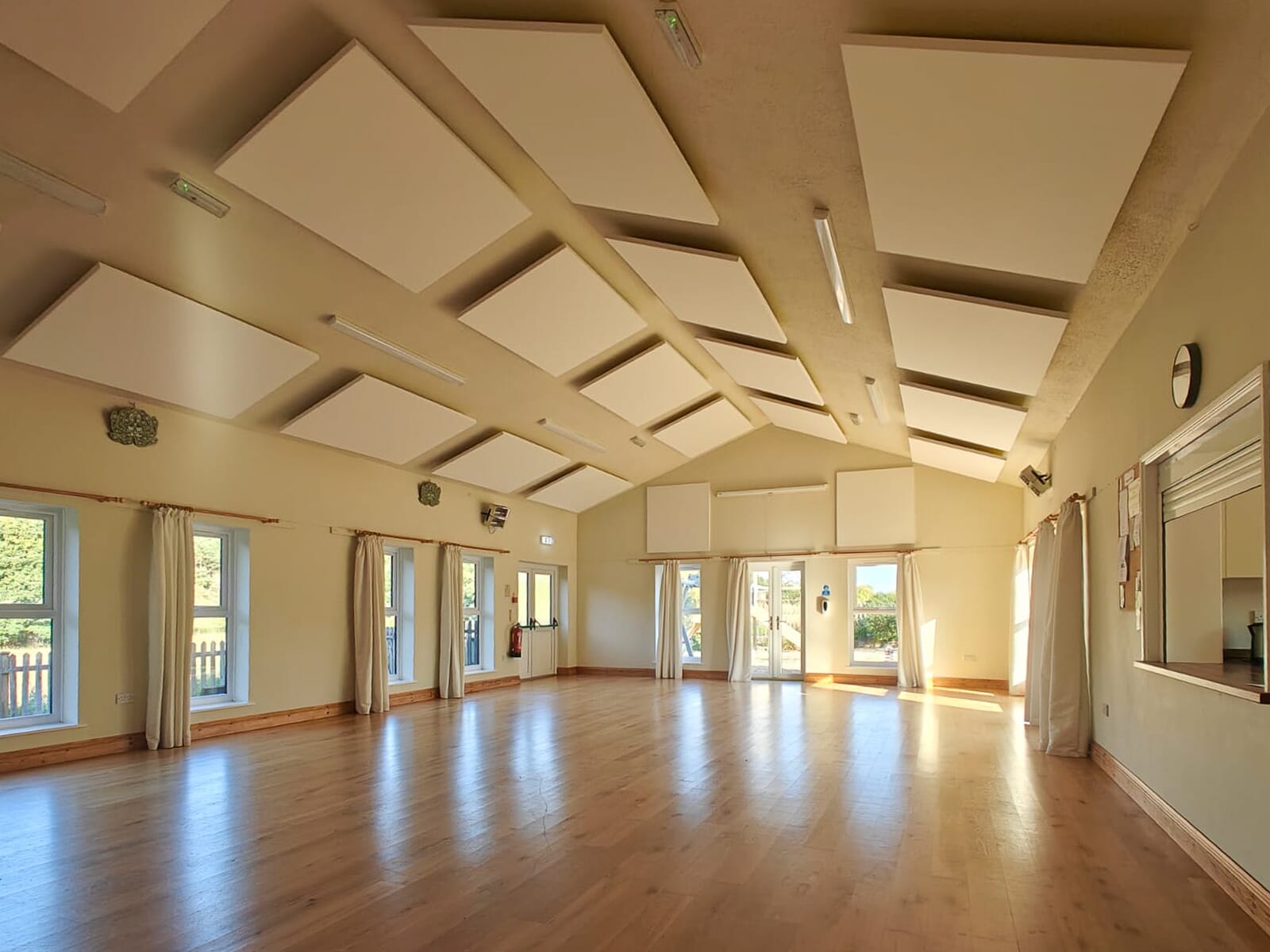
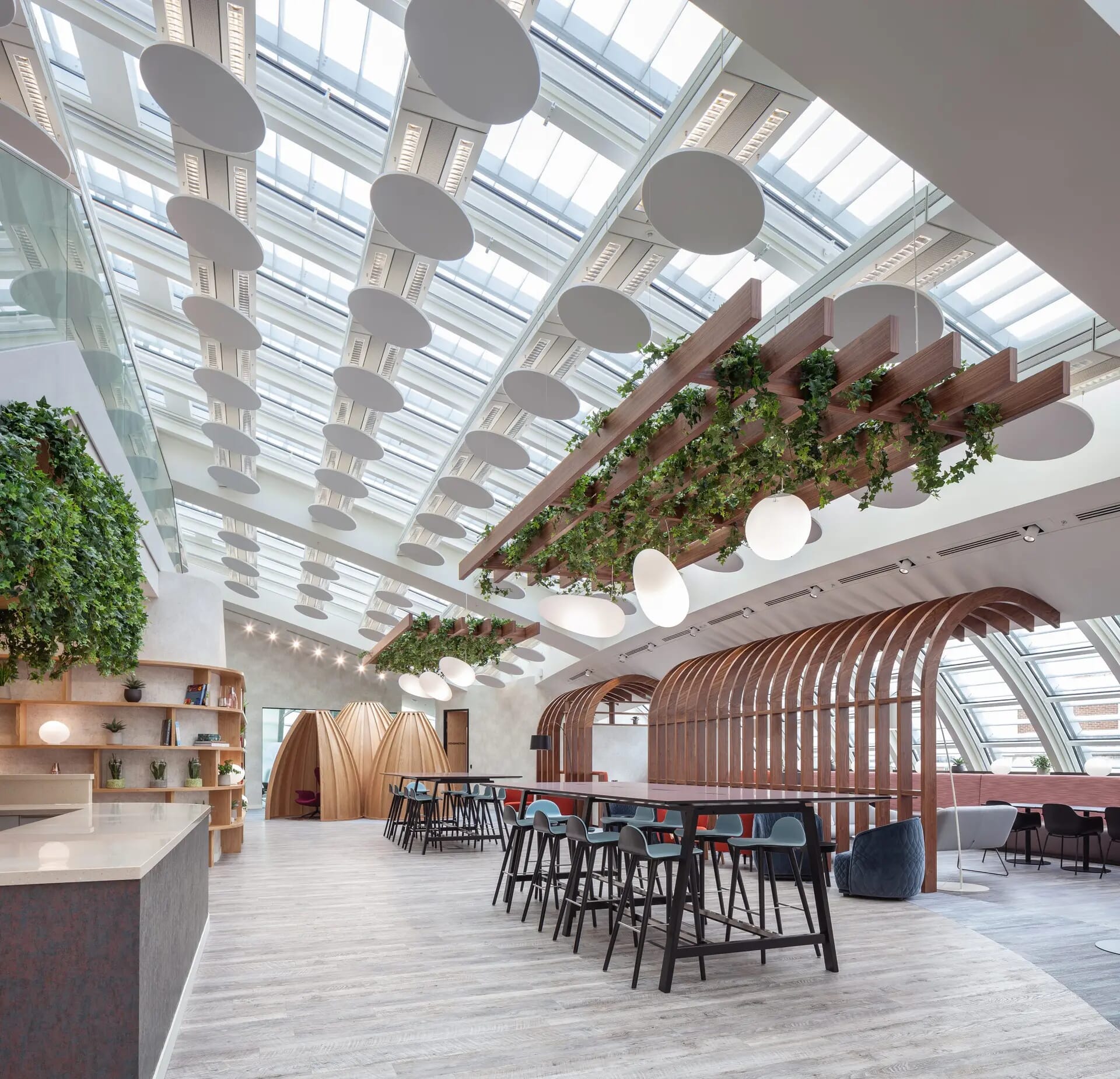
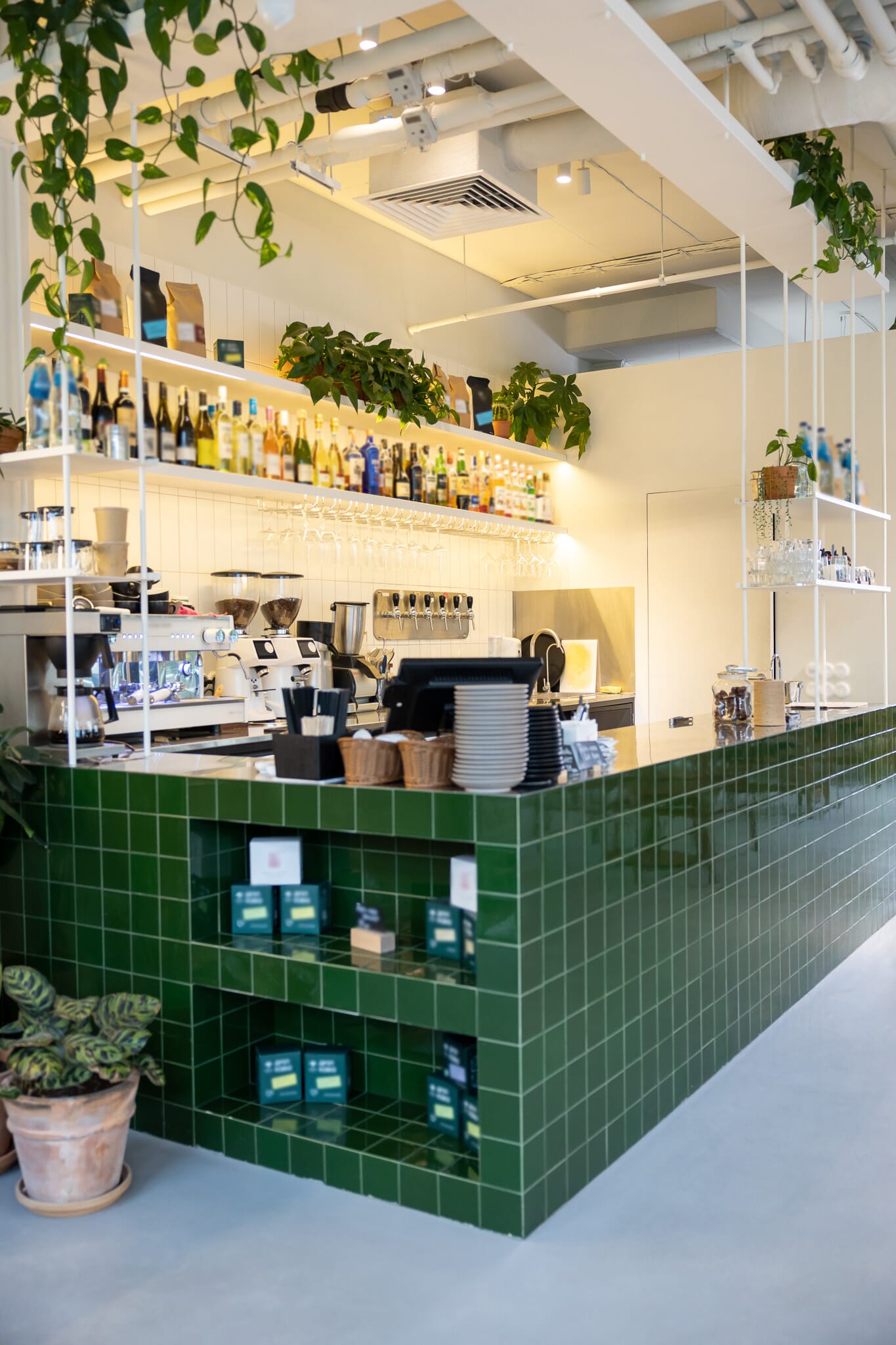
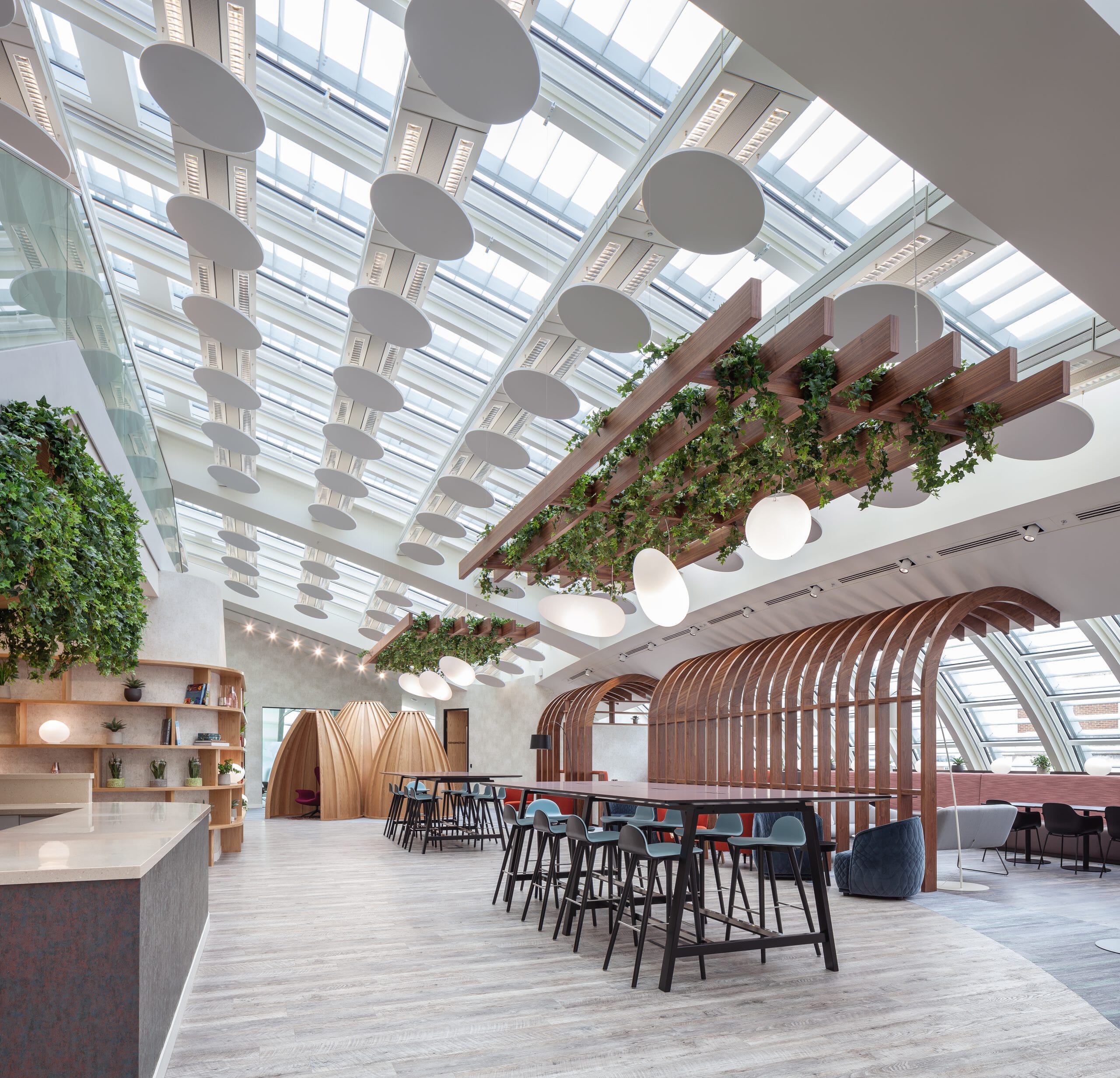
- Ceilings: Treat the majority of the ceiling area with acoustic rafts or baffles, especially above seating.
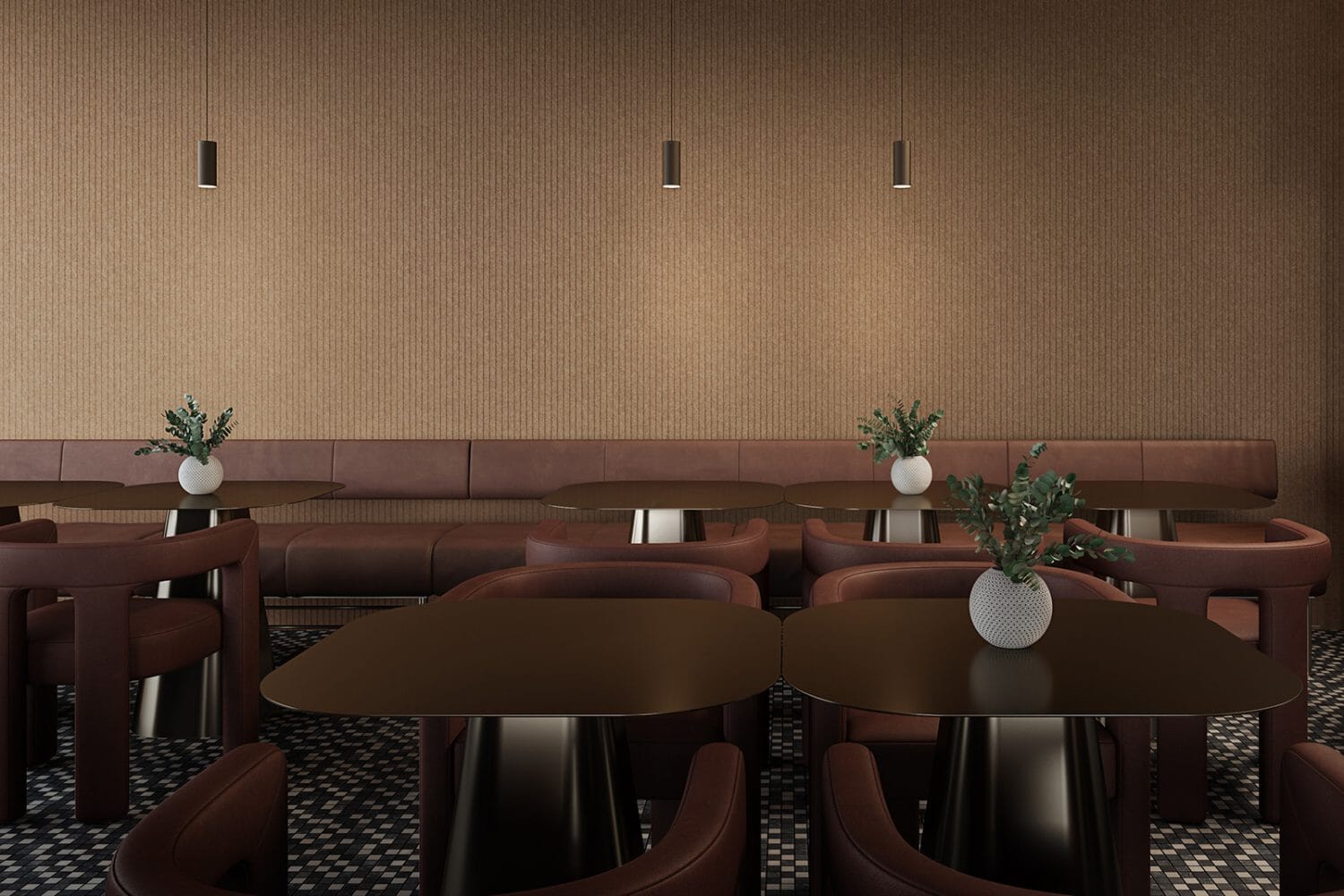
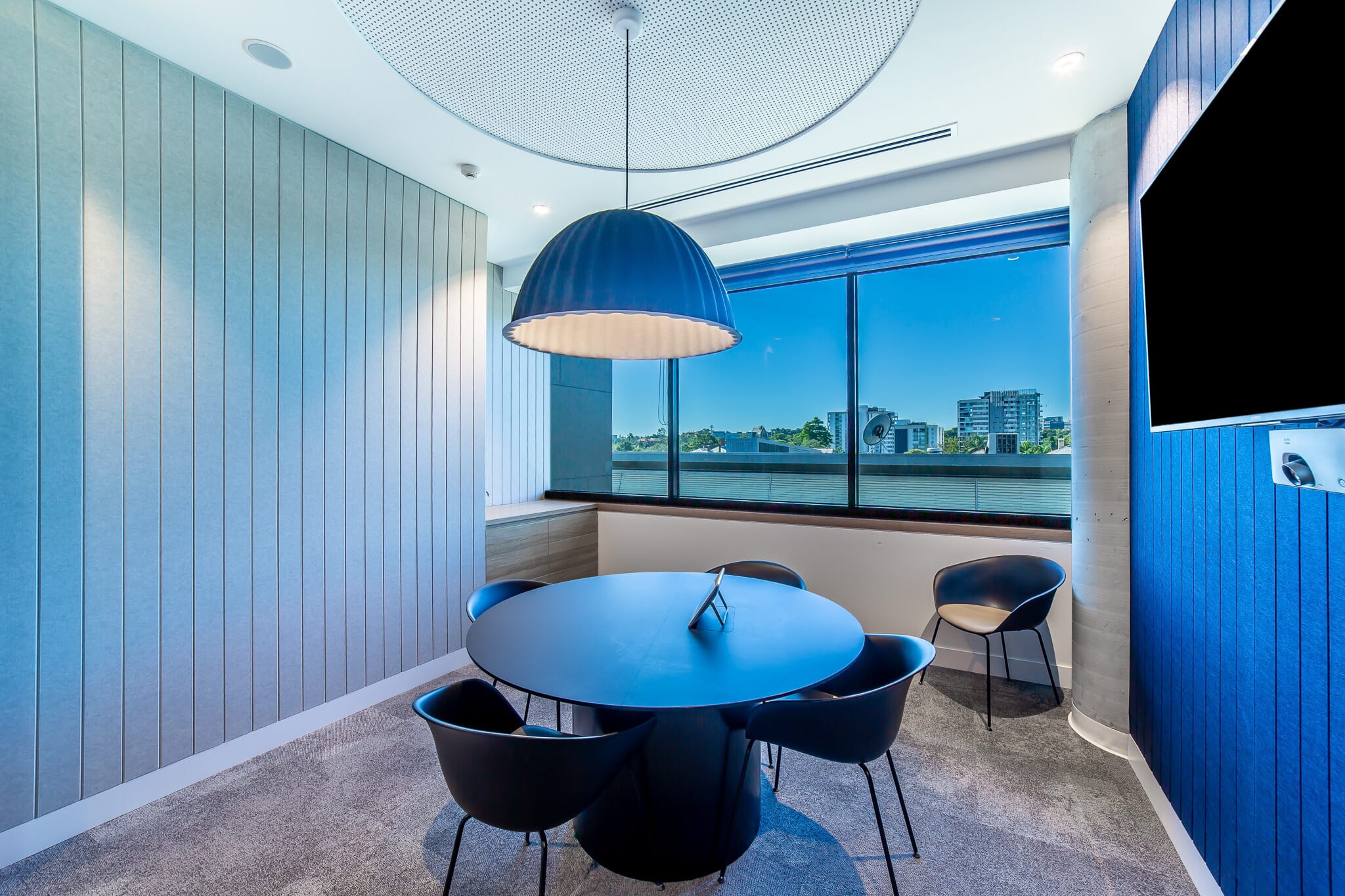
- Walls: Add acoustic wall panels near counters, machines and seating areas.
- Materials: Choose softer furnishings such as upholstery seating, cushions, rugs and curtains.
Well-designed acoustic treatment helps cafes increase dwell time, encourage repeat visits and protect online reviews — all without losing the buzz that makes a coffee shop feel alive.
Why good cafe acoustics matter
A noisy cafe isn’t just uncomfortable, it’s bad for business.
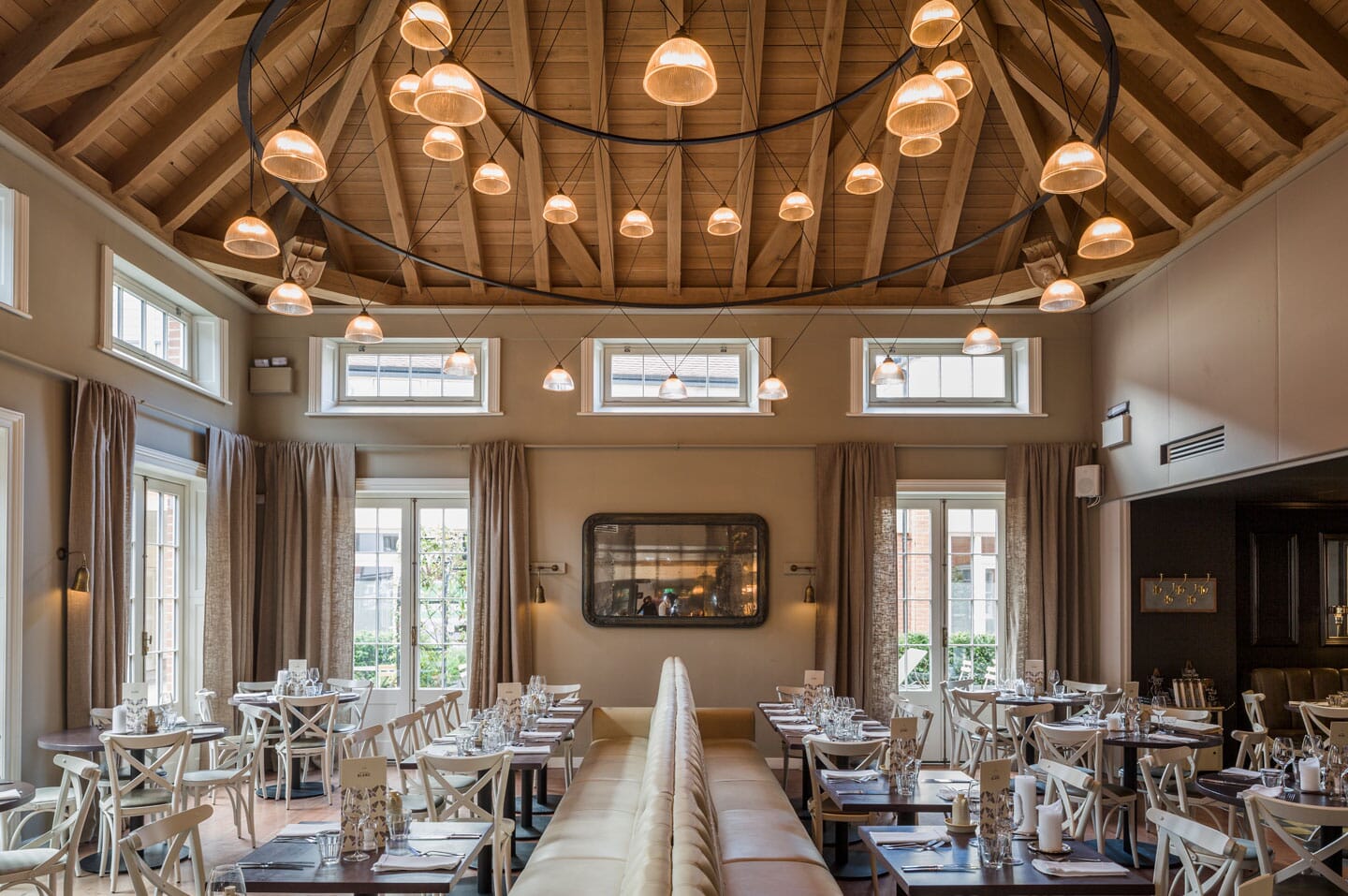
Coffee shops are among the loudest spaces in hospitality. Hard floors, exposed brick, glass windows and stainless steel equipment all reflect sound rather than absorb it, and every espresso machine, milk steamer, till bell and chair scrape adds to the mix.
Poor cafe acoustics can lead to:
- Shorter visits and lower spend per customer
- Negative reviews mentioning noise, even when the coffee and service are excellent
- Increased fatigue for baristas working a full shift in a loud environment
- A less premium feel, even in a beautifully designed space
The good news is that most cafe noise problems are fixable with the right acoustic strategy, and it doesn’t have to compromise the room’s energy.
Watch the video below to see how we fixed the acoustics at Ottolenghi Restaurant after customers complained about the noise levels.

Understanding the main cause of cafe noise
Most noisy cafes suffer from excessive reverberation, not just loud customers or equipment. Reverberation happens when sound reflects repeatedly off hard surfaces, such as:
- Exposed ceilings and ductwork
- Tiled or polished floors
- Glass shopfronts and large windows
- Stainless steel counters and equipment
The goal of cafe acoustic design is to absorb sound at the source without deadening the atmosphere that makes a coffee shop feel welcoming, so conversations stay clear and noise doesn’t dominate the room.
How to improve cafe and coffee shop acoustics
Cafe noise generally comes from two areas: the front of house, where customers queue, chat and settle in, and the back of house, where the real noise is made. Treating both is what makes the difference.
Guest Noise
In the customer-facing part of the cafe, noise builds from conversations, queuing, chair movement and hard flooring underfoot.
Focus treatment where people gather and linger longest, such as window seats, communal tables and any area near the till where queuing noise builds.
Effective solutions:
-
- Ceiling panels or baffles above seating areas and the queue line
- Wall panels on opposing hard surfaces, particularly around booths and window seating
- Soft furnishings such as upholstered seating or curtains near large windows
Kitchen Noise
Behind the counter, espresso machines, grinders, blenders and till systems all generate sharp, high-frequency noise that carries straight into the seating area.
Treating the back of house properly means the barista can still shout an order without it dominating every table in the room.
Effective solutions:
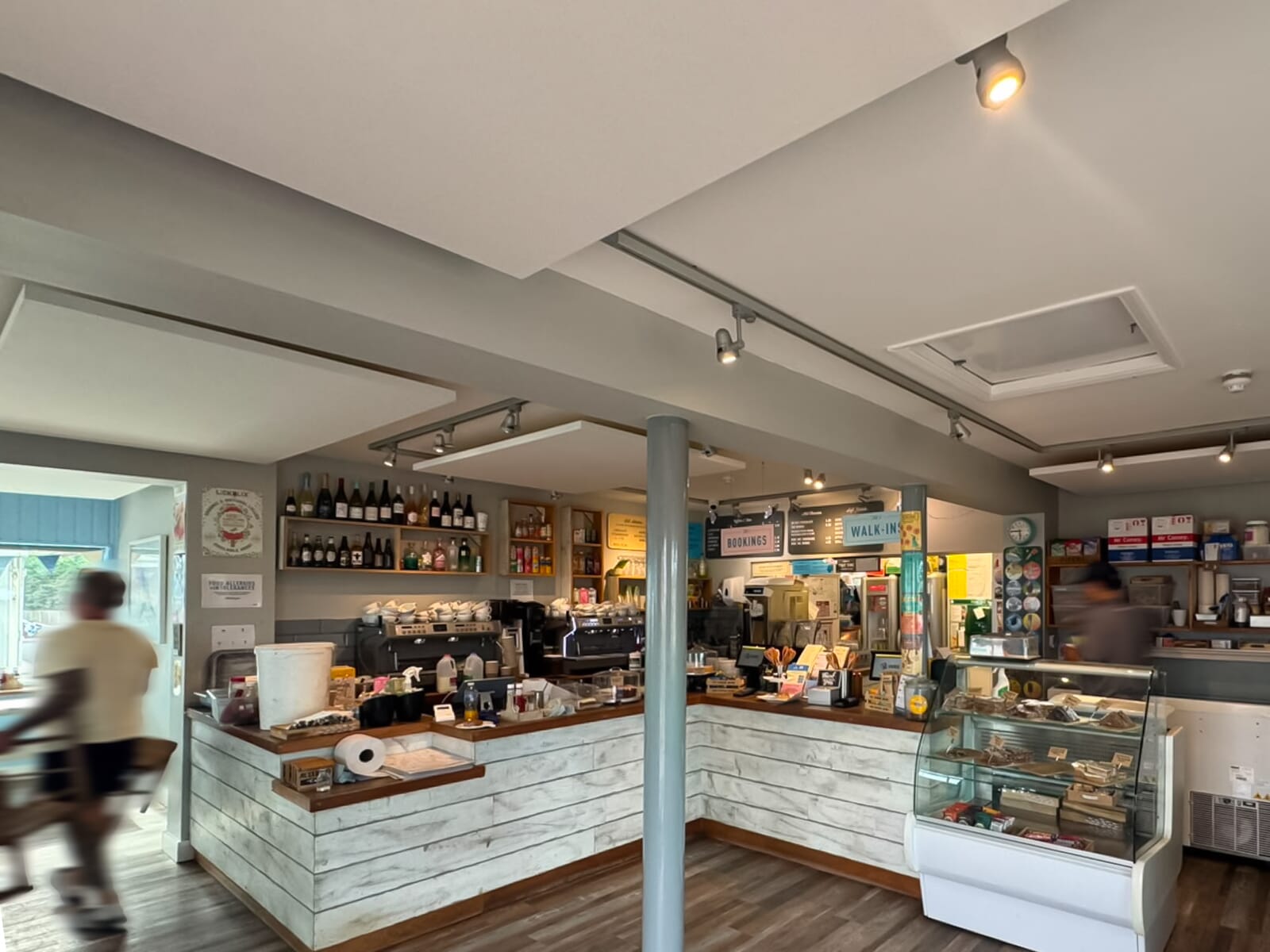
- Acoustic ceiling treatment directly above the counter and prep zone
- Wall panels behind or beside noisy equipment to stop sound reflecting into the customer space
- Zoning the counter area, so machine noise doesn’t bleed into quieter corners
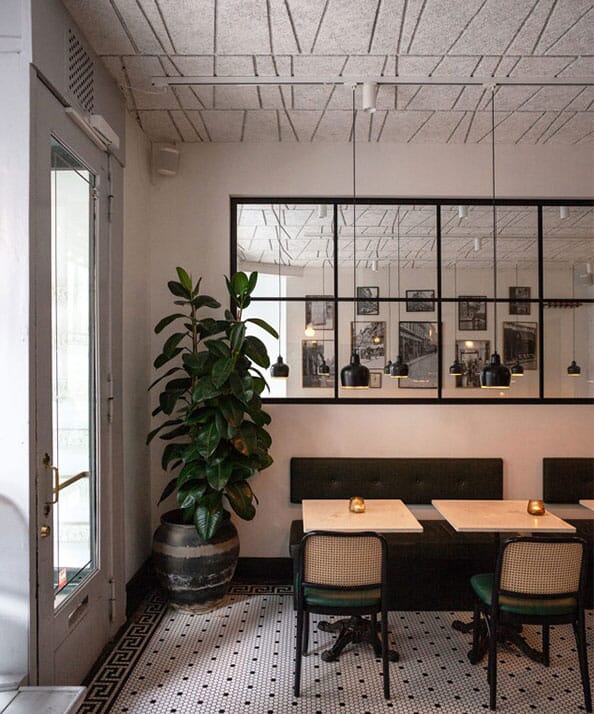
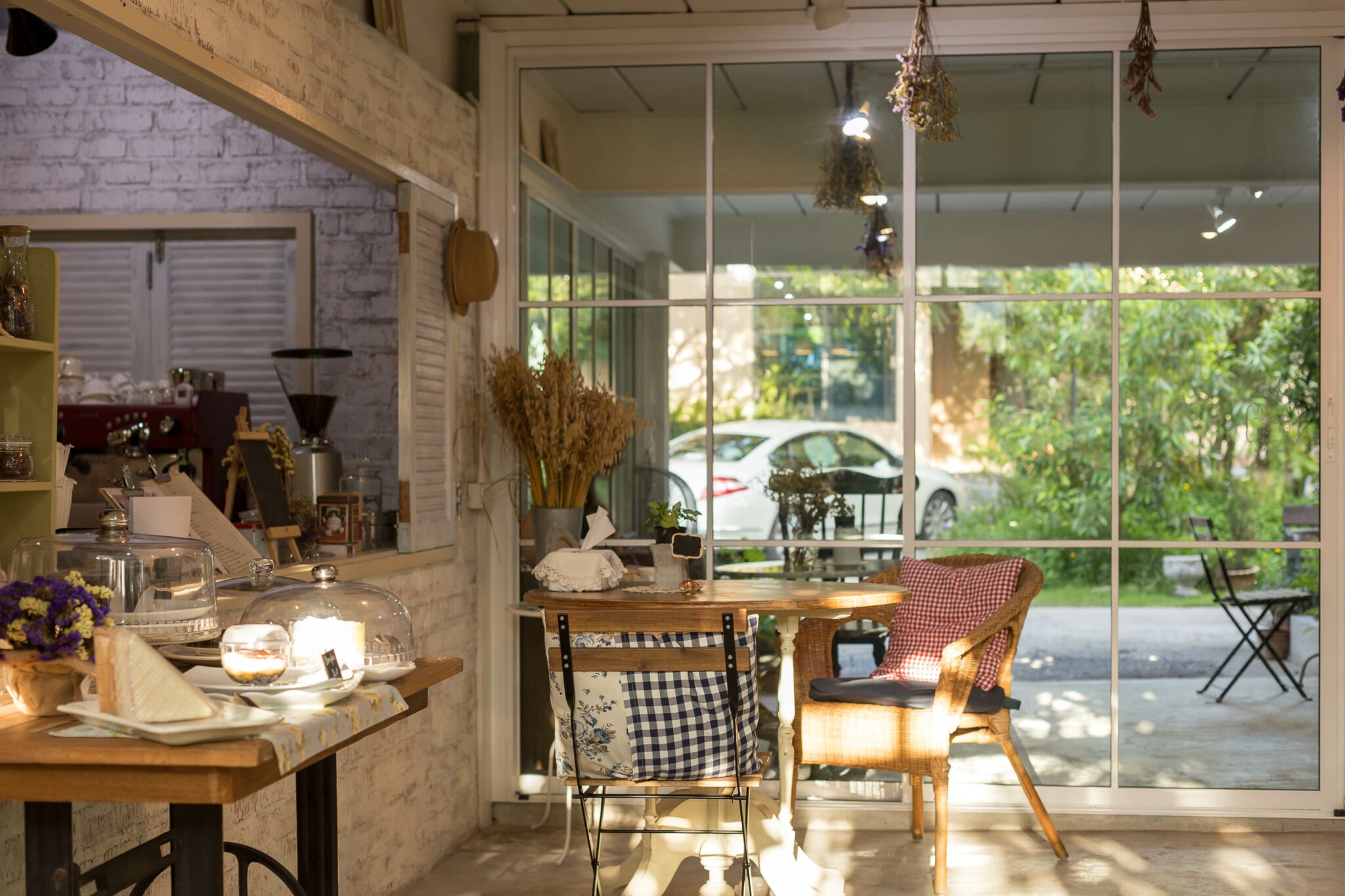
Acoustic panels for cafes
Acoustic panels are the most practical way to treat a cafe, since they can be installed without disrupting layout, branding or footfall.
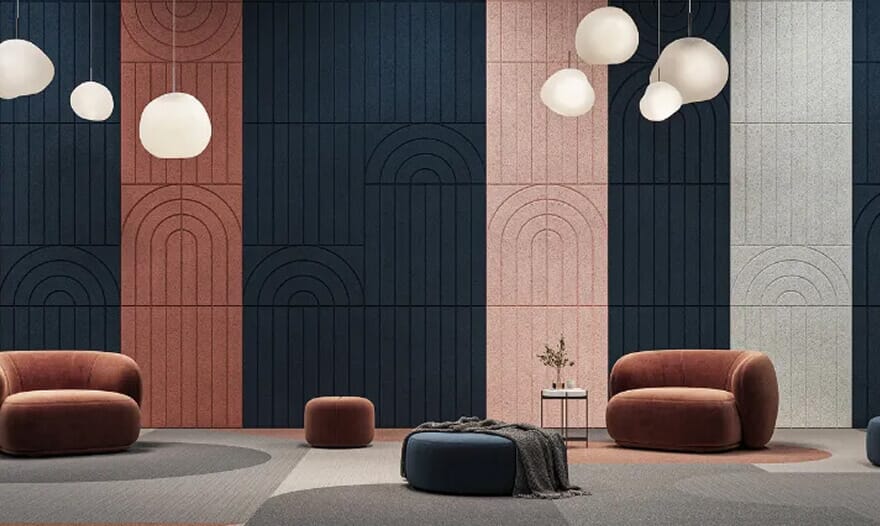
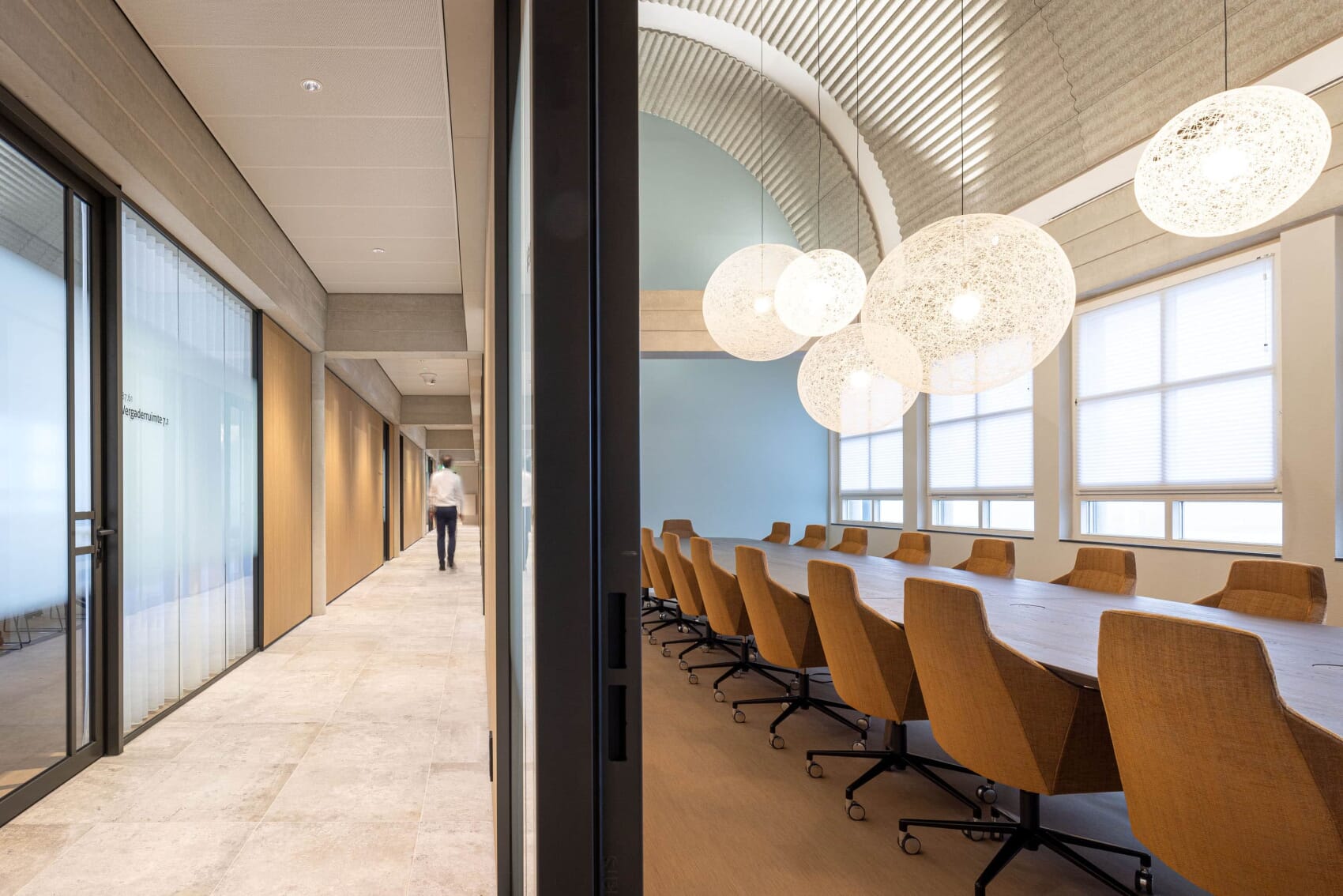
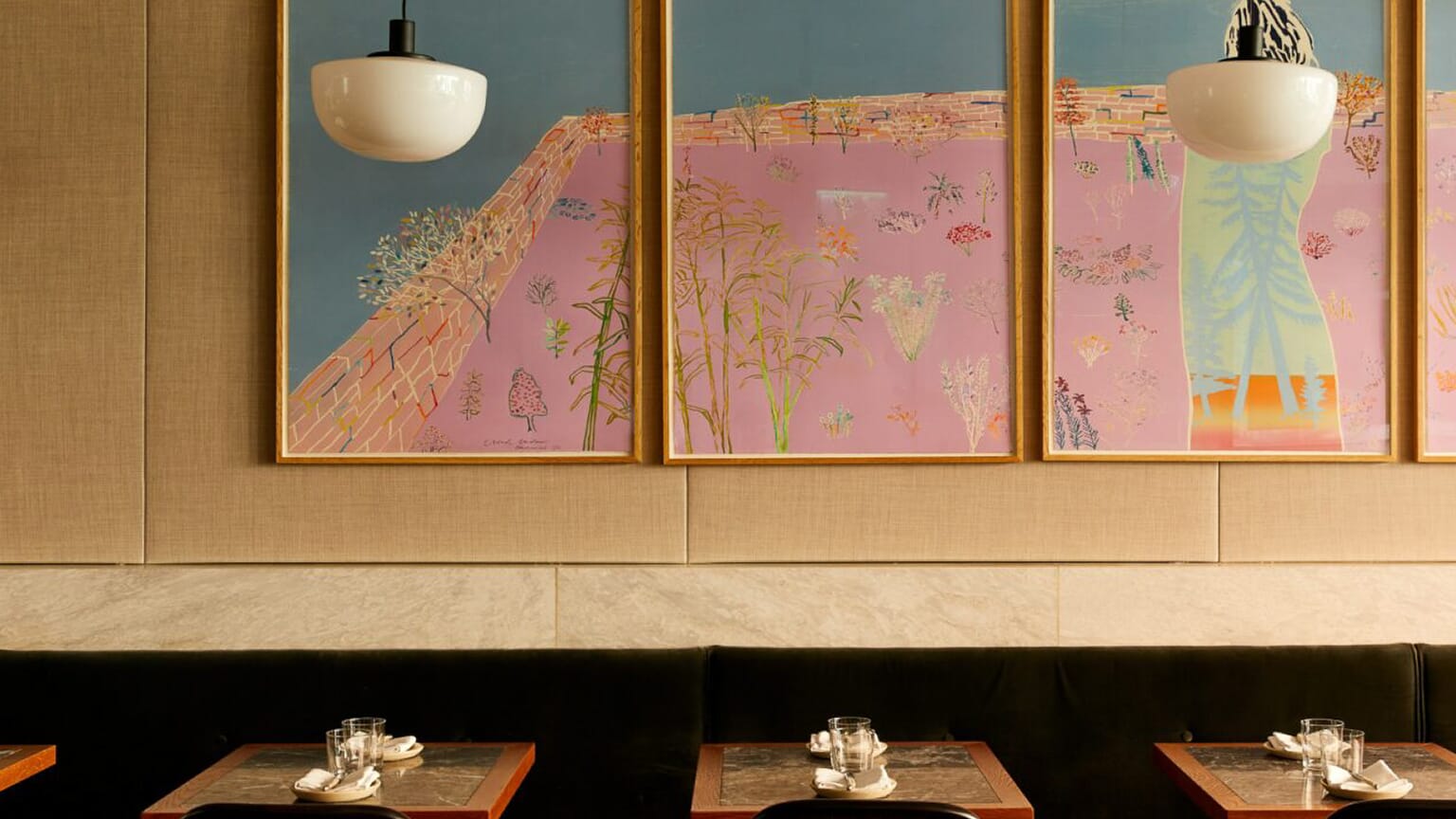
Panels can be specified in colours and finishes that match existing branding, so acoustic treatment becomes part of the interior design rather than an obvious retrofit.
Common options include:
- Ceiling rafts for overhead absorption above seating and counters
- Acoustic wall panels for opposing hard surfaces and feature walls
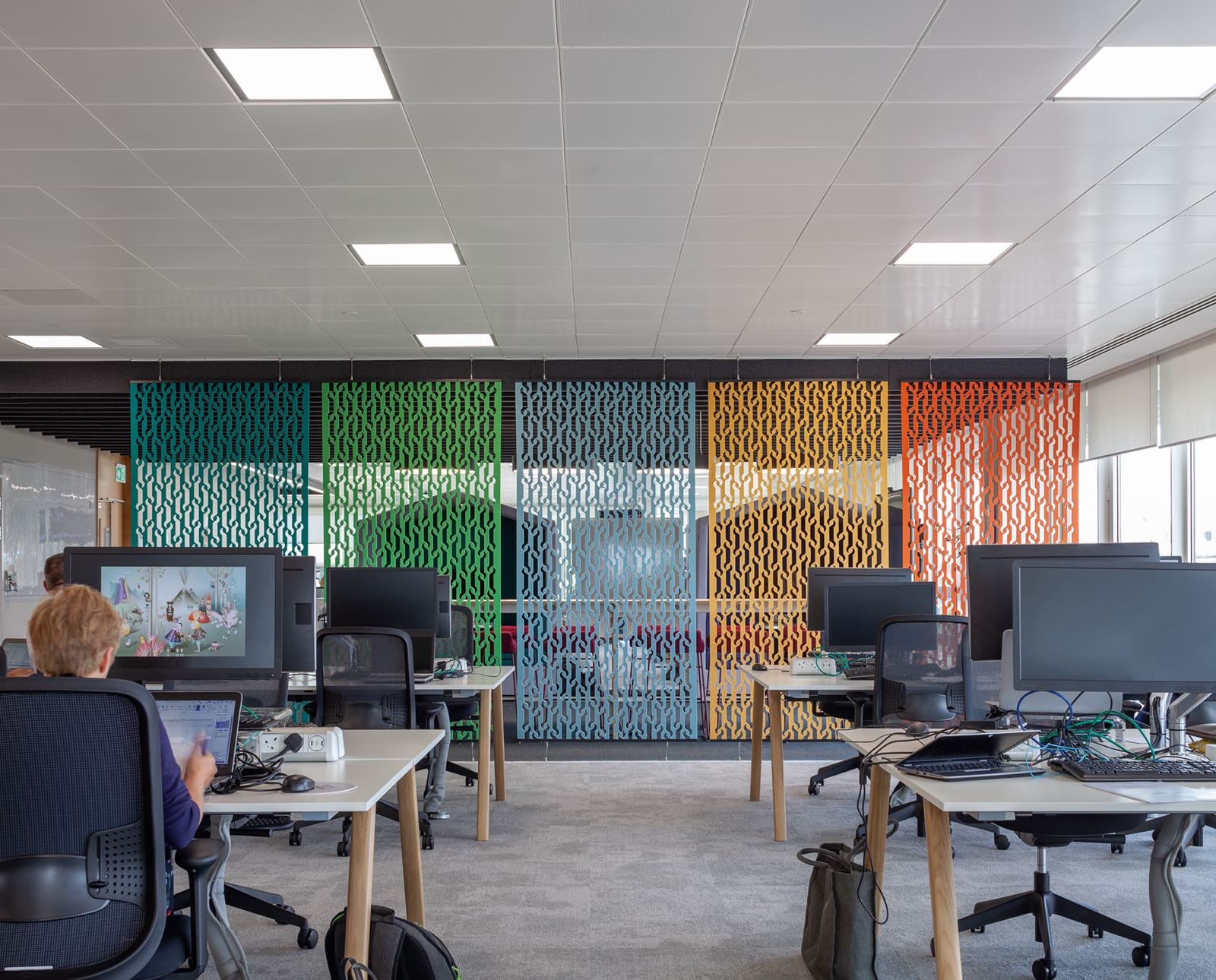
- Custom acoustic solutions for branded panels, logos or bespoke shapes
- Fabric-wrapped acoustic systems to seamlessly blend into the existing interior
What to look for when buying cafe acoustic panels
Not all acoustic panels are suitable for a food and beverage environment. When specifying panels for a cafe, look for:
NRC rating
Choose panels with a Class A rating (NRC 0.90 or higher) for commercial environments to ensure effective sound absorption.
Material choice
Cafes need panels that can withstand steam, splashes and daily cleaning. Look for:
- Wipeable, durable surface finishes
- Materials rated for food and beverage or hospitality environments
- Fire-rated cores, particularly near kitchen or prep areas
Getting this right from the outset means the panels perform for years, without needing replacement due to wear, staining or damage.
How to know if your cafe needs acoustic treatment
You likely need professional acoustic treatment if:
- Customers regularly comment that it’s too loud or echoey
- Staff struggle to hear orders during busy periods
- Noise increases dramatically as the cafe fills up
- You’ve added soft furnishings or plants but seen little real improvement
Professional acoustic solutions for cafes
At Resonics, we design and install tailored acoustic solutions for cafes and coffee shops, balancing:
- Noise control
- Aesthetic design
- Practicality for a food and beverage environment
Every space is different. The right specification depends on the room’s dimensions, its surface materials, how it’s used and how loud it typically gets. That’s why Resonics always starts with an acoustic survey rather than a one-size-fits-all product recommendation.
Our approach ensures treatments work without compromising your brand or the atmosphere customers come back for. Learn more about our cafe acoustic solutions.
FAQs
Q: Do acoustic panels actually work?
A: Yes. Acoustic panels absorb sound energy rather than letting it bounce around the room, which directly reduces reverberation and background noise. In a hard-surfaced cafe, properly specified panels make a measurable difference to how loud a space feels.
Q: What are the best acoustic panels for cafes?
A: The best panels combine a high NRC rating (Class A, 0.90+) with a durable, wipeable finish suited to a food and beverage setting. Ceiling panels or baffles above seating and counter areas typically deliver the biggest improvement, since ceilings are usually the largest untreated surface.
Q: How to reduce noise in a cafe?
A: Focus on treating ceilings first, then walls, particularly above and around seating, queuing areas and the counter. Soft furnishings and layout changes help too, but acoustic panels address the underlying cause: sound reflecting off hard surfaces.
Q: Why are cafes so loud?
A: Cafes combine hard, reflective surfaces like tile, glass, concrete, steel, with multiple noise sources such as espresso machines, grinders and conversation. Without any sound-absorbing material in the room, noise builds quickly and reverberates rather than dissipating.
Q: How many panels do I need for my coffee shop?
A: This depends on room size, ceiling height and existing surfaces, which is why we recommend a free acoustic survey. As a general guide, treating a significant proportion of the ceiling area gives the most noticeable improvement in most cafe layouts.
Article Author
Mark Irwin
Head of Marketing
15th Jul 2026