









7 Minute Read
Where to Install Acoustic Panels?
Knowing where to install acoustic panels makes the difference between a room that feels calm and one that still sounds chaotic. This guide covers optimal placement across different spaces, so your panels actually do their job.

Mark Irwin
5th Aug 2025
Categories
Advice
Acoustic panels are one of the most effective tools for improving how a space sounds. But buying the right panels is only half the equation; where you install them matters just as much.
Place panels in the wrong spots and you’ll absorb sound unevenly, leaving some reflections untreated. Get the placement right, and you’ll notice the difference almost immediately: less echo, clearer speech, a room that feels easier to be in.
This guide covers where to install acoustic panels across different space, such as offices, restaurants, studios and classrooms.
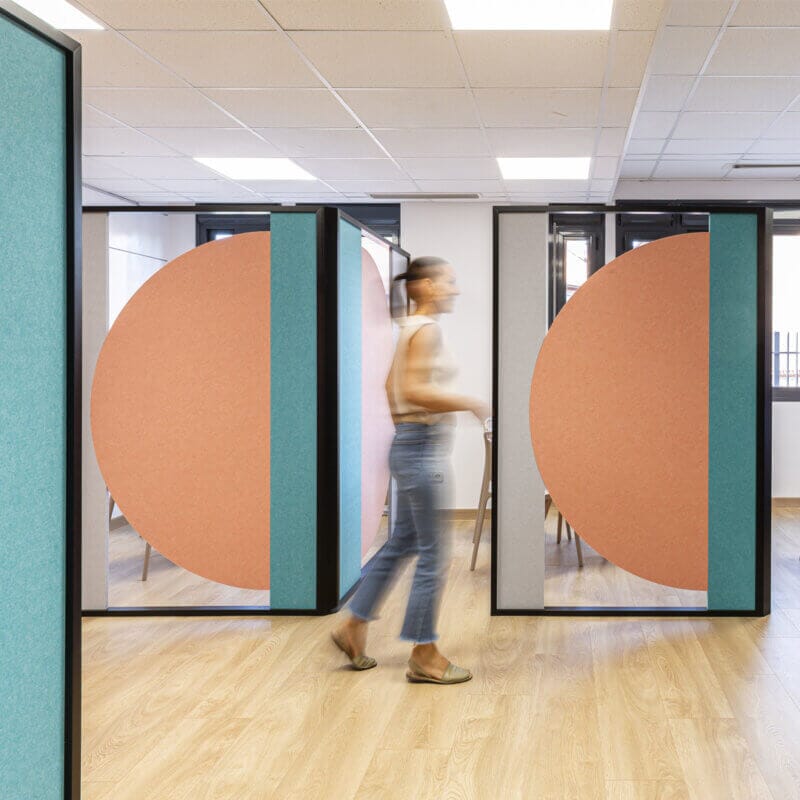
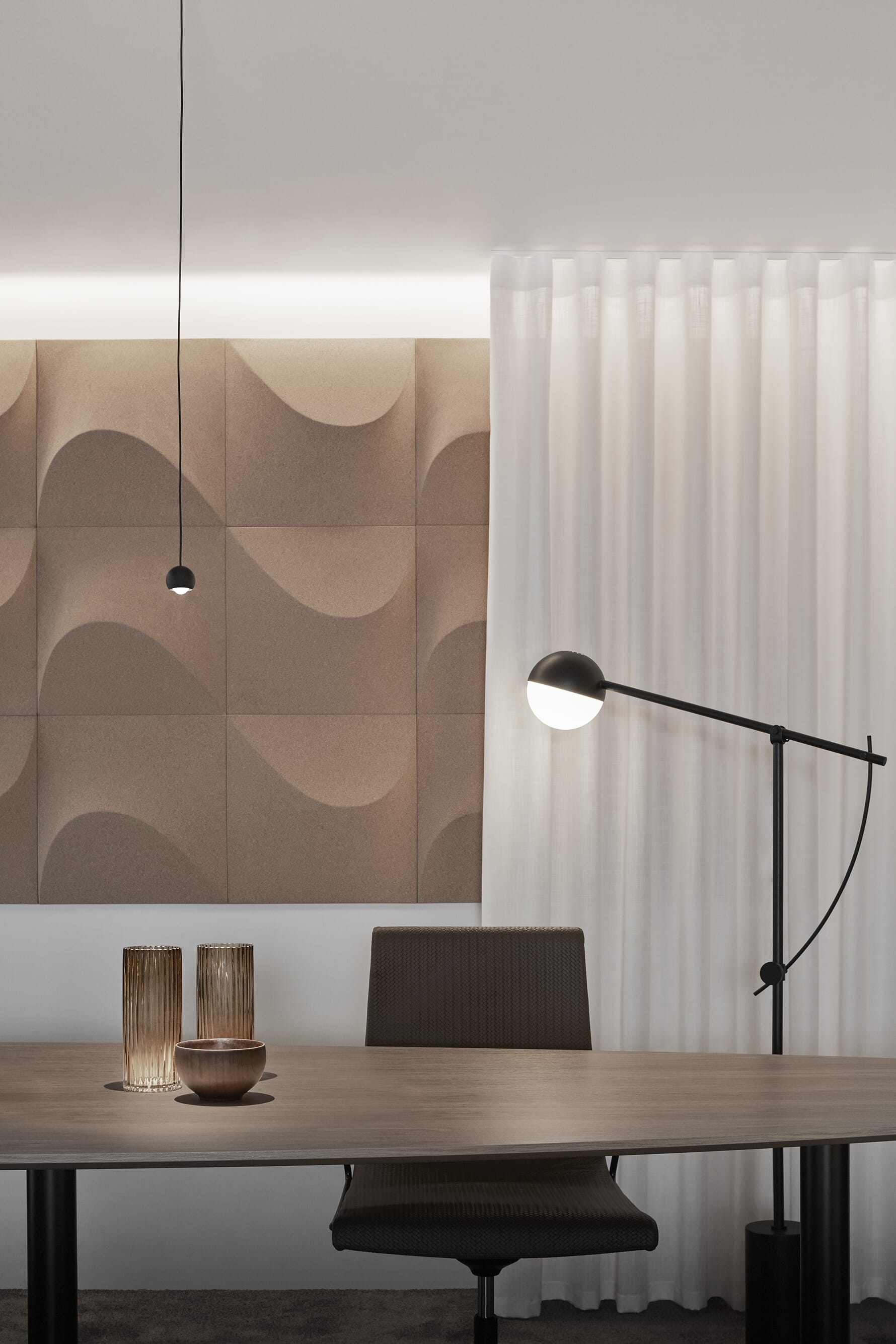
Understanding Reflection Points
Before deciding where to place acoustic panels, it helps to understand why placement matters.
When sound is produced in a room, whether that’s conversation or music, it travels outward and bounces off hard surfaces like walls, ceilings and floors. These are called reflection points, and they’re the primary cause of echo and the kind of muddiness that makes a room feel loud and difficult to communicate in.
Placing acoustic panels at reflection points absorbs sound before it has a chance to rebound and build up. That’s why strategic placement outperforms simply covering as much surface area as possible.
The Key Surfaces: Where Acoustic Panels Work Best
Walls
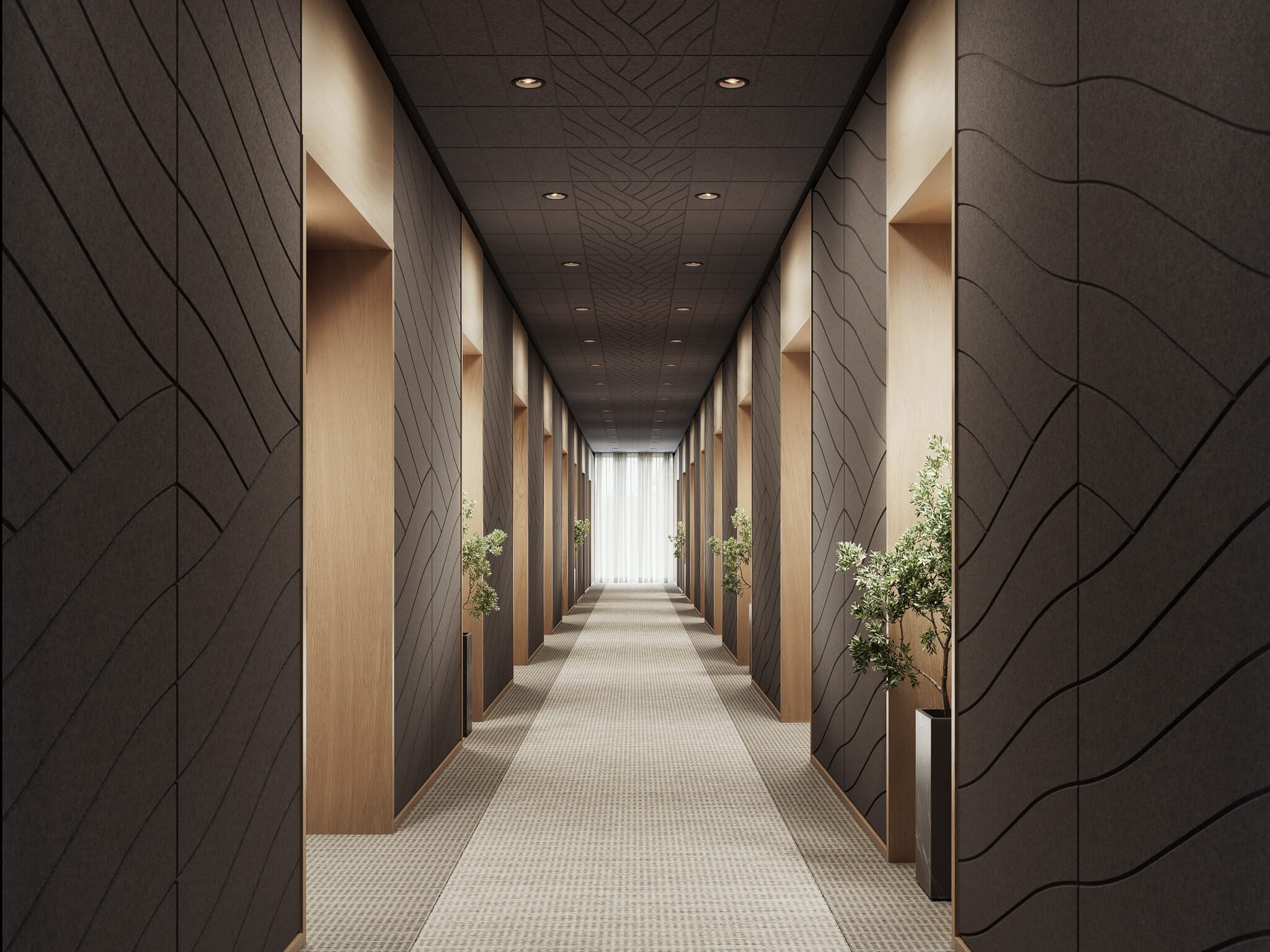
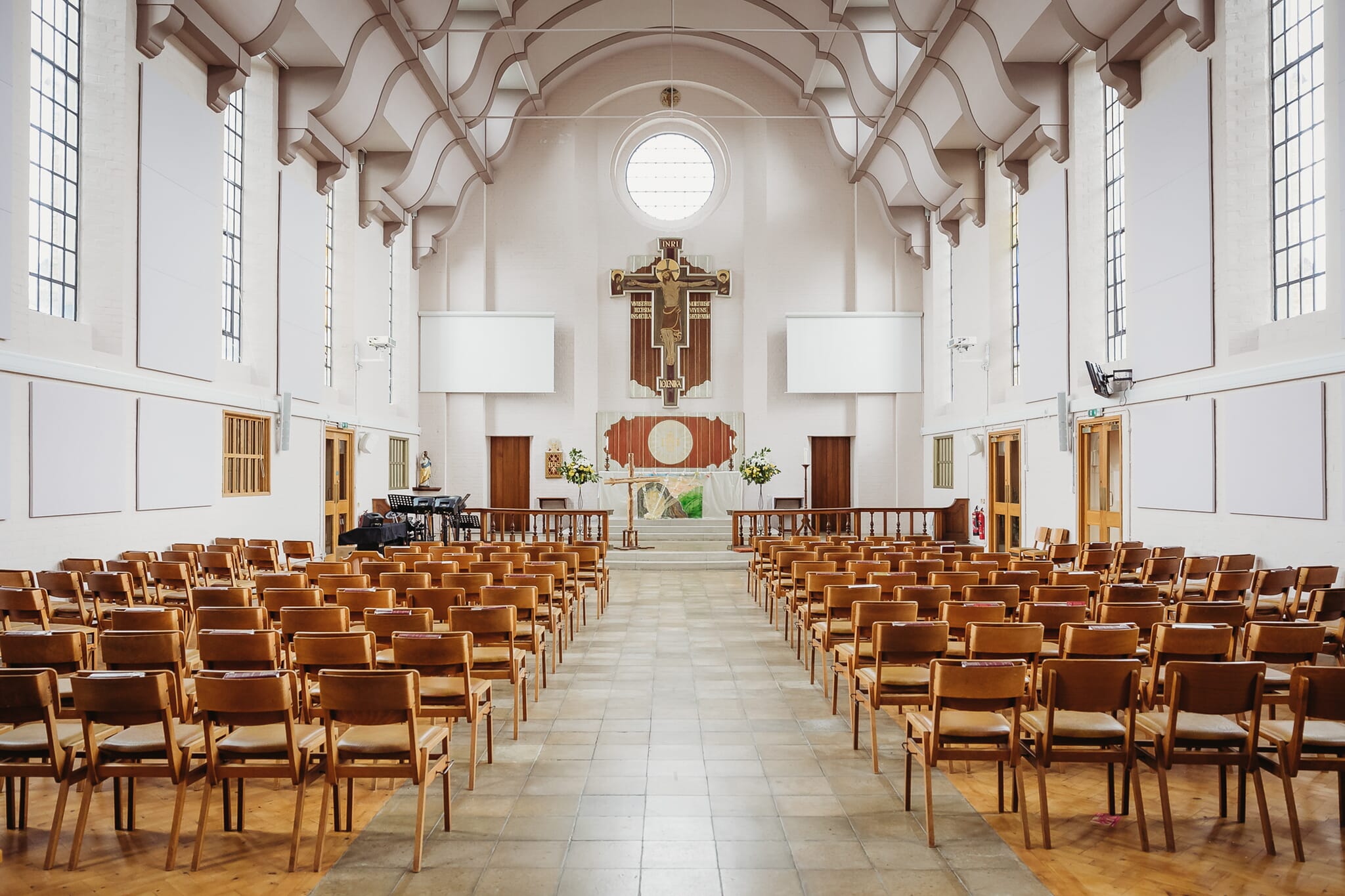
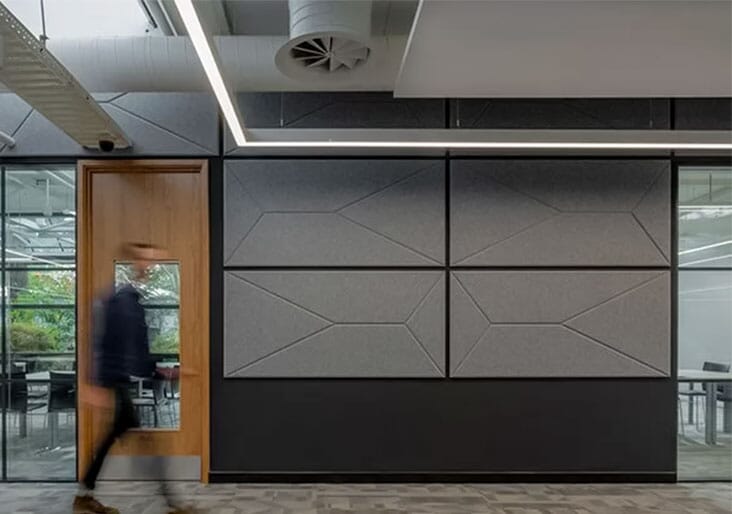
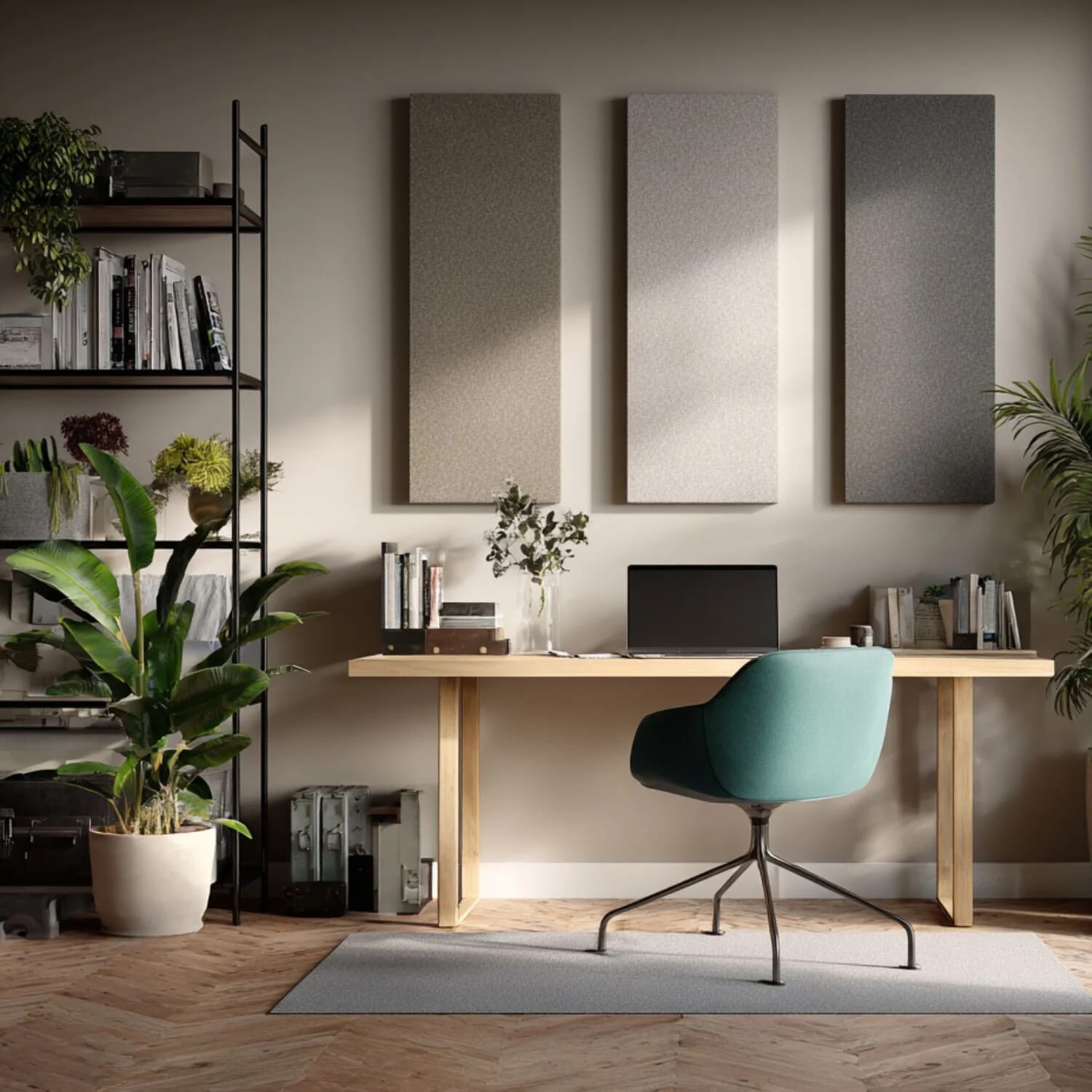
Walls are the most common installation surface for acoustic panels, and for good reason. Parallel walls create a back-and-forth reflection pattern that generates a persistent echo.
For best results:
- Position panels at ear height (roughly 1.2–1.8m from the floor) where sound is most actively travelling
- Focus on the areas directly opposite speakers, screens, or high-traffic conversation zones
- In larger rooms, distribute panels evenly rather than clustering them on one side
Ceilings
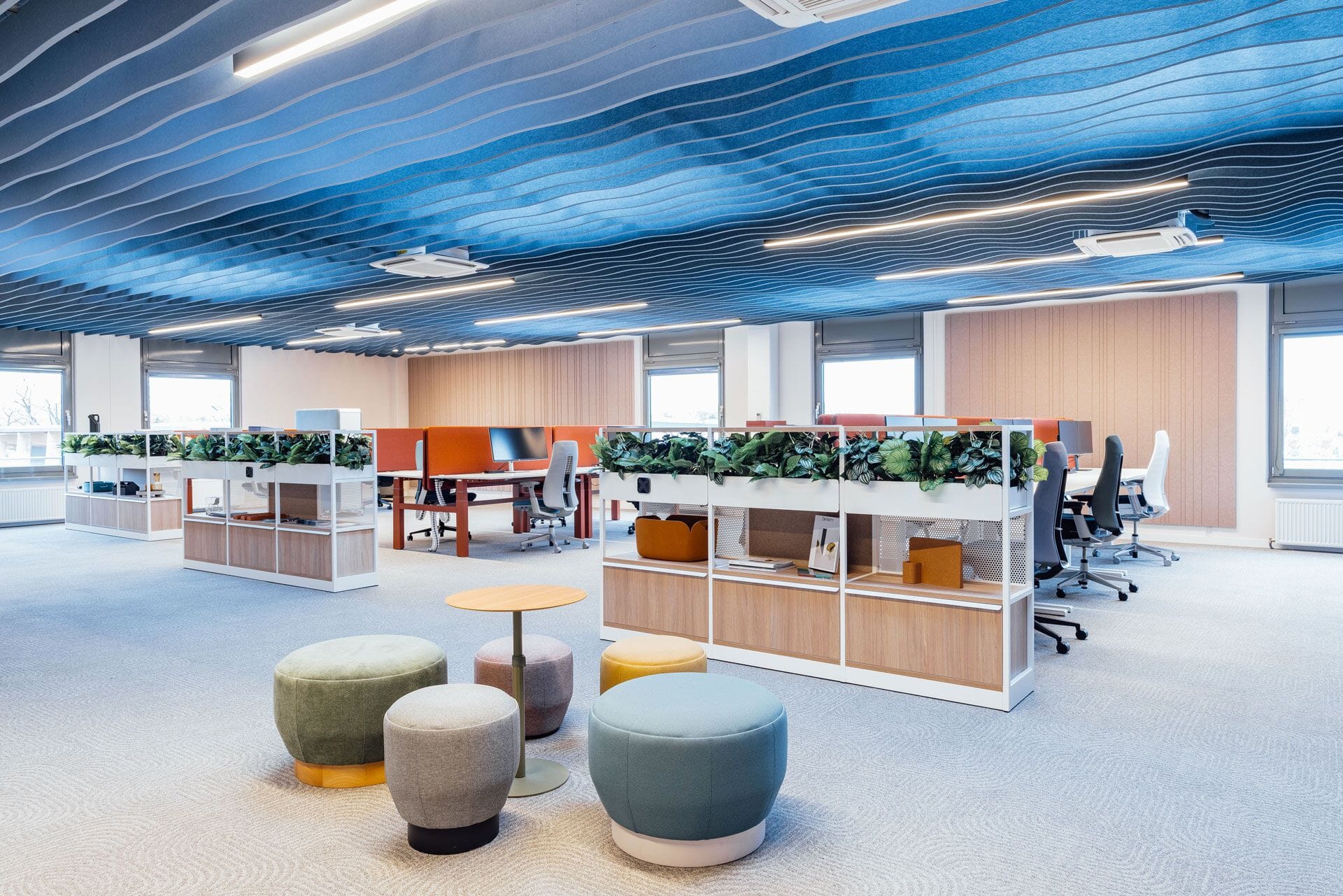
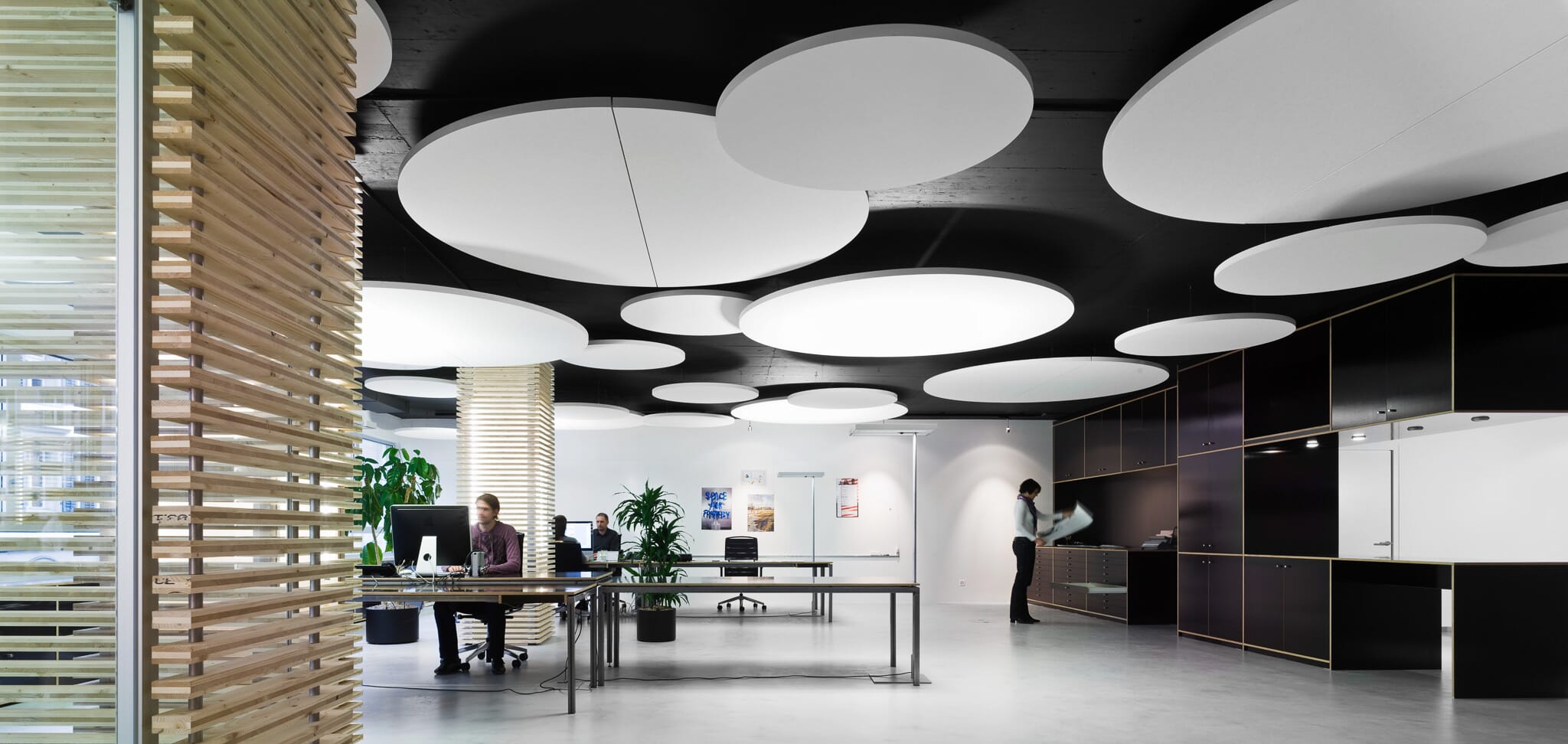
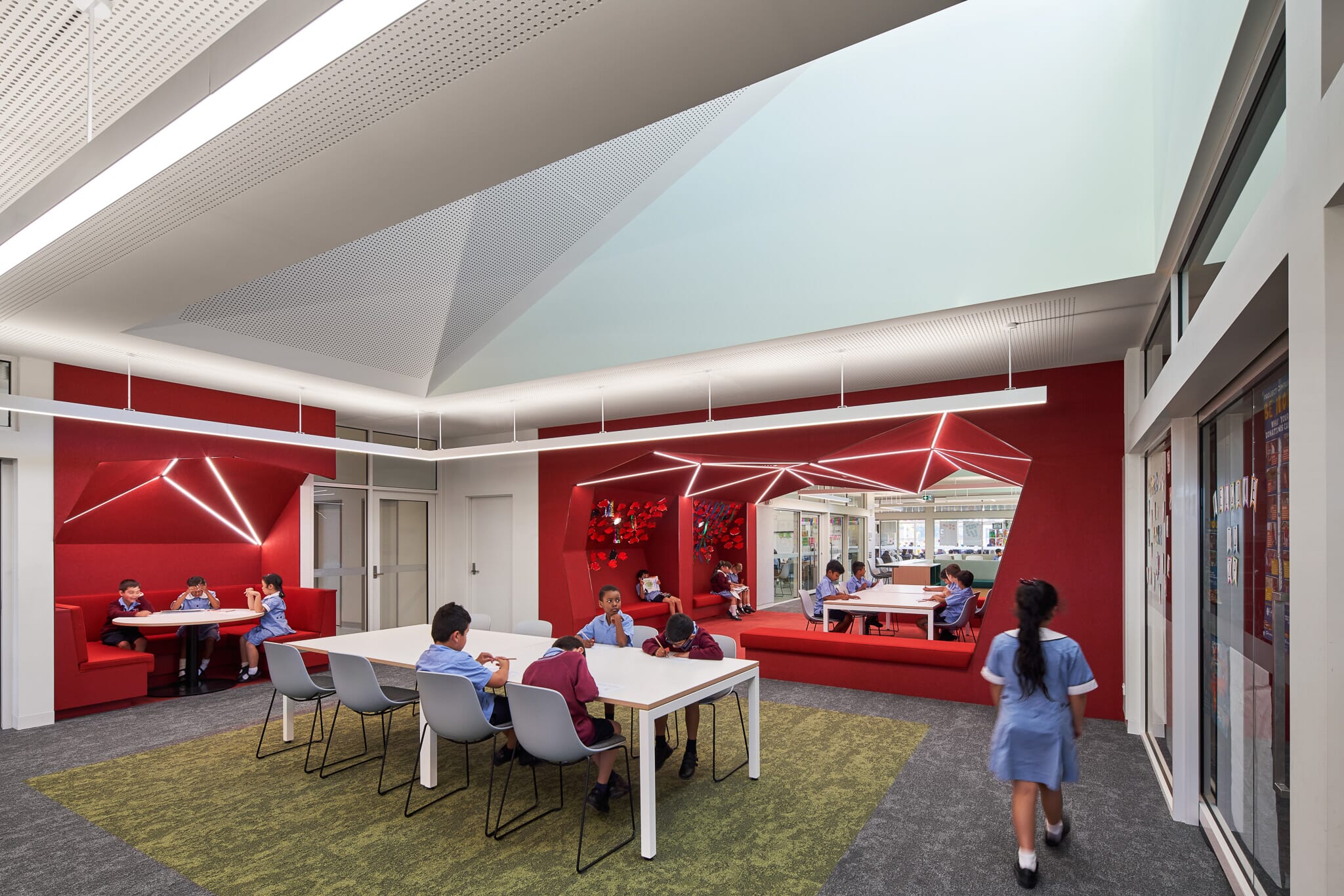
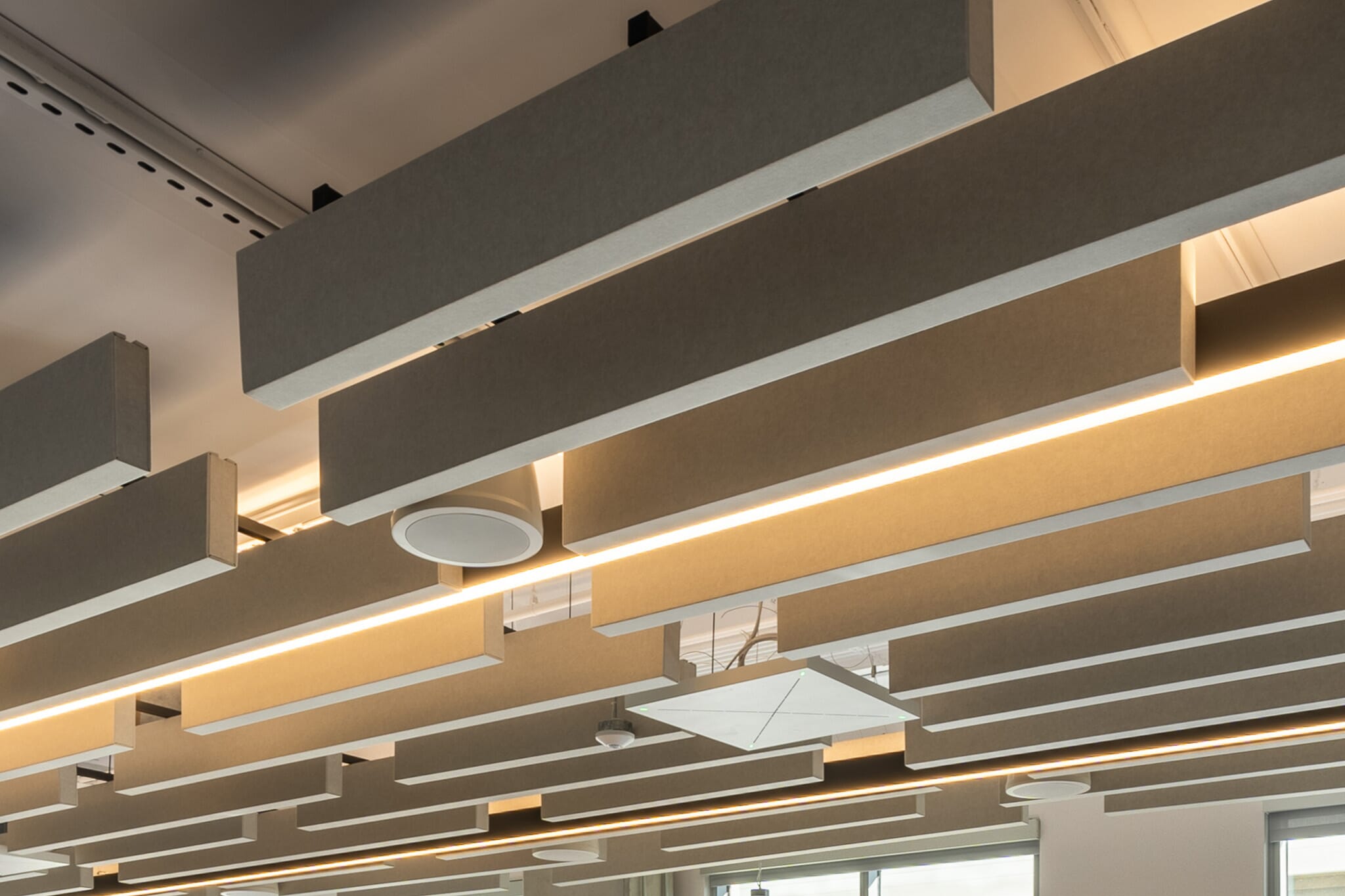
Ceiling panels are effective in open-plan environments where wall space is limited or the primary sound issue is overhead reflection.
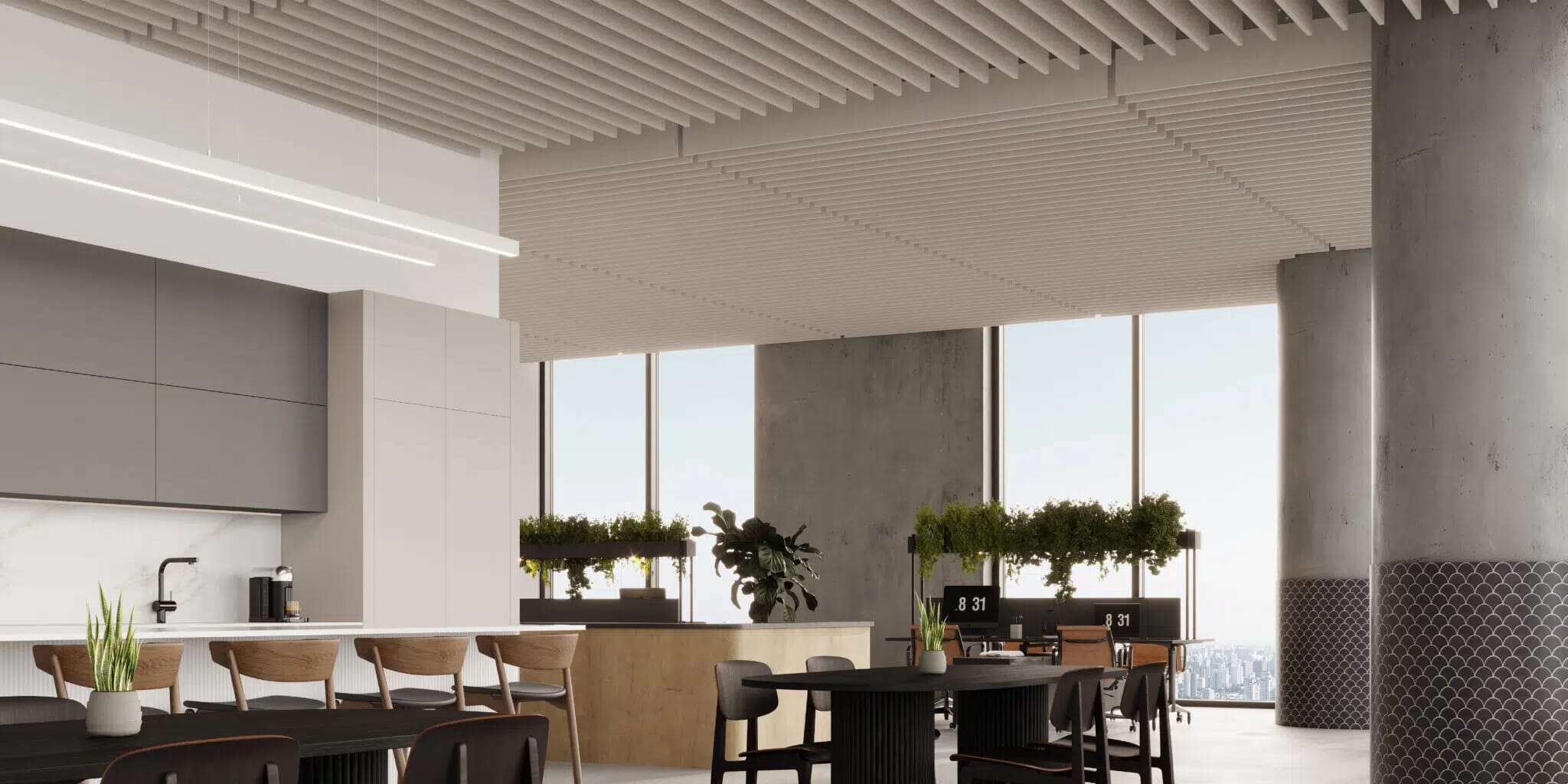
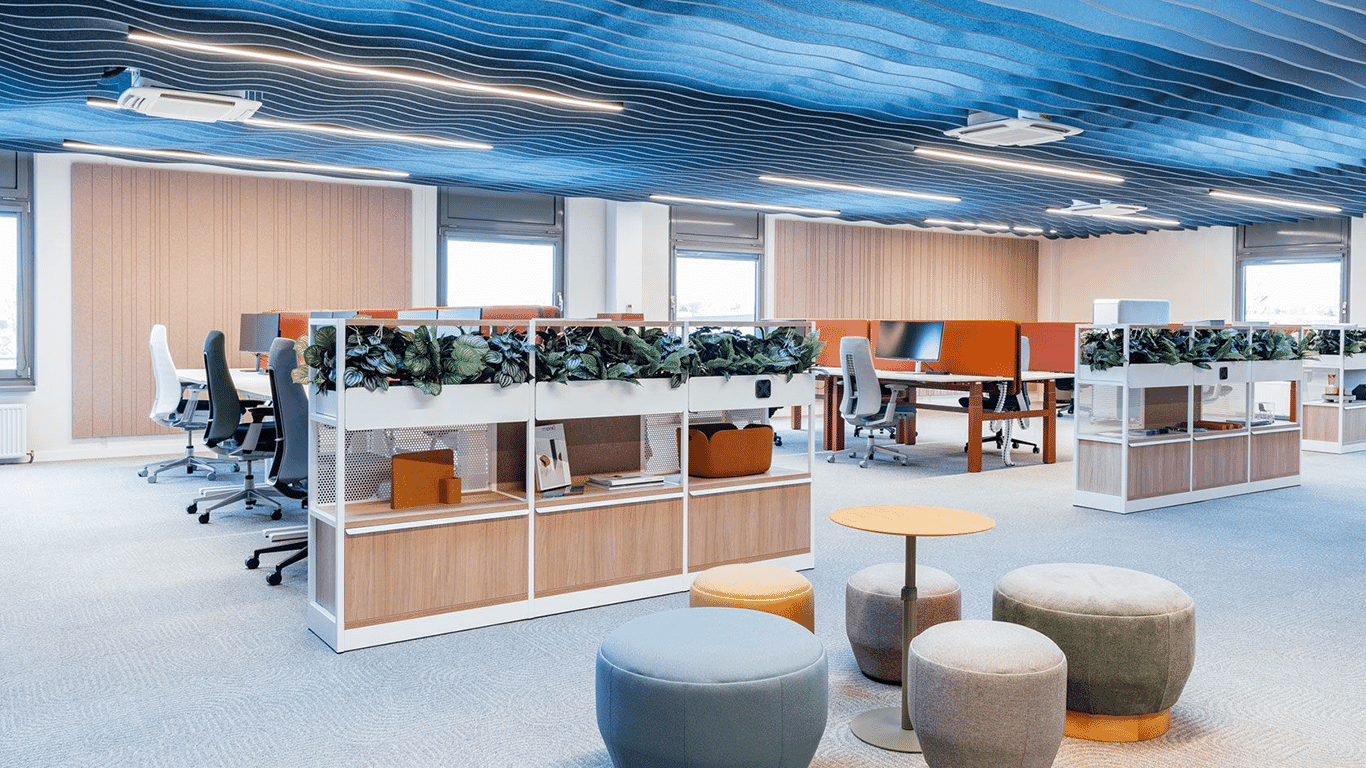
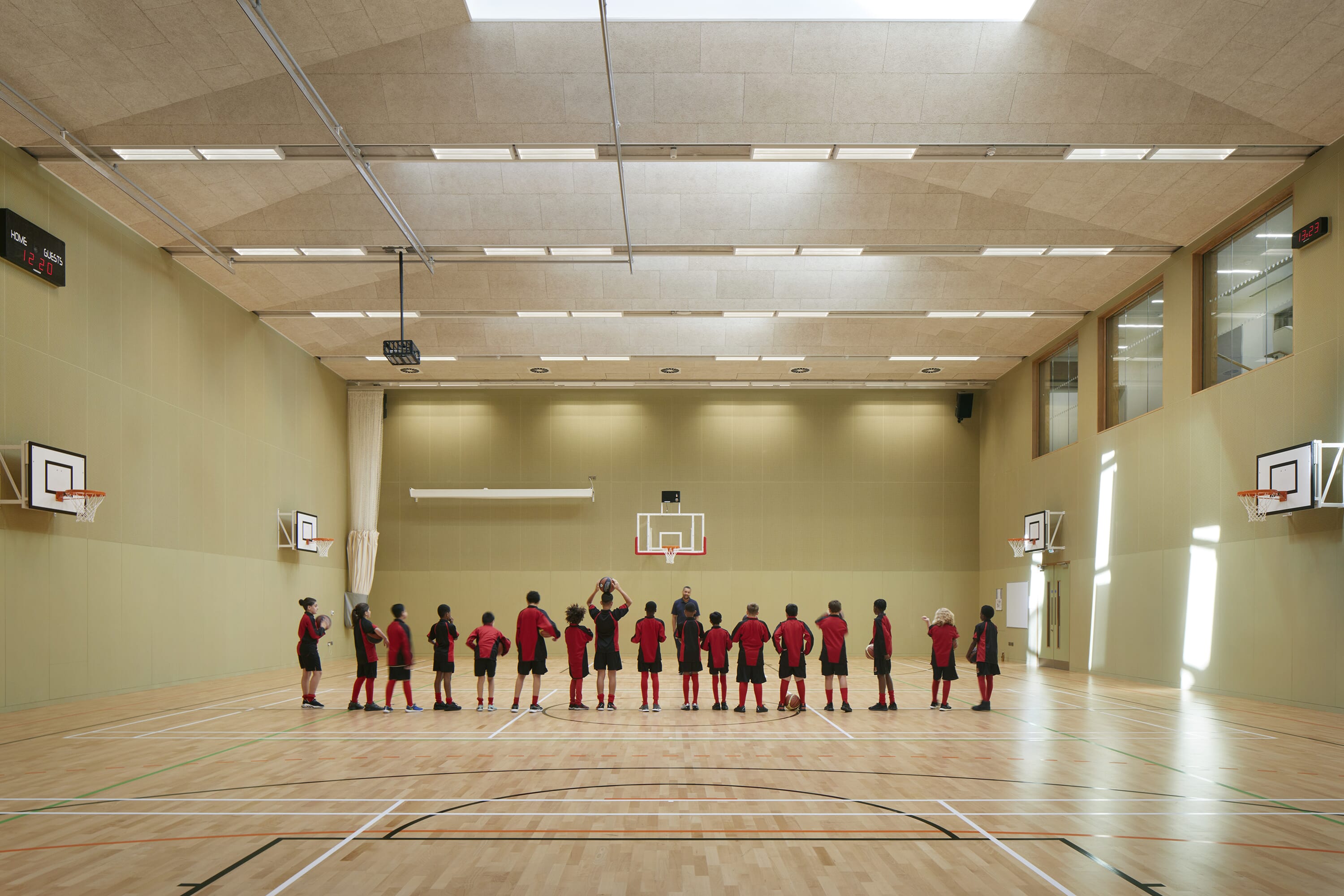
Suspended rafts positioned above workstations, dining tables, or collaborative areas absorb sound close to its source before it has the chance to spread. In spaces with high ceilings, baffles hung vertically in clusters can dramatically reduce overall reverberation without requiring any wall fixings at all.
Ceiling treatment is most valuable in:
- Open-plan offices
- Restaurants and cafes
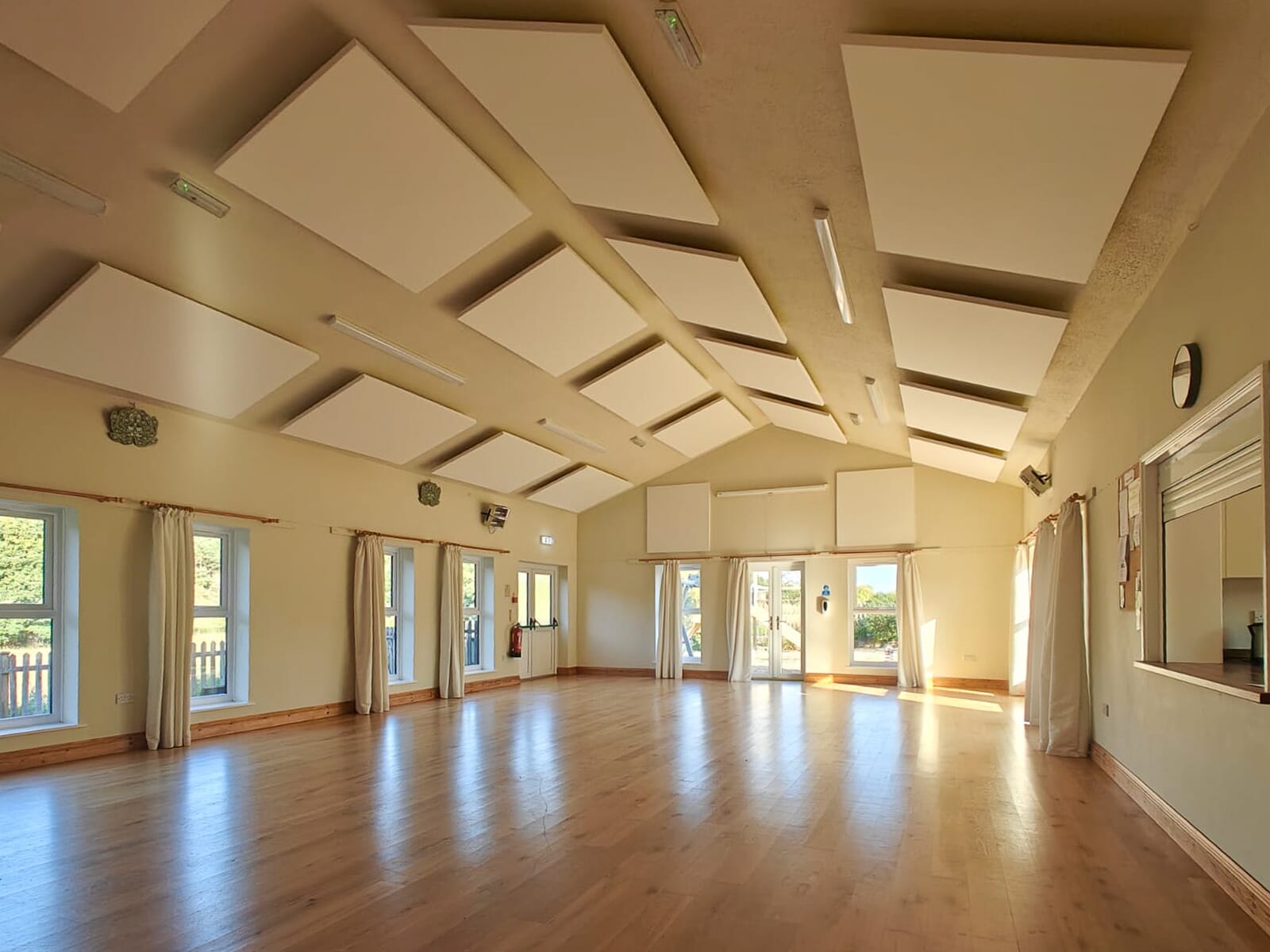
- School halls and sports halls
- Spaces where wall panels alone won’t provide sufficient coverage
Behind and Around Sound Sources
In media rooms, home studios and AV suites, placing acoustic panels directly behind or beside speakers helps prevent sound from bouncing straight back into the listening area. This improves clarity and makes it easier to mix, present or communicate accurately.
In boardrooms and conference spaces, panels positioned behind presentation screens or at the front of a meeting room can prevent reflections from interfering with speech intelligibility.

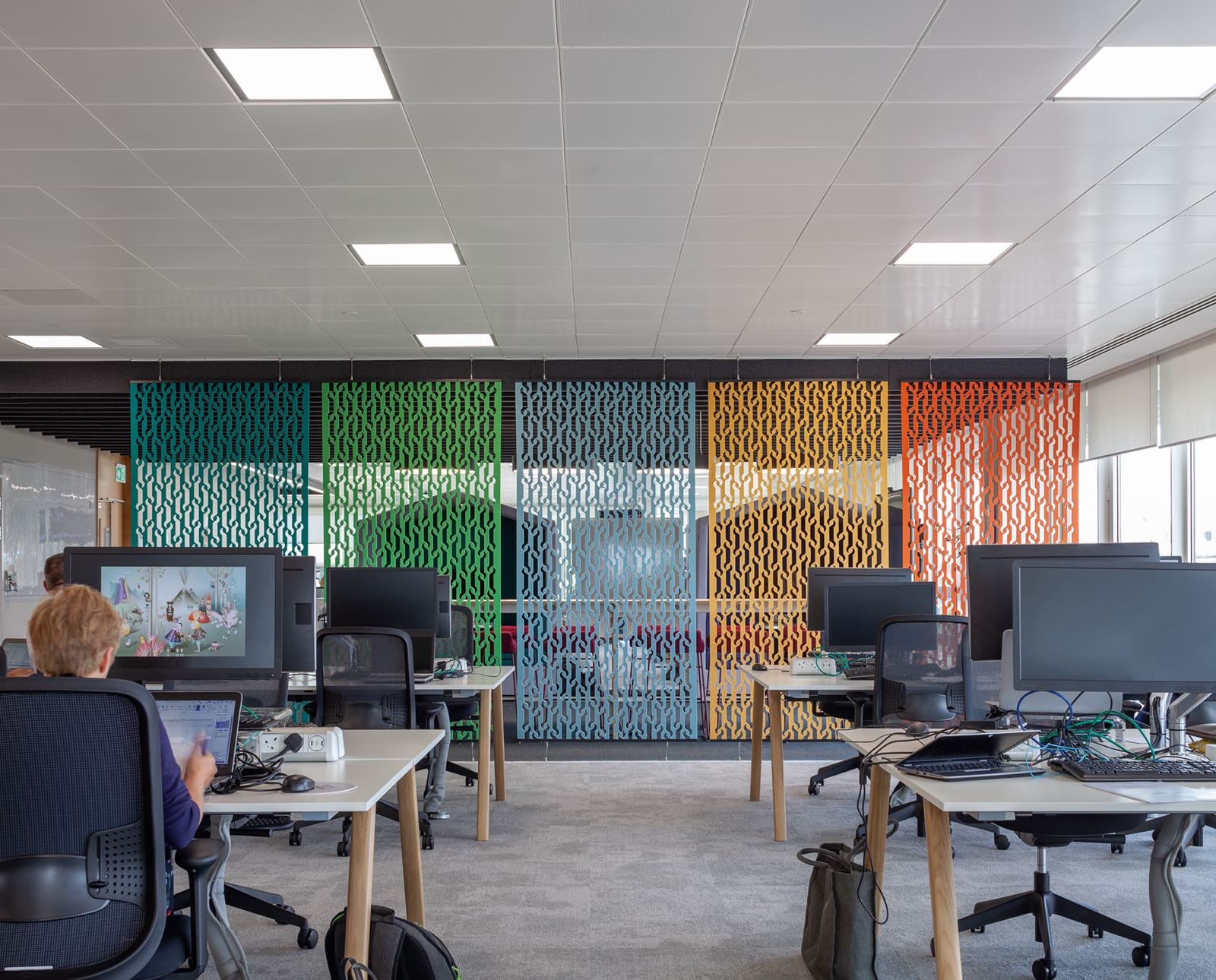
Where to Install Acoustic Panels in Offices and Open-Plan Workspaces
Office acoustics are primarily about speech privacy and reducing the cognitive load of background noise. The most effective placement combines:
- Wall panels along the perimeter and in corners, particularly on walls adjacent to open-plan workstations
- Ceiling rafts or baffles directly above desks and collaboration areas
- Acoustic screens between workstations where sound travel is the issue
The goal is to reduce the distance that speech travels, keeping conversations localised and reducing the sense of constant ambient noise.


Where to Install Acoustic Panels in Restaurants and Cafes
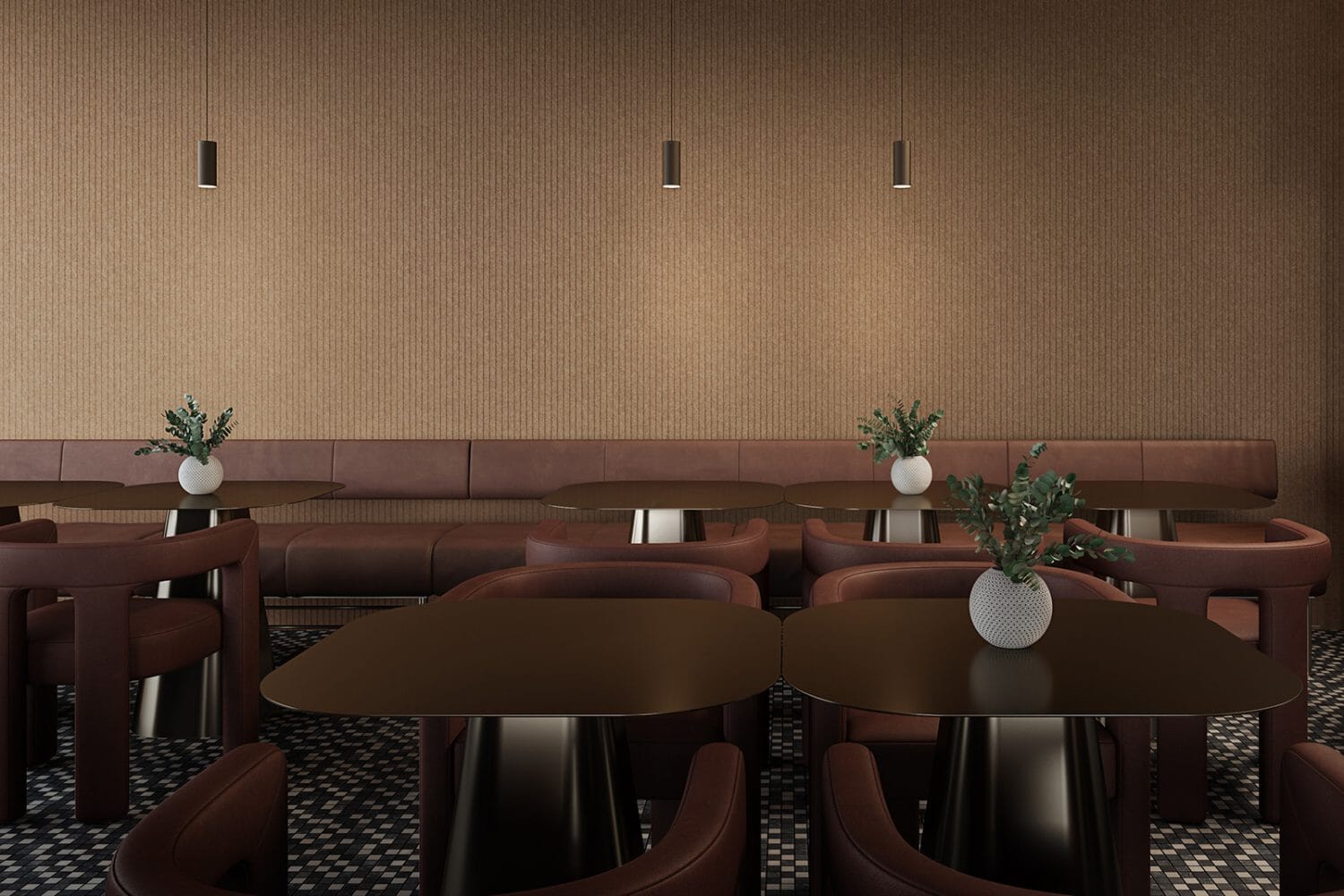
In hospitality settings, the challenge is usually a hard-surfaced room that was designed with aesthetics rather than acoustics in mind. Exposed brick, concrete floors and glass, create a highly reflective environment that gets louder as it fills with people.
For restaurants and cafés, acoustic panels should be distributed across:
- Ceilings – above dining areas where noise levels are highest
- Feature walls – where panels can be integrated into the interior design
- Booths and dividers – where softer materials help contain sound within seating zones
Spreading treatment across the room is more effective than concentrating it in one area; the aim is to reduce overall reverberation time rather than dampen one specific source.

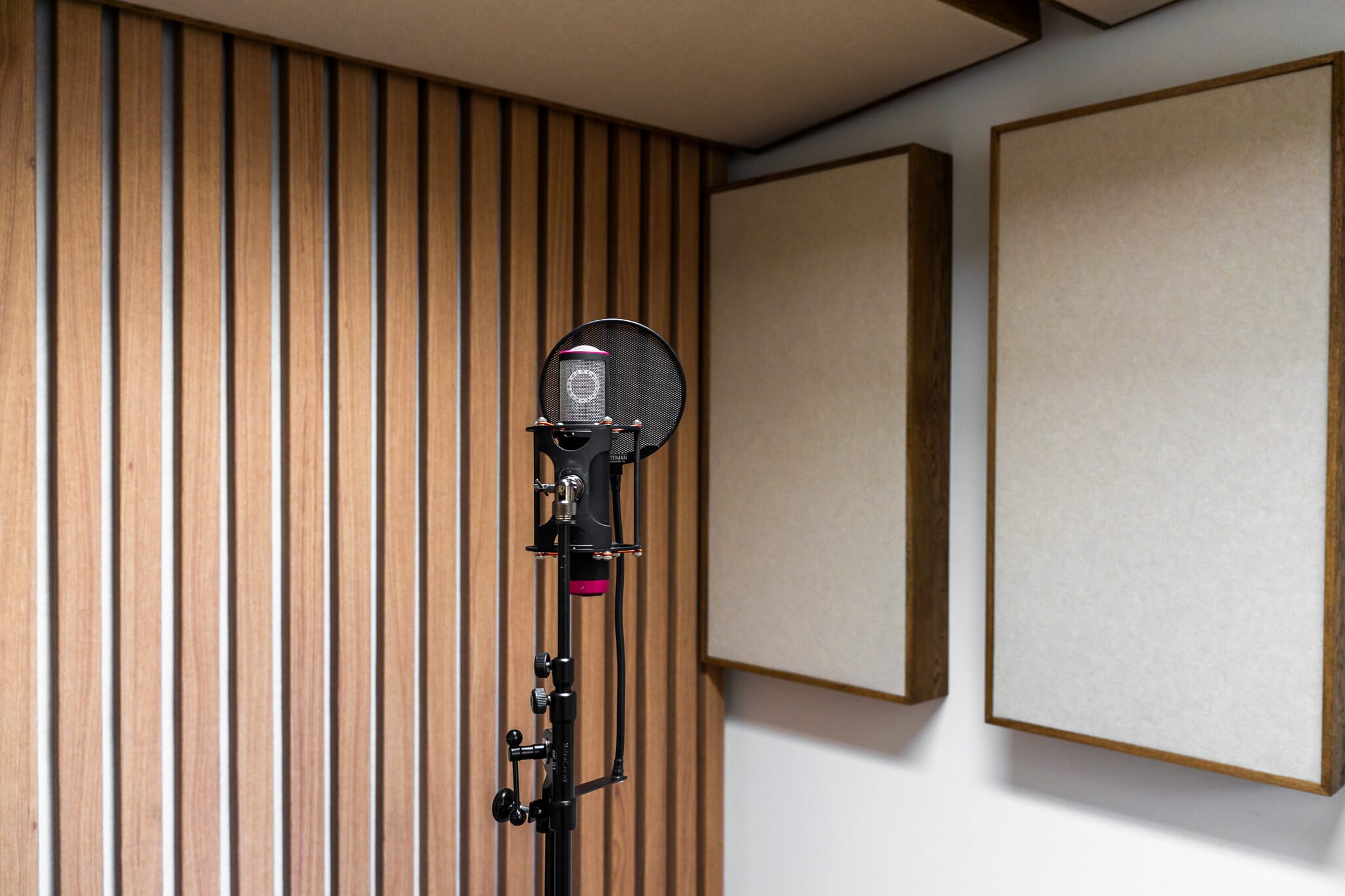
Where to Install Acoustic Panels in Recording Studios and Home Studios
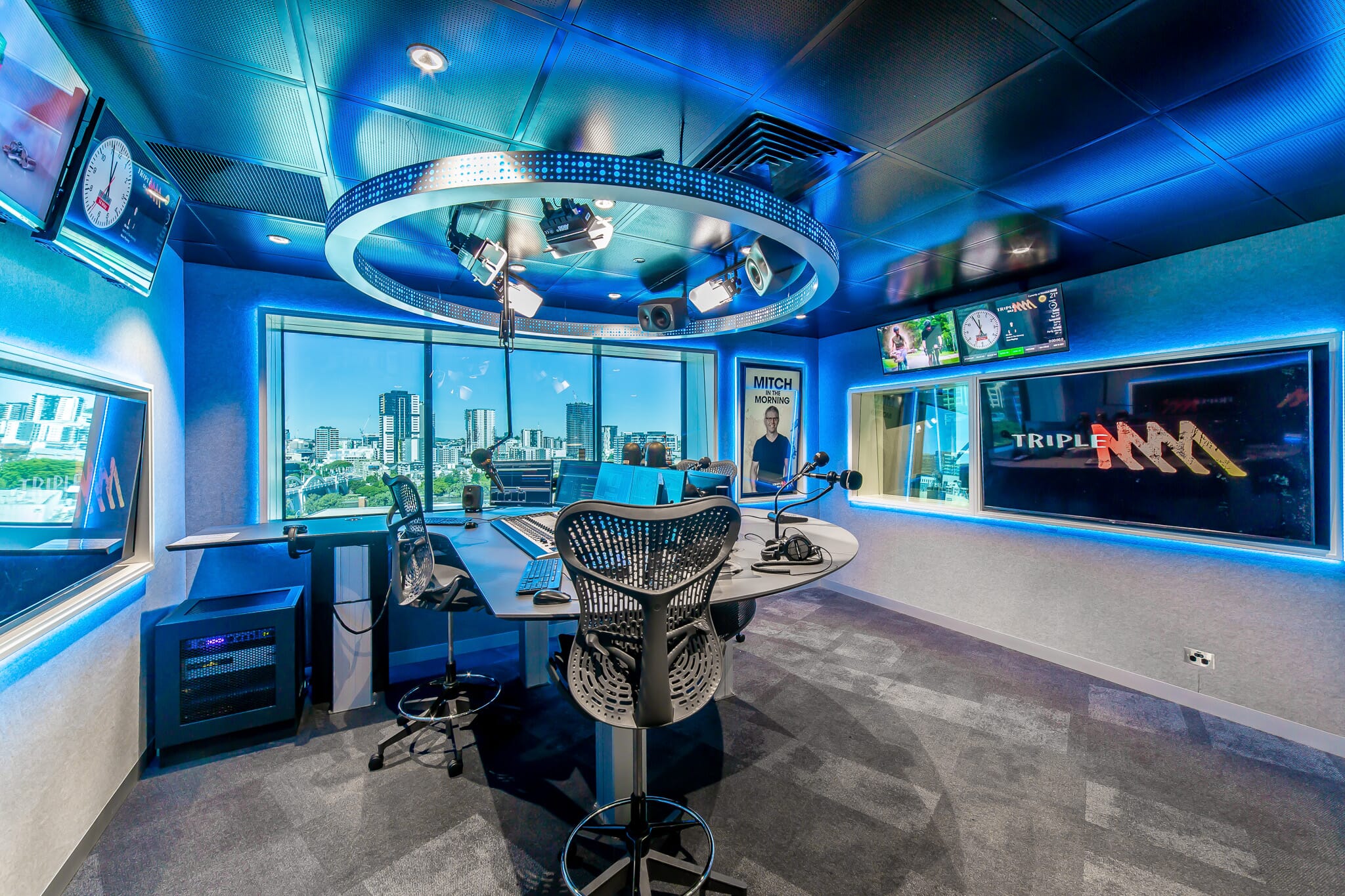
Studio acoustic treatment is one of the most technically demanding application. By treating your room acoustically, you ensure that what you play or record is precisely what you hear, laying the foundation for professional-quality sound production.
Key placement locations include:
- Direct reflection points behind and beside speakers/microphones
- The ceiling above recording positions
- Behind the listening position to manage rear-wall reflections
- Corners for bass trapping
A professional acoustic assessment will give you the most accurate picture of what your studio needs but these tips provide a solid starting point.

Where to Install Acoustic Panels in Classrooms and Educational Spaces
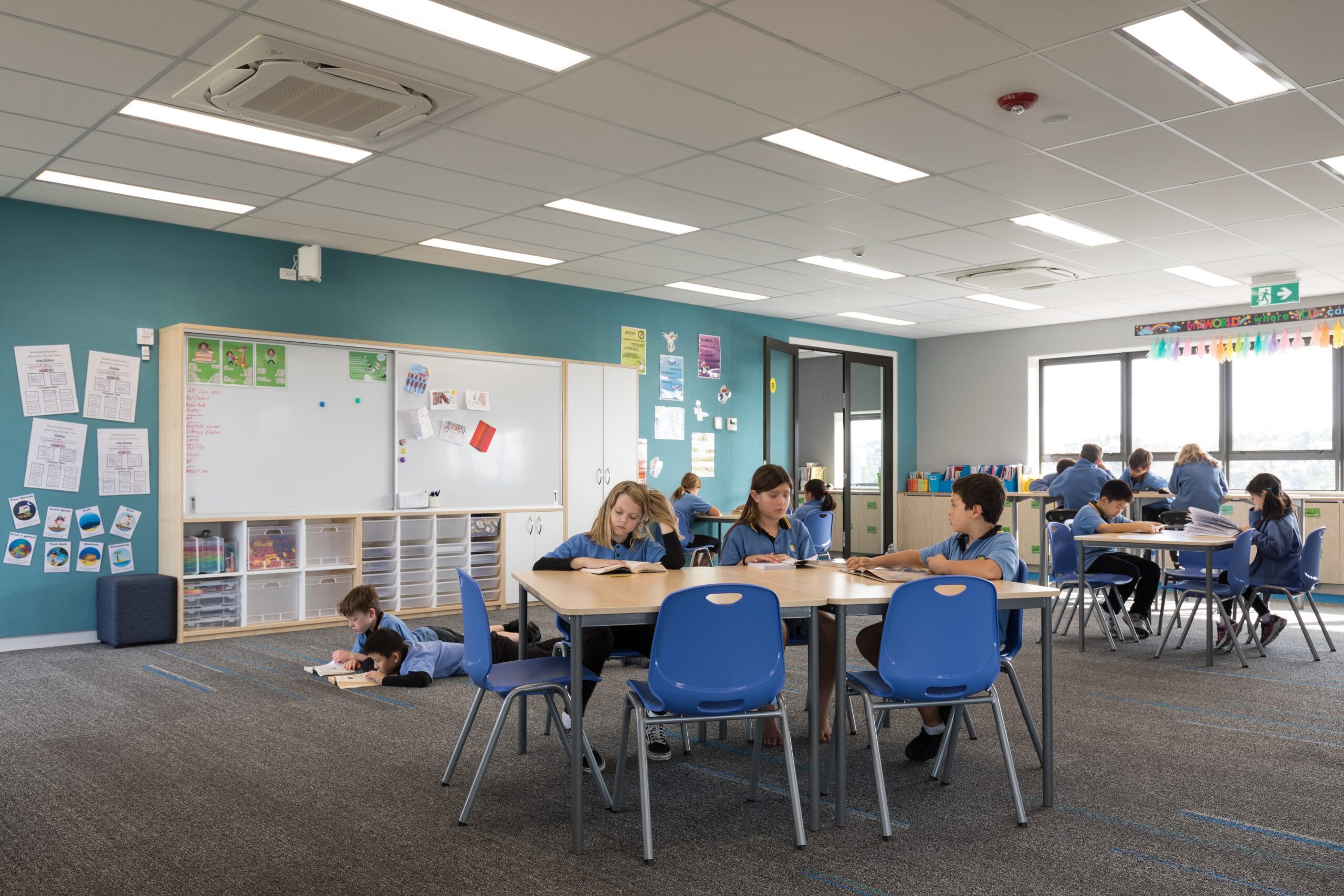
Classroom acoustics are governed by the Building Bulletin 93 (BB93) guidance, which sets reverberation time targets for different types of teaching spaces. In practice, this usually means combining ceiling treatment with wall panels to bring reverberation within acceptable limits.
Effective placement in classrooms focus on:
- Ceiling panels or baffles for broad coverage without eating into the wall display space
- Rear wall panels to prevent sound from the front of the class reflecting back
- Side wall panels in larger or open-plan teaching areas
Where to Install Acoustic Panels in Meeting Rooms and Boardrooms
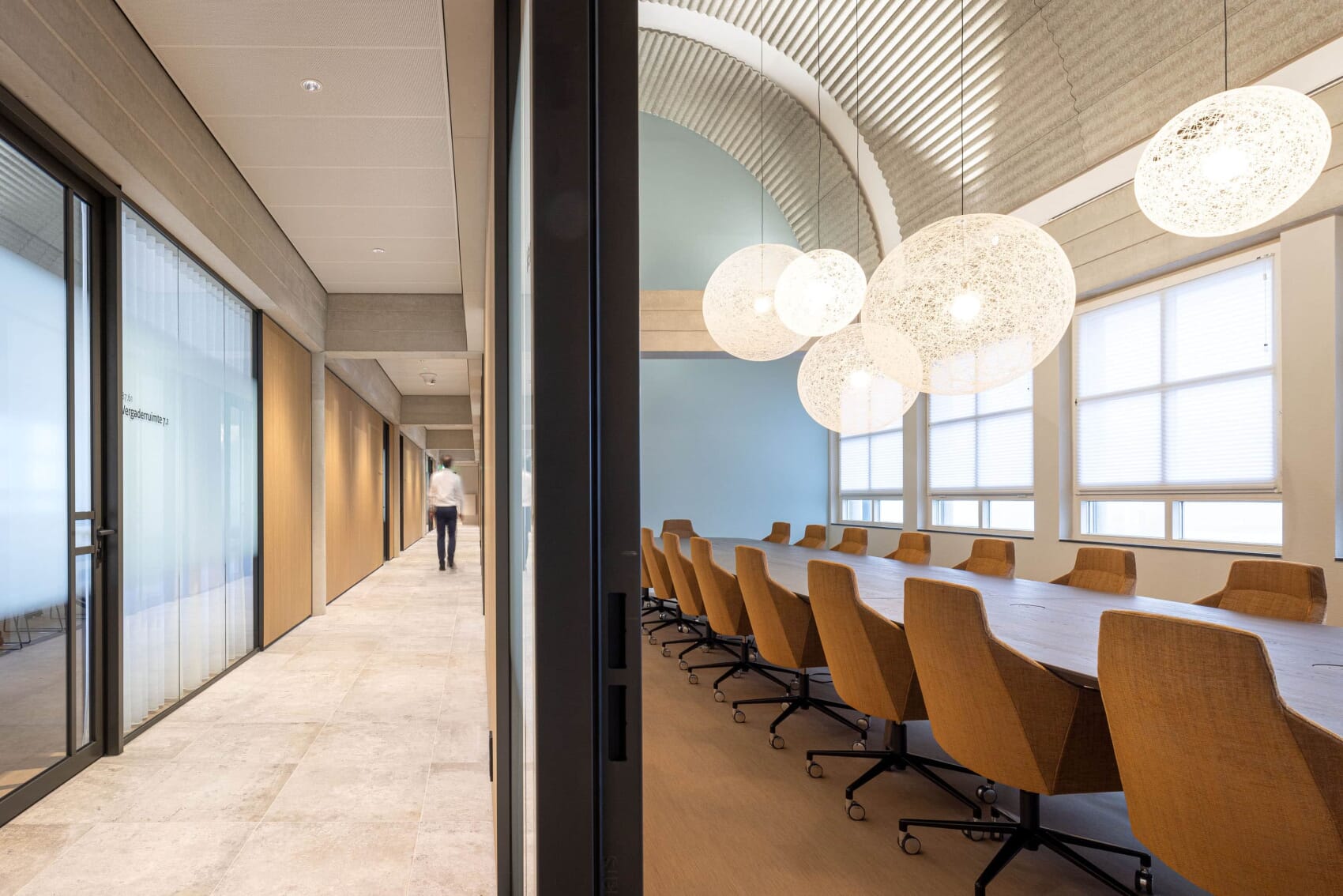
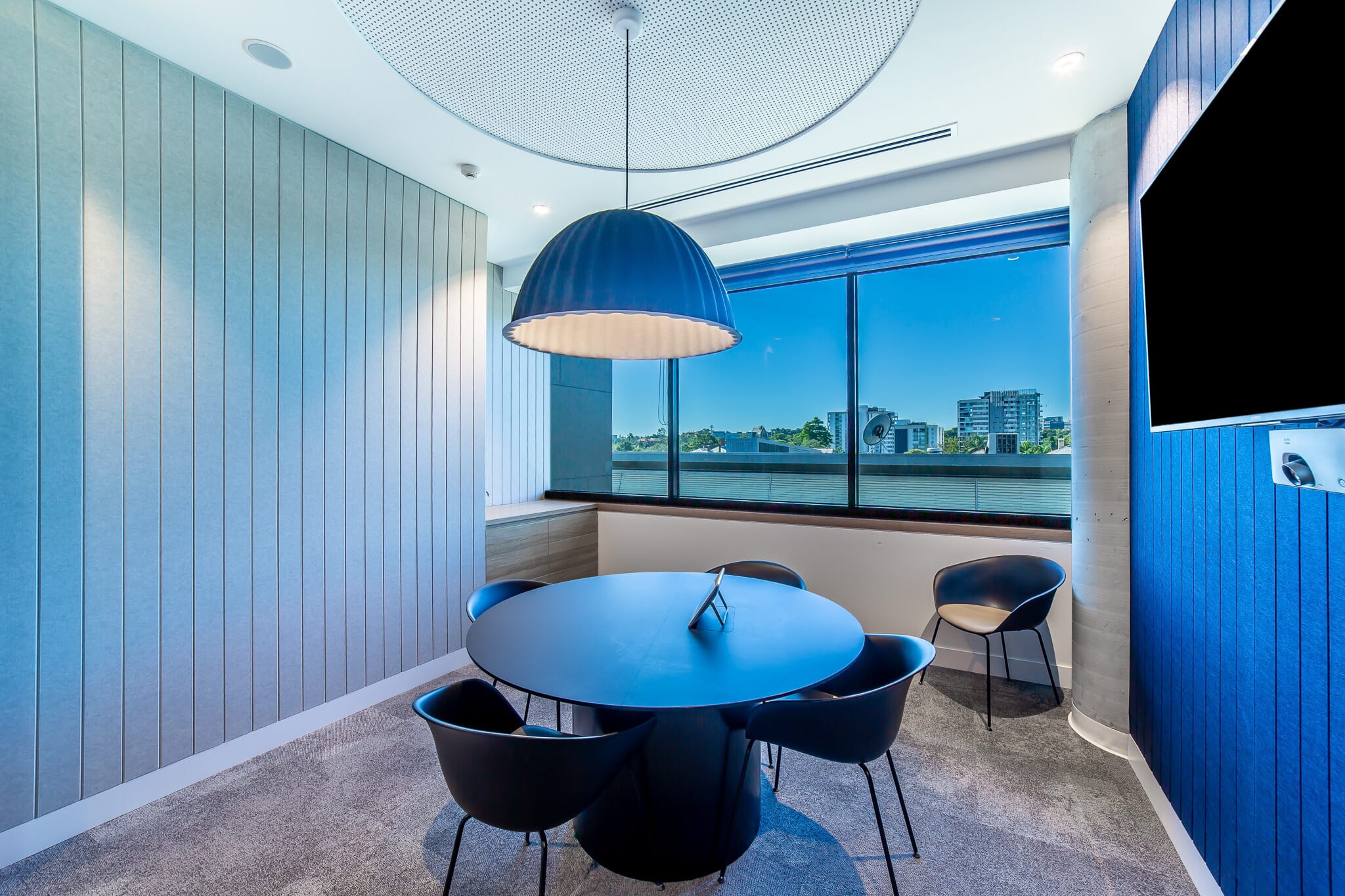
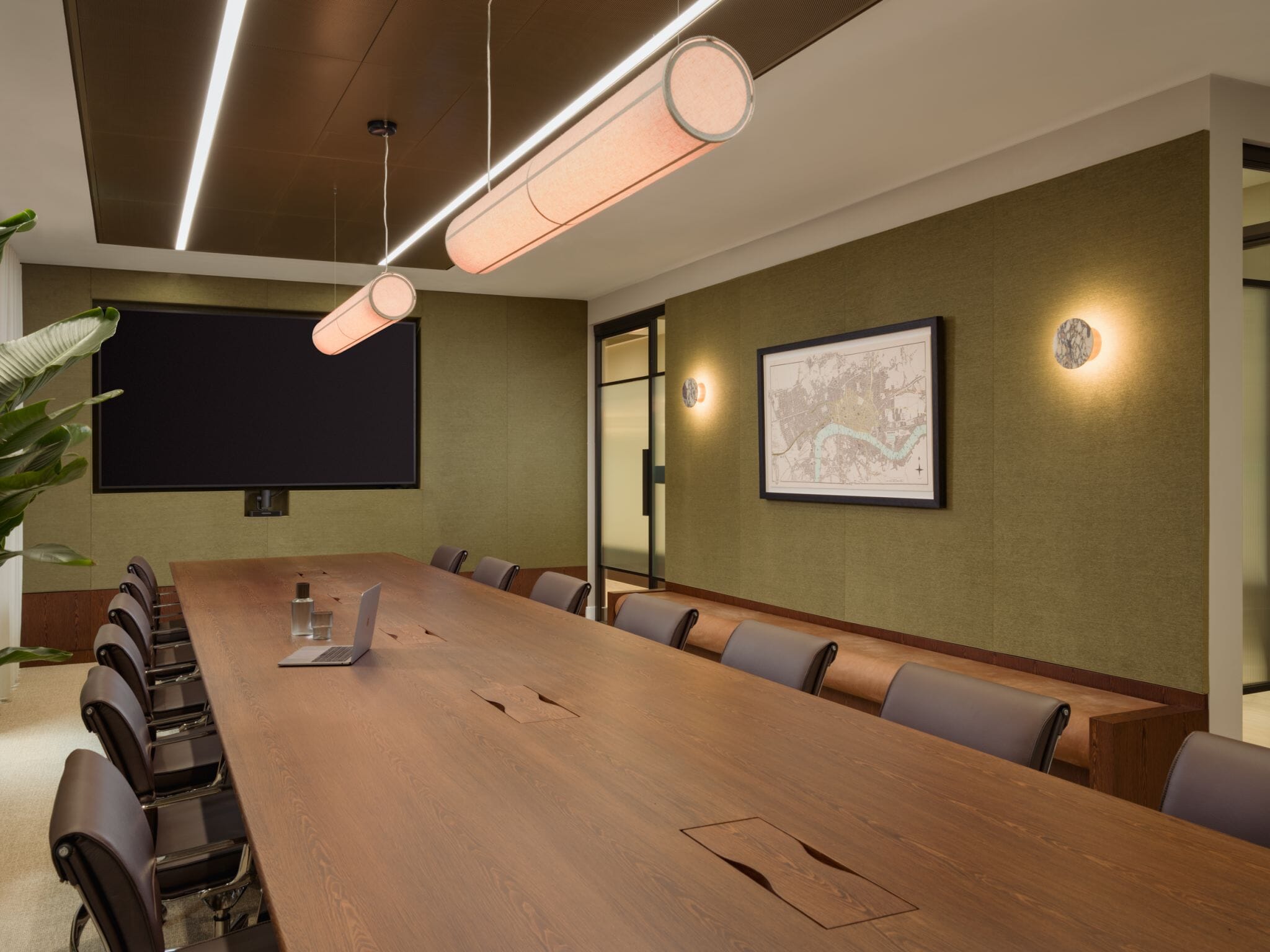
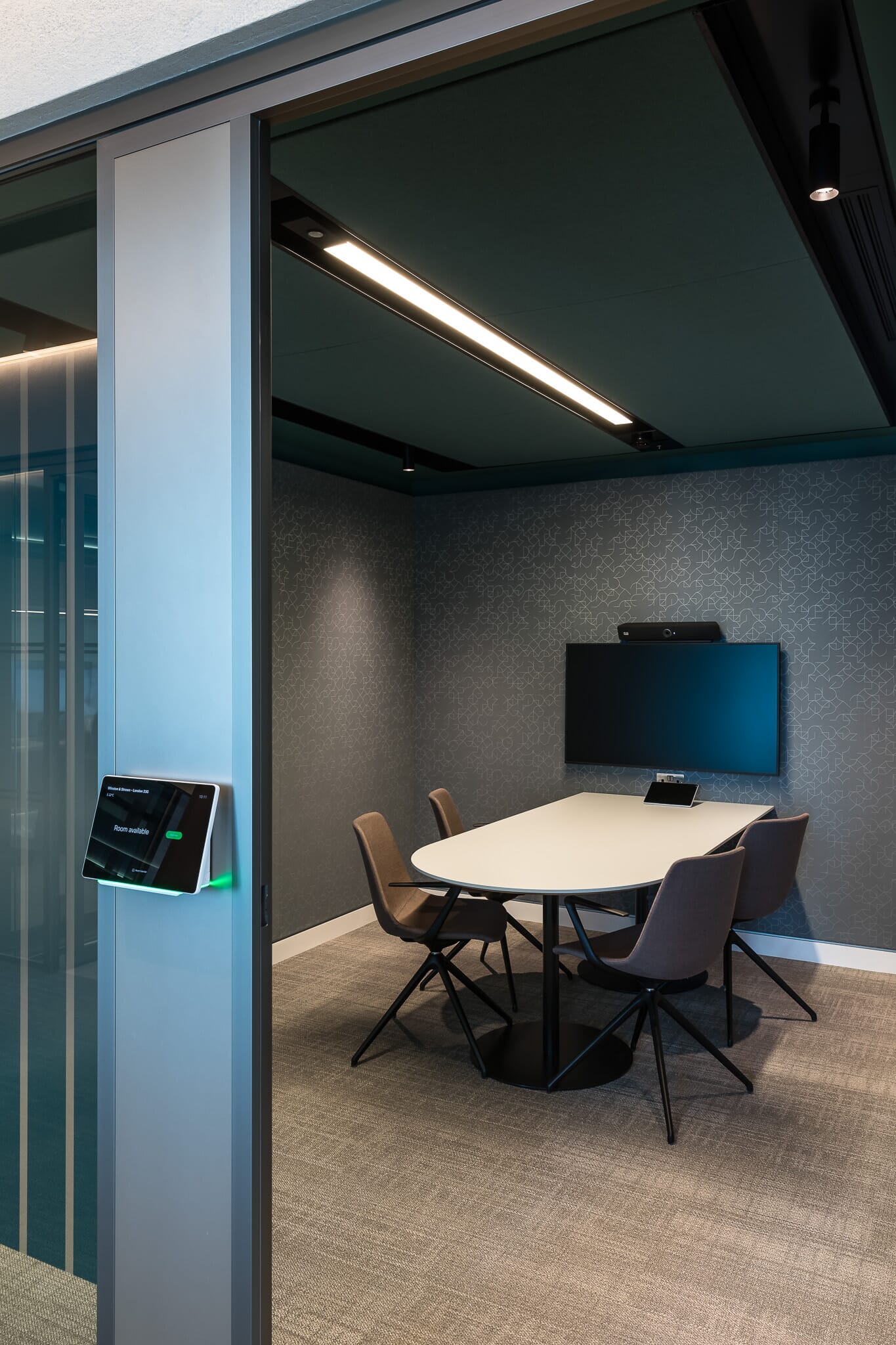
Meeting rooms present a specific problem: they’re often small, hard-walled spaces that are expected to support clear speech intelligibility in person and on calls. Reflections in meeting rooms affect not just in-room conversations but also the quality of audio picked up by microphones.
Acoustic panels in meeting rooms are best placed:
- On the wall behind the screen or presentation surface
- On the ceiling above the table
- On side walls at table height
Some meeting rooms benefit from acoustic panels on the rear wall too, if the space is long and narrow.
How Many Acoustic Panels Do You Need?
There’s no single formula. The number of panels required depends on the size, shape and materials in the room, as well as the intended use.
A small meeting room, a podcast booth or home studio might need as few as 6–8 wall panels, while an open-plan office could require dozens of ceiling baffles or rafts. The aim is to reduce the reverberation time to a comfortable level, not to cover every surface.
The more reflective the surface finishes in a room, the more treatment is generally required. A concrete-floored office with floor-to-ceiling glazing will need more coverage than a carpeted office with soft furnishings already absorbing some sound.
If you’re unsure, an acoustic survey is the most reliable way to assess what your space needs.
Are Acoustic Panels Removable?
In most cases, yes, though it depends on how they’ve been installed.
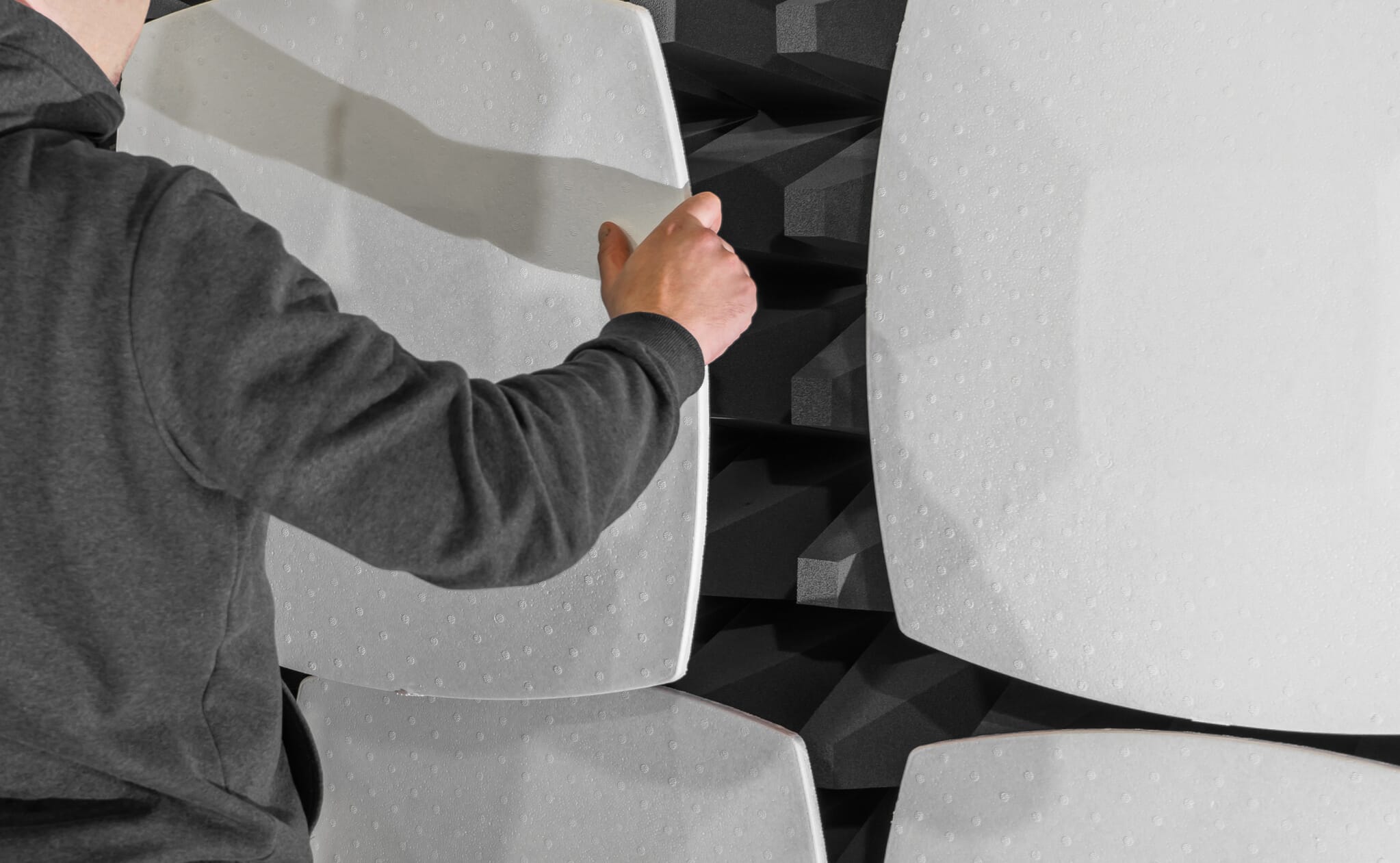
Panels fixed with split batten brackets or hanging systems can be removed cleanly and repositioned. Panels that have been fixed with screws or adhered directly to a surface will require more work to remove and may leave marks or damage the substrate.
If the ability to remove or relocate panels is a priority for your project, it’s worth raising this at the survey stage so we can recommend the most appropriate installation method from the outset.
Article Author
Mark Irwin
Head of Marketing
5th Aug 2025