





























3 Minute Read
How to Stop Echo in A Room: 5 Fixes That Actually Work
Too much echo makes any space feel loud, cold and uncomfortable. The good news? You can easily fix it – from simple DIY to professional acoustic treatment.

Mark Irwin
12th Dec 2025
Categories
Advice
TL;DR – Summary
Room echo is caused by sound reflecting off hard surfaces like glass, concrete, bare walls and timber floors. Soft materials absorb sound; hard surfaces reflect it.
The best ways to stop echo in a room range from simple DIY fixes to professional acoustic treatment. Rugs and carpets reduce floor reflections, heavy curtains and soft furnishings absorb sound from walls and windows, and plants help break up sound waves.
Acoustic panels and ceiling systems provide the most effective DIY-to-semi-professional solution. For offices, venues and commercial spaces, professional acoustic design delivers the best long-term results. DIY helps, but professional acoustic treatment solves echo properly.
What causes a room to echo?
Echo happens when sound bounces off hard surfaces like glass, timber floors, bare walls and concrete. With nothing to absorb the sound, it reflects around the room and builds up.
Soft materials absorb sound. Hard surfaces reflect it.




FAQ’s
How to reduce echo in a room with high ceilings?
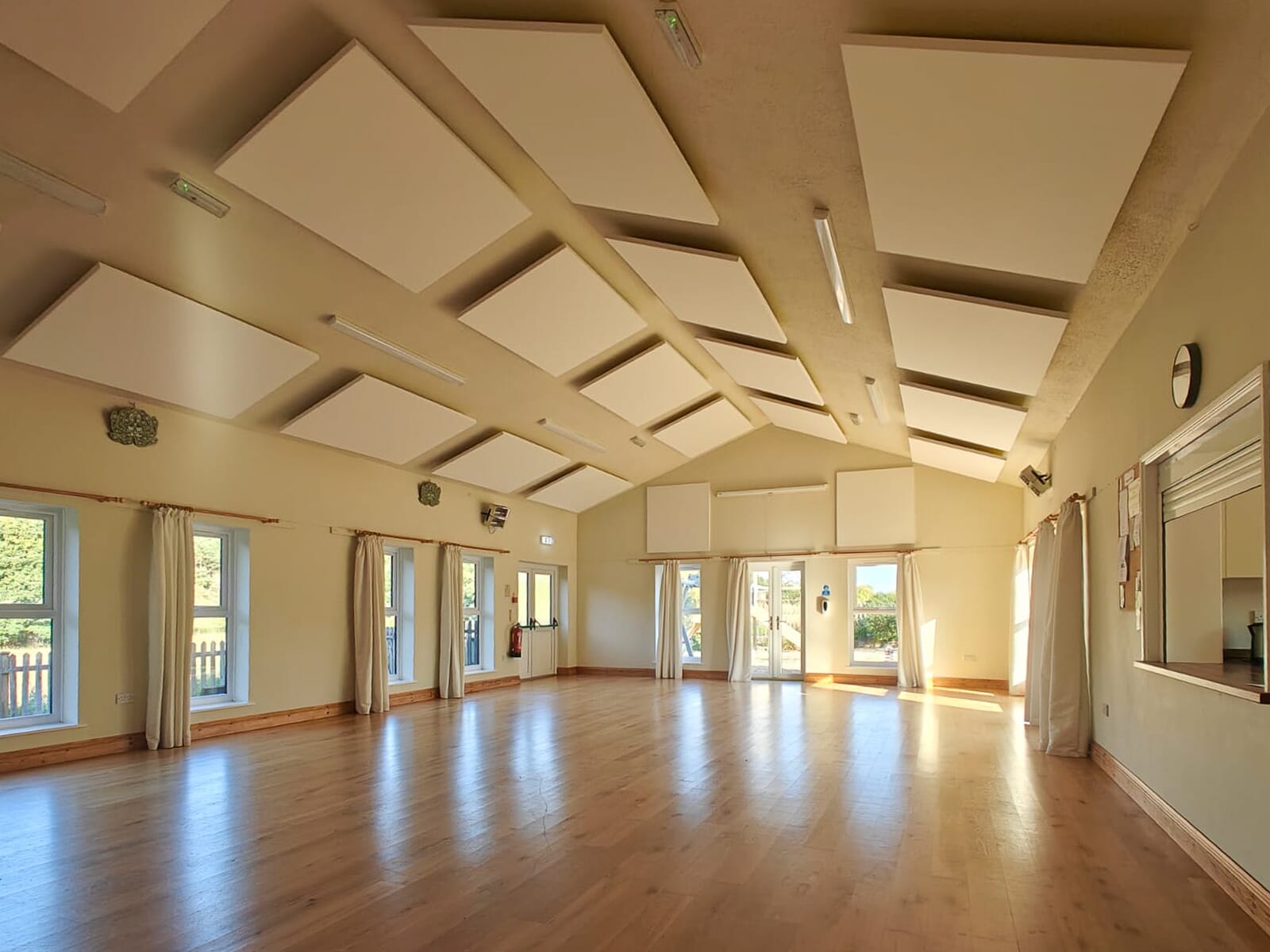
High ceilings increase echo because sound has more space to reflect and build up. The most effective solution is acoustic ceiling treatment, which absorbs sound at its highest reflection point. Acoustic panels on upper walls, combined with soft furnishings below, help stop sound from bouncing back into the room.
How to reduce echo in a room with hard floors?
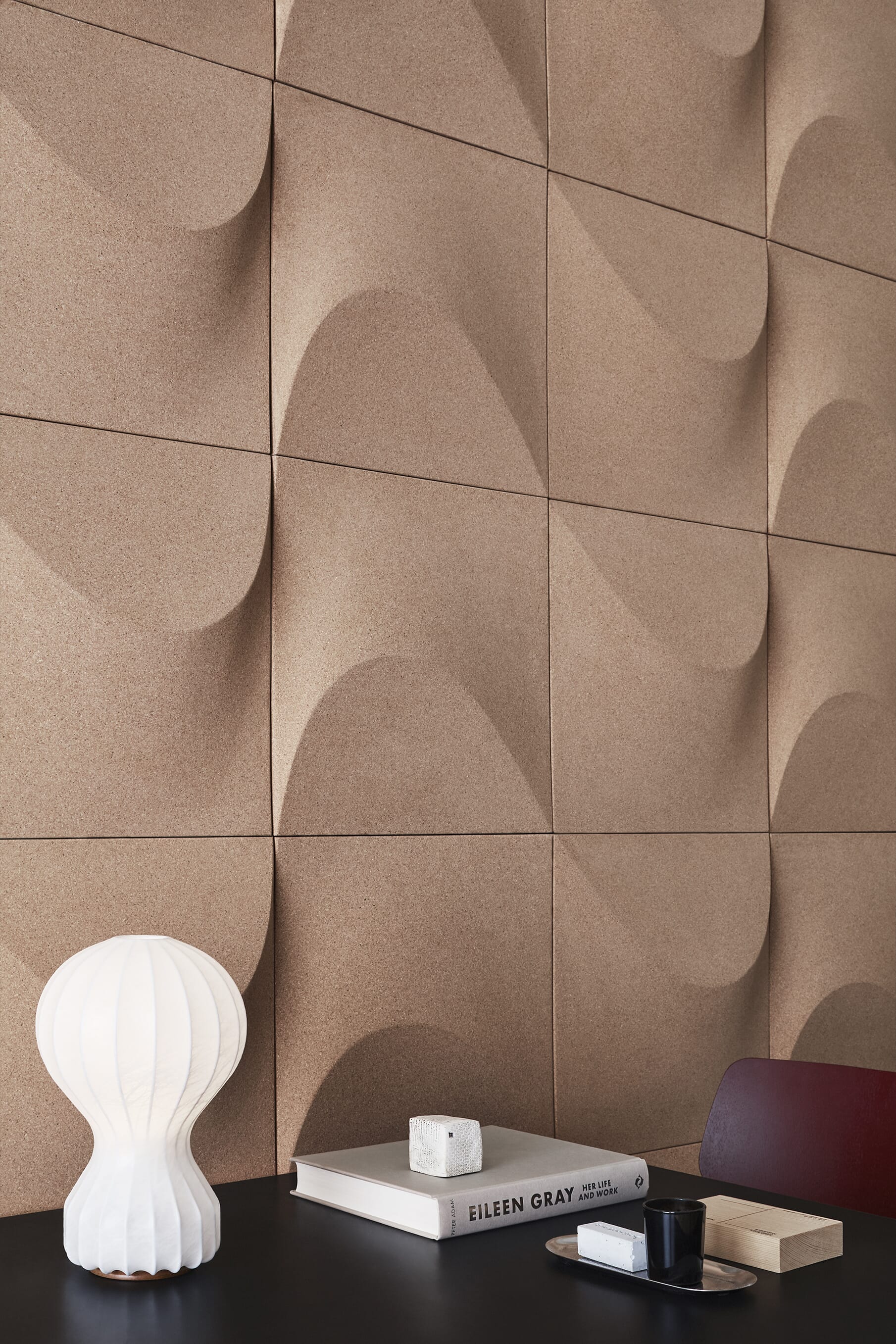
Hard floors like concrete, timber and tiles reflect sound instead of absorbing it. The fastest way to reduce echo is by adding rugs or carpet, which absorb sound at ground level. Pair this with curtains, fabric seating or acoustic wall panels.
Does my space need to use all the suggestions listed to reduce echo?
No. Every space is different. Ceiling height, room size, surface finishes, furnishings and how the space is used all affect how much acoustic treatment is needed. Most rooms only require a combination of a few well-placed solutions to achieve the right result.
Are acoustic solutions safe for residential environments?
Yes. All materials are fire-rated, low-VOC, and designed for use in homes. We only use high-quality, environmentally safe products.
Can acoustics help in open-plan kitchens and living areas?
Yes. These spaces typically have lots of hard surfaces that create echo. Acoustic panels or ceiling elements make conversations clearer and the space more comfortable and relaxing.
Article Author
Mark Irwin
Head of Marketing
12th Dec 2025