

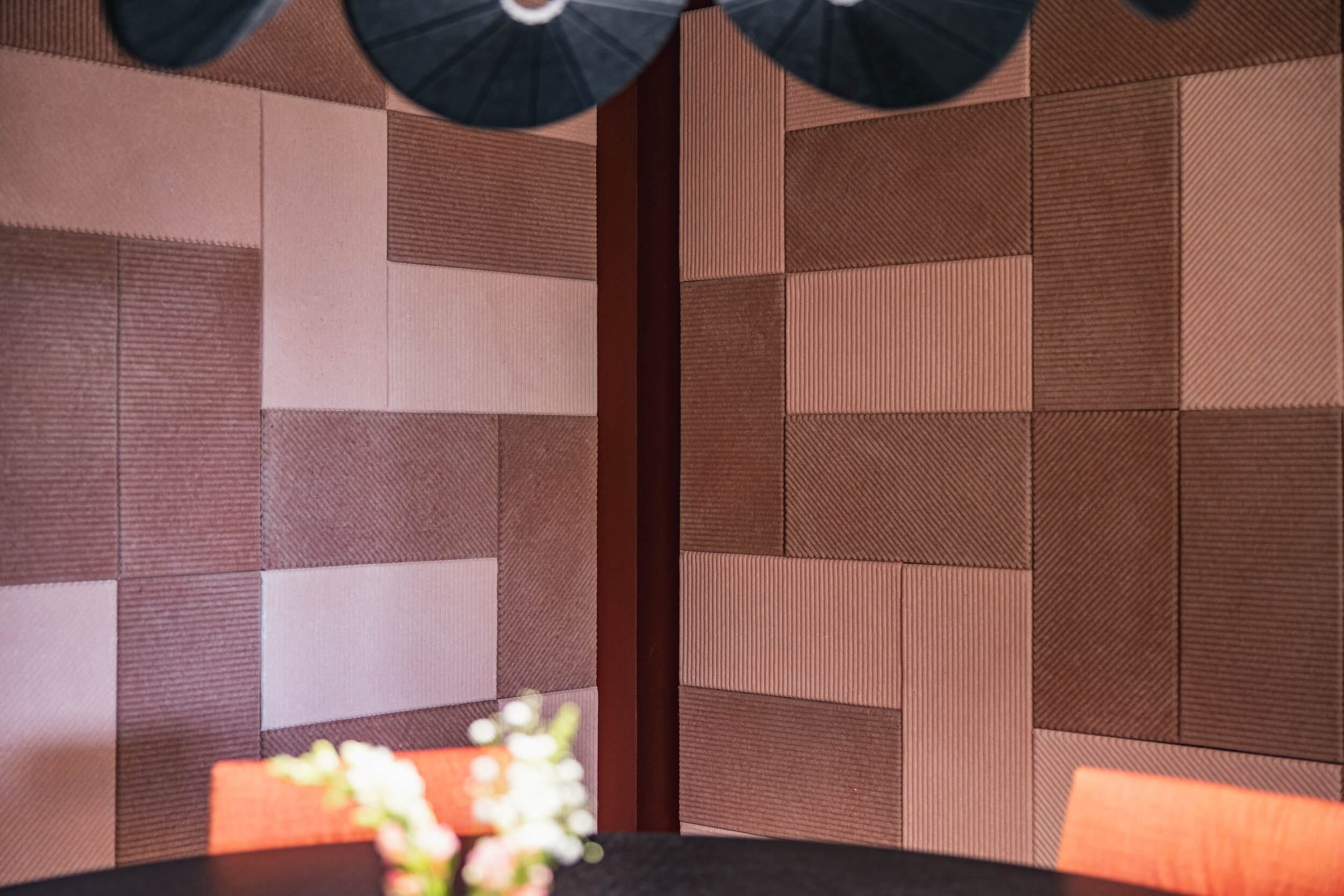
5 Minute Read
Acoustic Panels That Don't Look Like Acoustic Panels
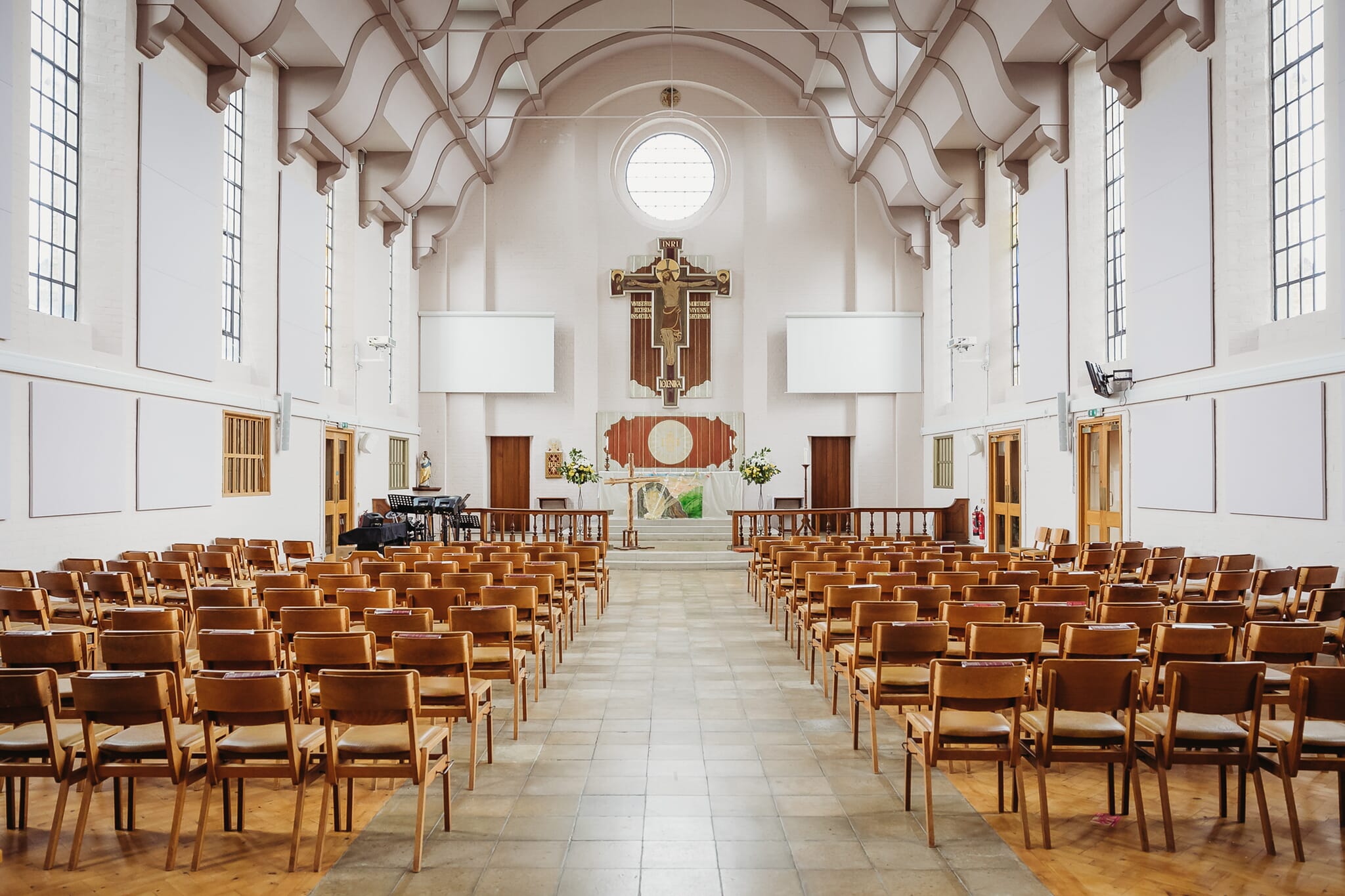
Good acoustics and good design used to be a trade-off. Not anymore. Today's acoustic panels are things designers actively want to specify. Here's a guide to the finishes solving acoustic problems without creating aesthetic ones.

Mark Irwin
10th Jun 2026
Categories
Advice
For a long time, acoustic panels and good design were considered opposing forces. You either had a space that looked beautiful or one that sounded good, and if you wanted both, you hid the acoustic panels behind a feature wall.
That trade-off no longer exists.
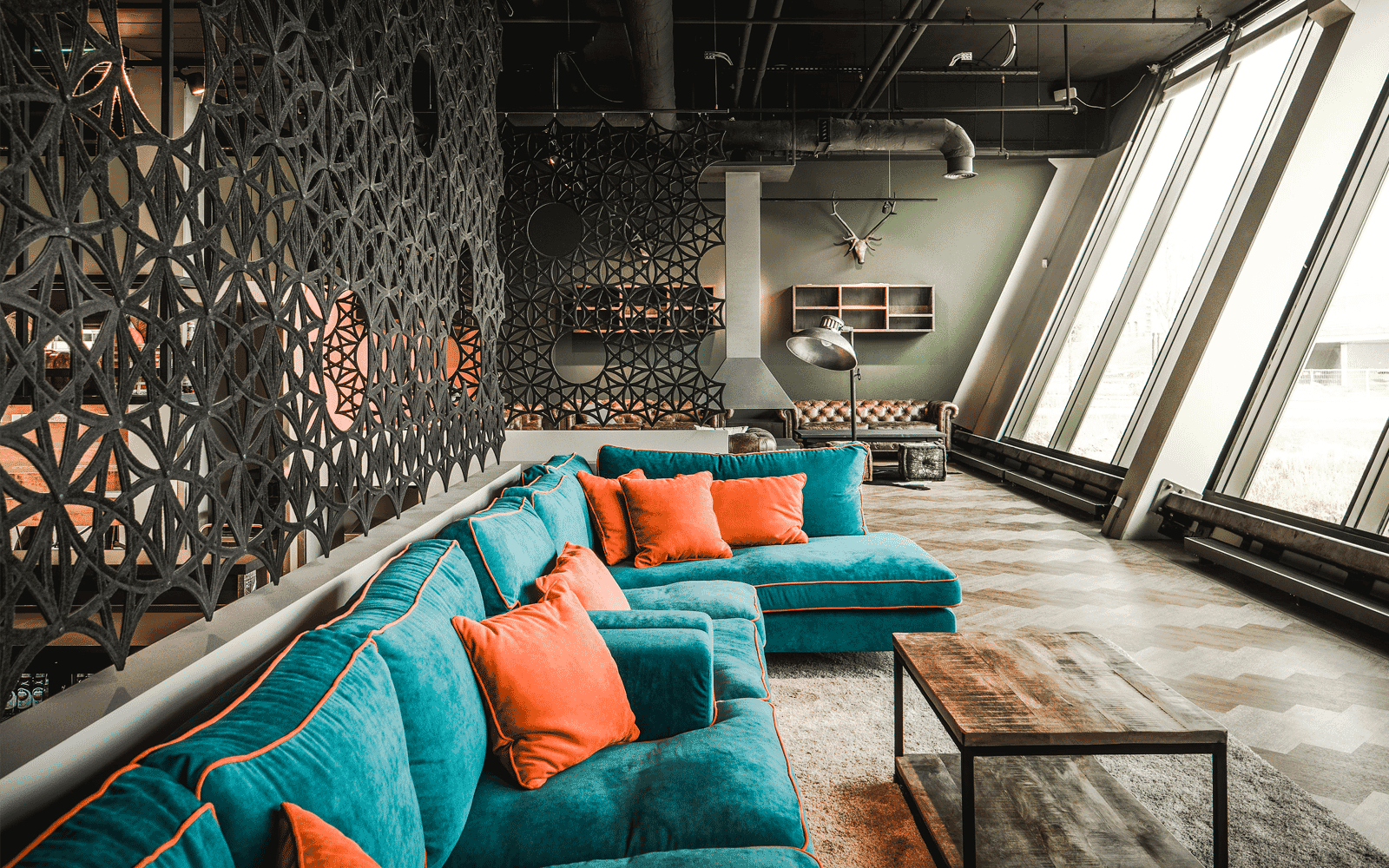
The past decade has produced a generation of acoustic products that are genuinely beautiful pieces in their own right, that interior designers actively specify for their looks. Understanding what’s available changes how you think about acoustic treatment entirely.
Here’s a guide to the products that solve acoustic problems without creating aesthetic ones.
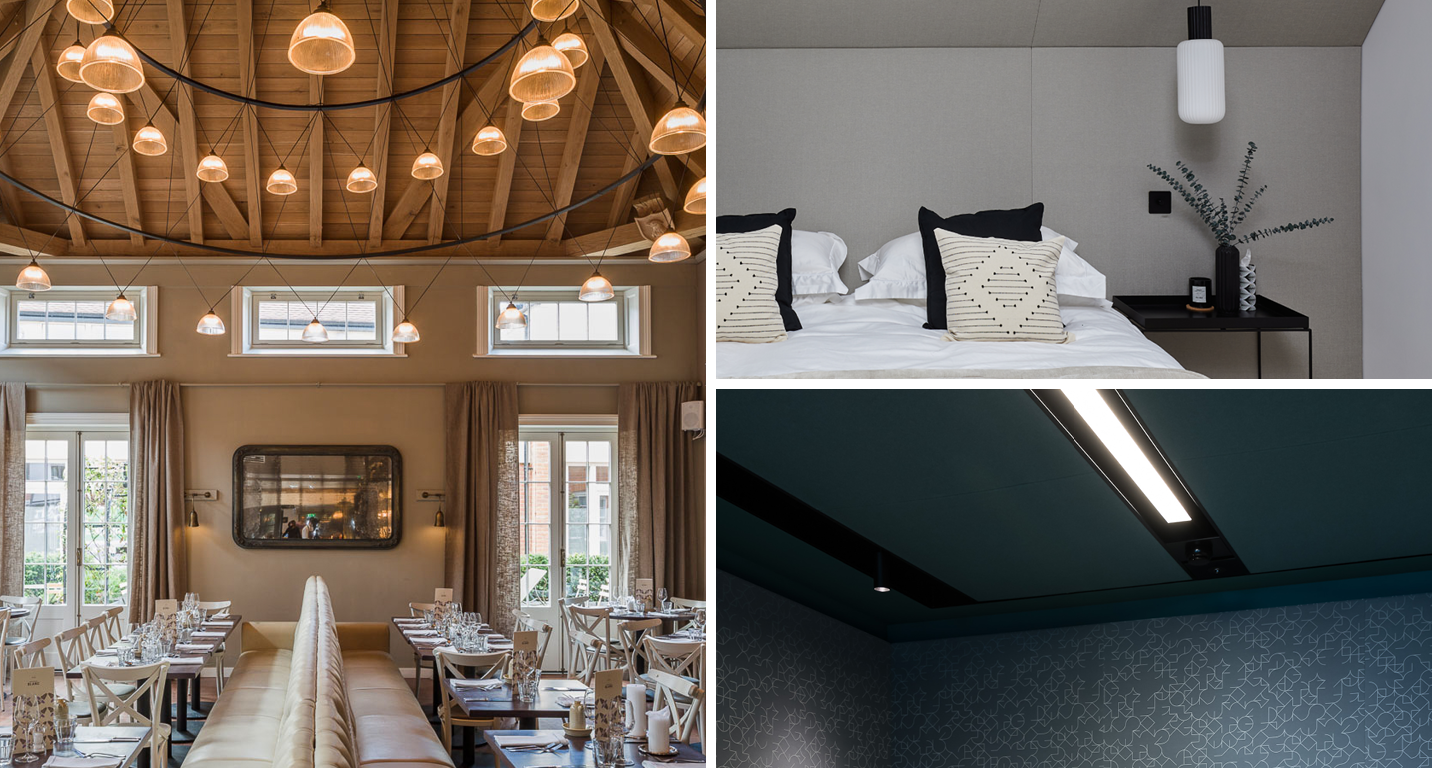
Stretched Fabric Acoustic Panels
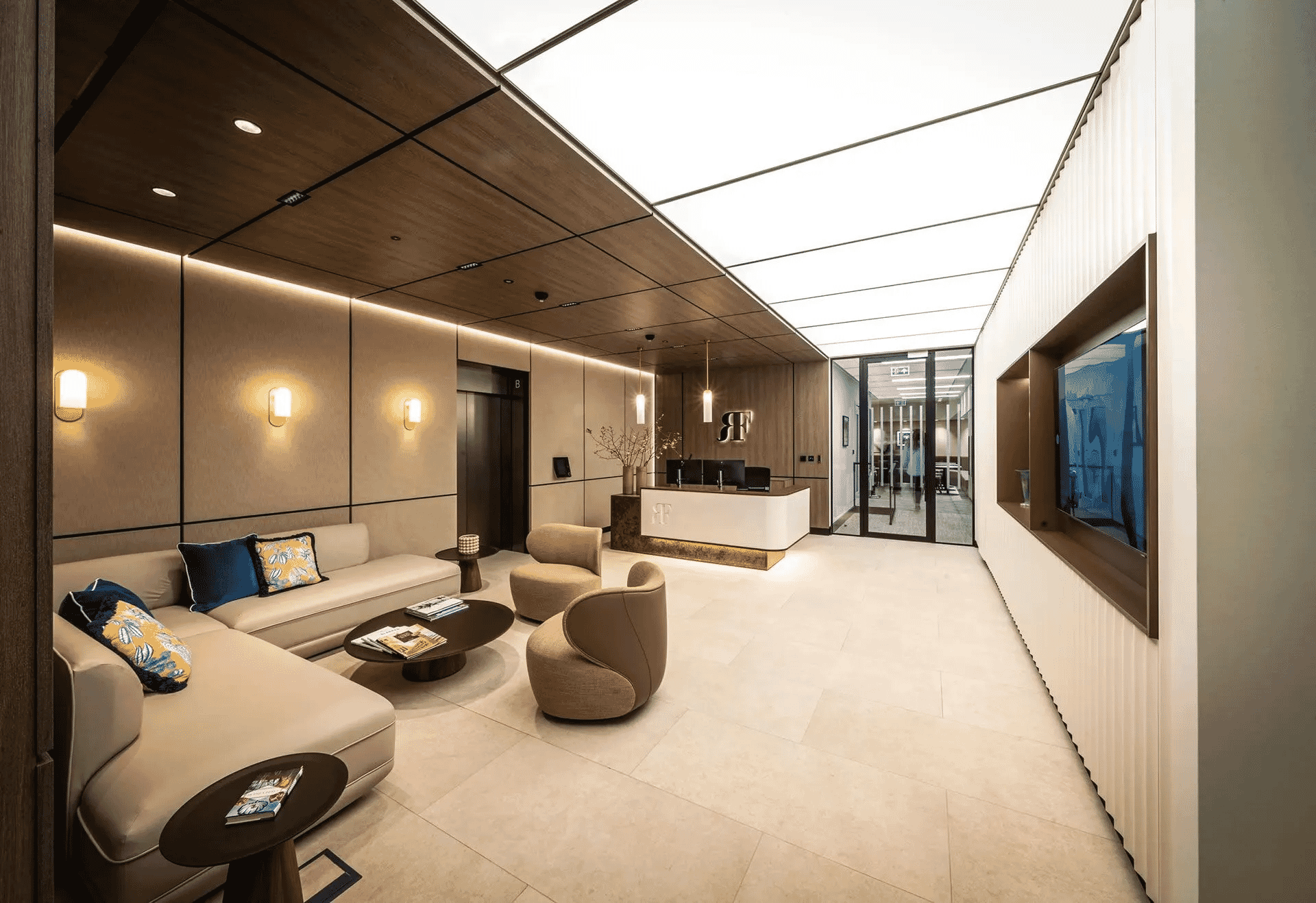
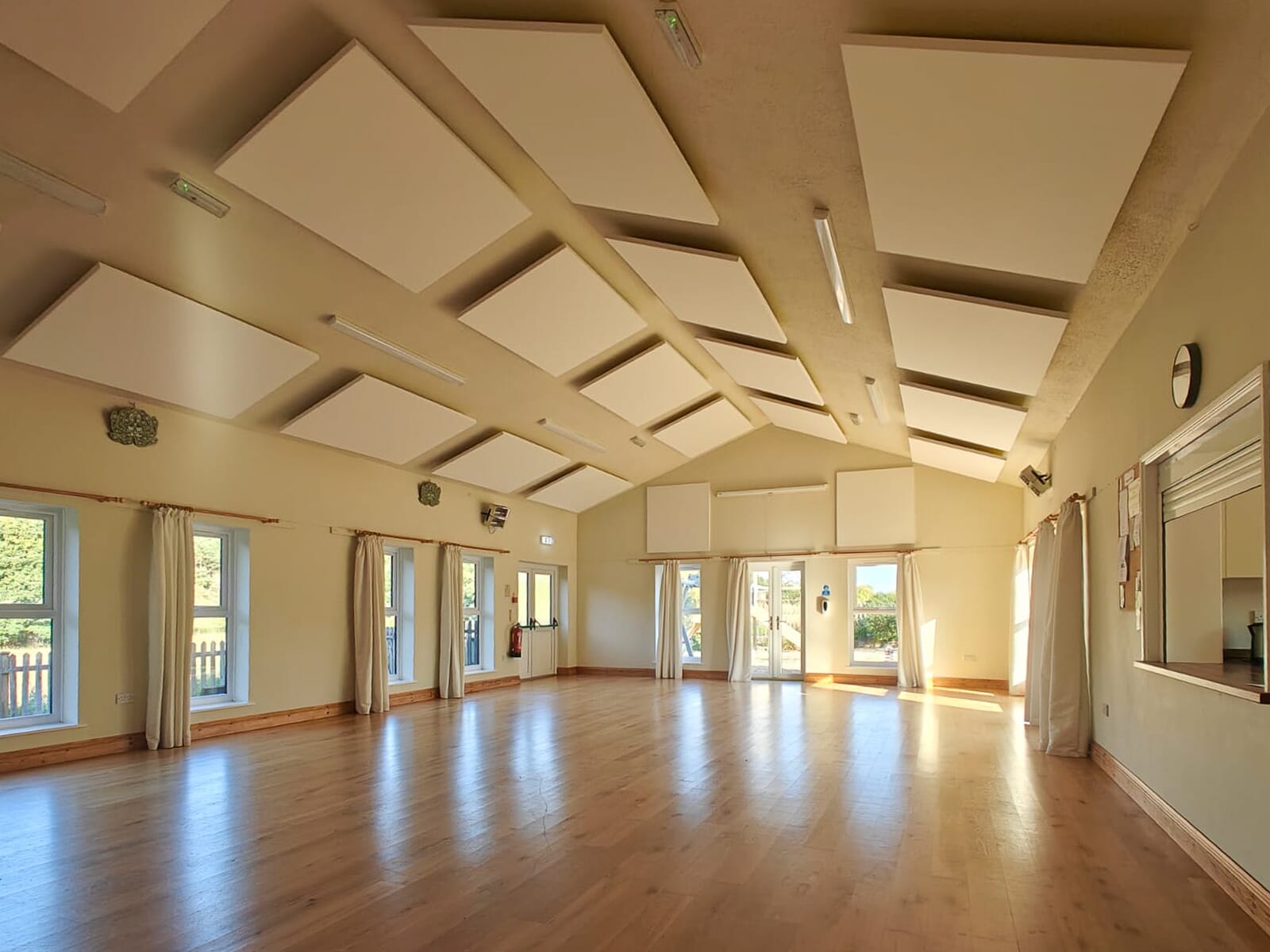
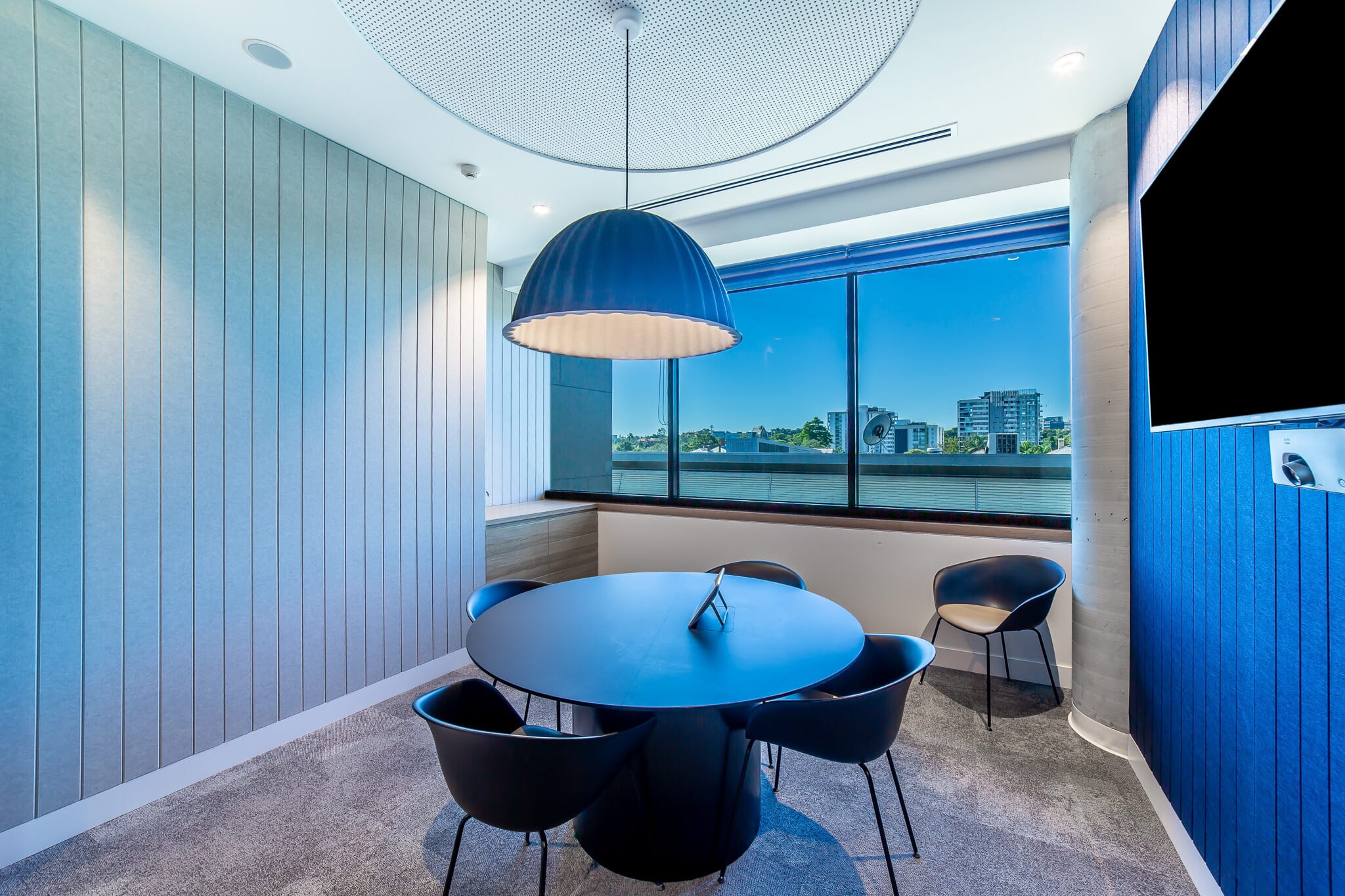
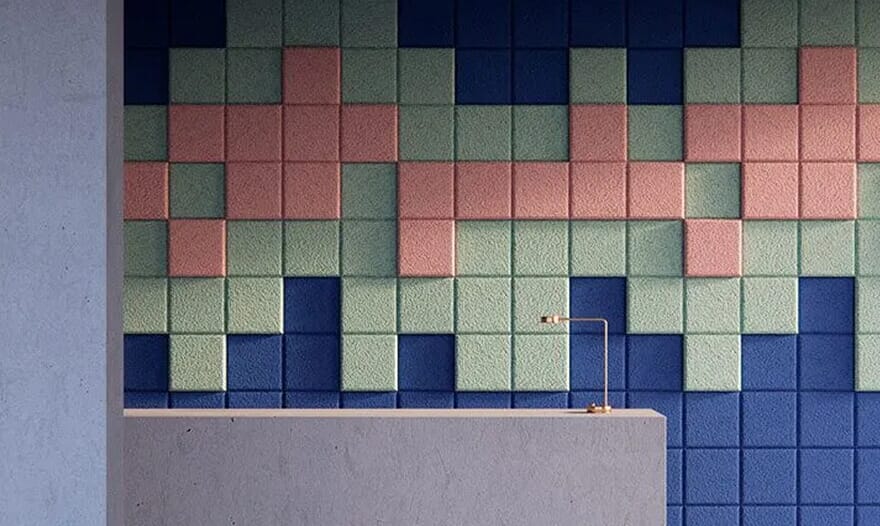
If you want acoustic panels that are truly invisible, stretched fabric systems are the closest thing to it. Tensioned fabric is mounted across a wall or ceiling, concealing high-performance acoustic material behind a seamless, upholstered surface.
The result looks like a considered design detail rather than anything acoustic at all. Fabric choice is essentially unlimited, which means these systems can be matched to any interior scheme, from corporate boardrooms to boutique hotels.
They’re also practical. The fabric can be removed and replaced if the interior is refreshed, making it a long-term investment rather than a fixed feature. And because the acoustic core is hidden, the treatment can be specified at whatever thickness is required to achieve the required performance, without it ever showing.
Best for: High-spec offices, hospitality spaces, boardrooms, reception areas.
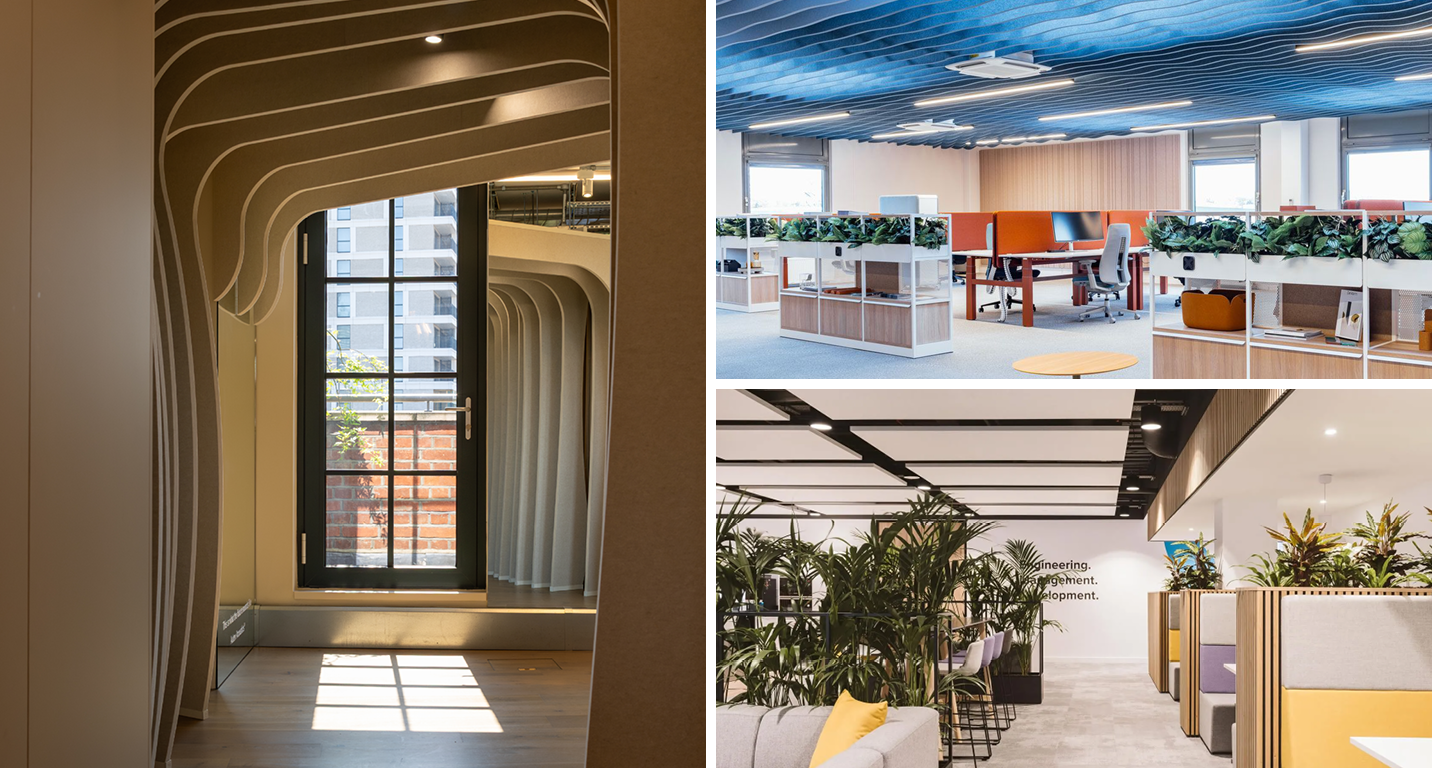
Sculptural Ceiling Baffles and Rafts
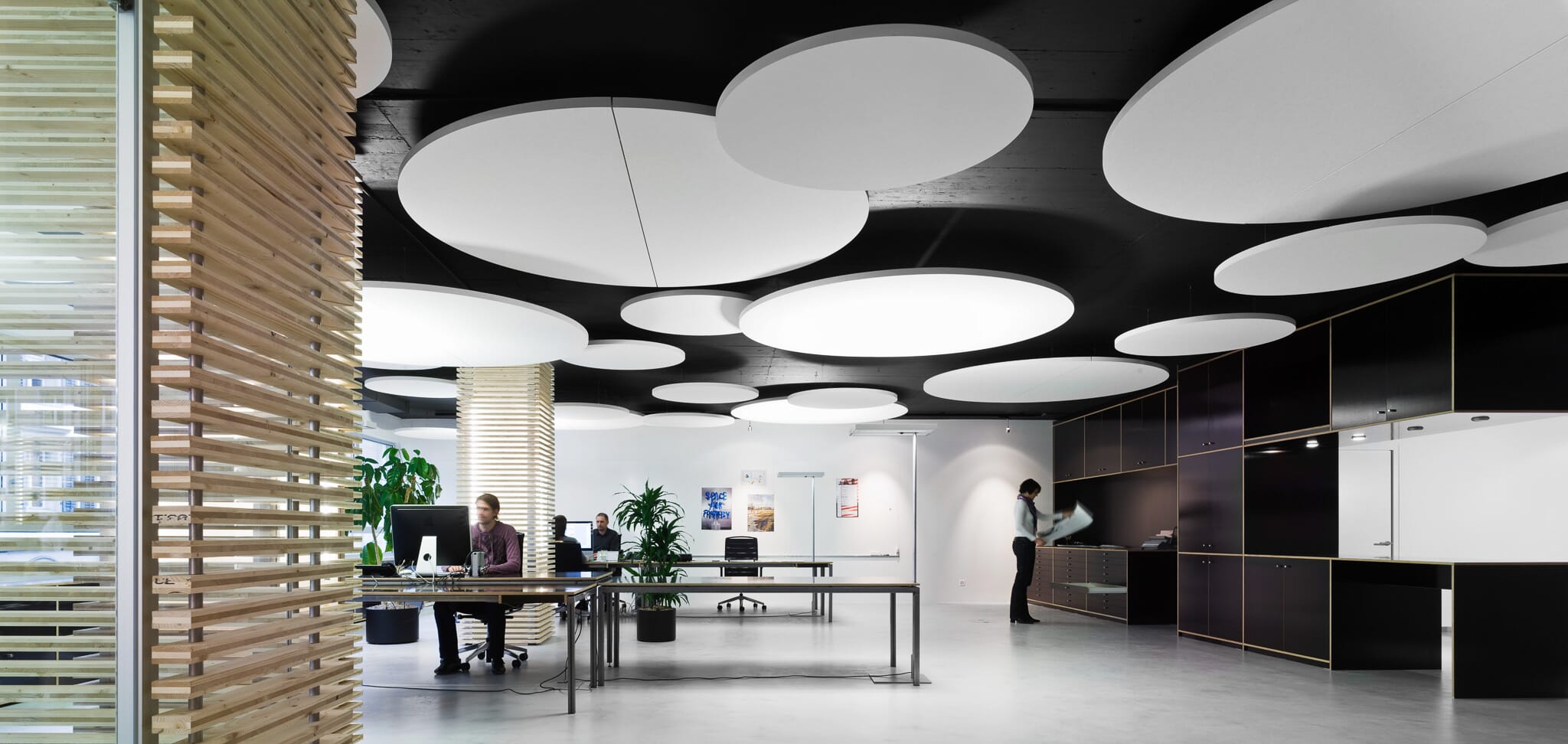
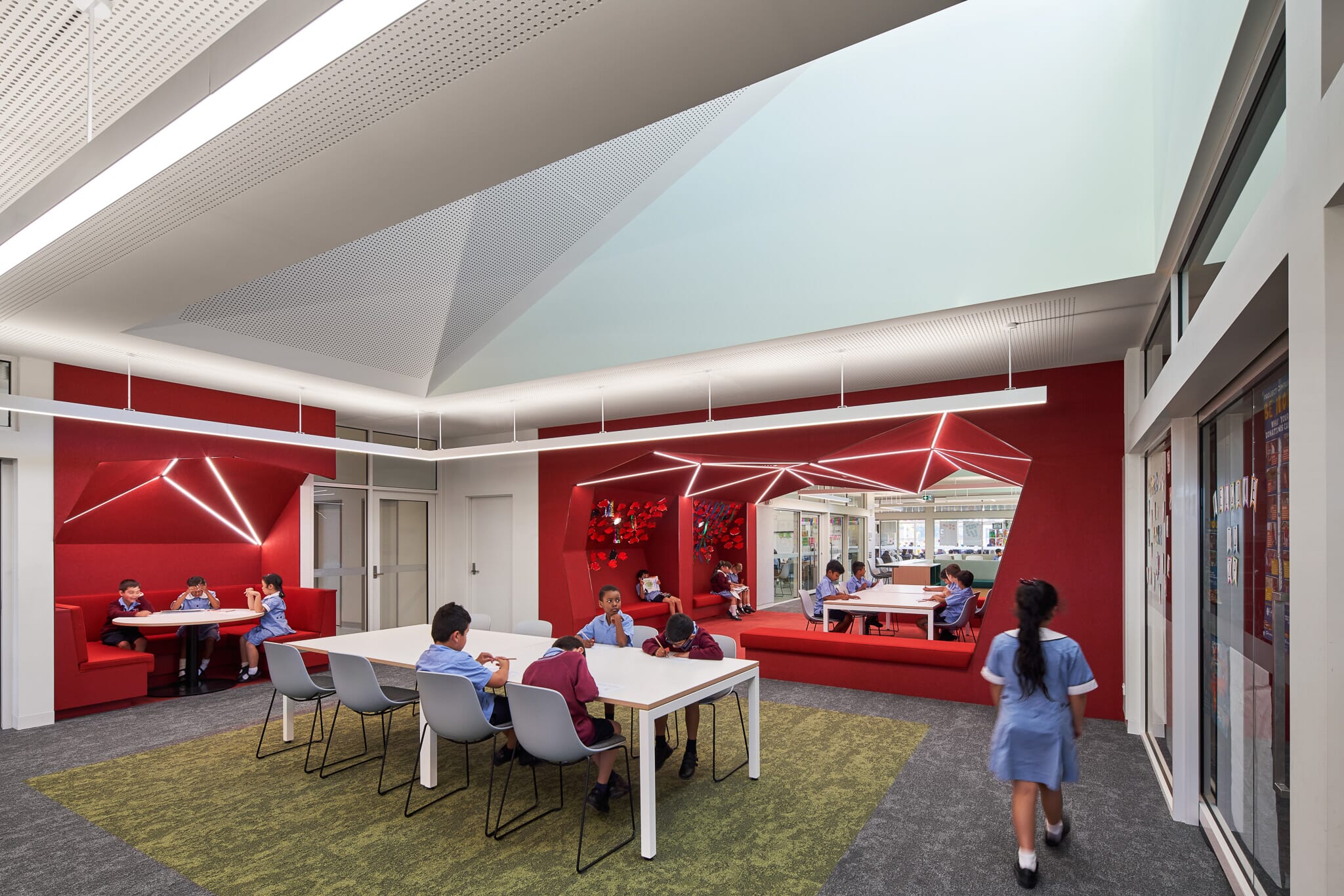
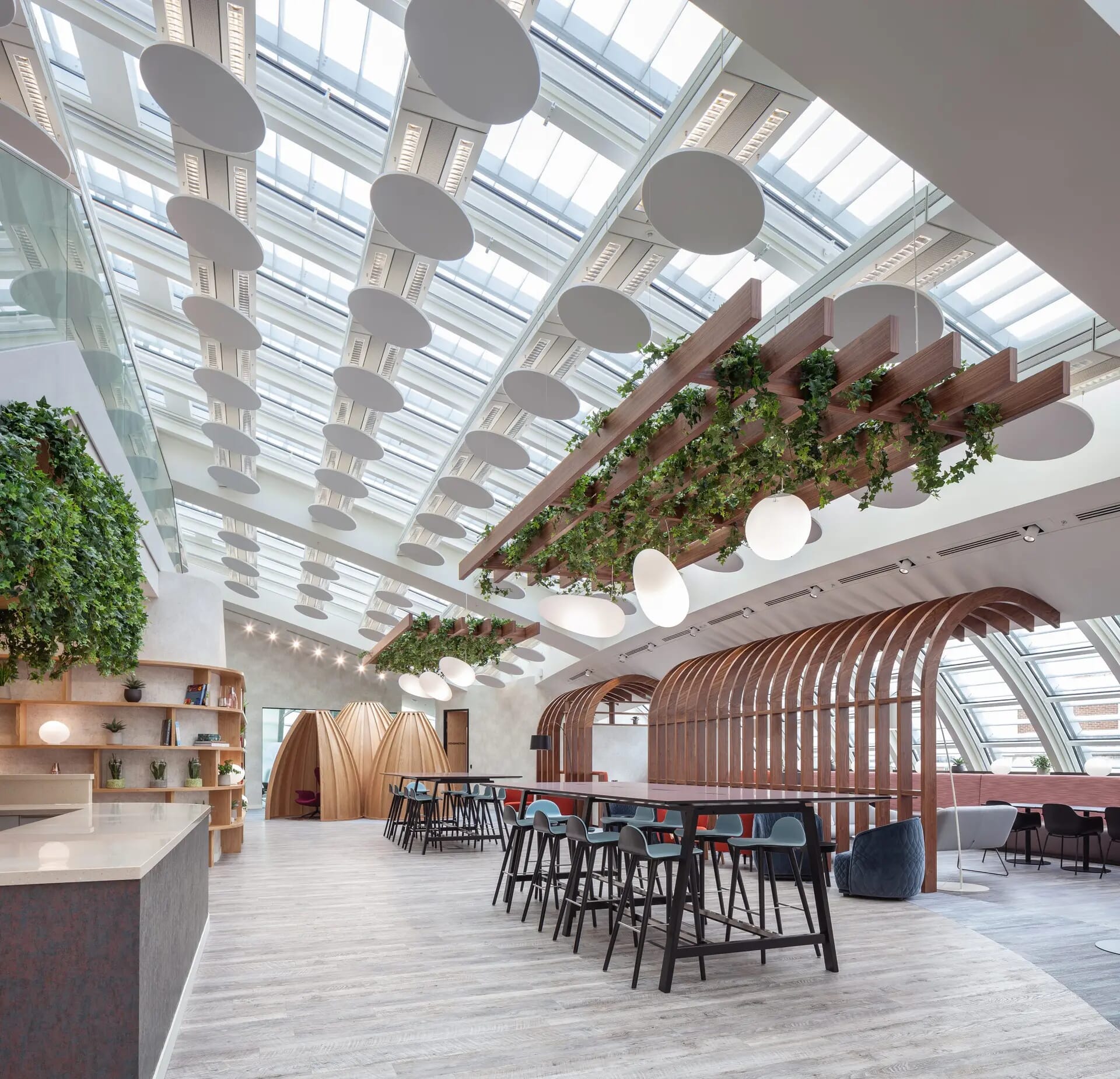
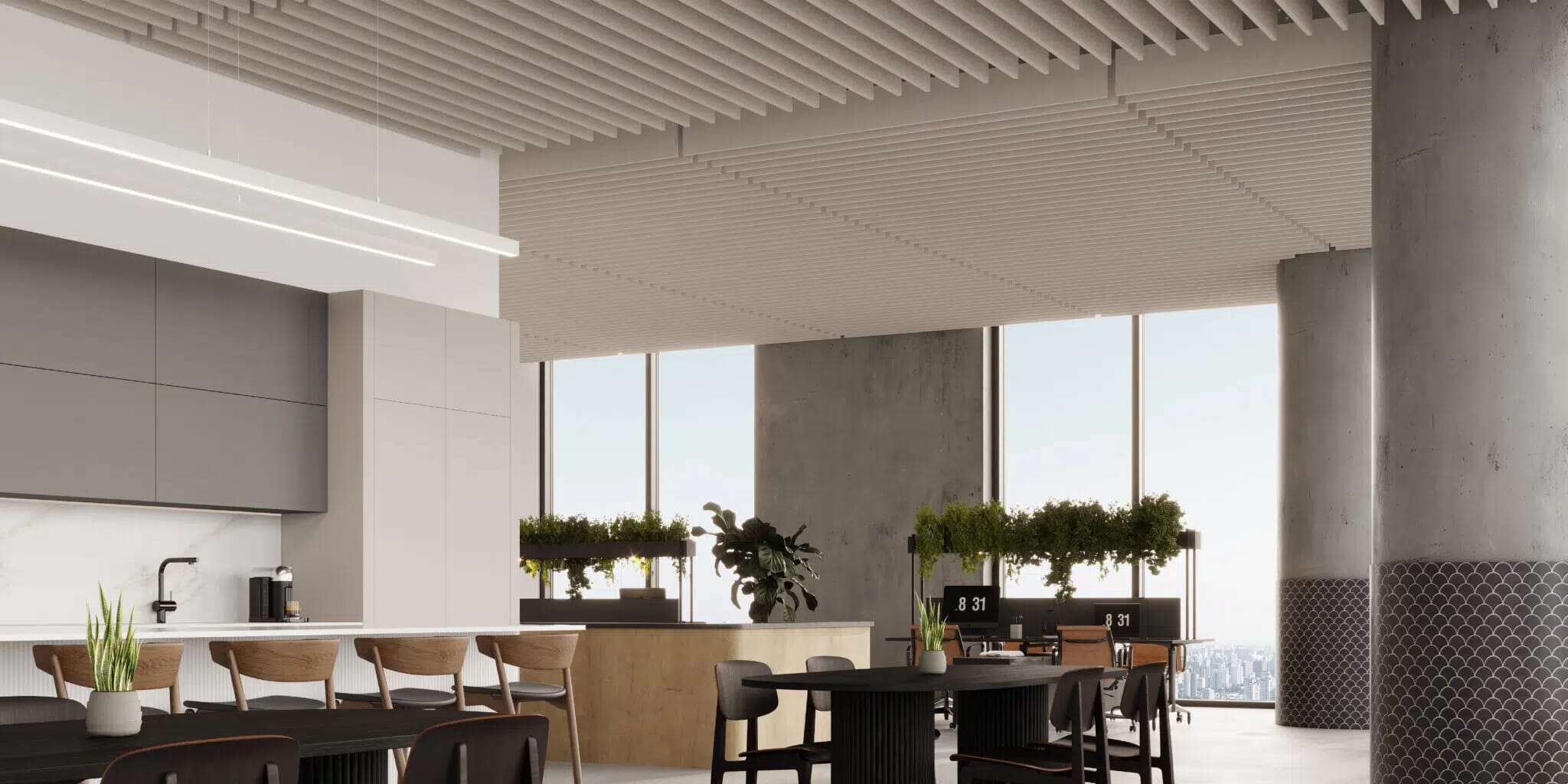
Ceiling baffles were once purely functional but today, they’re a design element in their own right.
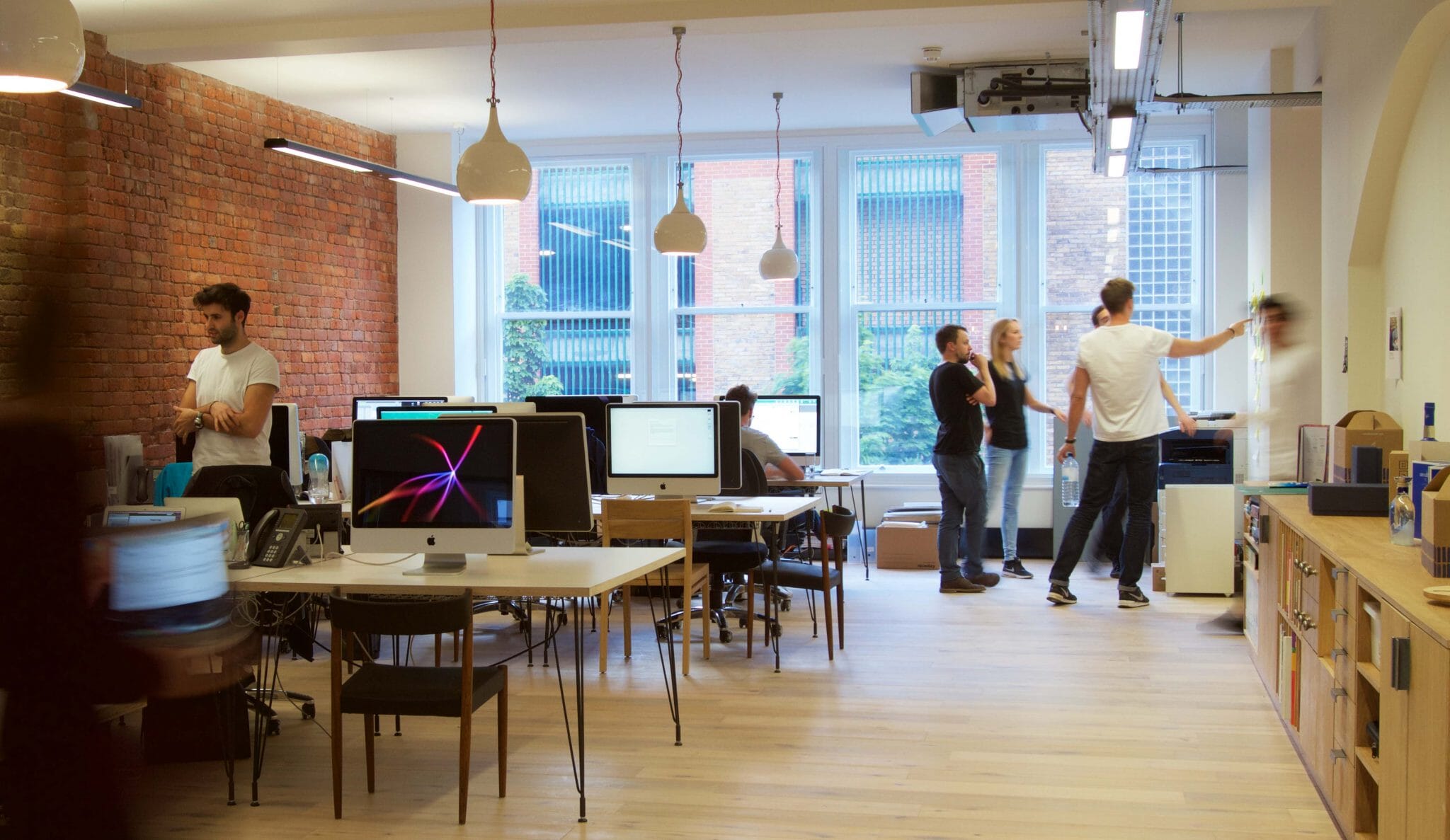
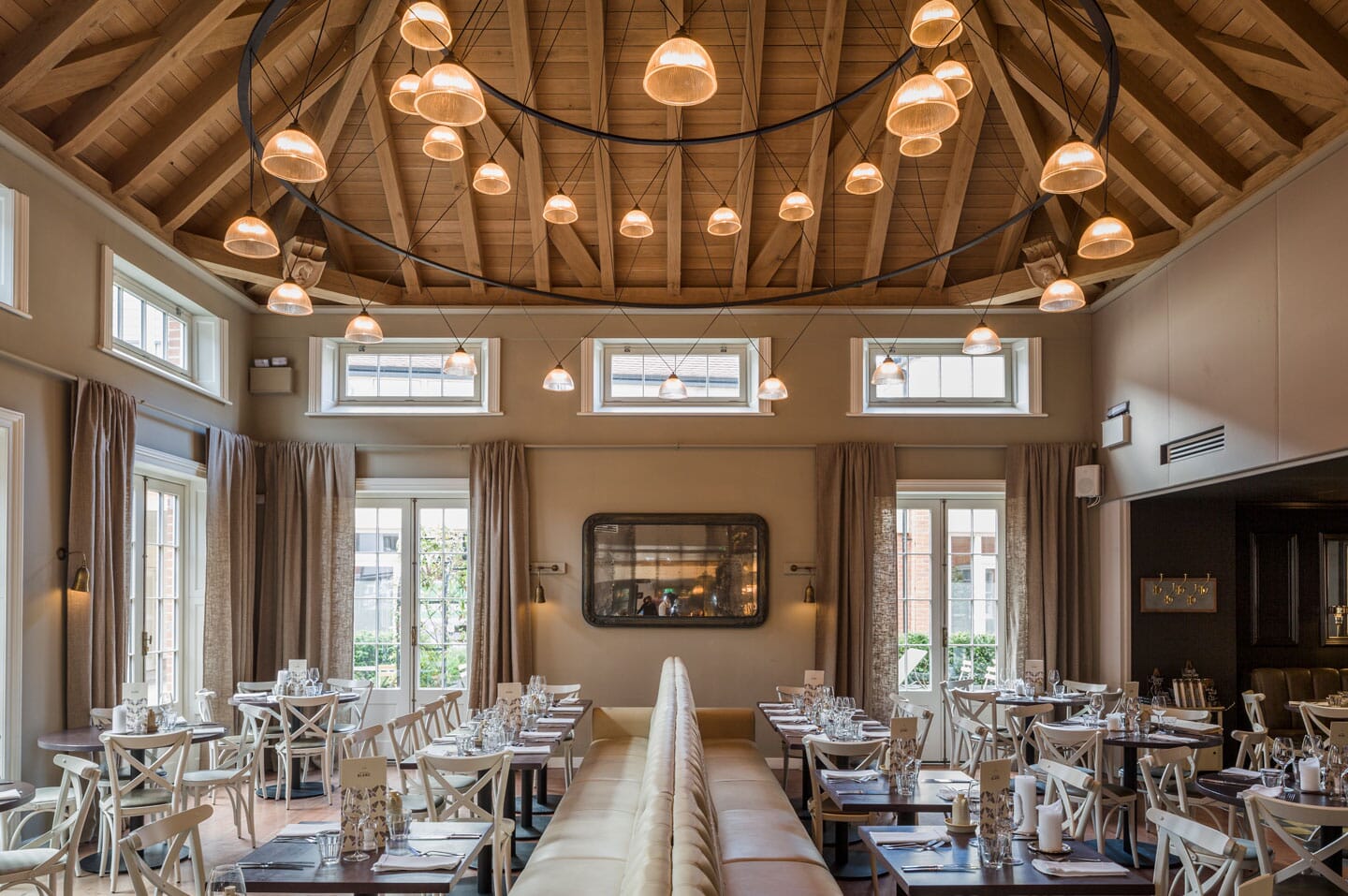
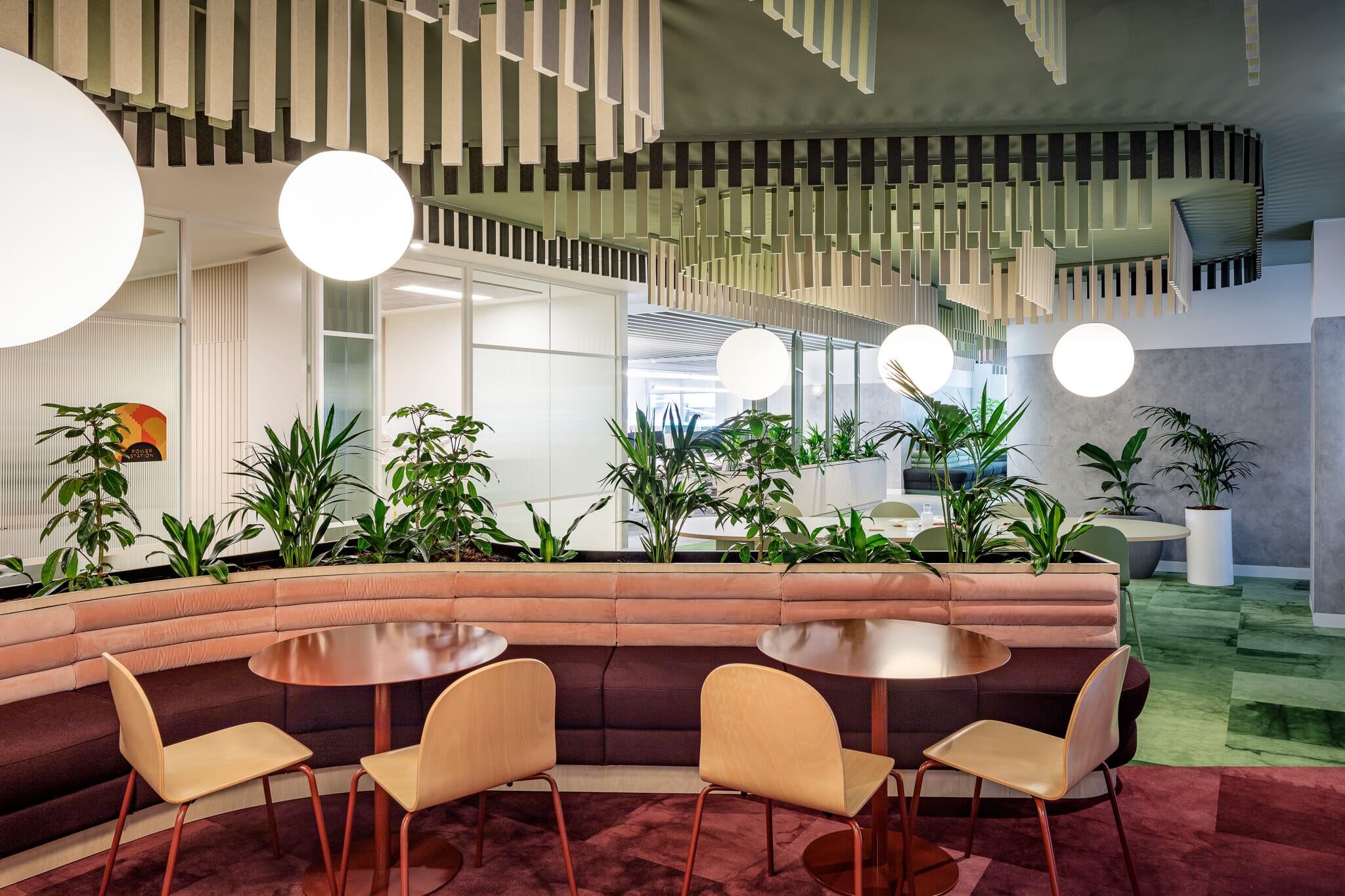
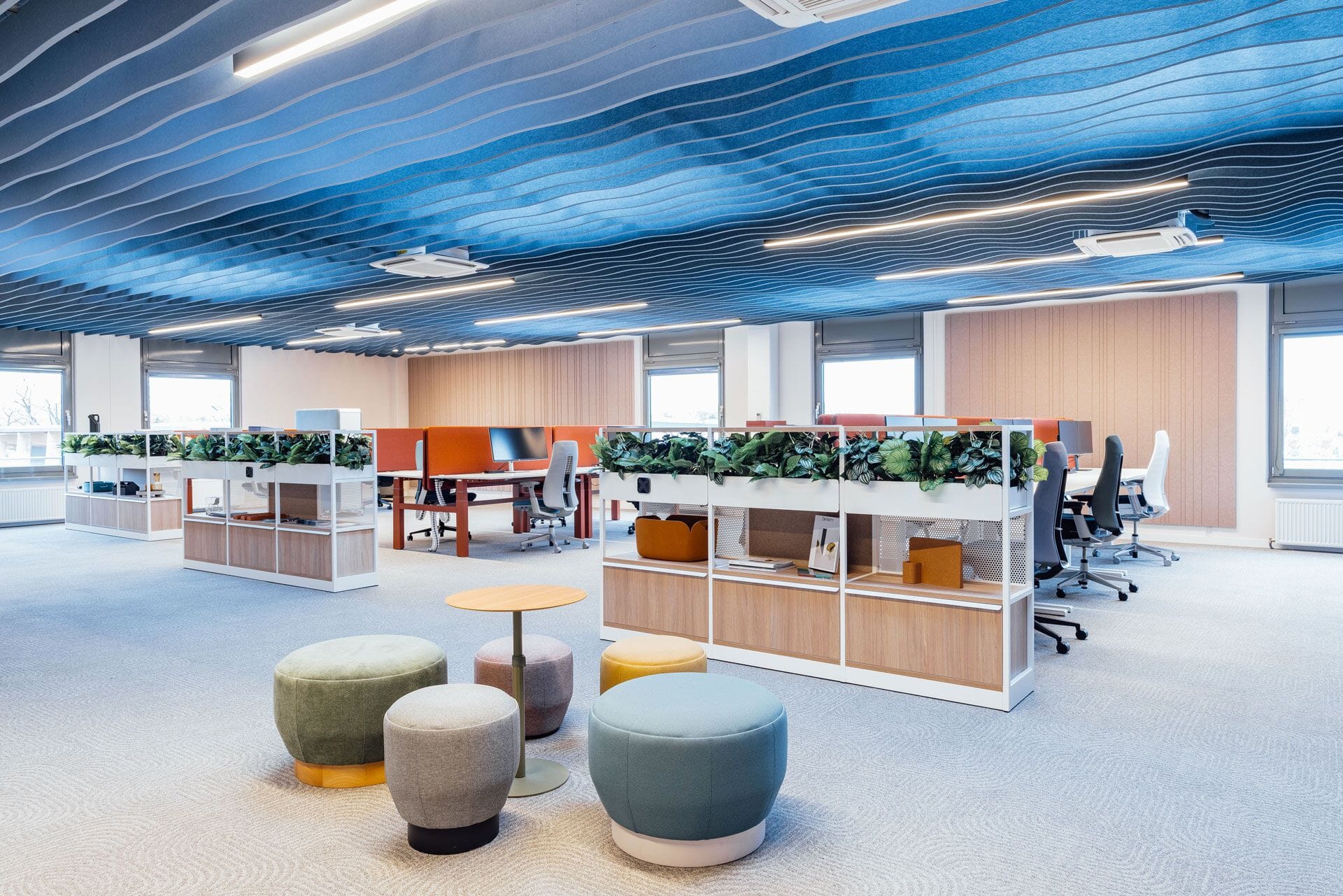
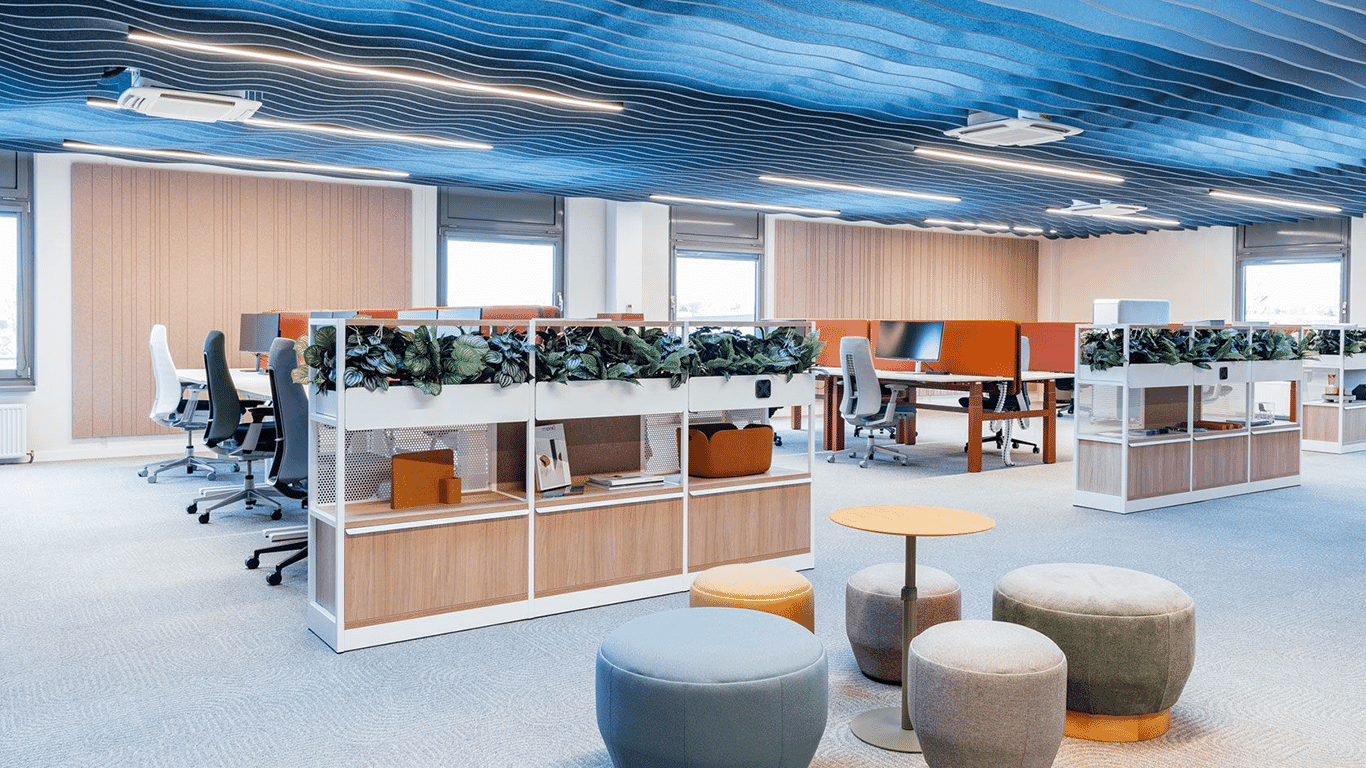
Contemporary baffles are available in a wide range of shapes, materials and configurations. Recycled PET, timber veneer and perforated metal have expanded the material palette considerably. And the forms themselves have become more considered: tapered profiles, curved edges, asymmetric arrangements that create visual rhythm across a ceiling plane.
Acoustic rafts work similarly. They can create the impression of a lowered ceiling zone, defining a space while absorbing sound. Specifiers increasingly use them to zone open-plan floors or create a sense of intimacy in large, high-ceilinged environments.
Best for: Open-plan offices, restaurants, schools, cultural spaces, any environment with an exposed ceiling.
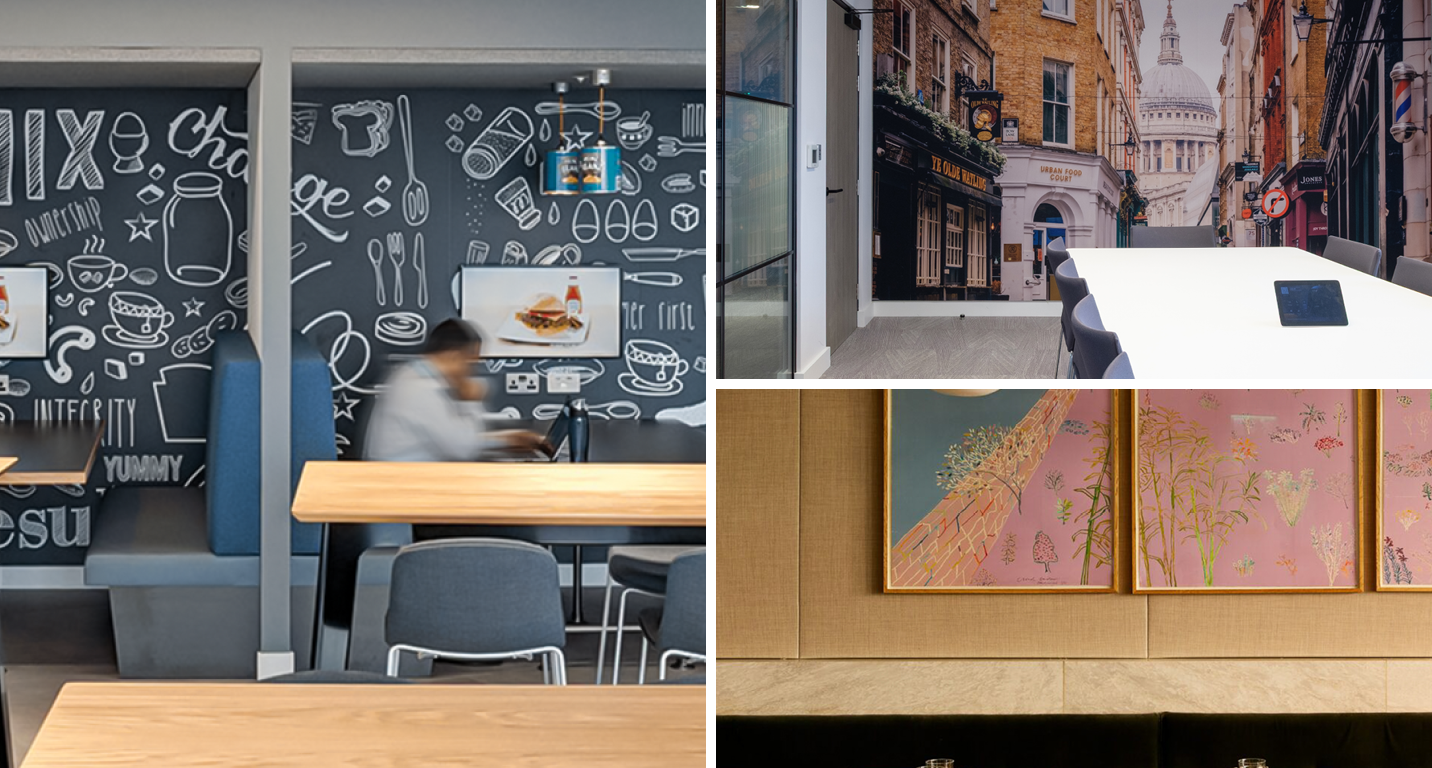
Printed and Branded Acoustic Panels
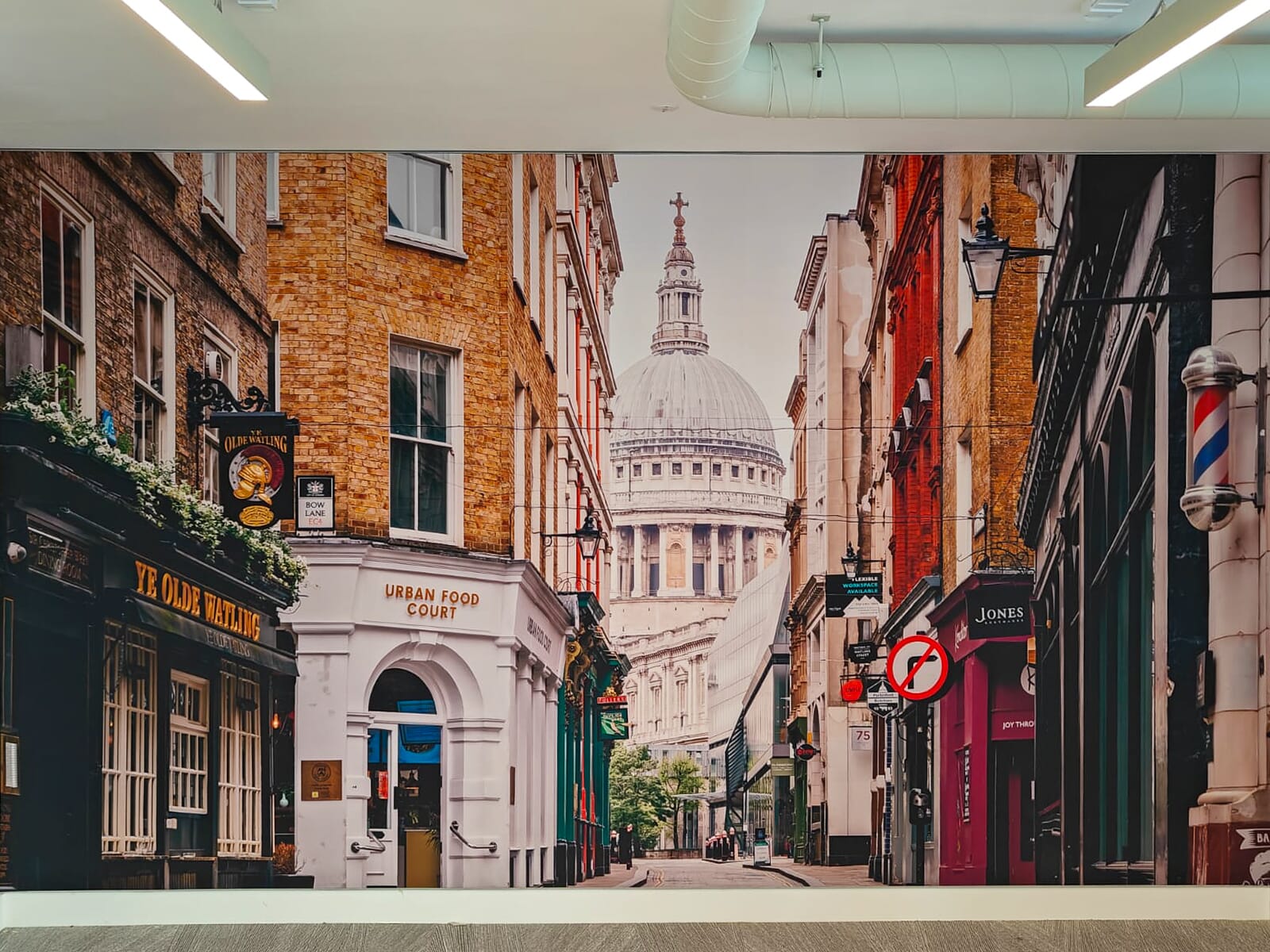
There are acoustic panels that can be printed with any image, pattern or graphic. This opens up significant creative opportunities.
A panel featuring an abstract artwork, a landscape photograph or a brand graphic, functions as wall art first and acoustic treatment second. In most spaces, no one will know it’s an acoustic panel.
For brand-led environments such as retail, hospitality and corporate interiors, this is particularly useful. Acoustic performance can be woven into the visual identity of a space rather than added on top of it.
Printed panels are available in a range of core materials and NRC ratings, so performance doesn’t have to be compromised for the sake of the image.
Best for: Branded workplaces, retail interiors, hospitality, reception areas, anywhere that benefits from integrated artwork.
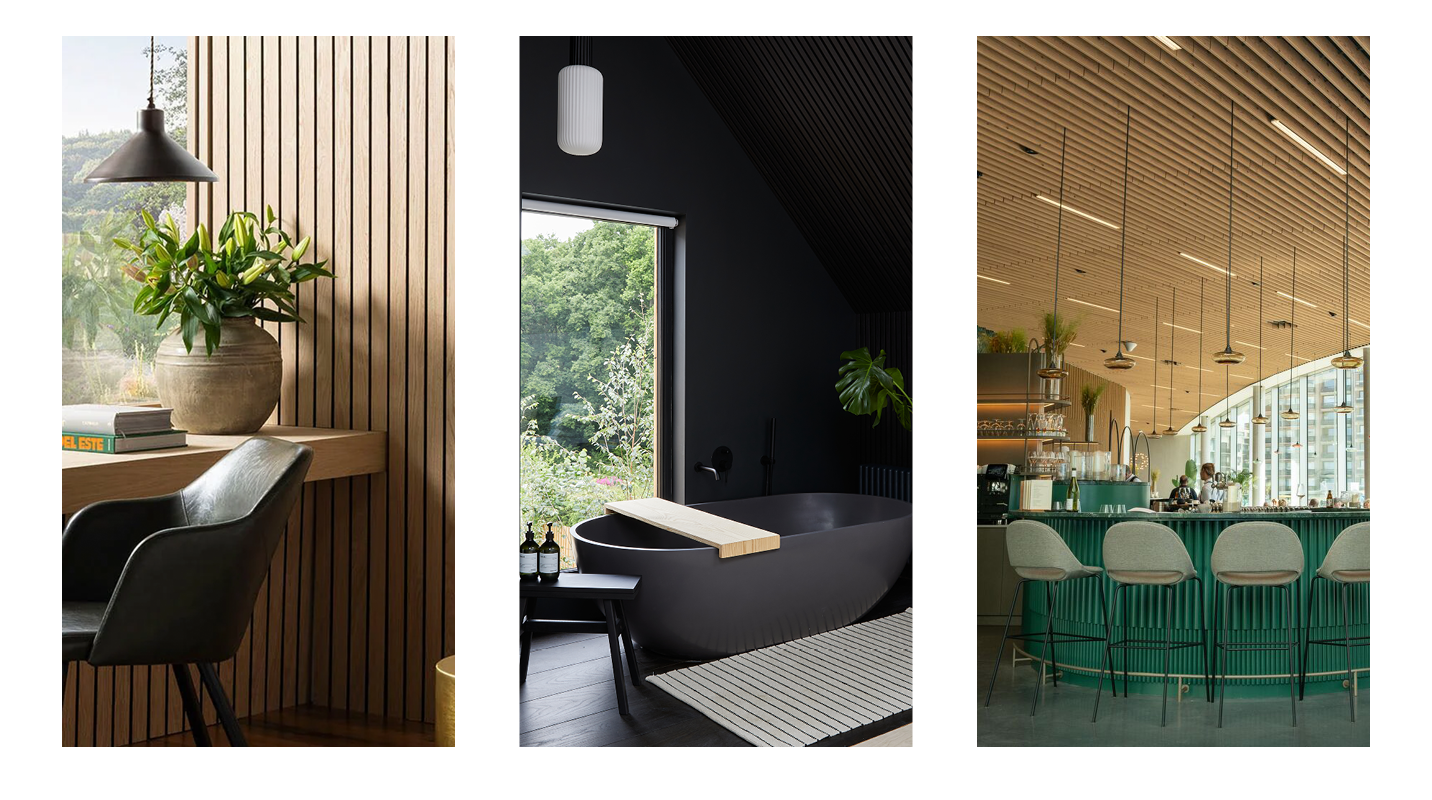
Timber Acoustic Panels
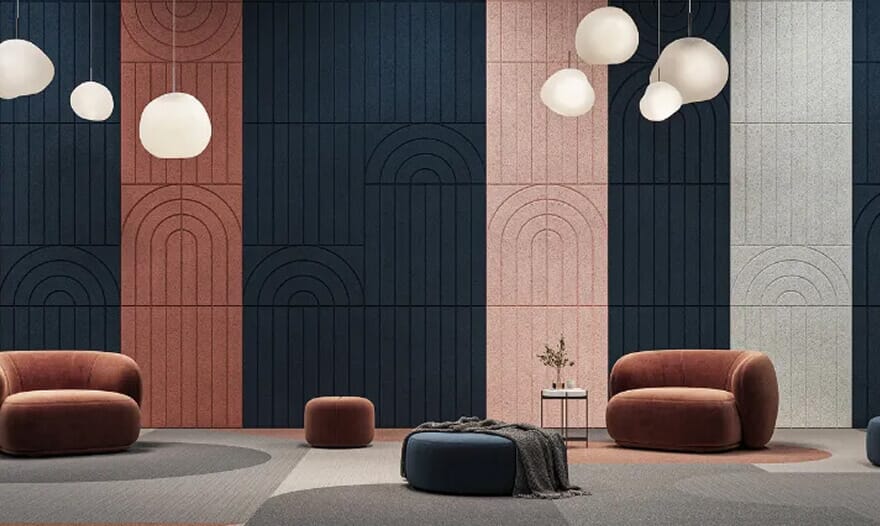
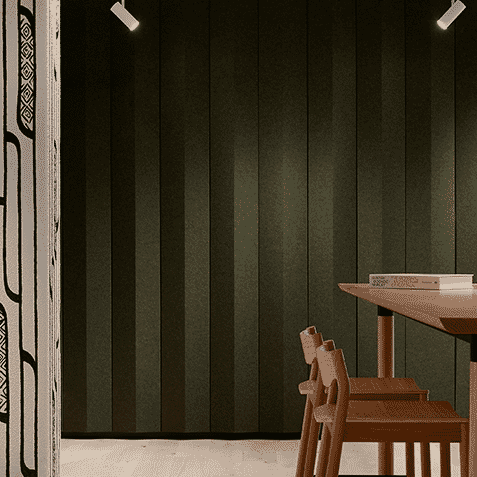
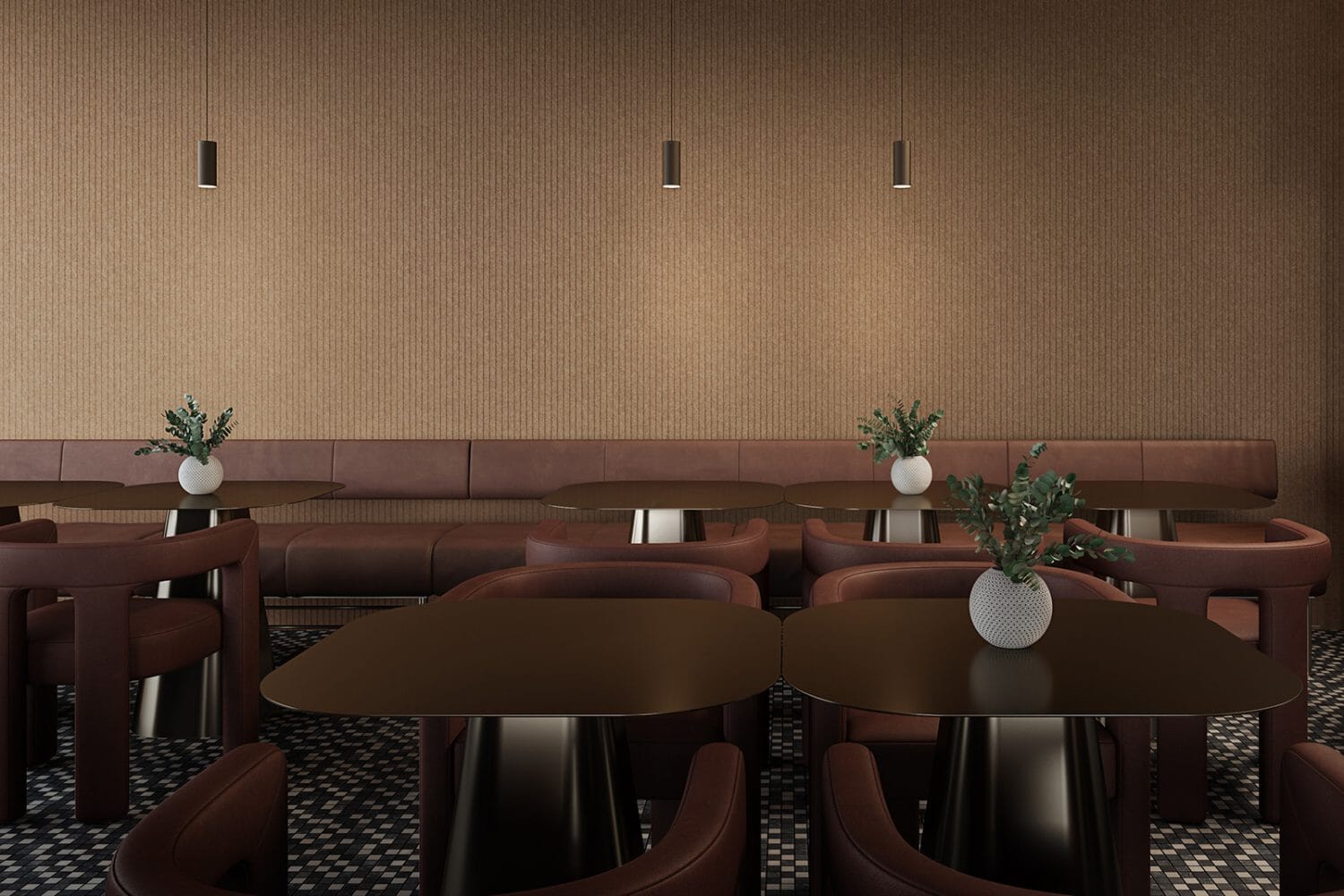
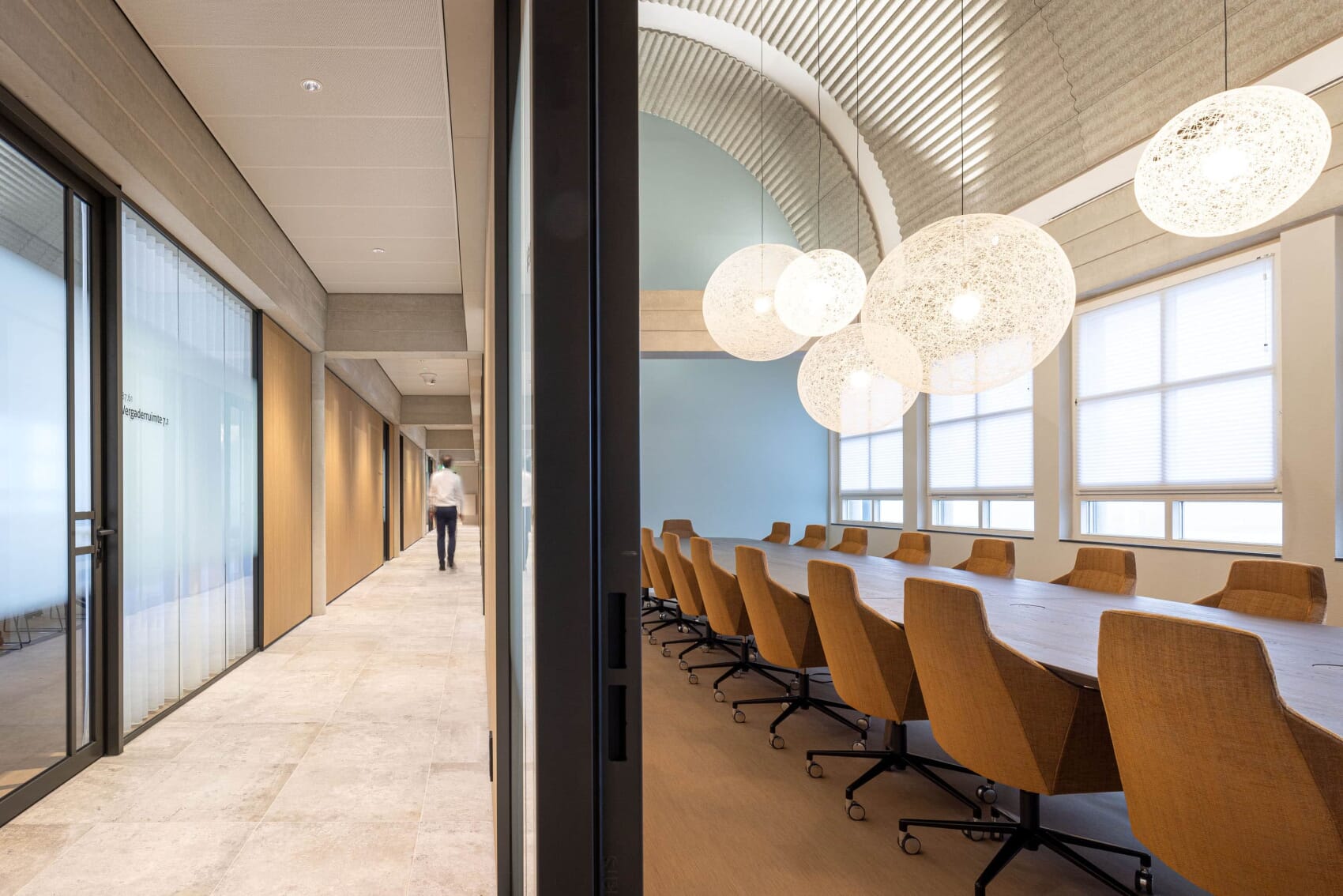
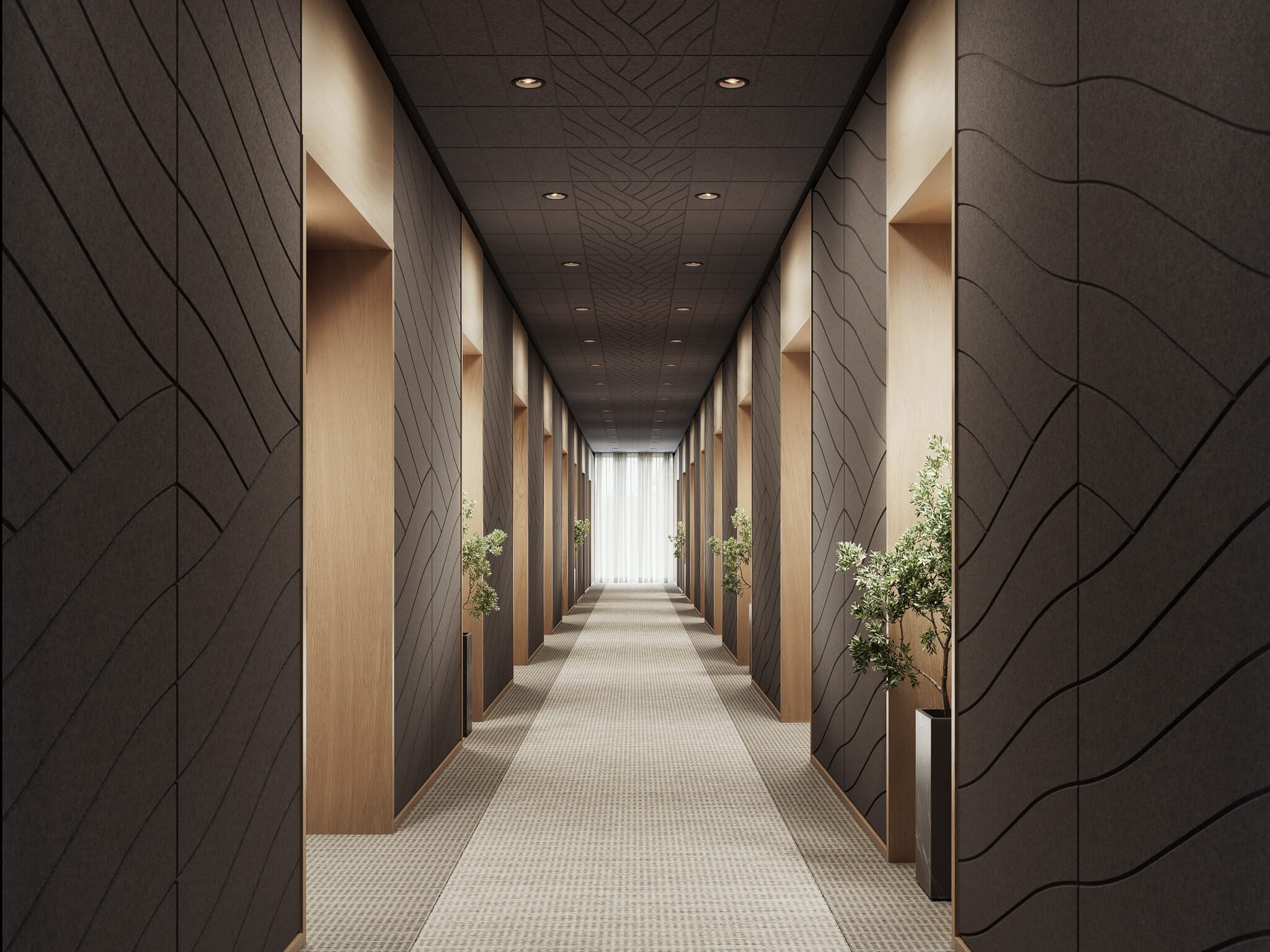
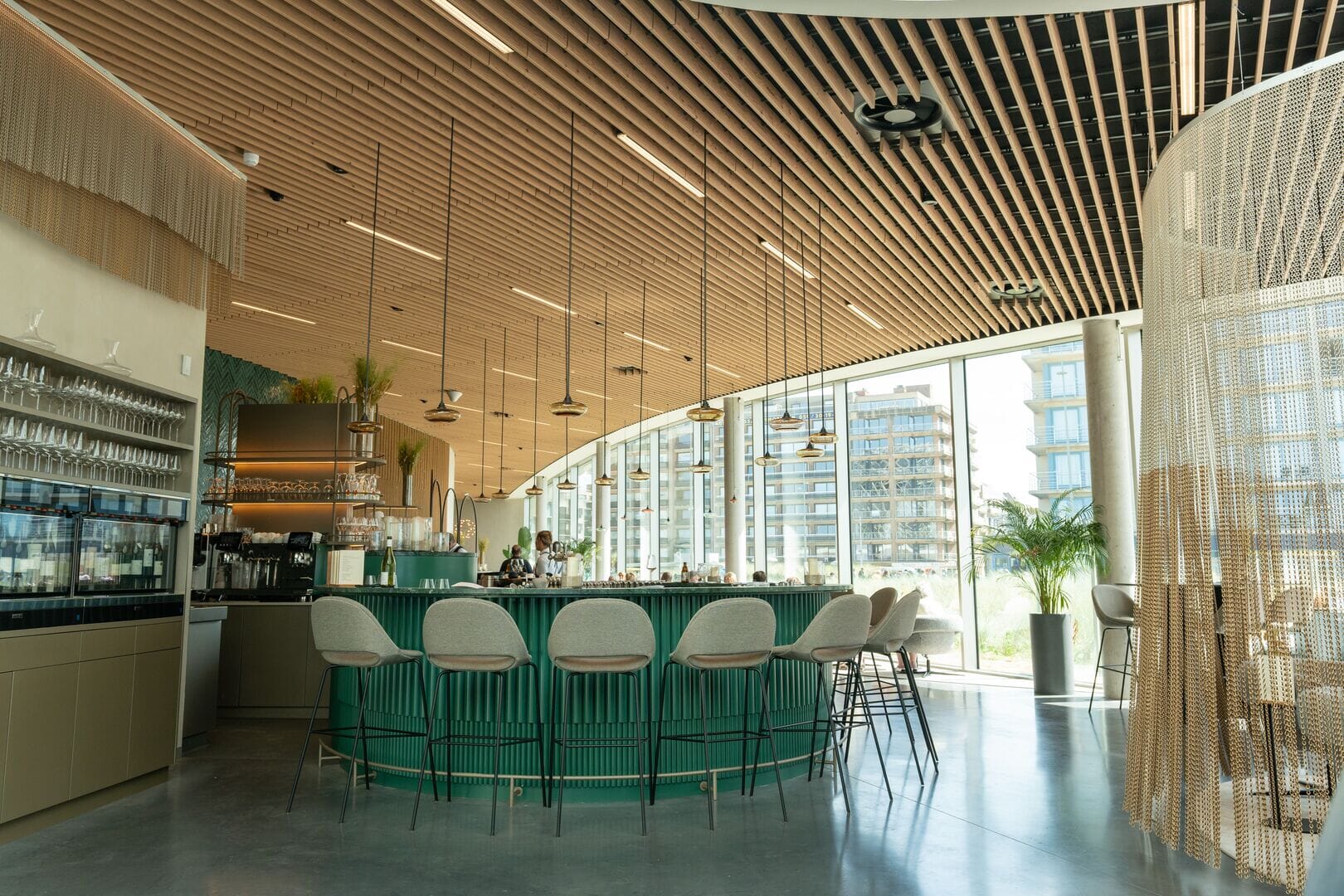
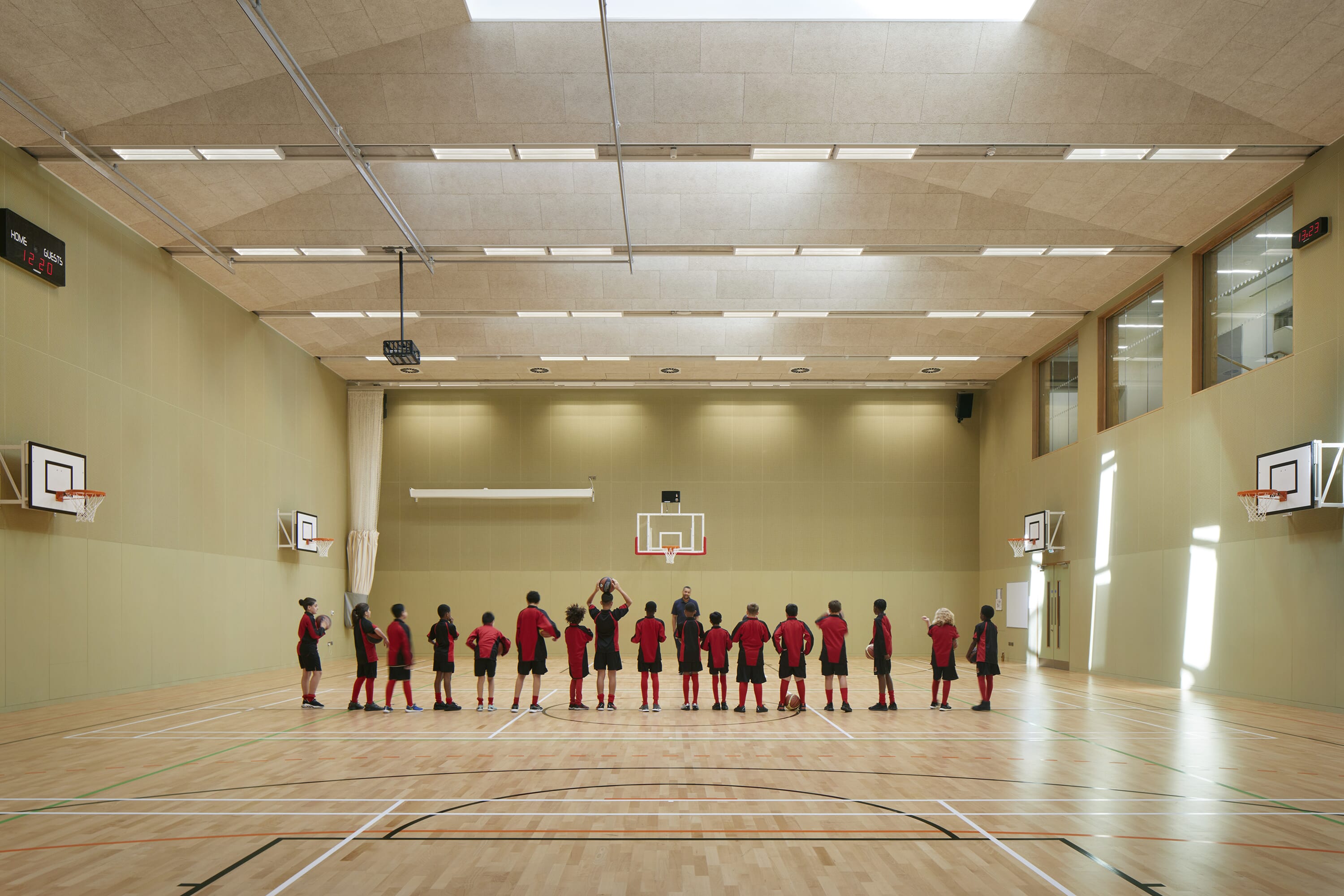
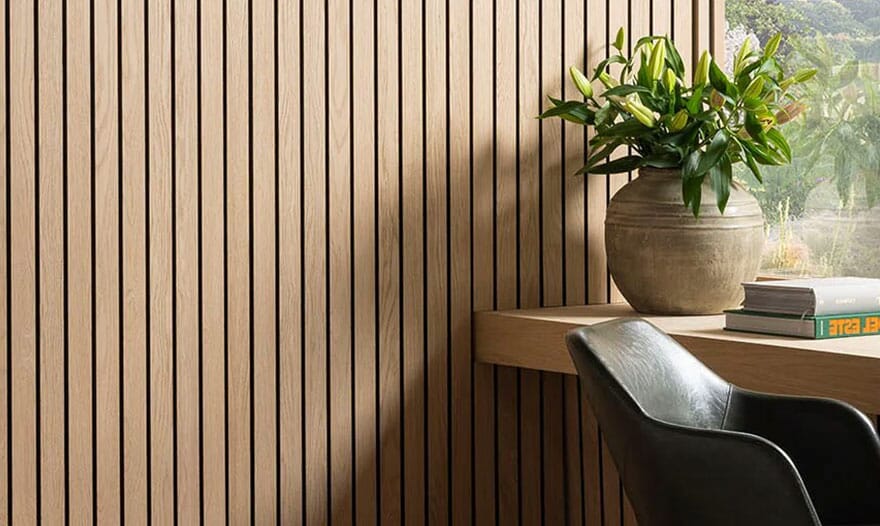
Timber acoustic panels have become one of the most specifiable finishes in contemporary interiors. They look like a considered joinery detail, while the gaps in the panel allow sound to pass through to an absorbent backing layer.
The visual effect is a warm, natural, architectural finish. And because timber finishes and paint colours are widely available, these panels can be matched to an existing material palette or specified as a focal feature.
They work particularly well in spaces where the aesthetic brief calls for natural materials or buildings with a biophilic design approach.
Best for: Hospitality, offices, education and any interior where natural materials are central to the design intent.
Acoustic Furniture and Objects
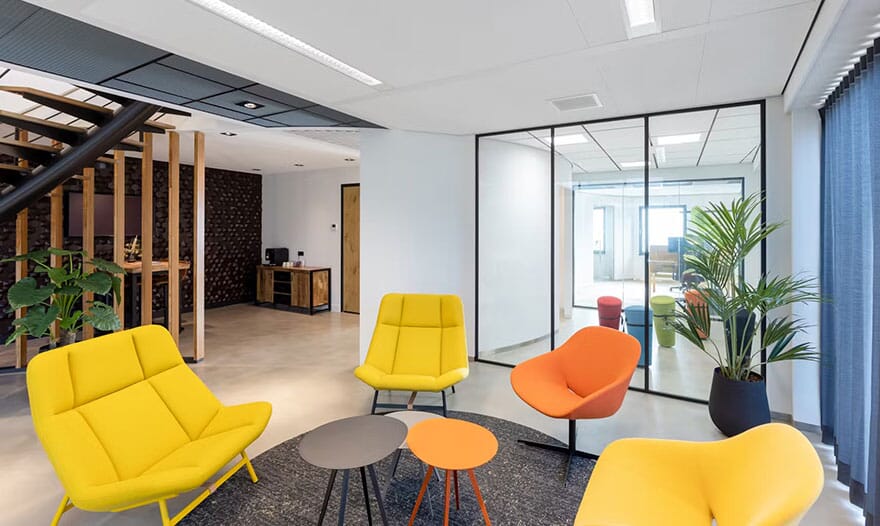
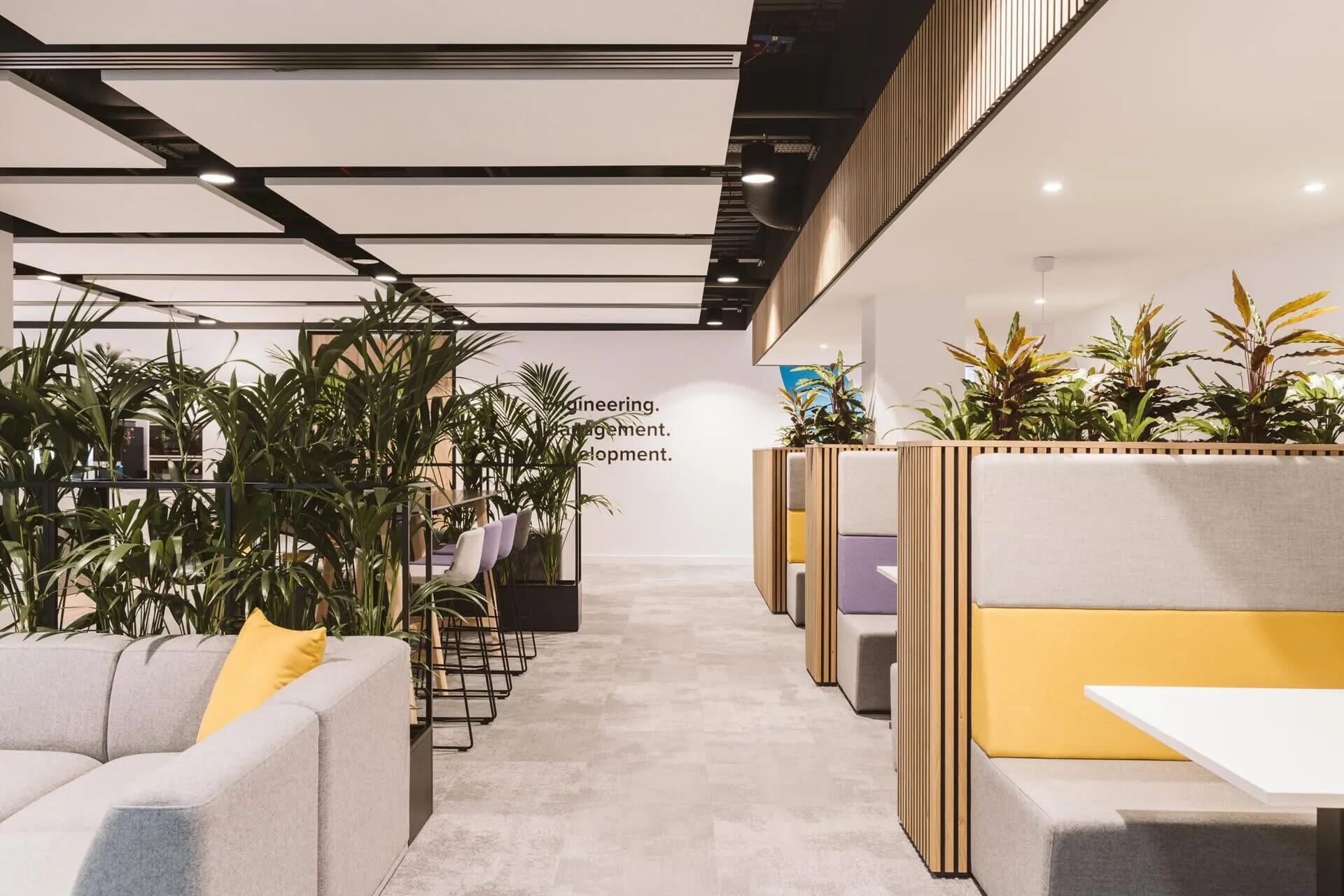
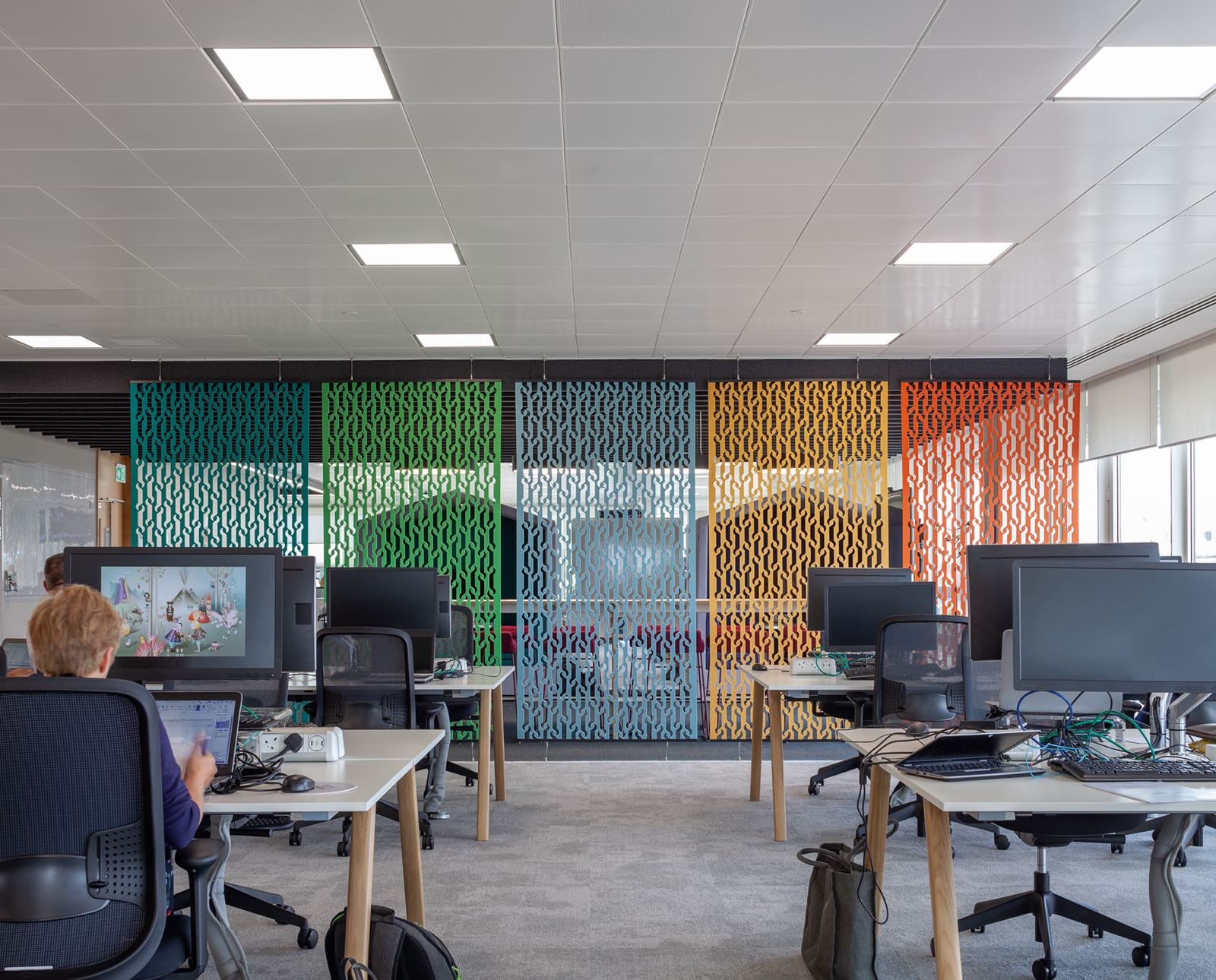
Not all acoustic treatment needs to be fixed to a wall or ceiling. A growing range of acoustic furniture, such as free-standing screens, upholstered pods and soft seating, provides meaningful absorption without any installation at all.
In open-plan offices, acoustic screens can divide space while simultaneously reducing reverberation in the areas around them. In hospitality settings, high-backed acoustic booths create a sense of privacy. Even soft furnishings, like rugs, curtains and upholstered chairs, can contribute to the acoustic performance of a space in ways that are easy to overlook until they’re absent.
Best for: Open-plan workplaces, hospitality, spaces where acoustic treatment needs to remain moveable or adaptable.
Acoustic panels for every space
A Note on Specification
The products mentioned here vary considerably in performance. Not every acoustic panel has an effective absorption rating and installation all affect how much work a product actually does.
If you’re working on a project where acoustics need to be part of the brief, whether at concept stage or further down the line, Resonics works directly with designers, architects and contractors to specify products that achieve both.
Article Author
Mark Irwin
Head of Marketing
10th Jun 2026