









5 Minute Read
A Guide to SEND Classroom Acoustics
Pupils with special educational needs are more sensitive to poor acoustics than their peers, and BB93 sets stricter noise limits for SEND spaces. Here's what those limits mean and how to meet them.

Mark Irwin
3rd Sep 2026
Categories
Advice
TD;DR – The key to SEND classroom acoustics
Most pupils can filter out background noise without thinking about it. For SEND pupils, that filtering doesn’t come easily, so a normally acceptable classroom can be exhausting to learn in. BB93 recognises this with stricter noise limits for SEND spaces: 30 dB and 0.4 seconds reverberation, measured across the full frequency range rather than just the mid-band.
Meeting that standard usually means wall panels as well as ceiling treatment and it should involve an acoustician from the design stage.
Popular SEND classroom acoustic solutions include:
With the right acoustic approach, SEND classrooms become calmer and easier to learn in, and easier to teach in too.
Why SEND pupils are more affected by poor acoustics
Most pupils can filter out background noise with little effort. For SEND pupils, that same room can feel exhausting when every sound arrives at the same volume and nothing gets filtered out. Many SEN conditions involve difficulty separating speech from background noise. Autistic pupils often experience sound sensitivity or difficulty filtering competing sounds; pupils with ADHD are more easily pulled off-task by background noise; those with auditory processing disorder (APD) specifically struggle to distinguish speech in reverberant or noisy rooms even with normal hearing thresholds.
Acoustic performance is a legal requirement in schools. Building Bulletin 93 (BB93) sets minimum standards because poor acoustic conditions measurably damage learning, undermining speech clarity and increasing listening effort and fatigue. With the government’s SEND reforms pushing for more SEND pupils to be supported in mainstream classrooms, meeting the requirement matters more than ever.
Why acoustics matter more than people expect
Clear speech is essential for effective learning. In noisy classrooms, pupils can miss up to 70% of spoken consonants, making it harder to follow lessons, stay focused and retain information.
A pupil who can’t reliably hear the teacher over background noise isn’t just missing information, they’re spending cognitive effort decoding speech that should be effortless, which leaves less capacity for everything else the lesson requires. For spaces used by SEND pupils, the evidence shows they are more vulnerable to the effects of a poorly treated classroom , which is why the acoustic limits for these rooms are stricter.
The noise limits required for SEND classrooms
| Standard Classroom | SEND Classroom | |
| Upper noise limit | 35 dB | 30dB |
| Reverberation time | 0.6 seconds | 0.4 seconds or less |
| Frequency range measured | Mid-band | Low-to-high |
A classroom intended for pupils with special hearing and communication needs is measured across the full frequency range rather than just the mid-band, which often means more acoustic treatment is needed to meet it.
Designing a classroom for SEND pupils
Start by identifying the hard surfaces
Hard reflective surfaces such as glass, plasterboard and exposed ceilings are the main cause of badly treated spaces. These surfaces let sound bounce and blur together, which is what drives up reverberation time and makes speech harder to understand.
Ceiling panels usually aren’t enough on their own
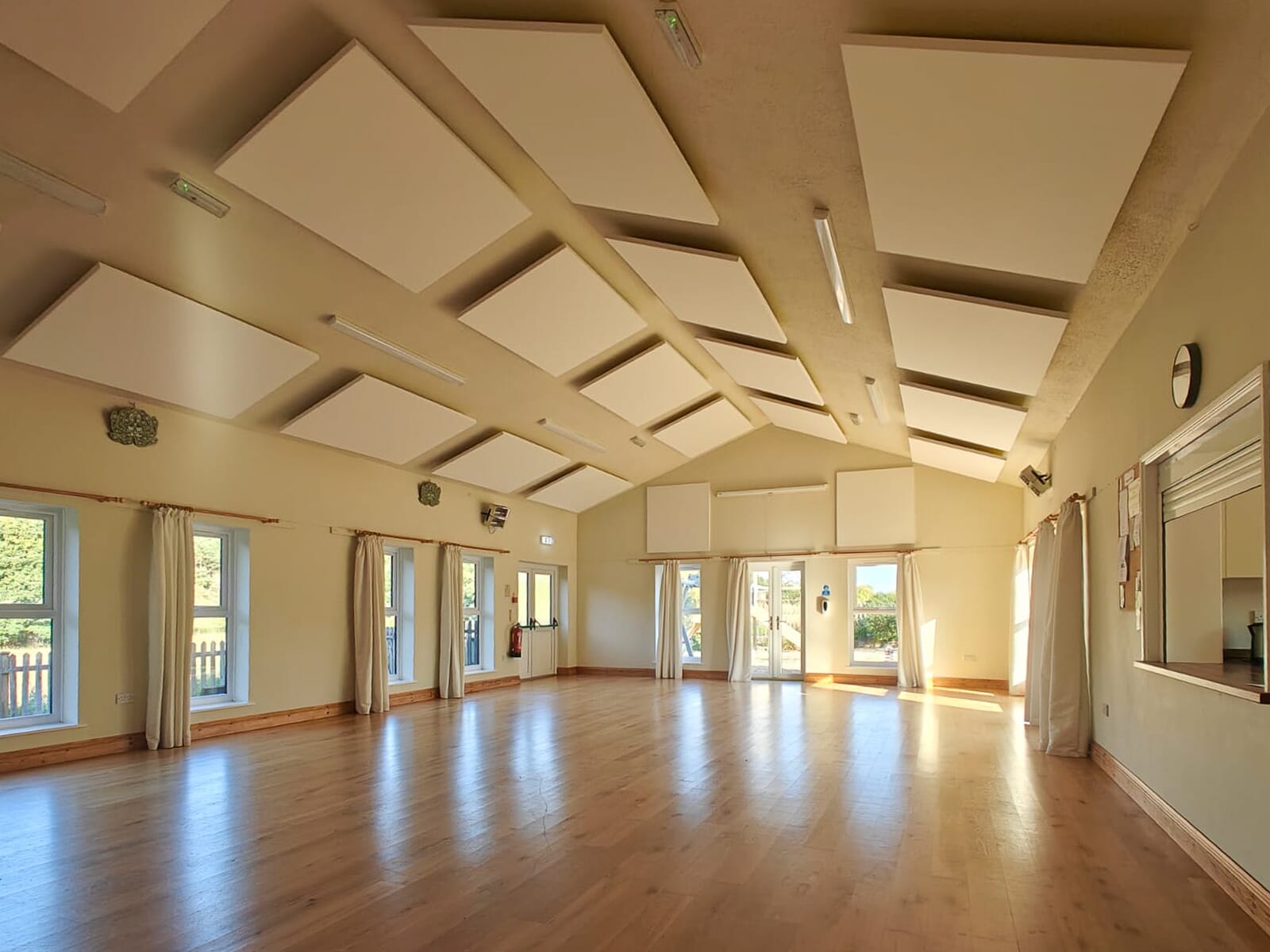
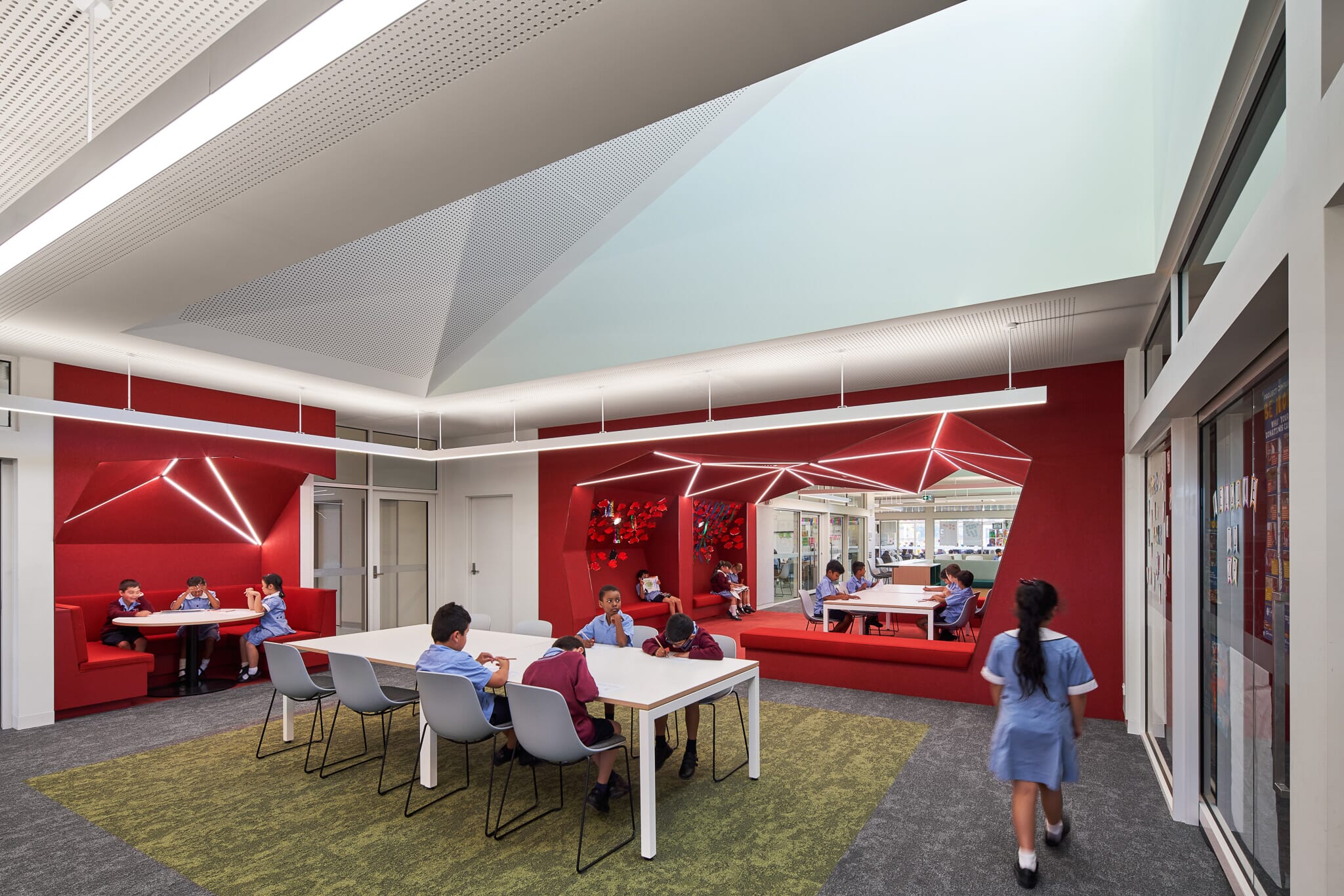
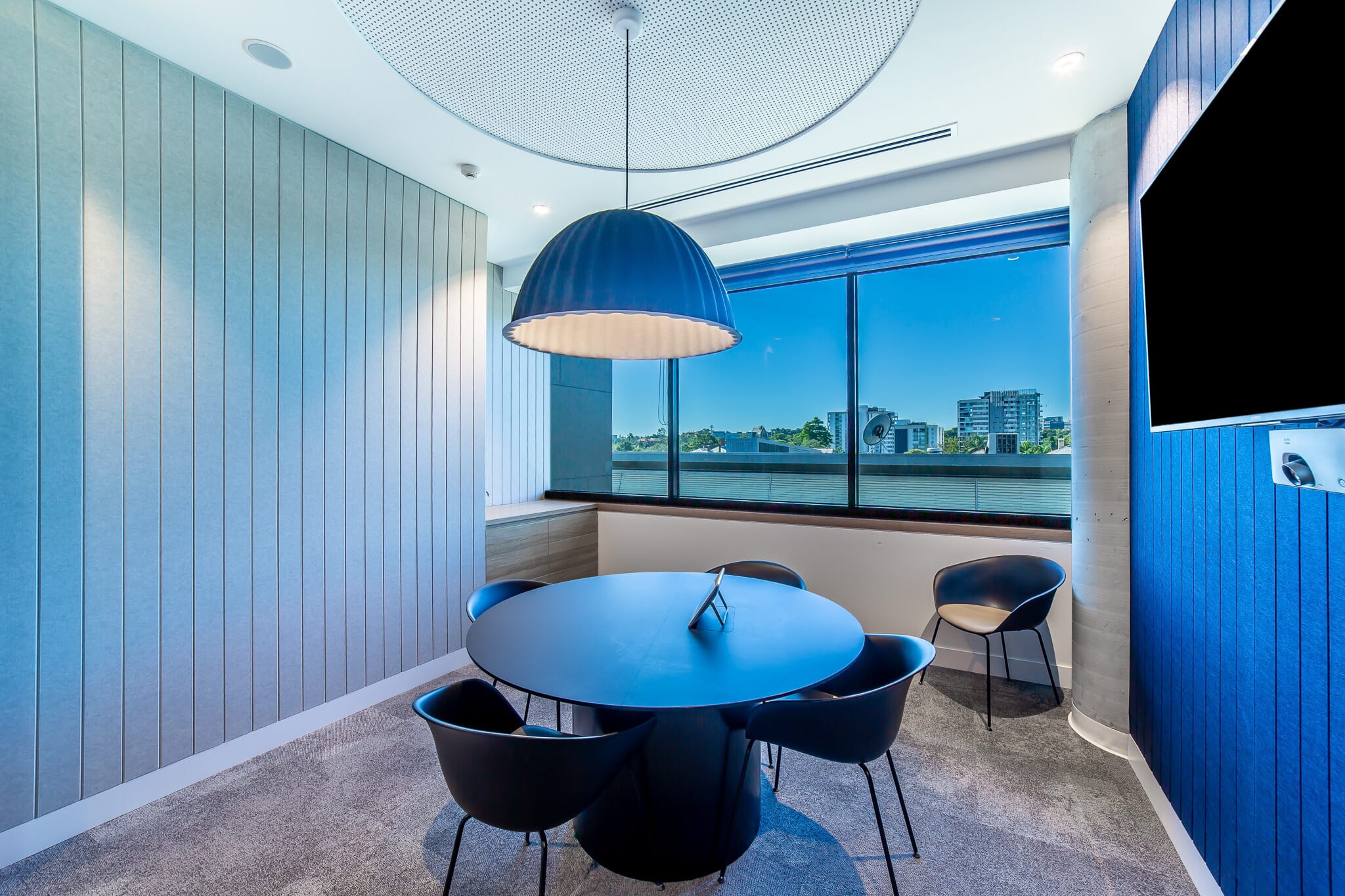
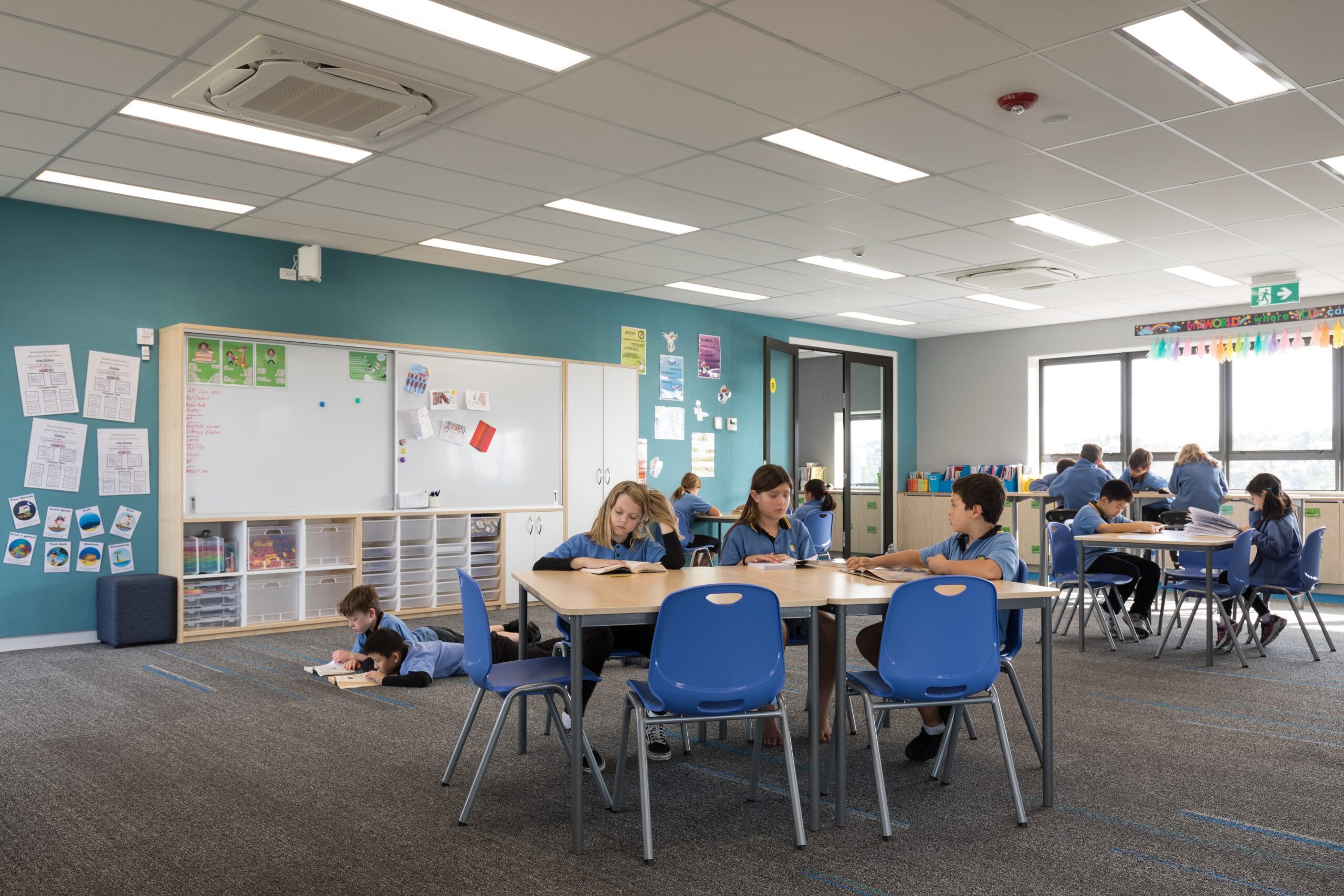
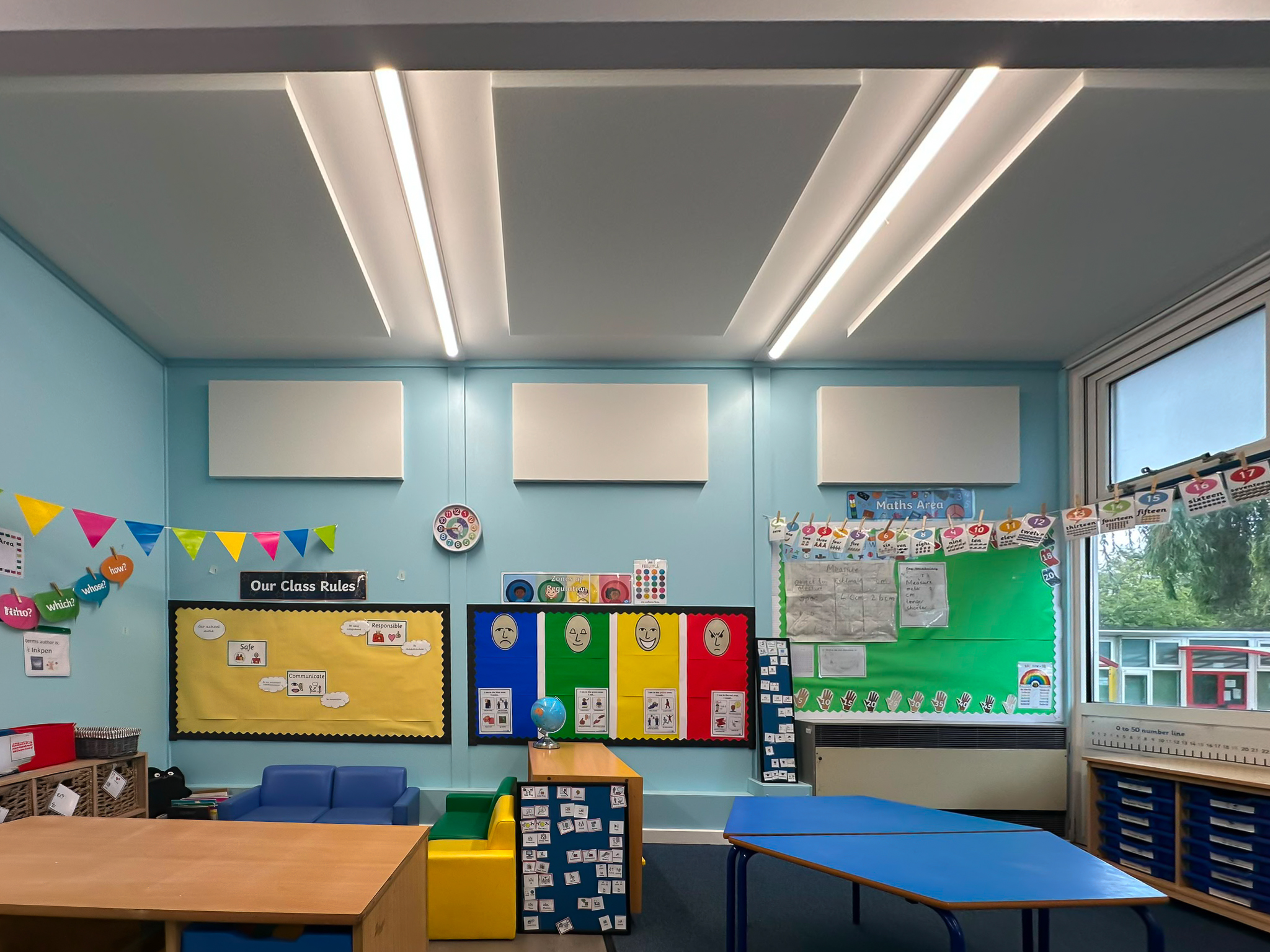
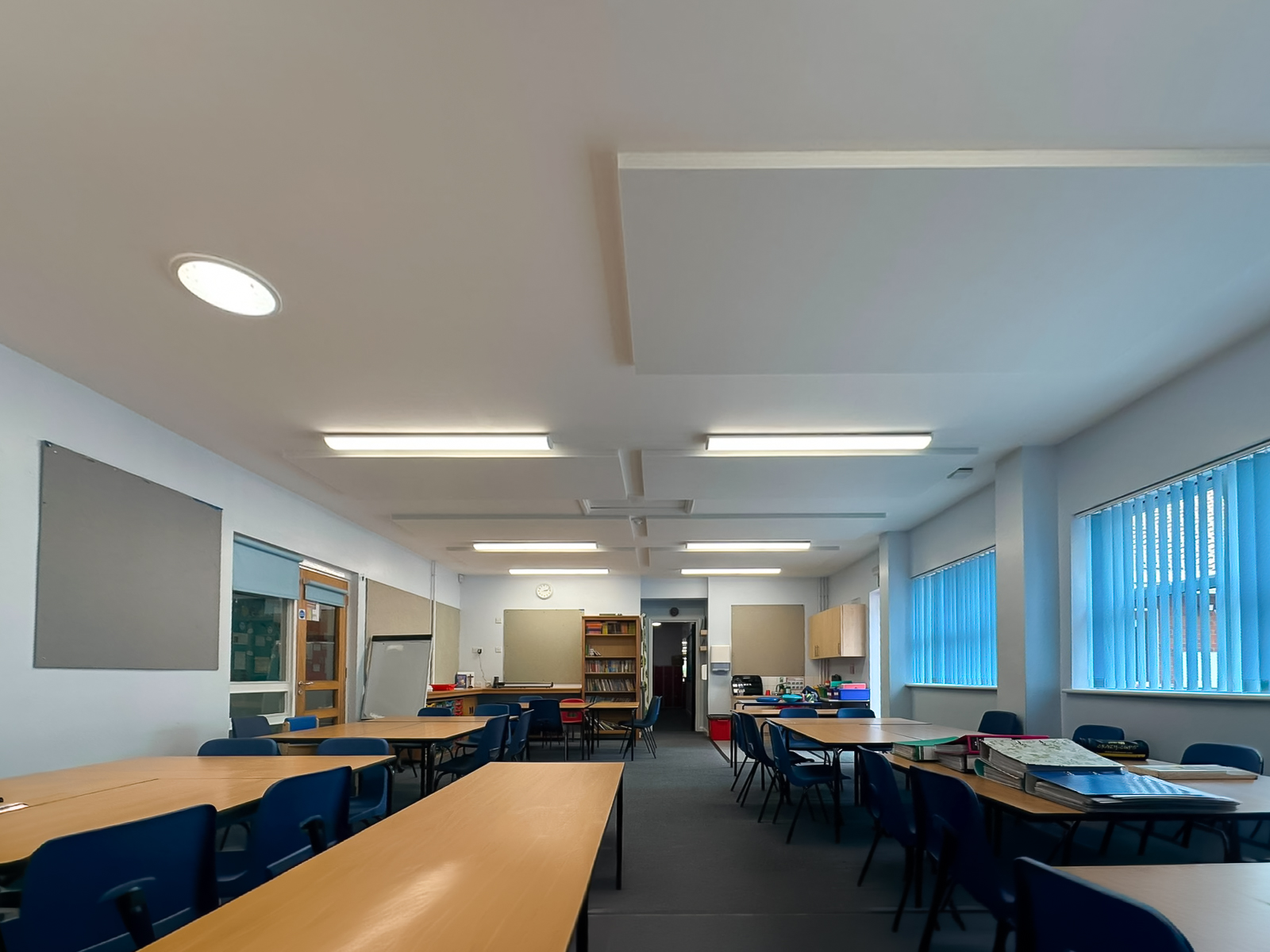
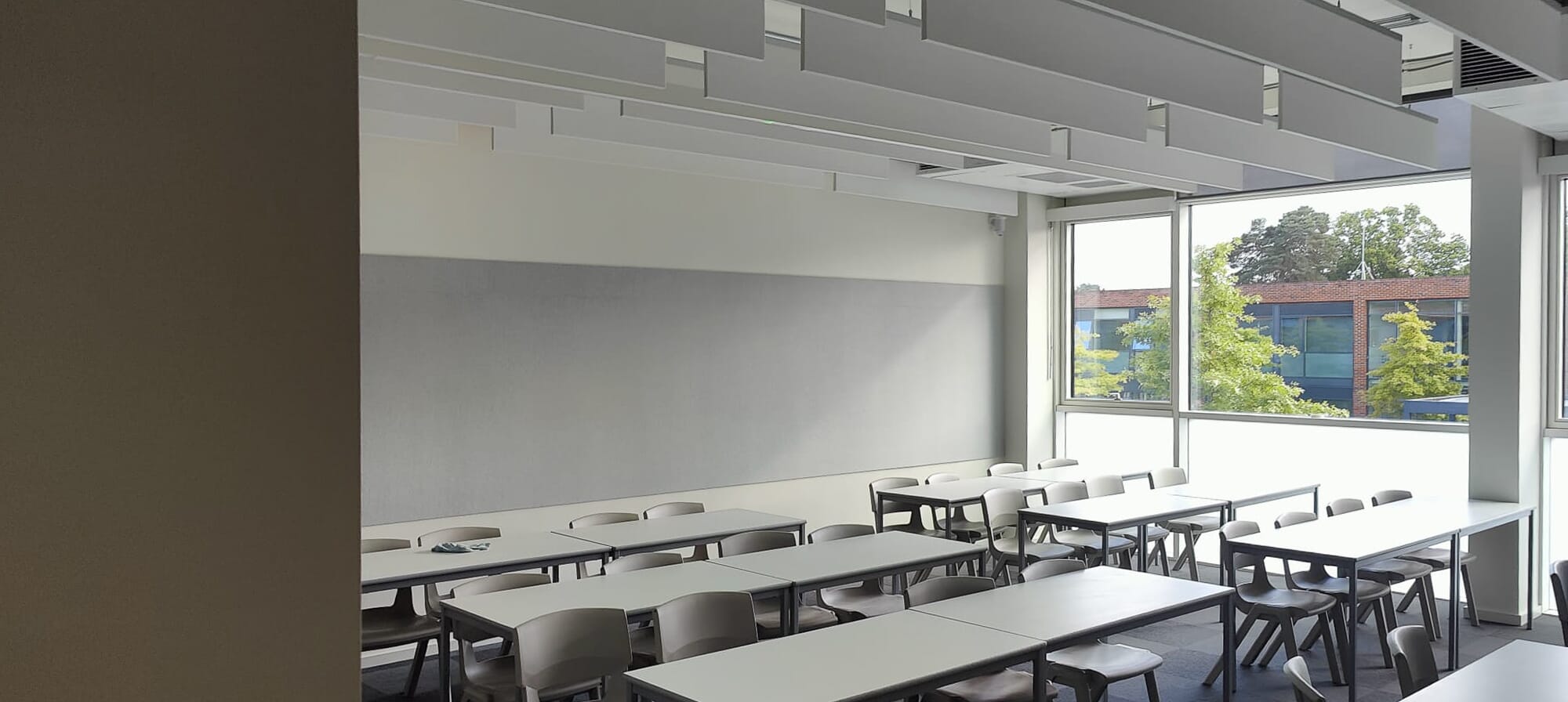
In a typical classroom without a severe acoustic problem, ceiling panels are usually enough to bring noise levels and reverberation times down to target. In SEND classrooms, you’ll most likely need wall panels to treat the lower frequency range and meet BB93’s stricter standard.
Acoustic panels for existing buildings
Acoustic panels are one of the easiest solutions for existing buildings, since they can be retrofitted without major construction work, a practical option where a full refurbishment isn’t feasible.
Open-plan spaces aren’t a substitute
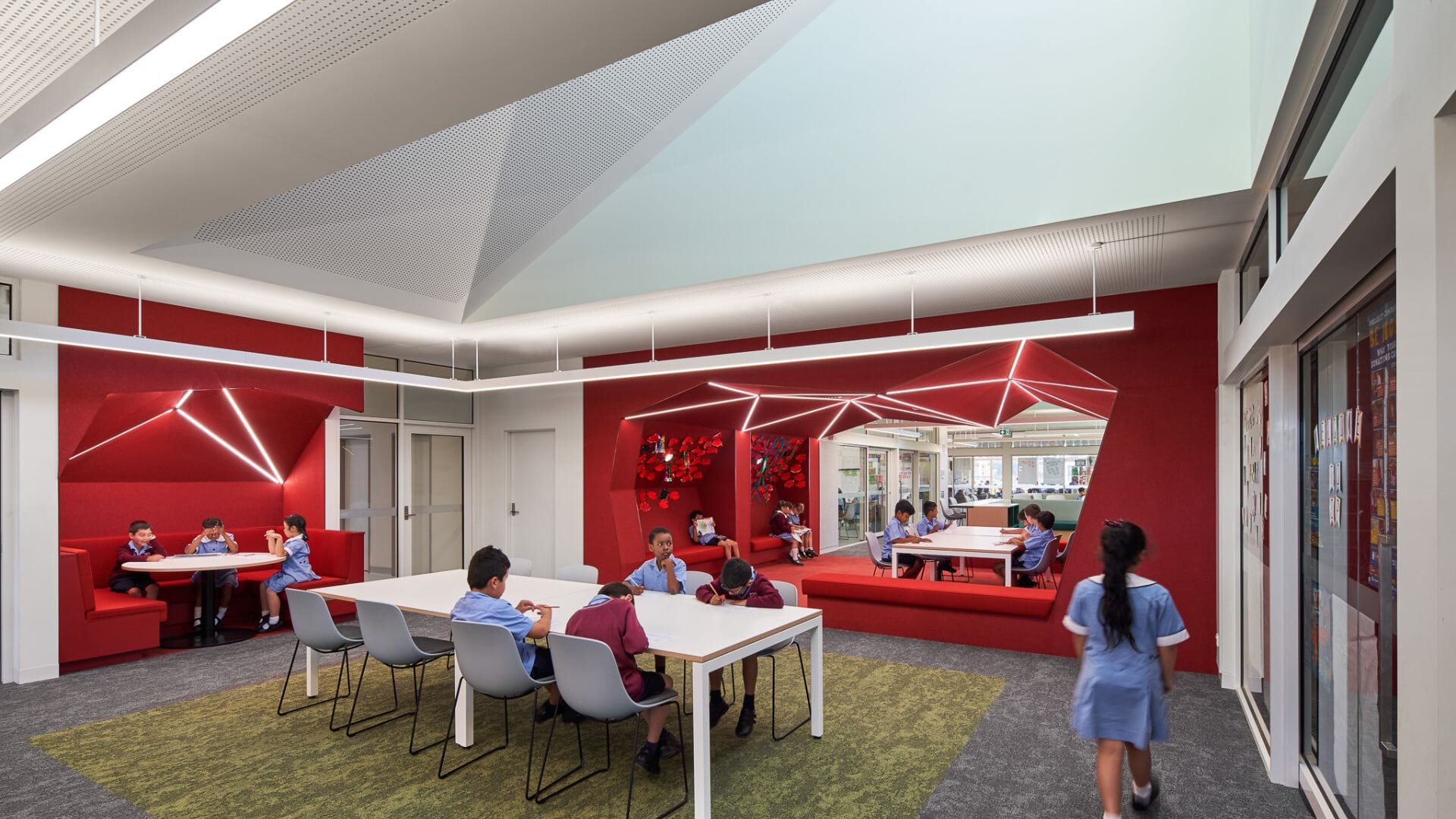
BB93 suggests open-plan teaching and learning spaces shouldn’t be regarded as an alternative to traditional classrooms, as they may be unsuitable for some students, particularly those with special hearing and communication needs.
Bring in the right specialists early
BB93 recommends that specialist SEND accommodation should always involve an acoustician, and where hearing impairment is involved, an audiologist too. The right professional at the design stage costs far less than retrofitting rooms that have been built to the wrong standard.
The proposed SEND reform
In February 2026, the government set out its £4 billion plan to make every school more inclusive, as part of the Every Child Achieving and Thriving schools programme. It includes a £1.6 billion Inclusive Mainstream Fund over three years for early years settings, schools and colleges and an “Experts at Hand” service giving schools access to SEND teachers and speech and language therapists, regardless of whether a child has an EHCP.
The reforms are still being finalised, but the direction is clear: more SEND pupils learning in mainstream settings, with schools expected to provide inclusive teaching environments as standard.
What are the best acoustic panels for SEND classrooms?
The best solutions combine strong sound absorption with durability and a design that works in a sensory-conscious space.
Popular SEND classroom acoustic solutions:
Each option can be tailored to suit the classroom layout, pupil needs and overall look of the space.
Final Thoughts
A calmer, more intelligible classroom helps every pupil concentrate, and helps teachers project less and strain less doing it. Acoustic treatment is one of the more cost-effective interventions a school can make and the benefit isn’t limited to SEND students.