



3 Minute Read
Why Restaurants Get So Loud — And How to Quiet Them Down
If you’ve ever left a restaurant feeling exhausted after dinner, you’re not alone. Noise is one of the most common complaints diners have — and it’s one of the biggest challenges for restaurant owners.
Categories
Advice
TL;DR – Summary
Restaurants usually get loud because of how they’re designed. Hard surfaces and open layouts cause sound to bounce around and build up. Acoustic panels help absorb that noise, making spaces more comfortable without changing the look or atmosphere.
Why do restaurants get so loud?
In most cases, it’s not the people – it’s the space.
Many restaurants get loud because of the design of the room. When sound has nowhere to go, it just keeps bouncing around. Add a busy service and a full dining room and noise levels can rise fast.
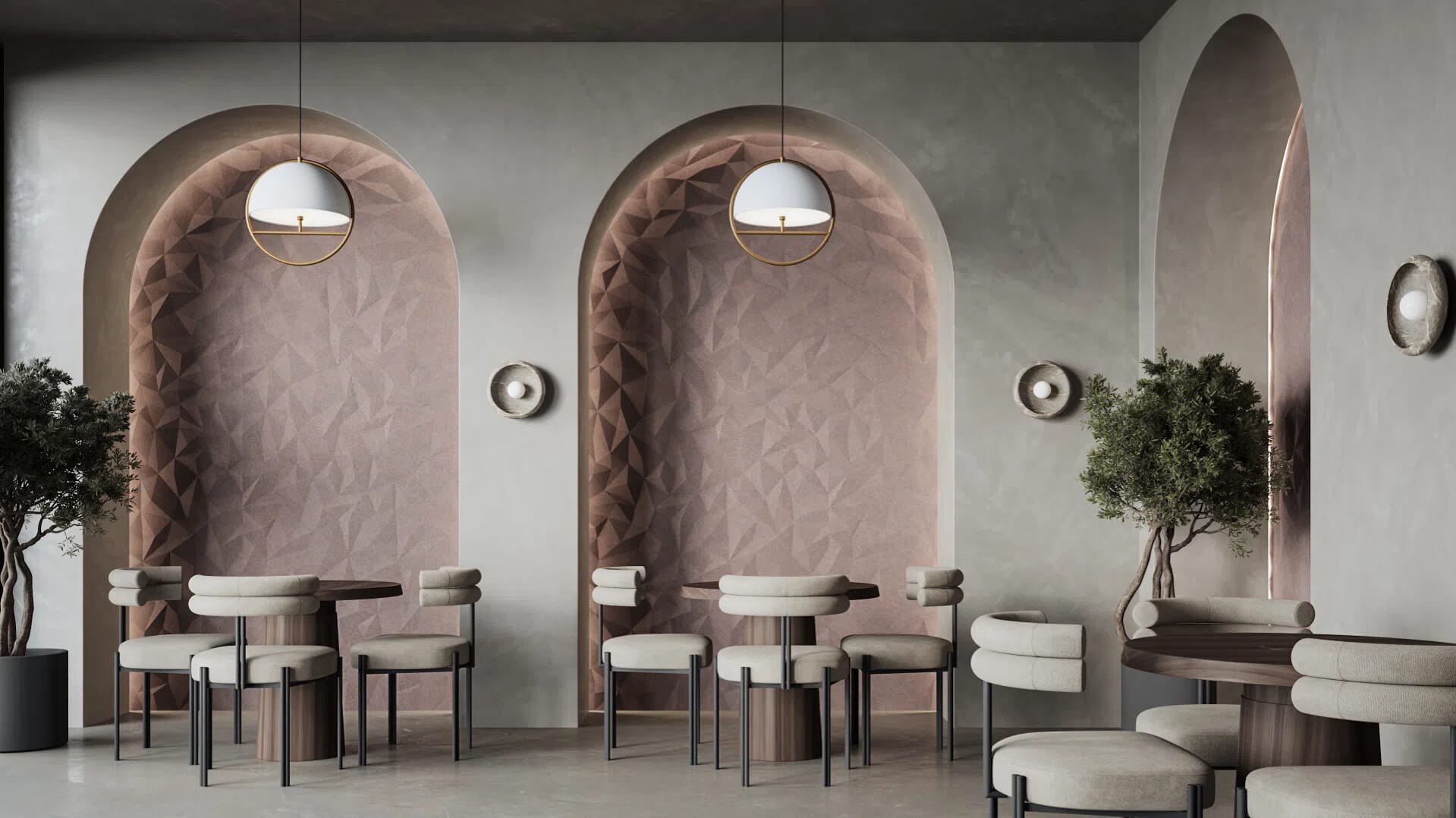
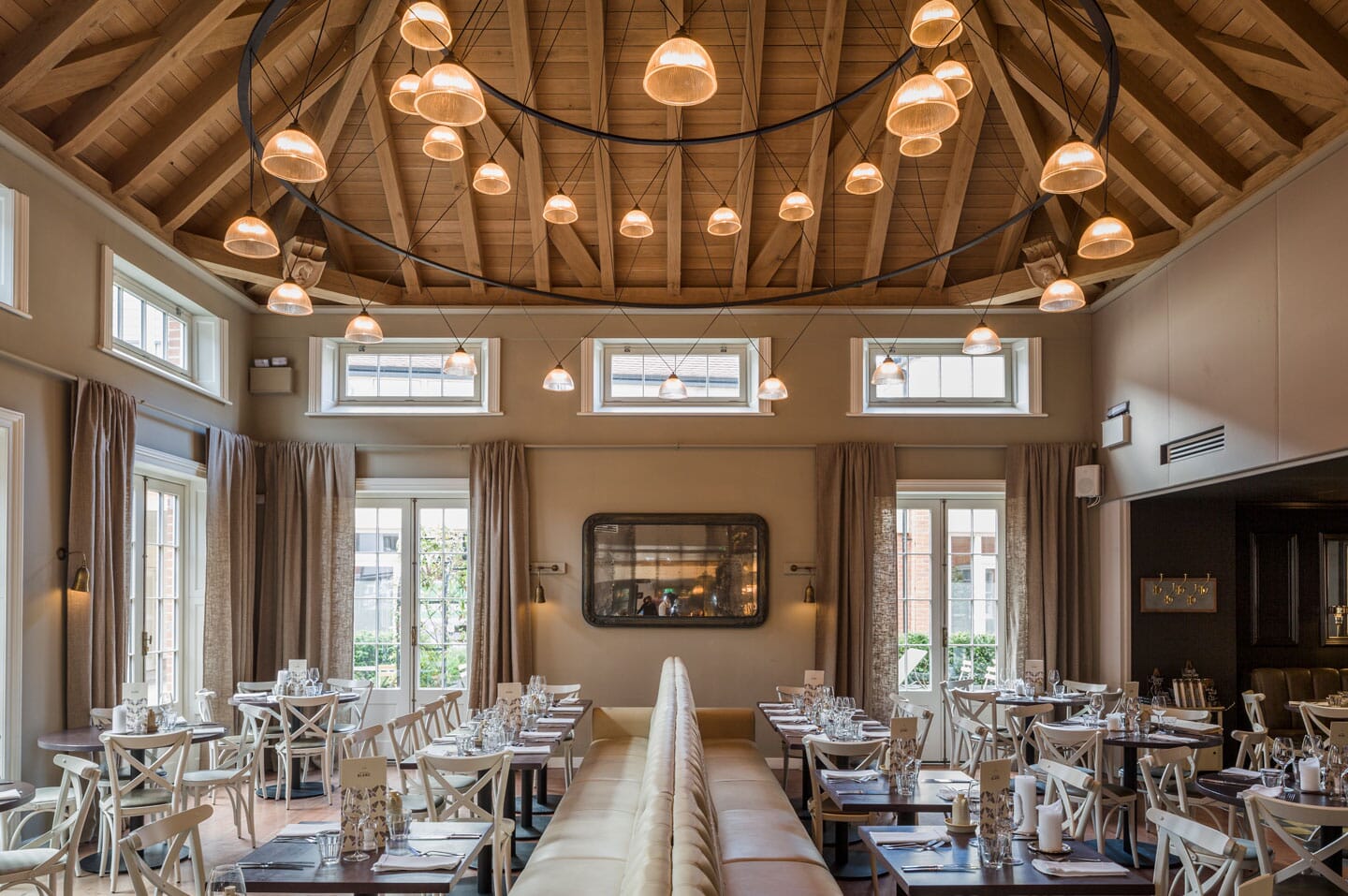
Common causes of restaurant noise
Hard surfaces everywhere
Glass windows, timber floors, bare walls, concrete ceilings. These look great but they reflect sound. When voices, music, and kitchen noise hit these surfaces, they bounce straight back into the room instead of being absorbed.
Open layouts
Modern restaurants often use open-plan layouts with high ceilings and minimal partitions. While this creates a social, energetic vibe, it also lets sound travel freely across the space.
High capacity
More tables means more conversations. As the room gets louder, people naturally speak up to be heard — which makes the noise problem even worse.
Modern design trends
Minimalist interiors, industrial finishes and sleek materials are popular for a reason. But these styles often remove the soft furnishings that used to help control sound, like carpets, curtains, and upholstered seating.
A real-world example
Take a look at projects like PizzaExpress Banbury. Before acoustic treatment, the space struggled with echo and high noise levels during busy periods. The design looked great, but the sound had nowhere to go.
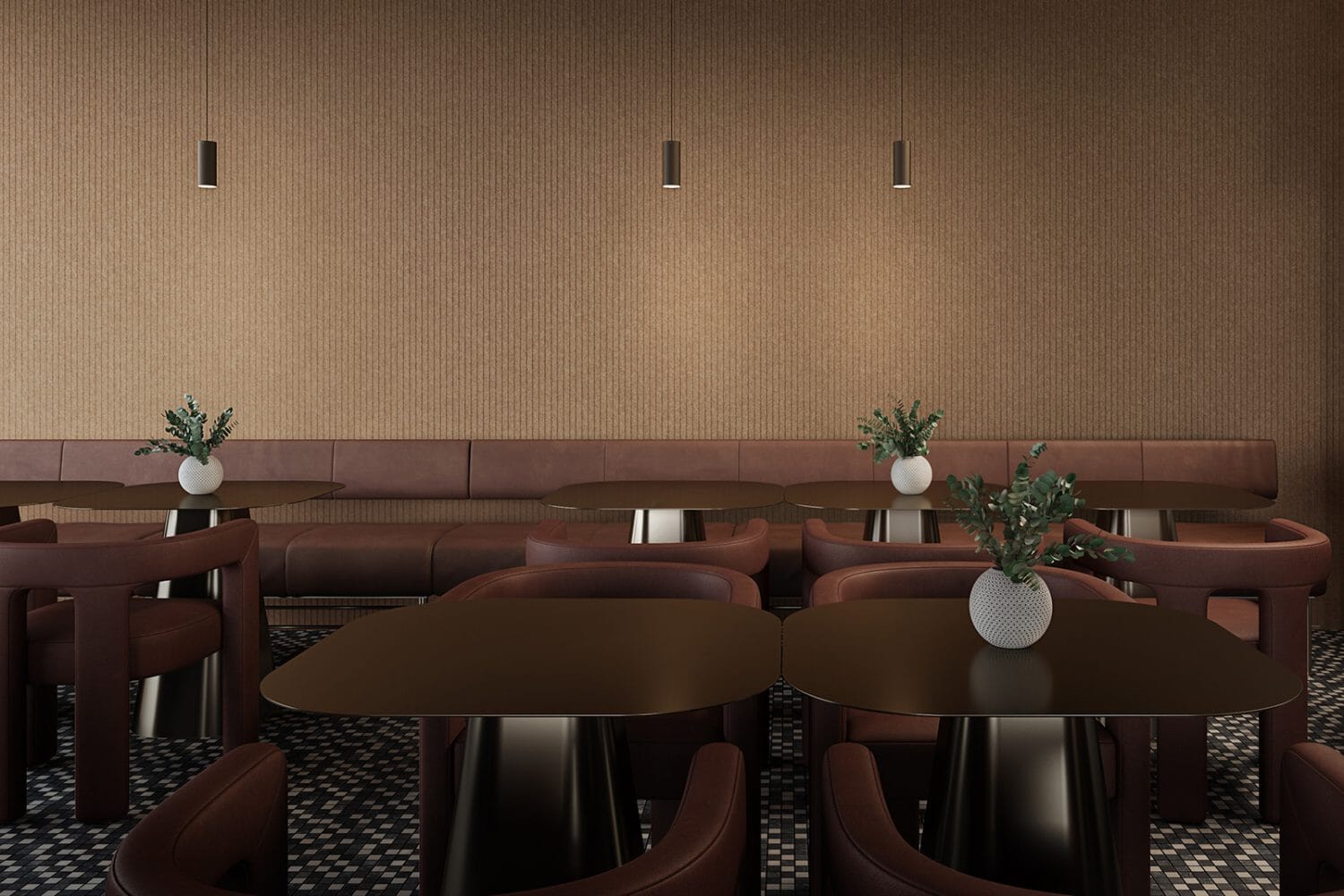
By adding acoustic solutions that blended into the interior, the restaurant was able to reduce noise without compromising its brand or atmosphere. The result? A space that still feels lively — just not overwhelming. Read the case study.
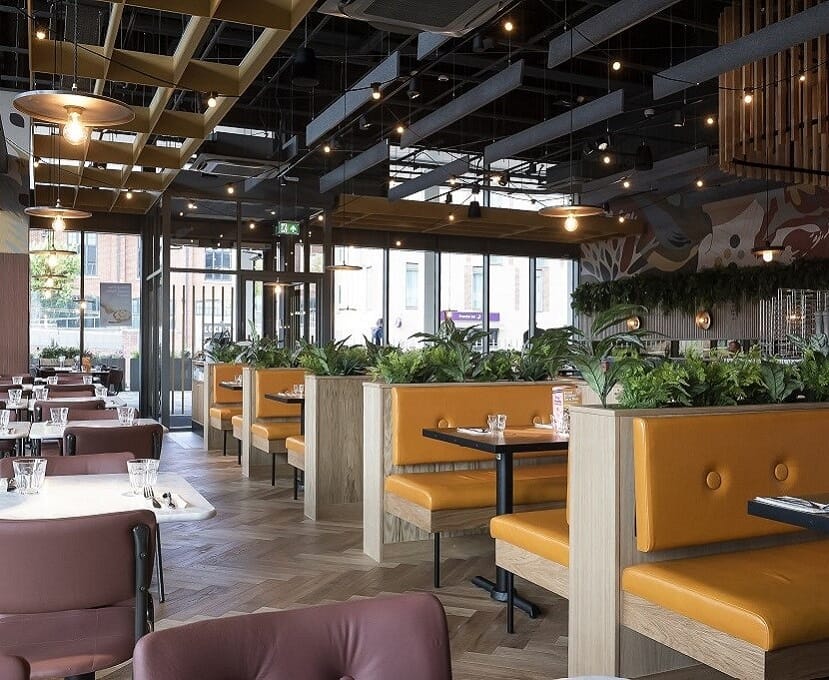
How acoustic panels help
Acoustic panels don’t block sound — they absorb it.
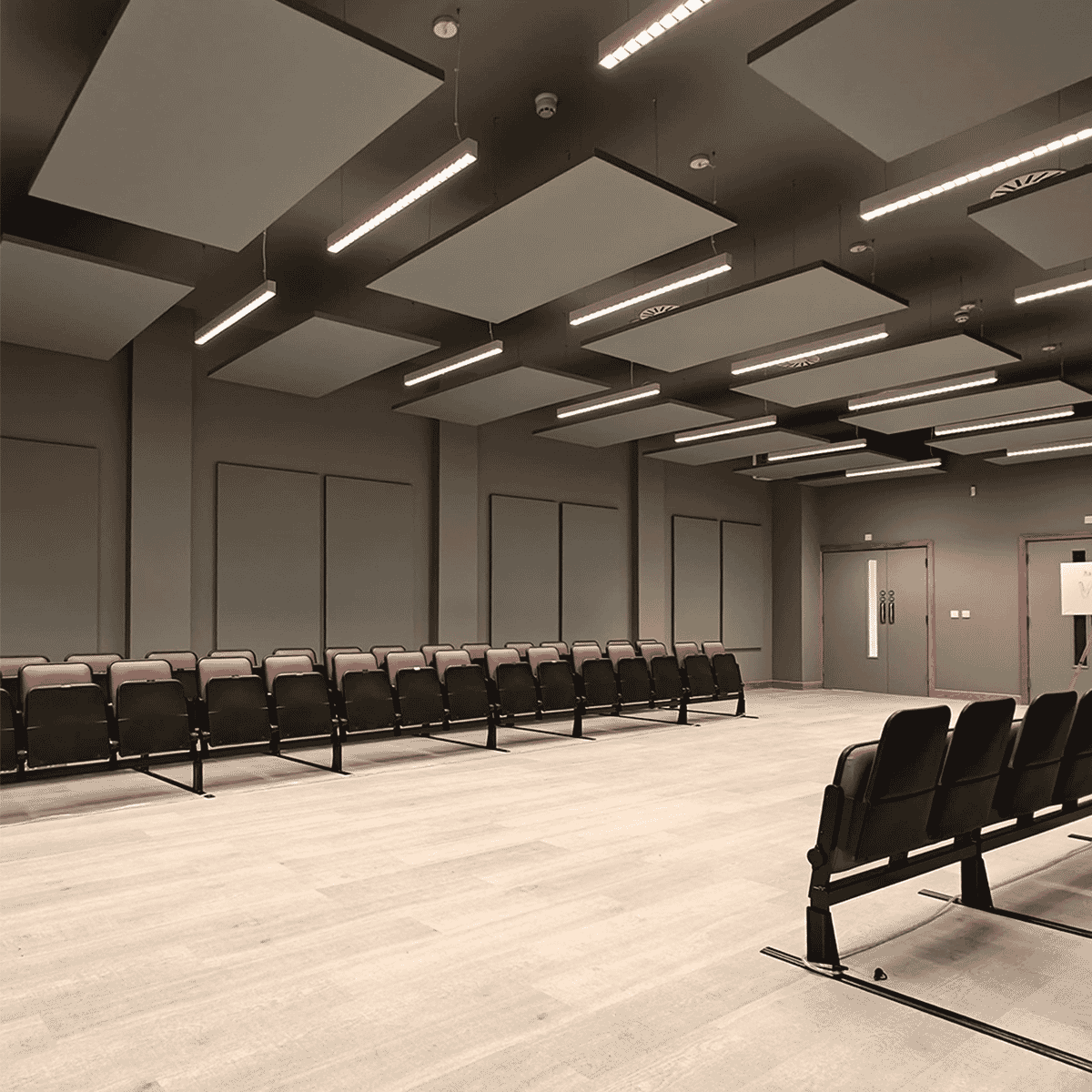
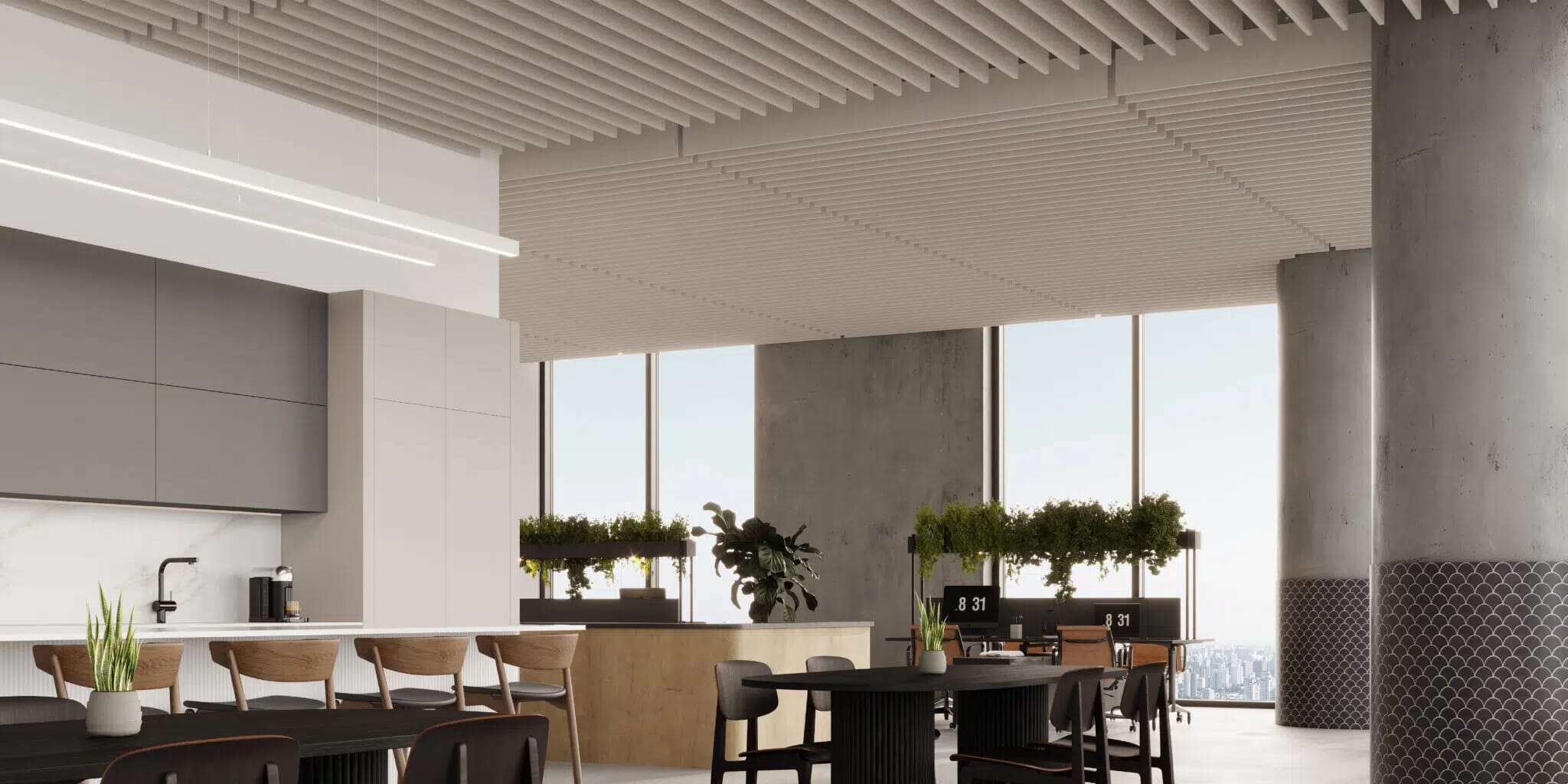
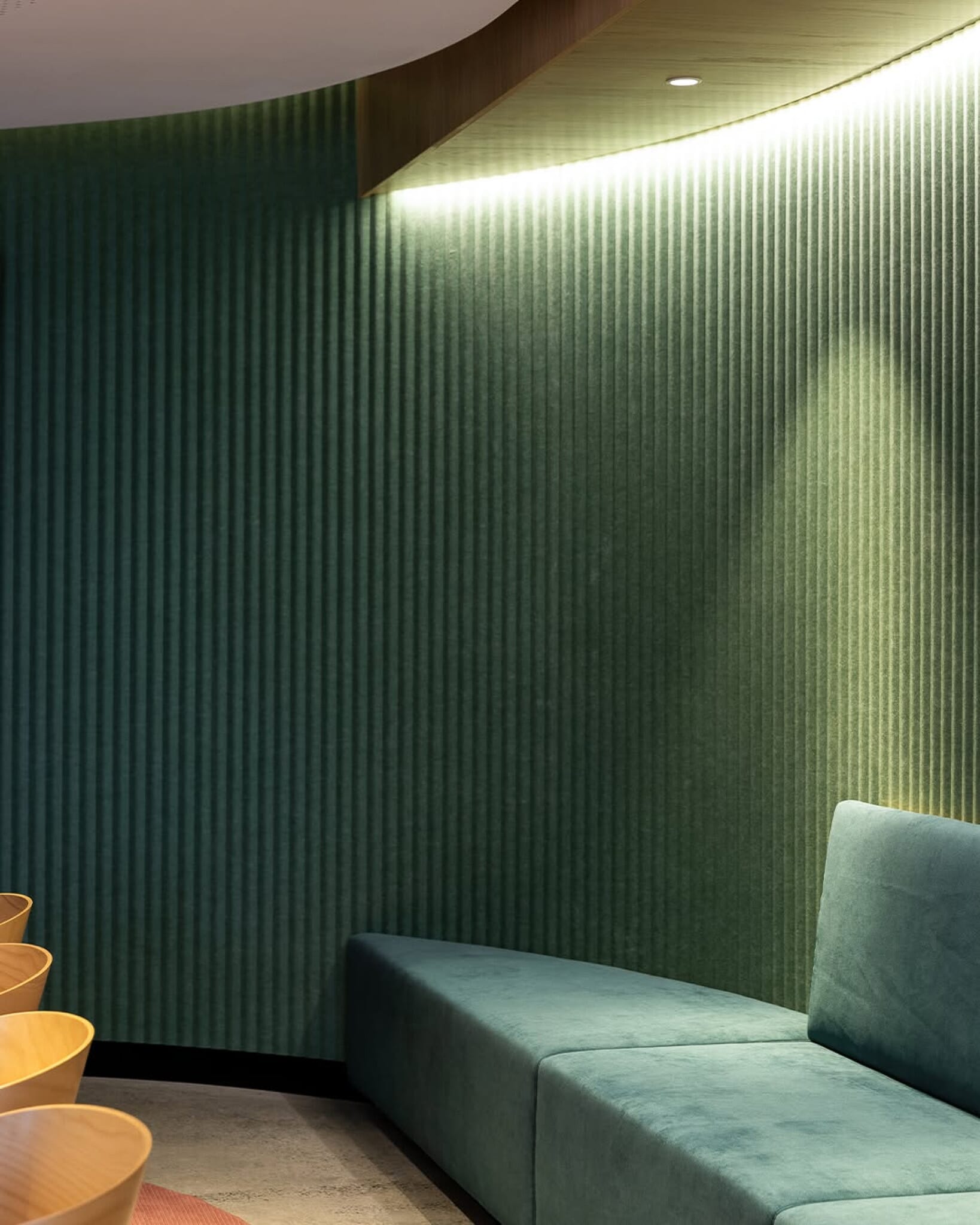
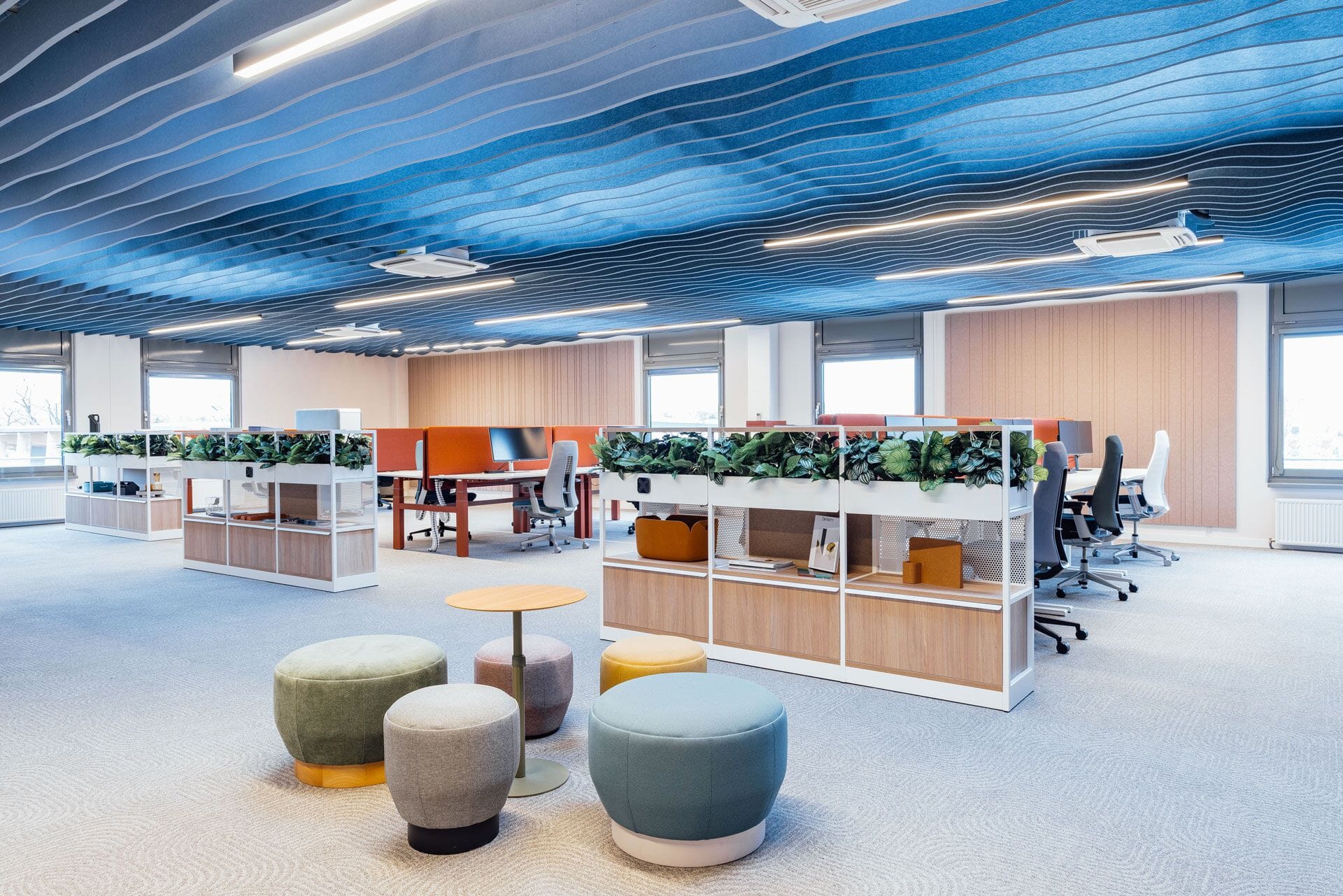
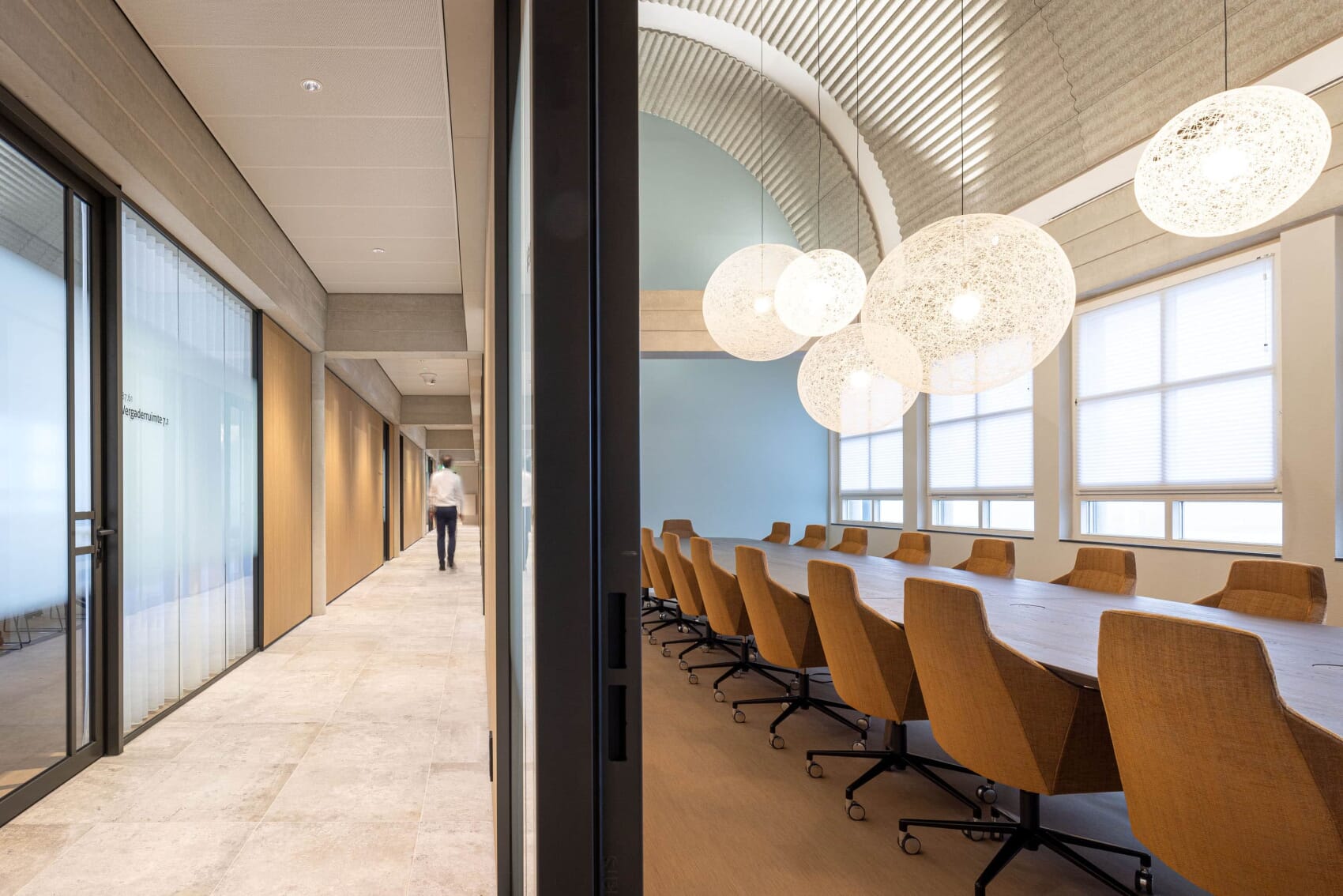
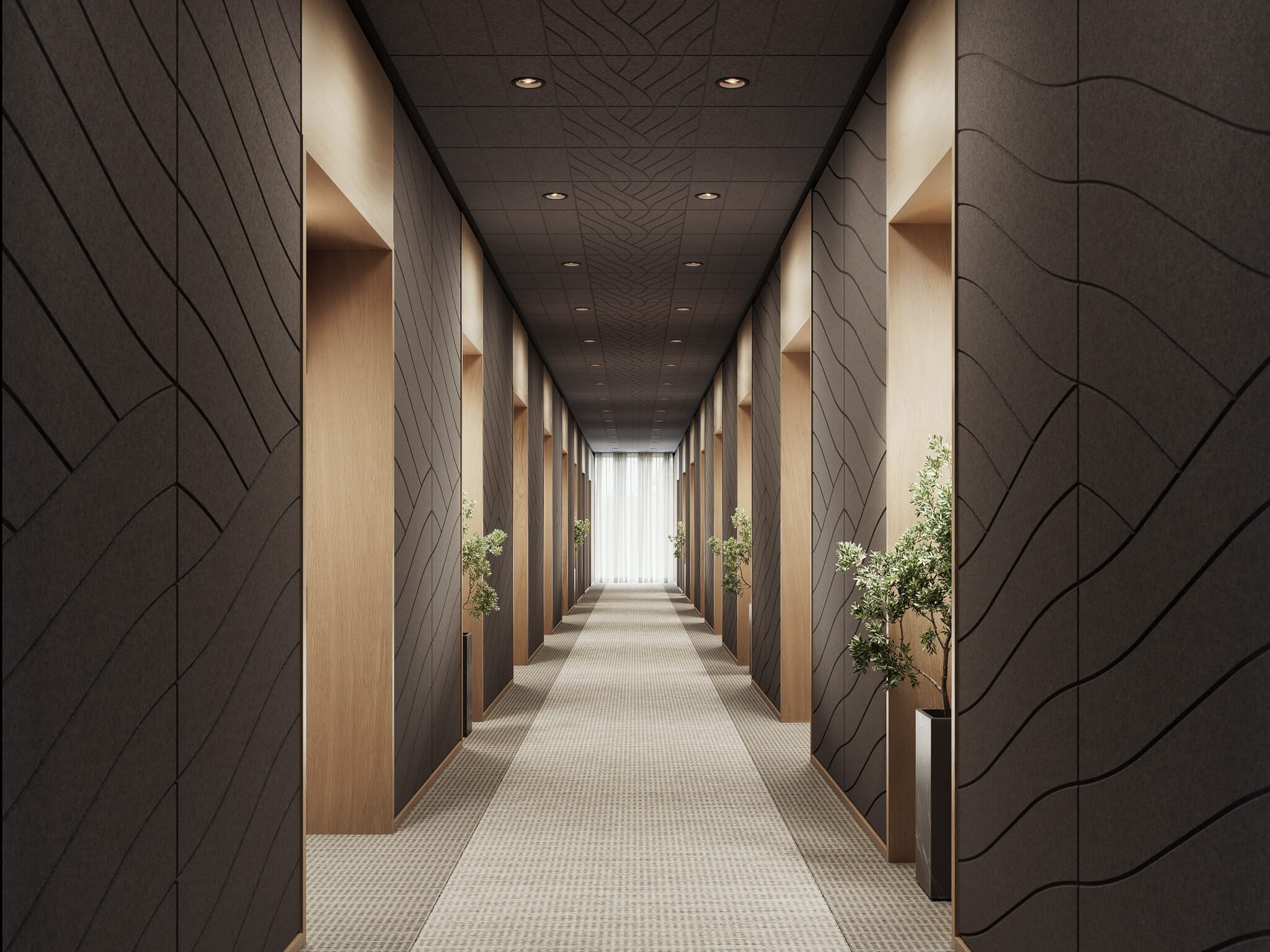
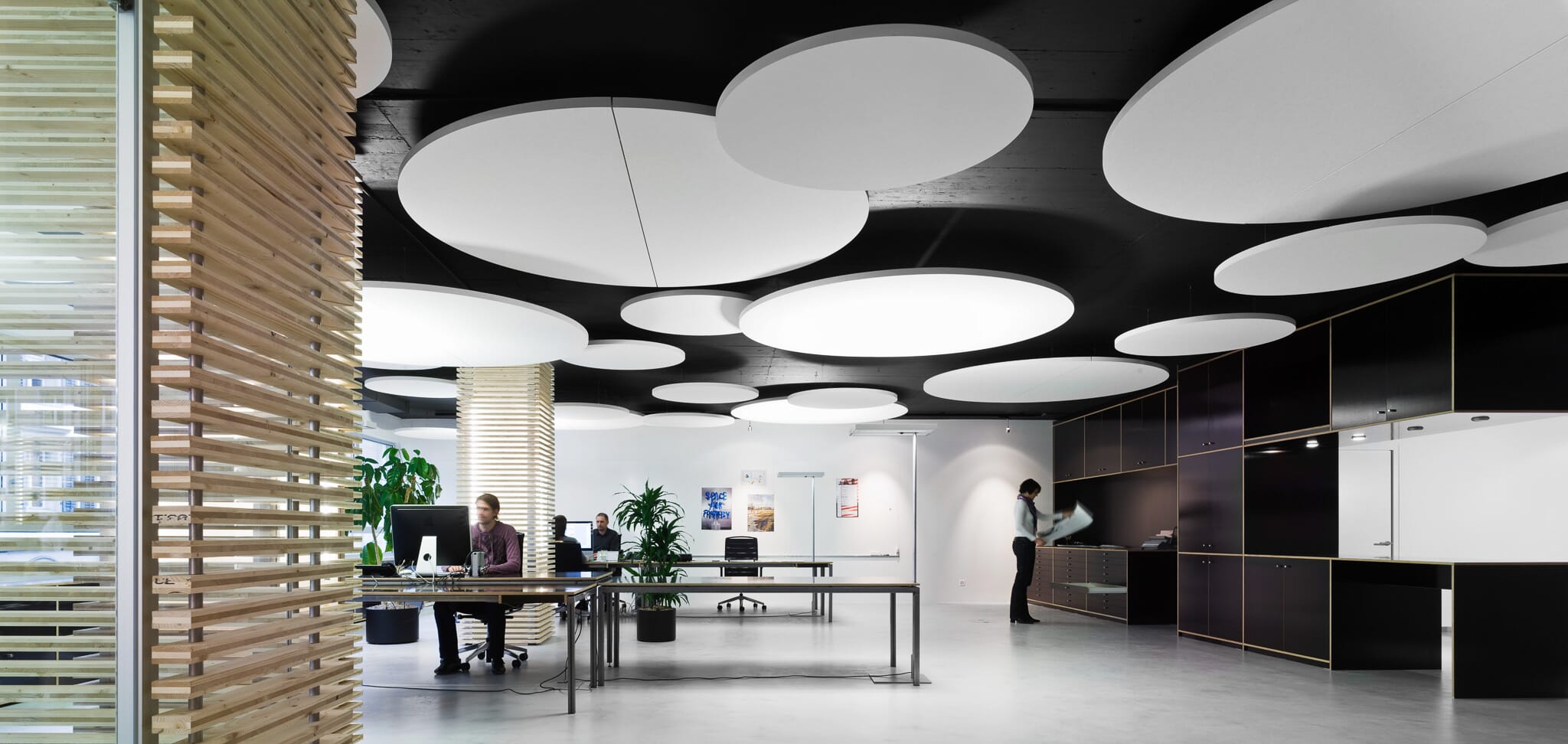
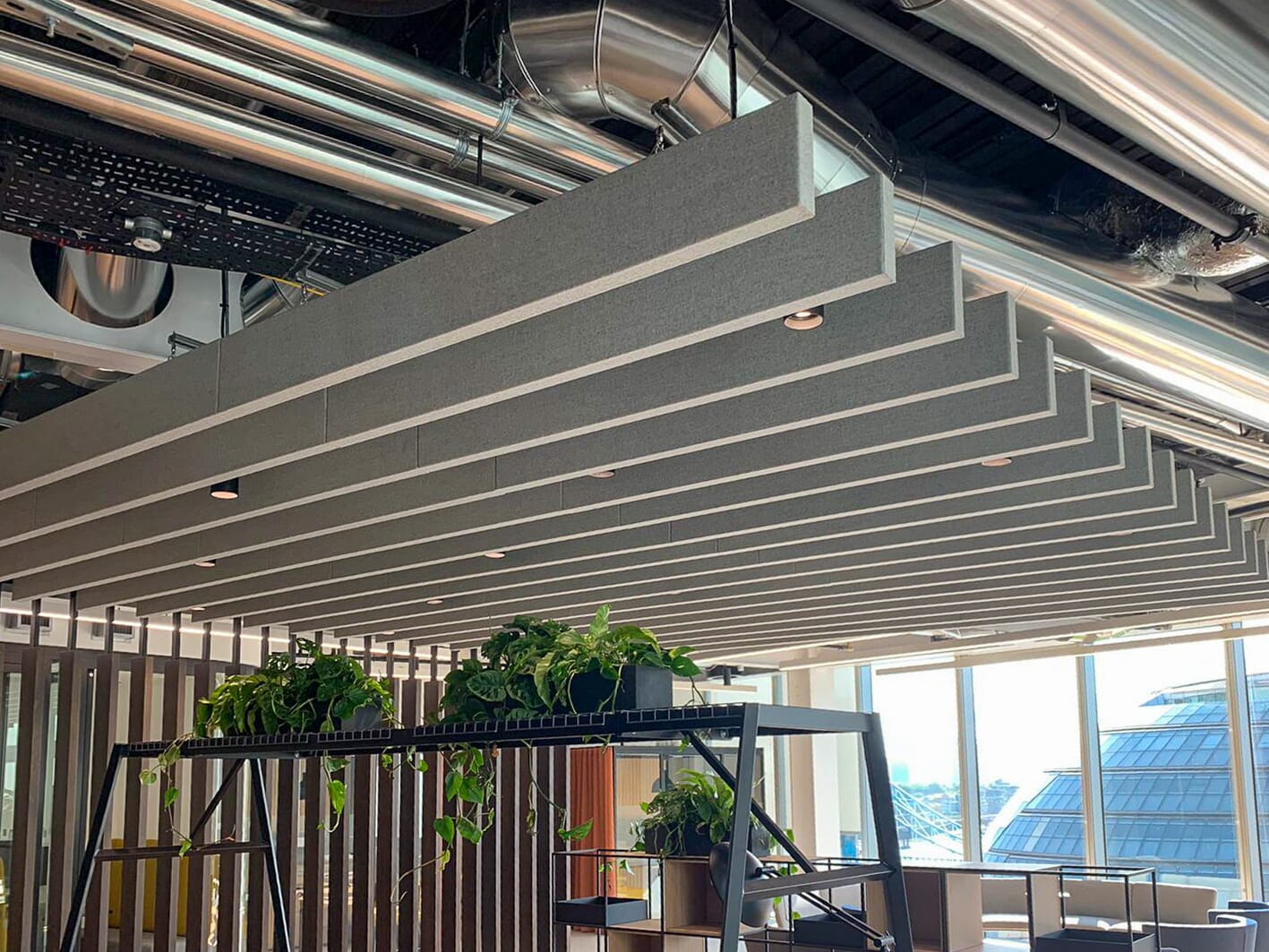
Instead of sound bouncing off walls and ceilings, acoustic panels soak up the noise. This reduces echo and stops sound from building up in the room. Conversations become clearer, background noise drops, and the space instantly feels calmer.
What this means for restaurants
→ Guests don’t have to shout to be heard
→ Staff can communicate more easily
→ The space feels comfortable, not chaotic
→ People stay longer and enjoy themselves more
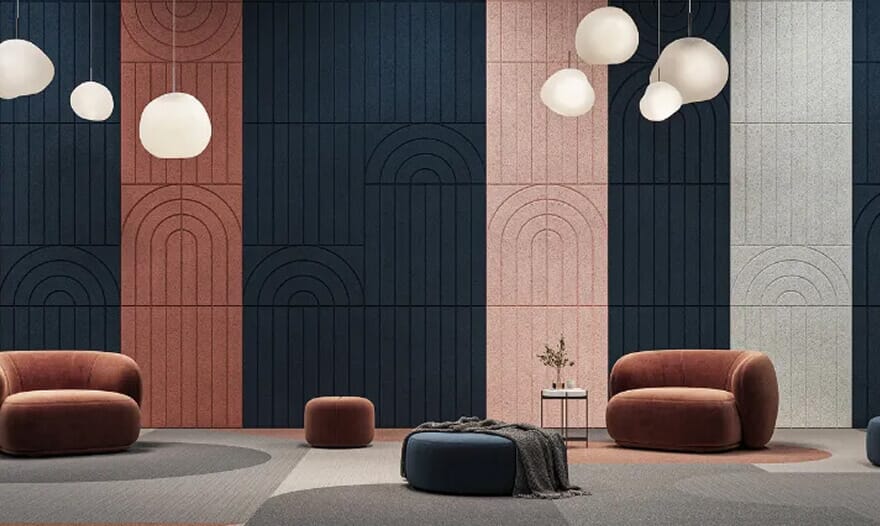
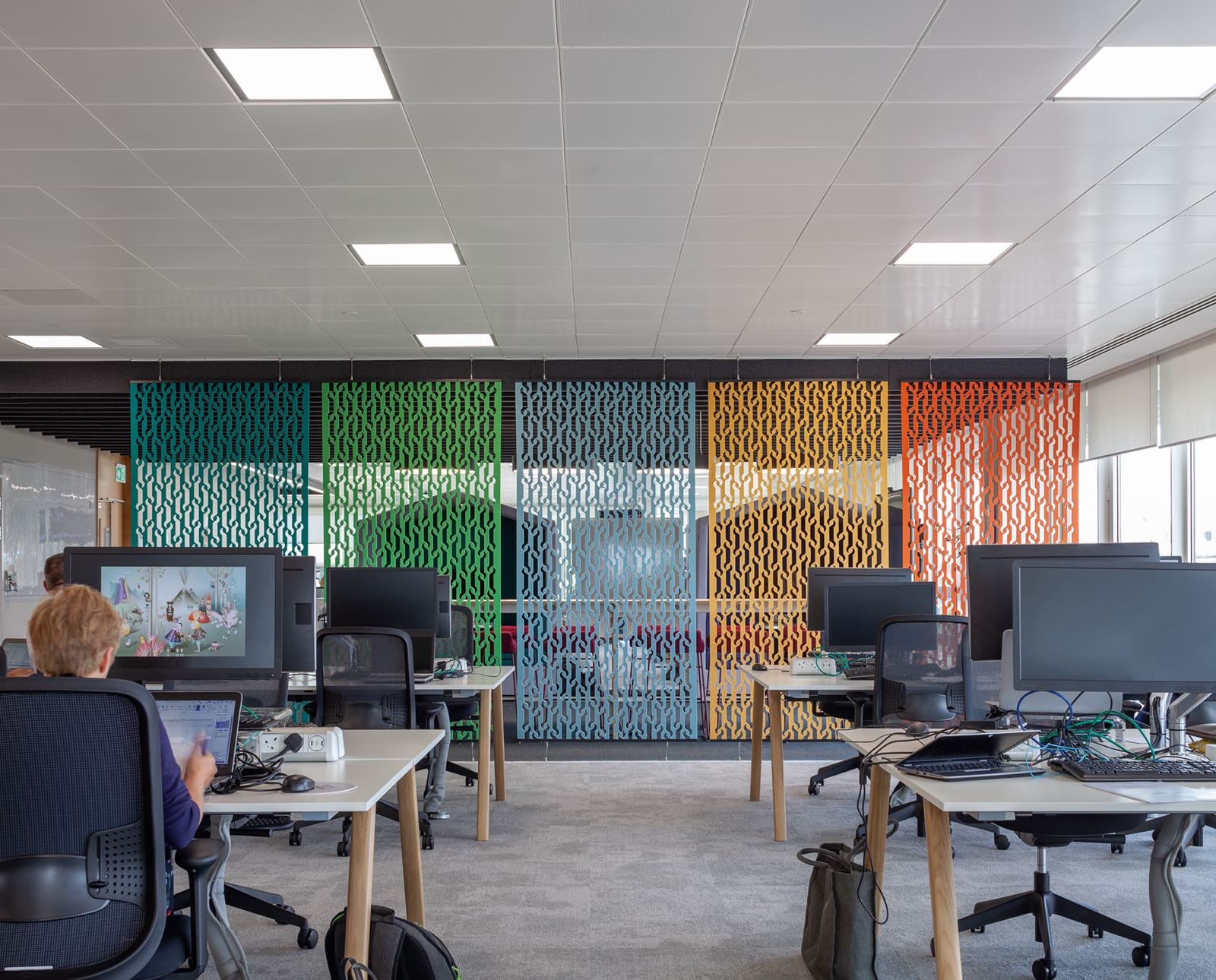
And just as importantly, modern acoustic panels are designed to look good. They can match your brand, colours, and layout — so they improve the sound without changing the look of your restaurant.
Final Thoughts
A quieter restaurant doesn’t lose its buzz. With the right acoustic treatment, you can keep the energy of a busy service while making the experience better for everyone inside.
If your restaurant is getting louder than you’d like, it’s probably not your customers. It’s the room. And that’s something you can fix.
Contact Resonics today for a tailored assessment and discover how better acoustics can transform your restaurant.