




7 Minute Read
The Silent Revolution in Modern Architecture
A new movement in modern architecture, the Silent Revolution, is shifting the focus from how buildings look to how they sound.
Categories
Advice
TL;DR – Summary
A new movement in modern architecture, the Silent Revolution, is shifting the focus from how buildings look to how they sound. Acoustic design is now recognised as a critical part of creating environments that support wellbeing, communication, and productivity. Through a blend of sound absorption, isolation, and masking, today’s architects are transforming offices, schools, hospitals, and public spaces into more comfortable and functional places to be. With innovations in materials and technology, acoustic performance can now be seamlessly integrated into even the most visually ambitious designs, setting a new standard for the built environment.
The Silent Revolution in Modern Architecture
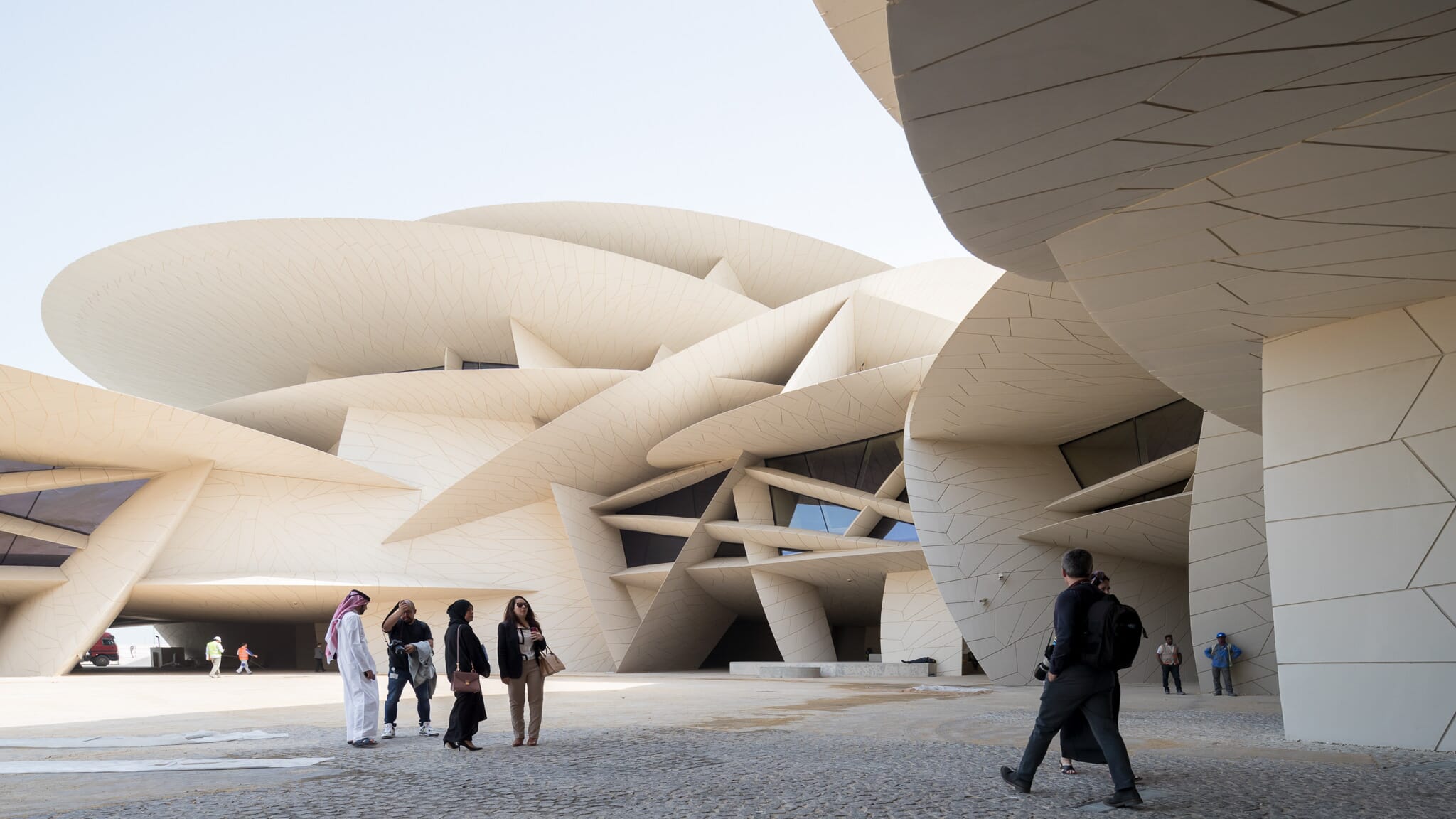
Today, the focus has often been on visual aesthetics — the shapes, materials, and innovative designs that characterise contemporary buildings. However, an equally important but less visible revolution is unfolding in the realm of acoustic design. Known as the Silent Revolution, this movement seeks to transform how spaces not only look but also how they sound, enhancing the functionality and comfort of both public and private environments.
Acoustic Design in Modern Architecture
Acoustic design in modern architecture goes beyond simply minimsing noise. It involves creating environments that positively impact the wellbeing, productivity and social interactions of the people using them. Silent spaces are not just about reducing noise levels; they are about optimising sound to improve experience and function.
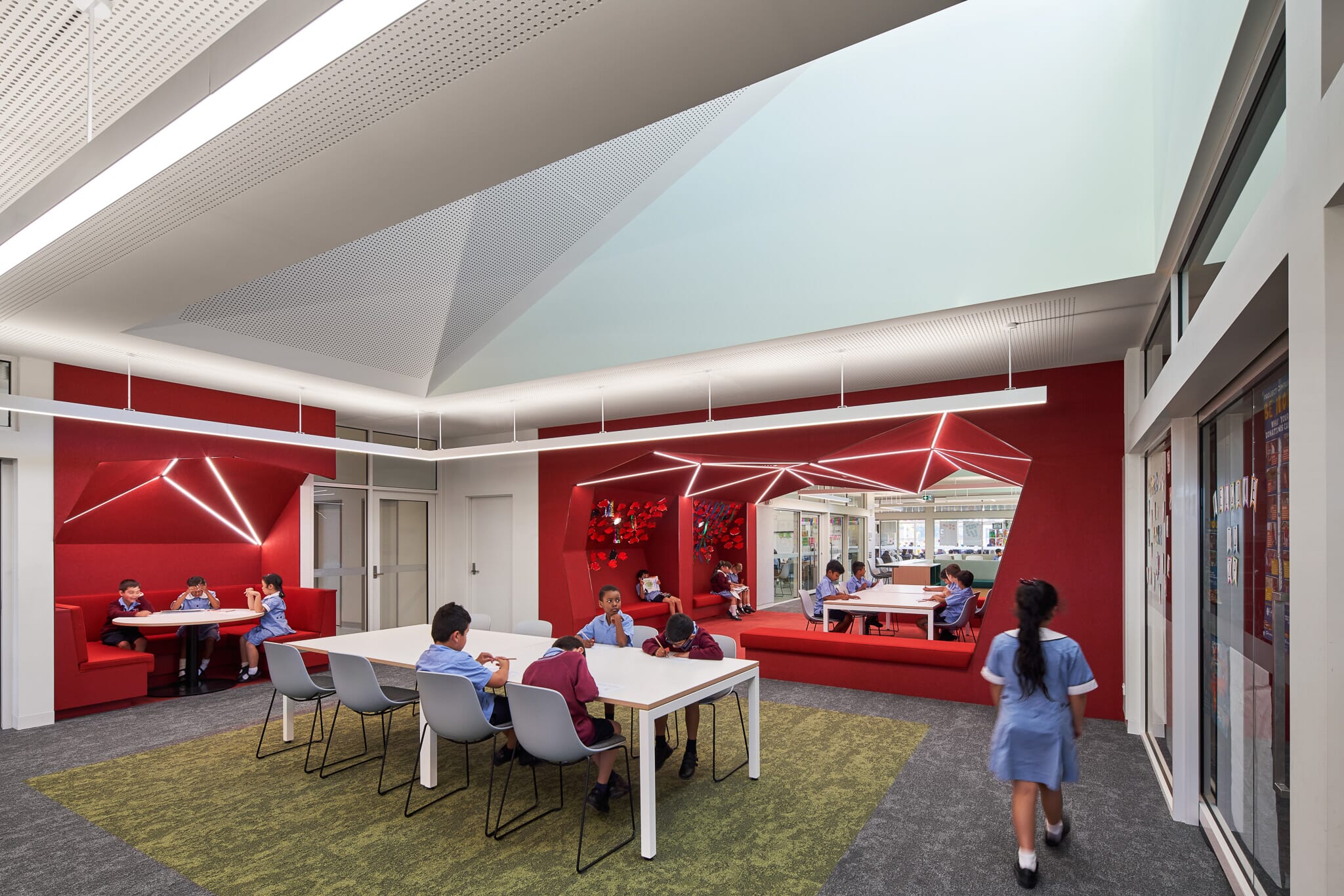
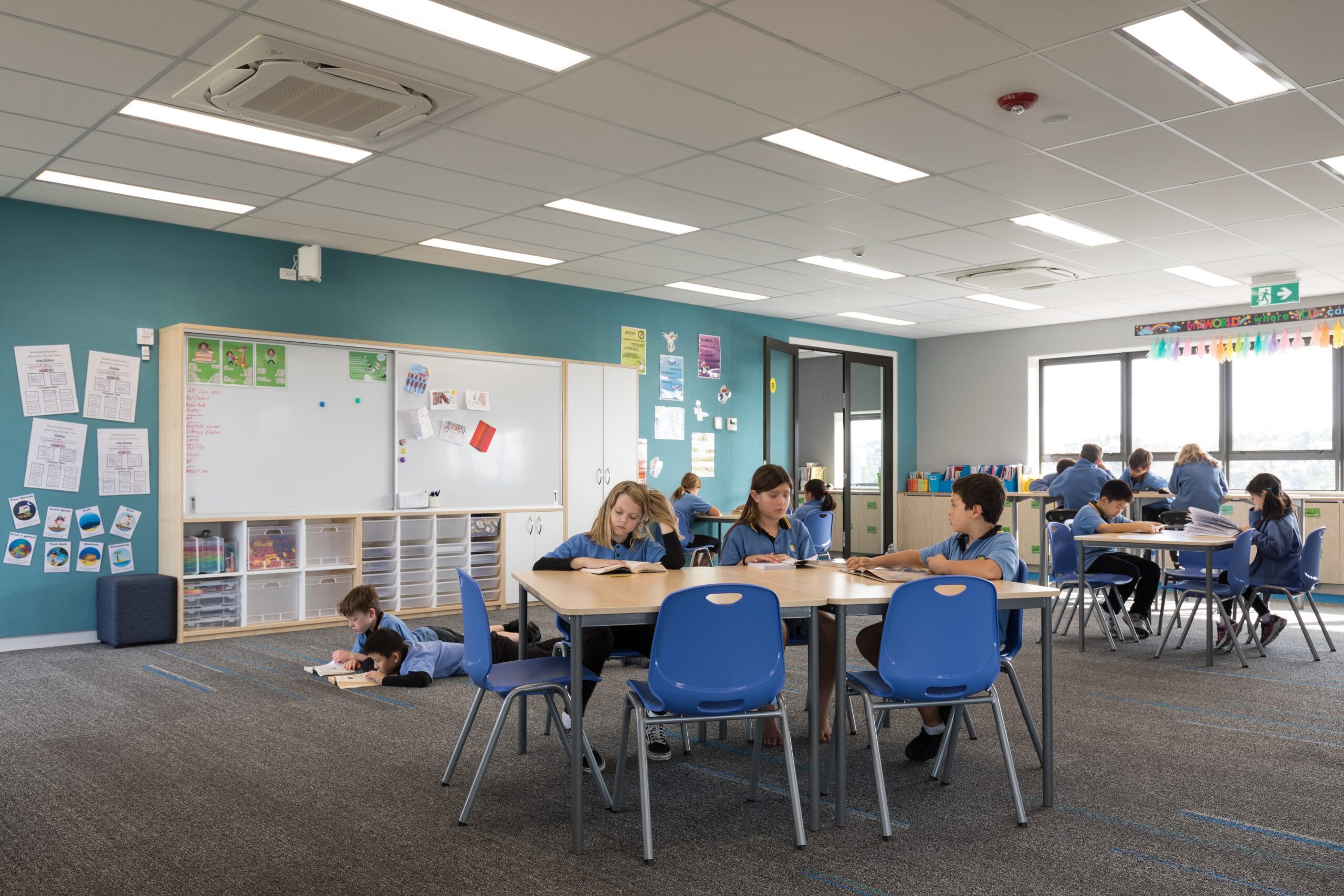
Research has shown that in environments like offices, schools, and hospitals, effective acoustic design can lead to better concentration, communication, and overall efficiency. For instance, in educational settings, good acoustics support clearer communication between teachers and students, which is critical for effective learning.

Principles of Acoustic Design
Sound Absorption
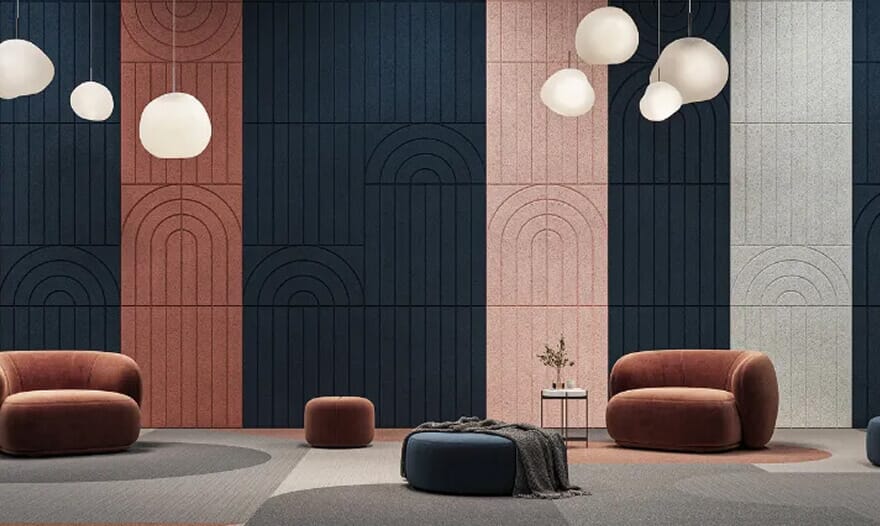
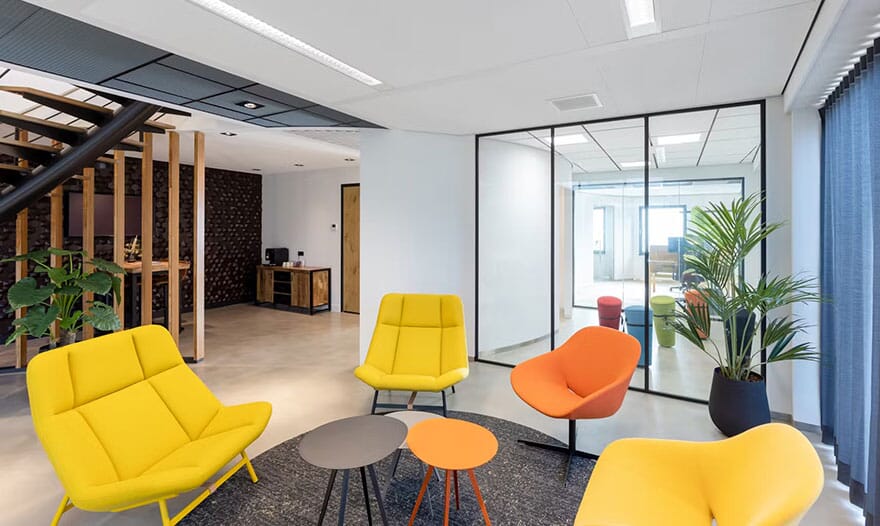
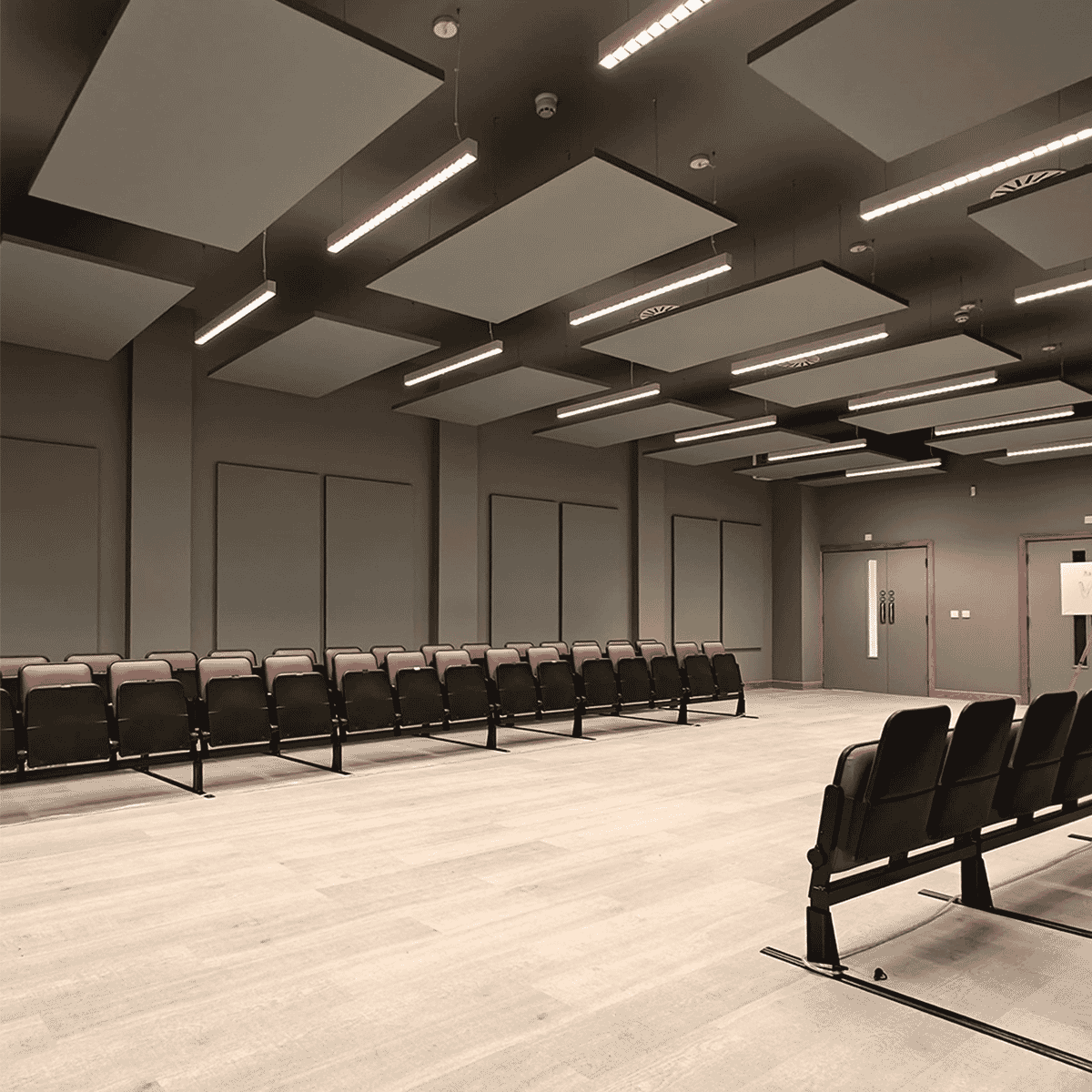
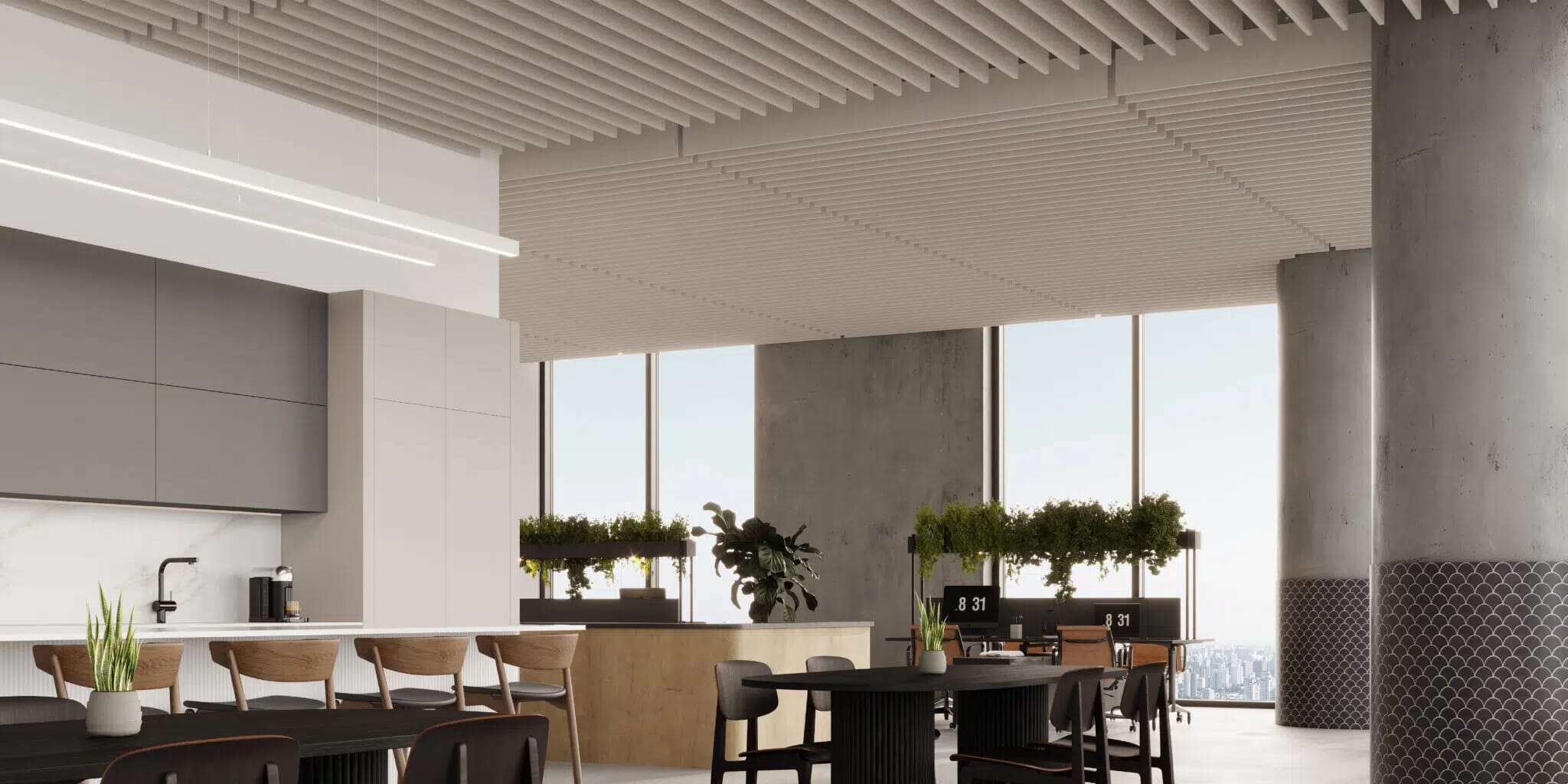
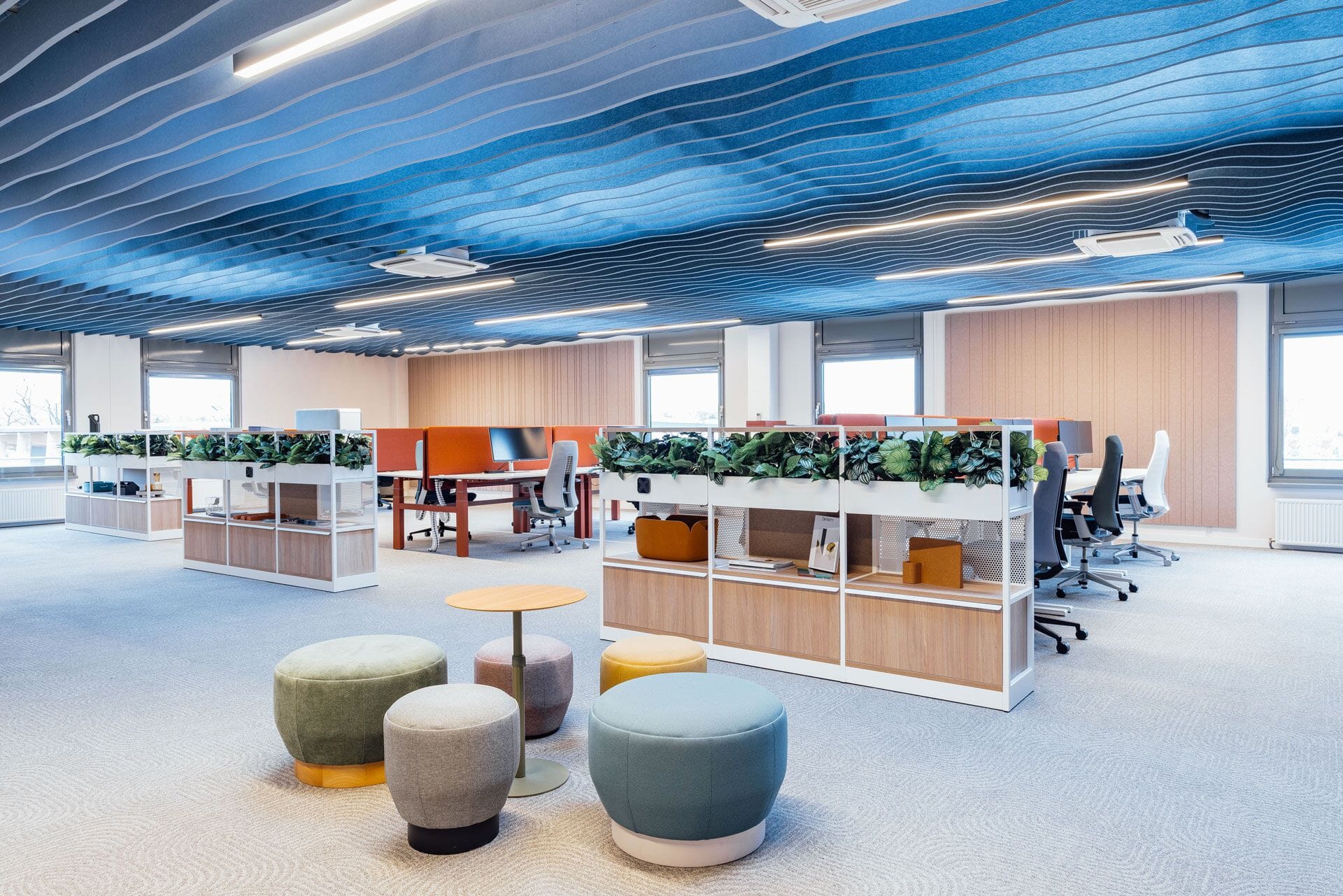
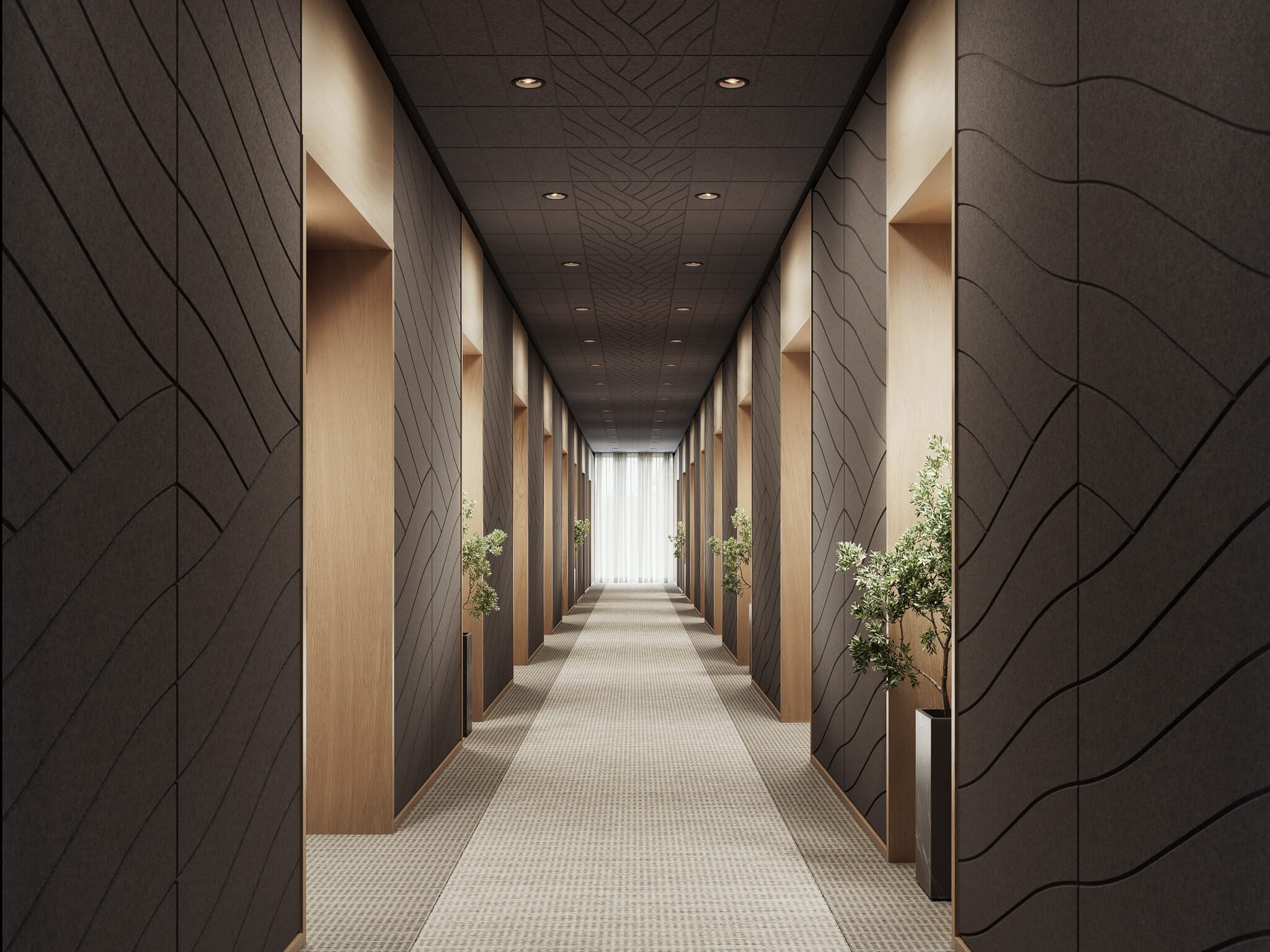
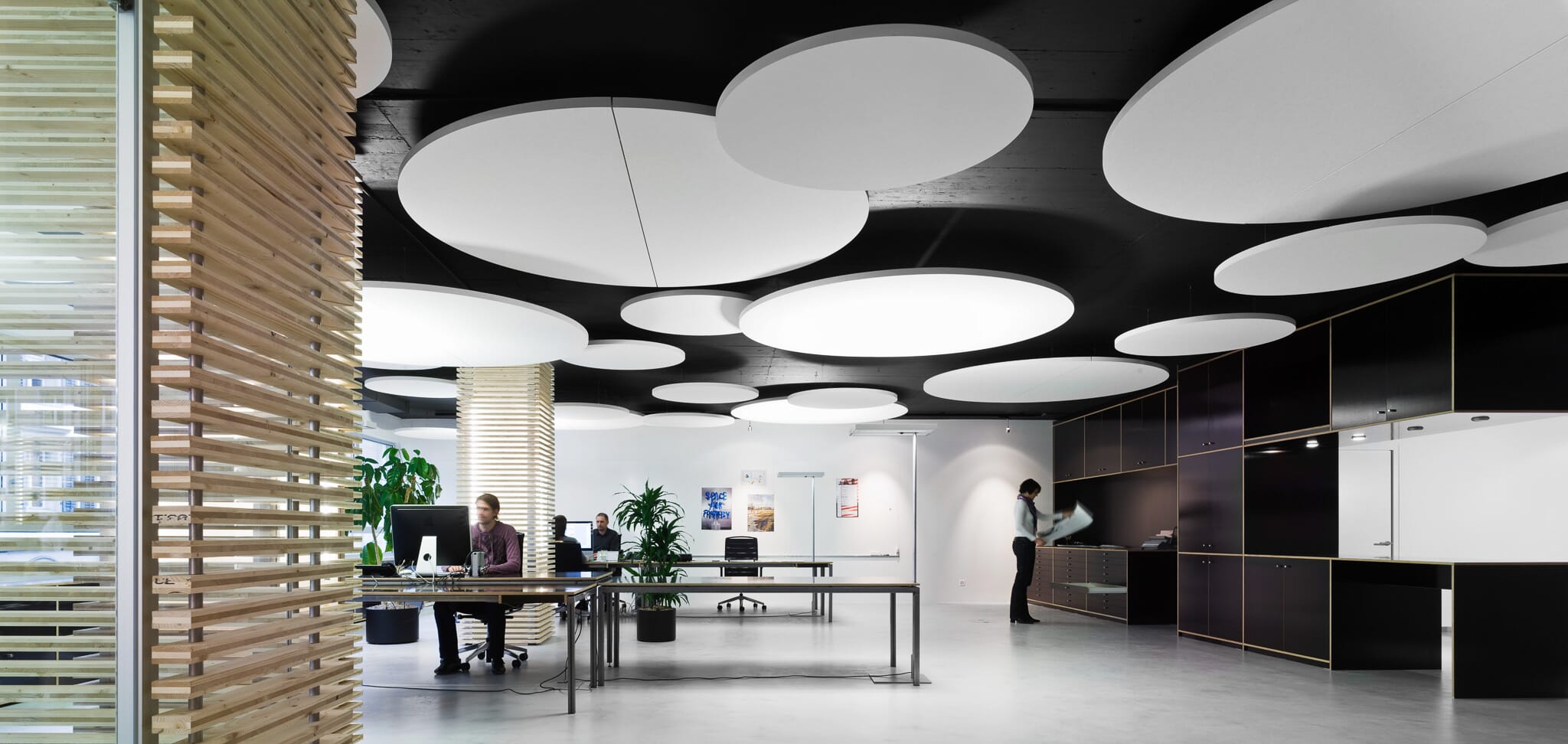
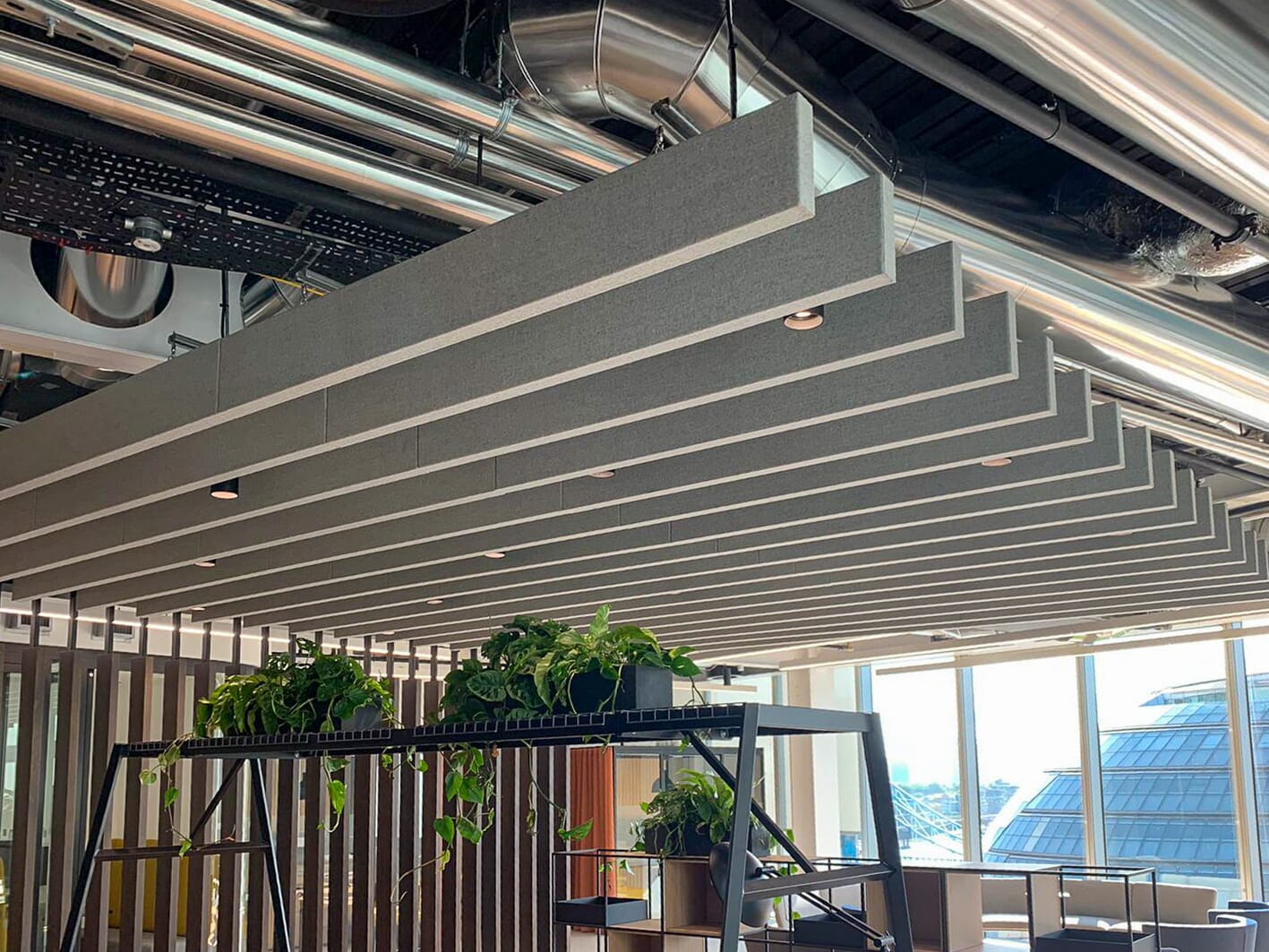
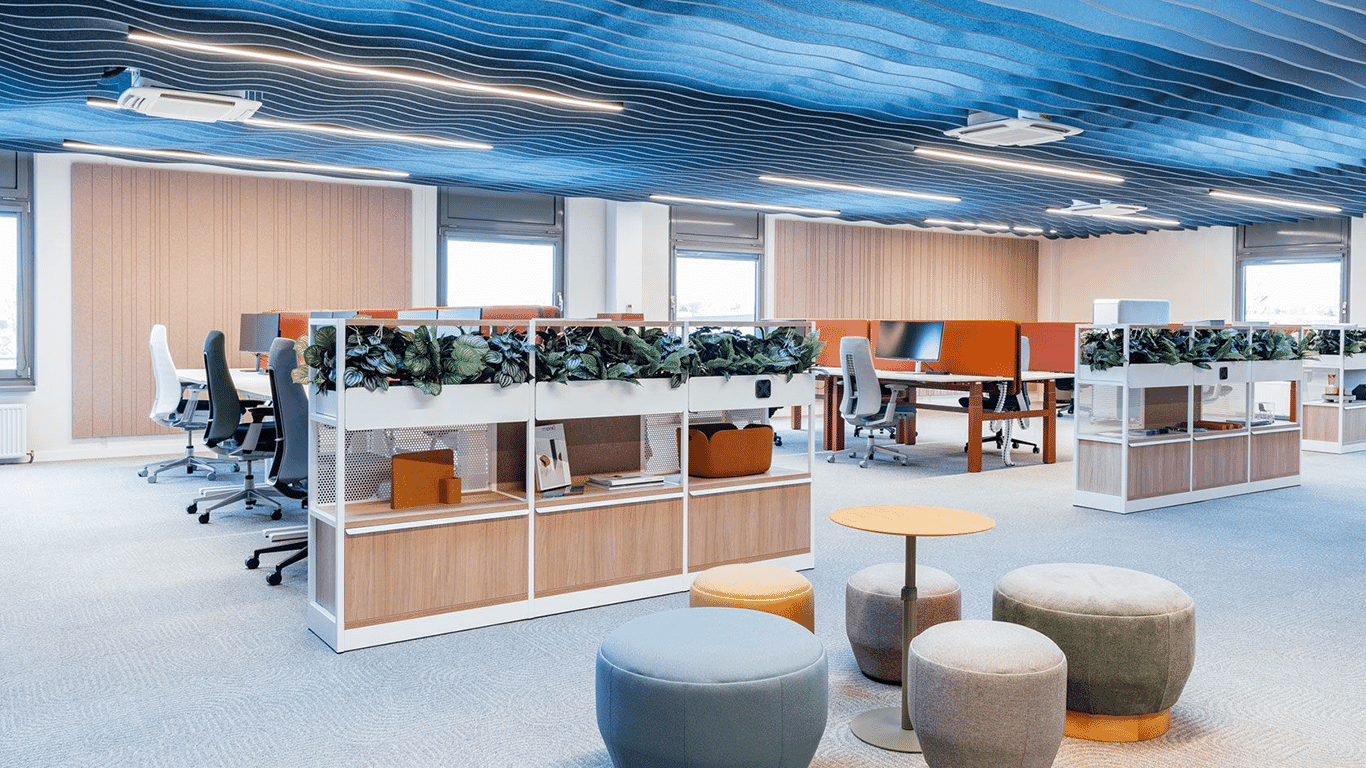
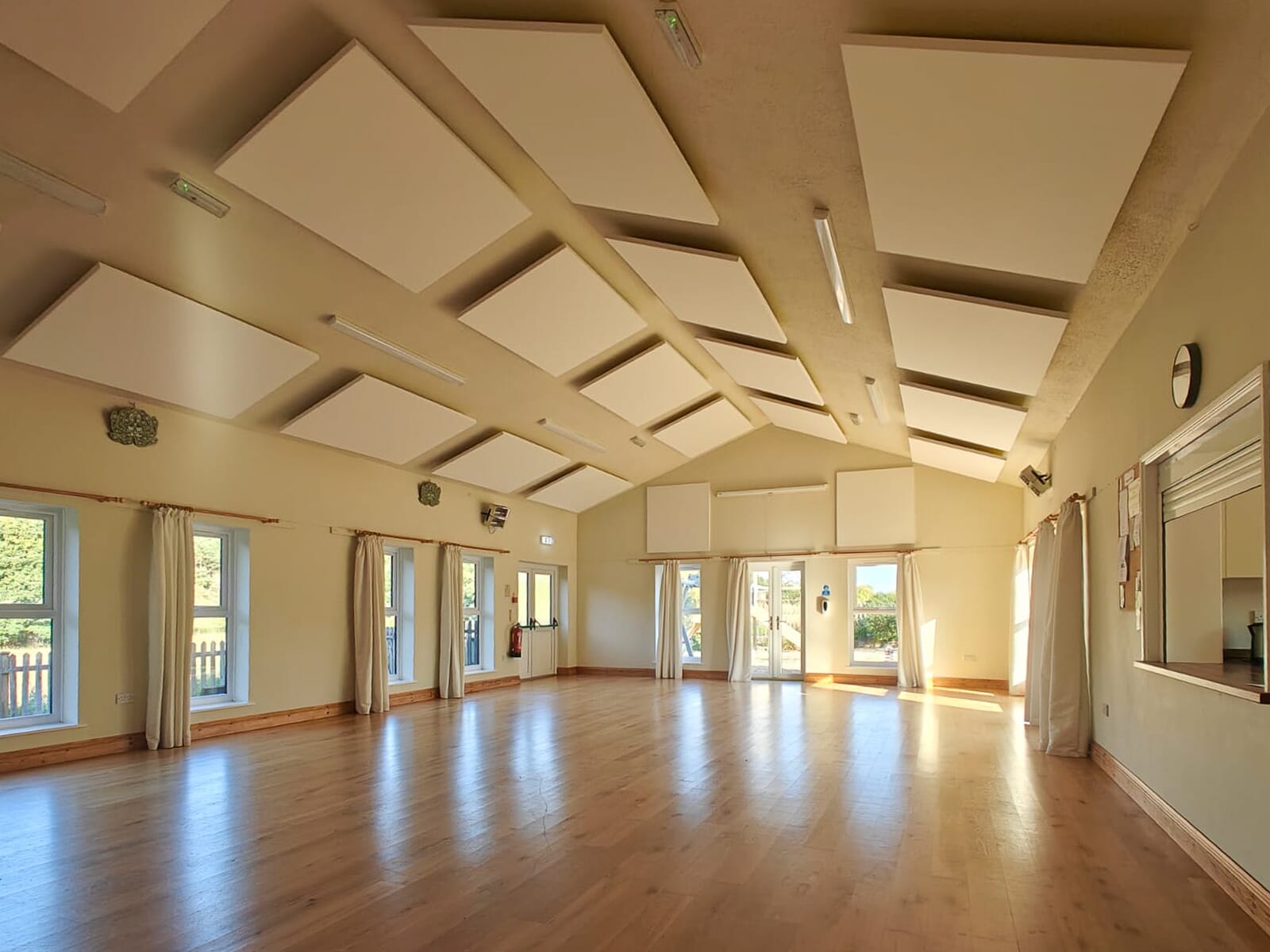
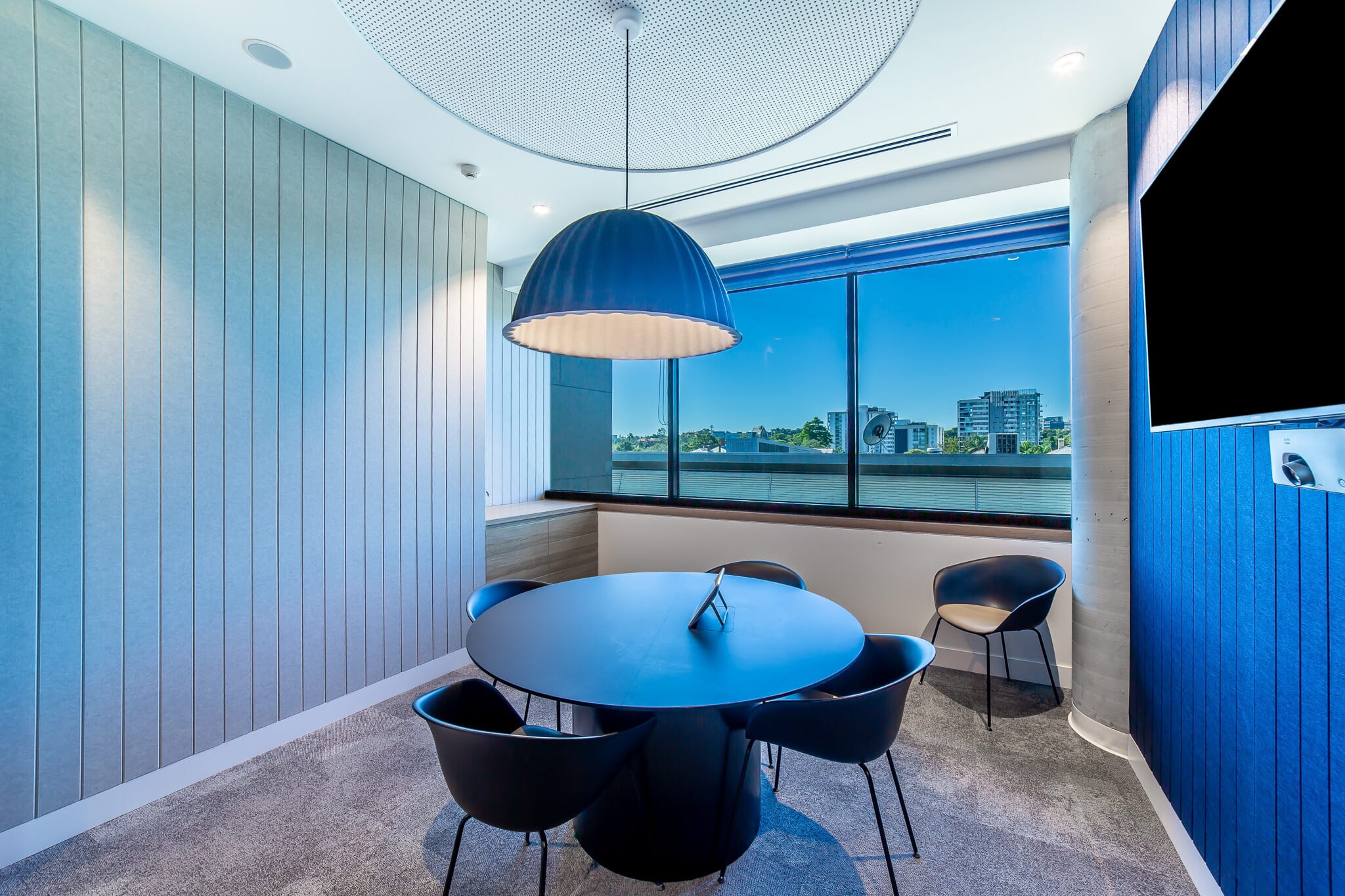
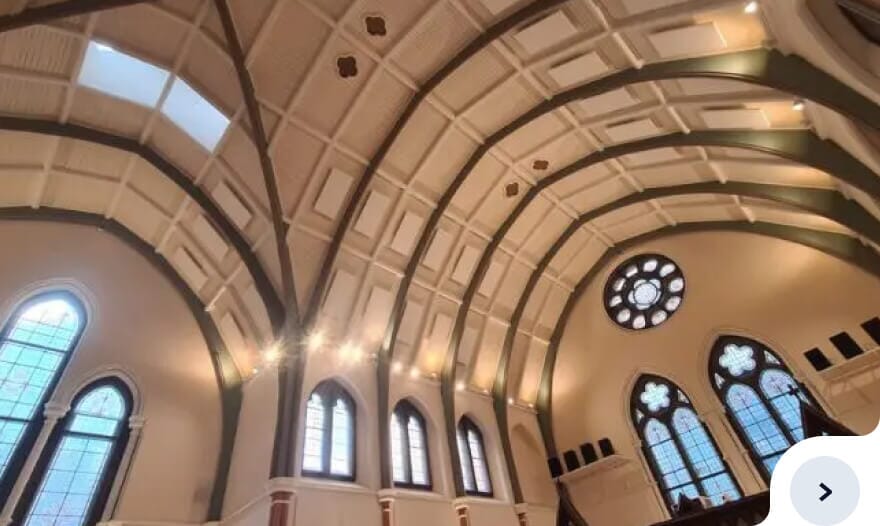
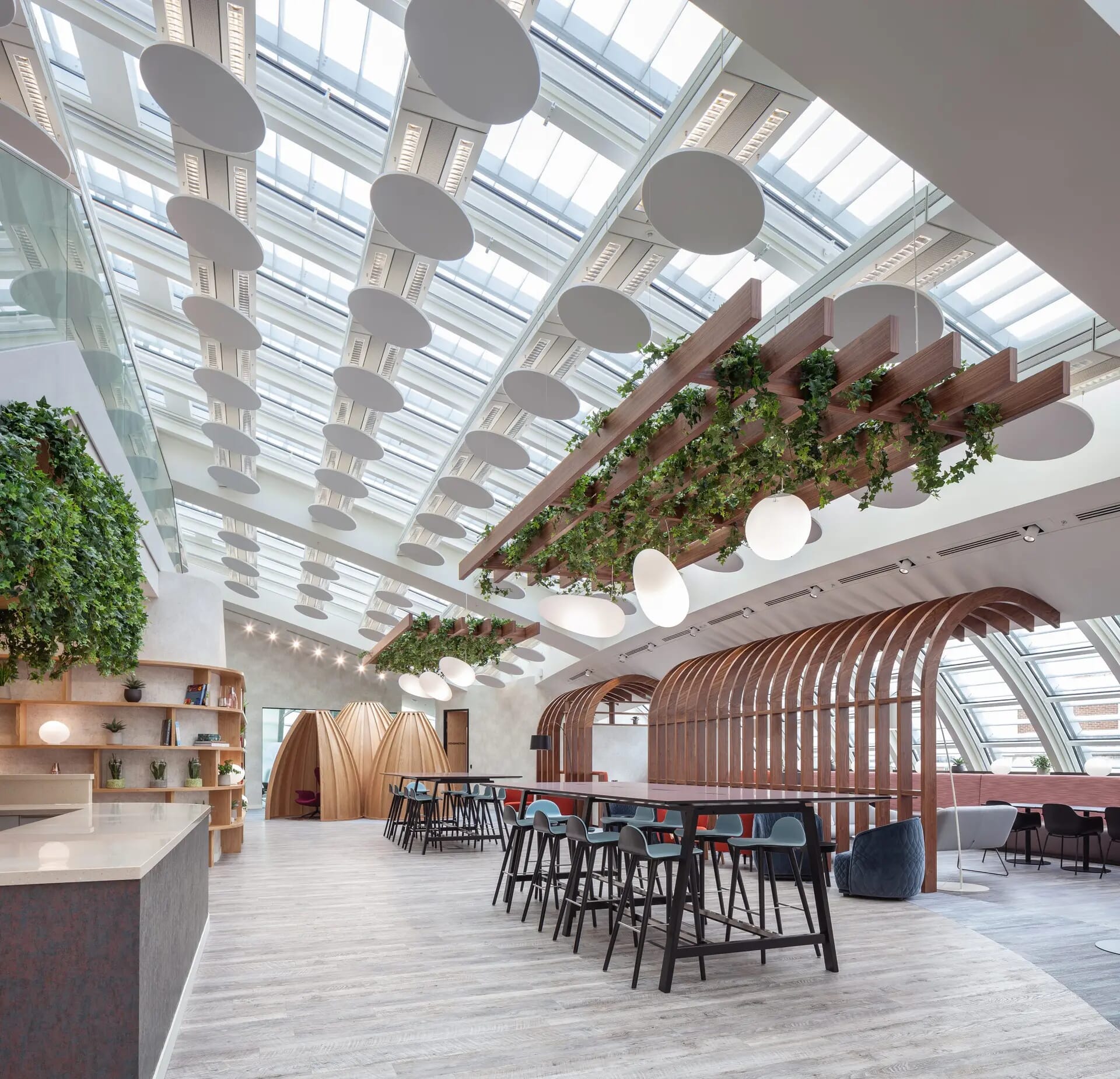
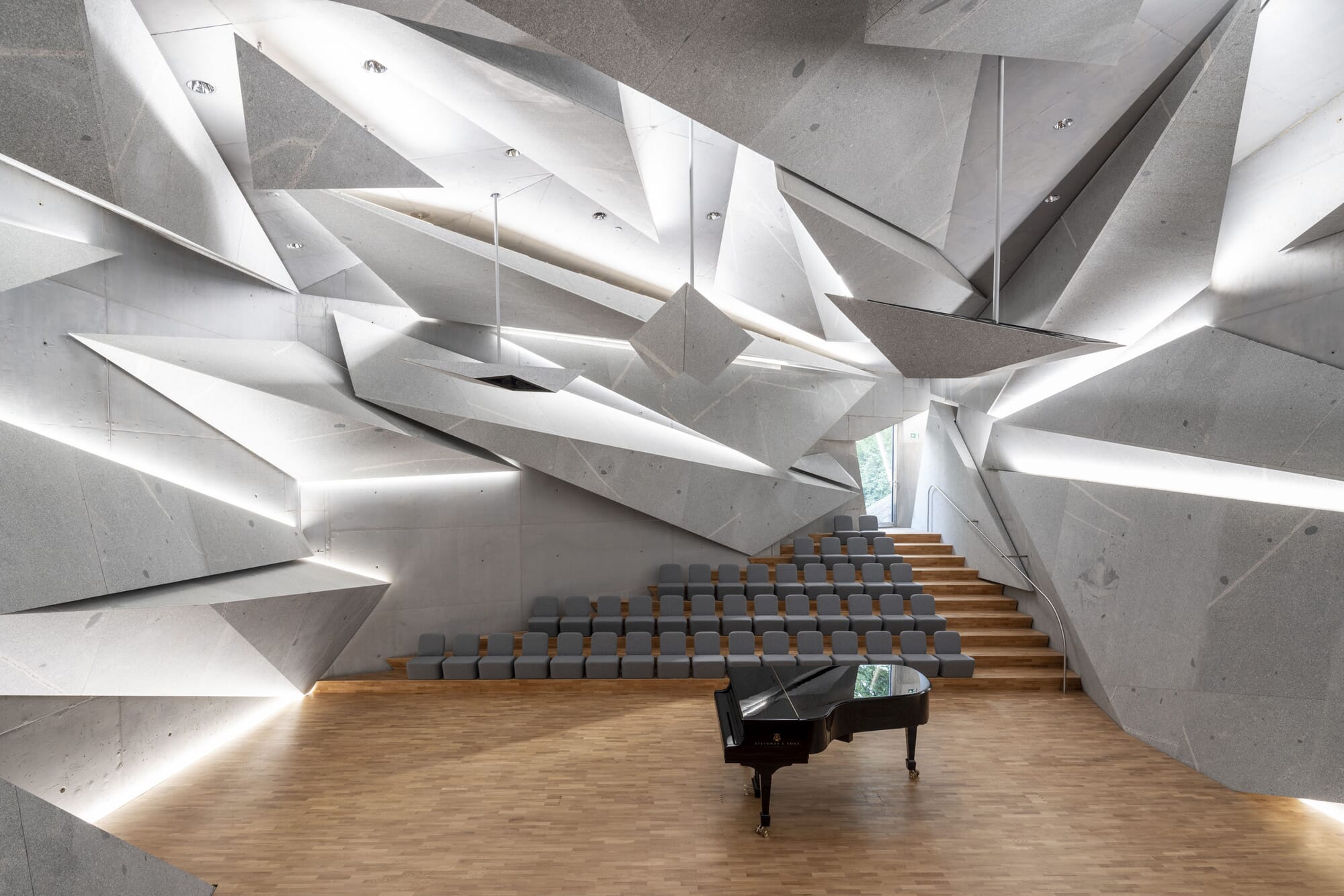
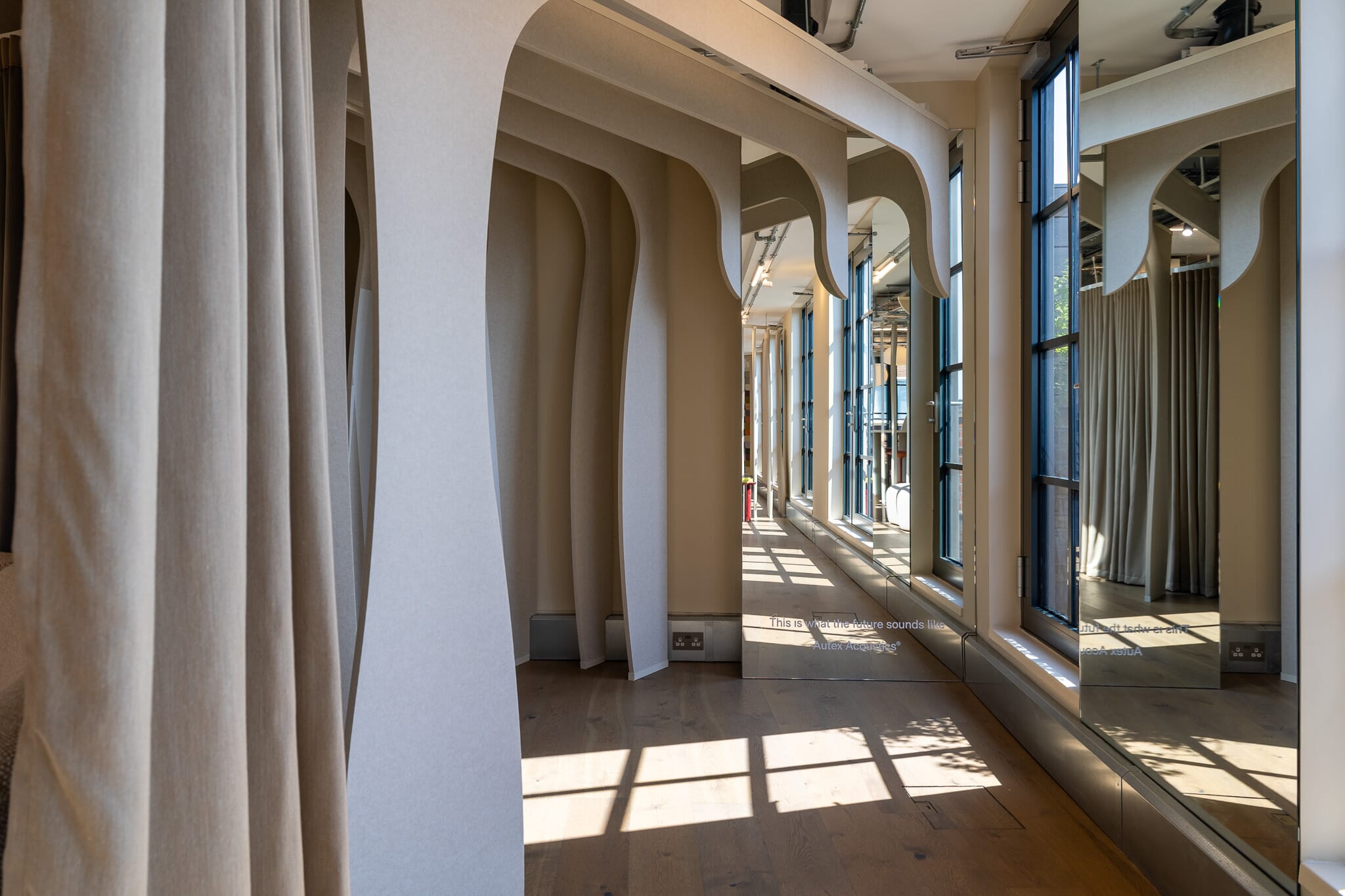
One of the key principles in acoustic design is sound absorption, which reduces background noise and reverberation. Materials such as acoustic panels, foam, and specialised plaster can be used to absorb sound, making spaces quieter and more focused. These materials are often integrated into the architecture seamlessly, maintaining the aesthetic integrity of the space while enhancing its acoustic qualities.
Sound Isolation
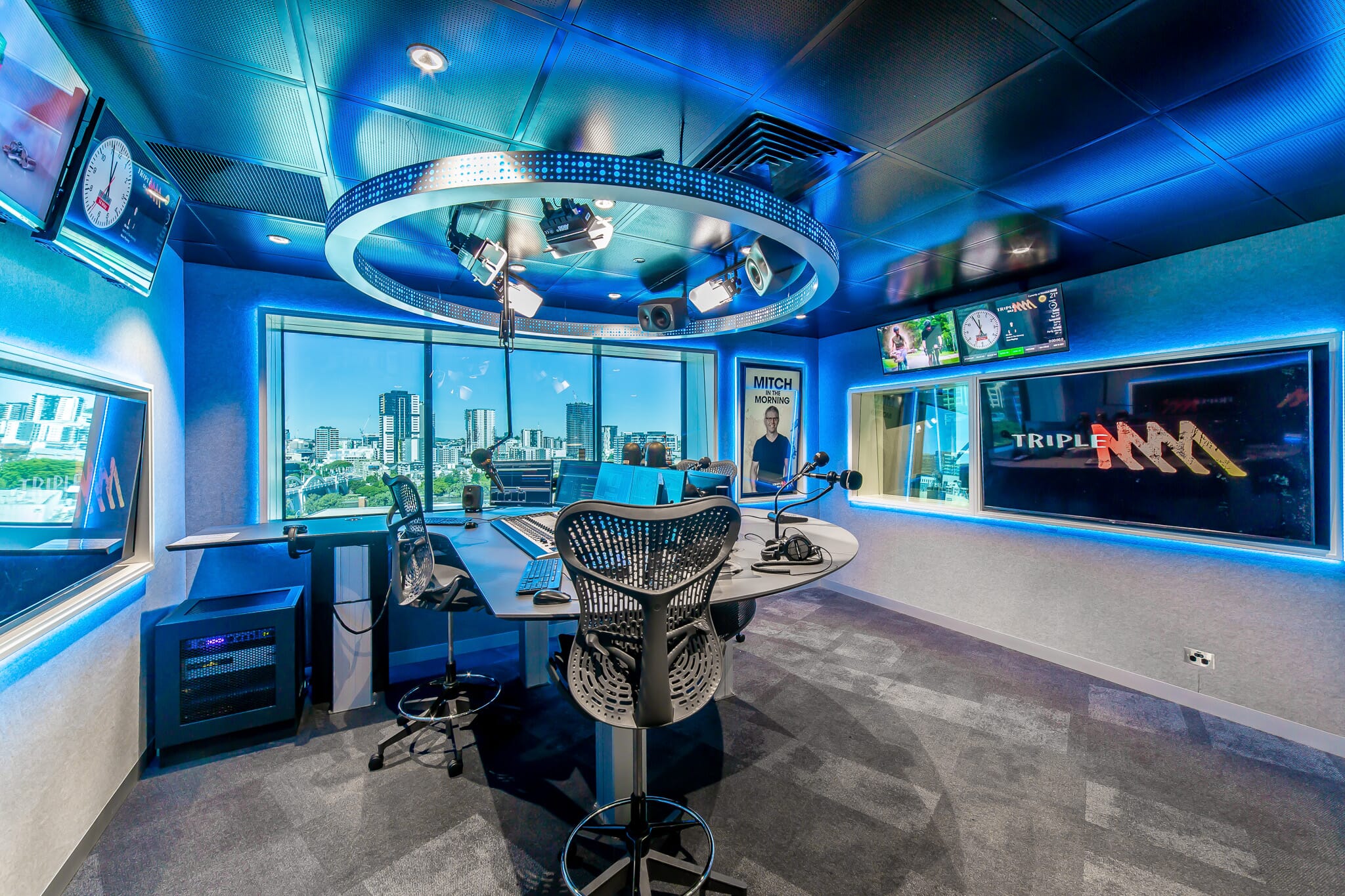
Sound isolation involves preventing noise from entering or leaving a space. This is crucial in buildings where privacy and tranquility are necessary, such as in hospitals or recording studios. Techniques include the use of double-glazed windows, solid doors, and insulated walls.
Sound Masking
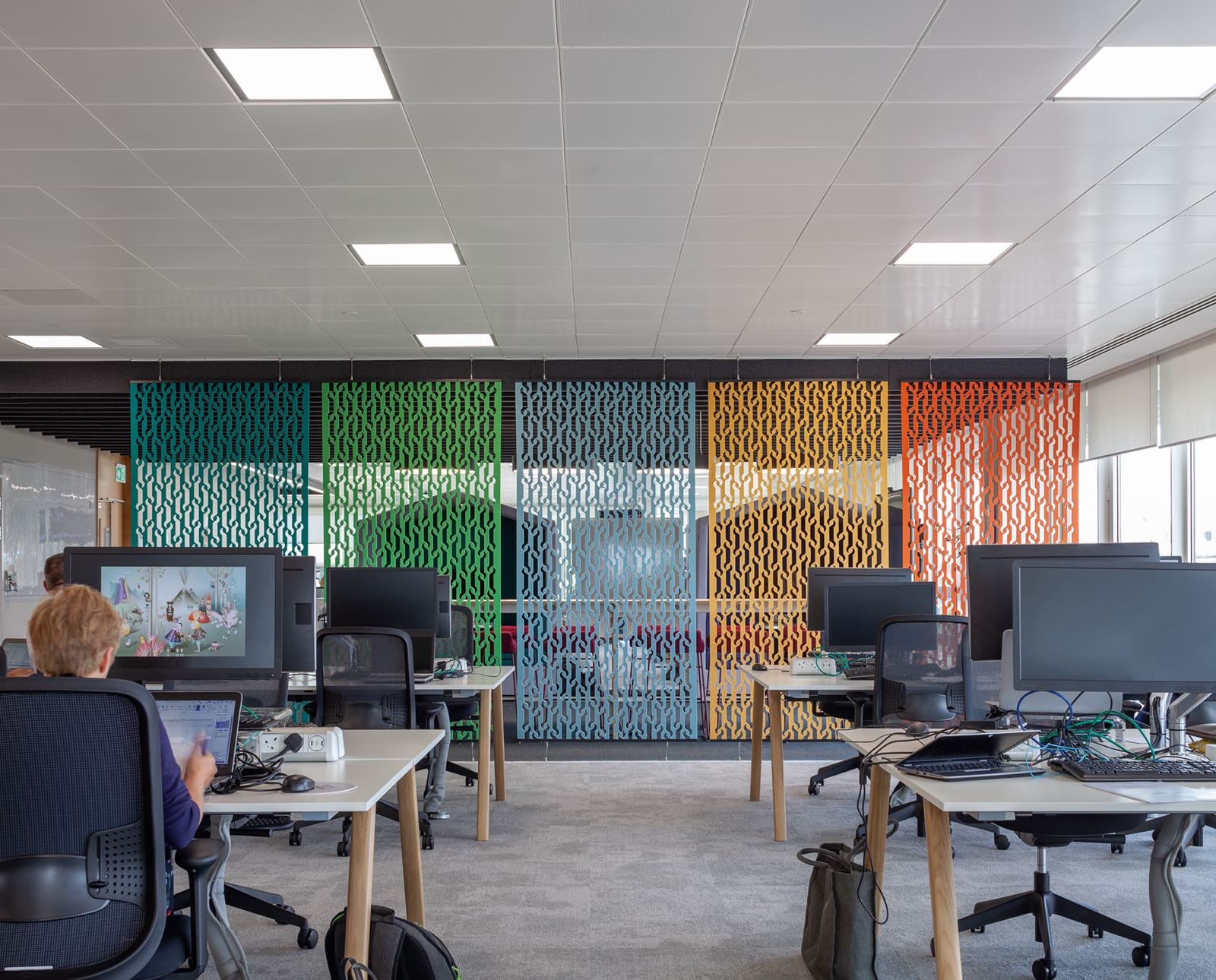
Sound masking is a technique used to add a level of ambient sound intended to mask unwanted noise. This is commonly used in open office environments, where background noise can be distracting or where privacy is needed. Sound masking can help make conversations unintelligible at a distance, thus increasing privacy and concentration.
Silent Spaces: Examples in Modern Architecture
Many modern buildings have embraced acoustic design to create silent spaces that enhance user experience. For example, the New York Times Building in New York City utilizes a sophisticated sound masking system that minimizes office noise and promotes a more serene working environment. Similarly, the Seattle Central Library employs various acoustic strategies to ensure that its open, airy spaces do not become echo chambers, but rather remain conducive to reading and research.
Challenges and Innovations
While the benefits of acoustic design are clear, there are challenges in implementing it effectively in modern architecture. The primary challenge is balancing aesthetic design with functional acoustic requirements. Architects and designers often have to work closely with acousticians from the early stages of planning and design to ensure that acoustic needs are met without compromising on style.
Innovation in materials and technology also plays a critical role. New materials that are visually appealing and acoustically effective are continually being developed. Additionally, digital modeling tools allow designers to simulate and tweak acoustic environments before they are built, ensuring optimal soundscapes.
Our Services
At Resonics, we specialise in enhancing the acoustic quality of any space, integrating seamlessly with the modern architectural vision. Our expertise lies in providing comprehensive solutions that include sound absorption, isolation, and masking, tailored to the unique needs of each project. We work closely with architects, designers, and property owners to create environments that are not only visually stunning but also acoustically optimised.
Whether you’re looking to design a new space or improve the acoustics of an existing one, Resonics offers innovative solutions that can transform any environment into a perfectly balanced auditory experience. Our range of services ensures that every aspect of your acoustic requirements is addressed, enhancing the overall functionality and comfort of your spaces.
FAQs
What Are the Specific Benefits of Acoustic Design in Educational Settings?
Acoustic design in educational settings can dramatically enhance learning experiences by reducing external noise and minimising internal sound reverberations. This leads to clearer communication between educators and students, less distraction, and improved auditory conditions for students with hearing impairments. Effective acoustic solutions can result in higher student engagement, better comprehension of material, and overall improved academic performance. Schools designed with optimal acoustics also see a reduction in teacher vocal strain and stress, promoting a healthier environment for both students and staff.
How Does Acoustic Design Contribute to Sustainability in Architecture?
Acoustic design contributes to sustainability in architecture by incorporating materials and practices that have long lifespans and that minimise environmental impact. Many modern acoustic material are made from recycled or sustainable sources, such as recycled cotton or wood fibers, which also help in reducing the building’s carbon footprint. Additionally, effective acoustic design can improve the energy efficiency of a building. For example, insulating materials used for sound can also help in thermal regulation, reducing the need for heating and cooling and thereby lowering energy consumption.
Can Acoustic Design Enhance Customer Experience in Commercial Spaces?
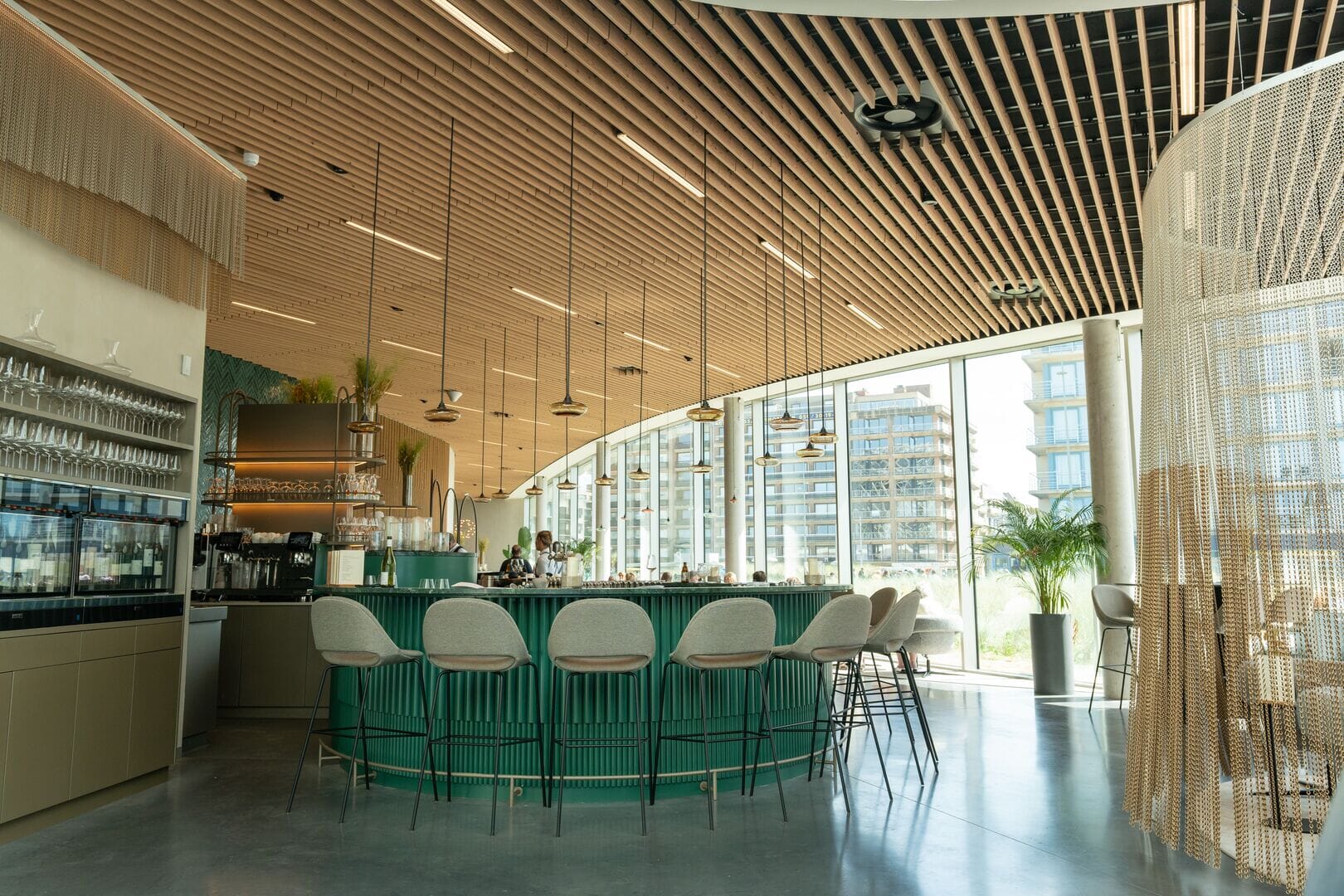
Absolutely, acoustic design is crucial in enhancing customer experiences in commercial spaces such as retail stores, restaurants, and hotels. In retail environments, proper acoustic management can make the space more inviting and comfortable, encouraging longer visits and potentially increasing sales. In restaurants, well-thought-out acoustic design can ensure that patrons can converse comfortably without straining to hear over background noise, enhancing the dining experience and customer satisfaction. Hotels benefit from acoustic design by providing a quieter, more private environment, which is essential for guest comfort and retention.
What Innovative Materials Are Being Used in Modern Acoustic Design?
Modern acoustic design utilises a range of innovative materials that combine functionality with aesthetic appeal. Some of these include:
- High-performance acoustic plasters that provide seamless sound absorption.
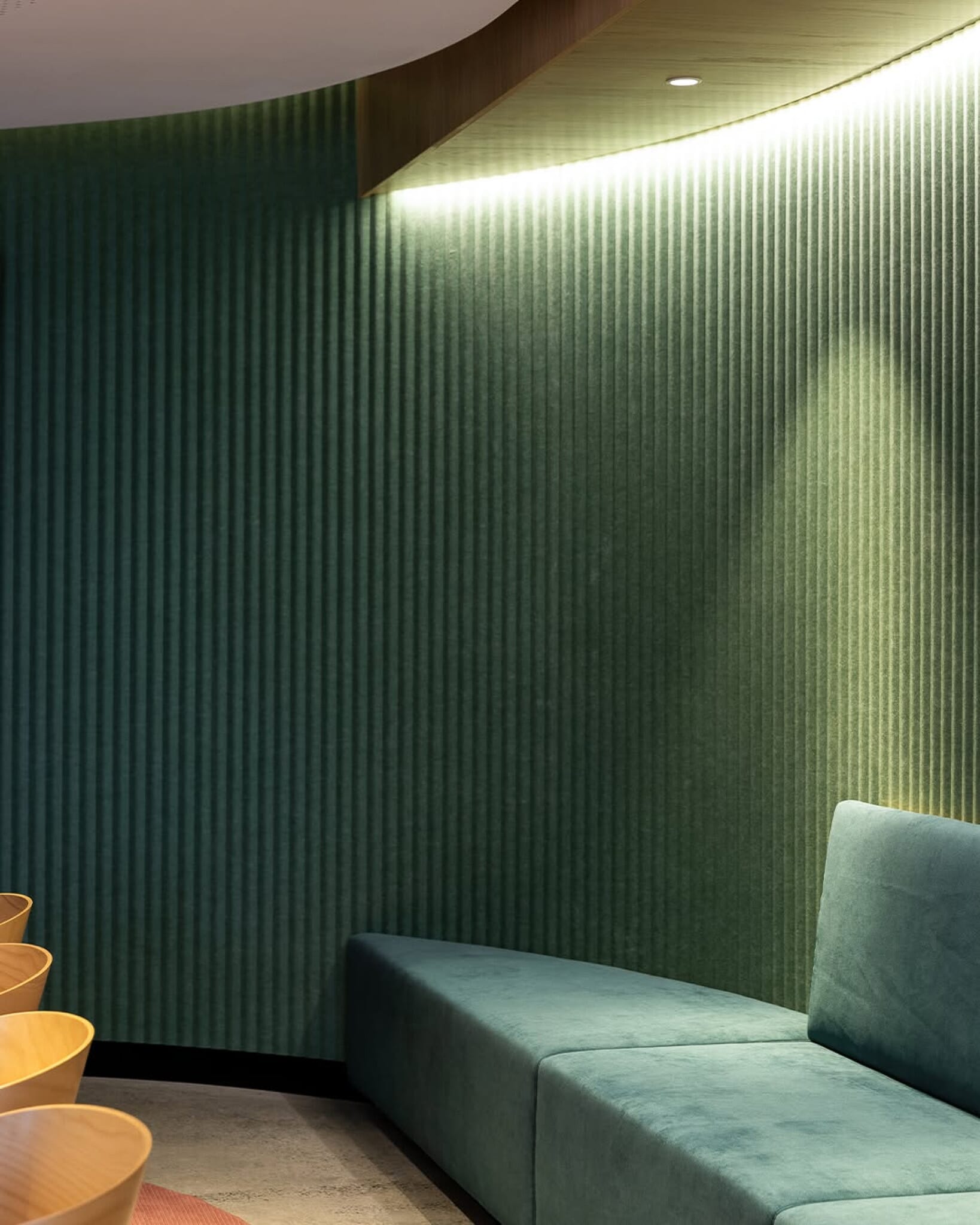
- Decorative acoustic panels made from compressed polyester or woven fabrics.
- Micro-perforated wooden panels for a natural look with effective sound dampening.
- Transparent materials such as acoustic glass, which offer sound isolation without compromising light.
Final Thoughts
The Silent Revolution in modern architecture represents a significant shift towards creating spaces that are as acoustically pleasing as they are visually. By prioritising acoustic design, modern architecture not only enhances the aesthetic value of buildings but also significantly improves the quality of life for those who inhabit them. As this field continues to evolve, the integration of advanced acoustic solutions will play a pivotal role in defining the future of architectural design.