

























6 Minute Read
How to reduce noise in classrooms
Excessive classroom noise affects learning, teacher wellbeing and academic outcomes. Learn how to reduce noise in classrooms, how BB93 applies and how acoustic panels can help.
Categories
Advice
TD;DR The key to reducing classroom noise
Most classroom noise comes from students, not outside sources. Poor acoustics make speech harder to hear, increase stress, and affect learning. The right acoustic panels can cut perceived noise levels in half, improve focus and help schools meet BB93 standards.
Popular classroom acoustic solutions include:
With the right acoustic approach, classrooms become calmer, clearer and more inclusive, benefiting everyone who uses them.
What is the main cause of classroom noise?
It’s easy to assume classroom noise comes from traffic, aircraft or nearby rail lines. In reality, that’s rarely the main issue.
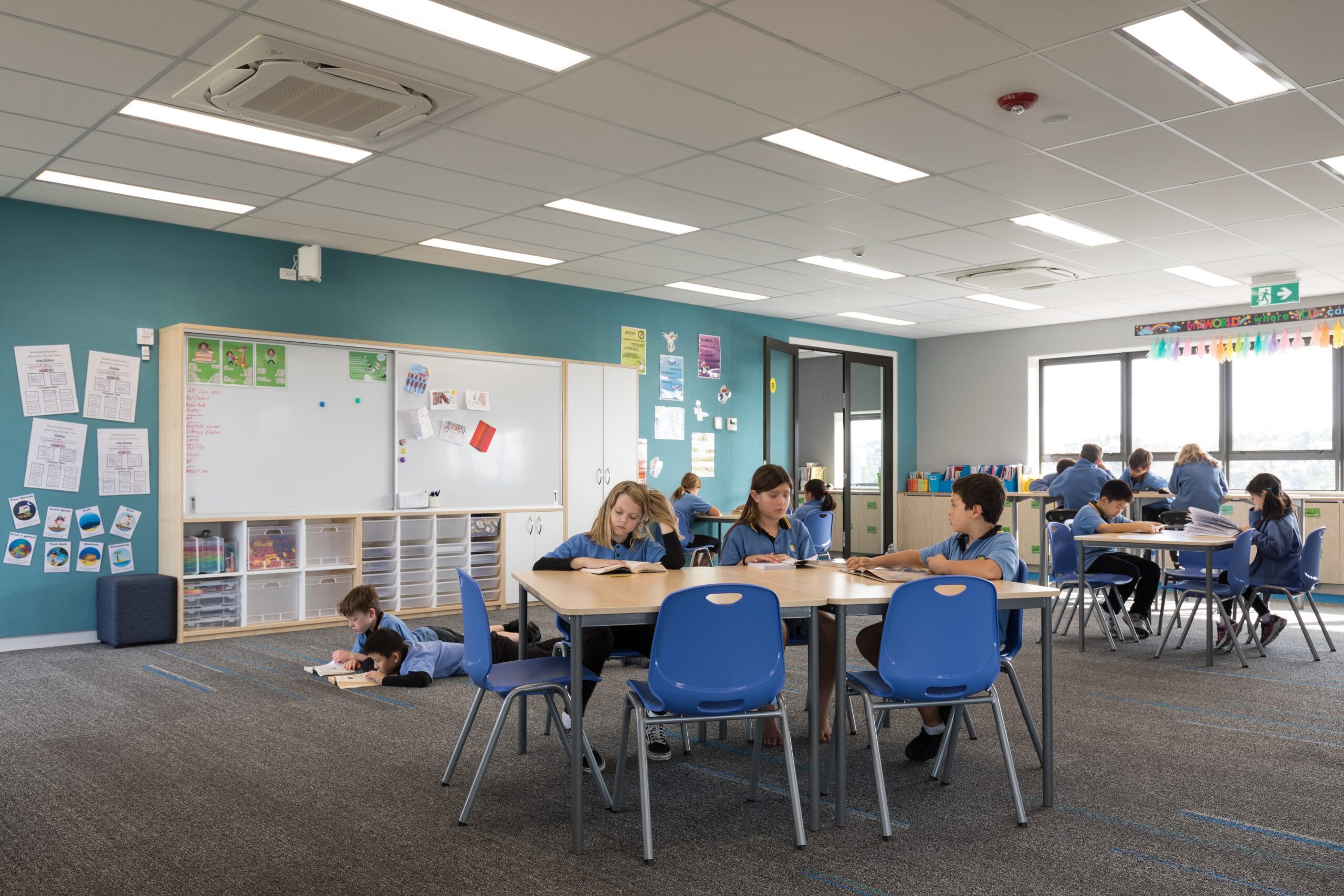
According to Ecophon’s global education research, most classroom noise comes from the students themselves, especially during group work, discussions and everyday learning activities.
When sound hits hard ceilings and walls and bounces straight back into the room, noise levels rise fast. This makes it harder for students to hear instructions and harder for teachers to speak clearly without raising their voice.

Benefits of acoustic panels in classrooms
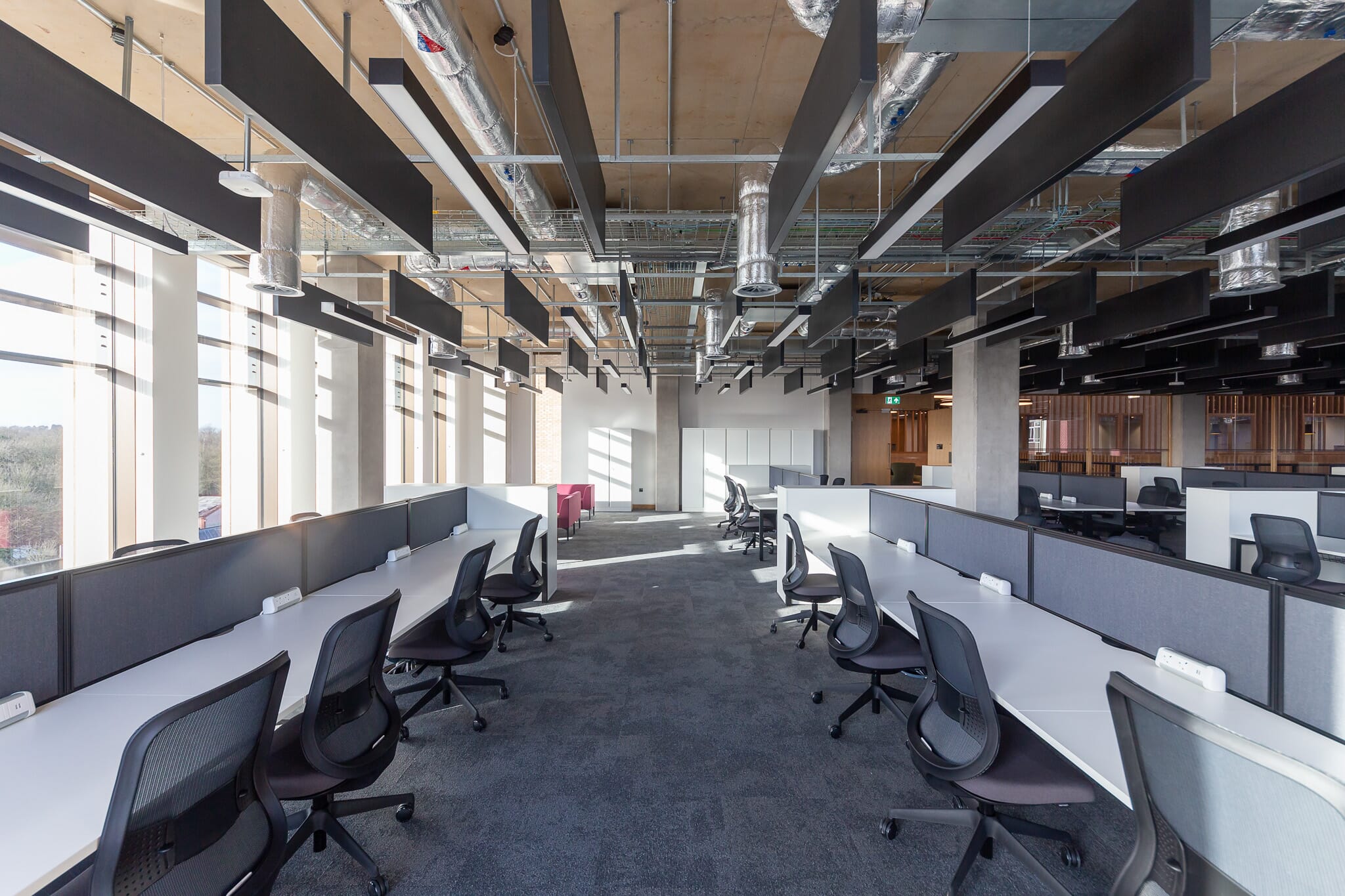
Acoustic panels are one of the most effective ways to reduce classroom noise and improve how a space feels to work in.
Proven acoustic improvements
- Improve speech intelligibility by up to 35%
- Reduce background noise to the recommended 35–45 dB
- Lower reverberation time to the ideal 0.4–0.6 seconds
- With Class A sound absorption, perceived noise levels can be reduced by up to 50%
Physical and behavioural benefits
Reducing noise doesn’t just change how a classroom sounds, it changes how it works:
- Better focus and concentration
- Lower stress and fatigue
- Calmer, more productive behaviour
Benefits for teachers
- Less vocal strain and long-term voice damage
- Reduced fatigue across the school day
- Clearer communication with students
80% of teachers say classroom noise causes them stress, showing just how important good acoustics are for staff wellbeing.
Better acoustics lead to better academic performance
Improved classroom acoustics are closely linked to better learning outcomes:
- Schools have seen up to 13% more students reaching government targets
- Stronger results in reading and numeracy, where clear speech matters most
- A more inclusive learning environment for students with special educational needs (SEN), including hearing loss and neurodiversity


Classroom regulations: Building Bulletin 93 (BB93)
In the UK, classroom acoustics are guided by the Building Bulletin 93 (BB93). These regulations set clear requirements for:
- Maximum background noise levels
- Reverberation times
- Speech intelligibility
If you’re planning a refurbishment or new build, acoustic treatment plays a key role in meeting these standards.
You can read a full breakdown here: BB93 Guidelines for Acoustic Performance
How to reduce noise in classrooms
If a classroom feels noisy, it’s usually because sound has nowhere to go. Hard surfaces like ceilings, walls and windows reflect sound back into the room, causing noise levels to build up quickly.
The most effective way to reduce classroom noise is to absorb sound, rather than trying to block it out. This is where acoustic panels make the biggest difference.
Start with the ceiling
The ceiling is often the largest surface in a classroom and one of the main sources of sound reflection. Treating it first usually gives the biggest improvement with the least disruption.
Acoustic ceiling panels absorb sound before it echoes back into the room, helping to lower noise levels and improve speech clarity.
Common ceiling solutions include:
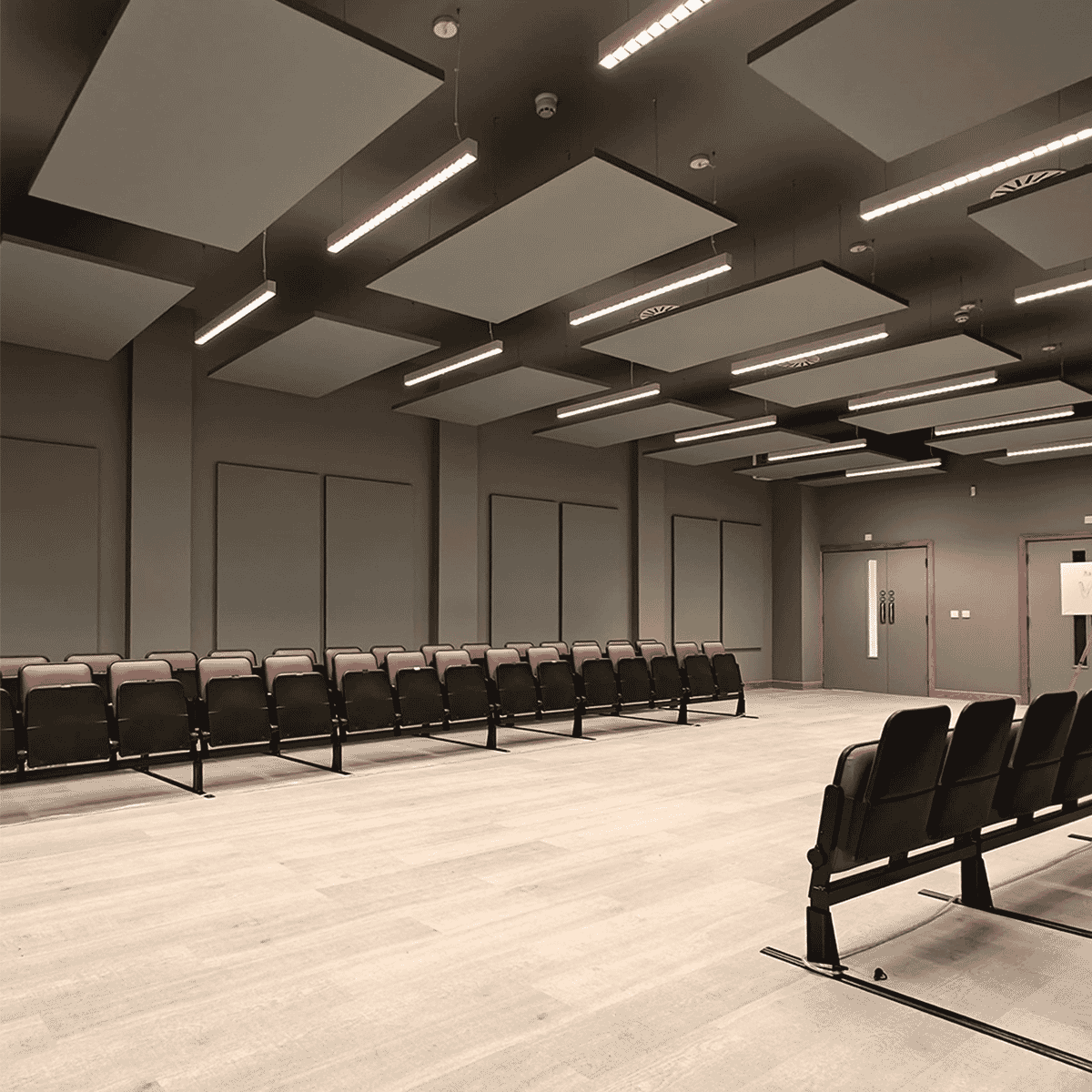
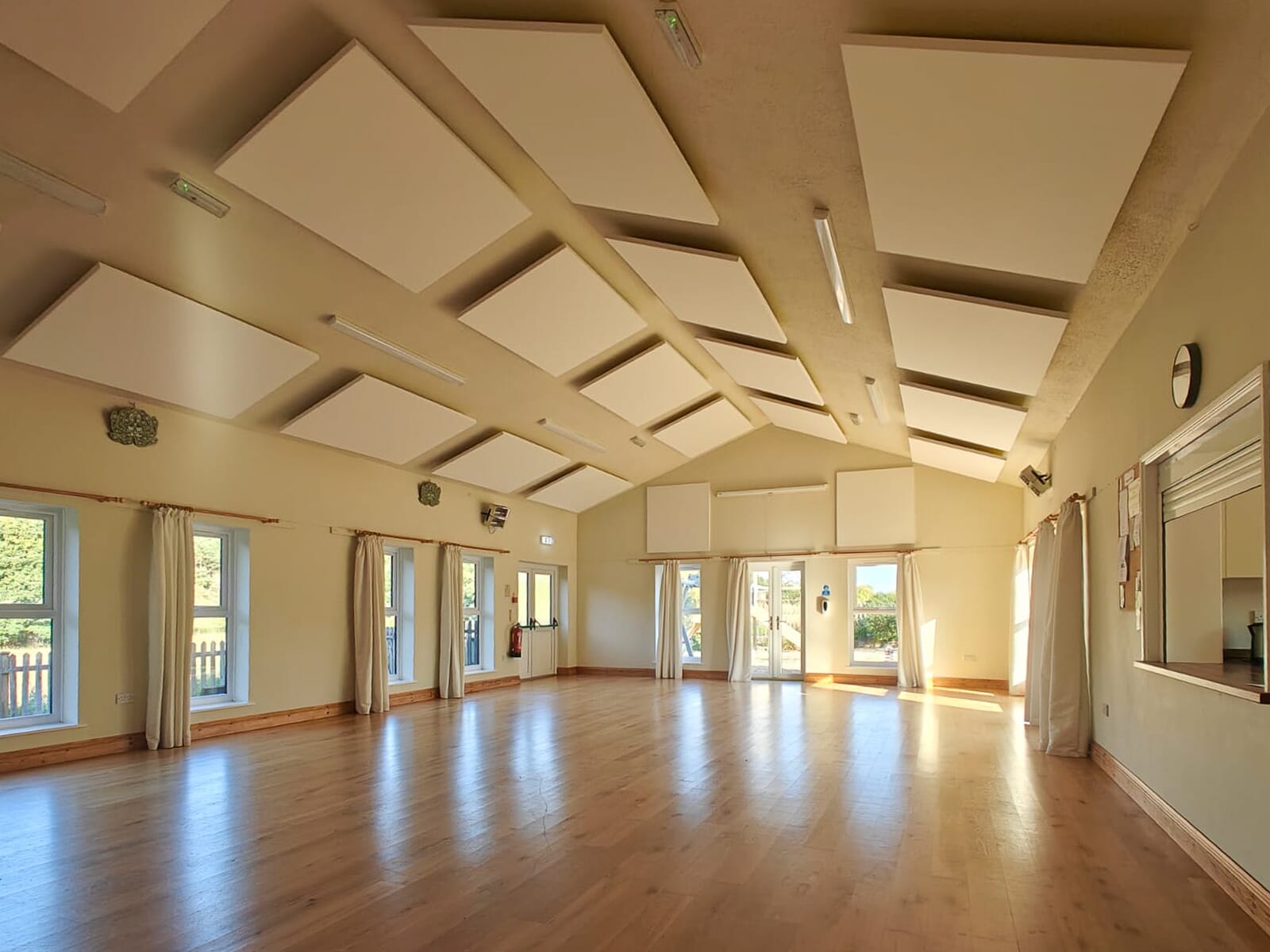
- Acoustic rafts – ideal when a full suspended ceiling isn’t suitable
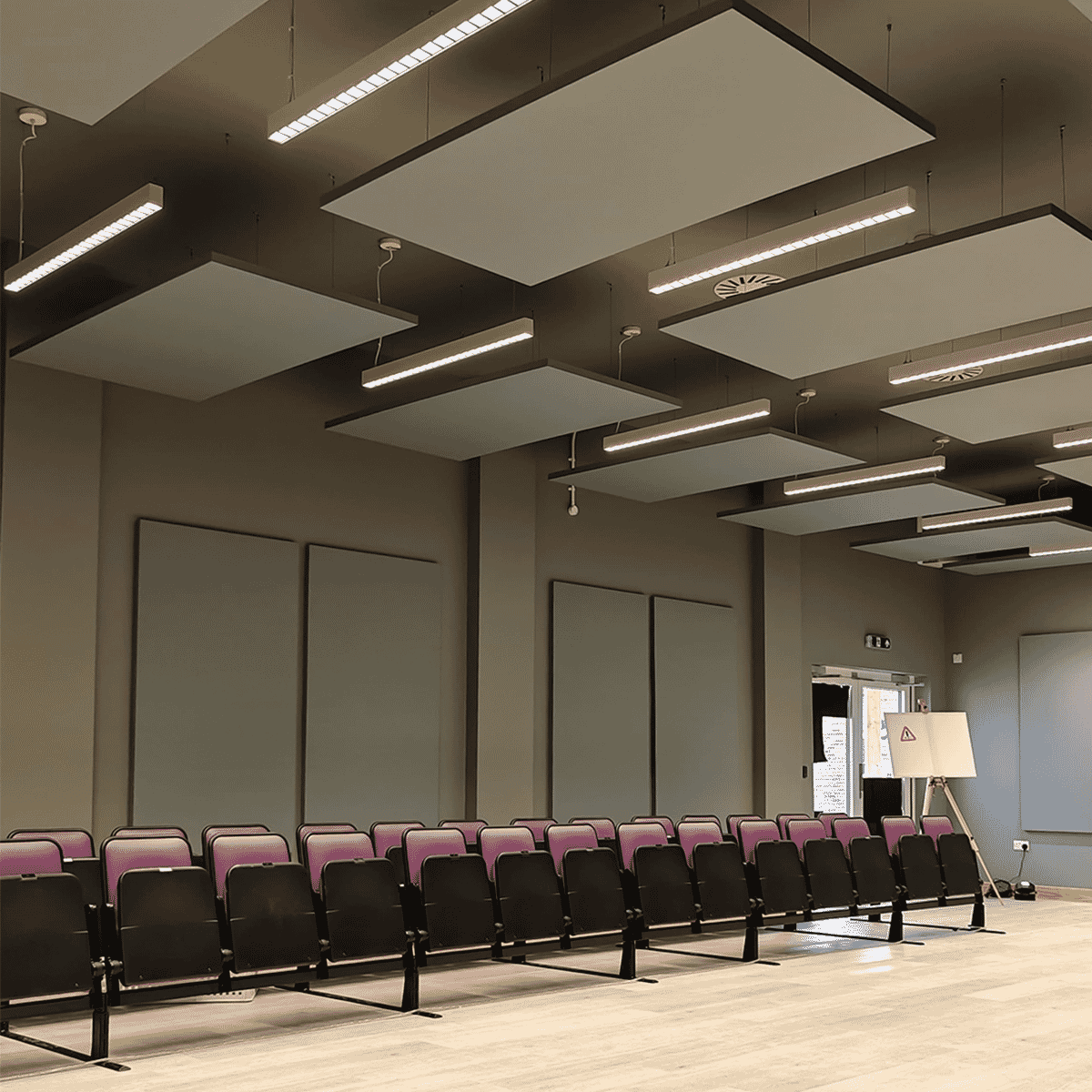
- Ceiling baffles – a good choice for high ceilings or exposed services
- Acoustic ceiling tiles – practical for refurbishments and new builds
In many cases, treating the ceiling alone can make a noticeable difference.
Add acoustic panels to the walls
Once the ceiling is addressed, wall panels help absorb sound at ear level. This reduces echo and makes it easier for students to hear clearly, even during group activities.
Wall panels are most effective when placed on:
- The back wall of the classroom
- Side walls where sound tends to bounce between surfaces
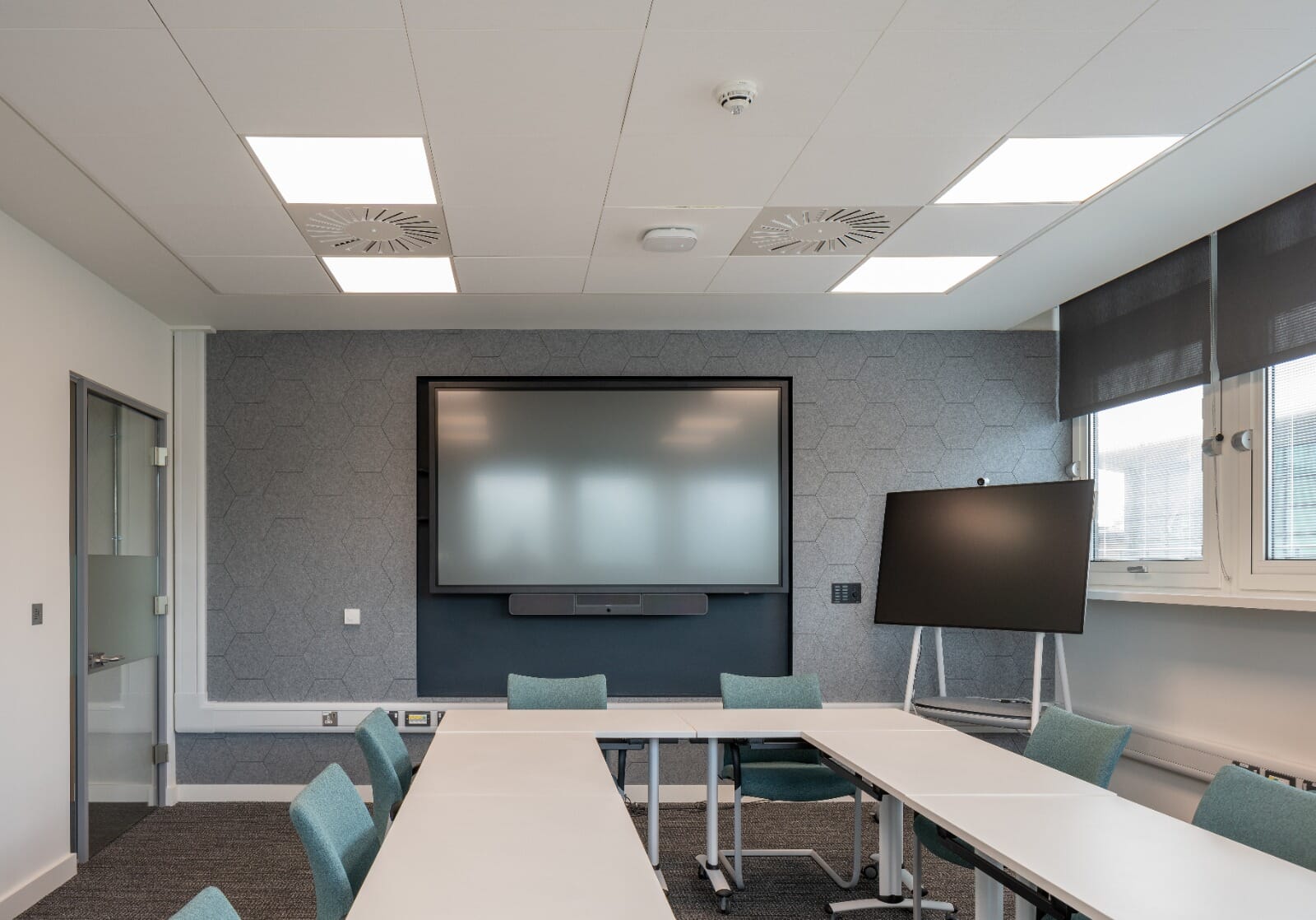
Fabric-covered panels and stretched fabric wall systems are popular in schools because they’re effective, robust and visually clean.
Use acoustic pin boards for double duty
Acoustic pin boards are a simple, practical solution. They reduce noise while still allowing walls to be used for displays and student work. This makes them especially popular in primary and secondary classrooms where wall space is at a premium.
Classroom management and student engagement
Good acoustics make everyday teaching easier. When noise and echo are reduced, teachers can:
- Give instructions more clearly
- Run group activities more smoothly
- Stay engaged without raising their voice
When students can hear properly, they’re more likely to stay focused and less likely to add to background noise.
Other practical tips for reducing classroom noise
- Add soft furnishings where possible
- Use rubber feet on chairs and tables
- Avoid large, uncovered hard surfaces
- Create zones for quiet work and group activities
What are the best acoustic panels for classrooms?
The best solutions combine strong sound absorption with durability and flexible design.
Popular classroom acoustic solutions:
Each option can be tailored to suit the classroom layout, age group and overall look of the space.
Real-world results: case studies
Resonics has delivered acoustic improvements across a wide range of education settings, including:
These projects show how targeted acoustic design can transform learning spaces with minimal disruption.
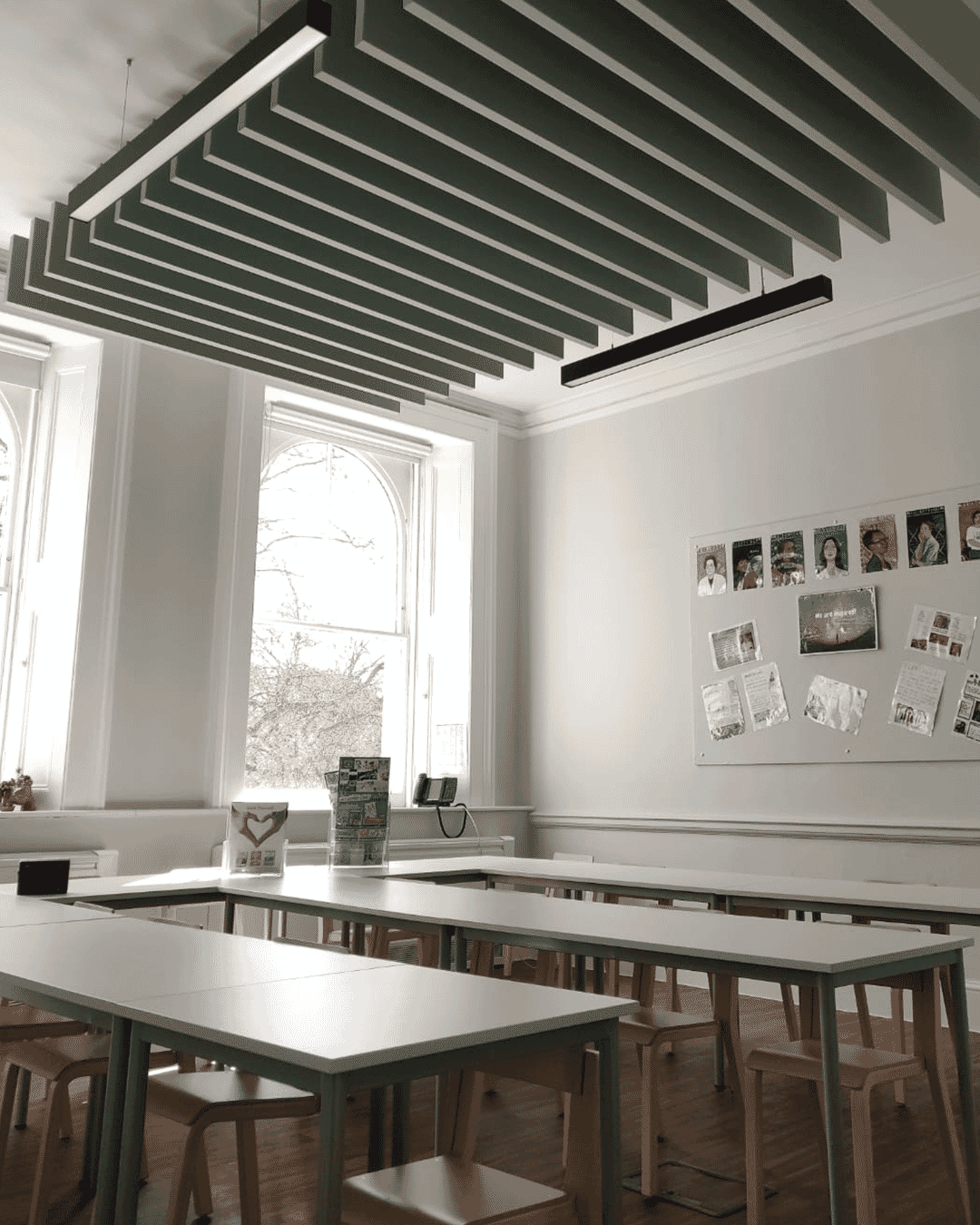
Brighton College Prep School

University of Birmingham
Hear the difference acoustic panels make
Want to hear the impact of acoustic treatment for yourself?
Try Ecophon’s interactive sound lab to experience how acoustic panels reduce classroom noise
Final thoughts
Reducing classroom noise isn’t just about making spaces quieter. It’s about creating environments where students can focus, teachers can teach comfortably and schools can meet acoustic standards with confidence.
With the right acoustic approach, classrooms become calmer, clearer and more inclusive, benefiting everyone who uses them.