









7 Minute Read
Resonics Guide to Sustainable Acoustic Panels
Discover what makes acoustic panels sustainable. From recycled materials to responsible manufacturing, these panels support better indoor environments while reducing environmental impact.
Categories
Guide
TL;DR – Sustainable acoustic panels
Eco-friendly acoustic panels are designed to do more than improve sound quality, they help shape healthier, lower-impact environments.
From PET felt made from recycled plastic bottles to bio-based panels created from renewable materials, the components behind modern acoustic solutions are evolving.
When paired with responsible manufacturing, low-VOC materials and recognised environmental certifications, these panels support better indoor environments while reducing lifecycle impact.
Sustainable acoustic materials: what’s behind the surface?
The right acoustic solution does more than manage sound. It helps create healthier, longer-lasting, lower-impact spaces.
Behind every acoustic panel is a combination of materials, manufacturing processes and environmental standards that shape its overall footprint. Understanding these elements helps designers and architects make more informed choices.
Here’s a closer look at the materials and principles driving more sustainable interiors.
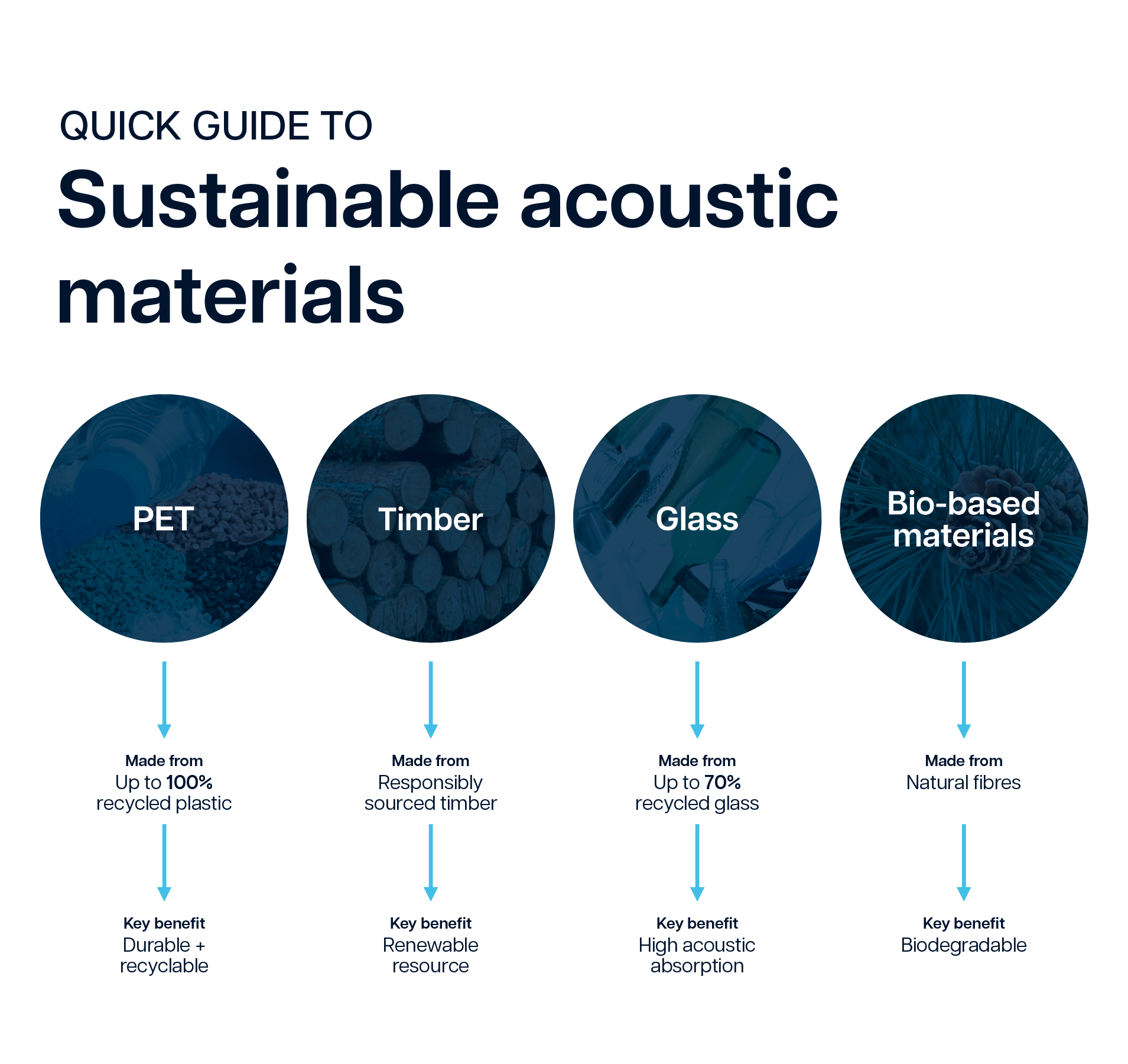
PET (polyethylene terephthalate) acoustic panels are made from recycled plastic bottles, transformed into dense, durable felt. By giving plastic waste a second life, PET diverts material from the landfill while delivering excellent acoustic performance.
- Made from up to 100% recycled plastic
- Durable and long-lasting
- Resistant to moisture and mould
- Many products are fully recyclable
Why it matters: High recycled content with a long service life results in a lower environmental impact over time.
Glasswool is produced from recycled glass that’s melted and spun into fine fibres. It is widely used as an acoustic and thermal insulation core, balancing performance with resource efficiency.
- Contains up to 70% recycled glass
- Manufactured using energy-efficient processes
- Low emissions
- Recyclable at end of life
Why it matters: Using recycled inputs and lower-energy manufacturing reduces lifecycle environmental impact.
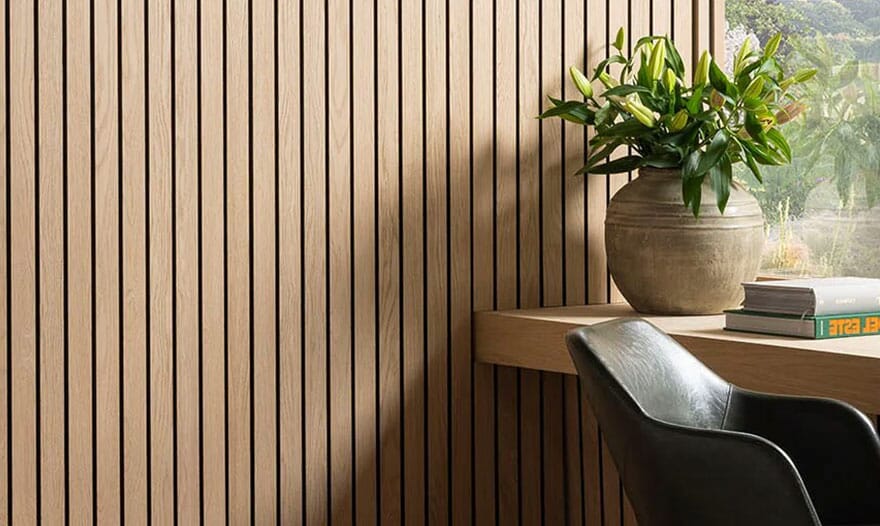
Responsibly sourced timber introduces warmth, texture and biophilic qualities into acoustic treatments, while also being recyclable.
- Sustainably sourced options
- Non-toxic, low-VOC finishes
- Naturally durable
- Wide range of grains and finishes
Why it matters: When responsibly managed, renewable timber supports environmental stewardship and well being.
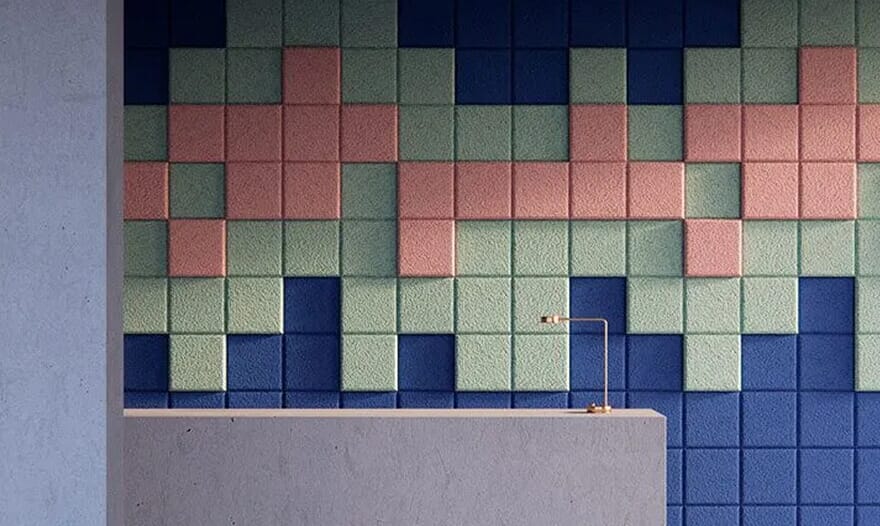
Bio-based acoustic panels are manufactured from renewable biological materials, offering a natural alternative to conventional synthetics.
- Made from natural materials
- Fully recyclable and biodegradable
- Free from synthetic binders and chemicals
Why it matters: Using renewable materials without chemical binders allows panels to be safely returned to natural cycles at end of life.


Sustainable manufacturing
Sustainability isn’t just about what a product is made from. It’s also about how it’s made, transported and used over time.
A responsible lifecycle considers:
- Raw material sourcing
- Manufacturing processes
- Energy use and emissions
- Distribution and logistics
- Product lifespan
- End-of-life solutions
Many leading manufacturers now operate solar-powered facilities, prioritise low-waste production and hold recognised environmental certifications.
But what do these certifications actually mean?
Understanding environmental certifications
Certifications provide transparency, accountability and measurable standards. They help designers evaluate sustainability claims and make evidence-based decisions.
ISO Standards
The International Organisation for Standardisation (ISO) develops globally recognised frameworks for quality and environmental management.
Key standards include:
- ISO 14001 – Environmental Management Systems
Supports continuous environmental performance improvement. - ISO 9001 – Quality Management Systems
Ensures consistent product quality and customer satisfaction. - ISO 14020 – Environmental Labels & Declarations
Defines principles for credible environmental claims.
Cradle to Cradle Certified
Cradle to Cradle Certified is a globally recognised sustainability certification aligned with ISO environmental labelling standards.
Products are evaluated across five categories:
- Material health
- Product circularity
- Clean air and climate protection
- Water and soil stewardship
- Social fairness
Certification levels, Bronze, Silver, Gold and Platinum, encourage continuous improvement toward a circular economy.
Declare & the Red List
The Declare label provides clear transparency about product ingredients.
It identifies products free from chemicals listed on the Living Building Challenge Red List, helping teams specify materials that are safer for people and the environment. Prioritising Red List Free materials protects occupants, installers and ecosystems.
Environmental Product Declarations (EPDs)
An Environmental Product Declaration (EPD) is a third-party verified document detailing environmental impact across a product’s lifecycle.
EPDs typically measure:
- Resource use
- Energy consumption
- Emissions
- Waste generation
They provide objective, comparable data, which is essential for evidence-based sustainable design.
EU Ecolabel
The EU Ecolabel, overseen by the European Commission, is the only EU-wide ISO 14024 Type I ecolabelling scheme.
It:
- Demonstrates reduced environmental impact
- Assesses full lifecycle performance
- Is independently verified
- Supports responsible procurement decisions

Acoustic panels and green building certifications
Acoustic panels can contribute to credits for green building and wellness standards in several categories.
LEED
Administered by the U.S. Green Building Council, LEED (Leadership in Energy and Environmental Design) certifies buildings that have met standards for sustainable design and energy efficiency.
Acoustic panels can contribute to:
- Indoor Environmental Quality (IEQ) credits
- Acoustic performance requirements
- Low-emitting materials
- Innovation credits for wellbeing-focused design
WELL
The WELL Building Standard, administered by the International WELL Building Institute, focuses on occupant health and wellbeing.
Acoustic solutions can contribute to:
- Sound-reducing surfaces
- Background noise control
- Reverberation time optimisation
- VOC restrictions
- Material transparency (Declare, Cradle to Cradle)
BREEAM
Developed by the Building Research Establishment, BREEAM evaluates building sustainability across multiple impact categories.
Relevant credits can include:
- HEA 05 – Acoustic performance
- HEA 09 – VOCs
- MAT 01 – Lifecycle impacts
- MAT 05 – Responsible sourcing
- MAT 06 – Material efficiency
Acoustic panels that meet green building certificates
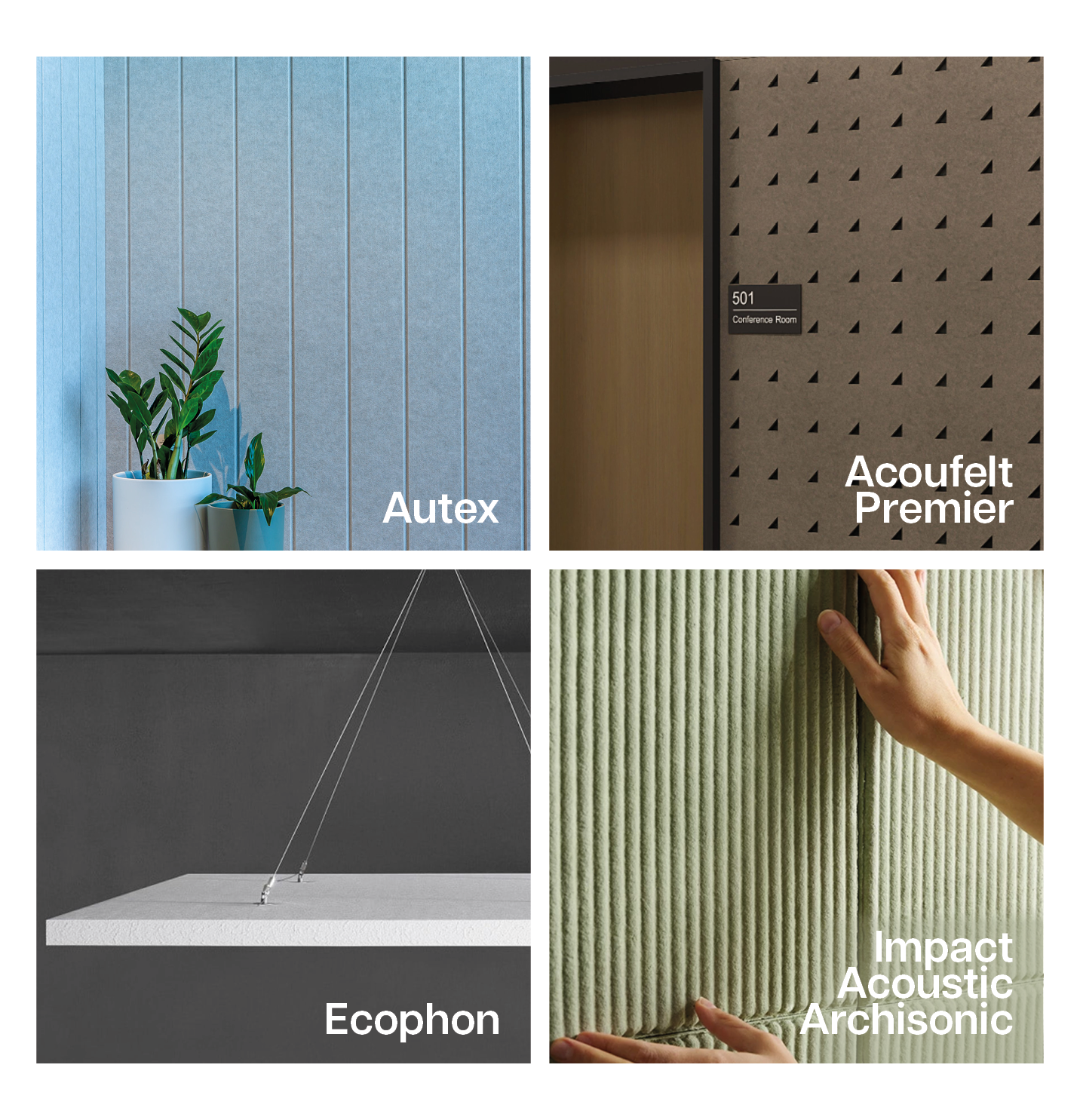
Autex products are engineered for both performance and sustainability, making them an ideal choice for green building projects. All Autex products and global operations are carbon neutral and independently certified by trusted third-party organisations.
With low VOC emissions, high recycled content and excellent recyclability, Autex solutions can support projects targeting WELL, LEED and BREEAM certifications.
Made with 60% recycled content and manufactured using 40% solar energy, Premier by Acoufelt delivers durable, high-performance acoustic solutions that support sustainable building practices.
Its low environmental impact helps improve indoor environments while contributing toward WELL, LEED and BREEAM certification goals.
Ecophon panels combine outstanding sound absorption with a strong commitment to sustainability. Each panel is independently certified to recognised environmental standards, ensuring low VOC emissions, recycled content and high end-of-life recyclability.
Ecophon products align with WELL, LEED and BREEAM rating systems, providing architects and designers with acoustic solutions that support healthier indoor environments.
Archisonic by Impact Acoustic are made from cotton cellulose, a by-product of the cotton industry, combined with other natural materials and produced without harmful synthetic binders or chemicals.
Designed with circularity in mind, the panels can be returned to production at the end of their life cycle, making them an excellent choice for environmentally conscious projects.
Independently tested, Archisonic panels meet LEED v4 VOC emissions requirements.
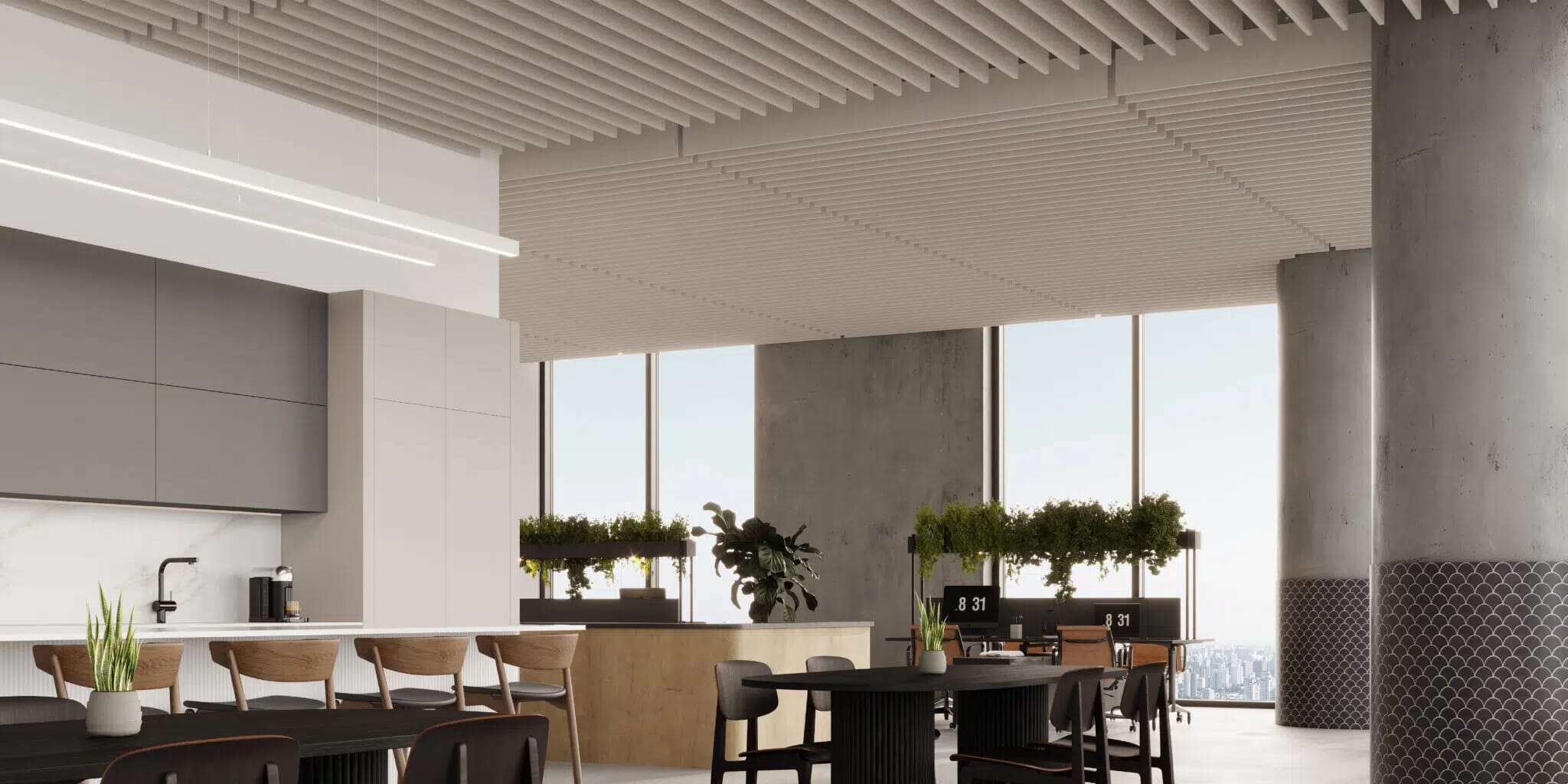
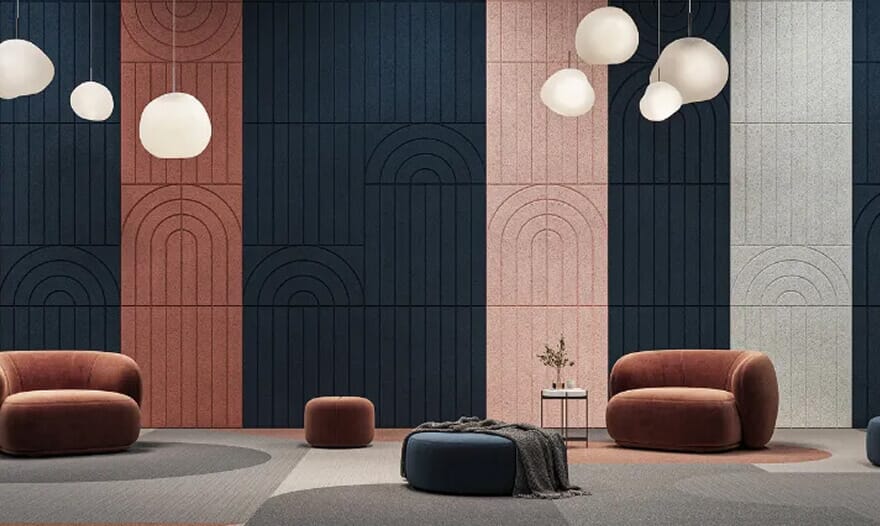
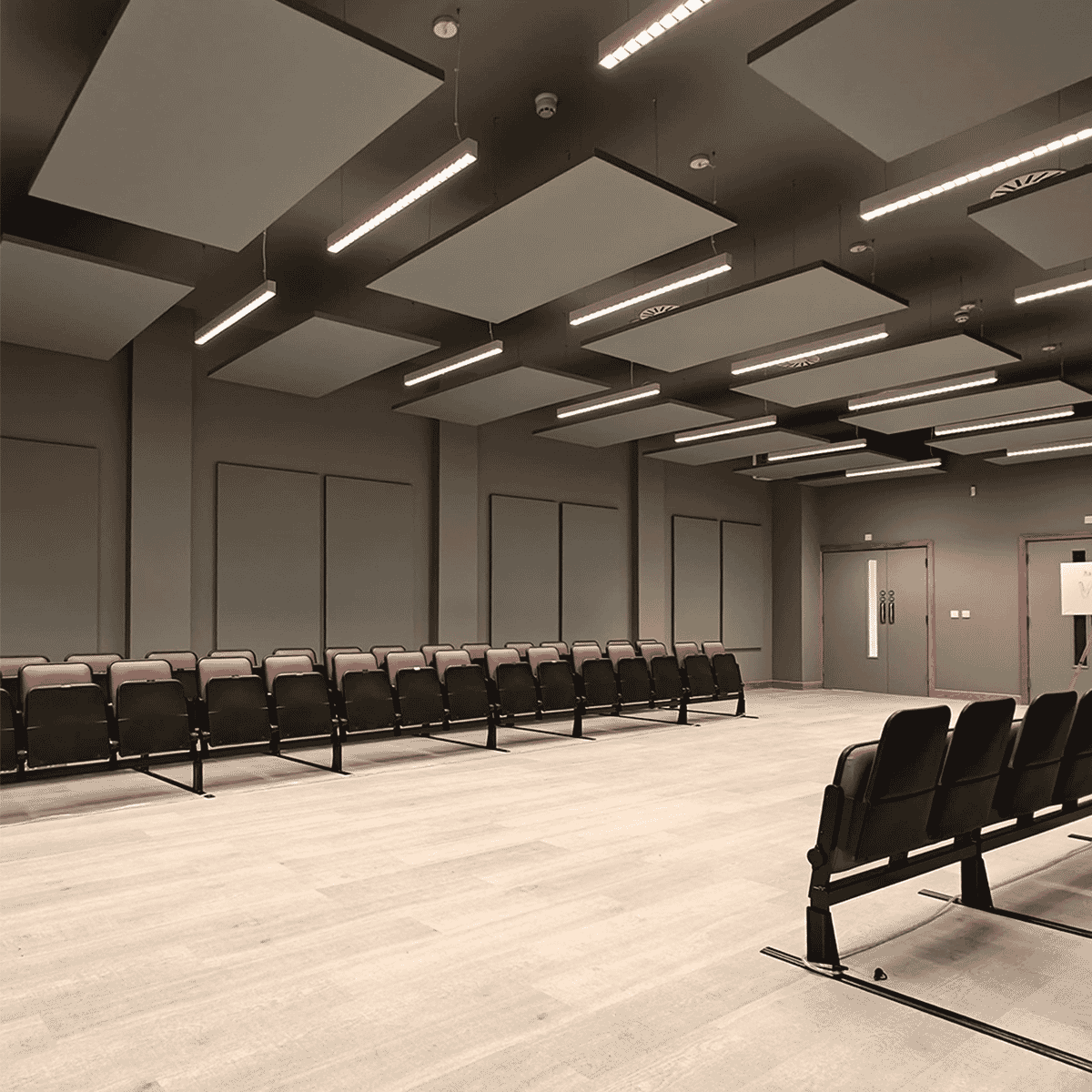
Sustainable acoustic panels

Final Thoughts
Sustainability in acoustic design is more than a specification checklist.
It’s a commitment to healthier spaces, responsible sourcing, circular thinking and long-term performance.
At Resonics, we work with manufacturing partners who share that commitment. From the materials we specify to the standards we prioritise, we believe high-performance acoustics and environmental responsibility should always go hand in hand.