















8 Minute Read
12 Ways Workplace Noise Affects Productivity
We spend a third of our lives at work. The acoustic environment around us during that time shapes how we feel, how well we focus and how healthy we stay. Here are 12 evidence-backed reasons why noise deserves to be at the top of your workplace wellbeing agenda.
Categories
Advice
We spend a third of our lives at work. The acoustic environment around us during that time has a measurable impact on how we feel, how well we focus and how healthy we stay.
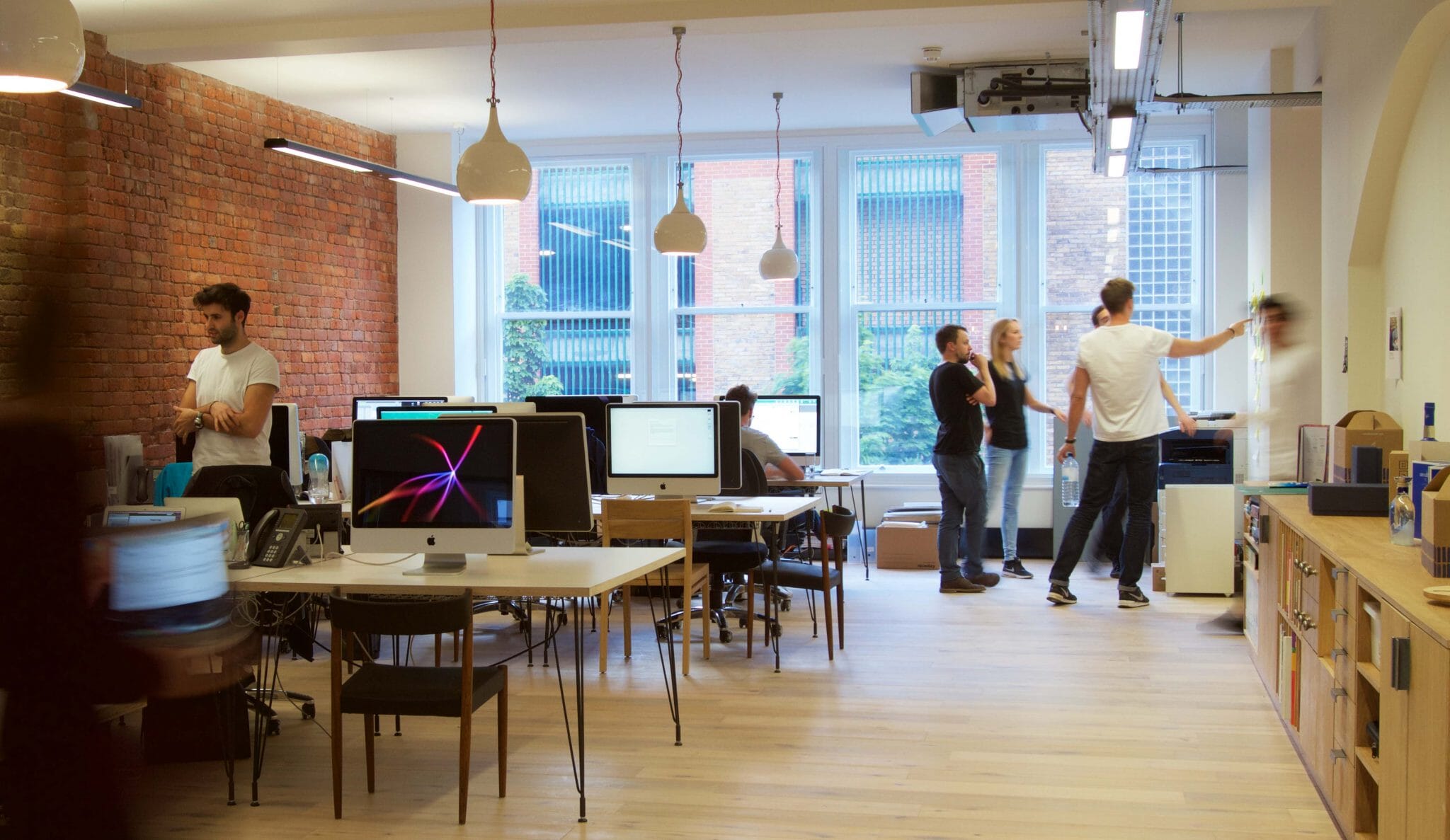
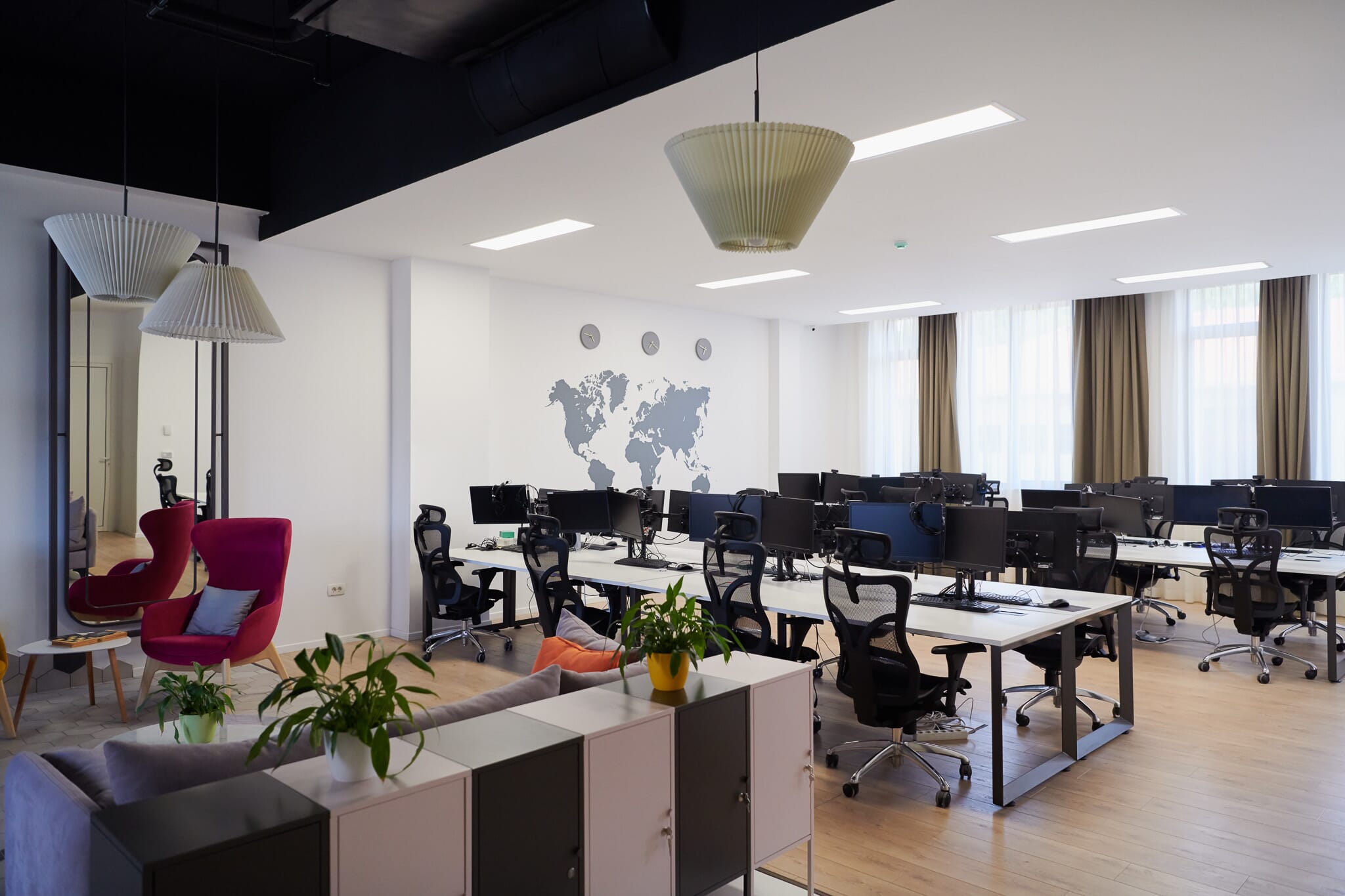
Survey after survey confirms it: workers rank interior acoustics above temperature, furniture and even cleanliness when it comes to workplace comfort. Yet the trend towards open-plan offices, now accounting for over 70% of modern workplaces, has made acoustic quality harder to achieve, not easier. Reflective surfaces, no partitions, and a constant hum of activity create environments where sound bounces freely and concentration suffers.
Here are twelve ways that noise affects your people, and why addressing it is one of the most impactful investments you can make in your workplace.
1. Noise Triggers Physiological Stress
It’s not just deadlines and workload that raise cortisol levels at work, noise is a significant and often overlooked stressor. Exposure to loud or unpredictable sounds triggers the body’s stress response: heart rate increases, blood pressure rises and stress hormones spike.
Research published in the National Library of Medicine found that even intermittent exposure to elevated noise levels can lead to sustained increases in stress hormones and higher long-term hypertension risk. Even the everyday sounds of an open-plan office, such as ringing phones and background chatter, are enough to affect heart rhythm over the course of a working day.
2. Productivity Can Drop Dramatically
The numbers are striking: workers exposed to a single nearby conversation can be up to 66% less productive.
Research published in the British Journal of Psychology found that background noise disrupts both reading and writing tasks, not just complex analytical work. In a well-known Channel 4 experiment, architectural critic Tom Dyckhoff wore a brainwave-monitoring cap while working in an open-plan office. The results showed clear, measurable spikes in distraction. The implication for organisations is significant: with the majority of offices now open-plan, the cumulative productivity loss is enormous.
3. Other People’s Conversations Are Particularly Disruptive
Not all noise is equal. According to Julian Treasure, founder of The Sound Agency, human speech is the most cognitively disruptive sound of all. The reason is biological: our brains are wired to process language, so overheard conversations compete directly with our own internal voice.
We have the bandwidth for roughly 1.6 concurrent conversations. When we’re involuntarily listening to a colleague’s call or discussion, we’ve already used most of that capacity — leaving precious little for focused, deep work.

4. The Business Cost Is Substantial
The World Health Organisation estimates the annual cost of excessive noise to Europe alone at £30 billion, encompassing lost working days, healthcare costs and reduced productivity.
At an office level, the figures are just as striking. Studies show that employees in open-plan environments take up to 70% more sick days than those working from home. Some of that is attributable to illness spreading in shared spaces but acoustic stress and fatigue play a meaningful role too.
5. Multitasking Becomes Even Harder
Noise compounds the challenges of multitasking. Stanford neuroscientist Anthony Wagner found that habitual multitaskers are both more easily distracted by environmental noise and slower to refocus after interruption.
The open-plan office, designed to facilitate collaboration, can inadvertently make it harder for individuals to manage their own attention and workflow effectively.
6. Speech Intelligibility Has a Hidden Downside
It might seem counterintuitive, but being able to hear conversations clearly is actually detrimental to cognitive performance. A study by ICBEN (International Commission on Biological Effects of Noise) compared worker performance across three office conditions: a cubicle office, an acoustically treated open-plan space, and an untreated open-plan space.
The results showed that memory and complex thinking were significantly impaired in environments where speech was clearly intelligible, those with a Speech Transmission Index (STI) above 0.30.
Untreated open-plan offices routinely measure STI values of 0.65 or higher. Acoustic treatment, panels, baffles, rafts, can reduce intelligibility to a level that removes distraction without making the space feel uncomfortably muffled.
7. Noise Is Physically Exhausting
Even when we successfully block out background noise, the effort required takes a real toll. As Psychology Professor Arline Bronzaft explains, trying to ignore sound means working harder on every task, you’re simultaneously completing your work and suppressing distraction.
Over the course of a day, this accumulated mental effort leads to fatigue that goes well beyond normal tiredness. Employees leave work depleted rather than satisfied.

8. Reaching for Headphones Isn’t Always the Answer
Many workers turn to personal audio to block out the office, and for repetitive tasks, it can help. But for work that requires information retention, comprehension or creative thinking, listening to music while working actually impairs performance.
The solution to a noisy environment shouldn’t rest on individual employees managing their own acoustic experience. Addressing the environment itself is both more effective and more equitable.
9. In-ear Headphones Carry a Hidden Health Risk
When employees reach for earbuds to escape ambient noise, they’re often increasing their exposure to sound in a much more direct way.
Earbuds sit within the ear canal, significantly closer to the cochlea than over-ear headphones, and studies suggest they can amplify sound levels by around 9 decibels. Over time, this level of exposure can damage the sensitive hair cells responsible for transmitting sound signals to the brain, contributing to irreversible hearing loss.
10. Posture and Physical Health Can Suffer Too
The effects of workplace noise extend beyond concentration and stress. Research published in the Journal of Applied Psychology found that workers exposed to the kind of noise typically found in open-plan offices were less likely to make postural adjustments throughout the day, leading to more prolonged slumping and a higher risk of musculoskeletal issues.
Noise-related fatigue also reduces body awareness, making people less responsive to the physical cues that prompt movement and repositioning.
11. Motivation and Behavioural Outcomes Decline
In the same study, workers exposed to chronic low-level noise showed elevated epinephrine (adrenaline) levels, a marker of physiological stress. They also displayed what researchers describe as “behavioural after-effects”: reduced persistence, fewer attempts at challenging tasks and lower motivation overall. T
Noise doesn’t just affect the moment; it shapes how people feel about their work and their capacity to engage with it.
12. Sustained Moderate Noise Can Cause Hearing Damage
You don’t need to work in a factory or construction site to experience noise-induced hearing damage. Prolonged exposure to the moderate noise levels common in busy open-plan offices can gradually impair hearing over time. For employers, this represents both a duty-of-care consideration and a long-term liability.
What You Can Do About It
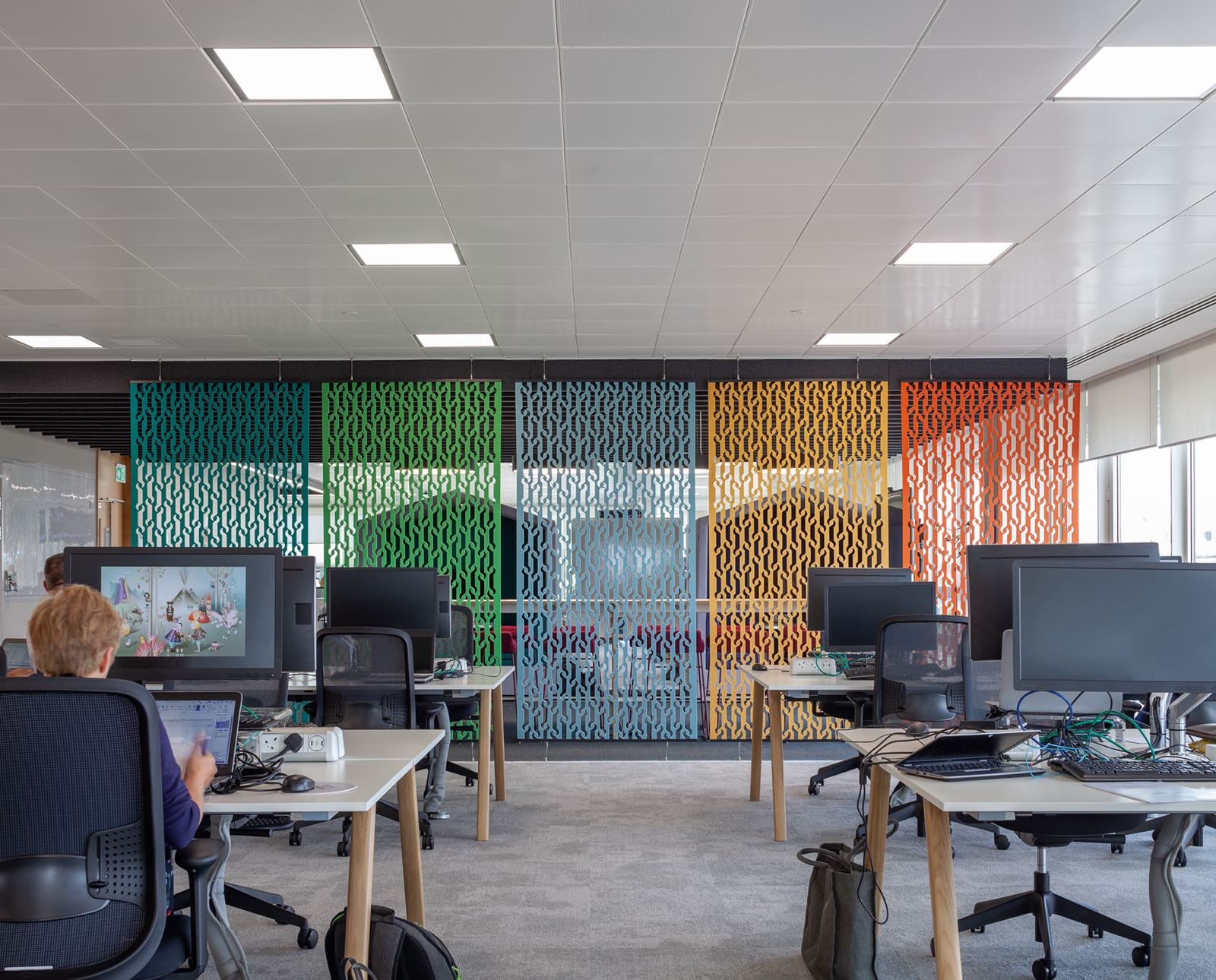
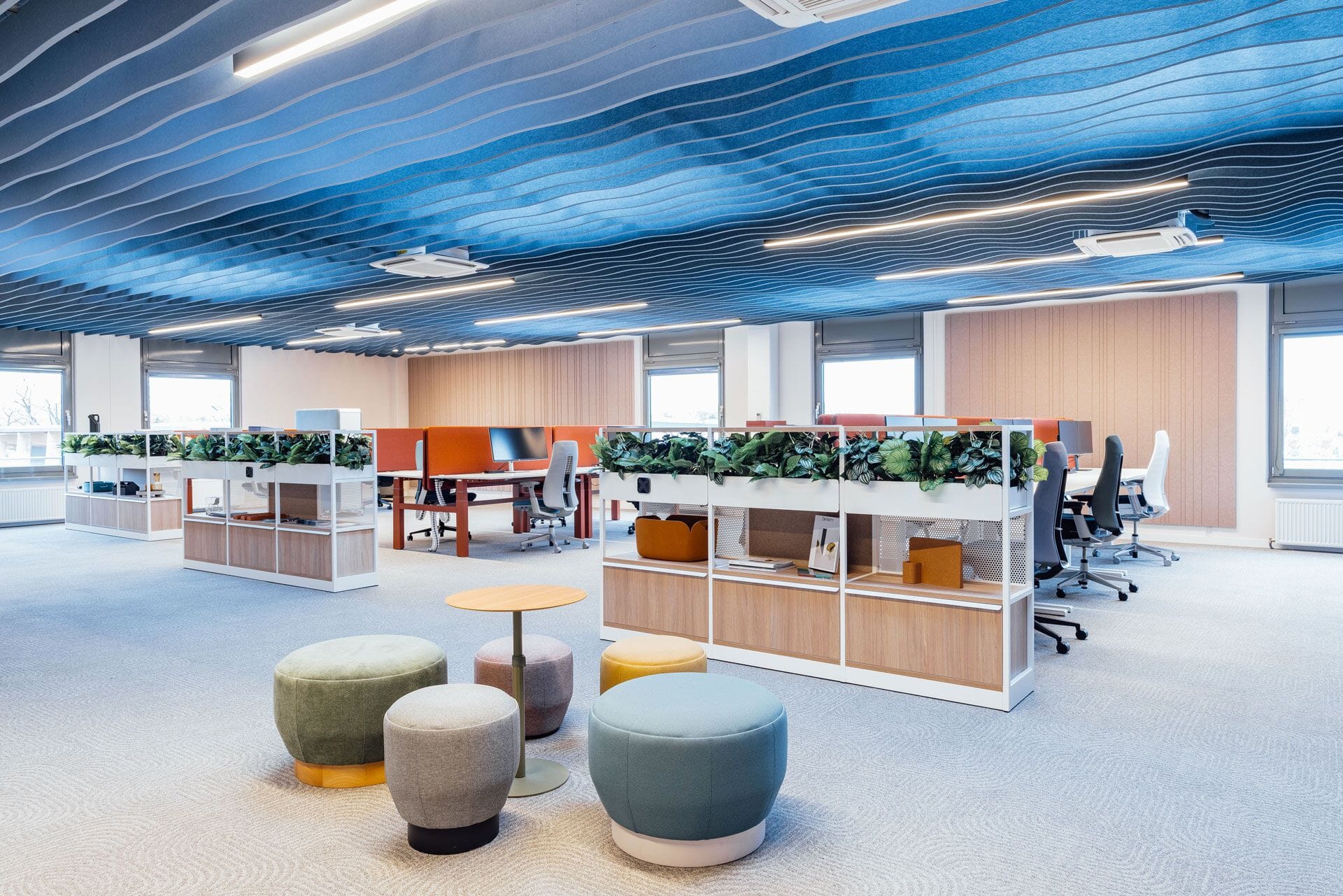
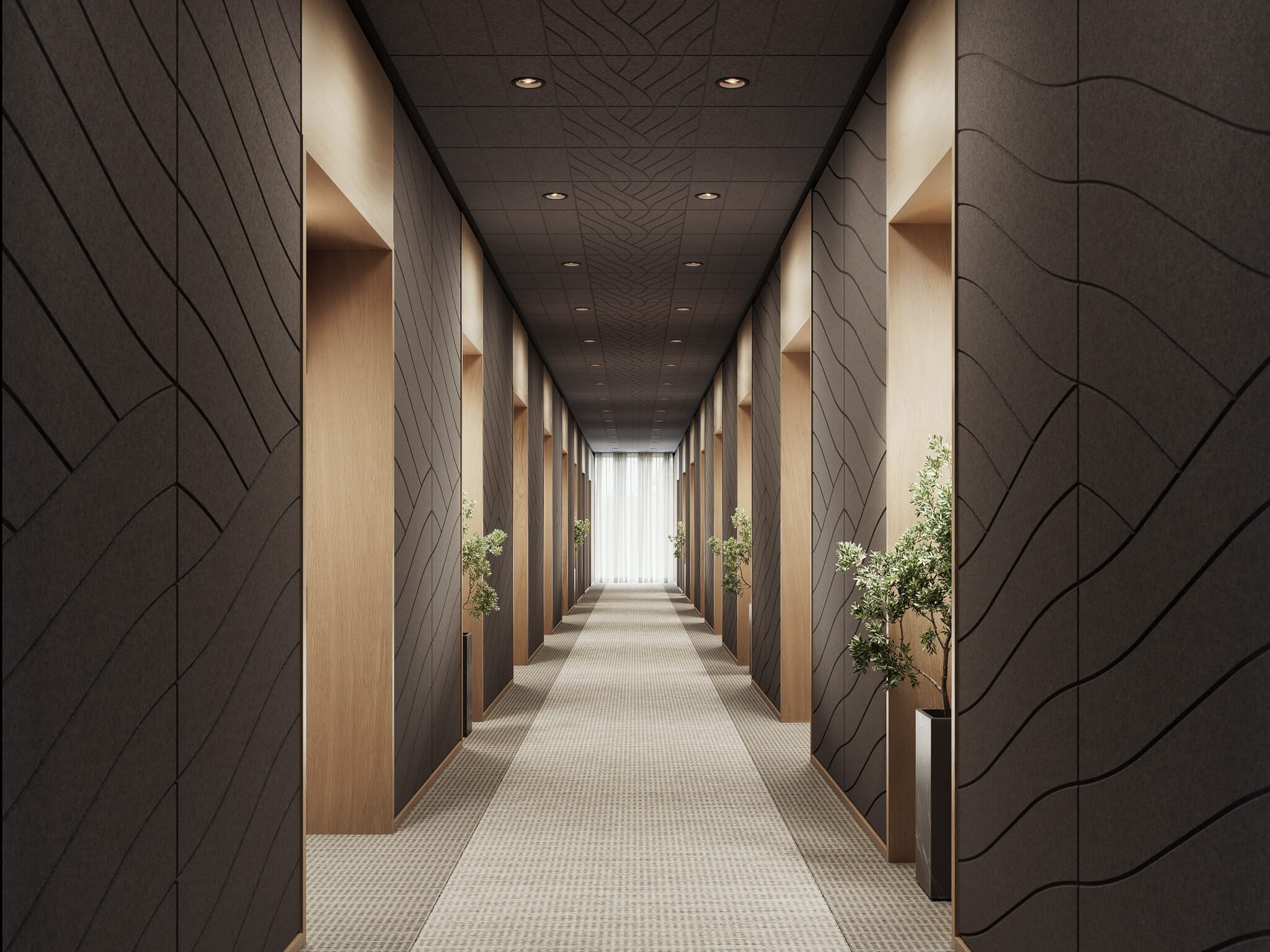
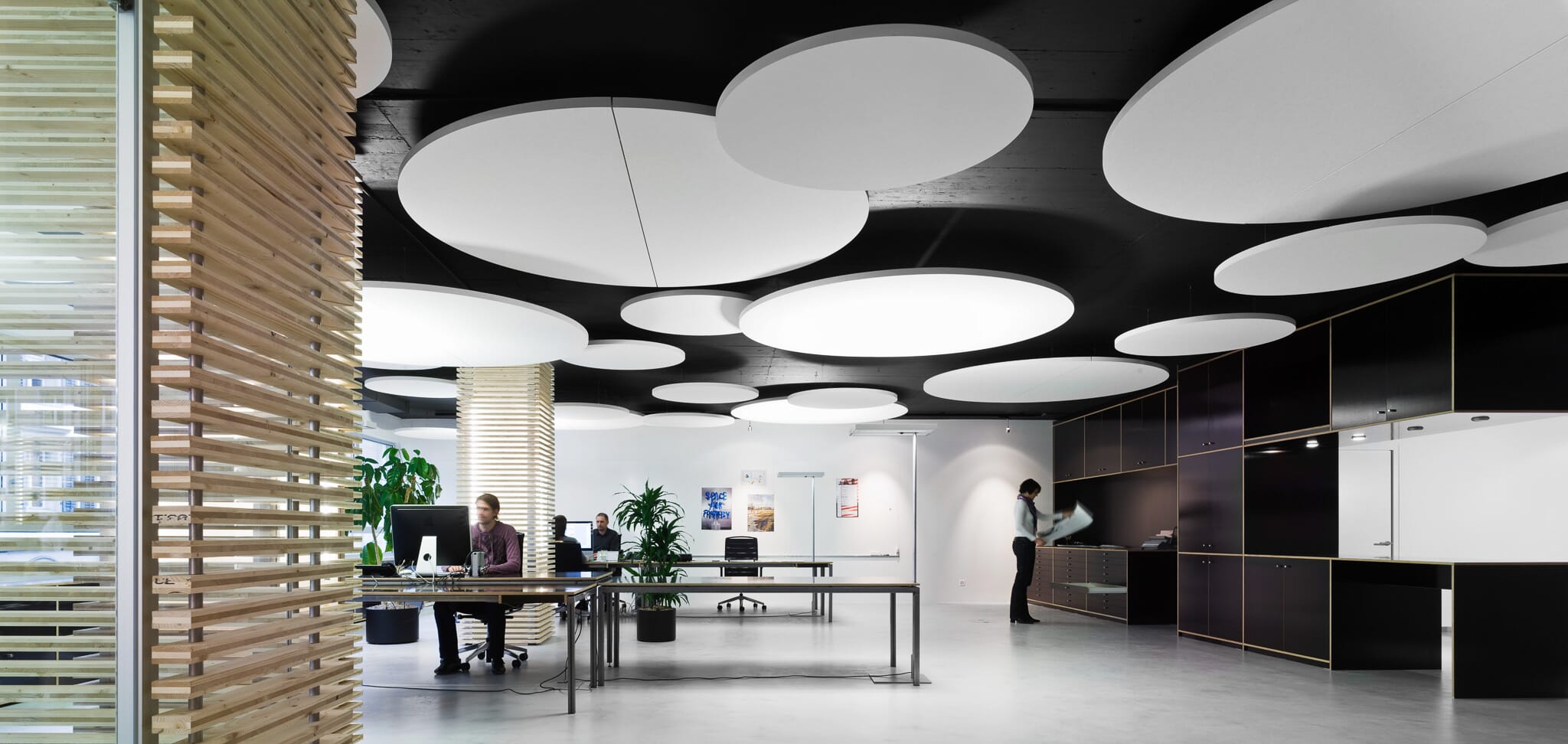
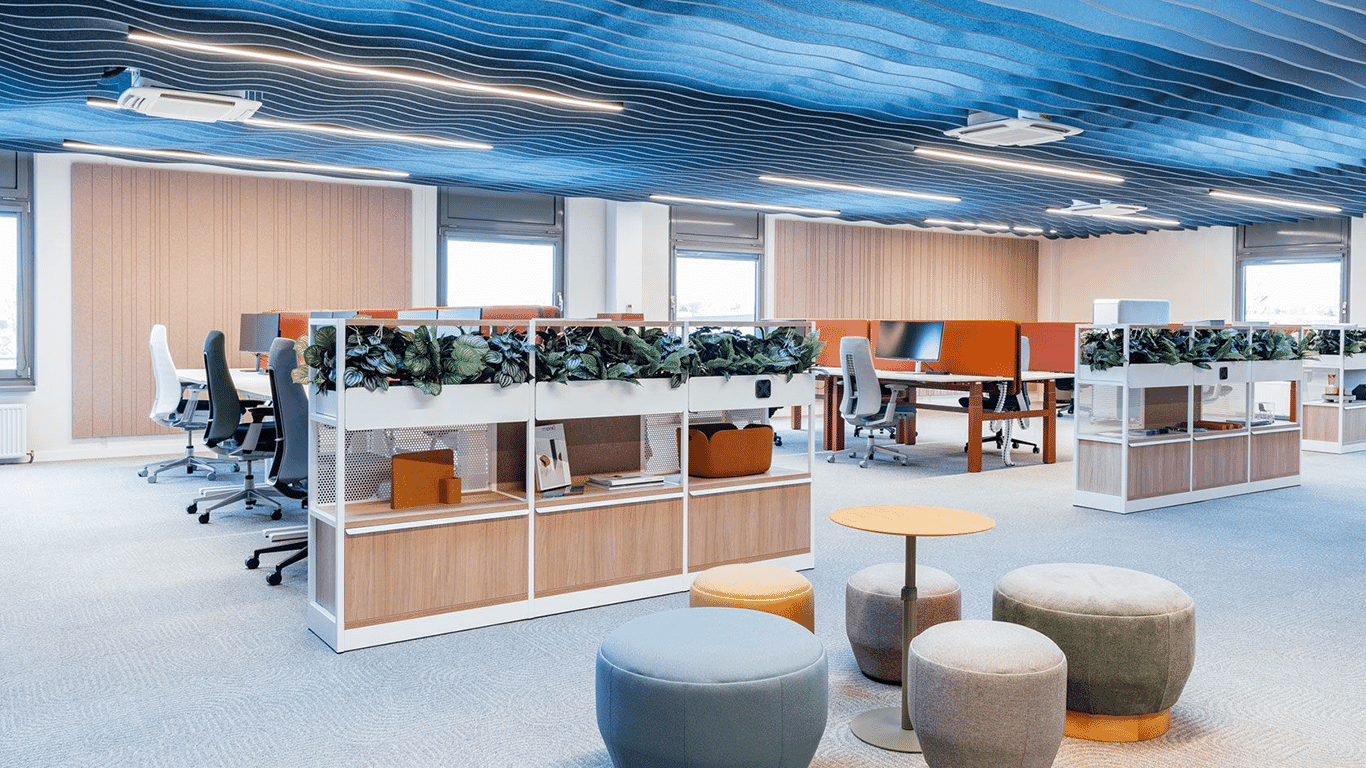
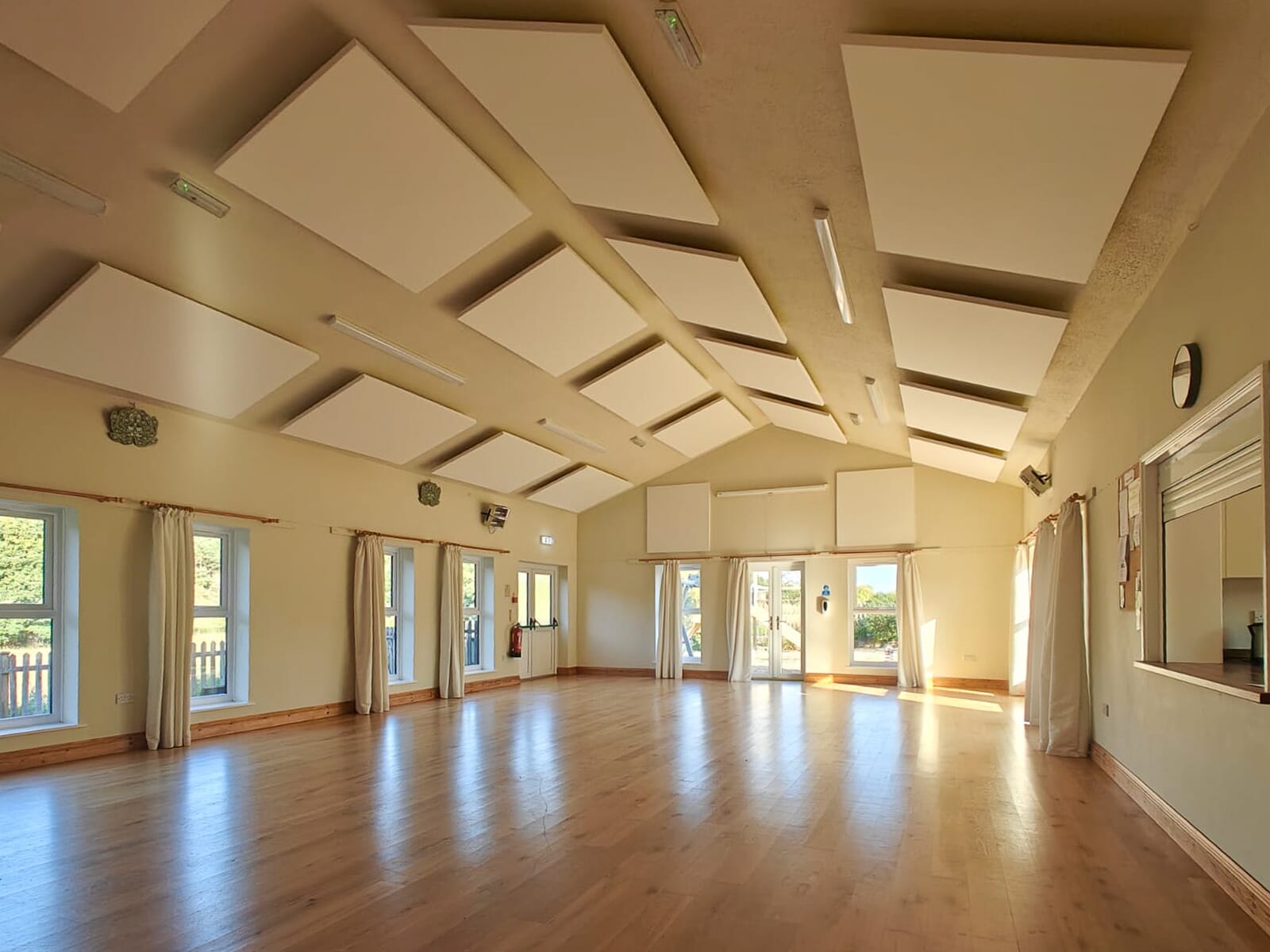
The good news is that acoustic performance is a solvable problem. Thoughtful treatment, acoustic panels, ceiling baffles, rafts, screens and sound masking systems, can dramatically reduce noise levels, lower speech intelligibility to a comfortable threshold and create environments where people can focus, collaborate and thrive.
At Resonics, we’ve delivered acoustic solutions across more than 7,000 projects, from open-plan offices and meeting rooms to schools, churches and hospitality spaces. We combine precise acoustic measurement with practical expertise to recommend treatments that actually work for your space, your budget and your people.
Concerned about noise in your workplace?
Book a free acoustic survey and we’ll give you an honest assessment of what’s happening in your space and what it would take to fix it.
Acoustic panels to reduce office noise